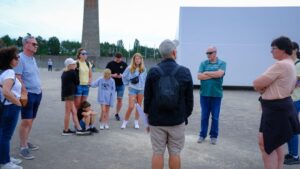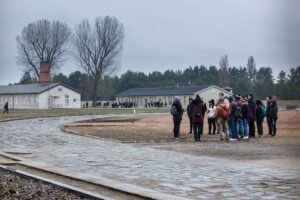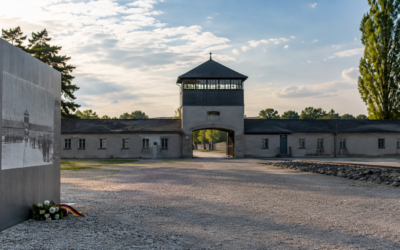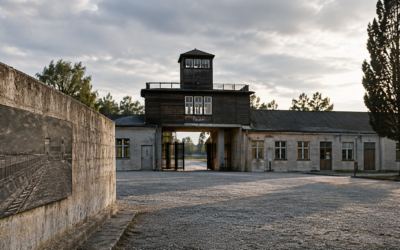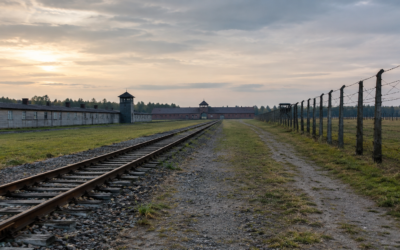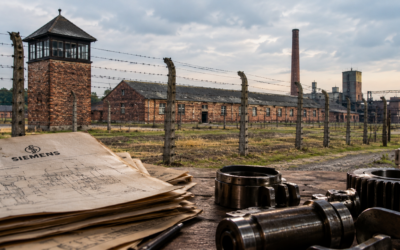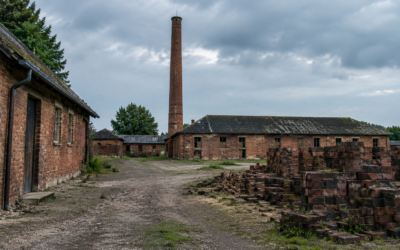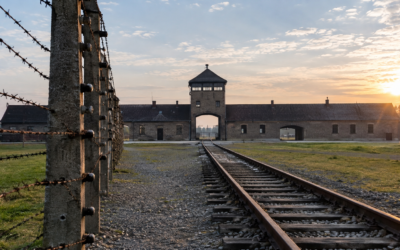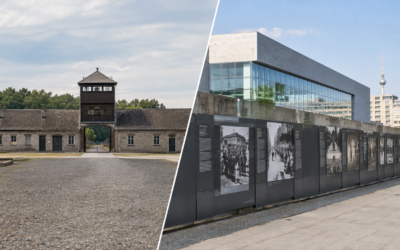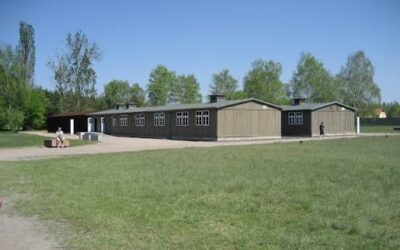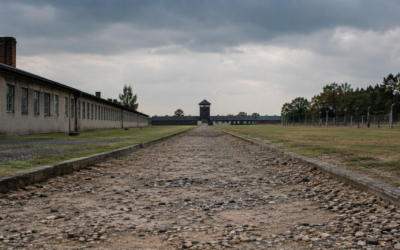
Du stehst auf einem weiten, offenen Kiesfeld. Der Wind streicht ungehindert darüber. Dein erster Impuls ist, nach einer Erklärung für diesen Ort zu suchen: ein Denkmal, ein Schild, irgendetwas, das dir sagt, was du siehst. Doch es gibt nichts. Die Leere ist die Erklärung.
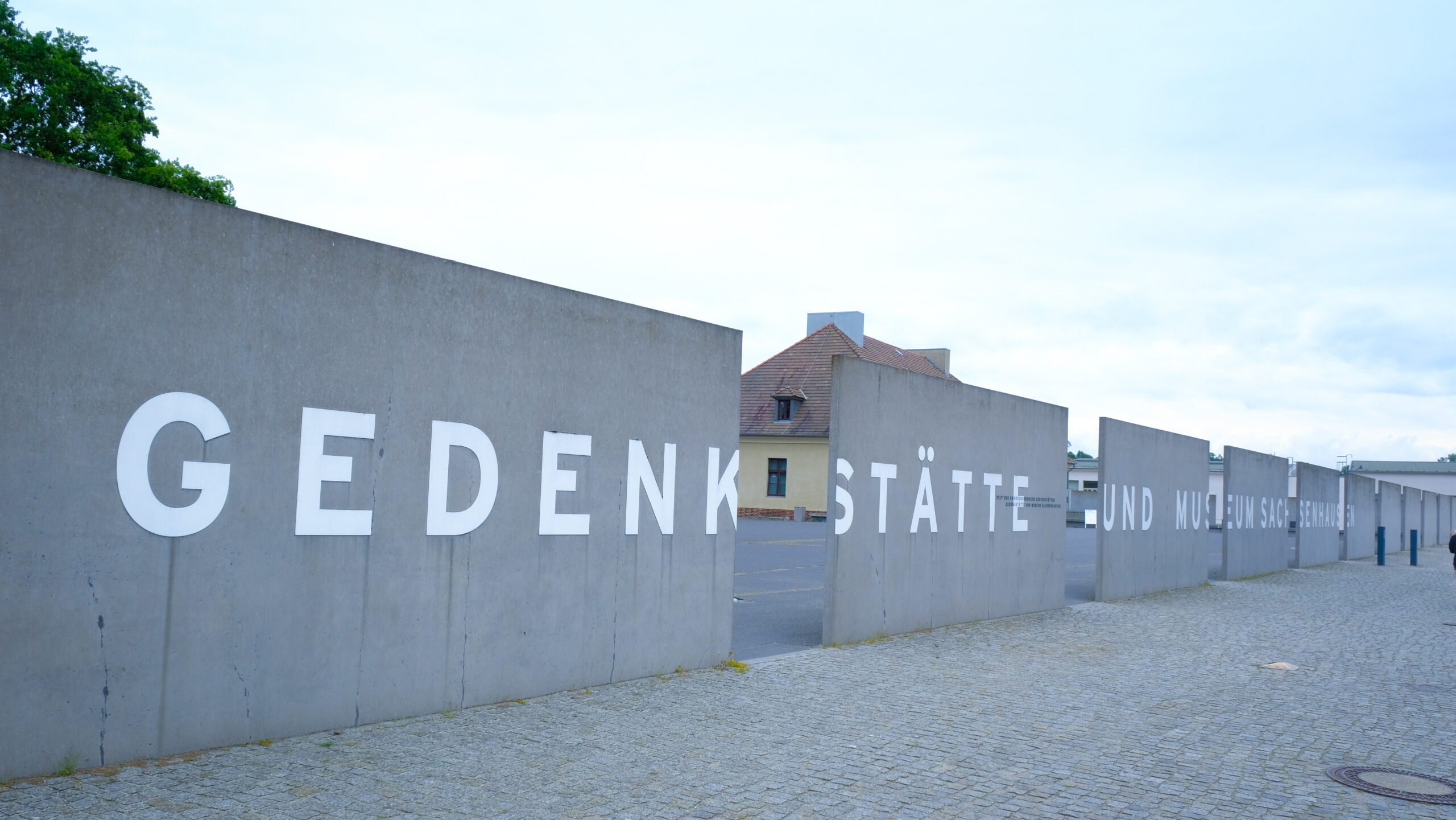
Das ist für die meisten die erste Überraschung. Besucher von SachsenhausenDer Appellplatz sieht unscheinbar aus. Um zu verstehen, was dort geschah, muss man begreifen, warum ein so schlichter Platz der gefürchtetste Ort im Lager war.
Warum ein Paradeplatz zur Waffe wurde
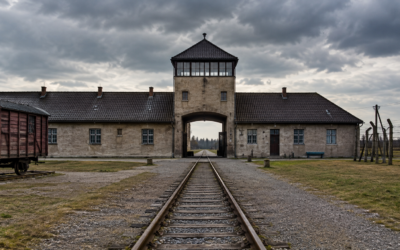
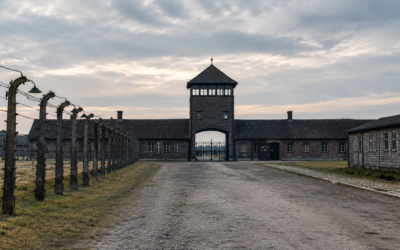
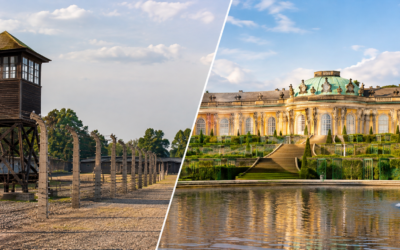
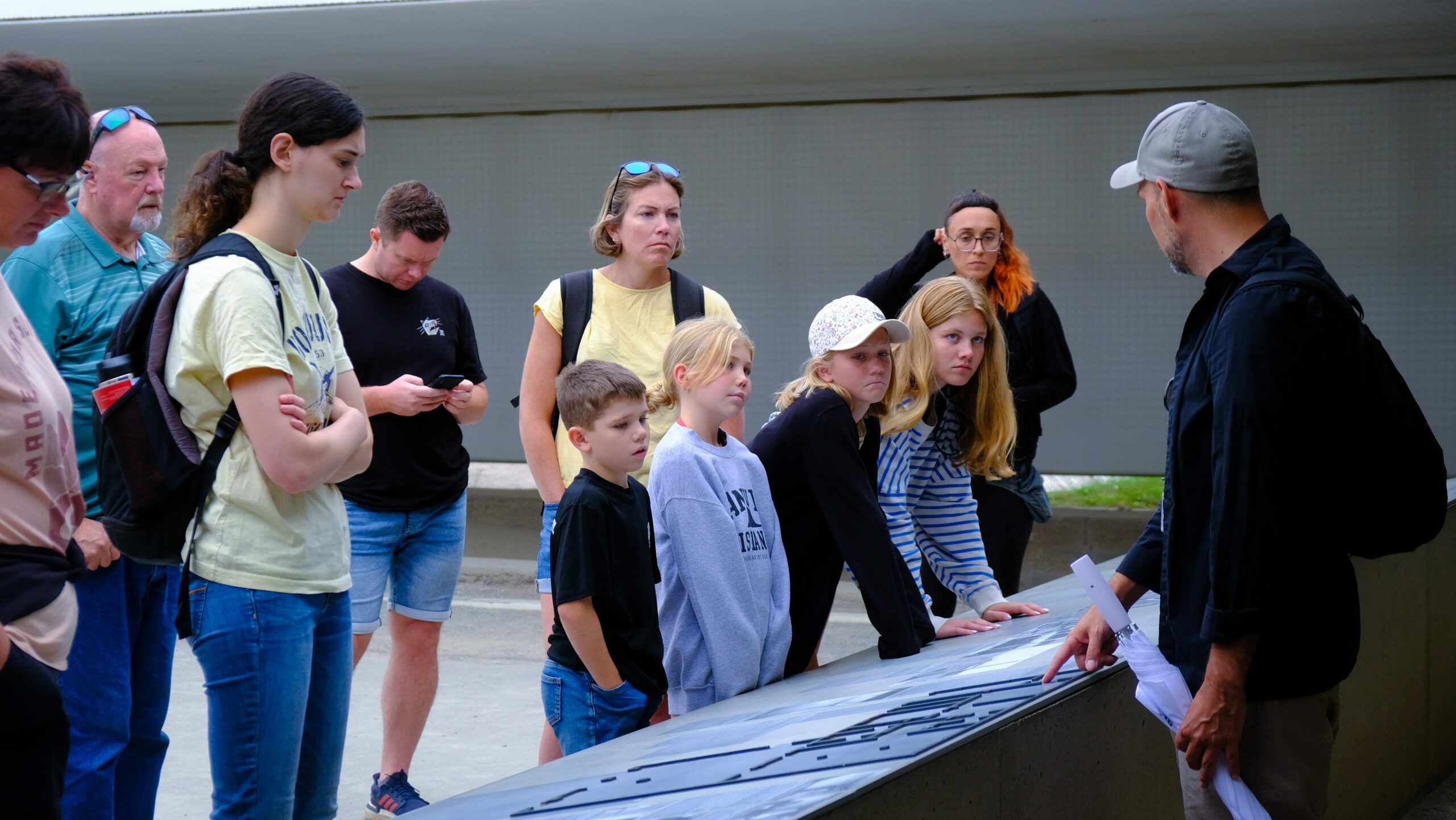
Sachsenhausen liegt in Oranienburg, eben nördlich von BerlinDie Anlage war so geplant, dass sich alle Gebäude von einem Punkt aus erstreckten: Die Kasernen bildeten einen Halbkreis, und der Appellplatz befand sich in der Mitte und war vom Haupttorturm aus sichtbar. Diese Anordnung machte es offensichtlich, dass jeder Gefangene von einem einzigen Standort aus gesehen, gezählt und kontrolliert werden konnte.
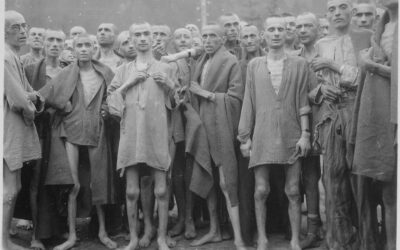
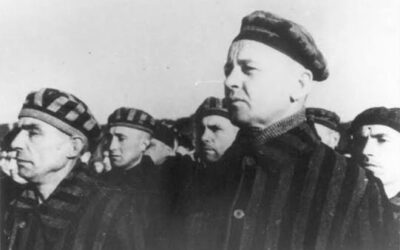
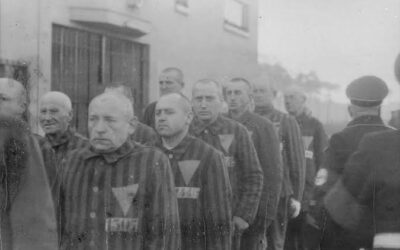
Die Gefangenen mussten sich, ungeachtet der Jahreszeit, zweimal täglich in Reihen aufstellen und gezählt werden. Die Zählung musste exakt sein; fehlte ein Mann – sei es, weil er in der Nacht gestorben, geflohen oder in einer Baracke versteckt war –, mussten alle so lange stehen bleiben, bis die Zahlen übereinstimmten. Stunden vergingen, und die Männer, geschwächt und unterernährt, standen in ihren dünnen Kleidern bis in die Morgendämmerung des Winters.
Möchten Sie einen weiteren Aspekt des Gefangenenalltags in Sachsenhausen kennenlernen? Lesen Sie unseren Blog auf Die Schuhprüfstrecke von Sachsenhausen: Warum Gefangene gezwungen wurden, kilometerweit zu marschieren um mehr über die Zwangsmärsche und die Zwangsarbeit auf den Gleisen zu erfahren.
Der Fehler, den fast jeder macht: Die Lager verwechseln
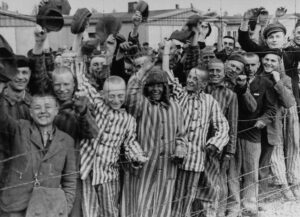
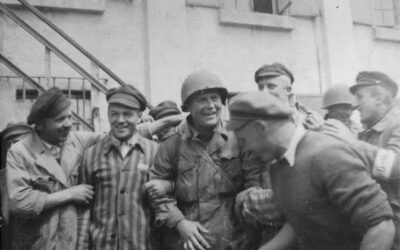
Wer sich online mit der Geschichte von Konzentrationslagern beschäftigt, stößt unweigerlich auf ein weit verbreitetes Missverständnis. Die Geschichten verschiedener Lager werden oft zu einer einzigen vermischt. Das bekannteste Beispiel ist Dachau bei München, das am 29. April 1945 von amerikanischen Truppen befreit wurde.
Die Befreiung von Dachau ist der Ursprung eines berühmten und umstrittenen Fotos. Die Bildunterschrift behauptet üblicherweise, Häftlinge würden im Begriff sein, einen SS-Wachmann mit einer Schaufel hinzurichten. Historiker und aufmerksame Leser haben dies vehement bezweifelt. Einer Darstellung zufolge zeigt das Foto gar keine Hinrichtung. Demnach standen die Wachen in einer Reihe, einer rannte weg und wurde erschossen, woraufhin die anderen glaubten, hingerichtet zu werden, und zu Boden fielen. Deshalb stehen noch einige Männer auf dem Bild.
Der Prozess, der den Platz wieder in die Schlagzeilen brachte
Jahrzehntelang schien die Frage nach den Verantwortlichen für die Ereignisse in Sachsenhausen ein abgeschlossenes Kapitel zu sein. Dann öffnete ein Gerichtssaal sie wieder.
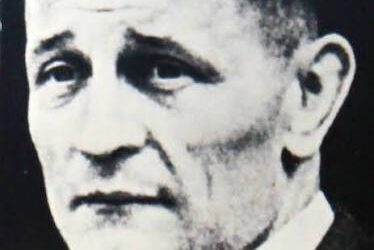
Josef Schütz, der von 1942 bis 1945 im Lager gedient hatte, wurde wegen Beihilfe zum Mord zu fünf Jahren Haft verurteilt. Er war 101 Jahre alt und damit der älteste Mensch, der jemals wegen Verbrechen aus der NS-Zeit vor Gericht stand.
Die Reaktionen waren geteilt, und die Argumente sind es wert, bekannt zu sein, da Sie ähnliche Versionen von anderen Besuchern hören werden. Die einen meinten, es sei viel zu spät und sinnlos, einen Mann in diesem Alter zu bestrafen. Die anderen argumentierten, er sei damals in seinen Zwanzigern gewesen und habe daher keine Verantwortung getragen. Wenn die Wachen verurteilt werden, müssten auch alle, die nicht eingegriffen haben, verurteilt werden.
Wie es sich anfühlt, heute dort entlangzugehen
Besucher, die haben Ich ging durch dieses Gelände Beide beschreiben die gleichen Empfindungen. Zum einen den Schock darüber, wie alltäglich die Umgebung ist. In Dachau bemerkte ein Besucher, dass das Lager mitten in der Stadt liegt, die Häuser direkt an den Zaun angrenzen. Es ist nicht abgelegen. Oranienburg hat eine ähnliche Eigenschaft: eine normale Stadt, ein normaler Arbeitsweg und ein Lager am Ende der Straße.
Die andere Art ist ein plötzliches Überkommen von Schwere. Jemand, der nach einem ausgelassenen Oktoberfest-Wochenende auf Tour war, berichtete, dass ihn die Reise sofort wieder nüchtern gemacht habe. Eine andere Person war zweimal dort und wollte ein drittes Mal hinfahren, quasi als Hommage, denn man müsse es selbst erlebt haben, um es zu verstehen.
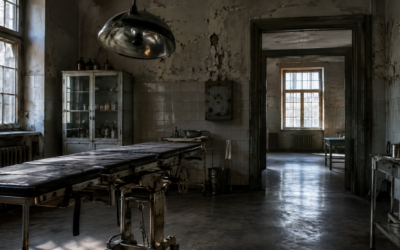
Möchten Sie mehr über die medizinische Geschichte des Lagers erfahren? Lesen Sie unseren Blog auf Die Krankenstation in Sachsenhausen: Medizin, Mord und Menschenversuche um zu erforschen, was dort geschehen war.
Warum es die Dinge verändert, wenn man es in Farbe sieht und von der Quelle hört.
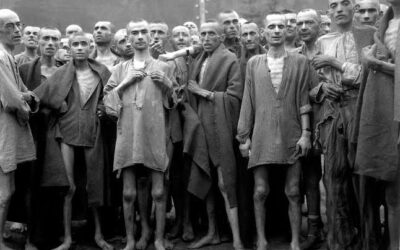
Viele Menschen nennen denselben Wendepunkt, den Moment, in dem die Geschichte nicht mehr fern erschien. Manche sahen ihn beim Anblick von Farbfotos, denn Schwarz-Weiß lässt die Vergangenheit wie aus einer völlig anderen Welt wirken, obwohl sie erst achtzig Jahre zurückliegt, also innerhalb eines einzigen Lebensabschnitts. Andere erinnern sich an Besuche von Überlebenden in Schulklassen, bei denen ein älterer Mann unmissverständlich sprach und die anwesenden Erwachsenen verstummten.
Viele der Soldaten, die die Lager befreit hatten, sprachen danach kaum darüber. Ein Enkel erinnerte sich an den ängstlichen und hilflosen Blick seines Großvaters, als Dachau zur Sprache kam. Eine andere Familie hatte nur einen einzigen Ratschlag von ihrem Großvater, einem Veteranen. Auch Forscher haben dieses Muster beobachtet: Diejenigen, die tatsächlich in den Lagern waren, sprachen oft weniger darüber als Menschen, die sie nie gesehen hatten.
Dieses Schweigen ist Teil der Geschichte. Es lohnt sich, es mit auf den Platz zu nehmen.
Eine Anmerkung zur Verleugnung
Manchmal trifft man online oder persönlich auf jemanden, der behauptet, die Beweise seien erfunden, meist indem er ein Detail wie die Höhe eines Schornsteins herauspickt. Diese Argumente beruhen auf einem einzigen Trick: Man sucht sich ein ungewöhnliches Detail heraus und behauptet dann, die gesamte Argumentation breche zusammen, wenn es nicht dazu passt.
So funktioniert die Beweislage nicht. Sie umfasst unzählige Zeugenaussagen von Überlebenden, Geständnisse und Schriften von Tätern sowie deutsche Dokumentationen der Programme. Wissenschaftler diskutieren ständig über Details, und das ist normal. Die grundlegenden Fakten stehen außer Frage.
Häufig gestellte Fragen
- Wurden SS-Wachmänner nach der Befreiung tatsächlich mit Schaufeln hingerichtet?
Das berühmte Foto mit der entsprechenden Bildunterschrift ist umstritten. Einer weit verbreiteten Version zufolge zeigt es Wachen, die zu Boden gingen, nachdem ein Mann geflohen und erschossen worden war – keine Hinrichtungsszene. Zwar kam es in Dachau zu Vergeltungsmaßnahmen gegen Wachen, bei denen Schätzungen zufolge etwa 35 bis 50 Menschen getötet wurden, doch das Foto ist kein verlässlicher Beweis für die genauen Umstände.
- Wurden die Wachen im Hintergrund des Fotos ebenfalls getötet?
Einigen Berichten zufolge wurden viele von ihnen von einem amerikanischen Maschinengewehrschützen erschossen, wobei die Zahl oft mit etwa 60 angegeben wird. Historiker sind sich über die genaue Reihenfolge und Anzahl uneinig, daher sollte man jede einzelne Bildunterschrift mit Vorsicht genießen.
- Könnte ein junger Wachmann zur Verantwortung gezogen werden, wenn er nicht die Aufsicht hatte?
Ja. Im Fall Schütz wurde ein Mann, der in seinen Zwanzigern im Konzentrationslager Sachsenhausen tätig war, wegen Beihilfe zu Morden verurteilt. Beihilfe setzt die Teilnahme am Tötungssystem voraus, nicht die Innehabe einer Führungsposition.
- War es für die Deutschen wirklich unmöglich, die Teilnahme zu verweigern?
Nicht immer. Historiker verweisen auf das Polizeibataillon 101, dessen Kommandant den Männern die Möglichkeit bot, sich den Tötungen zu entziehen. Nur eine Minderheit der Deutschen war auf dem Höhepunkt des NS-Regimes Mitglied der NSDAP, und viele hielten sich fern oder leisteten stillen Widerstand.
- Was geschah nach der Befreiung mit den Gefangenen, beispielsweise mit Männern, die wegen ihrer Homosexualität verfolgt wurden?
Manche erlangten keine wirkliche Freiheit. Da Homosexualität zu jener Zeit in Deutschland noch immer unter Strafe stand, wurden einige Gefangene, die wegen ihrer Homosexualität verfolgt worden waren, nach der Befreiung der Lager in reguläre Gefängnisse verlegt.