Blog

Reiseführer, Geschichte und praktische Tipps für den Besuch der Gedenkstätten in Sachsenhausen und Berlin.

Welche Bedeutung hatte das Konzentrationslager Sachsenhausen?

Das Konzentrationslager Sachsenhausen war ein wichtiger und beunruhigender Ort im Lagersystem der Nazis. Es wurde 1936 in Oranienburg nördlich von Berlin errichtet und entwickelte sich zu einem Musterlager, in dem die SS Menschen ausbildete, bestrafte, zur Arbeit zwang und Massenmorde verübte.

Heute ist Sachsenhausen eine Gedenkstätte und ein Museum. Für Besucher ist es nicht nur eine historische Stätte. Es ist ein Ort, an dem man verstehen kann, wie die Verfolgung organisiert wurde, wie gewöhnliche Systeme für Grausamkeiten eingesetzt wurden und warum Erinnerung immer noch wichtig ist.

Warum war Sachsenhausen wichtig?

Sachsenhausen war wichtig, weil es als Musterkonzentrationslager errichtet wurde. Seine Gestaltung, Verwaltung und sein Alltagsleben prägten andere Lager im von den Nazis kontrollierten Europa. Aufgrund seiner Lage in der Nähe von Berlin war es auch für die SS-Führer von besonderer Bedeutung.

Im Lager befanden sich viele Gruppen von Gefangenen, darunter politische Gegner, Juden, sowjetische Kriegsgefangene, Roma und Sinti, LGBTQ+-Personen, Zeugen Jehovas und andere, auf die die Nazis abzielten.

War Sachsenhausen hauptsächlich ein jüdisches Lager?

In Sachsenhausen gab es jüdische Häftlinge, aber es war nicht hauptsächlich ein jüdisches Vernichtungslager wie Auschwitz Birkenau. Es war hauptsächlich ein Konzentrationslager für politische Gefangene, Zwangsarbeiter und andere, die die Nazis als Feinde betrachteten. Dennoch waren jüdische Gefangene dort schwerer Verfolgung ausgesetzt und viele wurden später in Vernichtungslager im besetzten Polen geschickt.

Geschichte Sachsenhausens

Sachsenhausen wurde 1936 im Auftrag des SS-Chefs Heinrich Himmler gegründet. Es wurde in der Nähe von Berlin als modernes, organisiertes Konzentrationslager errichtet. Die SS nutzte es auch zur Ausbildung von Offizieren, die später in anderen Lagern arbeiten sollten.

Der dreieckige Grundriss des Lagers ermöglichte es den Wärtern, die Gefangenen von wichtigen Punkten aus zu überwachen. Dies machte Sachsenhausen sowohl zu einem Gefängnis als auch zu einem Symbol der Macht und Kontrolle der Nazis.

Warum wurde Sachsenhausen in der Nähe von Berlin gebaut?

Die Nähe zu Berlin machte Sachsenhausen für die Naziführer nützlich. Für Ausbildung und Verwaltung lag es nahe genug an der Hauptstadt, aber dennoch weit genug entfernt, um für Inhaftierung, Zwangsarbeit und Gewalt genutzt zu werden.

Lebensbedingungen der Häftlinge in Sachsenhausen

Das Leben in Sachsenhausen war hart. Die Gefangenen waren Hunger, Erschöpfung, Krankheiten, Überbelegung, Zwangsarbeit und ständiger Misshandlung ausgesetzt. Viele wurden geschlagen, gefoltert, gedemütigt oder getötet.

Die Gefangenen mussten in Werkstätten, Fabriken und nahegelegenen Arbeitsstätten arbeiten. Einige wurden in grausamen Experimenten eingesetzt oder im Lagergefängnis bestraft. Andere wurden durch Erschießen, Erhängen, Hunger, medizinische Vernachlässigung oder Erschöpfung getötet.

Die Strafzellen gehörten zu den am meisten gefürchteten Orten, an denen Gefangene gefoltert und in Einzelhaft gehalten wurden. Ein weiterer gefürchteter Bereich war der Industriehof, wo Hinrichtungen stattfanden.

Wie starben Häftlinge in Sachsenhausen?

Gefangene starben auf viele Arten: Hunger, Krankheit, Zwangsarbeit, Erschießungen, Hinrichtungen, medizinische Experimente, Folter und Hinrichtung. Der Horror in Sachsenhausen war nicht auf eine Methode beschränkt. Das gesamte Lagersystem war darauf ausgelegt, Menschen zu entmenschlichen, auszubeuten und zu zerstören.

Station Z: Die Tötungsstätte des Lagers

Im Jahr 1942 errichtete die SS eine Tötungsstätte namens Station Z. Der Name war grausam gewählt, da „Z“ die letzte Station im Leben eines Häftlings bedeutete.

Station Z verfügte über Verbrennungsöfen, einen Hinrichtungsbereich und eine Gaskammer. Es wurde zu einem der Hauptorte, an denen in Sachsenhausen Morde stattfanden.

Gab es in Sachsenhausen eine Gaskammer?

Ja, Sachsenhausen verfügte über eine Gaskammer in Station Z. Sie wurde nicht so oft genutzt wie die in den Vernichtungszentren im besetzten Polen, war aber dennoch Teil des Tötungssystems des Lagers.

Das ist wichtig, weil sich die Holocaust-Leugnung oft auf kleine Details konzentriert und die klaren Beweise für den Massenmord der Nazis ignoriert. In Sachsenhausen wurden Menschen eingesperrt, ausgehungert, geschlagen, zur Arbeit gezwungen, hingerichtet und ermordet. Die Bedeutung des Lagers beruht nicht nur auf einer Tötungsmethode.

Befreiung Sachsenhausens

Sowjetische und polnische Truppen befreiten Sachsenhausen am 22. April 1945. Zu diesem Zeitpunkt hatte die SS bereits viele Häftlinge zu Todesmärschen gezwungen, als die Alliierten näher rückten.

Die zurückgebliebenen Gefangenen waren oft sehr schwach, krank und hungerten. Mit der Befreiung endete die Kontrolle der Nazis über das Lager, aber das Trauma dessen, was dort geschah, wurde dadurch nicht beseitigt.

Was waren die Todesmärsche von Sachsenhausen?

Als die sowjetischen Truppen im April 1945 näherkamen, zwang die SS Tausende von Häftlingen, das Lager zu verlassen und von der Front wegzumarschieren. Viele starben unterwegs an Erschöpfung, Hunger, Kälte oder Schießereien.

Nach der Befreiung: Das sowjetische Speziallager

Nach dem Krieg erlebte Sachsenhausen eine weitere dunkle Zeit. Von August 1945 bis 1950 nutzte das sowjetische NKWD es als Speziallager. Tausende waren dort inhaftiert, darunter ehemalige Nazi-Funktionäre, mutmaßliche Gegner und andere von den Sowjets festgehaltene Personen.

© by Jörg Hempel
Jürgen Hempel Fotodesign
Ludwigsallee 59
52062 Aachen
Bankverbindung: Raiffeisenbak Setterich
BLZ 370 697 05 Kt: 5200021012

Die Bedingungen waren hart und viele Gefangene starben an Hunger und Krankheiten. Diese Geschichte macht Sachsenhausen zu einem komplexen Ort der Erinnerung: zunächst ein Konzentrationslager der Nazis, dann ein sowjetisches Speziallager.

Waren die sowjetischen Lageropfer die gleichen wie die Nazi-Lageropfer?

Nein, die beiden Zeiträume waren unterschiedlich und sollten getrennt verstanden werden. Das NS-Lager war Teil eines rassistischen und politischen Systems der Verfolgung, Zwangsarbeit und Massenmord. Das sowjetische Speziallager war Teil der Repression und Internierung der Nachkriegszeit. An beide Geschichten wird heute in Sachsenhausen erinnert.

Warum Sachsenhausen auch heute noch wichtig ist

Sachsenhausen ist wichtig, weil es zeigt, wie Verfolgung durch Gesetze, Bürokratie, Gebäude, Arbeitssysteme und Propaganda organisiert werden kann. Es war nicht nur ein Ort des Leidens. Es war auch ein Modell dafür, wie die SS die Funktionsweise von Konzentrationslagern vorsah.

Ein Besuch in Sachsenhausen hilft den Menschen, die wahren menschlichen Kosten von Hass, Rassismus, Antisemitismus, politischer Verfolgung und Entmenschlichung zu erkennen.

Es erinnert uns auch daran, dass das Erinnern ehrlich sein muss. Viele Gruppen waren Opfer, und ihre Geschichten sollten nicht vereinfacht oder vergessen werden.

Warum sollte man Sachsenhausen besuchen?

Menschen kommen nach Sachsenhausen, um zu lernen, sich zu erinnern und zu verstehen. Es ist ein schwer zu besuchender Ort, aber er bietet einen wichtigen Kontext zum Holocaust, zur Nazi-Verfolgung, zur Zwangsarbeit und zur Geschichte des Zweiten Weltkriegs.

Heute zu Besuch in Sachsenhausen

Sachsenhausen ist heute eine Gedenkstätte und ein Museum. Besucher können durch die alten Campingplätze spazieren, Ausstellungen besichtigen und wichtige Orte wie Turm A, den Appellbereich, Kasernen, Strafzellen und Station Z besuchen.

Wenn Sie einen Besuch planen, planen Sie ausreichend Zeit ein. Die Seite ist groß und die Geschichte kann emotional schwer sein.

Tipps für einen Besuch in Sachsenhausen

Tragen Sie bequeme Schuhe, da Sie viel laufen werden.

Bringen Sie Wasser mit, besonders im Sommer.

Planen Sie mindestens einen halben Tag ein, wenn Sie die Seite wirklich verstehen möchten.

Denken Sie darüber nach, an einer Führung teilzunehmen oder einen Audioguide zu nutzen.

Seien Sie respektvoll. Dies ist ein Ort, an dem Tausende von Menschen litten und starben.

Vermeiden Sie lautes Benehmen, Scherze oder unangemessene Fotos.

Kann man Sachsenhausen ohne Führer besichtigen?

Ja, Sie können es auf eigene Faust besuchen. Dennoch kann Ihnen eine Führung helfen, den Aufbau, die Geschichte und die Bedeutung von Orten zu verstehen, die Sie sonst vielleicht verpassen würden.

Abschluss

Konzentrationslager Sachsenhausen war wichtig, weil es ein Musterlager, ein Ausbildungsort für die SS, ein Ort der Zwangsarbeit und ein Ort des Mordens und Leidens war. Seine Geschichte endete nicht mit dem Jahr 1945, da es später als sowjetisches Speziallager genutzt wurde.

Ein Besuch in Sachsenhausen kann schwierig sein, aber es ist wichtig. Die Gedenkstätte hält die Erinnerung an die Opfer wach und vermittelt künftigen Generationen, was passieren kann, wenn Hass, Propaganda und Staatsgewalt gegen unschuldige Menschen eingesetzt werden.

Heute ist Sachsenhausen ein Mahnmal der Geschichte und ein Ort der Erinnerung.

Historic building at Sachsenhausen Memorial Museum, former concentration camp site

Bewertungen zum Konzentrationslager Sachsenhausen Wie lauten die Bewertungen?

Die meisten Menschen, die nach Rezensionen zum Konzentrationslager Sachsenhausen suchen, wollen mehr als nur Sternebewertungen. Sie interessieren sich dafür, wie sich der Besuch anfühlt, ob er sich lohnt und welche Emotionen einen vor dem Besuch einer der bedeutendsten Holocaust-Gedenkstätten Deutschlands erwarten.

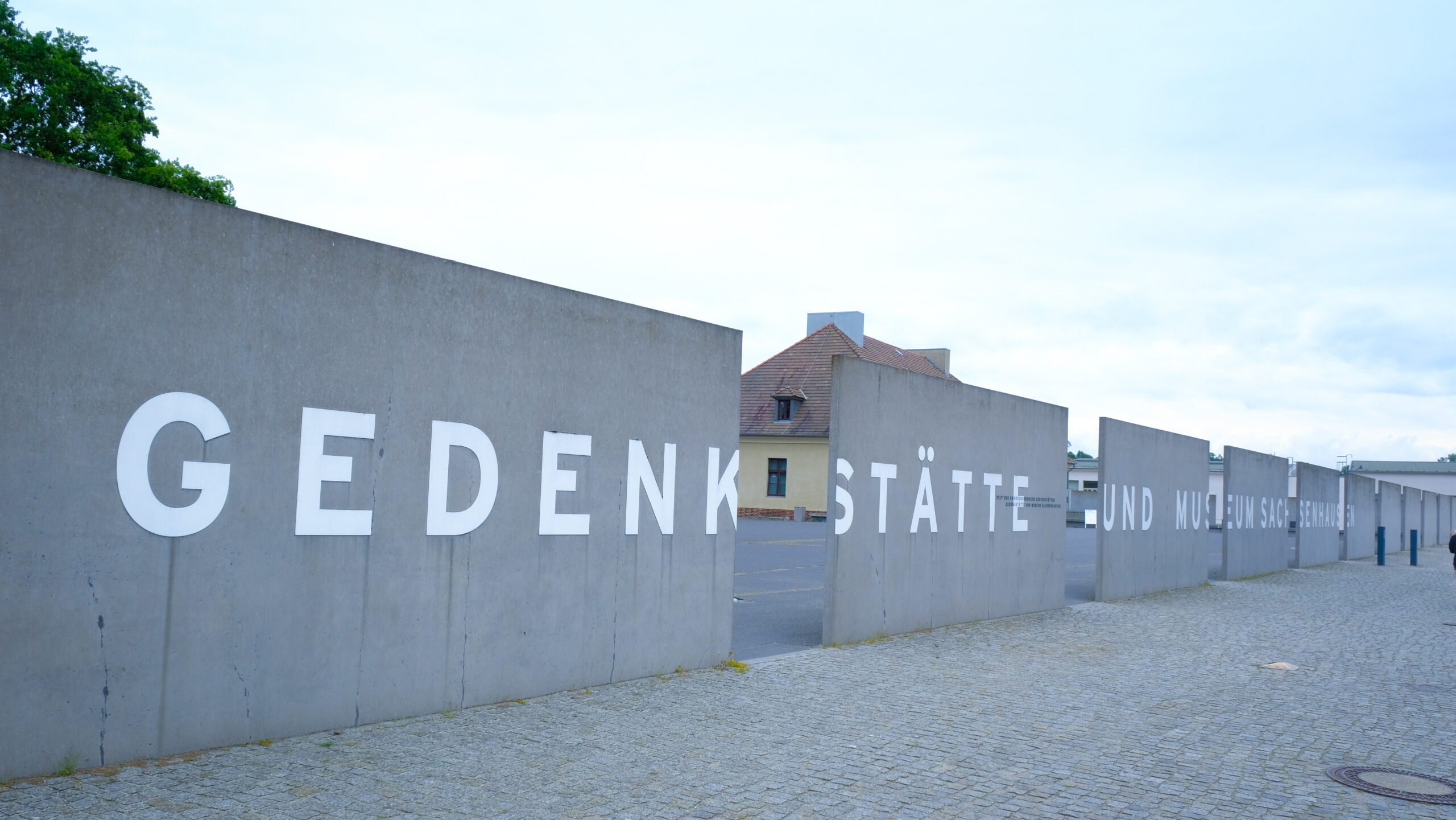
The entrance to the Sachsenhausen Memorial and Museum

Die meisten Rezensionen beschreiben Sachsenhausen als:

  • Lehrreich, beängstigend und verstörend.
  • Regt zum Nachdenken an.
  • Entscheidend für das Verständnis der Geschichte.

Sachsenhausen war eines der bedeutendsten Konzentrationslager im nationalsozialistischen Deutschland und lag etwas außerhalb Berlins in Oranienburg. Heute dient es als Gedenkstätte und Museum zu Ehren derjenigen, die dort gelitten haben und gestorben sind. Viele Besucher kommen mit der Erwartung an, einen historischen Ort zu besichtigen, sagen aber beim Verlassen, es sei eines der beeindruckendsten Erlebnisse ihrer Reise nach Berlin gewesen.

Warum Besucher Sachsenhausen lieben?

Sachsenhausen unterscheidet sich von traditionellen Museen. Hier können Sie auf dem Gelände spazieren gehen, auf dem Geschichte stattfand.

In vielen Rezensionen wird erwähnt, dass das Lesen von Büchern über Geschichte nicht mit dem Aufenthalt im Lager selbst zu vergleichen sei.

Besucher bemerken häufig Folgendes:

  • Das ursprüngliche Eingangstor mit dem berüchtigten Slogan „Arbeit macht frei“.
  • Die rekonstruierte Baracke
  • Die Zellen
  • Die Hinrichtungsanlagen der Station Z.
  • Die medizinischen Experimentierbereiche
  • Das Lager war sehr groß.
  • Viele Menschen bemerken, dass Sachsenhausen weniger überfüllt und weniger kommerzialisiert ist als andere KZ-Gedenkstätten, sodass die Besucher mehr Zeit haben, über das Gesehene nachzudenken.
  • Sachsenhausen

Sollten Sie besuchen?

Ja, aber seien Sie auf ein starkes emotionales Erlebnis vorbereitet.

Viele Rezensenten sagen Sachsenhausen ist eine der beeindruckendsten historischen Sehenswürdigkeiten, die sie je besucht haben.

Besucher sagen oft, dass sie stundenlang das Gelände erkundet haben und dennoch festgestellt haben, dass es noch mehr zu lernen gibt.

Dies ist keine typische Sehenswürdigkeit. Die meisten Menschen kommen hierher, um mehr über die Realität der Nazi-Verfolgung, der Zwangsarbeit und des Holocaust zu erfahren.

Was stört Besucher am meisten?

Ihr Erlebnis in Sachsenhausen kann je nachdem, welchen Teil des Camps Sie besuchen, variieren.

Die Gebäude für medizinische Experimente

Ein Bereich, der in Rezensionen häufig erwähnt wird, ist das ehemalige medizinische Gebäude.

Auf den ersten Blick wirken die Räume überraschend gewöhnlich, was den Besuchern oft Unbehagen bereitet. Die weißen Fliesen, Abflüsse und Untersuchungstische sowie die schlichte Klinikaufteilung stehen in einem beunruhigenden Kontrast zu dem, was dort passiert ist.

Viele Rezensenten sagen, dass die Einfachheit dieser Räume sie so beängstigend macht. Es ist schwer zu vergessen, dass solch schreckliche Experimente an Menschen in Räumen stattfanden, die wie gewöhnliche medizinische Gebäude aussehen.

Für viele Besucher ist es eine ernüchternde Erinnerung daran, dass einige der schlimmsten Verbrechen der Geschichte in gewöhnlichen, bürokratischen Umgebungen begangen wurden.

Station Z

Station Z war die Hinrichtungsstätte des Lagers.

Dies wird in Rezensionen oft als der schwierigste Teil des Besuchs beschrieben.

Viele Besucher sagen, dass sich die Atmosphäre dramatisch verändert, wenn sie diesen Bereich betreten. Der Hinrichtungsgraben, die Überreste des Krematoriums und die Denkmäler sind sehr eindrucksvoll.

Viele Besucher erwähnen, dass sie nach dem Besuch dieses Teils des Lagers anhalten, ruhig sitzen oder eine Pause einlegen müssen.

Schuhteststrecke

Eine Besonderheit, die viele Besucher überrascht, ist die Schuhteststrecke.

Gefangene mussten weite Strecken in experimentellem Militärschuhwerk zurücklegen. Der Parcours umfasste verschiedene Oberflächen, die darauf ausgelegt waren, die Haltbarkeit von Bundeswehrstiefeln zu testen.

Dieser Bereich ist für Besucher oft am beunruhigendsten, da er zeigt, wie Gefangene für Experimente und Zwangsarbeit eingesetzt wurden.

Wie lange brauchen Sie in Sachsenhausen?

Die meisten Besucher empfehlen, 4 bis 6 Stunden oder mehr einzuplanen.

Die Seite ist größer, als viele Erstbesucher erwarten.

Wenn Sie mehr wissen möchten:

  • Gehen Sie zu den Ausstellungen
  • Lesen Sie die Informationstafeln
  • Gehen Sie zur Station Z
  • Schlendern Sie durch das Gelände
  • Nehmen Sie an einer Führung teil
  • Sie sollten mindestens einen halben Tag einplanen.

Geschichtsinteressierte könnten problemlos einen ganzen Tag an der Gedenkstätte verbringen.

Jewish prisoners in Sachsenhausen Concentration Camp, 1936-1945

Was sind die üblichen Gefühle der Besucher?

Ein Wort, das in fast allen Rezensionen vorkommt, ist:

Schwer.

Besucher sagen häufig:

  • Stille Reflexion
  • Traurigkeit, Schock und Unglaube.
  • „Nachdem ich gegangen bin, sagen viele Leute, dass sie sich einfach emotional ausgelaugt fühlen. Viele Besucher sind überrascht, wie normal die Umgebung des Lagers aussieht. Der Kontrast zwischen den ruhigen Wohnstraßen und der Geschichte des Lagers schafft ein kraftvolles und beunruhigendes Erlebnis.

Mehrere Rezensenten weisen darauf hin, dass dieser Kontrast den Spaziergang vom Bahnhof zur Gedenkstätte zu einem unvergesslichen Erlebnis macht.

Müssen Sie eine nehmen? Führung?

Die meisten Rezensionen sind begeistert.

Sie können den Ort auf eigene Faust besichtigen, aber geführte Touren vermitteln wichtige historische Zusammenhänge, die vielen Besuchern sonst entgangen wären.

Reiseführer sagen uns oft:

  • Das Leben im Lager Tag für Tag
  • Klassifizierung der Insassen
  • Fluchtversuche
  • Medizinische Experimente
  • Die Funktion des Lagers im NS-Konzentrationslagersystem

Was geschah in Sachsenhausen nach dem Zweiten Weltkrieg?

visitors walking towards the Liberation Obelisk at the Sachsenhausen Concentration Camp Memorial

Führungen sollen den Besuchern ein viel tieferes Verständnis der Stätte vermitteln.

Was überrascht Besucher an Sachsenhausen?

Viele Besucher erwarten, vor allem etwas über jüdische Gefangene zu erfahren.

Viele Kritiken äußern jedoch ihre Verwunderung über die Vielfalt der in Sachsenhausen inhaftierten Menschen, darunter:

  • Regierungsgegner
  • Widerstandskämpfer
  • Glaubensgemeinschaften
  • Schwule Gefangene
  • Roma- und Sinti-Völker
  • Kriegsgefangene
  • Andere Gruppen, die im Visier des NS-Regimes standen

Einer der aufschlussreichsten Teile des Besuchs ist oft das Erlernen der verschiedenen Häftlingsklassifizierungen und der Symbole, die sie tragen mussten.

Hier sind einige der Bewertungen von Google: 

Ist Sachsenhausen kinderfreundlich?

Es wird im Allgemeinen für ältere Teenager und Erwachsene empfohlen.

Aufgrund des ernsten Inhalts sind viele Besucher der Meinung, dass sich die Gedenkstätte am besten für erwachsene Kinder eignet, die bereits etwas über den Zweiten Weltkrieg und den Holocaust gelernt haben.

Eltern sagen oft, dass der Besuch wichtige Gespräche über Geschichte, Vorurteile und Menschenrechte ausgelöst habe.

Besucherurteil: Was sagen die meisten Bewertungen?

Tausende Besucherbewertungen haben ein ähnliches Thema.

Nur wenige Menschen beschreiben Sachsenhausen als unterhaltsam.

Sie nennen es:

✓ Wichtig!

✓ Lehrreich ✓ Bewegend ✓ Ernüchternd

✓Erforderlich

Many visitors say the experience is the most memorable part of their trip to Berlin. It is not pleasant, but it gives them a deeper understanding of one of history’s darkest chapters.

The memorial preserves authentic locations and encourages reflection. This continues to make a strong impression on visitors from around the world.

Exhibition at the Sachsenhausen Memorial and Museum in Oranienburg

Sachsenhausen-Rezensionen: Häufig gestellte Fragen.

Was denken Besucher im Durchschnitt über Sachsenhausen?

Most visitors rate the experience highly as a historical and educational site, but also describe it as emotionally challenging.

Wie lange dauert ein Besuch normalerweise?

Most people spend four to six hours touring the memorial.

Lohnt sich eine Führung?

Yes. Reviews consistently say that guided tours are one of the best ways to learn about the camp’s history and significance.

Was ist der berührendste Teil des Denkmals?

For many visitors, the most emotional parts are Station Z, Die Gebäude für medizinische Experimente, and the prisoner barracks.

Sachsenhausen is often less busy than other concentration camp memorials.

Many visitors say Sachsenhausen is quieter and less crowded than other major memorial sites, which allows for a more reflective experience.

Führung durch Sachsenhausen mit professionellem Guide.

Sachsenhausen Memorial & Museum in Oranienburg

Reading reviews can help you know what to expect, but nothing compares to visiting Sachsenhausen with a knowledgeable guide who can share the stories behind the buildings, memorials, and exhibits.

Here are some reviews from our Guests:

Join our Sachsenhausen Memorial Tour to explore this important historical site near Berlin in greater detail. Our experienced guides bring the camp’s history to life and help visitors understand the human stories behind the memorial. https://sachsenhausentour.de/

Konzentrationslager Sachsenhausen How to Get There and Visit from Berlin

Konzentrationslager Sachsenhausen is one of Germany’s most significant memorials. Located just outside Berlin, it draws thousands of visitors each year who come to learn about Nazi Germany, the people imprisoned there, and why remembrance matters today.

Many people search for Sachsenhausen ’s address before their trip. Others want to know the easiest way to get there from Berlin, whether guided tours are available, and what to expect during their visit.

This guide is clear and respectful in its explanation. Here you’ll find the official address, transport info, travel tips,

Official Address of Konzentrationslager Sachsenhausen

In case you are planning your visit, the official address of Konzentrationslager Sachsenhausen is: Memorial and Museum Sachsenhausen

Straße der Nationen 22 16515 Oranienburg Deutschland

This is the proper address for:

  • Google Maps
  • GPS Navigation
  • cabs, taxi
  • tour discharge
  • transport apps

Signs at the entrance clearly mark the way to the memorial.

Can I visit Sachsenhausen without a tour?

Yes. Visitors can visit Sachsenhausen on their own. The memorial grounds are open to the public free of charge and feature information boards throughout. However, many visitors choose a guided tour because the history is complex and emotional. A knowledgeable guide can explain the background, the camp’s layout, the lives of prisoners, and important events that might not be clear when visiting alone.

If you would like to know more about the memorial, you can join our Führung here:

https://sachsenhausentour.de/

Sachsenhausen Location

Sachsenhausen is in the town of Oranienburg in Brandenburg, just north of Berlin. The memorial was originally constructed in 1936 due to its proximity to the Nazi government headquarters in Berlin. Today, the same site is one of the most accessible concentration camp memorials for visitors in the German capital. Since Sachsenhausen is close to Berlin, many travelers visit it as part of a half-day or full-day trip.

Why Sachsenhausen Is Historically Significant

Sachsenhausen was one of the first big Konzentrationslager built under the Nazi regime. It was later used as a model camp for the SS administration. Political prisoners were the first inmates. Over time, many other groups were imprisoned there, including:

  • Jewish
  • Sinti and Roma
  • Jehovah’s Witnesses
  • homosexuals
  • members of the resistance
  • Kriegsgefangene (POW)

Thousands of people died and suffered in Sachsenhausen .

Today, the memorial preserves the site’s history and helps future generations understand the consequences of hatred, dictatorship, and dehumanization.

Many visitors describe the memorial as educational and emotionally powerful. Preserved buildings, museum exhibits, and memorial spaces help people understand what happened there.

Should I visit Sachsenhausen ?

Yes, especially for those interested in history, World War II, human rights, or modern European history.

Sachsenhausen is not a typical tourist attraction. It is an educational and commemorative site. Many people visit to learn about history and pay their respects to the victims.

Visitors often remark that the intact buildings and historical exhibits leave a lasting impression.

Distance Between Berlin and Sachsenhausen

Sachsenhausen is about 35 kilometers north of central Berlin. Typical travel time:

  • By train: 30 to 40 minutes
  • By car: 45 min depending on traffic

Because it is so close, Sachsenhausen is one of the easiest memorial sites to visit from Berlin.

How to Reach Sachsenhausen by Train

Most visitors take the train to Sachsenhausen , as it is the easiest option.

From Berlin Hauptbahnhof (Central Station) you can get:

  • RE5 Local train
  • RB12 regional train, according to the schedule

The trip to Oranienburg takes about 35 minutes.

When you arrive at the station in Oranienburg:

  • The memorial is about a 20 minute walk.
  • Clear signs point to the Sachsenhausen Memorial.
  • There may also be shuttle buses running during busy periods.

The walk from the station is straightforward and popular with visitors.

What Berlin Train Ticket Should You Buy?

  • Oranienburg is outside the central Berlin zones, so most visitors will need an ABC Berlin transport ticket.
  • Always check the latest public transport timetables before traveling.
  • Driving to Konzentrationslager Sachsenhausen

Driving is another easy option, especially for families or groups. By car from Berlin:

  • Head north on the A111 motorway.
  • Continue to Oranienburg
  • Follow signs to Sachsenhausen Memorial

There is parking available near the memorial site.

Travel time is normally around 45 minutes, depending on traffic conditions.

Guided Tours at Sachsenhausen

  1. A Führung may help visitors understand the memorial’s historical significance.
  2. Professional guides share the history, point out key areas of the camp, and answer questions respectfully and clearly.
  3. Many visitors find guided tours helpful, since it can be hard to take in all the complex history on your own.

Find out more about our Berlin concentration camp experience here:

https://sachsenhausentour.de/

What to Expect When You Visit

Today, Sachsenhausen serves as both a memorial and a museum.

Visitors are able to see:

  • Well maintained camp buildings
  • mausoleum sites
  • exhibitions in museums
  • former prison barracks
  • the crematorium section
  • watchtowers and base facilities

The atmosphere is calm and reflective. Most people spend several hours exploring the grounds and exhibitions. The site focuses on education rather than immersion. The exhibits and preserved buildings highlight documentation, memory, and understanding of history.

How Long Does a Visit Last?

The majority of visitors spend:

  • 2-4 hours at the memorial
  • longer if taking a Führung or reading museum exhibitions in detail

It is usually comfortable to visit as a day trip from Berlin.

What To Know Before You Visit

Wear Comfortable Shoes

The memorial grounds are large, and visitors walk quite a bit during their visit.

Wear Suitable Clothing

Sachsenhausen is a place of remembrance. All visitors should dress appropriately and behave respectfully.

Prepare yourself emotionally.

Visiting can be very emotional for many people. The displays and preserved areas show real suffering and loss of life.

Photography

Photography is usually allowed, but visitors should be respectful and avoid causing any disturbance.

Consider a Führung

A guide can share the history and context, helping visitors understand what they see.

Is Sachsenhausen Family Friendly?

Older teenagers who are interested in history often benefit from visiting Sachsenhausen. Parents should consider if younger children are ready for the difficult historical topics. The Konzentrationslager Sachsenhausen address is the first step to planning a meaningful visit.

Sachsenhausen is more than a historical site; it is a place for memory, education, and reflection. Visiting helps keep alive the memory of those who suffered and reminds future generations why history must not be forgotten. Whether you visit on your own or with a guide, a trip to Sachsenhausen often gives people a deeper understanding of the past and the importance of protecting human dignity today.

For information or booking of guided tours, please visit: https://sachsenhausentour.de/

What Was the Concentration Camp at Potsdam?

The Truth about Potsdam and the Nazi Camp System. Many people looking for information about a “Potsdam Concentration Camp” are surprised to find out that there was no large Nazi concentration camp in Potsdam itself. Unlike Auschwitz, Dachau, Buchenwald, or Sachsenhausen , Potsdam did not have its own camp. However, the city played an important role during the Nazi era and later under Soviet occupation. The confusion often comes from Potsdam’s closeness to Berlin and Sachsenhausen , as well as the presence of prisons and detention centers used for political persecution. This guide shares the real history, explains Potsdam’s connection to the Nazi camp system, and highlights memorial sites you can visit today.

There Was a Concentration Camp in Potsdam?

Sachsenhausen : The Nearest Concentration Camp to Prisons and Detention Centers of the Nazi Era in Potsdam, The Sachsenhausen Death Marches in Potsdam

Today in Potsdam, Touring Historical Sites. Why the secret of a Potsdam concentration camp?

A Concentration Camp at Potsdam?

Short answer: no way.

During the Third Reich, there was no major Nazi concentration camp in Potsdam. Unlike Sachsenhausen, Auschwitz, Dachau, or Buchenwald, Potsdam did not have an SS run concentration camp. Still, the city was closely connected to the Nazi regime’s system of political persecution. Potsdam had prisons, detention centers, and administrative offices that helped suppress political opponents and other targeted groups. Many people mistakenly believe there was a concentration camp in Potsdam because it is near Berlin and Sachsenhausen. The closest major Nazi concentration camp to Potsdam was Sachsenhausen, located in Oranienburg about 35 kilometers north of Berlin. It was easy to reach from Potsdam. Sachsenhausen, founded in 1936, was one of the most important Konzentrationslager in Nazi Germany and served as a model camp for the SS.

  • Political adversaries
  • Jews,
  • The Widerstandskämpfer
  • Jehovah’s Witnesses
  • Gays.
  • Roma
  • Foreign forced labor
  • Kriegsgefangene

From 1936 to 1945, more than 200,000 people were imprisoned in Sachsenhausen. Tens of thousands died from starvation, disease, forced labor, executions, and Medizinische Experimente. Visiting Sachsenhausen gives important historical context for anyone interested in learning about Nazi persecution near Potsdam and Berlin. On our Sachsenhausen Memorial Tour, an expert guide will explain the camp’s history, share stories of the prisoners, and describe the camp’s role in the Nazi system.

You can learn more about our Berlin concentration camp experience here: Berlin concentration camp experience

While Potsdam did not have a concentration camp, several detention facilities operated there during the Nazi era. One of the most important sites is the Lindenstraße Memorial Site. This building was originally a prison used by the Nazis to detain political rivals, Widerstandskämpfer, and critics of the regime. After 1945, the prison was used by Soviet authorities and later by East Germany’s Ministry for State Security (Stasi).

Today, the site is a memorial and museum to political persecution under three different regimes: Nazi Germany. East Germany (GDR) and Soviet occupation authorities. The memorial offers valuable insight into how political repression developed throughout the century. Potsdam was also a government center during these times. As the capital of Prussia and a city closely linked to Berlin, Potsdam was home to government institutions with roles within the Nazi state apparatus. Prisoners were typically sent on to larger Konzentrationslager in other places, though administrative decisions that affected political persecution were often taken in the greater Berlin Potsdam region.

Potsdam was also connected to the history of concentration camps during the final months of World War II. In April 1945, as Allied forces approached Berlin, the SS began evacuating prisoners from Konzentrationslager Sachsenhausen . Thousands of exhausted prisoners were forced to march west in terrible conditions, and some of these death marches passed near Potsdam. Prisoners suffered from hunger, exhaustion, exposure to the elements, and arbitrary executions by guards. Many died before they could be freed. These marches were among the last crimes committed by the Nazi regime before Germany surrendered. After the war, Potsdam became part of the Soviet occupation zone. One notable site is Leistikowstraße Prison, often referred to as the KGB Prison. Unlike Sachsenhausen, this was not a Nazi concentration camp, but after the war, it was run by Soviet military intelligence. Between 1945 and 1950, thousands of people were imprisoned there, including:

  • Suspected political dissenters
  • Former officials
  • Suspected spies

Today, the prison serves as a memorial and educational center that documents Soviet repression in post war Germany. If you are interested in World War II history and political persecution, there are several important memorial sites to visit in and around Potsdam.

  • Lindenstraße Memorial

Here are the highlights:

  • Prison cells as they were.
  • Historical exhibitions
  • First hand accounts from ex inmates
  • Information on Nazi, Soviet, and GDR oppression
  • Leistikowstraße Memorial
  • Visitors learn about:
  • Soviet military intelligence activities
  • War time political imprisonment

Life in the Sachsenhausen Memorial and Museum detention facility. If you want to learn more about the concentration camp system, the most important site near Potsdam is Sachsenhausen .

The memorial consists of:

  • the old cat camp gate
  • Prison barracks
  • Penalty cells
  • Execution sites: The infirmary
  • Expositions du musée

Guided tours help visitors understand the historical context of these places and how the camp operated. If you are visiting Berlin or Potsdam, our guided Sachsenhausen Memorial Tour offers expert insights and a detailed overview of the camp’s history with the Berlin concentration camp experience

The confusion is due to a couple of reasons:

  1. Potsdam’s proximity to Sachsenhausen

Many people who visit Berlin and Sachsenhausen stay in Potsdam, leading some to think the camp was located there.

  1. The Potsdam Political Prisons

The prison in Lindenstraße is one of the facilities that exist . The prison on Lindenstraße is one such facility. Some people mistakenly refer to these as Konzentrationslager. Guides and internet posts sometimes use incorrect terminology when referring to detention facilities in Potsdam. When learning about this period, it is important to know the difference between prisons, detention centers, and Konzentrationslager.

FAQ’s

Was there a concentration camp in Potsdam?

No, there was no large Nazi concentration camp in Potsdam. The closest major concentration camp was Sachsenhausen , located in Oranienburg, about 35 kilometers north of Berlin.

Yes. The Nazis imprisoned people in Potsdam.

Yes, there were political prisoners held in places like Lindenstraße Prison, but these were not Konzentrationslager.

Are there any historical Nazi sites to visit in Potsdam today?

Yes, visitors can tour the Lindenstraße Memorial and learn about political persecution during the Nazi era.

What happened in Potsdam after the Second World War?

After Germany’s defeat, Potsdam became part of the Soviet occupation zone. Soviet authorities used Leistikowstraße Prison and several other detention centers.

Is it worth visiting Sachsenhausen from Potsdam?

Yes, Sachsenhausen is one of the most important memorial sites in Germany and offers valuable insight into the Nazi concentration camp system. It is easy to reach from both Potsdam and Berlin.

There was no major Nazi concentration camp in Potsdam itself, despite many searches for a “Potsdam Concentration Camp.” However, the city’s prisons and detention centers, along with its proximity to Konzentrationslager Sachsenhausen , linked Potsdam to the history of political persecution. In the last weeks of World War II, the Sachsenhausen death marches also passed through Potsdam. The most important site near Potsdam for those interested in this history is the Sachsenhausen Memorial and Museum. Along with the memorial sites in Potsdam, it offers a valuable opportunity to learn about the effects of dictatorship, political repression, and the importance of remembering the past.

It is important to know the historical facts, keep the memory of the victims alive, and ensure that future generations learn from one of the darkest times in European history.
By Sachesenhausen Tours

What are the Visitors’ Requirements for the Berlin Concentration Camp Memorial?

Introduction

Many visitors look for the “Berlin Concentration Camp,” but the memorial most people mean is the Sachsenhausen Memorial and Museum in Oranienburg, just outside Berlin.

Sachsenhausen is not just another museum. It was a Nazi concentration camp and is now a memorial and place of remembrance. Before you visit, it helps to know the entry requirements, what to wear, how to behave, whether you need tickets, and what to expect emotionally. This guide covers the practical details for visiting Sachsenhausen , so you can come prepared, show respect, and better understand the site’s history. Book your Führung here: Sachsenhausen Memorial and Museum Tour

A group of visitors, including adults and children, on a guided tour of the Sachsenhausen Concentration Camp Memorial

Is a Ticket Required to Enter Sachsenhausen ?

Visitors usually do not have to purchase a ticket for general admission to the Sachsenhausen Memorial and Museum. Admission to the memorial grounds and exhibitions is free.

If you want a Führung, organized transport from Berlin, or a more structured historical explanation, it is best to book in advance.

This is especially helpful because Sachsenhausen is a large site, and many visitors find it hard to understand everything without context.

Can I just walk in and see you?

Yes, independent visitors can generally enter without an admission fee. However, if you want the historical context and a more meaningful visit, it is highly recommended to book a Führung.

Is it free to get in?

Yes. Admission to the Sachsenhausen Memorial and Museum is free. However, guided tours, audio guides, educational programs, or private tours may have extra costs. If you join a tour from Berlin, the price usually covers the guide, organization, and sometimes transport.

Why book a tour when entry is free?

The entry allows you to visit the site, but a guide explains what happened there, how the camp operated, and the meaning behind different parts of the memorial.

Do I Need to Book in Advance?

You don’t always need to book a self guided visit, but we recommend booking in advance if:

  • Tours with a guide
  • School groups
  • Groups (private)
  • Visitors to Berlin for a short stay
  • Peak travel times
    Those who are looking for a structured visit from Berlin

A Führung also helps with train tickets, timing, and knowing what to focus on during your visit.

For more information, visit: Sachsenhausen Memorial Tour

Are there any security or ID requirements?

Casual visitors do not need to meet any passport style entry requirements. You do not need a visa or any special documents to enter the memorial. You should follow staff instructions, respect restricted areas, and follow the visitor rules. Staff may intervene if someone is disrespectful or ignores posted signs.

Can you turn away visitors?

Yes, in extreme cases. Visitors may be asked to leave if they are disrespectful, wear offensive symbols, disturb other visitors, or do not follow memorial rules.

What Should I Wear?

You do not need to wear formal clothes when visiting Sachsenhausen . There is no need to dress in black, wear formal attire, or act as if you were attending a church service.

The best rule is to dress as you would for a cemetery, memorial, or serious historical site.

Normal casual clothing is fine. Jeans, trainers, plain T-shirts, jackets, hoodies, and practical walking clothes are all acceptable.

Don’t:

  • Nazi symbols or extremist images
  • Slogans that are offensive
    Clothing with jokes about death, violence, and suffering
  • Party wear
  • Badkleding
  • Clothing very revealing
  • Outfits or costumes that draw attention to you

Can I wear shorts?

Yes, normal shorts should be fine in general, especially if it’s hot out. Wear something respectful and practical, and avoid very revealing clothes.

What Should I Wear?

Comfort is important because Sachsenhausen is mostly outdoors.

Some good choices are:

  • Comfortable walking shoes.
  • a simple T-shirt or shirt
  • Jeans, pants, or regular shorts
  • A warm coat in fall or winter
  • Rain jacket or umbrella if the forecast is for rain
  • Sun protection in summer

The ground is often uneven, and you may spend hours walking or standing outside.

Are trainers acceptable?

Yes. Comfortable trainers are a good bet, as the visit involves a lot of walking.

What Should I Bring?

Be prepared for a serious and respectful visit.

Suggested:

  • H2O
  • Tissue.
  • Clothing suitable for the weather
  • Shoes that fit well
  • A bit of a snack
  • Phone charged to 100%
  • Public transport ticket if you are traveling from Berlin
  • Cash or card for transport, guide services, or small purchases.

Many visitors do not realize how emotional the site can be. It is common to feel quiet, overwhelmed, or reflective during and after your visit.

Do I need to bring food?

A little snack is acceptable, but please do not use the memorial as a picnic area. Eat discreetly and with respect outside of sensitive areas.

Photography Rules

Some areas may allow photography, but always adhere to posted signs and guidance. Even if you are allowed to take pictures, it is important to do so respectfully.

Don’t:

  • Selfies with a grin
  • Posing in front of gates, barracks, crematoriums, and memorials
  • Influencer style Fotos
  • Jokes or fake pictures
  • Taking pictures of other visitors without their permission

Remember, this is a memorial site, not a tourist attraction.

Can I take pictures for educational use?

Yes, where allowed. Usually. Take pictures respectfully, and nothing that could be construed as casual, playful, or inappropriate.

How should I behave when visiting?

The most important requirement is to behave respectfully.

You need to:

  • Say it softly
  • Follow marked trails
  • Listen to the guide and staff instructions.
  • No jokes, loud laughter, or music.
  • Put your phone down when you can
  • Respect other visitors’ space.
  • Many suffered and died here, remember.

A good guideline is to act as you would in a cemetery or at a funeral.

Is it okay to ask tough questions?

“Yes. Serious questions can be asked, especially during the guided tours. The subject is complex, and thought-provoking questions can help visitors to better understand the history.

Is Sachsenhausen suitable for children?

Sachsenhausen is a serious and emotionally challenging place. It is usually more suitable for teens and adults than for young children.

For school groups or families, a Führung can explain the history in an age-appropriate way.

When is the best age to visit Sachsenhausen ?

The site is generally easier for teenagers aged about 14+, especially with a teacher, parent, or professional guide.

Are Guided Tours Worth It?

Yes, guided tours are one of the best ways to visit Sachsenhausen . Visitors can walk through the site without a guide, without really understanding what they are seeing. A guide might say:

  • The reason Sachsenhausen was built
  • The camp system and how it worked
  • Who was put in jail there?
  • What the day-to-day life of prisoners was like
  • Changes to the memorial after 1945
  • What parts of the site are the most important

A guided visit also helps maintain the right tone. You are not just seeing buildings and ruins; you are learning about real people, their suffering, persecution, and the importance of memory.

Buchen Sie jetzt: Sachsenhausen Memorial and Museum Tour

Accessibility

Some areas of the Sachsenhausen Memorial are accessible, but parts of the historic site may be hard to reach due to uneven terrain, distance, and preservation efforts. Visitors with mobility needs should plan ahead and allow extra time. A Führung can help make the visit more manageable.

Is Sachsenhausen wheelchair accessible?

Parts of the memorial are accessible, but not all areas might be easily reached. It’s best to check access information before you go.

Operating Hours

The Sachsenhausen Memorial is open year-round, but opening hours vary by season.

The official visitor information lists the hours for outdoor areas and exhibitions for both summer and winter, with shorter hours in winter. Always check the official memorial website before you travel, especially around holidays or special events.

How long should I spend at Sachsenhausen ?

Plan to spend at least 2 to 3 hours on a self-guided visit. If you join a Führung from Berlin, expect the trip to take about half a day, including travel.

Sachsenhausen Entry Requirements

Do I need to purchase a ticket to visit Sachsenhausen ?

Admission is free.

Are guided tours available by reservation at Sachsenhausen , the same as the ‘Berlin Concentration Camp’?

Many visitors use that phrase, but the proper name is the Sachsenhausen Memorial and Museum. It is located in Oranienburg, north of Berlin.

To dress or not to dress?

There isn’t a strict dress code. Dress in normal and respectful clothing suitable for walking outside.

Is it OK to wear shorts?

Yes, regular shorts are fine in warm weather. No beachwear, very revealing clothing, or anything offensive.

Are selfies allowed?

Don’t take selfies or smile for Fotos in memorial areas. It is seen as disrespectful.

Can I do without a guide?

Yes, but you really should have a guide to explain the history.

Can I take children?

Older teens are usually better for the visit. The site might be hard for young children or children may not understand the context.

What to bring?

Bring water, comfortable shoes, weather protection, tissues, and time to visit without rushing.

Can I eat at the memorial?

Bring a small snack if you wish, but do not use the site as a picnic area.

What is the most important rule?

Show respect. Sachsenhausen is a memorial and place of memory. The requirements for visiting the Berlin Concentration Camp Memorial are simple: you do not need a special ticket for general admission, but you should arrive prepared, respectful, and aware of the site’s significance. Sachsenhausen is not just another stop on a Berlin itinerary. It is a place to learn, reflect, and remember. Dress appropriately and respectfully, bring weather-appropriate clothing, avoid posting inappropriate photos, and give yourself enough time to fully experience the site.

For the most meaningful experience, consider taking a Führung from Berlin.

Book your Sachsenhausen Memorial and Museum Tour here: https://sachsenhausentour.de/

Falkensee Concentration Camp: History, Prisoners, Forced Labor & Memorial Site

Many people who look up information about the Falkensee Concentration Camp ask if it really existed or if it is just a myth. The answer is straightforward: the camp was real, but it was not an independent concentration camp like Auschwitz, Dachau, or Sachsenhausen . Falkensee was a satellite camp of Sachsenhausen , located on the eastern edge of Falkensee, just west of Berlin. During World War II, prisoners from all over occupied Europe were forced to work for Germany’s war industry in very harsh conditions. Today, the site is a memorial and a reminder of the suffering prisoners faced during the Nazi era.

Was There Really a Falkensee Concentration Camp?

A common question is whether the Falkensee Concentration Camp really existed. The answer is yes. Falkensee was a real Nazi concentration camp that operated as a subcamp of Sachsenhausen during World War II. Unlike Auschwitz or Dachau, Falkensee was not a large, independent camp. It was one of many smaller camps run by Sachsenhausen , set up to provide forced labor for Germany’s growing wartime industries. After the war, the camp was dismantled and received less attention than the bigger camps, so many people today do not know about it. This has caused some confusion and myths about the site.

Was Falkensee a real concentration camp?

Yes. Falkensee was a real concentration camp site operated by the Nazi regime as a satellite camp of Konzentrationslager Sachsenhausen .

History of the Falkensee Concentration Camp

The Falkensee subcamp was established in 1943, when Germany was running short of workers during World War II. As more German workers went to fight, the Nazis used concentration camp prisoners to keep up military production. The SS created more camps across Germany, placing smaller camps near factories and industrial areas. Falkensee was important because it was close to Berlin. The camp provided labor for military manufacturing and repair work. Prisoners were sent to Falkensee from other camps and were controlled by the SS.

Was Falkensee an independent concentration camp?

No. Falkensee was administered by Konzentrationslager Sachsenhausen and operated as one of its satellite camps.

Why Was the Camp Built?

The main reason for the Falkensee camp was the use of forced labor. By 1943, Germany’s war economy relied on prisoners to keep factories running. The Nazis saw concentration camp inmates as expendable workers. Falkensee was built near key factories so prisoners could be used for manufacturing and military repair work. The camp shows how closely the concentration camp system was tied to the Nazi war economy in the later years of the war.

Why did the Nazis establish the Falkensee camp?

The camp was created to provide forced labor for military production and industrial facilities supporting Germany’s war effort.

Prisoners Held at Falkensee

Prisoners at Falkensee came from many different countries and backgrounds. People were held there for political, racial, religious, or military reasons. Many had already been imprisoned in other camps before being sent to Falkensee. The groups held at the camp included prisoners from occupied European countries.

  • Jews
  • Romani people
  • Jehovah’s Witnesses
  • Other groups persecuted by the Nazi regime

Records show that about 1,600 to 2,500 prisoners were held at the camp while it was operating.

How many prisoners were held at Falkensee?

Historians estimate that between 1,600 and 2,500 prisoners were held at Falkensee between 1943 and 1945.

Forced Labor and the DEMAG Factory

Falkensee was primarily known as a forced-labor camp. Many prisoners had to work in factories linked to DEMAG (Deutsche Maschinenbau AG), a large German engineering company that manufactured war equipment. Prisoners worked long hours making, repairing, and supporting military equipment. The work was very hard and often dangerous.

Working conditions were very harsh. Prisoners did not get enough food, had little time to rest, and were punished if they did not meet work targets. As Germany’s military situation got worse, production demands grew, making things even harder for the prisoners.

What work did prisoners perform at Falkensee?

Most prisoners were used as forced laborers in industrial facilities connected to Germany’s wartime production efforts, particularly those associated with DEMAG.

Living Conditions in the Camp

Life in Falkensee was extremely hard. Prisoners faced many of the same problems found in other Nazi Konzentrationslager.

Food Shortages

Daily rations were inadequate and often left prisoners hungry and malnourished.

Overcrowding

Barracks were crowded, offering little comfort or protection from the weather.

Disease

Poor sanitation and limited medical care contributed to illness and the spread of disease.

Physical Abuse

SS guards maintained strict control through intimidation, punishment, and violence.

Exhaustion

Hard labor, poor food, and bad living conditions left many prisoners physically weak.

Falkensee was not an extermination camp, but many prisoners died from starvation, disease, abuse, and forced labor.

Was Falkensee a death camp?

No. Falkensee was not an extermination camp like Auschwitz Birkenau. However, conditions were brutal, and many prisoners died due to forced labor, disease, starvation, and mistreatment.

Liberation of Falkensee in 1945

As Soviet forces moved toward Berlin in the last months of World War II, the Nazi concentration camp system started to fall apart. The Falkensee subcamp stopped operating shortly before Germany surrendered. On 26 April 1945, Soviet troops arrived and freed the prisoners who were still alive. For those who survived, this was the end of years of imprisonment, forced labor, and suffering. Sadly, many others had died before the camp was liberated.

When was Falkensee liberated?

The camp was liberated by Soviet forces on 26 April 1945 during the final weeks of World War II in Europe.

Falkensee Memorial and History Park Today

Most of the original camp was dismantled after the war, which is one reason so few people know about its history today. Visitors will not find a preserved camp like Sachsenhausen or Auschwitz. However, the site has been well researched and is remembered at the Falkensee History Park. Archaeological finds and memorials help keep the memory of the camp and its victims alive. The memorial serves several important purposes:

  • Honoring those who suffered and died
  • Preserving historical evidence
  • Educating future generations
  • Combating Holocaust denial and misinformation

Today, the site is an important place for remembering the past and is part of Germany’s effort to keep the history of Nazi crimes alive.

Can you visit the Falkensee Concentration Camp today?

Yes. While most of the original camp structures no longer exist, visitors can explore the Falkensee History Park and memorial area, where information about the camp and its prisoners is on display.

Learn More About Sachsenhausen

Since Falkensee was a satellite camp of Sachsenhausen , it is helpful to examine its history within the larger Sachsenhausen camp system. If you plan to visit Berlin and want to learn more about Sachsenhausen and its network of camps, you can join one of our guided tours. Our guides share historical background, explain what prisoners went through, and help visitors understand the bigger picture of these camps during the Nazi era. You can also check out our full Sachsenhausen visitor guides and historical resources to learn more about the camp’s history and importance.

Frequently Asked Questions

Was Falkensee a concentration camp?

Yes. Falkensee was a real Nazi concentration camp subcamp administered by Konzentrationslager Sachsenhausen .

Was Falkensee an extermination camp?

No. It functioned primarily as a forced labor camp rather than a dedicated extermination center.

Why do some people think Falkensee is a myth?

Because it was a smaller satellite camp, it received less historical attention, and most physical remains were removed after the war.

How many prisoners were held there?

Historians estimate that between 1,600 and 2,500 prisoners were held at Falkensee between 1943 and 1945.

What factory did prisoners work in?

Many prisoners performed forced labor connected to DEMAG and other military production facilities.

Can the camp still be visited today?

Yes. Visitors can visit the Falkensee History Park and memorial site.

How is Falkensee connected to Sachsenhausen ?

Falkensee operated as a satellite camp under the administration of Konzentrationslager Sachsenhausen .

Where is Falkensee located?

Falkensee is located just west of Berlin in the German state of Brandenburg.

Was Falkensee part of the Holocaust?

Yes. Although it was primarily a forced labor camp, it formed part of the wider Nazi concentration camp system that persecuted and exploited millions of people during the Holocaust.

The Falkensee Concentration Camp was a real part of the Nazi camp system, though it was not as large or independent as Auschwitz or Dachau. As a satellite camp of Sachsenhausen from 1943 to 1945, it provided forced labor for Germany’s war industry and exposed prisoners to harsh and often deadly conditions. Learning about Falkensee helps keep the memory of those who suffered there alive and gives important context for understanding the wider network of camps in Nazi Germany. Even though most of the camp is gone, its history is a powerful reminder of the dangers of persecution, forced labor, and totalitarian rule. By studying places like Falkensee, we make sure the victims are remembered and that future generations learn from this dark chapter in history.
From Berlin: The Original Berlin concentration camp experience

Ready to Experience History?

Daily departures from Berlin. Small groups. Expert historians. €44 per person.

Tours fill up quickly during peak season — secure your spot today.

You have Successfully Subscribed!

Pin It on Pinterest