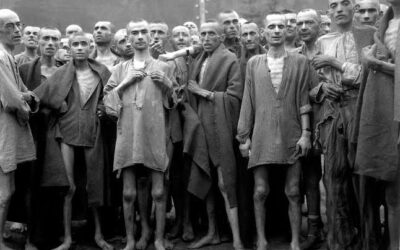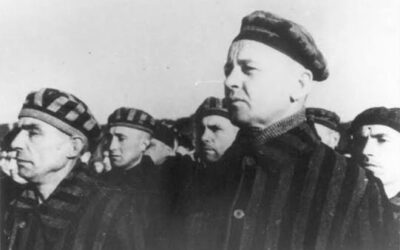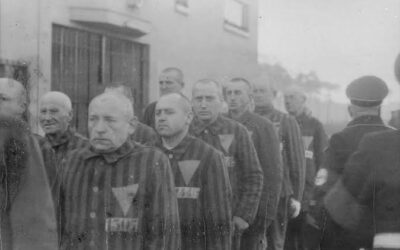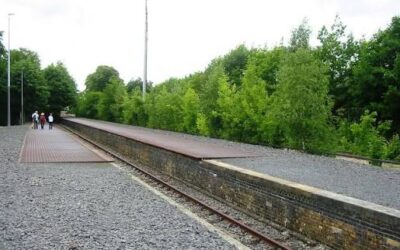
When you get off the train in Oranienburg, you see bakeries, a castle, and a quiet stretch of river. It does not look like the place where an entire country’s system of terror was administered. Yet from 1938, the Konzentrationslager Inspectorate, which administered and controlled the concentration camp system, was headquartered in the T-building near Sachsenhausen. This guide explains what that office, the Konzentrationslager Inspectorate (Inspektion der Konzentrationslager, IKL), actually controlled, why it was moved to Oranienburg, how it changed during the war, and what visitors can understand of the site today.
Was die Inspektion war
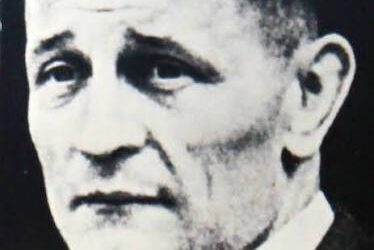
The Inspectorate was established as a result of the SS’s reorganization of the camps in 1934. Theodor Eicke, who had previously been in charge of Dachau and had established its system of strict discipline and punishment, was named the first Inspector of Konzentrationslager; his role was to transform what had been a collection of sporadically arranged and locally managed camps into a unified system controlled from the center by the SS.
Eicke bekleidete das Amt bis 1939, als er zum Kommando über die SS-Totenkopfdivision wechselte. Sein Stabschef Richard Glücks folgte ihm nach und leitete die Inspektion bis zum Ende der NS-Zeit. Eicke war Architekt und Vollstrecker des Systems; Glücks war dessen langjähriger Verwalter. Während Eicke das Modell entwickelte, führte Glücks es durch die Kriegsausweitung und blieb bis zum Zusammenbruch des Regimes 1945 im Amt.
Was die Aufsichtsbehörde kontrollierte
Die Inspektion war kein symbolisches Hauptquartier. Ihre Befugnisse umfassten den größten Teil dessen, was das Funktionieren der Lager als System ermöglichte:
- Lagerverwaltung: Organisation, Budgetplanung und der tägliche Betrieb der Hauptlager.
- Vorschriften: standardisierte Regeln, Strafen und Abläufe, basierend auf der Disziplinarordnung, die Eicke in Dachau entwickelt hatte.
- Personal: Personalplanung und Zuweisung von Kommandanten und Wacheinheiten.
- Gefangenenpolitik und Disziplinarmaßnahmen: wie verschiedene Kategorien von Gefangenen behandelt wurden und wie Strafen verhängt wurden.
- Transfers: die Verlegung von Gefangenen zwischen den Lagern.
- Arbeit: die Beschäftigung von Gefangenen, deren Bedeutung stetig zunahm.
- Koordinierung: Die einzelnen Lager sollten durch Korrespondenz, Inspektionen und Konferenzen der Kommandanten nach einem gemeinsamen Muster betrieben werden.
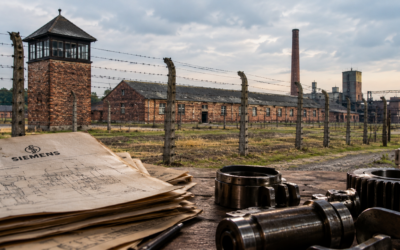
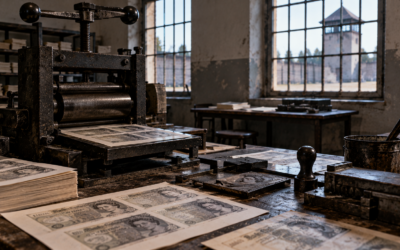
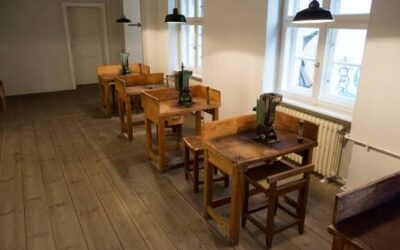
Ein Großteil dieser Arbeit wurde schriftlich erledigt. Befehle, Meldungen, Hauptbücher und Berichte wurden zwischen Oranienburg und den Lagern hin und her geschickt, und Angestellte, Schreibkräfte und Telefonisten bearbeiteten jede einzelne Seite. Dies ist der beunruhigendste Aspekt der Inspektion: Das Terrorsystem basierte auf gewöhnlicher Büroarbeit. Das Höcker-Album verdeutlicht denselben erschreckenden Punkt: Fotografien von SS-Angehörigen, die sich 1944 in der Nähe von Auschwitz erholten.
Warum der Hauptsitz nach Oranienburg verlegt wurde
Die Büros der Inspektionsbehörde waren im Berliner Raum vor 1938; der Umzug nach Oranienburg, der im Rahmen der Konsolidierung des Systems angekündigt wurde, beruhte auf mehreren praktischen Erwägungen.
- Nähe zu Berlin: Oranienburg liegt etwa 35 Kilometer nördlich der Hauptstadt, nah genug, um die Verbindung zur SS-Führung Himmlers und zum zentralen Staatsapparat aufrechtzuerhalten.
- Schienen- und Straßenverbindungen: Die Stadt war gut mit Berlin und dem Rest des Reiches verbunden.
- Ein bereits bestehendes Lager nebenan: Sachsenhausen wurde 1936 eröffnet, lag bereits am Stadtrand und die SS verfügte dort über Räumlichkeiten und Infrastruktur.
- SS-Ausbildungs- und Wacheinheiten: Der Standort war mit der Ausbildung der SS-Wachformationen verbunden, die in den Lagern Dienst taten.
Vereinfacht gesagt, wurde die Inspektion so positioniert, dass sie ein funktionierendes Lager überwachen, auf SS-Personal zurückgreifen und in der Nähe von Berlin bleiben konnte. Die Rolle Sachsenhausens als Vorzeige- und Ausbildungslager wird in einem separaten Artikel dieser Reihe behandelt, daher wird sie hier nur kurz angerissen.
Die physische Beziehung zum Lager
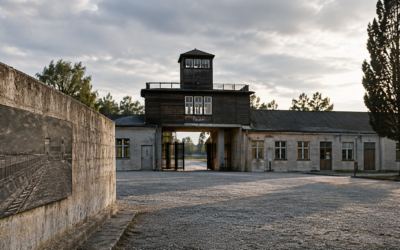
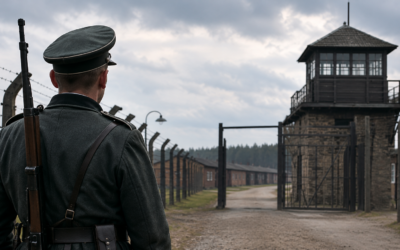
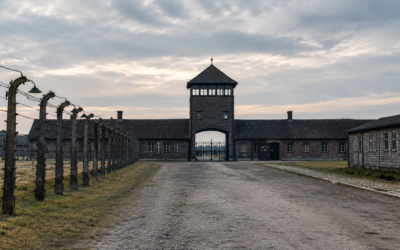
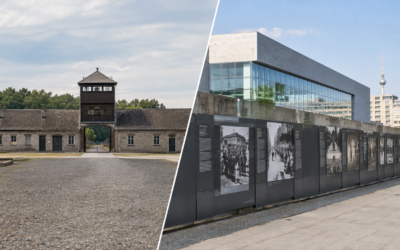
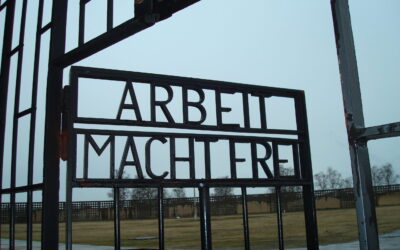
Die Verwaltungsgebäude der Inspektion befanden sich direkt angrenzend an SachsenhausenDas Torhaus, Turm A genannt, lag außerhalb des Gefangenenlagers, aber dennoch in Sichtweite und fußläufiger Entfernung zum Lagereingang. Diese Anordnung war beabsichtigt: Das Torhaus überblickte den Appellplatz, während die Verwaltungs- und Truppenbereiche der SS außerhalb des Lagergeländes lagen.
Das bedeutete, dass die beiden Welten extrem nah beieinander lagen: Ein Gefangener am Tor und ein hochrangiger Beamter, der Berichte aus Dutzenden anderer Lager prüfte, befanden sich nur wenige hundert Meter voneinander entfernt. Sachsenhausen fungierte als Arbeitslager, lag aber auch nahe genug, damit die Lagerinspektion die Abläufe beobachten, testen und standardisieren konnte.
Die Inspektion während des Krieges
Mit der Eroberung und Besetzung neuer Gebiete durch Deutschland dehnte sich das Lagersystem weit über den Vorkriegszustand hinaus aus. Mehrere neue Hauptlager wurden errichtet, zahlreiche Außenlager entstanden, und die Zahl der Gefangenen stieg beträchtlich an. Die Gefangeneninspektion musste dieses Wachstum koordinieren.
The war also changed its structure. In March 1942, the Inspectorate was incorporated into the SS Economic-Administrative Main Office (WVHA) under Oswald Pohl, where it became Office Group D. Glücks stayed in charge, and the Oranienburg offices remained the camp system’s working center. The merger reflected the SS’s growing emphasis on forced labor for armaments and industry. The Inspectorate’s tasks became increasingly bound up with the economic exploitation of prisoners, alongside their persecution and murder.
Die für die Versetzungen zuständigen Ämter und die Nutzung von Arbeitskräften also took responsibility for the camps in occupied Europe, such as Auschwitz and Majdanek, where mass killings occurred. Although the Inspectorate was not the only agency involved in the Holocaust, it was a key element of the broader Nazi system, working alongside other SS agencies that organized deportations and mass murder.
Wussten die Nachbarn davon?
Die Frage, was die einfachen Deutschen wussten, ist ein umfangreiches Thema und steht hier nicht im Mittelpunkt. Kurz gesagt: Historiker wie Nikolaus Wachsmann haben gezeigt, dass die frühen Lager in oder in der Nähe von Städten lagen, allgemein bekannt waren und Gesprächsthema waren. Oranienburg ist ein deutliches Beispiel: Ein Lager, ein SS-Hauptquartier und ein Verwaltungskomplex gehörten jahrelang zum Alltag einer Kleinstadt. Die Vorstellung, niemand habe davon gewusst, ist größtenteils ein Trostpflaster der Nachkriegszeit. Was viel besser verschwiegen wurde, war das industrielle Ausmaß der Tötungen in den Vernichtungslagern im besetzten Polen.
Was Besucher heute sehen und verstehen können
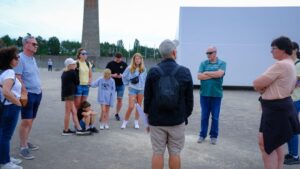
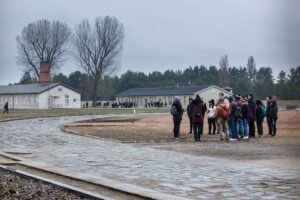
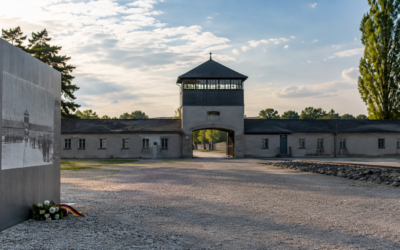
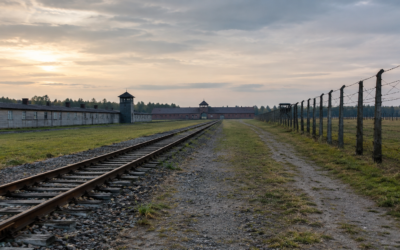
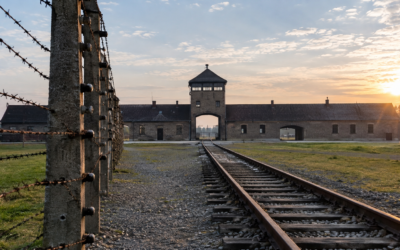
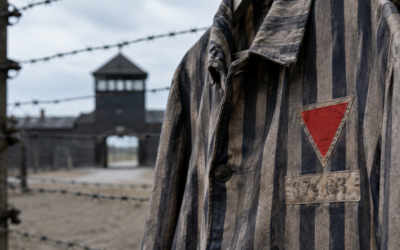
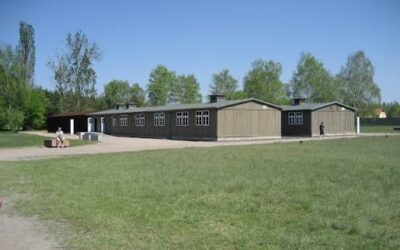
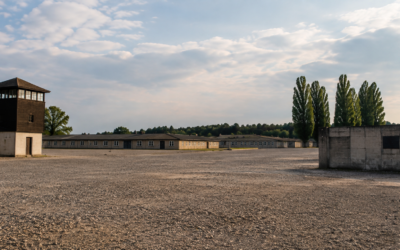
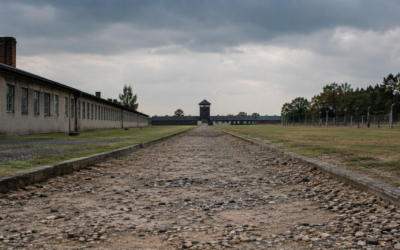
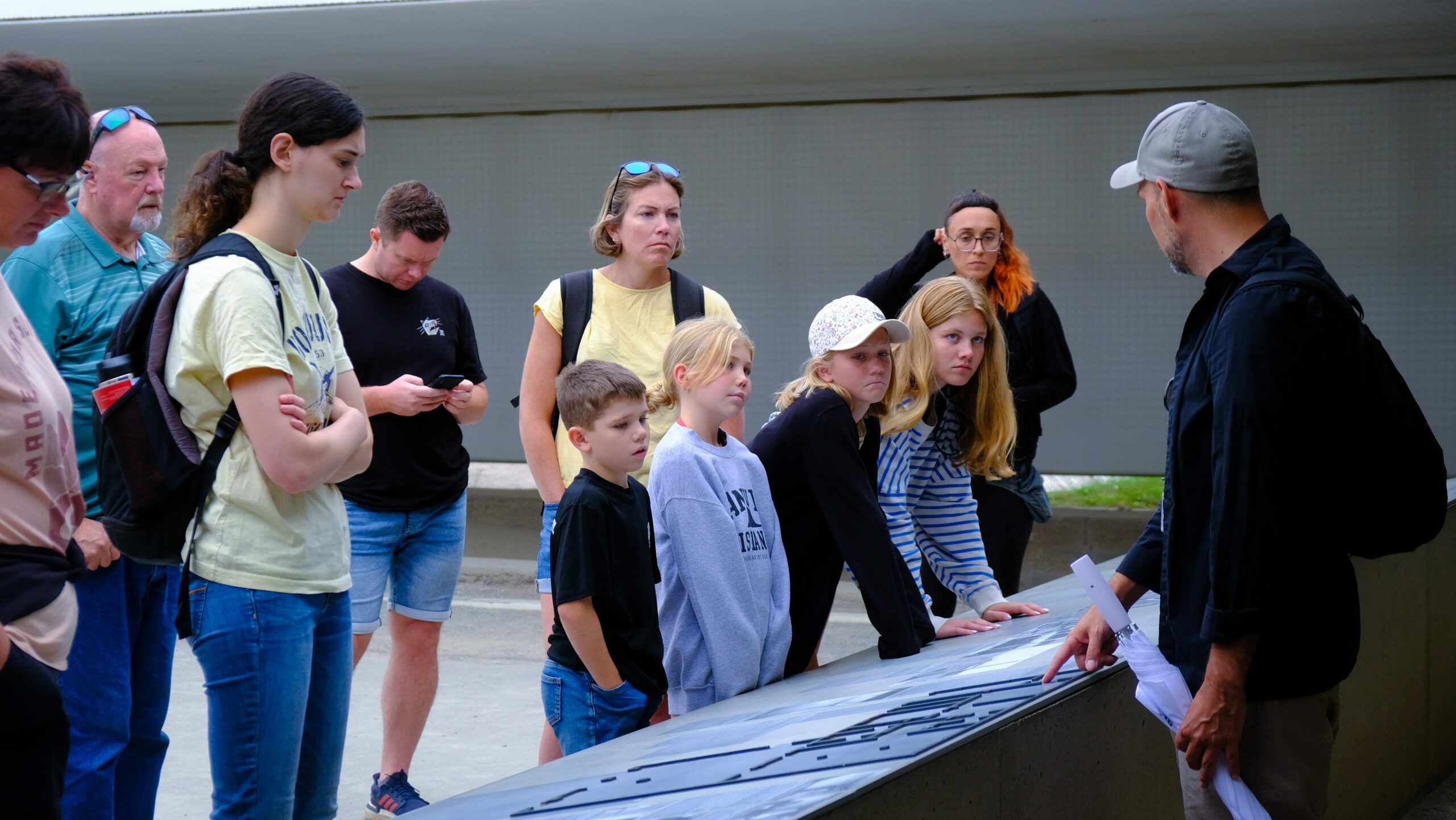
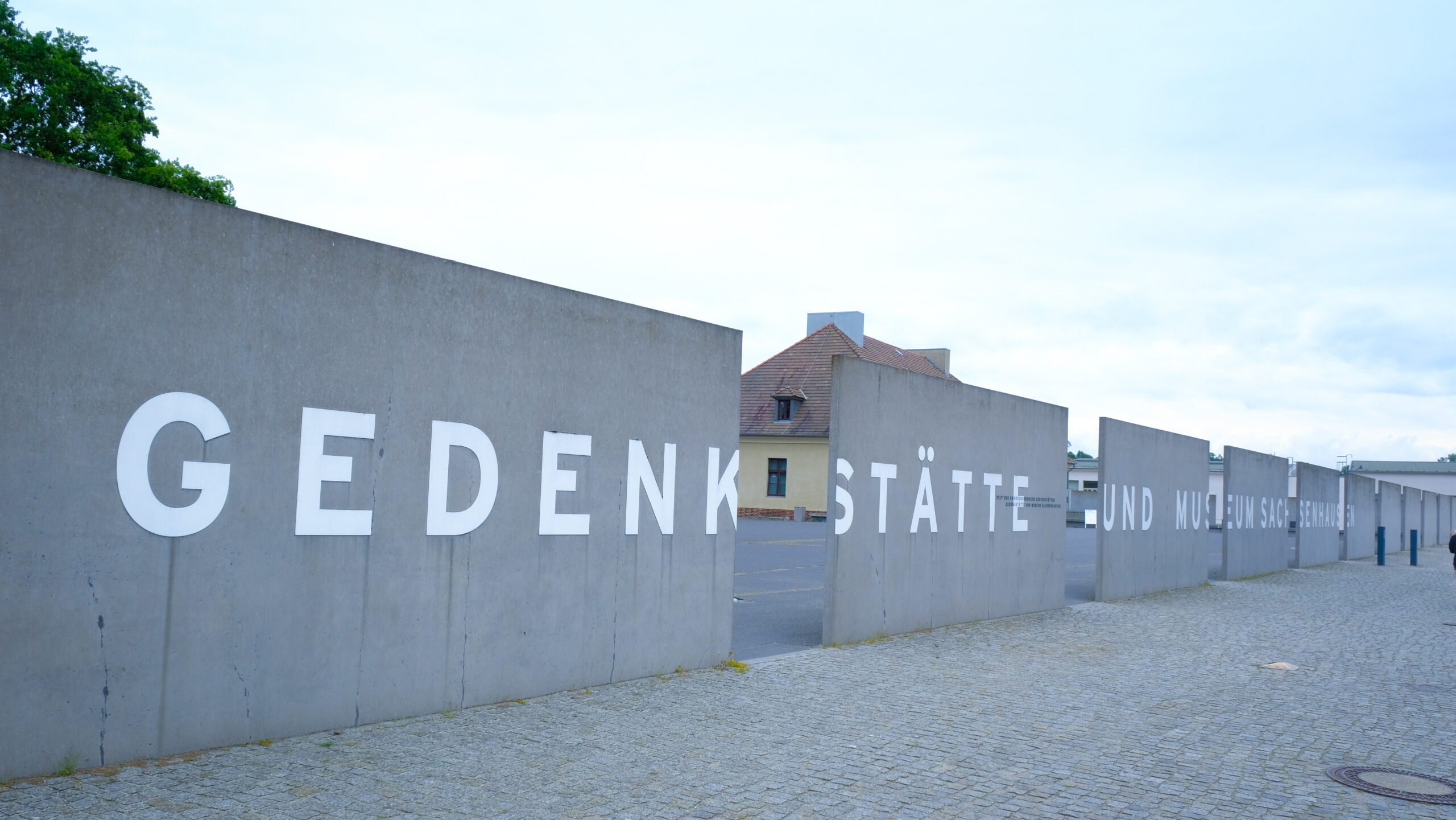
Besucher der Gedenkstätte Sachsenhausen können noch heute den Grundriss des Geländes erkennen und nachvollziehen, wie das Lager und seine Kommandostruktur zusammenhingen. Turm A, das Torgebäude und die erhaltenen Umrisse des dreieckigen Lagers veranschaulichen, wie die SS die Bewegungsabläufe und die Beobachtung organisierte. Outside the area occupied by the prisoners, the former SS buildings indicate that the camp was part of a bigger administrative and military complex. For a broader understanding of Berlin’s Nazi-era history, visitors can also explore related historical sites on a free Berlin walking tour
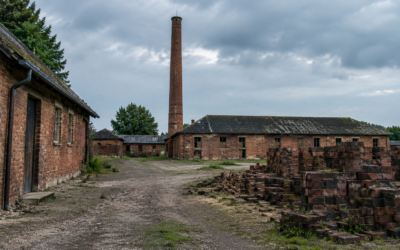
Die ehemaligen Gebäude der Inspektion treten weniger in den Vordergrund als der Gefangenenbereich. Sie liegen außerhalb des Kernbereichs der Gedenkstätte, und Teile des Geländes wurden später anderweitig genutzt, unter anderem von Polizeiausbildungsstätten. Daher ist der Verwaltungskomplex schwerer zu erfassen als die Kaserne und das Tor. Erkundigen Sie sich am Informationsschalter der Gedenkstätte oder informieren Sie sich vor Ihrem Besuch auf der Website, welche Bereiche derzeit zugänglich sind und wie die Ausstellungen die Inspektion und die SS-Verwaltung thematisieren.
Während Ihres Rundgangs über das Gelände versuchen Sie, sich nicht nur den Stacheldraht vorzustellen, sondern auch die Büros, die Schreibkräfte, die Geschäftsbücher, die Telefonleitungen und die Überweisungsaufträge, die connected Oranienburg with all the other camps. For visitors interested in exploring this history in greater depth, private historical tours offer a more personalized way to discover Berlin’s Nazi-era sites.
Häufig gestellte Fragen
- Was war die Konzentrationslagerinspektion?
Das SS-Amt war für die Verwaltung der Konzentrationslager, die Regeln und Vorschriften, das Personal, die Disziplin, den Gefangenentransport und die Arbeitseinsätze zuständig. Seit 1938 befand es sich in Oranienburg bei Sachsenhausen.
- Wer leitete die Inspektion?
Theodor Eicke war von 1934 bis 1939 der erste Inspektor. Richard Glücks folgte ihm nach und leitete das Amt bis 1945.
- Warum wurde die Inspektion nach Oranienburg verlegt?
Die Stadt lag in der Nähe von Berlin und war gut angebunden. Außerdem verfügte sie bereits über die Wach- und Ausbildungseinrichtungen der SS in Sachsenhausen, sodass die Inspektion direkt neben einem aktiven Lager arbeiten konnte.
- Was geschah mit der Inspektion während des Krieges?
Im Jahr 1942 wurde die Organisation als Amtsgruppe D in das Wirtschafts- und Verwaltungshauptamt der SS eingegliedert, was den zunehmenden Schwerpunkt auf Zwangsarbeit widerspiegelte; Glücks blieb im Amt.
- Kann ich heute die Gebäude der Inspektion besichtigen?
Der Verwaltungsbereich liegt größtenteils außerhalb des eigentlichen Gedenkstättengeländes, und der Zugang ist unterschiedlich geregelt. Bitte informieren Sie sich vor Ihrem Besuch bei der Gedenkstätte Sachsenhausen. Das Torgebäude und der Lagerplan vermitteln am besten einen Eindruck von der Organisation des Geländes.