Sie haben drei Tage Zeit, eine lange Liste mit Sehenswürdigkeiten und das Gefühl, dass etwa die Hälfte davon reine Touristenfallen sind. Die ungeschminkte Wahrheit: Berlin hat weniger gut erhaltene Stätten aus dem Zweiten Weltkrieg, als die meisten Besucher erwarten. Da ein Großteil der Stadt durch Bombenangriffe zerstört wurde, wurde vieles, was übrig blieb, später abgerissen – entweder um die Trümmer zu beseitigen oder um zu verhindern, dass die Stätten von Neonazis als Pilgerorte missbraucht werden. Positiv ist jedoch, dass die erhaltenen Stätten sehr bedeutsam sind und die besten Touren den Fokus auf die Bedeutung legen, anstatt möglichst viele Orte abzuklappern.
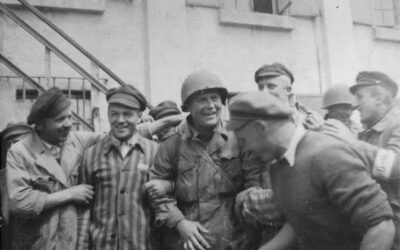
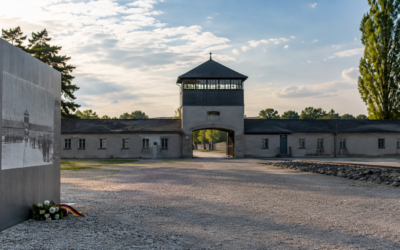
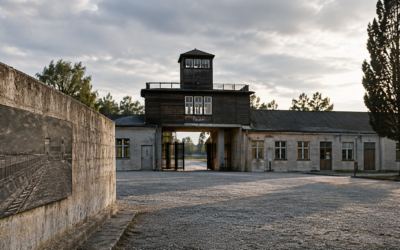
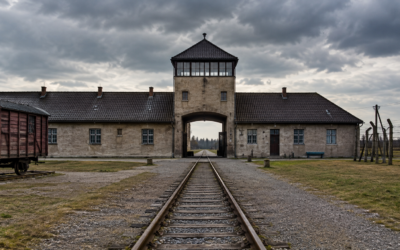
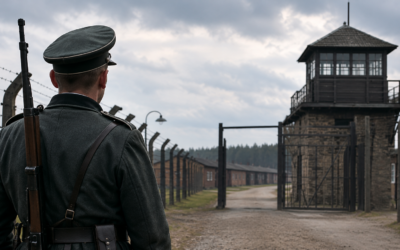
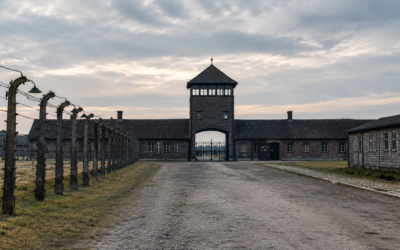
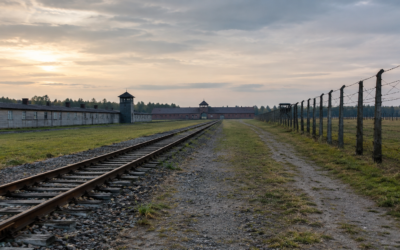
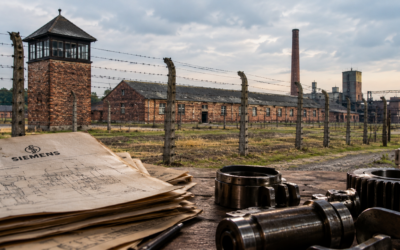
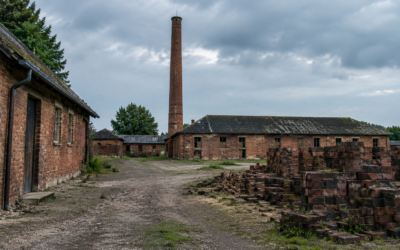
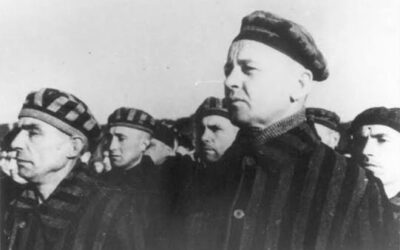
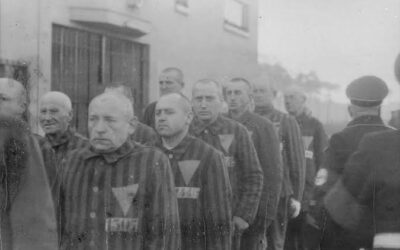
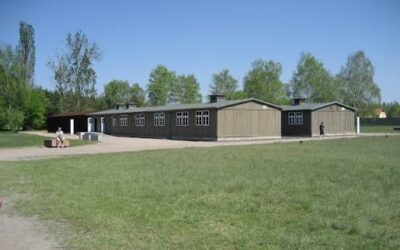
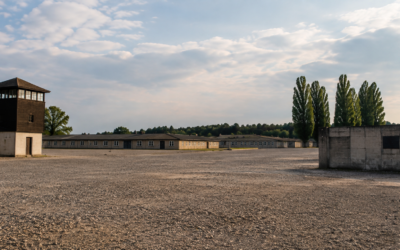
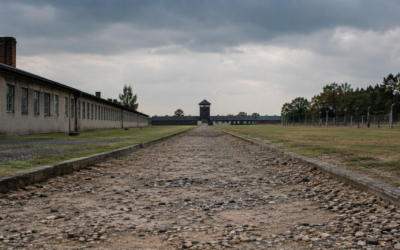
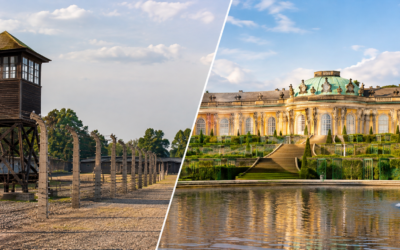
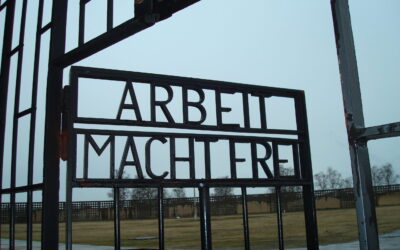
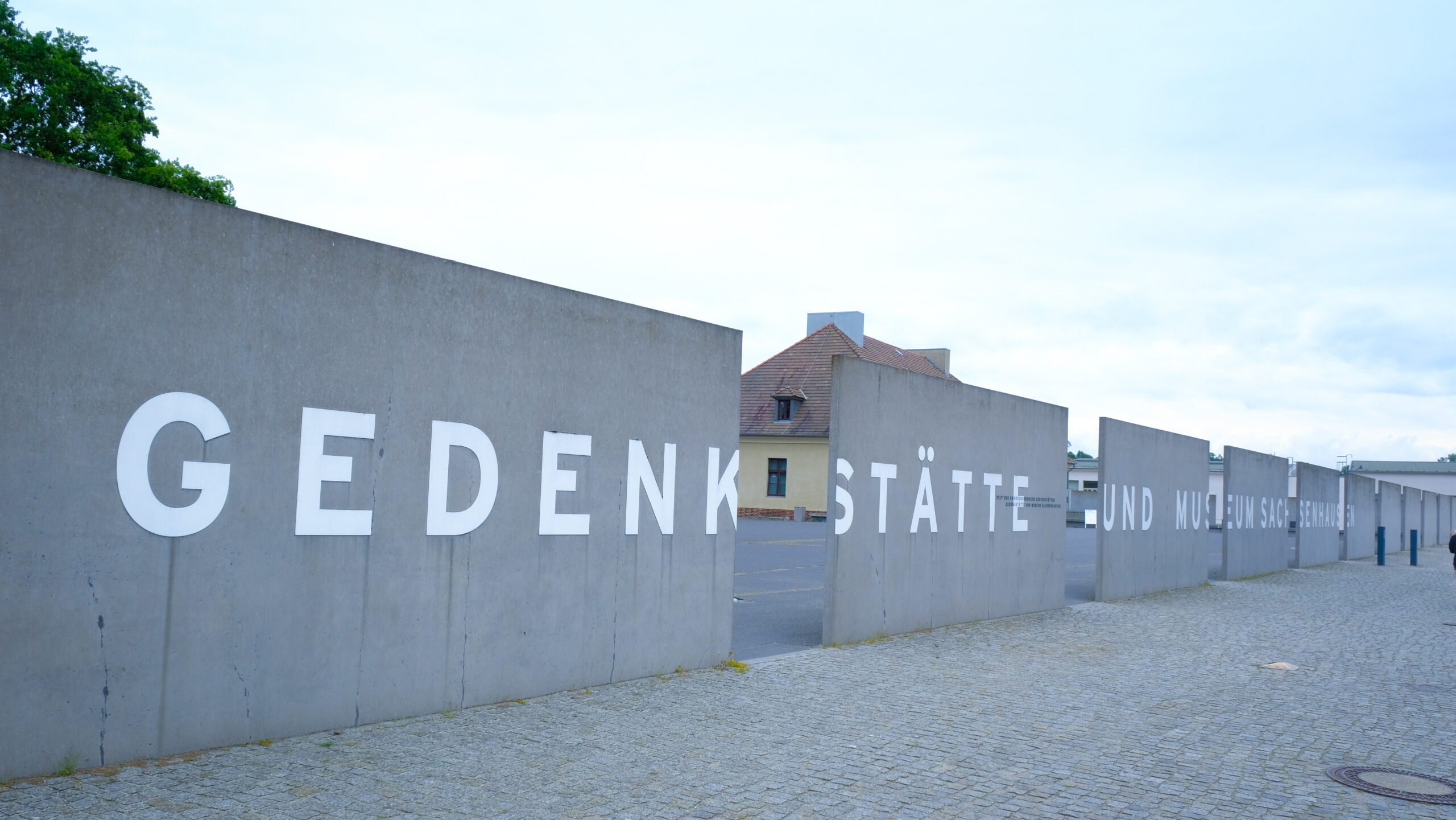
Dieser Leitfaden konzentriert sich auf Sachsenhausen und plant dann den Rest eurer Tage darum herum, sodass am Ende eine klare Erzählung entsteht und nicht nur eine Sammlung von Erinnerungsfotos.
Mit den richtigen Erwartungen beginnen
Wenn die Deutschen an den Krieg denken, empfinden sie Trauer um die Gefallenen und verarbeiten das Geschehene. Wer Panzerausstellungen und Militäruniformen erwartet, wird in Berlin nicht fündig. Die Museen sind seriös, textlastig und bewusst glanzlos. Gehen Sie hinein, um zu lesen und sich unauffällig zu verhalten.
Deshalb ist Qualität auch wichtiger als Quantität. Ein aufmerksamer halber Tag auf der Topographie des Schreckens lehrt Sie mehr als fünf hastig hingenommene Fotostopps.
Tag eins: Wie alles begann und wie es ablief
Beginnen Sie im Zentrum, wo die Maschinerie des Regimes ihren Sitz hatte.
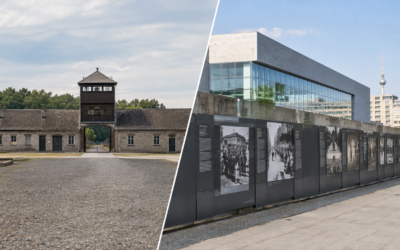
Topographie des Terrors. Dieses Gebäude steht an der Stelle der ehemaligen Hauptquartiere von Gestapo, SS und Reichssicherheitshauptamt. Die Ausstellung im Inneren zeichnet Aufstieg und Fall des Dritten Reiches sowie die Methoden nach, mit denen die Bevölkerung kontrolliert wurde. Draußen verläuft ein langes, erhaltenes Stück der Berliner Mauer neben den freigelegten Fundamenten – so erlebt man gleich zwei Kapitel Geschichte an einem Ort.
Das Denkmal für die ermordeten Juden Europas. Überqueren Sie das Feld aus Betonblöcken, sprechen Sie leise und klettern Sie nicht darauf. Während manche dies beeindruckend finden, sind andere überrascht, wie viele Touristen dort sind. Beide Reaktionen sind typisch. Viele Reisende empfehlen einen Besuch früh morgens, wenn es ruhiger ist.
Das Führerbunker-Gelände. Ganz in der Nähe des Denkmals befindet sich heute an der Stelle, wo Hitler starb, ein gewöhnlicher Parkplatz mit einer Informationstafel. Das ist Absicht. Nichts kennzeichnet den Ort als Gedenkstätte, und genau das ist der Sinn der Sache.
Das Gebäude des Finanzministeriums. Dieses ehemalige Hauptquartier der Luftwaffe ist eines der wenigen großen Gebäude aus der NS-Zeit, die noch erhalten sind. Deshalb werden hier auch Filme über diese Epoche gedreht. Der Besuch dieses Gebäudes hilft, das Ausmaß der von dem Regime errichteten Bauwerke zu begreifen.
Für einen entspannten Abend sollten Sie die berühmte Döner-Schlange meiden und lieber bummeln gehen. Ein günstiger, leckerer Döner in der Nähe des Bahnhofs Warschauer Straße ist genau die Art von Fund, die einen anstrengenden Tag erträglich macht.
Zweiter Tag: Sachsenhausen, richtig gemacht
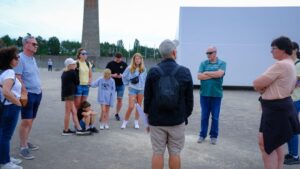
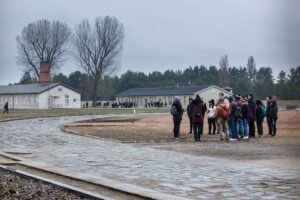
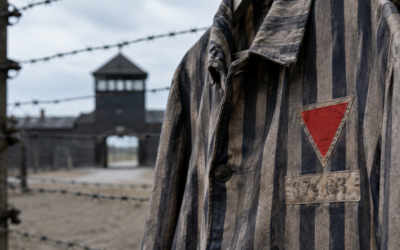
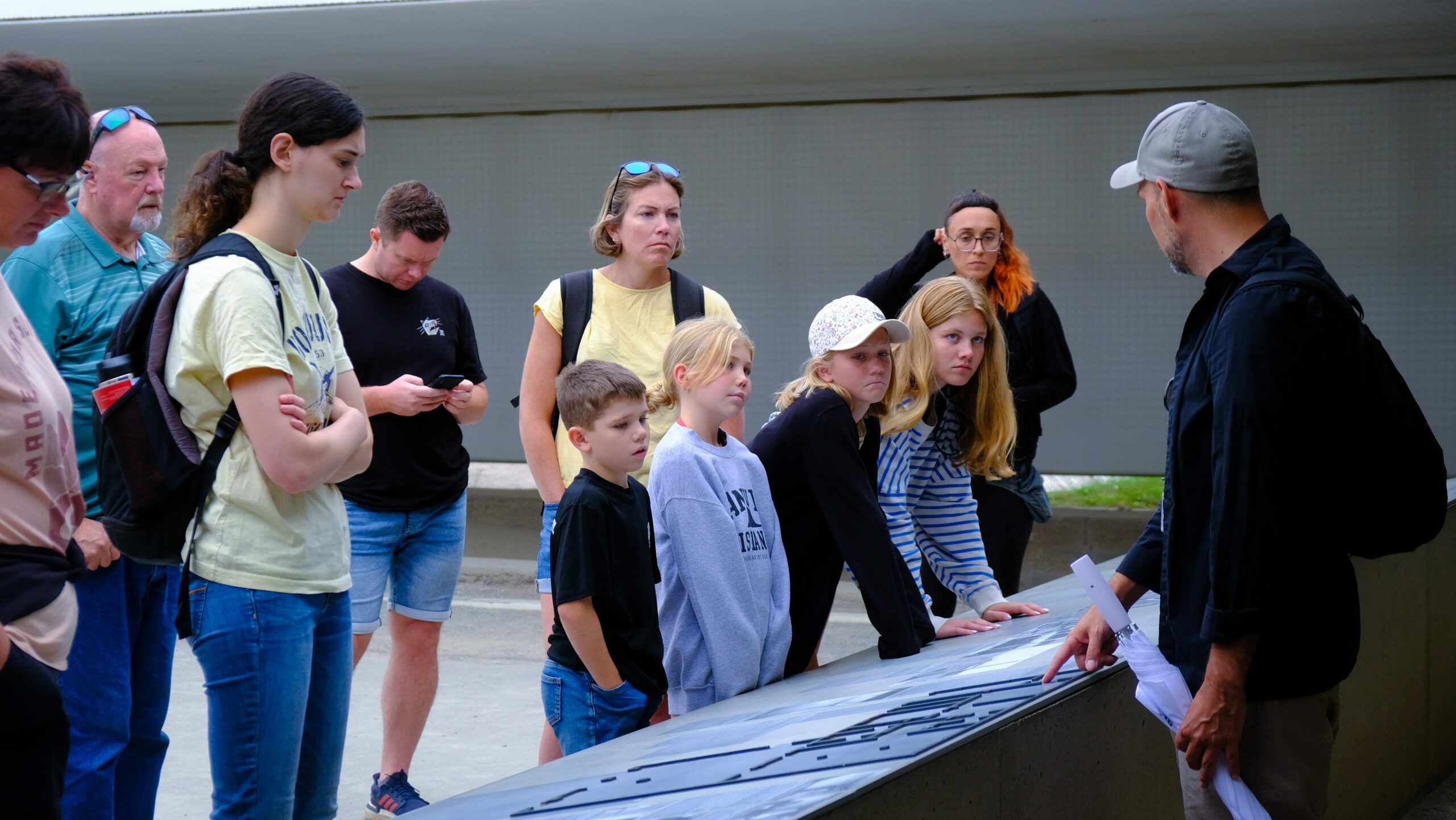
Sachsenhausen liegt etwa eine Stunde von Berlin entfernt und ist einen Besuch am Vormittag und frühen Nachmittag absolut wert. Mehrere Reisende, die beide Orte besucht haben, beschreiben Sachsenhausen als bewegender als die zentrale Gedenkstätte, eben weil es ein realer Ort ist, an dem sich tatsächlich Ereignisse zugetragen haben, und kein abstraktes Denkmal.
Planen Sie es nicht zwischen andere Termine ein. Kommen Sie frühzeitig, tragen Sie bequeme Schuhe und halten Sie genügend Zeit für die Rückfahrt bereit. Da die meisten Menschen danach ruhig und müde sind, ist es ratsamer, für den Abend eine entspannte Aktivität zu planen, anstatt einen Tisch im Restaurant zu reservieren.
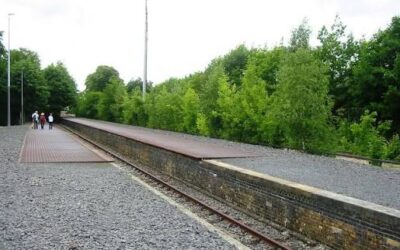
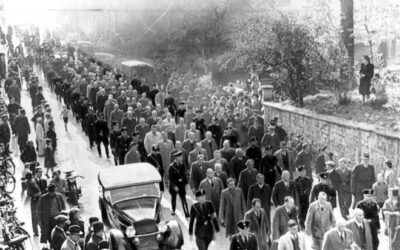
Wenn Sie ein weniger bekanntes Pendant in Stadtnähe suchen, ist das SA Prison Memorial ein fünf Minuten Fußweg Vom Bahnhof Südkreuz aus gesehen, dokumentiert das Museum den frühen Terror von 1933, noch vor der Errichtung der großen Konzentrationslager. Kostenlose Führungen finden derzeit nur noch am ersten Sonntag im Monat statt, aber ein Besuch auf eigene Faust lohnt sich absolut. Es ist der beste Ort in der Stadt, um zu verstehen, wie die Gewalt ihren Anfang nahm.
Dritter Tag: Widerstand, Entscheidungen und das Nachleben des Kalten Krieges
An diesem Tag verwandelt sich Ihre Reise von einer Aneinanderreihung von Horrorgeschichten in ein vollständiges Bild.
Gedenkstätte und Museum des Deutschen Widerstands im Bendlerblock. Hier planten Stauffenberg und andere das Attentat auf Hitler im Juli 1944, und hier wurden mehrere von ihnen hingerichtet. Das Museum geht über dieses berühmte Attentat hinaus und zeigt, wie viele einfache Deutsche auf kleinere Weise Widerstand leisteten.
Haus der Wannsee-Konferenz. In dieser Villa in den westlichen Vororten planten die Verantwortlichen die Durchführung der „Endlösung“. Die Ausstellung ist eindringlich und auf stille Weise erschütternd. Man sollte sich Zeit nehmen, sie zu betrachten.
Das Luftwaffe-Museum Gatow. In der Nähe befindet sich diese Sammlung von Flugzeugen, darunter eine Heinkel He 111 – der ideale Anlaufpunkt für Reisende, die sich für Technik interessieren, ohne den Tag in ein Spektakel zu verwandeln.
Falls Sie noch Energie übrig haben, sollten Sie den Treptower Park besuchen, eine weitläufige sowjetische Gedenkstätte mit monumentalen Statuen. Er ist nicht unbedingt notwendig, aber er zeigt, wie sehr sich der Osten vom Westen an den Krieg erinnerte.
Sie fragen sich, ob Sachsenhausen und andere wichtige Schauplätze des Zweiten Weltkriegs in dieselbe Berlin-Reiseroute passen? Lesen Sie weiter. Sachsenhausen und Topographie des Terrors: Muss man beide besuchen? um diese beiden wichtigen historischen Stätten zu vergleichen.
Jenseits des Holocaust: Jüdisches Leben in Berlin
Viele jüdische Reisende äußern eine gewisse Verärgerung über Reisen zu historischen Stätten in Europa, da die Geschichte des jüdischen Volkes scheinbar immer mit dem Tod beginnt und endet. Berlin kann dem entgegenwirken, vorausgesetzt, man plant entsprechend.
Der Jüdisches Museum Es ist wirklich außergewöhnlich; viele nichtjüdische Besucher halten es aufgrund seiner hervorragenden Zusammenstellung, die mehrere Jahrhunderte jüdischen Lebens – nicht nur die Verfolgung – umfasst, für das beste Museum der Stadt. Um einen Eindruck von der Bedeutung der Gemeinde vor dem Krieg zu bekommen, empfiehlt sich ein Besuch des Museums der Neue Synagoge.
Wer es ruhiger mag, besucht das Jüdischer Friedhof WeißenseeEs ist ein friedlicher Ort, der anhand der Gräber vergangener Generationen die lange Geschichte der Juden in Berlin widerspiegelt. Wenn Sie einen Gottesdienst besuchen möchten, ist die Synagoge am Fraenkelufer bekannt für ihre entspannte, internationale Atmosphäre und bietet mitunter egalitäre Schabbatgottesdienste an. Bedenken Sie, dass die heutige jüdische Gemeinde in Berlin die größte in Deutschland ist und viele ihrer Mitglieder erst vor Kurzem aus Russland, Israel und den USA zugezogen sind und nicht aus Familien mit deutschen Wurzeln stammen.
Das Kapitel über den Kalten Krieg, das Sie nicht überspringen sollten
Berlins zweite große Geschichte ist die Teilung. Geben Sie ihr einen halben Tag Zeit.
Der Gedenkstätte Berliner Mauer an der Bernauer Straße ist der beste Ort, um zu verstehen, wie die Barriere die Stadtviertel tatsächlich geteilt hat. HohenschönhausenDas ehemalige Stasi-Gefängnis ist erschreckend, und Palast der Tränen Erfasst die menschlichen Kosten der Trennung an einem ehemaligen Grenzübergang. East Side Gallery für die Mauer als öffentliche Kunst.
Lassen Sie Checkpoint Charlie aus. Es handelt sich um eine Nachbildung, die von Souvenirständen umgeben ist, und Sie können Ihre Zeit besser an anderer Stelle auf dieser Liste verbringen.
Zwei Erlebnisse, die es wert sind, im Voraus gebucht zu werden
Zunächst einmal die Reichstagskuppel is free, but you need to book well in advance. Many visitors Name it their highlight of the city.
Zweitens, die Berliner Unterwelten Die U-Bahn-Touren bieten thematische Besichtigungen an, darunter Touren zur Mauer und zum Berlin der Kriegszeit. Da sie schnell ausgebucht sind, empfiehlt sich eine frühzeitige Buchung.
Halten Sie beim Gehen die Augen offen. Einschusslöcher aus der Schlacht um Berlin zieren noch immer einige Fassaden, vor allem östlich des Bahnhofs Friedrichstraße. Man übersieht sie leicht, aber wenn man sie einmal bemerkt hat, bleiben sie einem im Gedächtnis.
Praktische Hinweise zu Gesprächen und Sicherheit
Da Berlin eine vielfältige, internationale Stadt ist, gibt es keine einheitliche Einstellung, die für alle gilt. Einige Besucher berichten jedoch, dass das Thema Holocaust heikel ist, wenn man es in lockeren Gesprächen mit Fremden anspricht, insbesondere wenn es um Schuldfragen oder die eigene Familiengeschichte geht, da solche Fragen oft negative Reaktionen hervorrufen. Am besten wendet man sich an Museumspädagogen und Stadtführer. Allen anderen ist es wichtig, Neugier und Respekt zu bewahren.
In den letzten Jahren kam es in der Nähe wichtiger Sehenswürdigkeiten, beispielsweise am Holocaust-Mahnmal, zu Angriffen auf Touristen. Jüdische Menschen achten bei Reisen in der Regel darauf, ihre sichtbaren Symbole unauffällig zu tragen, ihre Umgebung aufmerksam zu beobachten und sich vor Reiseantritt über die aktuellen Reisehinweise zu informieren. Obwohl die meisten Besuche reibungslos verlaufen, ist es ratsam, wachsam zu bleiben.
Häufig gestellte Fragen
- Ist von Hitlers Bunker noch irgendetwas übrig?
Es handelt sich bei dem Gelände keinesfalls nur um einen einfachen Parkplatz mit einer Informationstafel; es befindet sich in der Nähe des Denkmals für die ermordeten Juden Europas und ist einen kurzen Zwischenstopp wert, um den Kontext zu verstehen, anstatt einen langen Umweg zu machen.
- Lohnt sich ein Besuch des Checkpoint Charlie?
Nicht wirklich. Es handelt sich um eine Nachbildung, umgeben von Touristenständen. Verbringen Sie Ihre Zeit lieber an der Gedenkstätte Berliner Mauer in der Bernauer Straße, in der East Side Gallery oder im ehemaligen Stasi-Gefängnis Hohenschönhausen.
- Wie kann ich etwas über das jüdische Leben in Berlin erfahren, nicht nur über den Holocaust?
Kombinieren Sie den Besuch des Jüdischen Museums, des Museums der Neuen Synagoge und des Friedhofs Weißensee und erwägen Sie den Besuch eines Gottesdienstes in der Fraenkelufer-Synagoge, wenn Sie mit der dortigen Gemeinde in Kontakt treten möchten.
- Kann ich die Museumsführer und das Museumspersonal nach der Geschichte meiner Familie in Deutschland fragen?
Das Stellen historischer Fragen an Reiseführer und Museumsmitarbeiter ist im Allgemeinen der sicherste Weg. Fragen, die wie Schuldzuweisungen klingen oder in die persönlichen Erfahrungen der Einheimischen eindringen, sind in ungezwungener Atmosphäre möglicherweise nicht willkommen.
- Welche unterirdischen und versteckten Sehenswürdigkeiten sollte man am besten im Voraus buchen?
Buchen Sie eine Tour durch die Berliner Unterwelten, die Themen wie die Berliner Mauer und die Kriegszeit behandelt, und sichern Sie sich frühzeitig den kostenlosen Besuch der Reichstagskuppel. Beide Touren sind schnell ausgebucht, planen Sie diese daher am besten im Voraus, bevor Sie Ihre weiteren Tage gestalten.