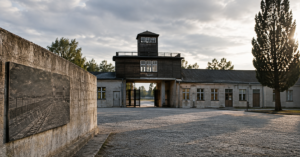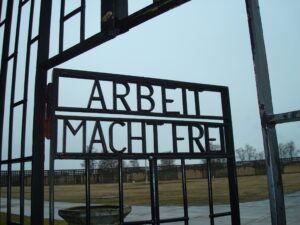
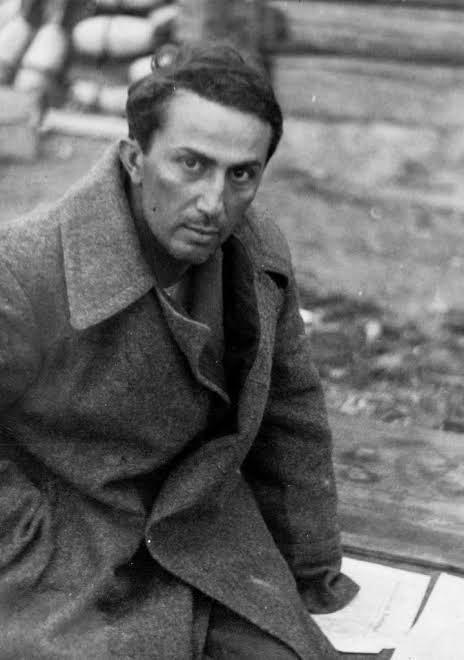
De vraag die bij elke foto van Yakov Dzhugashvili opduikt, is: liet Joseph Stalin zijn eigen zoon werkelijk sterven in plaats van hem te ruilen? Het korte antwoord is dat Yakov op 14 april 1943 overleed. in SachsenhausenEn het gerucht dat zijn vader hem had kunnen redden, is slechts de helft van het verhaal. De andere helft is ongemakkelijker en verklaart waarom mensen er ruim tachtig jaar later nog steeds over discussiëren.
De man in de lange jas
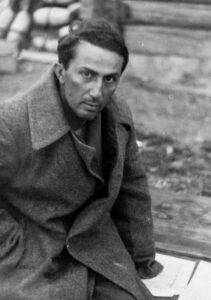
Laten we beginnen met de foto die iedereen kent: een jonge man in een zware Rode Legerjas, er vermoeid uitzien, omringd door Duitse soldaten. Dit is eerste luitenant Yakov Dzhugashvili, batterijcommandant van het 14e Houwitserregiment. Duitse troepen namen hem op 16 juli 1941 gevangen, nabij de Wit-Russische stad Liozno, in de buurt van het vliegveld van Surazj, tijdens de chaos van de gevechten bij Smolensk.
Die jas verdient een vermelding, omdat Kijkers merken het altijd op.Sovjetsoldaten droegen het hele jaar door een lange jas. Bij warm weer rolden ze die op en droegen hem over hun schouder, en in de winter kregen ze er een gewatteerde katoenen jas overheen. Het is een klein detail, maar het laat zien dat de foto een gewone soldaat in een gewoon uniform vastlegt, niet een prins in vermomming. For those interested in exploring the wider history of World War II and Nazi Germany, a free historical walking tour of Berlin offers additional context about the period.
Duitse propagandisten begrepen onmiddellijk de waarde van het beeld. Op pamfletten werd Yakov afgebeeld met het spottende onderschrift: "Weet je wel wie dit is?" De boodschap aan de Sovjettroepen was simpel: zelfs de zoon van de leider had zich overgegeven. Yakov weigerde, volgens de meeste bronnen, mee te werken en verzette zich tegen elke poging om hem tot desertie te bewegen.
Wie was Yakov nu eigenlijk?
Born in 1907, Yakov was Stalin’s eldest son and his only child with his first wife, Kato Svanidze, who was also Georgian. After his mother died, relatives raised him far from his father. He grew into a reserved young man whose relationship with Stalin was often strained. What he got instead, according to those who studied the family, was a difficult relationship with his father and, ultimately, death in a Nazi concentration camp.
His half-brothers lived very different lives. Konstantin Kuzakov, born in 1911 to Maria Kuzakova, with whom Stalin reportedly had a relationship during his exile, worked in Soviet radio and television and died in 1996. Alexander Davydov, believed to have been Stalin’s son through Lidia Pereprygina during his Siberian exile, served in World War II, reportedly reached the rank of major, and died in 1987. Their alleged parentage has not been established with the same certainty as Stalin’s acknowledged children. Claims that both signed nondisclosure agreements with the NKVD require stronger documentary evidence. Vasily, Yakov’s younger half-brother, born in 1921 to Stalin’s second wife, Nadezhda Alliluyeva, struggled with alcoholism, misused his position, and was imprisoned after Stalin’s death. He died in 1962.
De gevangenenruil waar iedereen het over heeft.
After the German defeat at Stalingrad in early 1943, accounts emerged that Germany had offered to exchange Yakov for Field Marshal Friedrich Paulus. Although the story appears in historical accounts and memoirs, no conclusive documentary evidence establishes that a formal exchange was proposed or rejected door Stalin. The reported exchange therefore remains disputed.
The most widely repeated versions of Stalin’s alleged reply remain unverified. One claims he said that the Germans held not only his son Yakov but millions of his sons, so either all should be freed or Yakov would share their fate. Another has him dismissing the deal in military terms: why would he trade a general, or a field marshal, for a lieutenant? A third, more brutal line, “I have no son,” gets quoted constantly. However, none of these statements has been conclusively established through reliable documentary evidence.
Wees voorzichtig met al deze verhalen. Het zijn tradities die aan het verhaal verbonden zijn, geen documenten die zomaar iedereen kan gebruiken. Ze blijven bestaan omdat ze aan Stalin doen denken en omdat ze aansluiten bij wat veel mensen al geloven.
A second exchange story is worth knowing. When Soviet forces captured Leo Raubal Jr., Hitler’s nephew, at Stalingrad on 31 January 1943, there were claims that Hitler considered exchanging him for Yakov. However, no conclusive documentary evidence confirms that a formal exchange was proposed or that Stalin rejected it. Yakov died in Sachsenhausen on 14 April 1943, while Raubal survived the war and was released on 28 September 1955.
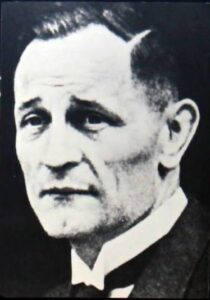
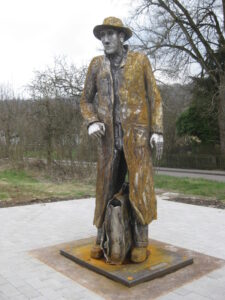
Wil je meer weten over een andere opmerkelijke gevangene in Sachsenhausen die zich tegen Hitler verzette? Lees dan verder. Georg Elser in Sachsenhausen: De man die Hitler bijna vermoordde om het verhaal te ontdekken van de moordaanslag op hem en zijn gevangenschap onder het naziregime.
Was het afwijzen van de deal de juiste beslissing?
This is where the debate gets heated, although the reported prisoner exchange itself remains unverified. The arguments surrounding Stalin’s alleged refusal are therefore hypothetical rather than assessments of a confirmed decision.
Supporters of the supposed refusal argue that exchanging a high-ranking German commander for Stalin’s son could have damaged Soviet military morale. Critics suggest that refusing such an exchange, if it was offered, would demonstrate Stalin’s cold relationship with Yakov. Neither interpretation establishes that the exchange actually took place. This debate also connects to the wider history of Nazi Germany and World War II, which visitors can Ontdekken through private historical tours of Berlin.
Er is ook het argument dat Stalin consequent handelde, ongeacht wat je van zijn andere keuzes vindt. Veel mensen merken op dat de families van andere Sovjetgevangenen leden onder de gevangenschap van hun verwanten, omdat ze hun uitkeringen en staatssteun verloren en met andere vormen van vervolging te maken kregen, terwijl de familie Dzjoegashvili grotendeels aan die behandeling ontkwam. Vasili, die in de luchtmacht diende, kreeg, in ieder geval in de beginjaren van de oorlog, geen vrijstelling vanwege zijn achternaam.
De beschuldigingen zijn eerder emotioneel dan strategisch. Critici stellen dat je de militaire logica kunt accepteren en toch kunt beweren dat de man al lang voor de oorlog afstandelijk was tegenover zijn eigen kind, en dat hij Yakov behandelde als een teleurstelling uit een relatie die hij nooit waardeerde. Anderen zeggen dat het verkeerd is om hem op basis van deze ene episode te veroordelen. Stalin is schuldig aan genoeg gedocumenteerde misdaden, waardoor deze beslissing, ongeacht de morele waarde ervan, niet zijn zwaarste beschuldiging vormt. Velen hebben precies dat punt al gemaakt: het is de enige keuze in zijn leven die wellicht juist was.
Werden Sovjetgevangenen echt naar de Goelag gestuurd?
Het verhaal van Yakov werpt een bredere vraag op waar veel lezers naar op zoek zijn: wat is er gebeurd met de Sovjetsoldaten die de Duitse gevangenschap hebben overleefd?
The popular belief is that all returning Soviet prisoners were punished, but historical records show a more complicated picture. According to archival figures examined door historians, approximately 1.54 million repatriated Soviet POWs had been processed door March 1946. Of these, around 43% were returned to military service, 22% entered military labour battalions, 18% were sent home, and 14.7% were transferred to NKVD custody. These figures describe specific administrative outcomes and should not be interpreted as meaning that every prisoner transferred to NKVD custody received the same punishment.
Order 270, issued in 1941, is the document people usually cite. It treated surrender under certain circumstances as betrayal and imposed severe penalties, which is why the unverified quotation “I have no son” carries such weight. Yet Yakov’s own family, unlike many others, was reportedly spared the usual consequences.
Hoe is Yakov eigenlijk gestorven?
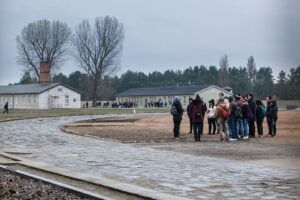
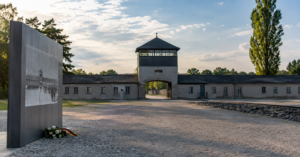
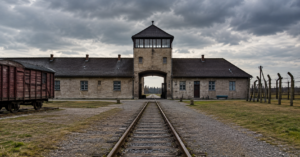
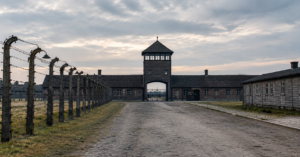
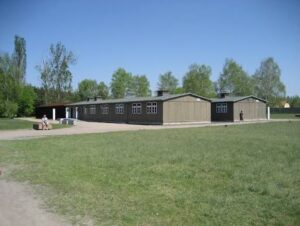
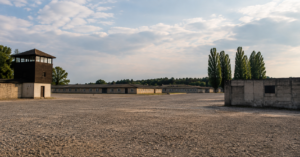
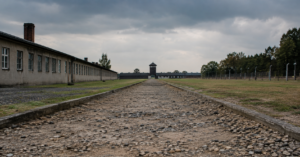
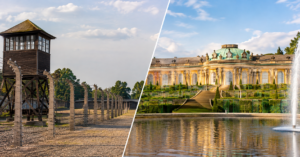
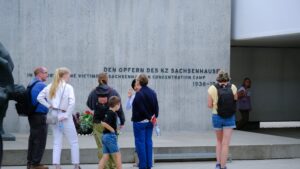
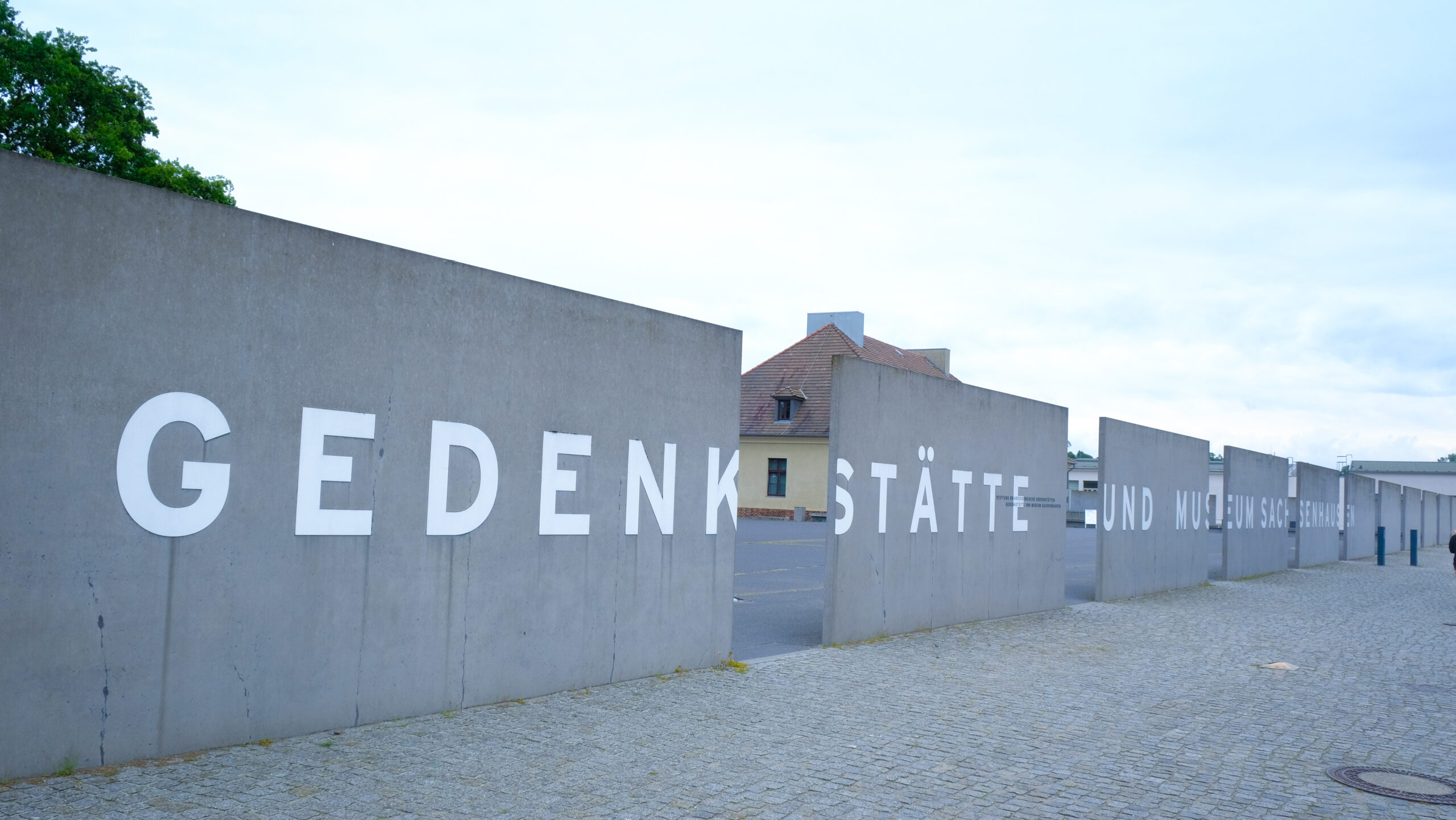
According to German reports, Yakov died on 14 April 1943 in Sachsenhausen concentration camp. He reportedly approached or threw himself against the electrified barbed-wire fence, where a guard shot him. However, the precise sequence of events and whether the gunshot or electrocution caused his death remain disputed.
The circumstances have led to different interpretations. Some historians suggest that Yakov deliberately approached the fence to end his life, while others have considered the possibility of an escape attempt. Neither explanation has been conclusively established. The claim that news of Stalin’s refusal to exchange him drove Yakov to suicide also lacks reliable documentary confirmation.
Whether Yakov intended to escape or take his own life remains uncertain. What is established is that he died in Sachsenhausen on 14 April 1943, while being held in German captivity.
Veelgestelde vragen
- Hebben de Duitsers werkelijk aangeboden om Yakov te ruilen voor veldmaarschalk Paulus?
That is the story most often told, and it is widely repeated. However, the proposed exchange itself remains historically disputed, and the exact wording of Stalin’s alleged reply is unverified, with different versions appearing.
- Heeft Stalin werkelijk gezegd: "Ik heb geen zoon"?
It is attributed to him often, but there is no conclusive documentary evidence confirming he said it. Several different versions of his alleged response circulate, including the one about millions of sons. Their wording and authenticity remain uncertain, as does the reported prisoner exchange itself.
- Werd Yakov ook aangeboden in ruil voor Hitlers neef?
The proposed exchange remains historically disputed. Leo Raubal Jr. was captured at Stalingrad, and the Germans allegedly suggested trading him for Yakov. However, there is no conclusive evidence that a formal exchange was proposed or that Stalin refused it. Yakov died in 1943, while Raubal was released in 1955.
- Werden Sovjetkrijgsgevangenen na hun terugkeer naar huis automatisch naar een goelagkamp gestuurd?
No. Soviet records indicate that returning prisoners experienced different outcomes, including military service, release, labour battalions, and NKVD detention. Of approximately 1.54 million repatriated POWs processed door March 1946, around 14.7% were transferred to NKVD custody. This does not mean that all returning prisoners were imprisoned in the Gulag.
- Hoe is Yakov Dzhugashvili in Sachsenhausen overleden?
Volgens de Russische overlevering werd hij op 14 april 1943 doodgeschoten toen hij probeerde te ontsnappen door zich tegen het prikkeldraadhek te werpen. Sommigen vinden dit eerder een zelfmoordpoging dan een daadwerkelijke ontsnappingspoging.