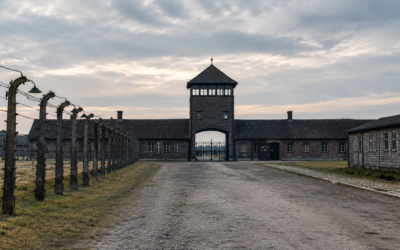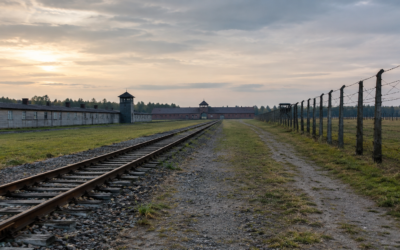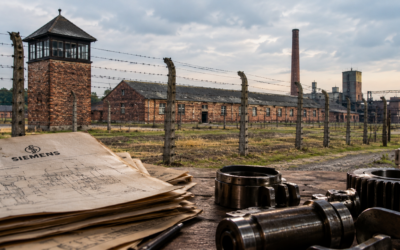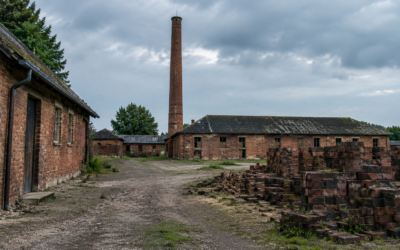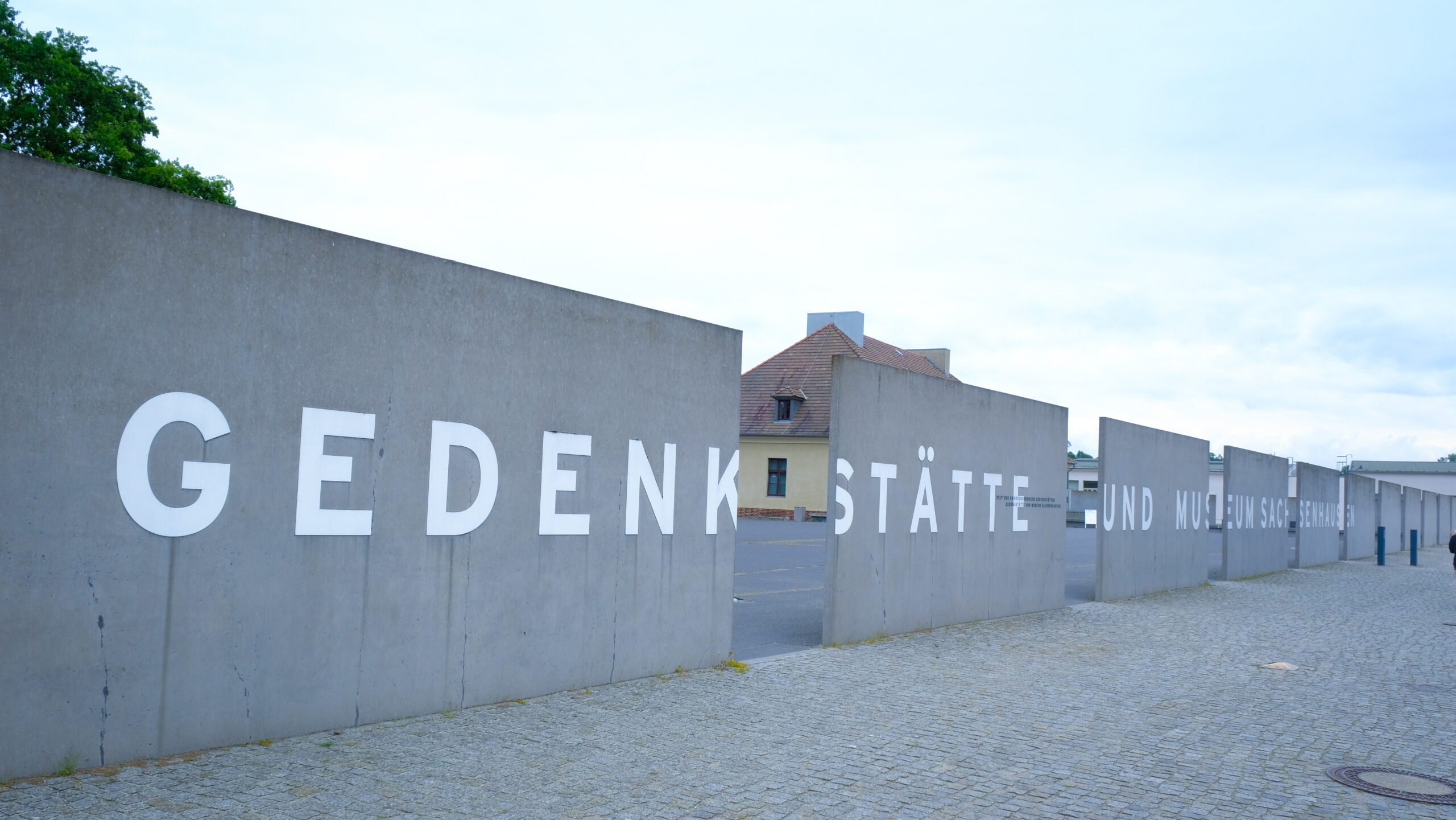
Als je ooit op een stille reis bent geweest straat in Berlijn En als u zich afvraagt hoe een moderne, kosmopolitische stad zich tussen haar eigen buren heeft kunnen vormen, dan stelt u de juiste vraag. Het directe antwoord is onaangenaam: het is niet in één keer gebeurd, maar in kleine, bureaucratische stappen, waardoor elke stap de volgende normaler deed lijken.
Deze gids beschrijft die escalatie op de manier waarop een local het aan een vriend zou uitleggen, met de data, de locaties en de veelvoorkomende misverstanden die mensen in het gesprek inbrengen.
Het begon met papierwerk, niet met geweld.
In 1933 woonden er ongeveer 160.000 Joden in Berlijn, meer dan in welke andere stad in Duitsland ook. Velen van hen waren artsen, winkeliers, advocaten, leraren en ambtenaren. Ze waren geen buitenstaanders, maar buren in de appartementen erboven.
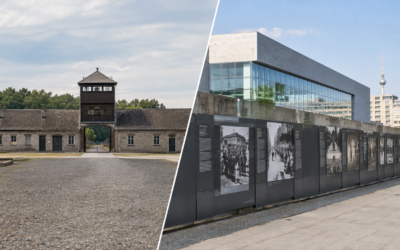
Aanvankelijk leken de acties slechts administratieve maatregelen. Op 1 april 1933 organiseerde het regime een boycot van Joodse bedrijven, waarbij geüniformeerde mannen voor de winkels werden gestationeerd. Een paar dagen later dwong een wet met betrekking tot de ambtenarij Joden en politiek ongewenste personen hun baan in de publieke sector op te geven. In mei verbrandden studenten en ambtenaren boeken op de Opernplatz, het plein dat nu bekend staat als Bebelplatz. Tegenwoordig toont een glazen paneel in de bestrating een lege ondergrondse bibliotheek, een stil monument voor de boeken die werden vernietigd.
Het patroon is belangrijk: mensen werden eerst uitgesloten van werk, vervolgens van het openbare leven en daarna van wettelijke bescherming. In elke fase werd het gepresenteerd als een maatregel bedoeld om de orde te handhaven, niet als een daad van wreedheid.
De immigratievraag die iedereen verkeerd beantwoordt
Een van de meest gestelde vragen aan bezoekers en geschiedenisliefhebbers is wat het standpunt van het regime ten aanzien van immigratie nu precies was tussen 1933 en 1939. Het antwoord is tweeledig, en het door elkaar halen ervan leidt tot eindeloze verwarring.
Voor etnische Duitsers die in het buitenland woonden, was het beleid gastvrij. Onder de noemer Heim ins Reich, oftewel "terugkeer naar het Rijk", werden mensen van Duitse afkomst in afgelegen gemeenschappen in Oost- en Zuidoost-Europa aangemoedigd om zich in de Duitse invloedssfeer te vestigen. Het ging hierbij om de uitbreiding van het nationale lichaam, niet om open grenzen.
Voor Joodse Duitsers werkte de druk juist andersom. Hoewel het regime van hen af wilde, eiste het eerst dat hun bezittingen werden afgenomen. Degenen die probeerden te emigreren, moesten hoge belastingen betalen, toezien hoe hun eigendommen onder dwang voor een fractie van de waarde werden verkocht en een ingewikkelde reeks vergunningen doorlopen. Tegelijkertijd sloten andere landen hun deuren, waardoor veel mensen die wilden vertrekken geen land konden vinden dat hen wilde opnemen. De rijen voor de consulaten in Berlijn strekten zich tot om de hoek uit. Deze situatie van verdreven worden zonder ergens heen te kunnen, is essentieel om te begrijpen wat er vervolgens gebeurde.
1935: Toen discriminatie wettelijk werd toegestaan.
In 1935 maakten de Neurenbergwetten van vooroordelen wetgeving door Joodse Duitsers hun staatsburgerschap te ontnemen en hen te verbieden te trouwen met of relaties te hebben met andere Duitsers. Deze wetten stelden een wettelijk criterium vast om te bepalen wie als Joods werd beschouwd op basis van afkomst en waren ook van toepassing op mensen die zich hadden bekeerd of nooit een religie hadden beoefend.
In Berlijn betekende dit dagelijkse vernederingen. Op parkbanken, bij zwembaden en in bioscopen hingen uitsluitingsborden. Toen kwamen de Olympische Spelen van 1936. Gedurende een paar weken verwijderde de stad in stilte enkele van de meest opvallende borden om indruk te maken op buitenlandse bezoekers. Zodra de camera's weg waren, werden de borden weer teruggeplaatst. Als je een voorbeeld wilt van hoe theatraal het publieke imago van het regime was, dan is dit het.
Kristallnacht: De nacht waarin de stad haar ware aard liet zien.
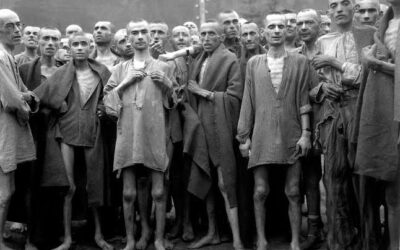
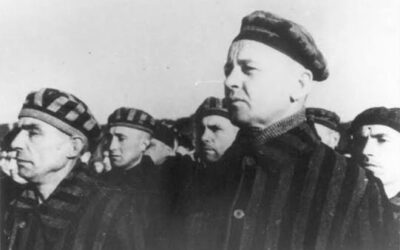
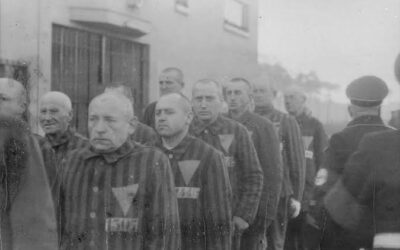
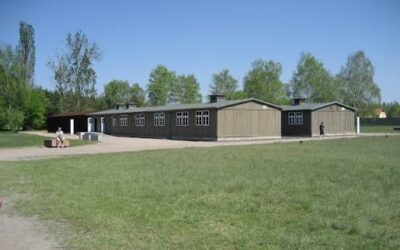
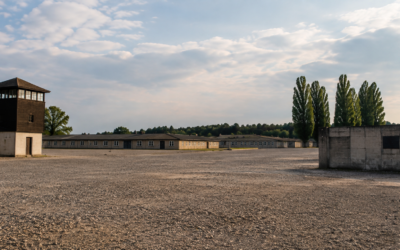
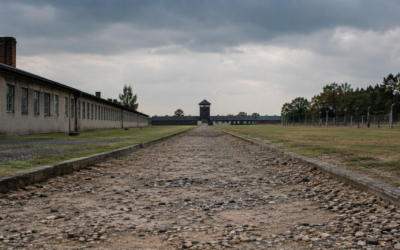
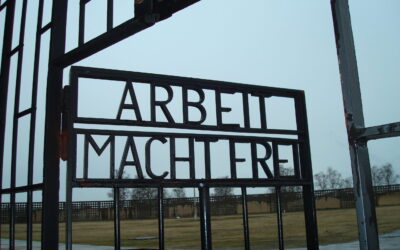
Op 9 en 10 november 1938 werden in heel Duitsland synagogen in brand gestoken, ook in Berlijn. De winkelruiten werden vernield, wat de nacht zijn naam gaf, hoewel veel historici het nu liever het Novemberpogrom noemen, aangezien het gebroken glas zeker niet het enige probleem was. Ongeveer 30.000 Joodse mannen werden in het hele land gearresteerd en naar de gevangenis gestuurd. kampen zoals Sachsenhausen, dat net ten noorden van Berlijn, Buchenwald en Dachau ligt.
Wat veel mensen zich niet realiseren, is dat de gevolgen net zo onthullend waren als het geweld zelf. De Joodse gemeenschappen kregen een totale boete van één miljard Reichsmark voor de schade, en de verzekeringsuitkeringen werden opgestreken. De slachtoffers werden aangeklaagd voor de misdaad die tegen hen was gepleegd. Tegen die tijd was emigratie geen druktactiek meer, maar een race om te overleven.
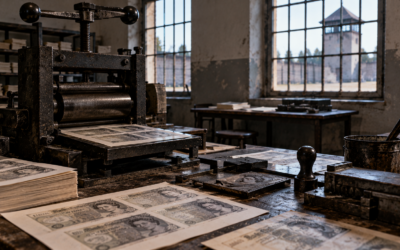
Wil je meer weten over verzet tijdens de nazi-vervolging? Lees dan onze blog over... Otto Weidts werkplaats voor blinden: een verhaal over verzet in Joods Berlijn om meer te weten te komen over zijn inspanningen om Joodse arbeiders te beschermen.
Van uitsluiting tot deportatie
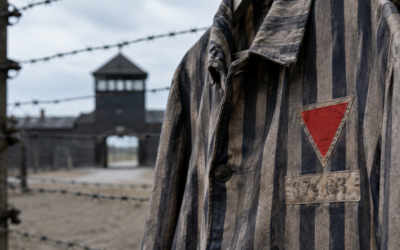
Toen de oorlog in 1939 uitbrak, werden de mogelijkheden nog beperkter. Joodse Berlijners werden gedwongen in aangewezen woningen te wonen, moesten vanaf september 1941 een gele ster dragen en mochten grotendeels geen gebruik meer maken van het openbaar vervoer. Toen kwam de stap die de vervolging in deportatie veranderde.
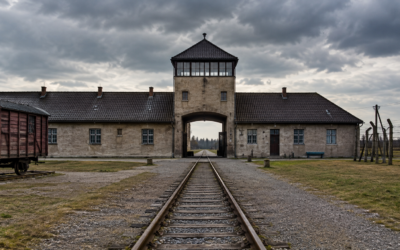
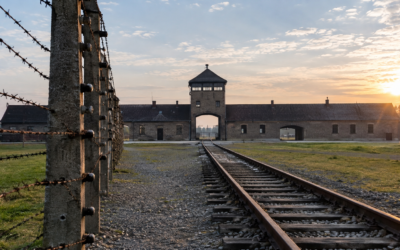
Op 18 oktober 1941 vertrok de eerste deportatietrein vanuit station Grunewald in Berlijn, met Joodse inwoners aan boord, naar het getto in Łódź. In de daaropvolgende jaren deporteerden de autoriteiten ongeveer 50.000 Berlijners. je kunt langs lopen Perron 17 in Grunewald, waar stalen platen langs de rand van het perron elk vervoermiddel vermelden, met de datum, de bestemming en het aantal passagiers. Het is een van de meest sobere plekken in de stad, juist omdat het zo eenvoudig is.
In januari 1942 kwamen ambtenaren bijeen in een villa aan het meer in Wannsee om te overleggen over wat zij de "eindoplossing" noemden. De bijeenkomst duurde ongeveer negentig minuten. De villa is nu een museum en de tentoongestelde documenten maken duidelijk hoeveel van het hele proces eigenlijk gewone administratie was.
Eén daad van verzet verdient vermelding. In februari en maart 1943 verzamelden niet-Joodse echtgenotes en familieleden zich dagenlang op de Rosenstrasse om de vrijlating te eisen van hun Joodse echtgenoten die na een razzia waren gearresteerd. De meeste mannen werden vrijgelaten. Het is een zeldzaam en opmerkelijk moment van openbaar protest, en het weerlegt de gemakkelijke gedachte dat er niets aan gedaan had kunnen worden.
Waarom verantwoording afleggen nog steeds de krantenkoppen haalt
Het verhaal eindigde niet in 1945, en de discussies erover evenmin. Een recente zaak bracht de kwestie opnieuw onder de aandacht: Friedrich Karl Berger, een 95-jarige man uit Tennessee, werd naar Duitsland uitgezet nadat de autoriteiten hadden vastgesteld dat hij in 1945 als gewapende bewaker in het concentratiekamp Neuengamme had gediend. Het Amerikaanse ministerie van Justitie stelde dat de uitzetting aantoonde dat Amerika geen toevluchtsoord zou zijn voor mensen die aan de nazi-vervolging hadden deelgenomen.
De reacties volgden bekende patronen. Een groot aantal Duitsers is het erover eens dat de rechtszaak moet worden voortgezet, ongeacht hoeveel tijd er is verstreken, omdat genocide niet verjaart. Anderen twijfelen er echter aan of het zinvol is om negentigplussers te vervolgen voor daden die ze in hun jeugd hebben begaan. Critici wezen ook op de inconsistente aanpak in de naoorlogse periode, waarbij sommige veel oudere mensen juist werden ingehuurd vanwege hun expertise in plaats van gestraft. Dat is een terechte kritiek, maar die moet worden begrepen in de context dat de Verenigde Staten, de Sovjet-Unie en Groot-Brittannië na de oorlog allemaal Duitse wetenschappers en ingenieurs in dienst namen, en geen van die programma's erin slaagde om de onschuldigen van de schuldigen te onderscheiden.
Tot slot nog een opmerking over een hardnekkige mythe. Er doen verhalen de ronde over fokkerijen van de SS voor een 'meesterras'. Het Lebensborn-programma was echt, een sinister SS-project dat geboorten van goedgekeurde ouders ondersteunde en in bezet Polen zelfs de ontvoering van kinderen inhield die als raciaal wenselijk werden beschouwd. Maar het idee van simpele fokkerijen is een overdrijving die het lastiger maakt om de ware geschiedenis serieus te nemen. De gedocumenteerde feiten zijn al verontrustend genoeg.
Wil je meer weten over de bredere impact van de nazi-vervolging op de Joodse gemeenschap in Berlijn? Lees dan onze blog over Wat gebeurde er met de Joodse gemeenschap van Berlijn onder de nazi's? voor een nadere blik op wat er in deze periode is gebeurd.
Veelgestelde vragen
- Wat was het standpunt van het naziregime ten aanzien van immigratie tussen 1933 en 1939?
Het hing ervan af wie je was. Etnische Duitsers in het buitenland werden onder het motto Heim ins Reich aangemoedigd om naar het Rijk te emigreren. Joodse Duitsers werden gedwongen te vertrekken, maar pas nadat ze het grootste deel van hun bezittingen hadden verloren, en ze vonden maar weinig landen die bereid waren hen op te nemen.
- Worden in Duitsland nog steeds zaken behandeld en vervolgd tegen bejaarde verdachten uit het nazi-tijdperk?
Ja, zaken met betrekking tot voormalig kamppersoneel komen nog steeds in het nieuws, en enkele bejaarde bewakers zijn de afgelopen jaren veroordeeld. Veel Duitsers steunen de procedures en stellen dat de tijd de verantwoordelijkheid niet wegneemt, hoewel sommigen vinden dat het weinig zin heeft om negentigplussers te berechten.
- Worden er, naast de Verenigde Staten, ook andere landen ingezet die voormalige nazi-deelnemers hebben gedeporteerd?
Ja. In verschillende landen, waaronder Canada, zijn deportaties of intrekking van het staatsburgerschap doorgevoerd, en ook mensen zijn teruggestuurd vanuit Brazilië en Argentinië. In Duitsland worden eveneens rechtszaken gevoerd tegen teruggestuurde personen.
- Hebben landen na de oorlog echt figuren uit het nazi-tijdperk gerekruteerd?
Het was zeker niet slechts één land dat dit deed; de Verenigde Staten voerden Operatie Paperclip uit, de Sovjet-Unie Operatie Osoaviakhim, en Groot-Brittannië had vergelijkbare programma's. Critici wijzen erop dat sommige van de gerekruteerde personen banden hadden met dwangarbeidsoperaties, wat verklaart waarom deze programma's nog steeds controversieel zijn.
- Werd Friedrich Karl Berger berecht voor oorlogsmisdaden voordat hij werd gedeporteerd?
Nee. Hij werd verwijderd omdat hij in 1945 als bewaker in Neuengamme had deelgenomen aan door de nazi's gesteunde vervolging. Op het moment van zijn verwijdering was er in Duitsland nog geen proces tegen hem gaande. Men verwachtte hem te ondervragen in plaats van hem direct te vervolgen.