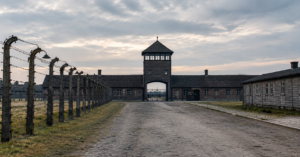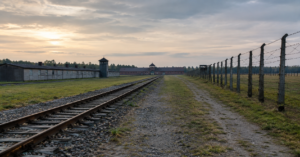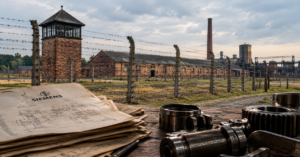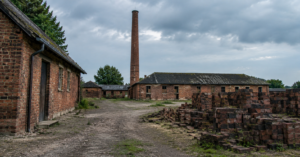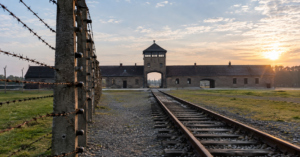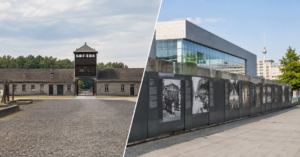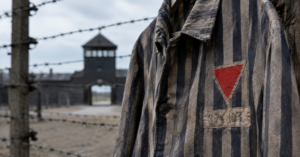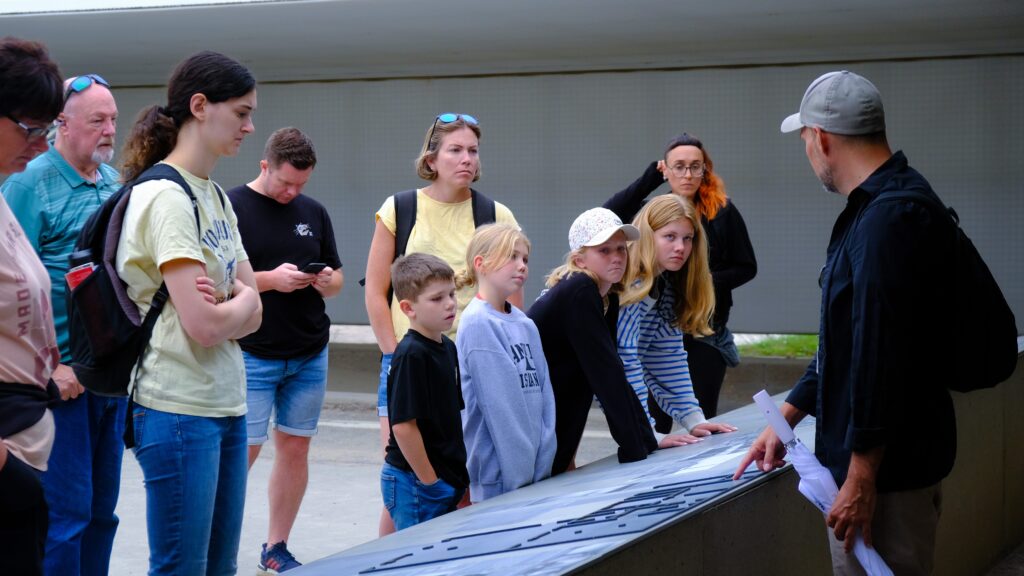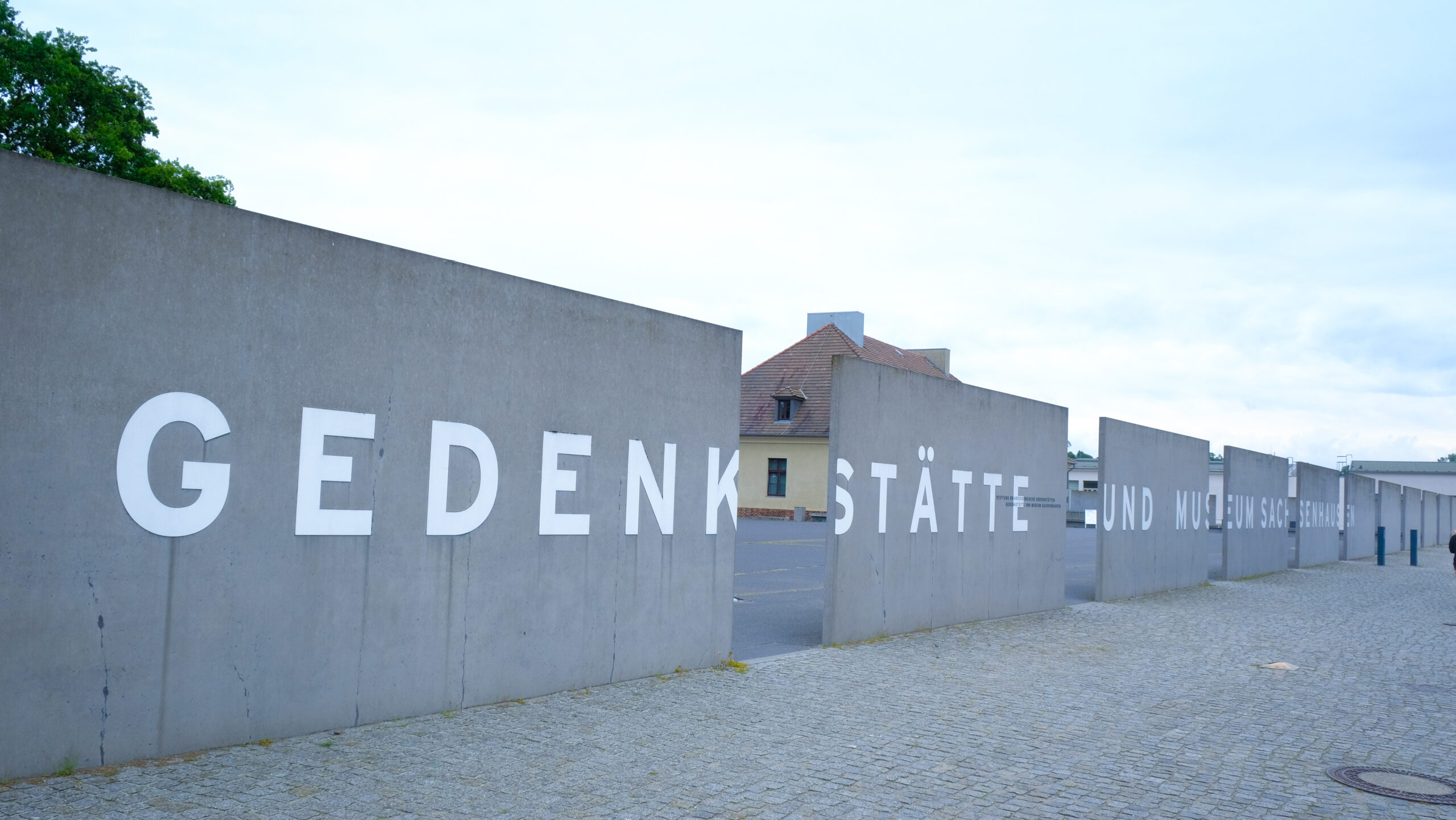
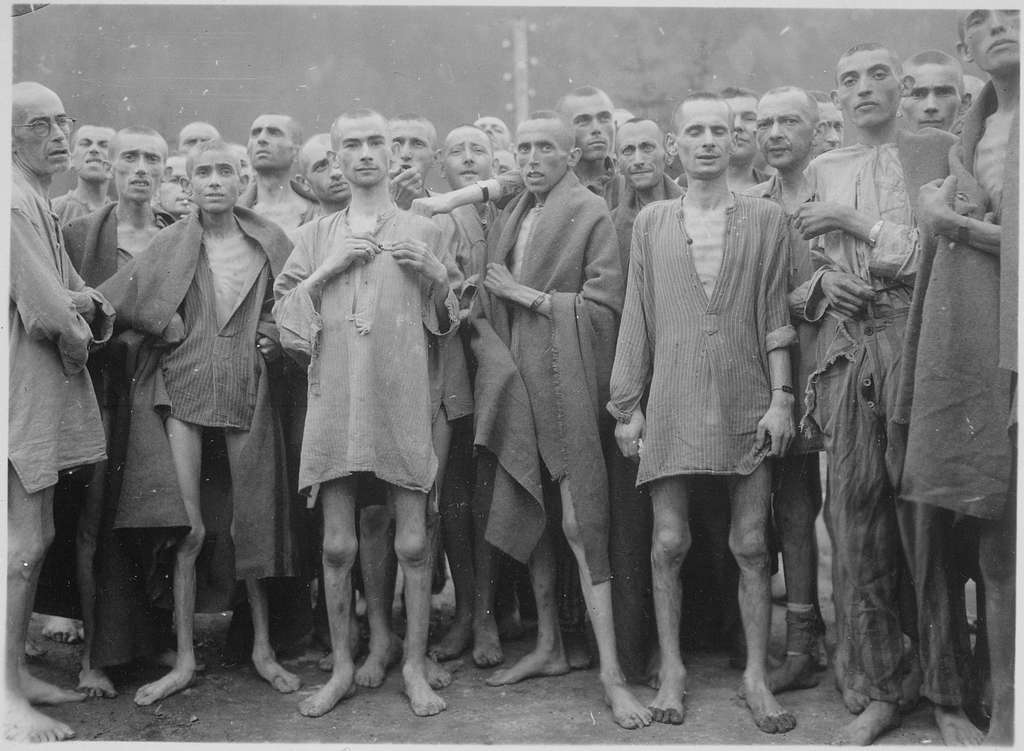
De muur lijkt normaal gesproken niet zo stevig als hij in werkelijkheid is. Bij het onderzoeken van een gevangene bij SachsenhausenJe moet de hiaten omzeilen en in plaats van het te zien als één enkele gesloten deur, beschouwen ervaren onderzoekers het als een puzzel met talloze ingangen. Zo werkt het in de praktijk.
Accepteer allereerst de harde waarheid over de kampverslagen.
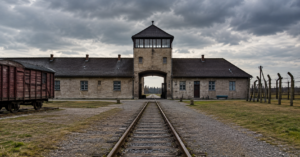
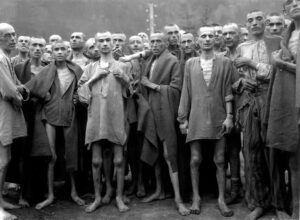
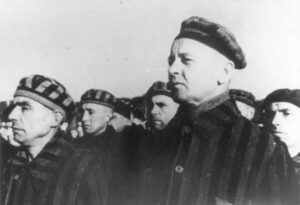
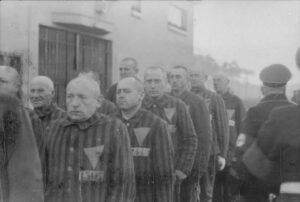
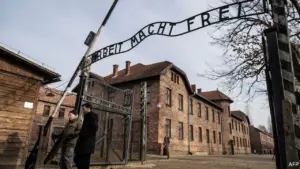
Sachsenhausen was one of the main Concentratiekampen of the Nazi system. Its surviving records are incomplete and scattered across different archives, making research challenging. While some documents were destroyed or lost during the final stages of the war, substantial records remain available. These include prisoner registration documents, transport lists, administrative records, and postwar documentation held by institutions such as the Arolsen Archives, the Sachsenhausen Memorial, and national and regional archives. Researchers often need to consult multiple collections to piece together an individual’s history.
This doesn’t mean your relative left no trace at all; it means the trace may be elsewhere. Archives in the country where your relative was arrested may contain records of their resistance activities, political accusations, or imprisonment. That is a genuine lead, since the reason someone was arrested may be recorded in the archives of the country where they were arrested, rather than in surviving camp records.
So reframe the question. Do not ask “where is the Sachsenhausen file?” Ask “which organization had a reason to write about this person at any point between arrest and aftermath?”
Begin thuis en werk dan naar buiten toe.
Voordat je iemand schrijft, verzamel eerst alle informatie die je familie al heeft. Maak een lijst van alle mogelijke spellingen van de naam die je je kunt herinneren, samen met de geboortedatum, de plaats en de geschatte datum van arrestatie. Omdat Oekraïense, Poolse, Nederlandse en Duitse archieven vaak dezelfde naam in verschillende spellingen weergeven, ontdekte een onderzoeker die op zoek was naar een man genaamd Ivan dat de database meerdere personen met de achternaam Iwan bevatte. Hoewel een van deze vermeldingen een geboortedatum had die erg dicht bij de betreffende datum lag, gaf een andere vermelding aan dat deze man in 1944 was overleden, waardoor hij dus werd uitgesloten. Het punt is duidelijk: een naamovereenkomst is een aanknopingspunt, maar niet de oplossing; je moet de informatie altijd controleren aan de hand van de geboortedatum, de plaats of een tweede document.
Family tradition should be included in your notes, but you should regard it as a suggestion rather than as a definite fact. Stories passed down through generations may contain valuable clues about arrests, escapes, imprisonment, or resistance activities, but they should be checked against surviving historical records. A family story might be genuine even if it hasn’t been independently verified. So make a note of it, mark it as a family memory, and keep investigating.
De archieven die de moeite waard zijn om te raadplegen, in de juiste volgorde.
The Arolsen Archives are a useful starting point for researching victims of Nazi persecution. Their collections include concentration camp prisoner records, transport lists, registration documents, forced labor records, and documents relating to displaced persons and postwar tracing efforts. The availability of records varies by individual and camp, and not all documents are searchable online. When searching the online database, try every possible spelling of a Naam, then make a direct inquiry if you cannot find the person.
Het compensatietraject. This is one of the most overlooked sources. Postwar compensation and restitution records can provide valuable information about survivors of Nazi persecution. Applications often included personal details, accounts of persecution, and supporting documents. If your relative survived, ask the family whether they ever received any money, and from which program. If a claim was filed, relevant records may still exist in government archives or compensation agency collections.
Het Holocaustmonumentmuseum van de VS. Its Holocaust Survivors and Victims Database and other research collections cover Jewish and non-Jewish victims of Nazi persecution, including concentration camp prisoners, political prisoners, and other persecuted groups. Be aware that common names can return many results. Use dates, birthplaces, and other identifying details to narrow your Zoekopdracht.
Yad Vashem. It is best known for documenting Jewish victims of the Holocaust, particularly through its Central Database of Shoah Victims’ Names. Its collections also include photographs, testimonies, and historical documents. Although some records may mention non-Jewish individuals, Yad Vashem is primarily a resource for researching Jewish victims rather than a comprehensive database of all concentration camp prisoners. It is especially worth checking if you are researching a Jewish relative or seeking photographs and personal testimony.
JewishGen en de bijbehorende tools. Useful if there is any chance of a Jewish connection in the family line, and a good place to cross reference towns and communities.
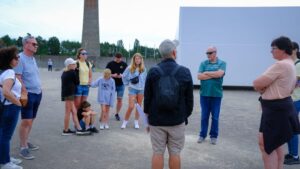
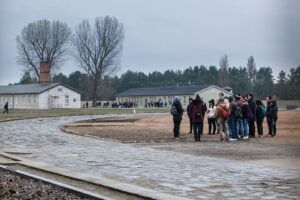
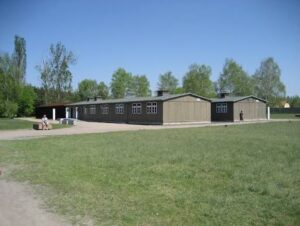
The Sachsenhausen Memorial and Museum. Most former camps are nu gedenktekensEn hun medewerkers hebben decennialang informatie verzameld uit bewaard gebleven documenten, van overlevenden en getuigen. Bezoek de website van het monument en vraag of hun archief of onderzoeksteam een naam voor u kan opzoeken. Zij kennen vaak bronnen die algemene archieven niet hebben.
Nationale archieven in het thuisland van de gevangene. National and regional archives may hold arrest records, resistance documentation, court proceedings, police files, and postwar compensation records. The relevant archive depends on the person’s nationality, place of arrest, and circumstances of persecution. For German political prisoners, the German Federal Archives (Bundesarchiv) and relevant state archives may hold surviving records. Some collections have been digitized, while others require a direct inquiry or an on-site visit. Check the archive’s online catalogue before assuming that a file is unavailable or requires a long wait.
Begrijp het systeem waarin uw familielid gevangen zat.
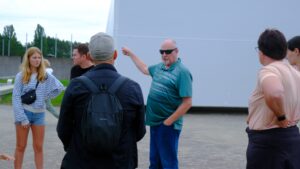
Veel families kiezen uiteindelijk het verkeerde kamp of de verkeerde vorm van detentie, waardoor hun zoektocht mislukt. De vroege nazi-detentie was een ingewikkelde regeling. Bijvoorbeeld: Kasteel Osterstein in Zwickau Het functioneerde slechts tussen 1933 en 1934 als een klein, vroeg concentratiekamp, voordat het weer dienst ging doen als een gewone gevangenis, namelijk een Zuchthaus, een type penitentiaire inrichting met strengere omstandigheden, waarbij de term 'Zucht' discipline betekent. In dergelijke gevallen, als uw voorouder in een vroeg stadium werd gearresteerd, kan de documentatie u naar een gevangenis leiden in plaats van naar Sachsenhausen, of het kan u naar beide leiden. For a broader understanding of how Nazi persecution developed in Germany, a free historical walking tour of Berlin can provide useful context about the city’s history during this period.
Forced labor is another common confusion. A man taken from Ukraine as a teenager around 1942 and put to work for a German farmer would have been counted as an Ostarbeiter, an Eastern worker. Organizations have compiled lists of these workers from old records. Even more useful, German municipalities were required to draw up lists of forced laborers after the war using health insurance and housing records. If you know the town where someone was held, a local archive may hold that list.
Wil je begrijpen wat mensen die in de buurt van Sachsenhausen woonden mogelijk hebben gezien of wisten over het kamp? Lees dan verder. What Did People in Oranienburg Know About Sachsenhausen Concentration Camp? om de relatie tussen het kamp en de omliggende gemeenschap tijdens het nazitijdperk te onderzoeken.
When the Dates Do Not Add Up
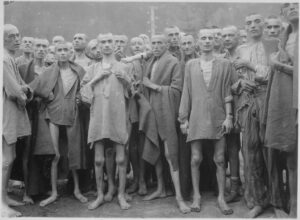
Je moet een datum niet zomaar afwijzen omdat die na de oorlog valt. Een familie was bijvoorbeeld verbaasd over de overlijdensdatum van 18 juni 1945 van een man die in een kamp was overleden, aangezien de oorlog in Europa al weken daarvoor was afgelopen. De verklaring, hoewel verschrikkelijk, is een veelvoorkomende: veel gevangenen waren te ziek om te worden verplaatst, hadden geen plek om naartoe te gaan of konden niet naar huis terugkeren en stierven dus nadat het kamp was bevrijd. De kampen voor ontheemden bleven maanden of zelfs jaren open. Bovendien moet men bedenken dat gevangenen in de laatste weken van de oorlog gedwongen werden om tussen kampen te marcheren, dus een man die in het ene kamp geregistreerd stond, kon in een ander kamp terecht zijn gekomen.
Lezen wat je vindt
De documenten zijn in oud Duits schrift. De meeste moderne Duitstaligen kunnen handschriftstijlen zoals Sütterlin en Kurrent, evenals het gedrukte lettertype Fraktur, niet lezen. Probeer ze niet zelf te ontcijferen. Onderzoekers gebruiken vaak vertaalprogramma's aan het begin en laten de rest vervolgens door moedertaalsprekers nakijken. Omdat er in genealogische gemeenschappen vaak hulp beschikbaar is bij het lezen van Sütterlin en Kurrent, kunt u een duidelijke scan aanleveren en er beleefd om vragen.
A Realistic Research Plan
- Write out every Naam, spelling, date, and place the family knows.
- Doorzoek de online database van Arolsen en stuur vervolgens een formele aanvraag in.
- Raadpleeg de databases van het US Holocaust Memorial Museum en Yad Vashem.
- Neem contact op met het Sachsenhausen Memorial en de archieven van het land van herkomst van de gevangene.
- Vraag de familie naar de schadevergoedingen en verzoek om het betreffende dossier.
- Zoek naar regionale en gemeentelijke lijsten en laat de documenten vervolgens vertalen.
Veelgestelde vragen
- Can I still find a photo if Sachsenhausen’s surviving records are incomplete?
It may be possible to find a photograph, although availability varies. Check the Sachsenhausen Memorial, Arolsen Archives, Yad Vashem, the US Holocaust Memorial Museum, and archives in the prisoner’s home country. Surviving registration, police, or resistance records may contain photographs.
- Is er een plek waar ik terecht kan als mijn familielid niet Joods was?
Ja. Yad Vashem heeft beperkte informatie over niet-Joodse slachtoffers, en Arolsen en het US Holocaust Memorial Museum behandelen veel categorieën van vervolging, waaronder politieke gevangenen en dwangarbeiders.
- Waar kan ik gevangenisdossiers opvragen van een specifieke gevangenis uit het nazi-tijdperk?
Start with the federal and regional archives in Germany, which may hold criminal proceeding files. Some are being digitized, so ask whether the file you want is already scanned.
- Could a death after May 1945 really be linked to a concentration camp?
Yes. Many prisoners were too ill to be moved or had nowhere to go, and some camps continued operating for displaced people for months or longer. A June 1945 death date is plausible.
- Wat als de database meerdere personen met dezelfde naam bevat?
Vergelijk geboortedata, geboorteplaatsen en eventuele andere documenten voordat je een match accepteert. We hebben een kandidaat met een bijna identieke geboortedatum afgewezen omdat uit een ander document bleek dat hij in 1944 was overleden.