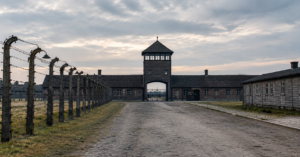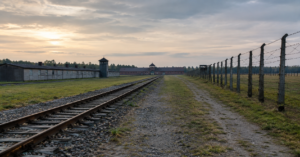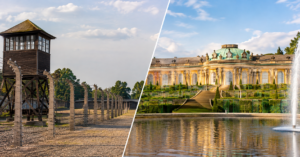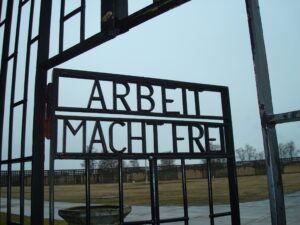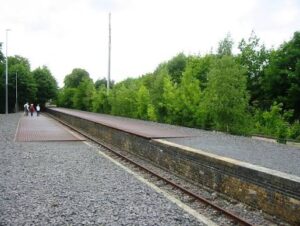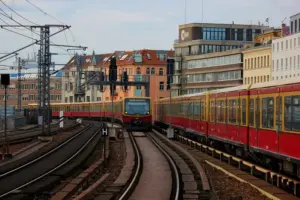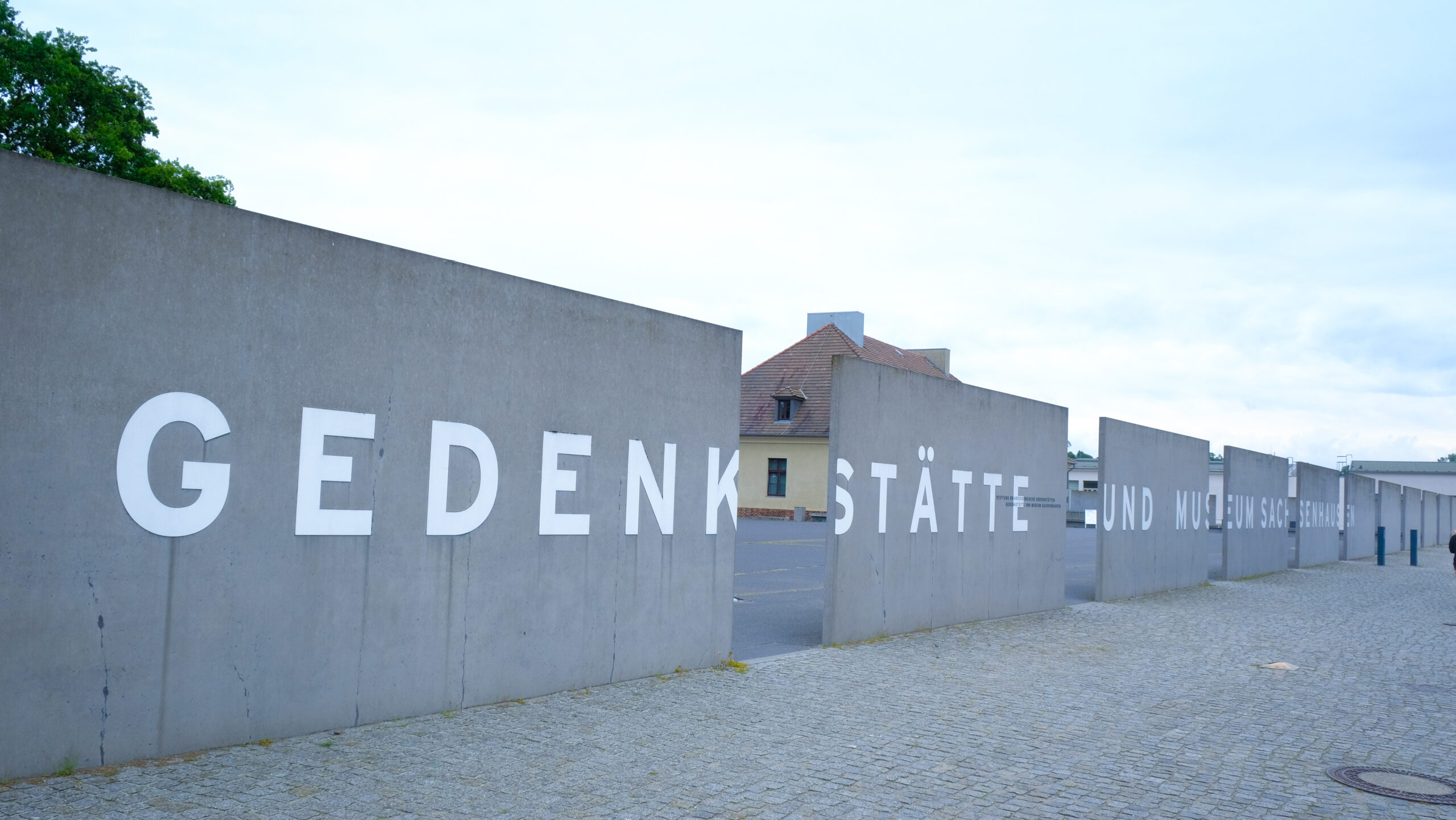
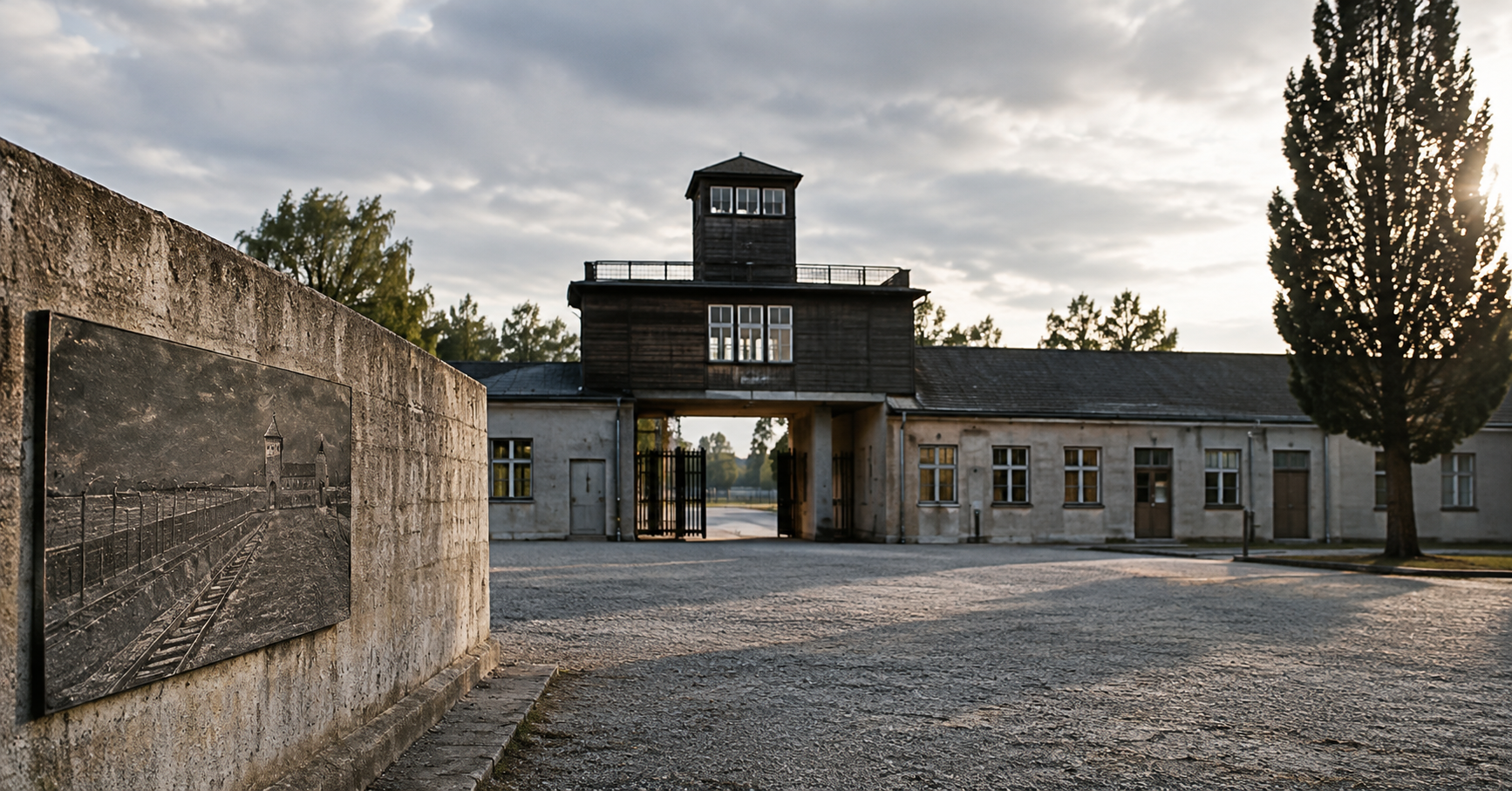
You step off the S1 at the end of the line with a ticket in your pocket and a question you probably will not say out loud: the camp was right here, so how could the townspeople not have known?
Hier is het eerlijke antwoord, met de straten, haltes en lokale geschiedenis die je zelf moet ervaren.
Het korte antwoord
Many residents were aware of aspects of the concentration camp system, particularly those who could observe prisoner movements and forced labour. However, knowledge of specific crimes varied, and not everyone understood the full extent of what was happening. After decades of debate, historians generally agree that claims of complete ignorance do not hold up. What is still argued over is how much people knew about each layer of the system, and how willing they were to look.
Wat een lokale bewoner kon zien
Bedenk eens wat een stad van deze omvang in een decennium allemaal absorbeert:
- Gevangenen werden door de straten naar hun werk gemarcheerd en het kamp leverde arbeidskrachten aan de plaatselijke industrie.
- SS-personeel woont, winkelt en drinkt in het gebied.
- Treinen, vrachtwagens, leveringen en bouwprojecten.
- Een gerucht dat zich sneller door werkplekken en keukens verspreidde dan welke officiële mededeling ook.
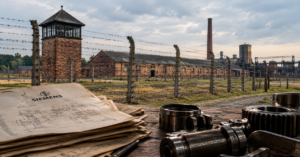
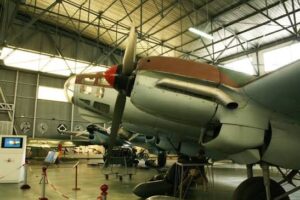
The industry part is documented. Heinkel used around 6,000 Sachsenhausen prisoners to build its He 177 bomber, with plans to increase the number to 8,000. door June 1944, nearly 7,000 prisoners were working at the factory, and AEG was among other firms that used the camp’s labor. A subcamp was also attached to the Auer Werke armaments factory in town. From July 1943 to March 1945, women from Ravensbrück and men from Sachsenhausen did forced labor there. The factory had originally belonged to a Jewish owner who was dispossessed. After the dispossession, production shifted to gas masks and related equipment. When your town’s factories run on prisoners, you do not need a briefing to know where they come from.
The Auer site shows how they handled that history afterward. A housing estate was built where the subcamp stood, and a boulder with a plaque at Lehnitzstraße and Lindenring remembers it. The details there are painful. When Allied bombers hit Oranienburg on March 15, 1945, the women were not allowed to leave their workplace and had no shelters, and many were killed or injured.
Het deel dat echt geheim was
Hierin schuilt de nuance waar zorgvuldige historici op hameren, terwijl oppervlakkige argumenten deze nuance negeren.
Knowledge of Sachsenhausen’s forced labor and prisoner abuse was more widespread locally. Knowledge of extermination camps elsewhere was a different matter. They were a tightly guarded secret, never as secret as the SS wanted but guarded all the same, and loose talk could be punished by death even for committed Nazis. The historian Nikolaus Wachsmann notes that most Germans only learned the Naam Auschwitz after the war. Detailed knowledge of the genocide sat mostly with well connected people in the military and civil service.
But not knowing the Naam Auschwitz is not the same as not knowing Jews were being murdered. Consider the evidence on the other side:
- Joden werden vóór de oorlog uit hun huizen verdreven en hun bezittingen werden onder de buren verdeeld.
- Treinen vol mensen vertrokken openlijk, en de getto's werden daarna leeggehaald.
- Soldaten kwamen met verlof thuis met verhalen.
- Nazi-leiders spraken er openlijk over. Hitler dreigde in januari 1939 met de vernietiging van de Europese Joden, Goebbels zei eind 1941 dat die dreiging werd uitgevoerd, en Hitler kwam er eind 1942 op terug.
- Friedrich Kellner, een Duitser die zich tegen het regime verzette, hield een dagboek bij waarin hij geruchten noteerde die later juist bleken te zijn.
- De verzetsgroep Witte Roos schreef in een pamflet uit 1942 dat honderdduizenden Joden in Polen waren vermoord. Ze probeerden dit niet te bewijzen, omdat ze ervan uitgingen dat de lezers dit al wisten.
Waarom "Ik geloofde het niet" ingewikkeld is
Het was werkelijk ongelooflijk. Talloze mensen, zoals de soldaten, konden de omvang ervan niet bevatten, en de propaganda van het regime deed er alles aan om de berichten die naar buiten kwamen in diskrediet te brengen. Iedereen die in de moderne tijd heeft gezien hoe gedocumenteerde gebeurtenissen werden afgedaan als ongeloofwaardig, weet hoe gemakkelijk het is om ongeloof te zaaien.
There was fear too. Acknowledging the truth could mean sharing the victims’ fate if you acted on it. Wachsmann argues that people who heard little more than rumor deserve some benefit of the doubt.
Een familiedagboek uit die tijd laat zien hoe dit in de praktijk werkte. Een tiener die in militaire dienst was getreden, schreef over het vinden van ondergedoken Joden, hen aangeven en het ongemakkelijke gevoel dat hij daarbij kreeg. Hij stelde zichzelf gerust met de gedachte dat ze een eerlijk proces zouden krijgen, naar een werkkamp zouden gaan en na de oorlog zouden worden gedeporteerd. Hij was geen ideoloog. Hij vulde de kloof tussen wat hij vermoedde en wat hij kon verdragen te weten met een geruststellend verhaal. Deze mentale stap, die door miljoenen mensen werd herhaald, is misschien wel het meest eerlijke beeld van wat 'weten' inhield.
De route zelf te voet afleggen: de route en waar je op moet letten
De route vanaf het station maakt deel uit van de les.
We komen er wel. Neem de S1 richting Oranienburg, ongeveer 45 minuten vanaf Friedrichstraße. Er rijden treinen ongeveer elke 20 minuten. Probeer niet te besparen met een kort ritje of een gewoon AB-ticket. Het ABC-tarief is van toepassing en er zijn cafés, bakkerijen en kleine winkeltjes buiten station Oranienburg. Er is geen eten verkrijgbaar bij het monument, dus zorg dat je van tevoren iets eet.
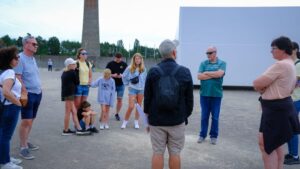
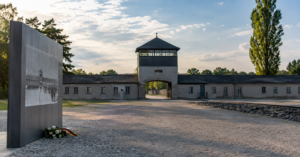
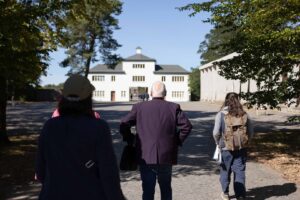
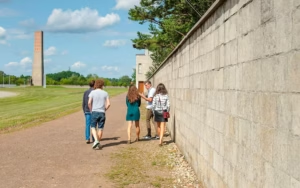
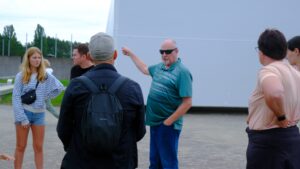
Lopen of fietsen. Vanaf het station is het ongeveer 20 minuten lopen in zuidoostelijke richting langs de Straße der Nationen, of u kunt bus 804 of 821 nemen naar de halte "Sachsenhausen"Gedenkstätte". Ik zou erheen lopen als het weer het toelaat. Je komt langs bakkerijen, een supermarkt en woonstraten, een doorsnee Duits stadje. Die doorsneeheid is precies waar je vraag over gaat.
Een plaquette waar je zomaar aan voorbij zou kunnen lopen. On the way there is a memorial plaque to the victims at the corner of Straße der Einheit and Straße der Nationen. Stop for it. The street leading from the center of Oranienburg richting het kamp Het is ook vernoemd naar Hans von Dohnányi, een gevangene en de zwager van Dietrich Bonhoeffer. For a broader understanding of this history, you can also join a free Berlin walking tour to Ontdekken sites connected to the Nazi era in Berlin
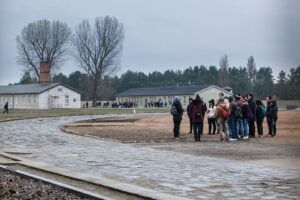
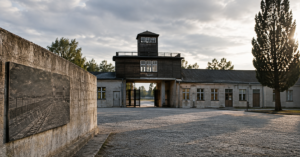
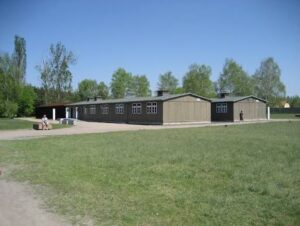
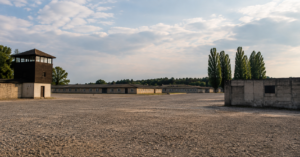
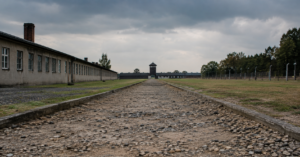
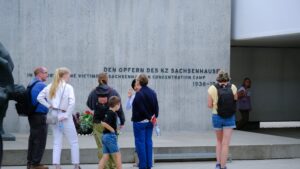
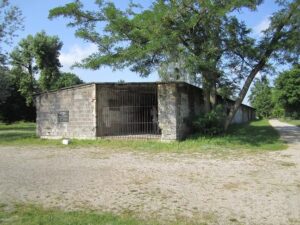
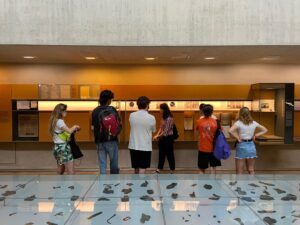
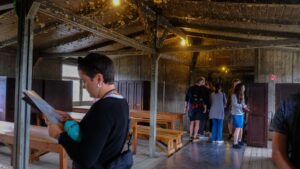
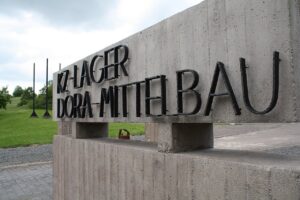
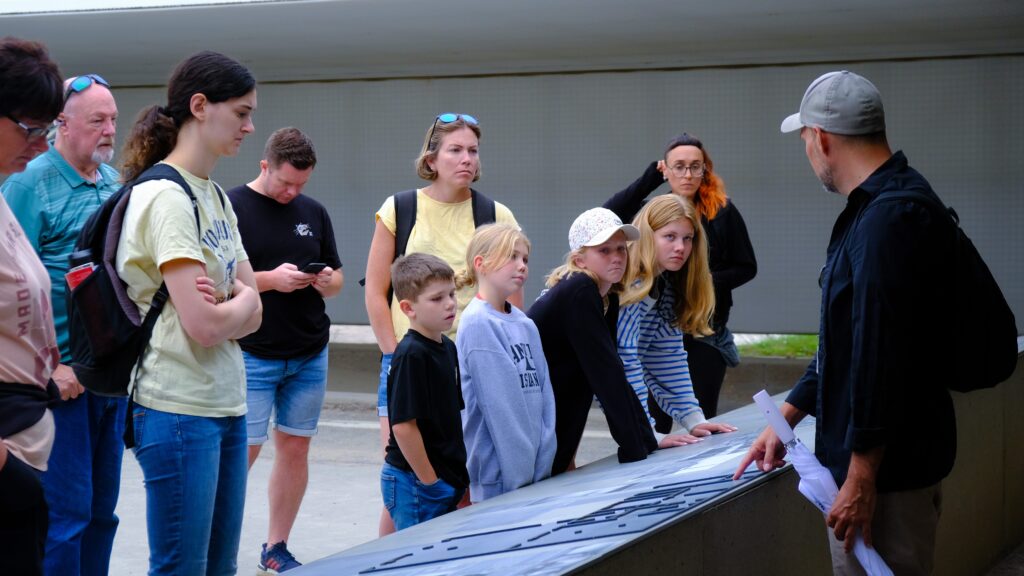
Binnen. Het adres is Straße der Nationen 22, 16515 Oranienburg. Net buiten de omtrek beslaat het Neues Museum het eerdere Oranienburg-kamp en de geschiedenis van het monument in het Oost-Duitse tijdperk. Dat is de tentoonstelling die het meest direct op uw vraag ingaat. Op het terrein bevinden zich ook Station Z, het executie- en vernietigingsgebied, en de bewaard gebleven locaties van het Sovjet-speciale kamp dat hier na de oorlog gevestigd was. If you prefer exploring historical sites with a guide, you can also arrange a private historical tour for a more detailed understanding of the area’s past.
Een merkwaardige voetnoot over de stadOranienburg werd zo zwaar gebombardeerd dat het de gevaarlijkste stad van Duitsland wordt genoemd, en in één geval moesten 12.000 inwoners worden geëvacueerd. Daarom is er zo weinig oud bouwwerk te zien tijdens de wandeling.
Hoe het op straat eindigde
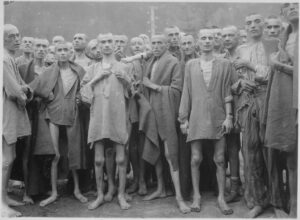
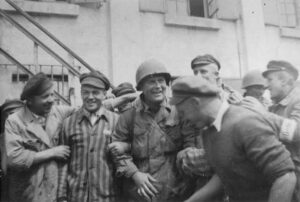
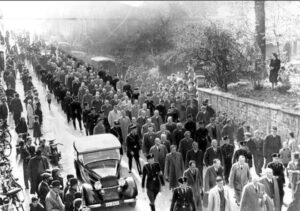
The most public reply to the question of local knowledge came in the spring of 1945. During the night of April 20–21, 1945, the SS forced more than 33,000 prisoners onto death marches towards the northwest. More than a thousand prisoners died from exhaustion or were shot door SS guards along the way. The other approximately 3,000 prisoners, many of them sick and weak, were liberated on April 22, 1945, door Soviet and Polish troops, including soldiers of the Polish 2nd Infantry Division. A death march cannot be concealed; it takes place on the roads.
Hadden gewone mensen dit kunnen voorkomen?
Opinions divide. One historian told an interviewer there was little ordinary Germans could do, pointing to the executed White Rose students. Others note that public protest, backed door the Catholic Church, contributed to the suspension of the centralized killing programme targeting disabled people in August 1941, although the killings continued in other forms.
Veelgestelde vragen
- Hoe wisten gewone Duitsers van het bestaan van de kampen af?
Door wat ze zagen. Er waren overal werkkampen en Sachsenhausen lag in een arbeidersstad waar de eerste gevangenen openbare arbeid verrichtten. Gevangenen werden ingezet in de lokale industrie en geruchten verspreidden zich. De kennis over de vernietigingskampen was beperkter, maar historici zeggen dat de samenleving als geheel veel meer wist dan naoorlogse beweringen doen vermoeden.
- Geloven de mensen de geruchten of verwerpen ze die als propaganda?
Both. Disbelief was common because the scale seemed unimaginable, and the regime worked to discredit accounts. Many rumors proved accurate, and some Germans wrote them down at the time.
- Hadden gewone mensen iets kunnen doen om het te voorkomen?
Experts disagree. Resistance groups like the White Rose were crushed, yet public protest backed door church support contributed to the suspension of the centralized killing programme in 1941, although the murder of disabled people continued in other forms.
- Hoeveel wisten de geallieerden tijdens de oorlog?
De geallieerde leiders hadden in 1943 en 1944 een algemeen beeld van wat er gaande was. Veel gewone soldaten hoorden geruchten, maar geloofden die pas toen ze de kampen binnengingen. Het bombarderen van de kampen zou waarschijnlijk gevangenen hebben gedood zonder een einde te maken aan het geweld.
- Klopt het idee dat burgers de kampen als tijdelijke "aangename onderkomens" beschouwden?
Het was een geruststellend verhaal dat sommige mensen zichzelf vertelden, en enkelen geloofden het, maar historici vinden het moeilijk om het als een algemeen aanvaarde opvatting te beschouwen. Deportaties, leeggehaalde getto's en openlijke bedreigingen van nazi-leiders maakten de waarheid moeilijk te ontwijken.