Bloggen

Gidsen, geschiedenis en praktisch advies voor een bezoek aan de gedenkplaatsen van Sachsenhausen en Berlijn.

Wat was de betekenis van concentratiekamp Sachsenhausen?

Concentratiekamp Sachsenhausen was een belangrijke en verontrustende plek in het nazi-kampsysteem. Het werd in 1936 opgericht in Oranienburg, net ten noorden van Berlijn, en werd een modelkamp waar de SS mensen trainde, strafte, dwong te werken en massamoorden pleegde.

Tegenwoordig is Sachsenhausen een gedenkteken en museum. Voor bezoekers is het niet alleen een historische plek. Het is een plek om te begrijpen hoe de vervolging werd georganiseerd, hoe gewone systemen werden gebruikt voor wreedheid, en waarom herinnering er nog steeds toe doet.

Waarom was Sachsenhausen belangrijk?

Sachsenhausen was belangrijk omdat het gebouwd was als modelconcentratiekamp. Het ontwerp, het beheer en het dagelijks leven ervan vormden andere kampen in het door de nazi’s gecontroleerde Europa. De ligging nabij Berlijn maakte het ook bijzonder belangrijk voor de SS-leiders.

Het kamp hield veel groepen gevangenen vast, zoals politieke tegenstanders, Joodse mensen, Sovjet-krijgsgevangenen, Roma en Sinti, LGBTQ+-mensen, Jehovah’s Getuigen en anderen waar de nazi’s zich op richtten.

Was Sachsenhausen vooral een Joods kamp?

Sachsenhausen had Joodse gevangenen, maar het was niet in de eerste plaats een Joods vernietigingskamp zoals Auschwitz-Birkenau. Het was vooral een concentratiekamp voor politieke gevangenen, dwangarbeiders en anderen die de nazi’s als vijanden zagen. Toch werden Joodse gevangenen daar zwaar vervolgd, en velen werden later naar vernietigingskampen in het bezette Polen gestuurd.

Geschiedenis van Sachsenhausen

Sachsenhausen werd in 1936 opgericht in opdracht van Heinrich Himmler, het hoofd van de SS. Het werd in de buurt van Berlijn gebouwd als een modern, georganiseerd concentratiekamp. De SS gebruikte het ook om officieren op te leiden die later in andere kampen zouden werken.

Dankzij de driehoekige indeling van het kamp konden bewakers de gevangenen vanaf belangrijke punten in de gaten houden. Dit maakte Sachsenhausen zowel tot een gevangenis als tot een symbool van de macht en controle van de nazi's.

Waarom werd Sachsenhausen vlakbij Berlijn gebouwd?

Omdat het dicht bij Berlijn lag, was Sachsenhausen nuttig voor nazi-leiders. Het was dicht genoeg bij de hoofdstad voor opleiding en bestuur, maar nog steeds ver genoeg om te worden gebruikt voor gevangenneming, dwangarbeid en geweld.

Levensomstandigheden van gevangenen in Sachsenhausen

Het leven in Sachsenhausen was hard. Gevangenen werden geconfronteerd met honger, uitputting, ziekte, overbevolking, dwangarbeid en voortdurend misbruik. Velen werden geslagen, gemarteld, vernederd of vermoord.

Gevangenen moesten werken in werkplaatsen, fabrieken en nabijgelegen arbeidsplaatsen. Sommigen werden gebruikt bij wrede experimenten of werden gestraft in de kampgevangenis. Anderen werden gedood door schietpartijen, ophangingen, verhongering, medische verwaarlozing of uitputting.

De strafcellen behoorden tot de meest gevreesde plaatsen, waar gevangenen werden gemarteld en alleen werden gehouden. Een ander gevreesd gebied was de Industrial Yard, waar executies plaatsvonden.

Hoe stierven gevangenen in Sachsenhausen?

Gevangenen stierven op vele manieren: honger, ziekte, dwangarbeid, schietpartijen, ophangingen, medische experimenten, marteling en executie. De gruwel bij Sachsenhausen bleef niet beperkt tot één methode. Het hele kampsysteem is ontworpen om mensen te ontmenselijken, uit te buiten en te vernietigen.

Station Z: de moordplaats van het kamp

In 1942 bouwde de SS een moordlocatie genaamd Station Z. De naam werd gekozen omdat hij wreed was, omdat ‘Z’ de laatste stop in het leven van een gevangene betekende.

Station Z had crematieovens, een executieruimte en een gaskamer. Het werd een van de belangrijkste plaatsen waar moorden plaatsvonden in Sachsenhausen.

Had Sachsenhausen een gaskamer?

Ja, Sachsenhausen had een gaskamer in Station Z. Deze werd niet zo vaak gebruikt als die in de vernietigingscentra in bezet Polen, maar maakte nog steeds deel uit van het moordsysteem van het kamp.

Dit is van belang omdat de ontkenning van de Holocaust zich vaak op kleine details concentreert en het duidelijke bewijs van de massamoord door de nazi’s negeert. In Sachsenhausen werden mensen gevangengezet, uitgehongerd, geslagen, gedwongen te werken, geëxecuteerd en vermoord. Het belang van het kamp is niet gebaseerd op slechts één moordmethode.

Bevrijding van Sachsenhausen

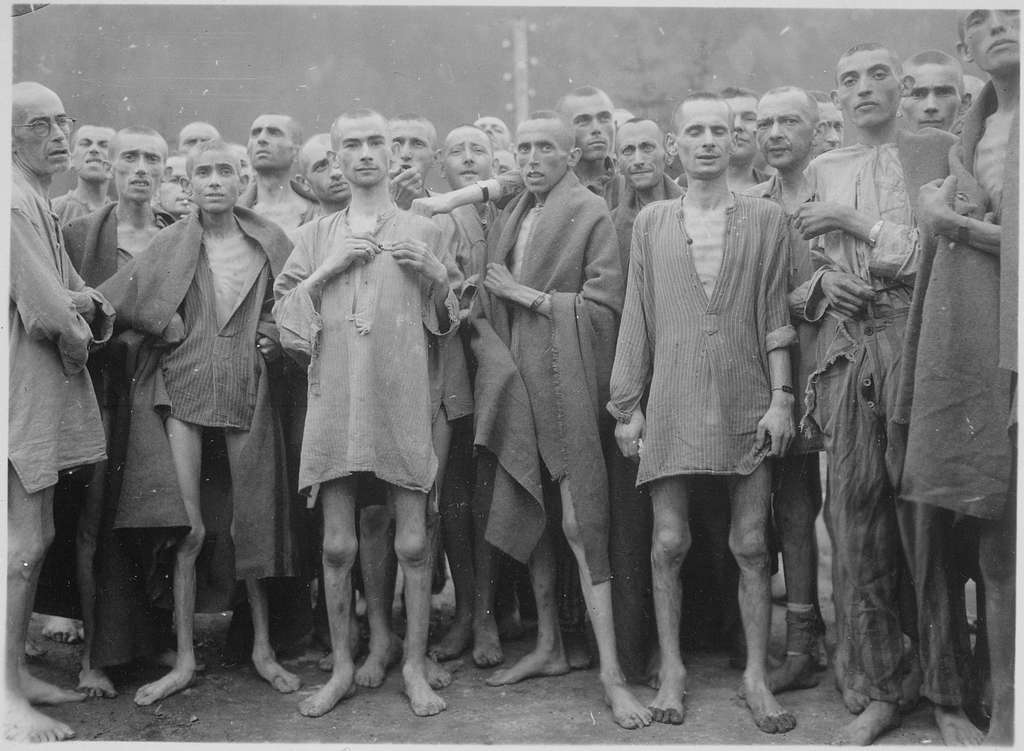
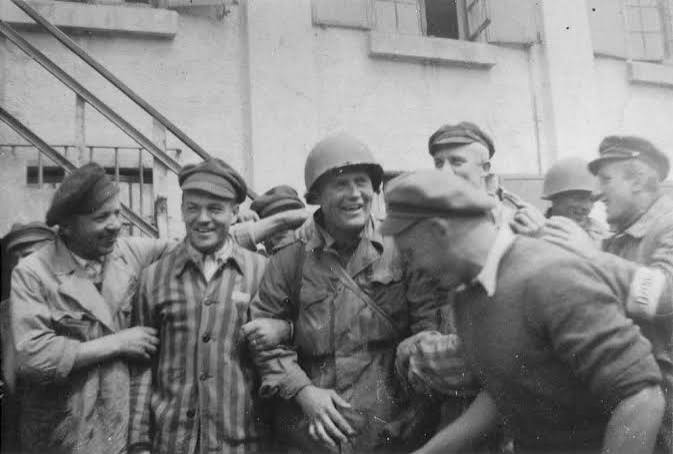
Sovjet- en Poolse troepen bevrijdden Sachsenhausen op 22 april 1945. Tegen die tijd had de SS al veel gevangenen gedwongen om op dodenmarsen te gaan toen de geallieerden dichterbij kwamen.

De gevangenen die achterbleven waren vaak erg zwak, ziek en uitgehongerd. De bevrijding maakte een einde aan de nazi-controle over het kamp, ​​maar nam het trauma van wat daar gebeurde niet weg.

Wat waren de dodenmarsen in Sachsenhausen?

Toen Sovjet-troepen in april 1945 dichtbij kwamen, dwong de SS duizenden gevangenen het kamp te verlaten en weg te marcheren van de frontlinies. Velen stierven onderweg door uitputting, honger, kou of schietpartijen.

Na de bevrijding: Het speciale Sovjetkamp

Na de oorlog ging Sachsenhausen opnieuw een donkere periode in. Van augustus 1945 tot 1950 gebruikte de Sovjet-NKVD het als een speciaal kamp. Duizenden werden daar gevangengezet, onder wie voormalige nazi-functionarissen, vermoedelijke tegenstanders en anderen die door de Sovjets werden vastgehouden.

© door Joerg Hempel
Jrg Hempel Photodesign
Ludwigsallee 59
52062 Aken
Bankverbindung: Raiffeisenbak Setterich
BLZ 370 697 05 Kt: 5200021012

De omstandigheden waren erbarmelijk en veel gevangenen stierven door honger en ziekte. Deze geschiedenis maakt Sachsenhausen tot een complexe plek om te onthouden: eerst een nazi-concentratiekamp, ​​daarna een speciaal Sovjetkamp.

Waren de slachtoffers van het Sovjet-kamp dezelfde als de slachtoffers van het nazi-kamp?

Nee, de twee perioden waren verschillend en moeten afzonderlijk worden begrepen. Het nazi-kamp maakte deel uit van een racistisch en politiek systeem van vervolging, dwangarbeid en massamoord. Het speciale Sovjetkamp maakte deel uit van de naoorlogse repressie en internering. Beide geschiedenissen worden vandaag in Sachsenhausen herdacht.

Waarom Sachsenhausen er vandaag de dag nog steeds toe doet

Sachsenhausen is belangrijk omdat het laat zien hoe vervolging kan worden georganiseerd via wetten, bureaucratie, gebouwen, arbeidssystemen en propaganda. Het was niet alleen een plaats van lijden. Het stond ook model voor de manier waarop de SS wilde dat concentratiekampen zouden werken.

Een bezoek aan Sachsenhausen helpt mensen de werkelijke menselijke prijs van haat, racisme, antisemitisme, politieke vervolging en ontmenselijking te zien.

Het herinnert ons er ook aan dat herinneren eerlijk moet zijn. Veel groepen waren het slachtoffer en hun verhalen mogen niet worden vereenvoudigd of vergeten.

Waarom moeten mensen Sachsenhausen bezoeken?

Mensen bezoeken Sachsenhausen om te leren, te onthouden en te begrijpen. Het is een moeilijke plek om te bezoeken, maar het geeft een belangrijke context aan de Holocaust, de nazi-vervolging, dwangarbeid en de geschiedenis van de Tweede Wereldoorlog.

Vandaag Sachsenhausen bezocht

Sachsenhausen is nu een gedenkteken en museum. Bezoekers kunnen door de oude campings wandelen, tentoonstellingen bekijken en belangrijke plaatsen bezoeken zoals Toren A, het appèlgebied, kazernes, strafcellen en Station Z.

Als u van plan bent om te bezoeken, geef uzelf dan voldoende tijd. De site is groot en de geschiedenis kan emotioneel zwaar aanvoelen.

Tips voor een bezoek aan Sachsenhausen

Draag comfortabele schoenen, want u zult veel lopen.

Neem water mee, vooral in de zomer.

Plan om minstens een halve dag te besteden als je de site echt wilt begrijpen.

Denk hierbij aan deelname aan een rondleiding of het gebruik van een audiogids.

Wees respectvol. Dit is een plek waar duizenden mensen leden en stierven.

Vermijd luidruchtig gedrag, grappen maken of ongepaste foto's.

Kun je Sachsenhausen zonder gids bezoeken?

Ja, u kunt op eigen gelegenheid langskomen. Toch kan een rondleiding u helpen de indeling, de geschiedenis en de betekenis te begrijpen van plaatsen die u anders misschien zou missen.

Conclusie

Concentratiekamp Sachsenhausen was belangrijk omdat het een modelkamp was, een trainingsplaats voor de SS, een plaats van dwangarbeid en een plaats van moord en lijden. De geschiedenis ervan eindigde niet in 1945, omdat het later werd gebruikt als speciaal Sovjetkamp.

Een bezoek aan Sachsenhausen kan moeilijk zijn, maar het doet ertoe. Het monument houdt de herinnering aan de slachtoffers levend en leert toekomstige generaties wat er kan gebeuren als haat, propaganda en staatsmacht tegen onschuldige mensen worden gebruikt.

Tegenwoordig geldt Sachsenhausen als een waarschuwing uit de geschiedenis en een plek om te onthouden.

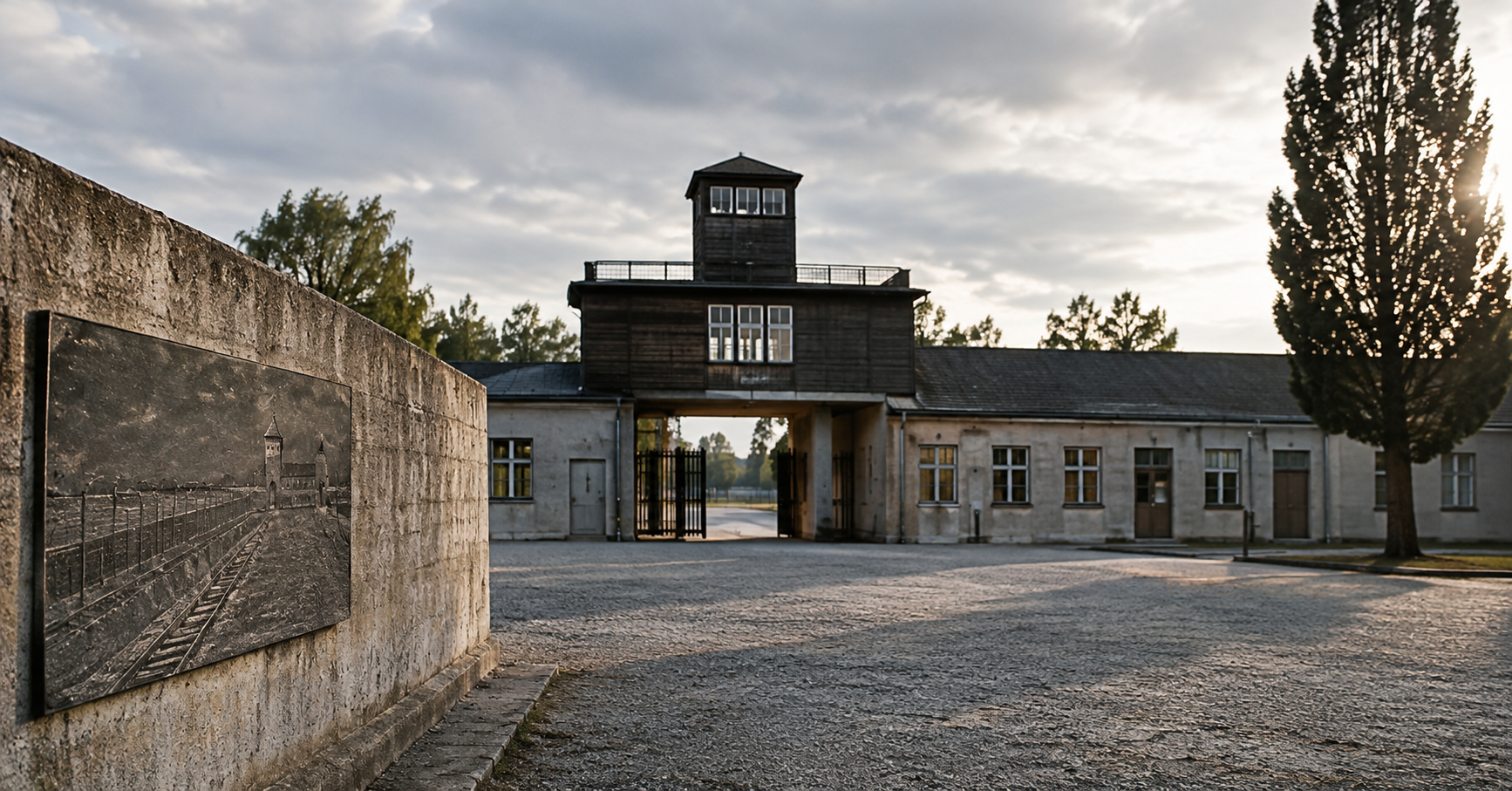
Historic building at Sachsenhausen Memorial Museum, former concentration camp site

Beoordelingen concentratiekamp Sachsenhausen Wat zijn de beoordelingen?

De meeste mensen die zoeken naar recensies over concentratiekamp Sachsenhausen willen meer dan alleen sterbeoordelingen. Ze zijn geïnteresseerd in hoe het bezoek aanvoelt, of het de moeite waard is en welke emoties ze kunnen verwachten voordat ze een van de belangrijkste Holocaustmonumenten van Duitsland bezoeken.

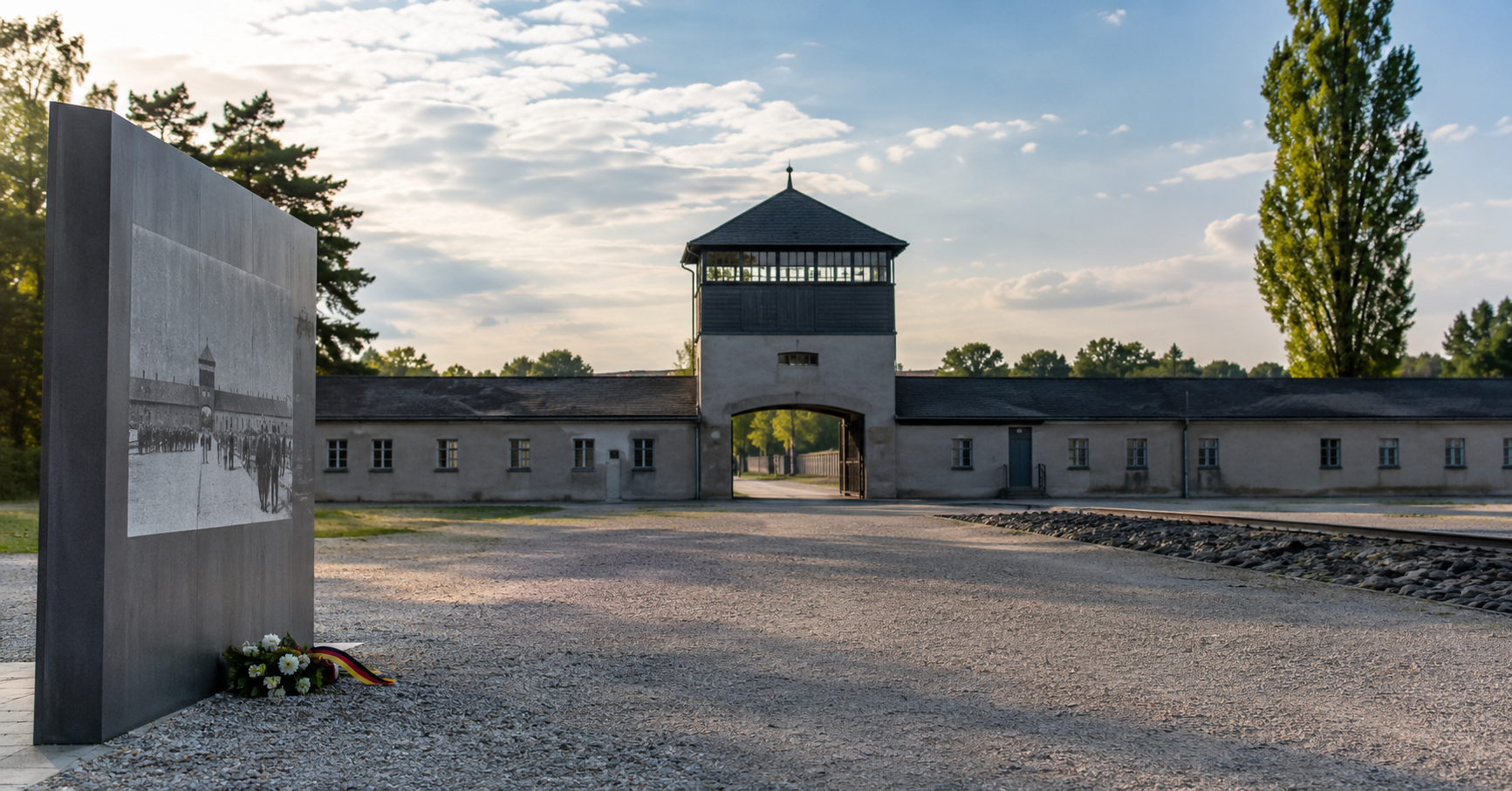
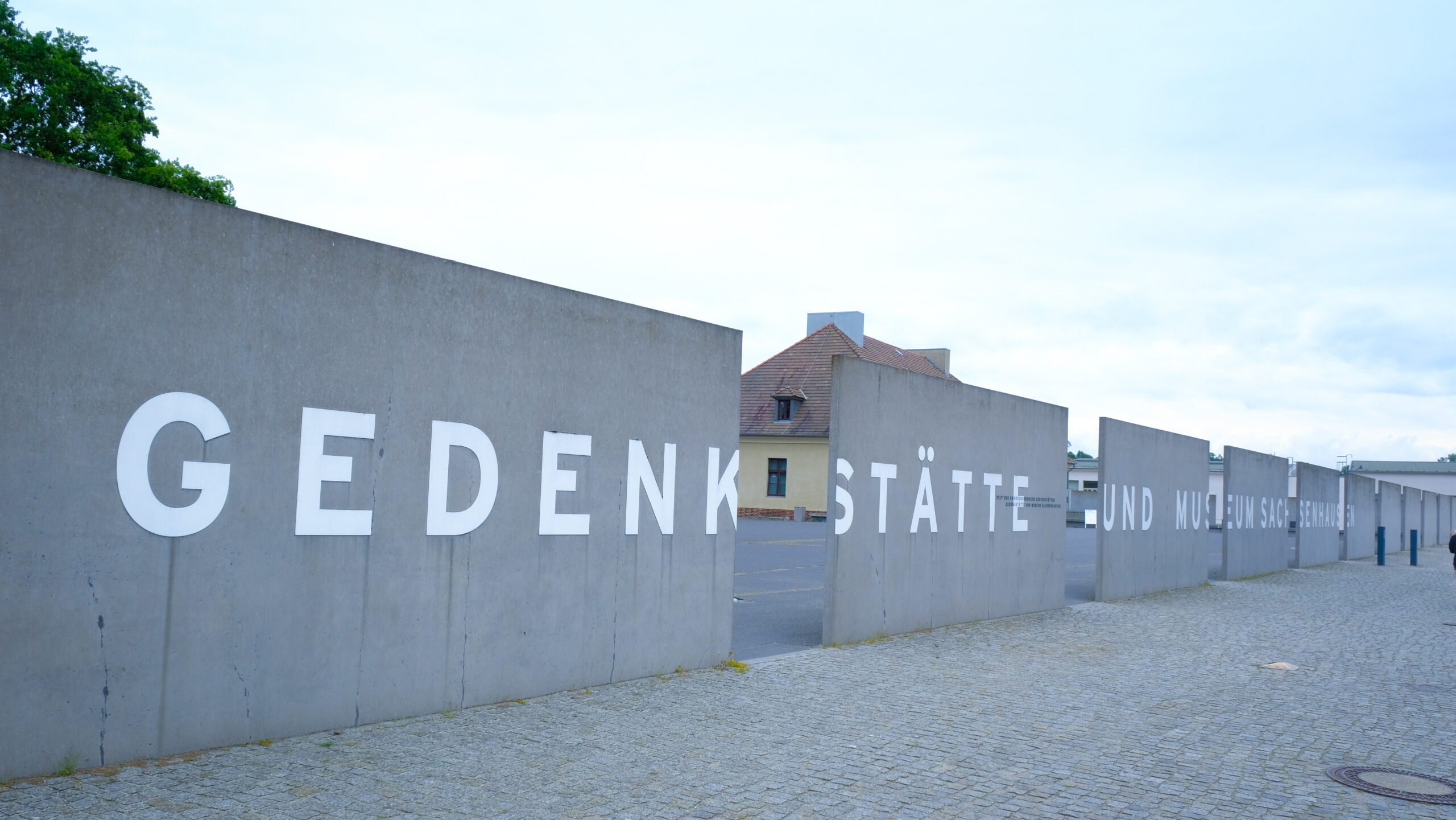
The entrance to the Sachsenhausen Memorial and Museum

De meeste recensies beschrijven Sachsenhausen als:

  • Leerzaam, eng en verontrustend.
  • Tot nadenken stemmend.
  • Cruciaal voor het begrijpen van de geschiedenis.

Sachsenhausen was een van de belangrijkste concentratiekampen in nazi-Duitsland, net buiten Berlijn in Oranienburg. Tegenwoordig doet het dienst als gedenkteken en museum ter ere van degenen die daar hebben geleden en gestorven. Veel bezoekers verwachten bij aankomst een historische plek, maar zeggen bij vertrek dat het een van de krachtigste ervaringen van hun reis naar Berlijn was.

Waarom houden bezoekers van Sachsenhausen?

Sachsenhausen is anders dan traditionele musea. Hier kunt u wandelen over het terrein waar de geschiedenis zich afspeelde.

Veel recensies vermelden dat het lezen over de geschiedenis in boeken niet te vergelijken is met het staan ​​in het kamp zelf.

Bezoekers maken vaak opmerkingen over:

  • De originele toegangspoort met de beruchte slogan ‘Work Sets You Free’.
  • De gereconstrueerde kazerne
  • De cellen
  • De executiefaciliteiten van Station Z.
  • De sectoren medische experimenten
  • Het kamp was erg groot.
  • Veel mensen merken op dat Sachsenhausen minder druk en minder gecommercialiseerd is dan andere concentratiekampmonumenten, waardoor bezoekers meer tijd hebben om na te denken over wat ze zien.
  • Sachsenhausen

Moet je bezoeken?

Ja, maar wees voorbereid op een sterke emotionele ervaring.

Veel recensenten zeggen Sachsenhausen is een van de krachtigste historische bezienswaardigheden die ze ooit hebben bezocht.

Bezoekers zeggen vaak dat ze urenlang het terrein hebben verkend en toch hebben ontdekt dat er nog meer te leren valt.

Dit is geen typische bezienswaardigheid. De meeste mensen komen hier om meer te weten te komen over de realiteit van de nazi-vervolging, dwangarbeid en de Holocaust.

Wat stoort bezoekers het meest?

Uw ervaring in Sachsenhausen kan variëren, afhankelijk van welk deel van het kamp u bezoekt.

De medische experimentgebouwen

Een gebied dat vaak wordt genoemd in recensies is het voormalige medische gebouw.

In eerste instantie zien de kamers er verrassend gewoon uit, wat bezoekers vaak ongemakkelijk maakt. De witte tegels, afvoeren en onderzoekstafels staan ​​samen met de eenvoudige klinische indeling in verontrustend contrast met wat daar gebeurde.

Veel recensenten zeggen dat de eenvoud van deze kamers ze zo angstaanjagend maakt. Het is moeilijk te vergeten dat zulke vreselijke experimenten op mensen plaatsvonden in ruimtes die op gewone medische gebouwen lijken.

Voor veel bezoekers is het een ontnuchterende herinnering dat enkele van de ergste misdaden uit de geschiedenis in gewone, bureaucratische omgevingen hebben plaatsgevonden.

Station Z

Station Z was de executieplaats van het kamp.

Dit wordt in recensies vaak omschreven als het moeilijkste deel van het bezoek.

Veel bezoekers zeggen dat de sfeer dramatisch verandert als ze dit gebied betreden. De executieloopgraaf, crematoriumresten en gedenktekens zijn zeer krachtig.

Veel bezoekers geven aan dat ze na een bezoek aan dit deel van het kamp moeten stoppen, rustig moeten zitten of een pauze moeten nemen.

Schoenentestbaan

Een kenmerk dat veel bezoekers verrast, is de schoenentestbaan.

Gevangenen moesten lange afstanden afleggen op experimenteel militair schoeisel. Het parcours bevatte een verscheidenheid aan oppervlakken die waren ontworpen om de duurzaamheid van Duitse legerlaarzen te testen.

Dit gebied is voor bezoekers vaak het meest verontrustend omdat het laat zien hoe gevangenen werden gebruikt voor experimenten en dwangarbeid.

Hoe lang heb je nodig in Sachsenhausen?

De meeste bezoekers raden aan om 4 tot 6 uur of meer door te brengen.

De site is groter dan veel nieuwe bezoekers verwachten.

Als je meer wilt weten:

  • Ga naar de tentoonstellingen
  • Lees de informatieborden
  • Ga naar station Z
  • Wandel over het terrein
  • Volg een rondleiding
  • U moet er rekening mee houden dat u er minimaal een halve dag aan moet besteden.

Liefhebbers van geschiedenis kunnen gemakkelijk een hele dag bij het monument doorbrengen.

Jewish prisoners in Sachsenhausen Concentration Camp, 1936-1945

Wat zijn de gebruikelijke gevoelens van bezoekers?

Eén woord dat in bijna alle recensies voorkomt is:

Zwaar.

Bezoekers zeggen vaak:

  • Stilte reflectie
  • Verdriet, shock en ongeloof.
  • "Na mijn vertrek zeggen veel mensen dat ze zich gewoon emotioneel uitgeput voelen. Veel bezoekers zijn verrast door hoe normaal de omgeving van het kamp eruit ziet. Het contrast tussen de rustige woonstraten en de geschiedenis van het kamp zorgt voor een krachtige en verontrustende ervaring.

Verschillende recensenten merken op dat dit contrast de wandeling van het treinstation naar het monument op zichzelf al gedenkwaardig maakt.

Moet u een Rondleiding?

De meeste recensies zijn enthousiast.

Je kunt het op eigen gelegenheid bezoeken, maar rondleidingen bieden een belangrijke historische context die veel bezoekers anders zouden hebben gemist.

Gidsen zeggen vaak tegen ons:

  • Het leven in het kamp van dag tot dag
  • Classificatie van gevangenen
  • Pogingen om te ontsnappen
  • Medische experimenten
  • De functie van het kamp in het nazi-concentratiekampsysteem

Wat er na de Tweede Wereldoorlog in Sachsenhausen gebeurde

visitors walking towards the Liberation Obelisk at the Sachsenhausen Concentration Camp Memorial

Er wordt gezegd dat rondleidingen bezoekers een veel dieper inzicht in de site geven.

Wat verbaast bezoekers over Sachsenhausen?

Veel bezoekers verwachten vooral iets over Joodse gevangenen te leren.

Veel recensies uiten echter hun verbazing over de diversiteit van de mensen die in Sachsenhausen gevangen zitten, waaronder:

  • Tegenstanders van de regering
  • Verzetsstrijders
  • Geloofsgroepen
  • Homoseksuele gevangenen
  • Roma- en Sinti-volkeren
  • Krijgsgevangenen
  • Andere groepen zijn het doelwit van het naziregime

Een van de meest in het oog springende onderdelen van het bezoek is vaak het leren kennen van de verschillende gevangenenclassificaties en de symbolen die ze moesten dragen.

Hier zijn enkele recensies van Google: 

Is Sachsenhausen kindvriendelijk?

Het wordt over het algemeen aanbevolen voor oudere tieners en volwassenen.

Vanwege de serieuze inhoud suggereren veel bezoekers dat het monument het beste is voor volwassen kinderen die al over de Tweede Wereldoorlog en de Holocaust hebben geleerd.

Ouders zeggen vaak dat hun bezoek aanleiding gaf tot belangrijke gesprekken over de geschiedenis, vooroordelen en mensenrechten.

Bezoekersoordeel: Wat zeggen de meeste beoordelingen?

Duizenden bezoekersrecensies delen een soortgelijk thema.

Weinig mensen omschrijven Sachsenhausen als leuk.

Ze noemen het:

✓ Belangrijk!

✓ Educatief ✓ Ontroerend ✓ Ontnuchterend

✓Vereist

Many visitors say the experience is the most memorable part of their trip to Berlin. It is not pleasant, but it gives them a deeper understanding of one of history’s darkest chapters.

The memorial preserves authentic locations and encourages reflection. This continues to make a strong impression on visitors from around the world.

Exhibition at the Sachsenhausen Memorial and Museum in Oranienburg

Sachsenhausen beoordelingen: veelgestelde vragen.

Wat vinden bezoekers gemiddeld van Sachsenhausen?

Most visitors rate the experience highly as a historical and educational site, but also describe it as emotionally challenging.

Hoe lang duurt een bezoek doorgaans?

Most people spend four to six hours touring the memorial.

Is een rondleiding de moeite waard?

Yes. Reviews consistently say that guided tours are one of the best ways to learn about the camp’s history and significance.

Wat is het meest ontroerende deel van het monument?

For many visitors, the most emotional parts are Station Z, De medische experimentgebouwen, and the prisoner barracks.

Sachsenhausen is often less busy than other concentration camp memorials.

Many visitors say Sachsenhausen is quieter and less crowded than other major memorial sites, which allows for a more reflective experience.

Rondleiding door Sachsenhausen met een professionele gids.

Sachsenhausen Memorial & Museum in Oranienburg

Reading reviews can help you know what to expect, but nothing compares to visiting Sachsenhausen with a knowledgeable guide who can share the stories behind the buildings, memorials, and exhibits.

Here are some reviews from our Guests:

Join our Sachsenhausen Memorial Tour to explore this important historical site near Berlin in greater detail. Our experienced guides bring the camp’s history to life and help visitors understand the human stories behind the memorial. https://sachsenhausentour.de/

Concentratiekamp Sachsenhausen How to Get There and Visit from Berlin

Concentratiekamp Sachsenhausen is one of Germany’s most significant memorials. Located just outside Berlin, it draws thousands of visitors each year who come to learn about Nazi Germany, the people imprisoned there, and why remembrance matters today.

Many people search for Sachsenhausen ’s address before their trip. Others want to know the easiest way to get there from Berlin, whether guided tours are available, and what to expect during their visit.

This guide is clear and respectful in its explanation. Here you’ll find the official address, transport info, travel tips,

Official Address of Concentratiekamp Sachsenhausen

In case you are planning your visit, the official address of Concentratiekamp Sachsenhausen is: Memorial and Museum Sachsenhausen

Straße der Nationen 22 16515 Oranienburg Deutschland

This is the proper address for:

  • Google Maps
  • GPS Navigation
  • cabs, taxi
  • tour discharge
  • transport apps

Signs at the entrance clearly mark the way to the memorial.

Can I visit Sachsenhausen without a tour?

Yes. Visitors can visit Sachsenhausen on their own. The memorial grounds are open to the public free of charge and feature information boards throughout. However, many visitors choose a guided tour because the history is complex and emotional. A knowledgeable guide can explain the background, the camp’s layout, the lives of prisoners, and important events that might not be clear when visiting alone.

If you would like to know more about the memorial, you can join our Rondleiding here:

https://sachsenhausentour.de/

Sachsenhausen Location

Sachsenhausen is in the town of Oranienburg in Brandenburg, just north of Berlin. The memorial was originally constructed in 1936 due to its proximity to the Nazi government headquarters in Berlin. Today, the same site is one of the most accessible concentration camp memorials for visitors in the German capital. Since Sachsenhausen is close to Berlin, many travelers visit it as part of a half-day or full-day trip.

Why Sachsenhausen Is Historically Significant

Sachsenhausen was one of the first big Concentratiekampen built under the Nazi regime. It was later used as a model camp for the SS administration. Political prisoners were the first inmates. Over time, many other groups were imprisoned there, including:

  • Jewish
  • Sinti and Roma
  • Jehovah’s Witnesses
  • homosexuals
  • members of the resistance
  • Krijgsgevangenen (POW)

Thousands of people died and suffered in Sachsenhausen .

Today, the memorial preserves the site’s history and helps future generations understand the consequences of hatred, dictatorship, and dehumanization.

Many visitors describe the memorial as educational and emotionally powerful. Preserved buildings, museum exhibits, and memorial spaces help people understand what happened there.

Should I visit Sachsenhausen ?

Yes, especially for those interested in history, World War II, human rights, or modern European history.

Sachsenhausen is not a typical tourist attraction. It is an educational and commemorative site. Many people visit to learn about history and pay their respects to the victims.

Visitors often remark that the intact buildings and historical exhibits leave a lasting impression.

Distance Between Berlin and Sachsenhausen

Sachsenhausen is about 35 kilometers north of central Berlin. Typical travel time:

  • By train: 30 to 40 minutes
  • By car: 45 min depending on traffic

Because it is so close, Sachsenhausen is one of the easiest memorial sites to visit from Berlin.

How to Reach Sachsenhausen by Train

Most visitors take the train to Sachsenhausen , as it is the easiest option.

From Berlin Hauptbahnhof (Central Station) you can get:

  • RE5 Local train
  • RB12 regional train, according to the schedule

The trip to Oranienburg takes about 35 minutes.

When you arrive at the station in Oranienburg:

  • The memorial is about a 20 minute walk.
  • Clear signs point to the Sachsenhausen Memorial.
  • There may also be shuttle buses running during busy periods.

The walk from the station is straightforward and popular with visitors.

What Berlin Train Ticket Should You Buy?

  • Oranienburg is outside the central Berlin zones, so most visitors will need an ABC Berlin transport ticket.
  • Always check the latest public transport timetables before traveling.
  • Driving to Concentratiekamp Sachsenhausen

Driving is another easy option, especially for families or groups. By car from Berlin:

  • Head north on the A111 motorway.
  • Continue to Oranienburg
  • Follow signs to Sachsenhausen Memorial

There is parking available near the memorial site.

Travel time is normally around 45 minutes, depending on traffic conditions.

Guided Tours at Sachsenhausen

  1. A Rondleiding may help visitors understand the memorial’s historical significance.
  2. Professional guides share the history, point out key areas of the camp, and answer questions respectfully and clearly.
  3. Many visitors find guided tours helpful, since it can be hard to take in all the complex history on your own.

Find out more about our Berlin concentration camp experience here:

https://sachsenhausentour.de/

What to Expect When You Visit

Today, Sachsenhausen serves as both a memorial and a museum.

Visitors are able to see:

  • Well maintained camp buildings
  • mausoleum sites
  • exhibitions in museums
  • former prison barracks
  • the crematorium section
  • watchtowers and base facilities

The atmosphere is calm and reflective. Most people spend several hours exploring the grounds and exhibitions. The site focuses on education rather than immersion. The exhibits and preserved buildings highlight documentation, memory, and understanding of history.

How Long Does a Visit Last?

The majority of visitors spend:

  • 2-4 hours at the memorial
  • longer if taking a Rondleiding or reading museum exhibitions in detail

It is usually comfortable to visit as a day trip from Berlin.

What To Know Before You Visit

Wear Comfortable Shoes

The memorial grounds are large, and visitors walk quite a bit during their visit.

Wear Suitable Clothing

Sachsenhausen is a place of remembrance. All visitors should dress appropriately and behave respectfully.

Prepare yourself emotionally.

Visiting can be very emotional for many people. The displays and preserved areas show real suffering and loss of life.

Photography

Photography is usually allowed, but visitors should be respectful and avoid causing any disturbance.

Consider a Rondleiding

A guide can share the history and context, helping visitors understand what they see.

Is Sachsenhausen Family Friendly?

Older teenagers who are interested in history often benefit from visiting Sachsenhausen. Parents should consider if younger children are ready for the difficult historical topics. The Concentratiekamp Sachsenhausen address is the first step to planning a meaningful visit.

Sachsenhausen is more than a historical site; it is a place for memory, education, and reflection. Visiting helps keep alive the memory of those who suffered and reminds future generations why history must not be forgotten. Whether you visit on your own or with a guide, a trip to Sachsenhausen often gives people a deeper understanding of the past and the importance of protecting human dignity today.

For information or booking of guided tours, please visit: https://sachsenhausentour.de/

What Was the Concentration Camp at Potsdam?

The Truth about Potsdam and the Nazi Camp System. Many people looking for information about a “Potsdam Concentration Camp” are surprised to find out that there was no large Nazi concentration camp in Potsdam itself. Unlike Auschwitz, Dachau, Buchenwald, or Sachsenhausen , Potsdam did not have its own camp. However, the city played an important role during the Nazi era and later under Soviet occupation. The confusion often comes from Potsdam’s closeness to Berlin and Sachsenhausen , as well as the presence of prisons and detention centers used for political persecution. This guide shares the real history, explains Potsdam’s connection to the Nazi camp system, and highlights memorial sites you can visit today.

There Was a Concentration Camp in Potsdam?

Sachsenhausen : The Nearest Concentration Camp to Prisons and Detention Centers of the Nazi Era in Potsdam, The Sachsenhausen Death Marches in Potsdam

Today in Potsdam, Touring Historical Sites. Why the secret of a Potsdam concentration camp?

A Concentration Camp at Potsdam?

Short answer: no way.

During the Third Reich, there was no major Nazi concentration camp in Potsdam. Unlike Sachsenhausen, Auschwitz, Dachau, or Buchenwald, Potsdam did not have an SS run concentration camp. Still, the city was closely connected to the Nazi regime’s system of political persecution. Potsdam had prisons, detention centers, and administrative offices that helped suppress political opponents and other targeted groups. Many people mistakenly believe there was a concentration camp in Potsdam because it is near Berlin and Sachsenhausen. The closest major Nazi concentration camp to Potsdam was Sachsenhausen, located in Oranienburg about 35 kilometers north of Berlin. It was easy to reach from Potsdam. Sachsenhausen, founded in 1936, was one of the most important Concentratiekampen in Nazi Germany and served as a model camp for the SS.

  • Political adversaries
  • Jews,
  • The Verzetsstrijders
  • Jehovah’s Witnesses
  • Gays.
  • Roma
  • Foreign forced labor
  • Krijgsgevangenen

From 1936 to 1945, more than 200,000 people were imprisoned in Sachsenhausen. Tens of thousands died from starvation, disease, forced labor, executions, and Medische experimenten. Visiting Sachsenhausen gives important historical context for anyone interested in learning about Nazi persecution near Potsdam and Berlin. On our Sachsenhausen Memorial Tour, an expert guide will explain the camp’s history, share stories of the prisoners, and describe the camp’s role in the Nazi system.

You can learn more about our Berlin concentration camp experience here: Berlin concentration camp experience

While Potsdam did not have a concentration camp, several detention facilities operated there during the Nazi era. One of the most important sites is the Lindenstraße Memorial Site. This building was originally a prison used by the Nazis to detain political rivals, Verzetsstrijders, and critics of the regime. After 1945, the prison was used by Soviet authorities and later by East Germany’s Ministry for State Security (Stasi).

Today, the site is a memorial and museum to political persecution under three different regimes: Nazi Germany. East Germany (GDR) and Soviet occupation authorities. The memorial offers valuable insight into how political repression developed throughout the century. Potsdam was also a government center during these times. As the capital of Prussia and a city closely linked to Berlin, Potsdam was home to government institutions with roles within the Nazi state apparatus. Prisoners were typically sent on to larger Concentratiekampen in other places, though administrative decisions that affected political persecution were often taken in the greater Berlin Potsdam region.

Potsdam was also connected to the history of concentration camps during the final months of World War II. In April 1945, as Allied forces approached Berlin, the SS began evacuating prisoners from Concentratiekamp Sachsenhausen . Thousands of exhausted prisoners were forced to march west in terrible conditions, and some of these death marches passed near Potsdam. Prisoners suffered from hunger, exhaustion, exposure to the elements, and arbitrary executions by guards. Many died before they could be freed. These marches were among the last crimes committed by the Nazi regime before Germany surrendered. After the war, Potsdam became part of the Soviet occupation zone. One notable site is Leistikowstraße Prison, often referred to as the KGB Prison. Unlike Sachsenhausen, this was not a Nazi concentration camp, but after the war, it was run by Soviet military intelligence. Between 1945 and 1950, thousands of people were imprisoned there, including:

  • Suspected political dissenters
  • Former officials
  • Suspected spies

Today, the prison serves as a memorial and educational center that documents Soviet repression in post war Germany. If you are interested in World War II history and political persecution, there are several important memorial sites to visit in and around Potsdam.

  • Lindenstraße Memorial

Here are the highlights:

  • Prison cells as they were.
  • Historical exhibitions
  • First hand accounts from ex inmates
  • Information on Nazi, Soviet, and GDR oppression
  • Leistikowstraße Memorial
  • Visitors learn about:
  • Soviet military intelligence activities
  • War time political imprisonment

Life in the Sachsenhausen Memorial and Museum detention facility. If you want to learn more about the concentration camp system, the most important site near Potsdam is Sachsenhausen .

The memorial consists of:

  • the old cat camp gate
  • Prison barracks
  • Penalty cells
  • Execution sites: The infirmary
  • Expositions du musée

Guided tours help visitors understand the historical context of these places and how the camp operated. If you are visiting Berlin or Potsdam, our guided Sachsenhausen Memorial Tour offers expert insights and a detailed overview of the camp’s history with the Berlin concentration camp experience

The confusion is due to a couple of reasons:

  1. Potsdam’s proximity to Sachsenhausen

Many people who visit Berlin and Sachsenhausen stay in Potsdam, leading some to think the camp was located there.

  1. The Potsdam Political Prisons

The prison in Lindenstraße is one of the facilities that exist . The prison on Lindenstraße is one such facility. Some people mistakenly refer to these as Concentratiekampen. Guides and internet posts sometimes use incorrect terminology when referring to detention facilities in Potsdam. When learning about this period, it is important to know the difference between prisons, detention centers, and Concentratiekampen.

FAQ’s

Was there a concentration camp in Potsdam?

No, there was no large Nazi concentration camp in Potsdam. The closest major concentration camp was Sachsenhausen , located in Oranienburg, about 35 kilometers north of Berlin.

Yes. The Nazis imprisoned people in Potsdam.

Yes, there were political prisoners held in places like Lindenstraße Prison, but these were not Concentratiekampen.

Are there any historical Nazi sites to visit in Potsdam today?

Yes, visitors can tour the Lindenstraße Memorial and learn about political persecution during the Nazi era.

What happened in Potsdam after the Second World War?

After Germany’s defeat, Potsdam became part of the Soviet occupation zone. Soviet authorities used Leistikowstraße Prison and several other detention centers.

Is it worth visiting Sachsenhausen from Potsdam?

Yes, Sachsenhausen is one of the most important memorial sites in Germany and offers valuable insight into the Nazi concentration camp system. It is easy to reach from both Potsdam and Berlin.

There was no major Nazi concentration camp in Potsdam itself, despite many searches for a “Potsdam Concentration Camp.” However, the city’s prisons and detention centers, along with its proximity to Concentratiekamp Sachsenhausen , linked Potsdam to the history of political persecution. In the last weeks of World War II, the Sachsenhausen death marches also passed through Potsdam. The most important site near Potsdam for those interested in this history is the Sachsenhausen Memorial and Museum. Along with the memorial sites in Potsdam, it offers a valuable opportunity to learn about the effects of dictatorship, political repression, and the importance of remembering the past.

It is important to know the historical facts, keep the memory of the victims alive, and ensure that future generations learn from one of the darkest times in European history.
By Sachesenhausen Tours

What are the Visitors’ Requirements for the Berlin Concentration Camp Memorial?

Introduction

Many visitors look for the “Berlin Concentration Camp,” but the memorial most people mean is the Sachsenhausen Memorial and Museum in Oranienburg, just outside Berlin.

Sachsenhausen is not just another museum. It was a Nazi concentration camp and is now a memorial and place of remembrance. Before you visit, it helps to know the entry requirements, what to wear, how to behave, whether you need tickets, and what to expect emotionally. This guide covers the practical details for visiting Sachsenhausen , so you can come prepared, show respect, and better understand the site’s history. Book your Rondleiding here: Sachsenhausen Memorial and Museum Tour

A group of visitors, including adults and children, on a guided tour of the Sachsenhausen Concentration Camp Memorial

Is a Ticket Required to Enter Sachsenhausen ?

Visitors usually do not have to purchase a ticket for general admission to the Sachsenhausen Memorial and Museum. Admission to the memorial grounds and exhibitions is free.

If you want a Rondleiding, organized transport from Berlin, or a more structured historical explanation, it is best to book in advance.

This is especially helpful because Sachsenhausen is a large site, and many visitors find it hard to understand everything without context.

Can I just walk in and see you?

Yes, independent visitors can generally enter without an admission fee. However, if you want the historical context and a more meaningful visit, it is highly recommended to book a Rondleiding.

Is it free to get in?

Yes. Admission to the Sachsenhausen Memorial and Museum is free. However, guided tours, audio guides, educational programs, or private tours may have extra costs. If you join a tour from Berlin, the price usually covers the guide, organization, and sometimes transport.

Why book a tour when entry is free?

The entry allows you to visit the site, but a guide explains what happened there, how the camp operated, and the meaning behind different parts of the memorial.

Do I Need to Book in Advance?

You don’t always need to book a self guided visit, but we recommend booking in advance if:

  • Tours with a guide
  • School groups
  • Groups (private)
  • Visitors to Berlin for a short stay
  • Peak travel times
    Those who are looking for a structured visit from Berlin

A Rondleiding also helps with train tickets, timing, and knowing what to focus on during your visit.

For more information, visit: Sachsenhausen Memorial Tour

Are there any security or ID requirements?

Casual visitors do not need to meet any passport style entry requirements. You do not need a visa or any special documents to enter the memorial. You should follow staff instructions, respect restricted areas, and follow the visitor rules. Staff may intervene if someone is disrespectful or ignores posted signs.

Can you turn away visitors?

Yes, in extreme cases. Visitors may be asked to leave if they are disrespectful, wear offensive symbols, disturb other visitors, or do not follow memorial rules.

What Should I Wear?

You do not need to wear formal clothes when visiting Sachsenhausen . There is no need to dress in black, wear formal attire, or act as if you were attending a church service.

The best rule is to dress as you would for a cemetery, memorial, or serious historical site.

Normal casual clothing is fine. Jeans, trainers, plain T-shirts, jackets, hoodies, and practical walking clothes are all acceptable.

Don’t:

  • Nazi symbols or extremist images
  • Slogans that are offensive
    Clothing with jokes about death, violence, and suffering
  • Party wear
  • Badkleding
  • Clothing very revealing
  • Outfits or costumes that draw attention to you

Can I wear shorts?

Yes, normal shorts should be fine in general, especially if it’s hot out. Wear something respectful and practical, and avoid very revealing clothes.

What Should I Wear?

Comfort is important because Sachsenhausen is mostly outdoors.

Some good choices are:

  • Comfortable walking shoes.
  • a simple T-shirt or shirt
  • Jeans, pants, or regular shorts
  • A warm coat in fall or winter
  • Rain jacket or umbrella if the forecast is for rain
  • Sun protection in summer

The ground is often uneven, and you may spend hours walking or standing outside.

Are trainers acceptable?

Yes. Comfortable trainers are a good bet, as the visit involves a lot of walking.

What Should I Bring?

Be prepared for a serious and respectful visit.

Suggested:

  • H2O
  • Tissue.
  • Clothing suitable for the weather
  • Shoes that fit well
  • A bit of a snack
  • Phone charged to 100%
  • Public transport ticket if you are traveling from Berlin
  • Cash or card for transport, guide services, or small purchases.

Many visitors do not realize how emotional the site can be. It is common to feel quiet, overwhelmed, or reflective during and after your visit.

Do I need to bring food?

A little snack is acceptable, but please do not use the memorial as a picnic area. Eat discreetly and with respect outside of sensitive areas.

Photography Rules

Some areas may allow photography, but always adhere to posted signs and guidance. Even if you are allowed to take pictures, it is important to do so respectfully.

Don’t:

  • Selfies with a grin
  • Posing in front of gates, barracks, crematoriums, and memorials
  • Influencer style Foto's
  • Jokes or fake pictures
  • Taking pictures of other visitors without their permission

Remember, this is a memorial site, not a tourist attraction.

Can I take pictures for educational use?

Yes, where allowed. Usually. Take pictures respectfully, and nothing that could be construed as casual, playful, or inappropriate.

How should I behave when visiting?

The most important requirement is to behave respectfully.

You need to:

  • Say it softly
  • Follow marked trails
  • Listen to the guide and staff instructions.
  • No jokes, loud laughter, or music.
  • Put your phone down when you can
  • Respect other visitors’ space.
  • Many suffered and died here, remember.

A good guideline is to act as you would in a cemetery or at a funeral.

Is it okay to ask tough questions?

“Yes. Serious questions can be asked, especially during the guided tours. The subject is complex, and thought-provoking questions can help visitors to better understand the history.

Is Sachsenhausen suitable for children?

Sachsenhausen is a serious and emotionally challenging place. It is usually more suitable for teens and adults than for young children.

For school groups or families, a Rondleiding can explain the history in an age-appropriate way.

When is the best age to visit Sachsenhausen ?

The site is generally easier for teenagers aged about 14+, especially with a teacher, parent, or professional guide.

Are Guided Tours Worth It?

Yes, guided tours are one of the best ways to visit Sachsenhausen . Visitors can walk through the site without a guide, without really understanding what they are seeing. A guide might say:

  • The reason Sachsenhausen was built
  • The camp system and how it worked
  • Who was put in jail there?
  • What the day-to-day life of prisoners was like
  • Changes to the memorial after 1945
  • What parts of the site are the most important

A guided visit also helps maintain the right tone. You are not just seeing buildings and ruins; you are learning about real people, their suffering, persecution, and the importance of memory.

Boek nu: Sachsenhausen Memorial and Museum Tour

Accessibility

Some areas of the Sachsenhausen Memorial are accessible, but parts of the historic site may be hard to reach due to uneven terrain, distance, and preservation efforts. Visitors with mobility needs should plan ahead and allow extra time. A Rondleiding can help make the visit more manageable.

Is Sachsenhausen wheelchair accessible?

Parts of the memorial are accessible, but not all areas might be easily reached. It’s best to check access information before you go.

Operating Hours

The Sachsenhausen Memorial is open year-round, but opening hours vary by season.

The official visitor information lists the hours for outdoor areas and exhibitions for both summer and winter, with shorter hours in winter. Always check the official memorial website before you travel, especially around holidays or special events.

How long should I spend at Sachsenhausen ?

Plan to spend at least 2 to 3 hours on a self-guided visit. If you join a Rondleiding from Berlin, expect the trip to take about half a day, including travel.

Sachsenhausen Entry Requirements

Do I need to purchase a ticket to visit Sachsenhausen ?

Admission is free.

Are guided tours available by reservation at Sachsenhausen , the same as the ‘Berlin Concentration Camp’?

Many visitors use that phrase, but the proper name is the Sachsenhausen Memorial and Museum. It is located in Oranienburg, north of Berlin.

To dress or not to dress?

There isn’t a strict dress code. Dress in normal and respectful clothing suitable for walking outside.

Is it OK to wear shorts?

Yes, regular shorts are fine in warm weather. No beachwear, very revealing clothing, or anything offensive.

Are selfies allowed?

Don’t take selfies or smile for Foto's in memorial areas. It is seen as disrespectful.

Can I do without a guide?

Yes, but you really should have a guide to explain the history.

Can I take children?

Older teens are usually better for the visit. The site might be hard for young children or children may not understand the context.

What to bring?

Bring water, comfortable shoes, weather protection, tissues, and time to visit without rushing.

Can I eat at the memorial?

Bring a small snack if you wish, but do not use the site as a picnic area.

What is the most important rule?

Show respect. Sachsenhausen is a memorial and place of memory. The requirements for visiting the Berlin Concentration Camp Memorial are simple: you do not need a special ticket for general admission, but you should arrive prepared, respectful, and aware of the site’s significance. Sachsenhausen is not just another stop on a Berlin itinerary. It is a place to learn, reflect, and remember. Dress appropriately and respectfully, bring weather-appropriate clothing, avoid posting inappropriate photos, and give yourself enough time to fully experience the site.

For the most meaningful experience, consider taking a Rondleiding from Berlin.

Book your Sachsenhausen Memorial and Museum Tour here: https://sachsenhausentour.de/

Falkensee Concentration Camp: History, Prisoners, Forced Labor & Memorial Site

Many people who look up information about the Falkensee Concentration Camp ask if it really existed or if it is just a myth. The answer is straightforward: the camp was real, but it was not an independent concentration camp like Auschwitz, Dachau, or Sachsenhausen . Falkensee was a satellite camp of Sachsenhausen , located on the eastern edge of Falkensee, just west of Berlin. During World War II, prisoners from all over occupied Europe were forced to work for Germany’s war industry in very harsh conditions. Today, the site is a memorial and a reminder of the suffering prisoners faced during the Nazi era.

Was There Really a Falkensee Concentration Camp?

A common question is whether the Falkensee Concentration Camp really existed. The answer is yes. Falkensee was a real Nazi concentration camp that operated as a subcamp of Sachsenhausen during World War II. Unlike Auschwitz or Dachau, Falkensee was not a large, independent camp. It was one of many smaller camps run by Sachsenhausen , set up to provide forced labor for Germany’s growing wartime industries. After the war, the camp was dismantled and received less attention than the bigger camps, so many people today do not know about it. This has caused some confusion and myths about the site.

Was Falkensee a real concentration camp?

Yes. Falkensee was a real concentration camp site operated by the Nazi regime as a satellite camp of Concentratiekamp Sachsenhausen .

History of the Falkensee Concentration Camp

The Falkensee subcamp was established in 1943, when Germany was running short of workers during World War II. As more German workers went to fight, the Nazis used concentration camp prisoners to keep up military production. The SS created more camps across Germany, placing smaller camps near factories and industrial areas. Falkensee was important because it was close to Berlin. The camp provided labor for military manufacturing and repair work. Prisoners were sent to Falkensee from other camps and were controlled by the SS.

Was Falkensee an independent concentration camp?

No. Falkensee was administered by Concentratiekamp Sachsenhausen and operated as one of its satellite camps.

Why Was the Camp Built?

The main reason for the Falkensee camp was the use of forced labor. By 1943, Germany’s war economy relied on prisoners to keep factories running. The Nazis saw concentration camp inmates as expendable workers. Falkensee was built near key factories so prisoners could be used for manufacturing and military repair work. The camp shows how closely the concentration camp system was tied to the Nazi war economy in the later years of the war.

Why did the Nazis establish the Falkensee camp?

The camp was created to provide forced labor for military production and industrial facilities supporting Germany’s war effort.

Prisoners Held at Falkensee

Prisoners at Falkensee came from many different countries and backgrounds. People were held there for political, racial, religious, or military reasons. Many had already been imprisoned in other camps before being sent to Falkensee. The groups held at the camp included prisoners from occupied European countries.

  • Jews
  • Romani people
  • Jehovah’s Witnesses
  • Other groups persecuted by the Nazi regime

Records show that about 1,600 to 2,500 prisoners were held at the camp while it was operating.

How many prisoners were held at Falkensee?

Historians estimate that between 1,600 and 2,500 prisoners were held at Falkensee between 1943 and 1945.

Forced Labor and the DEMAG Factory

Falkensee was primarily known as a forced-labor camp. Many prisoners had to work in factories linked to DEMAG (Deutsche Maschinenbau AG), a large German engineering company that manufactured war equipment. Prisoners worked long hours making, repairing, and supporting military equipment. The work was very hard and often dangerous.

Working conditions were very harsh. Prisoners did not get enough food, had little time to rest, and were punished if they did not meet work targets. As Germany’s military situation got worse, production demands grew, making things even harder for the prisoners.

What work did prisoners perform at Falkensee?

Most prisoners were used as forced laborers in industrial facilities connected to Germany’s wartime production efforts, particularly those associated with DEMAG.

Living Conditions in the Camp

Life in Falkensee was extremely hard. Prisoners faced many of the same problems found in other Nazi Concentratiekampen.

Food Shortages

Daily rations were inadequate and often left prisoners hungry and malnourished.

Overcrowding

Barracks were crowded, offering little comfort or protection from the weather.

Disease

Poor sanitation and limited medical care contributed to illness and the spread of disease.

Physical Abuse

SS guards maintained strict control through intimidation, punishment, and violence.

Exhaustion

Hard labor, poor food, and bad living conditions left many prisoners physically weak.

Falkensee was not an extermination camp, but many prisoners died from starvation, disease, abuse, and forced labor.

Was Falkensee a death camp?

No. Falkensee was not an extermination camp like Auschwitz Birkenau. However, conditions were brutal, and many prisoners died due to forced labor, disease, starvation, and mistreatment.

Liberation of Falkensee in 1945

As Soviet forces moved toward Berlin in the last months of World War II, the Nazi concentration camp system started to fall apart. The Falkensee subcamp stopped operating shortly before Germany surrendered. On 26 April 1945, Soviet troops arrived and freed the prisoners who were still alive. For those who survived, this was the end of years of imprisonment, forced labor, and suffering. Sadly, many others had died before the camp was liberated.

When was Falkensee liberated?

The camp was liberated by Soviet forces on 26 April 1945 during the final weeks of World War II in Europe.

Falkensee Memorial and History Park Today

Most of the original camp was dismantled after the war, which is one reason so few people know about its history today. Visitors will not find a preserved camp like Sachsenhausen or Auschwitz. However, the site has been well researched and is remembered at the Falkensee History Park. Archaeological finds and memorials help keep the memory of the camp and its victims alive. The memorial serves several important purposes:

  • Honoring those who suffered and died
  • Preserving historical evidence
  • Educating future generations
  • Combating Holocaust denial and misinformation

Today, the site is an important place for remembering the past and is part of Germany’s effort to keep the history of Nazi crimes alive.

Can you visit the Falkensee Concentration Camp today?

Yes. While most of the original camp structures no longer exist, visitors can explore the Falkensee History Park and memorial area, where information about the camp and its prisoners is on display.

Learn More About Sachsenhausen

Since Falkensee was a satellite camp of Sachsenhausen , it is helpful to examine its history within the larger Sachsenhausen camp system. If you plan to visit Berlin and want to learn more about Sachsenhausen and its network of camps, you can join one of our guided tours. Our guides share historical background, explain what prisoners went through, and help visitors understand the bigger picture of these camps during the Nazi era. You can also check out our full Sachsenhausen visitor guides and historical resources to learn more about the camp’s history and importance.

Frequently Asked Questions

Was Falkensee a concentration camp?

Yes. Falkensee was a real Nazi concentration camp subcamp administered by Concentratiekamp Sachsenhausen .

Was Falkensee an extermination camp?

No. It functioned primarily as a forced labor camp rather than a dedicated extermination center.

Why do some people think Falkensee is a myth?

Because it was a smaller satellite camp, it received less historical attention, and most physical remains were removed after the war.

How many prisoners were held there?

Historians estimate that between 1,600 and 2,500 prisoners were held at Falkensee between 1943 and 1945.

What factory did prisoners work in?

Many prisoners performed forced labor connected to DEMAG and other military production facilities.

Can the camp still be visited today?

Yes. Visitors can visit the Falkensee History Park and memorial site.

How is Falkensee connected to Sachsenhausen ?

Falkensee operated as a satellite camp under the administration of Concentratiekamp Sachsenhausen .

Where is Falkensee located?

Falkensee is located just west of Berlin in the German state of Brandenburg.

Was Falkensee part of the Holocaust?

Yes. Although it was primarily a forced labor camp, it formed part of the wider Nazi concentration camp system that persecuted and exploited millions of people during the Holocaust.

The Falkensee Concentration Camp was a real part of the Nazi camp system, though it was not as large or independent as Auschwitz or Dachau. As a satellite camp of Sachsenhausen from 1943 to 1945, it provided forced labor for Germany’s war industry and exposed prisoners to harsh and often deadly conditions. Learning about Falkensee helps keep the memory of those who suffered there alive and gives important context for understanding the wider network of camps in Nazi Germany. Even though most of the camp is gone, its history is a powerful reminder of the dangers of persecution, forced labor, and totalitarian rule. By studying places like Falkensee, we make sure the victims are remembered and that future generations learn from this dark chapter in history.
From Berlin: The Original Berlin concentration camp experience

Ready to Experience History?

Daily departures from Berlin. Small groups. Expert historians. €44 per person.

Tours fill up quickly during peak season — secure your spot today.

You have Successfully Subscribed!

Pin It on Pinterest