Oct 3, 2026 | Concentration Camps

Sachsenhausen’s Barracks: What Is Original and What Has Been Reconstructed?

by

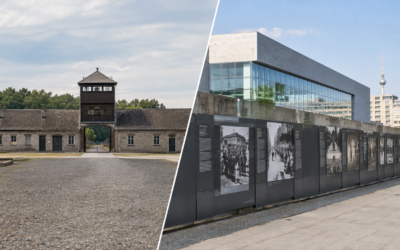
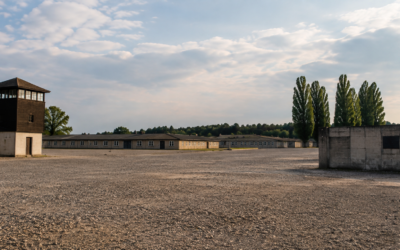
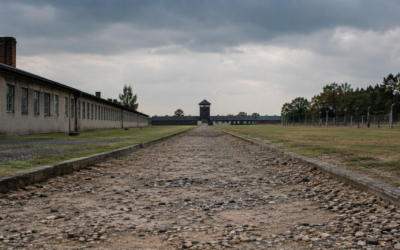
When you pass through the gate, you find yourself in a large gravel-covered area and immediately feel a quiet panic. Nobody knows where the barracks are; most people assume that there will be a series of wooden huts. All they see, in fact, is open ground, a few buildings, and rectangles outlined in stone. If you’ve ever stood there questioning whether you are seeing the real thing or merely a well-constructed imitation, this guide is for you.

The short answer: very little of the barracks you see is untouched 1930s construction, but the ground, the layout, and several key buildings are genuine. Here is how to read the site so you know what you are standing in front of.

The barracks you can actually walk into
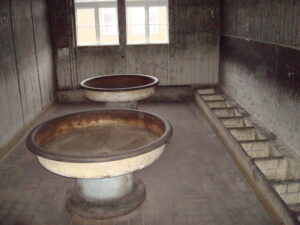
Visitors usually go into the two barracks in the area that held Jewish prisoners, numbers 38 and 39. They are the closest thing to a “real” barracks experience on site, but they come with an asterisk.

Barrack 38 was damaged by an arson attack by neo Nazis in 1992. That attack is now part of the site’s history, and the memorial chose to keep evidence of it rather than hide it. Barrack 39 and the reconstructed interiors give you a sense of the bunks, the washrooms, and the crowding, but the fabric you see has been rebuilt or restored, not simply preserved.

So when you walk in, treat it as an informed reconstruction on the original footprint. The exhibits inside, the personal objects and drawings, are the authentic part. The wood and plaster are a faithful stand in.

What the outlined rectangles are

You can see low borders across the field indicating the locations of the other barracks. They are not there for decoration; instead, they sit over the actual foundations, and this is the memorial’s truthful way of stating that this site was once used and that it is not going to pretend otherwise.

Some visitors think this is less moving than a building that stands firm. However, some argue it has a greater impact because the scale is immediately apparent. If you count the outlines and look at how close they are, the figures on the information boards stop feeling abstract.

Want to learn more about the harsh conditions prisoners endured at Sachsenhausen? Read our blog on The Sachsenhausen Shoe-Testing Track: Why Prisoners Were Forced to March for Miles to understand one of the forced labor activities at the camp.

What is genuinely original

This is the section that answers the question properly. Several structures and ruins on site are real and untouched in the sense that matters:

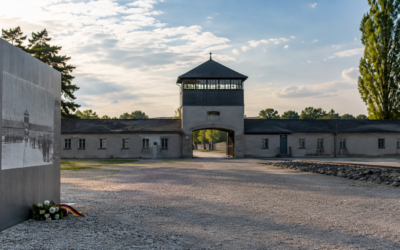
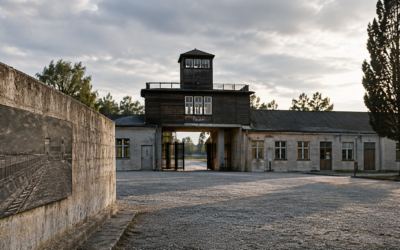
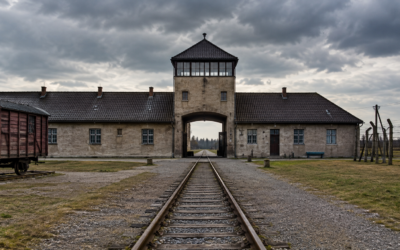
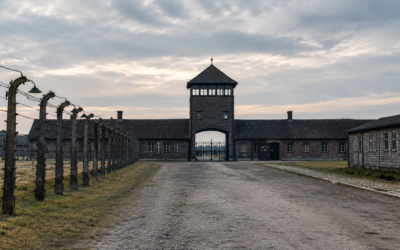
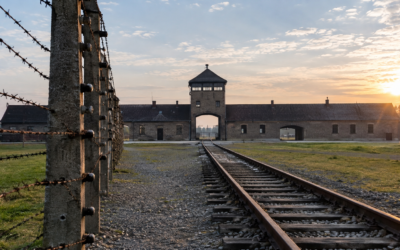
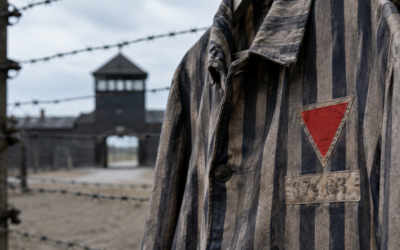
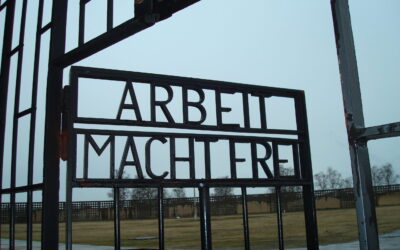
The entrance gate and Tower A. The gate with its cynical slogan and the tower behind it are the core of the original design. Expect restoration work, but this is the real entrance.

The Zellenbau. The cell block, used for torture and isolation, is a surviving original structure. It is one of the most sobering stops on the site and shows the camp’s internal hierarchy of punishment.

Station Z. Only ruins remain of the execution and crematorium area, which the SS tried to destroy near the end of the war. What you see are foundations and remnants, left deliberately as ruins.

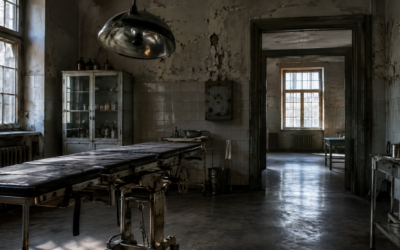
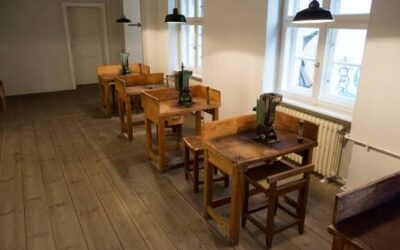
The pathology building. This is the one that surprises people. The dissecting and examination room, often described as a medical lab, is an original, plain, tiled space. A visitor who saw a photo once put it this way: if there were no title, it would look like an ordinary room, and that ordinariness is exactly what makes it frightening. Doctors in camps across Germany performed procedures on prisoners with little more than alcohol as sedation, and tour guides at other sites describe the same grim pattern. Seeing a room that looks like a normal clinic is how that reality settles in.

Reading the dark marks and weathering

A frequent question at places like this is whether the dark streaks at the base of old walls are due to blood, burn damage, or decay. The straightforward answer is that most of what you see is simply the result of ordinary weathering, dampness, soil splash, and age, and in some cases this is combined with subsequent damage. You should not suppose that a stain indicates a particular event unless a sign or guide so states. The signage at the memorial addresses this point with care, and you should do the same.

How to visit without feeling lost

To get from central Berlin to Oranienburg by S1 train takes about three-quarters of an hour, after which you should walk about twenty minutes to reach the gate. Entry to the site is usually free, but opening hours vary by season, so check the memorial’s website before you set off.

Spend your first ten minutes at the roll call area, not inside a building; ,then visit barracks 38 and 39, the Zellenbau, Station Z, and finally the pathology building. Following that sequence takes you from layout to daily life to punishment and then to destruction, and the narrative remains coherent.

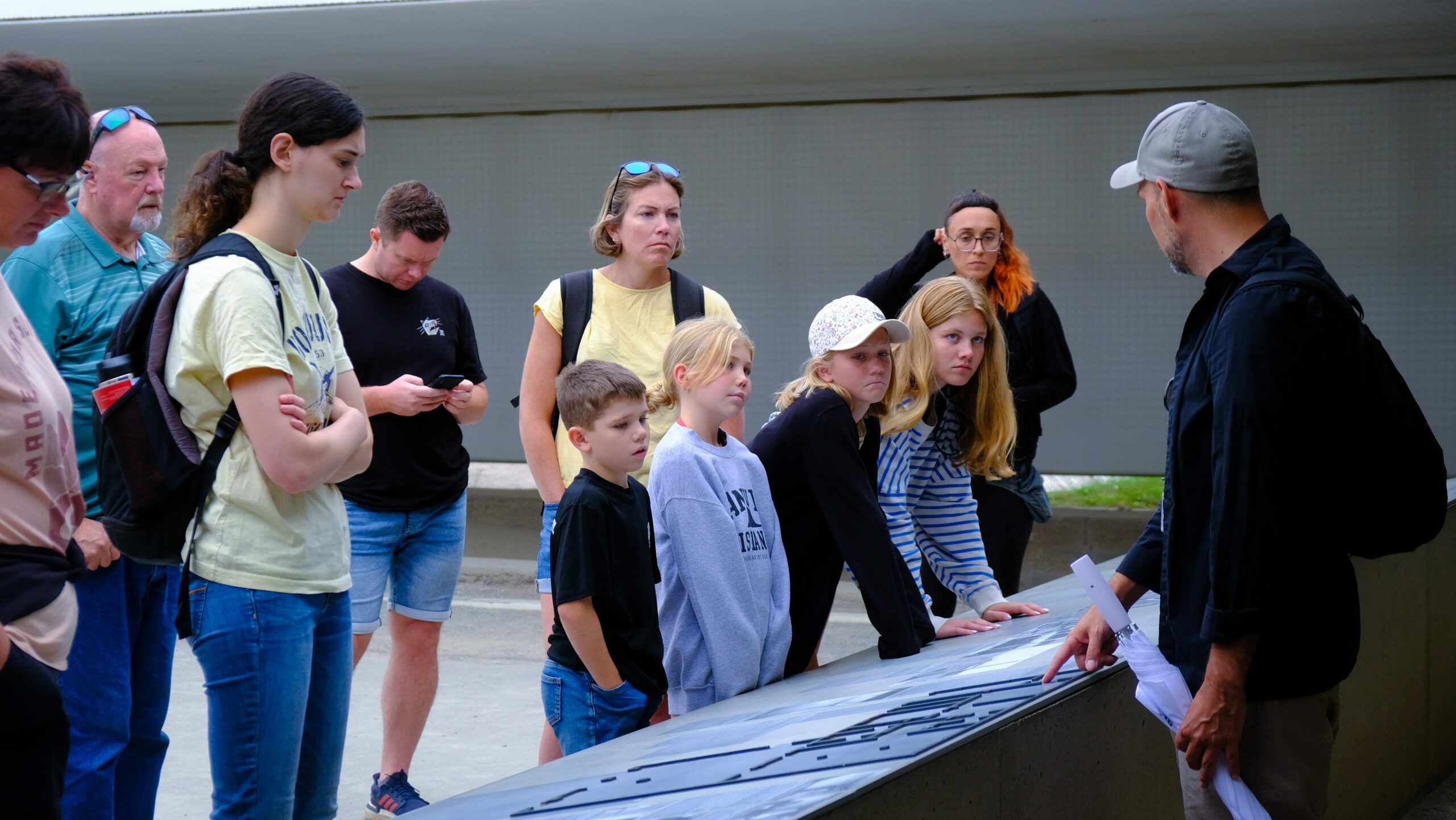
If you can, take a guided tour; an experienced educator will point to an empty area of gravel and explain what stood there, who lived there, and how it was used afterward. Those who have taken a school group to the camp often say the guide makes all the difference between just walking around and actually coming to understand. Nowadays, very few survivors give first-hand tours, so trained historians and educators conduct the tours and pass on those testimonies.

Want to understand the significance of the camp’s central gathering area? Read our blog on What Happened on Sachsenhausen’s Roll-Call Square? for a closer look at its history.

A note on respect and the wider landscape

Former military land and forest also lie near Oranienburg. People have entered restricted areas near old German military installations and come across unfriendly foresters or officials who still occupy the land. If you feel tempted to explore or set up camp near a former base, don’t. Such an action is no harmless adventure and is disrespectful near a site associated with mass suffering. Remain on the designated paths and stay within the memorial boundaries.

FAQs

  1. Are any of the original wooden barracks still standing at Sachsenhausen?

Almost none in their original state. Barracks 38 and 39 are the ones you can enter, but they have been restored or rebuilt, and one carries damage from a 1992 arson attack. Most other barracks are marked only by outlines on the ground.

  1. Is the room labeled as a human test lab an original building?

The pathology building and its examination room are original structures. The room looks almost ordinary, which is part of why visitors find it so disturbing.

  1. Are the dark spots at the base of the walls blood or burn marks?

Most are weathering and age. Do not assume they mark a specific atrocity unless an official sign or guide says so.

  1. Who liberated Sachsenhausen, American forces or someone else?

Soviet and Polish troops on 22 April 1945. American forces are linked with Dachau and its Kaufering sub camps, reached on 27 April.

  1. Can I book a tour with a survivor, and is a guided tour worth it?

Survivor led tours are now extremely rare, but guided tours by trained educators are well worth booking. They explain what the empty ground used to hold, which is the hardest thing to grasp on your own.
Stolpersteine: The Small Memorials

Stolpersteine: The Small Memorials

On your way to the bakery, thinking about nothing in particular, you notice a small piece of brass embedded in the pavement. Next to it, someone has left a tealight. There are no signs and no crowd, merely a name, a birth year, and a date that causes your stomach to...

read more
New Synagogue: What Survived

New Synagogue: What Survived

Anyone standing on Oranienburger Straße and looking at that golden dome naturally asks the same question: how did this building survive Nazi Germany and the bombs? The common explanation is that it was simply too beautiful to destroy. Although this is a pleasant...

read more
Sachsenhausen Concentration Camp  How to Get There and Visit from Berlin

Sachsenhausen Concentration Camp How to Get There and Visit from Berlin

Sachsenhausen Concentration Camp is one of Germany’s most significant memorials. Located just outside Berlin, it draws thousands of visitors each year who come to learn about Nazi Germany, the people imprisoned there, and why remembrance matters today.Many people search for Sachsenhausen’s address before their trip. Others want to know the easiest way to get there from Berlin, whether guided tours are available, and what to expect during their visit.

read more
What are the Visitors’ Requirements for the Berlin Concentration Camp Memorial?

What are the Visitors’ Requirements for the Berlin Concentration Camp Memorial?

Many visitors look for the “Berlin Concentration Camp,” but the memorial most people mean is the Sachsenhausen Memorial and Museum in Oranienburg, just outside Berlin.Sachsenhausen is not just another museum. It was a Nazi concentration camp and is now a memorial and place of remembrance. Before you visit, it helps to know the entry requirements, what to wear, how to behave, whether you need tickets, and what to expect emotionally.

read more
What Was the Concentration Camp at Potsdam?

What Was the Concentration Camp at Potsdam?

The Truth about Potsdam and the Nazi Camp System. Many people looking for information about a “Potsdam Concentration Camp” are surprised to find out that there was no large Nazi concentration camp in Potsdam itself. Unlike Auschwitz, Dachau, Buchenwald, or Sachsenhausen, Potsdam did not have its own camp.

read more
Falkensee Concentration Camp: History, Prisoners, Forced Labor & Memorial Site

Falkensee Concentration Camp: History, Prisoners, Forced Labor & Memorial Site

Explore the harrowing truth of the Falkensee Concentration Camp. Explore its brutal conditions, prisoners’ suffering, and WWII liberation.Many people who look up information about the Falkensee Concentration Camp ask if it really existed or if it is just a myth. The answer is straightforward: the camp was real, but it was not an independent concentration camp like Auschwitz, Dachau, or Sachsenhausen.

read more
Sachsenhausen Berlin Map Guide: Must-See Locations at the Memorial

Sachsenhausen Berlin Map Guide: Must-See Locations at the Memorial

Are you planning to visit the Sachsenhausen Memorial and Museum in Berlin? Looking at the Sachsenhausen Berlin map in advance can help you get more out of your visit. The site is large, quiet, and deeply moving, with many important places spread throughout the former camp.Today, the Sachsenhausen Memorial map shows visitors where important places are, such as the entrance, Tower A, the roll-call square, prisoner barracks, punishment cells, watchtowers, museum exhibitions, and Station Z.

read more
Concentration Camp Tour What to Expect, How to Prepare & Important Etiquette

Concentration Camp Tour What to Expect, How to Prepare & Important Etiquette

Visiting a concentration camp memorial is very different from a typical tourist activity. It is a serious, emotional, and educational experience. These sites are preserved to help people learn, remember the victims, and understand how hatred, discrimination, and dictatorship can cause immense suffering and loss of life. For many people, reading about the Holocaust is not the same as standing at the actual site. Visiting can be challenging, but it is often a meaningful experience. This guide will help you know what to expect, how to get ready, how to show respect during your visit, and how to reflect afterward.

read more
What Should You Know Before Planning a Day Trip to Auschwitz from Berlin?

What Should You Know Before Planning a Day Trip to Auschwitz from Berlin?

If you’re in Berlin and thinking about a day trip to Auschwitz, planning ahead is key. This post will walk you through what you need to know before you go.You can also travel by train from Berlin Hauptbahnhof to Oswiecim. The journey takes about 6 hours and includes a few connections. Once you arrive in Oswiecim, you can take a taxi for about 15 kilometers or catch bus 302, which will bring you to the entrance of the Auschwitz memorial.

read more
Thinking about taking the train to Sachsenhausen? We’re here to help you plan your trip.

Thinking about taking the train to Sachsenhausen? We’re here to help you plan your trip.

Start your journey at one of Berlin’s main train stations: Berlin Hauptbahnhof, Alexanderplatz, or Friedrichstraße. Each of these stations offers a direct connection to Sachsenhausen.Sachsenhausen is in Oranienburg, and regional trains run between Oranienburg and Berlin every hour. Look for trains labeled RB (Regionalbahn) or RE (Regional Express). You can check train times on the Deutsche Bahn website or on electronic boards at the stations.

read more
a group of visitors, including adults and children, on a guided tour of the Sachsenhausen Concentration Camp

Group Booking Request

Planning a group visit to the Sachsenhausen Concentration Camp Memorial from Berlin? Fill out the form below to request a private or group tour. Our team will get back to you with availability and pricing options. Experience a guided tour tailored to your group’s needs.

You have Successfully Subscribed!

Pin It on Pinterest