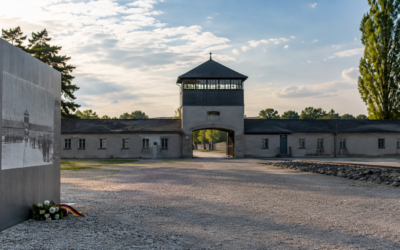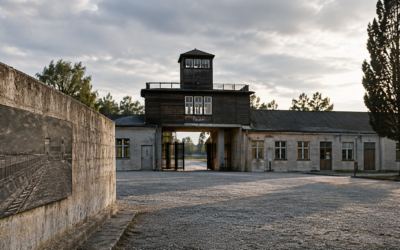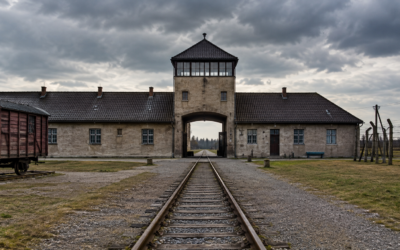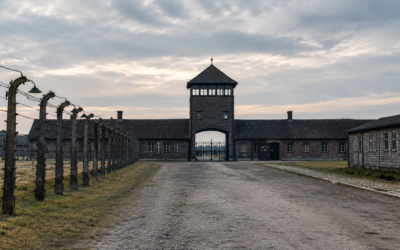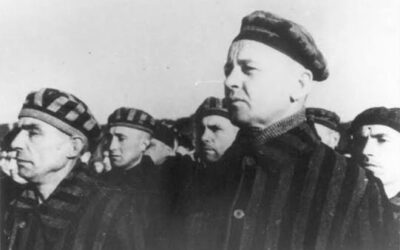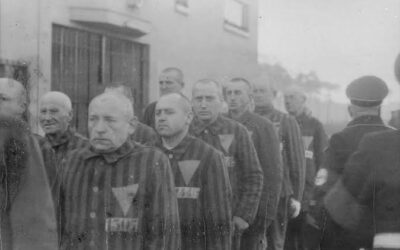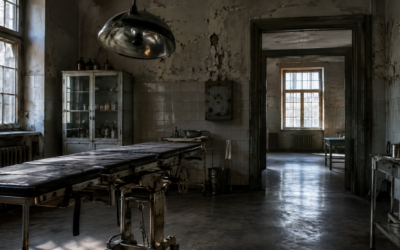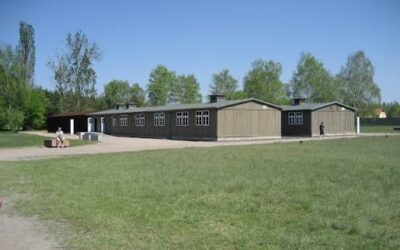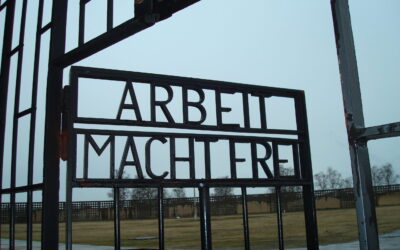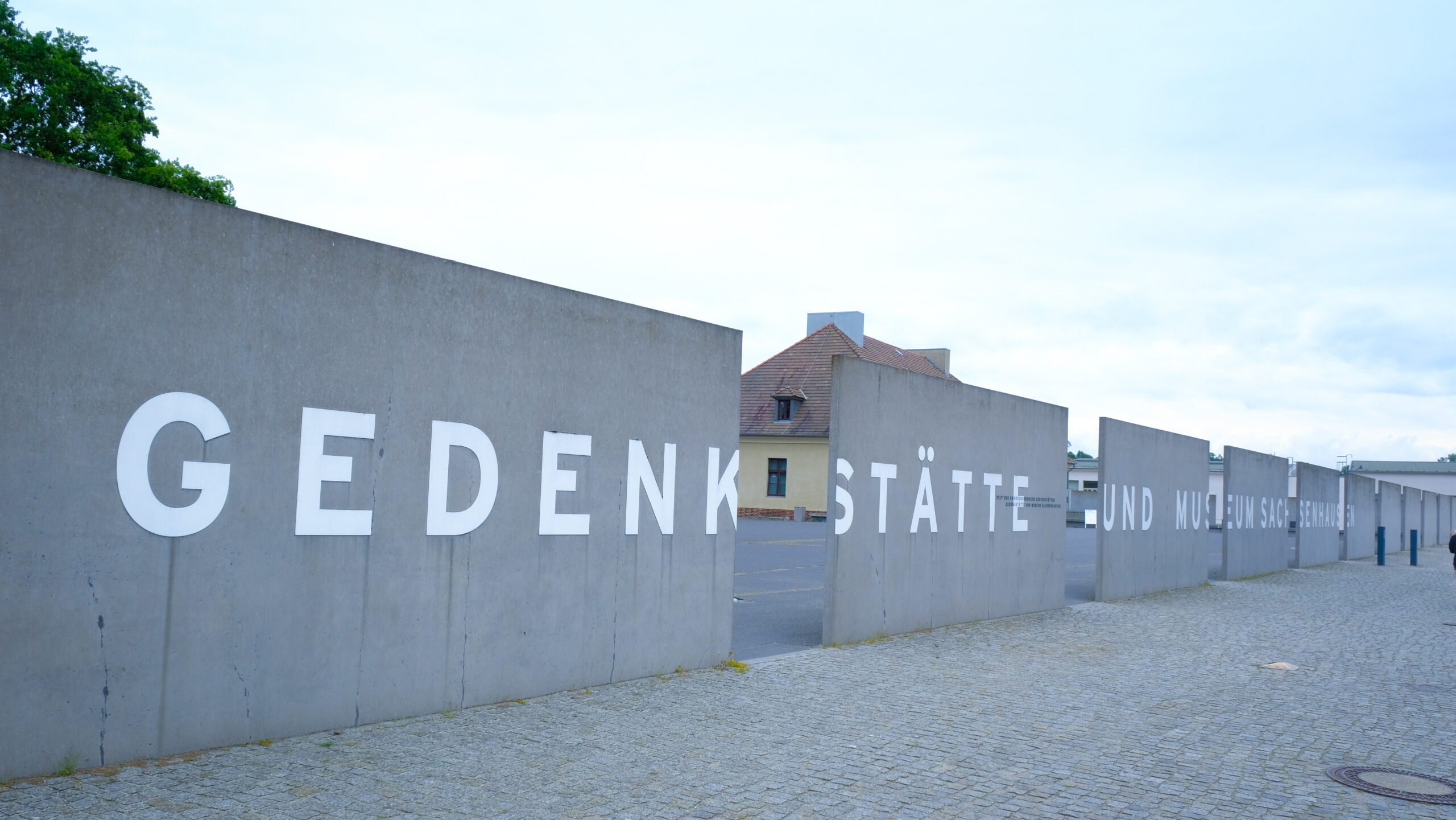
Standing at the gate in Oranienburg, just north of Berlim, a city whose Nazi-era history you can explore on a free Berlim walking tour, almost every visitor asks the same quiet question.
The short answer is that they were all three. The longer answer is more unpleasant than the accounts given by either side. To explain who kept guard at Saxônia, how the guard system functioned, and what the evidence reveals about the decisions these people made, this guide draws on trial records, survivor testimony, and historical research.
The Camp and Its Place in the System
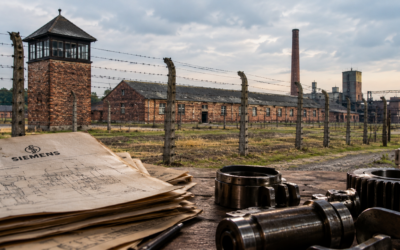
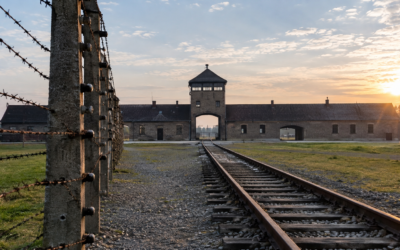
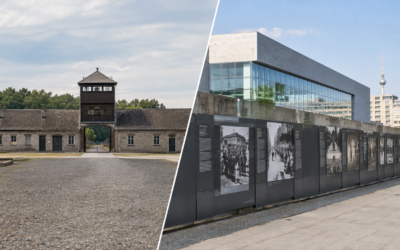
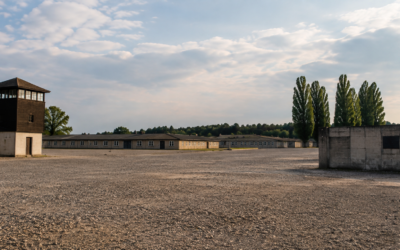
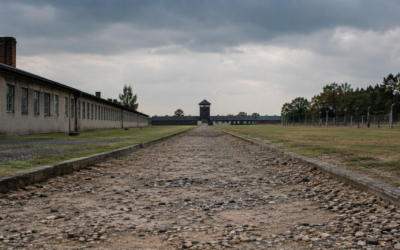
Saxônia Inaugurado em 1936 and was designed as a showpiece. Its triangular layout placed the main gate, with the guard tower above it, at the apex, so a single position could, in theory, observe the entire prisoner area. Its location beside Berlin also mattered. In 1938 the Inspectorate of Campos de Concentração, the office that ran the entire camp system, moved to Oranienburg, and it stayed there until 1945. Sachsenhausen was therefore both a camp and a training ground and administrative center for the whole system. Staff was formed here, and methods devised here were carried to other camps.
Guards, Camp Staff, and Command: Three Different Layers
Os visitantes costumam usar a palavra "guarda" para se referir a todos que vestem uniforme da SS. A organização do campo era mais estruturada do que isso.
The commandant and Kommandantur. The commandant held overall authority and answered to the Inspectorate, and after 1942 to the SS Economic and Administrative Main Office (WVHA), which absorbed the Inspectorate. Under him, the camp administration was divided into departments: the commandant’s office and adjutant, the Political Department (the Gestapo’s branch inside the camp), the protective custody camp, administration, and the camp physician. Commandants at Saxônia included Karl Otto Koch, Hans Helwig, Hermann Baranowski, Walter Eisfeld, Hans Loritz, and, in the final years, Anton Kaindl.
The protective custody camp staff. This was the group prisoners met daily. The Schutzhaftlagerführer administrava o complexo de prisioneiros, auxiliado por um Rapportführer, who handled roll calls and head counts, and by block leaders (Blockführer), SS non-commissioned officers who supervised individual barracks and were often responsible for beatings, punishments, and murders inside the compound.
The guard troops. The guard battalion, drawn from the SS Death’s Head units (Totenkopfverbände), was the armed force that secured the perimeter, manned the towers, and escorted prisoners outside the wire. In the camp’s early years, a Death’s Head regiment was stationed at Oranienburg. These men were organized as soldiers, with barracks and military drill, and were organizationally distinct from, but part of the same SS Death’s Head structure as, the staff who managed prisoners inside the compound.
In fact, these ranks overlapped because they were all part of the same organization and wore the same uniform. However, the distinction matters when assigning responsibility: a tower sentry, a block leader, a Gestapo interrogator, and a commandant had different roles, different levels of discretion, and different exposure to what happened inside.
Recruitment and Training
The Death’s Head system was created in the 1930s by Theodor Eicke, who established it at Dachau before extending it to other camps. The first people to join were mostly young men, often from modest socioeconomic backgrounds, and they did so to earn a steady salary, gain status, and advance their careers. They underwent training that included military exercises as well as ideological instruction. Prisoners were considered to be enemies of the state and were taught that displaying sympathy amounted to a sign of weakness. Eicke intentionally emphasized severity, hoping cruelty would become the norm and that the guards would form a unified group through their shared involvement.
That early picture changed once war began. Many of the original Death’s Head men were drawn into the Waffen-SS field formations, and the camps needed replacements. The guard force was then filled with older members of the Allgemeine SS, men judged unfit for the front, ethnic Germans from occupied territories, and later other personnel transferred into concentration camp guard service. In the last phase of the war, men transferred from other services were added as well. As the war progressed, the SS increasingly relied on personnel who did not meet its earlier recruitment standards.
This also undercuts a postwar myth. Former SS leaders tried to separate the “honorable” fighting Waffen-SS from the camp guards. In reality, the two shared an organization, an oath, and often the same personnel, and personnel transfers connected guard service with front-line formations.
O que o serviço de guarda realmente envolvia
The guard force’s day-to-day work centered on keeping the camp closed and productive.
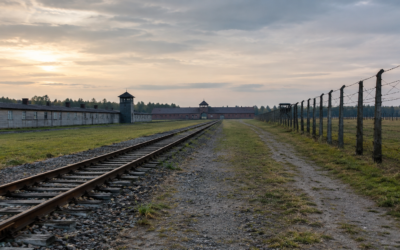
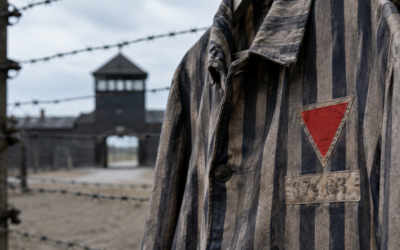
Towers and perimeter. Around the camp, sentries stood in towers, supported by an electrified fence, a strip of land in front of the fence, and a ditch and a wall. Any attempt to enter the strip was regarded as an attempt to escape, and the sentries were instructed to fire without warning. In some cases the deaths were staged or induced: the prisoners were driven towards the line or asked to retrieve objects nearby, and then shot ‘while trying to escape’.
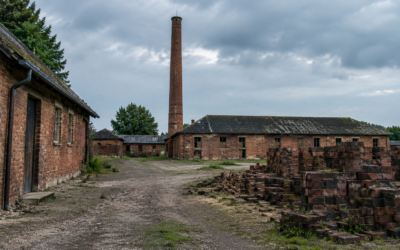
Acompanhantes e detalhes de trabalho. Prisoners were organized into work details (Kommandos) that left the camp to work in brickworks, construction sites, and armaments factories. Outside the wire, guards formed a moving cordon around them. The brickworks and the armaments production tied to Saxônia were among the most lethal assignments. Guards were rewarded with extra leave for shooting “fugitives,” which created an incentive to kill.
Roll calls. A contagem diária (Appell) era um elemento fundamental no sistema de controle. Os prisioneiros ficavam de pé no pátio de reuniões, às vezes por horas e independentemente do clima, até que o número total fosse acordado. A chamada servia não apenas como um procedimento administrativo, mas também como punição e forma de exaurir os prisioneiros, e a guarda e os funcionários a executavam com rigor.
Killing operations. Guard and staff units were involved in the camp’s mass crimes. In autumn 1941, thousands of Soviet prisoners of war were murdered at Saxônia, most by shots to the neck in a specially built installation: this required organization, personnel, and cooperation across the camp. In April 1945, as Soviet forces approached, tens of thousands of prisoners were forced onto death marches under guard, with many killed or left to die along the way.
Movement Between Camps and Roles
O sistema de campos da SS não era uma coleção de locais isolados. Era uma estrutura de carreira, e o pessoal transitava por ela.
People trained at one camp were sent to open or reorganize others. Because the Inspectorate was based at Oranienburg, Saxônia became an especially important central camp. Rudolf Höss, who later became the commandant of Auschwitz, worked at Saxônia in the late 1930s before transferring to another camp, a pattern which was typical of the way experience and methods were passed on. Officers moved between the camp administration, the guard units, the Inspectorate and the field formations. During the war, men also moved from the guard service to Waffen-SS combat units and vice versa, with Waffen-SS personnel also transferred to Saxônia’s SS Death’s Head Battalion to serve as guards.
This mobility has two consequences for the concept of responsibility. On the one hand, the system adopted these practices rather than developing them at the local level. On the other hand, individuals did change their assignments, which made it possible to answer whether someone could leave a given post rather than leaving it as a purely hypothetical question.
Individual Responsibility and the Evidence on Refusal
Após a Guerra, the usual defense was that the guards had no alternative: they could either carry out the killings or face the firing squad. However, historians have examined this argument in light of the evidence and found it unsupported. Scholars who have studied the Holocaust have found no documented case of a German soldier, SS member, or policeman being executed specifically for refusing an order to murder civilians or prisoners. This does not prove that such an execution never occurred, but the available evidence does not support the claim that execution was the inevitable consequence of refusal. It doesn’t mean that opting out had no consequences; people who refused to take part might still be subjected to harsh treatment by their superiors, see their careers damaged, feel social pressure from their comrades, or be assigned to less comfortable or more dangerous tasks, for example, by being sent to the front. Yet documented cases suggest that the consequences of refusing to participate in killings were generally less severe than execution.
A documented example comes from Stutthof, not Saxônia. Erna Beilhardt served as an SS female guard at Stutthof in 1944 before voluntarily leaving her position. Historian Marcin Owsiński has examined her case using historical records and testimony. At the first Stutthof trial in 1946, she received a five-year prison sentence, while several other defendants were sentenced to death and executed in July 1946. Her decision to leave guard service was an important factor in how her case was assessed. However, her experience should not be taken as proof that all concentration camp guards could resign without consequences. It illustrates an exceptional documented case rather than a general pattern.
It is honest to say that neither the simple explanations nor the obvious ones apply. While not all the guards were sadists, the records do show a great deal of sadism, as testified by the survivors and by other SS men. Furthermore, it is not true that everyone simply carried out orders with no other option. The system functioned because thousands of people made a series of small decisions, one after another, to remain and carry out their duties.
Após a Guerra
A maioria dos guardas de Sachsenhausen nunca foi responsabilizada. Muitos homens de baixa patente se dispersaram para a vida civil, alguns sob pretextos, e poucos foram processados em comparação com aqueles que serviram.
In 1947, a Soviet military tribunal tried former camp staff, including commandant Anton Kaindl, and handed down severe sentences. Later, West German courts convicted former staff members, including Gustav Sorge and Wilhelm Schubert, who received life sentences.
These cases were exceptions. Many men who guarded and administered the camp lived out their lives without trial, and the gap between the scale of the crimes and the number of convictions is itself part of the history.
Como ficar em pé naquele quintal sem achatá-lo
Em qualquer momento you go there, try to avoid simple explanations. The guards were not a distinct species of monster, and they had not been turned into helpless tools. They were men and certain women who had joined an organization set up with the aim of making cruelty commonplace. Although some had opportunities to refuse certain duties, request transfers, or leave their posts, documented cases of doing so were rare, and most remained in their roles.
FAQs
- Were the Saxônia guards the same as the camp administration?
Não. As tropas de guarda asseguravam o perímetro e escoltavam os prisioneiros, enquanto a equipe do campo, incluindo a liderança da custódia protetiva, os chefes de bloco e o Departamento Político, administrava e controlava os prisioneiros dentro do campo. Ambos estavam subordinados ao comandante e compartilhavam a mesma organização.
- Where did the guards come from?
Early on, mostly young SS volunteers trained in the Death’s Head system. As the war progressed, the force was increasingly made up of older SS reservists, men unfit for the front, ethnic Germans from occupied territories, and foreign auxiliaries.
- Um guarda pode se demitir ou solicitar transferência?
In some cases, yes, but very few did. People who refused to comply could face consequences such as damage to their careers, harsh duty, or being sent to front-line service, but historians have found no documented cases of German soldiers, SS members, or policemen being executed specifically for refusing to participate in the murder of civilians or prisoners. This does not establish that such executions never occurred. Documented resignations, such as that of Erna Beilhardt at Stutthof, were rare.
- Por que Sachsenhausen era tão importante no sistema de campos de concentração?
Localizava-se próximo a Berlim e, a partir de 1938, abrigou a Inspeção de Campos de Concentração, funcionando, portanto, tanto como campo quanto como posto de comando, onde a equipe era treinada e as políticas eram coordenadas.
- Os guardas foram punidos após a guerra?
A minority were. A Soviet tribunal in 1947 tried senior staff, and West German courts later convicted some lower-ranking personnel, but most guards were never prosecuted.