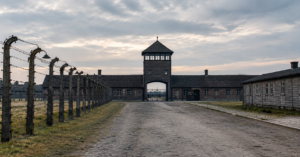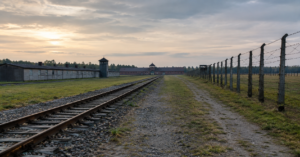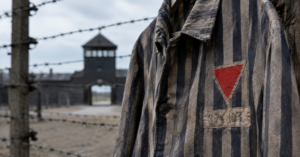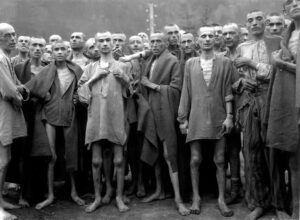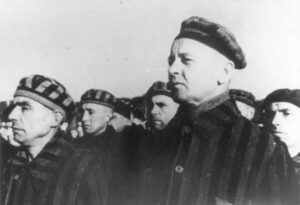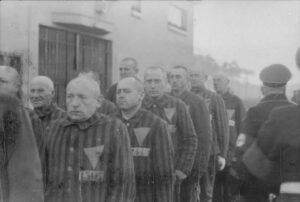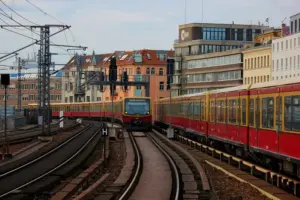
Você desce do S1 no final da linha com um bilhete no bolso e uma pergunta que provavelmente não dirá em voz alta: o acampamento ficava bem aqui, então como os moradores da cidade não sabiam?
Sinceramente, a resposta é simples: as ruas, os pontos de ônibus e a história local são fascinantes, você precisa ver com seus próprios olhos.
Resposta curta
Many residents were aware of aspects of the concentration camp system, particularly those who could observe prisoner movements and forced labour. However, knowledge of specific crimes varied, and not everyone understood the full extent of what was happening. After decades of debate, historians generally agree that claims of complete ignorance do not hold up. What is still argued over is how much people knew about each layer of the system, and how willing they were to look.
O que um morador local poderia ver
Pense em tudo o que uma cidade desse porte absorve ao longo de uma década:
- Os prisioneiros marchavam pelas ruas para realizar trabalhos forçados, e o campo fornecia mão de obra para a indústria local.
- Membros da SS morando, fazendo compras e bebendo na área.
- Trens, caminhões, entregas e construção.
- Um boato que se espalhou pelos locais de trabalho e cozinhas mais rápido do que qualquer comunicado oficial.
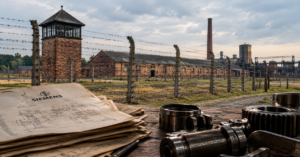
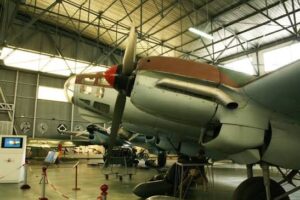
The industry part is documented. Heinkel used around 6,000 Saxônia prisoners to build its He 177 bomber, with plans to increase the number to 8,000. By June 1944, nearly 7,000 prisoners were working at the factory, and AEG was among other firms that used the camp’s labor. A subcamp was also attached to the Auer Werke armaments factory in town. From July 1943 to March 1945, women from Ravensbrück and men from Saxônia did forced labor there. The factory had originally belonged to a Jewish owner who was dispossessed. After the dispossession, production shifted to gas masks and related equipment. When your town’s factories run on prisoners, you do not need a briefing to know where they come from.
The Auer site shows how they handled that history afterward. A housing estate was built where the subcamp stood, and a boulder with a plaque at Lehnitzstraße and Lindenring remembers it. The details there are painful. When Allied bombers hit Oranienburg on March 15, 1945, the women were not allowed to leave their workplace and had no shelters, and many were killed or injured.
A parte que realmente era um segredo
Eis a nuance que os historiadores cuidadosos insistem em destacar e que os argumentos superficiais simplificam.
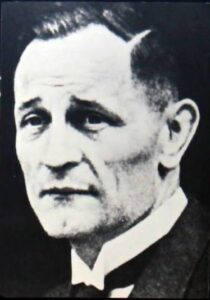
Knowledge of Saxônia’s forced labor and prisoner abuse was more widespread locally. Knowledge of extermination camps elsewhere was a different matter. They were a tightly guarded secret, never as secret as the SS wanted but guarded all the same, and loose talk could be punished by death even for committed Nazis. The historian Nikolaus Wachsmann notes that most Germans only learned the name Auschwitz after the war. Detailed knowledge of the genocide sat mostly with well connected people in the military and civil service.
Mas desconhecer o nome Auschwitz não é o mesmo que desconhecer que judeus estavam sendo assassinados. Considere as evidências do outro lado:
- Antes da guerra, os judeus foram expulsos de suas casas e seus pertences foram redistribuídos entre os vizinhos.
- Trens lotados de pessoas foram deixados à vista de todos, e os guetos foram esvaziados em seguida.
- Os soldados voltaram para casa em licença com histórias para contar.
- Os líderes nazistas falaram publicamente sobre isso. Hitler ameaçou o extermínio dos judeus europeus em janeiro de 1939, Goebbels afirmou no final de 1941 que a ameaça estava sendo cumprida, e Hitler retomou o assunto no final de 1942.
- Friedrich Kellner, um alemão que se opunha ao regime, mantinha um diário onde registrava rumores que se provaram verdadeiros.
- O grupo de resistência Rosa Branca escreveu em um panfleto de 1942 que centenas de milhares de judeus haviam sido assassinados na Polônia. Eles não tentaram provar isso, porque presumiam que os leitores já sabiam.
Por que “Eu não acreditei nisso” é complicado
Foi realmente inacreditável. Inúmeras pessoas, como os soldados, não conseguiam conceber a dimensão do ocorrido, e a propaganda do regime fez grandes esforços para desacreditar os relatos divulgados. Qualquer pessoa que já tenha visto eventos documentados serem descartados nos tempos modernos sabe como é fácil criar descrença.
Havia também medo. Reconhecer a verdade poderia significar compartilhar o destino das vítimas caso se agisse de acordo com ela. Wachsmann argumenta que as pessoas que ouviram pouco mais do que rumores merecem o benefício da dúvida.
Um diário familiar da época mostra como isso funcionava na prática. Um recruta adolescente escreveu sobre encontrar judeus escondidos, denunciá-los e sentir-se inquieto. Ele se consolava com a ideia de que eles teriam um julgamento justo, iriam para um campo de trabalho forçado e seriam deportados após a guerra. Ele não era um ideólogo. Preencheu a lacuna entre o que suspeitava e o que conseguia suportar saber com uma história reconfortante. Repetida por milhões, essa estratégia mental talvez seja a representação mais honesta do que significava "saber".
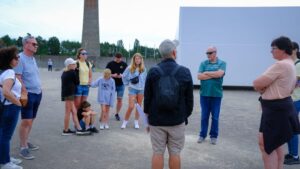
Percorrendo o local a pé: o roteiro e o que observar.
O trajeto da estação faz parte da lição.
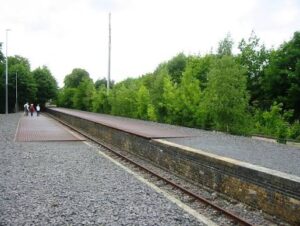
Chegando lá. Pegue o trem S1 em direção a Oranienburg, a cerca de 45 minutos da estação Friedrichstraße, com trens a cada 20 minutos aproximadamente. Não tente economizar com uma viagem curta ou uma passagem AB comum. A tarifa ABC é aplicada, e há cafés, padarias e pequenos mercados fora da estação de Oranienburg. Não há opções de alimentação no memorial, então coma antes de entrar.
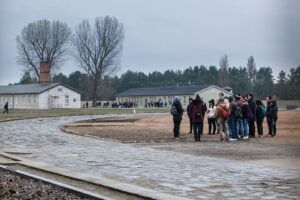
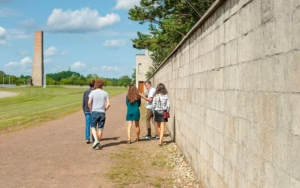
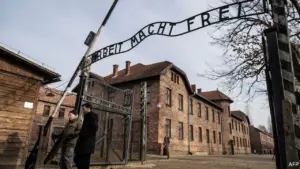
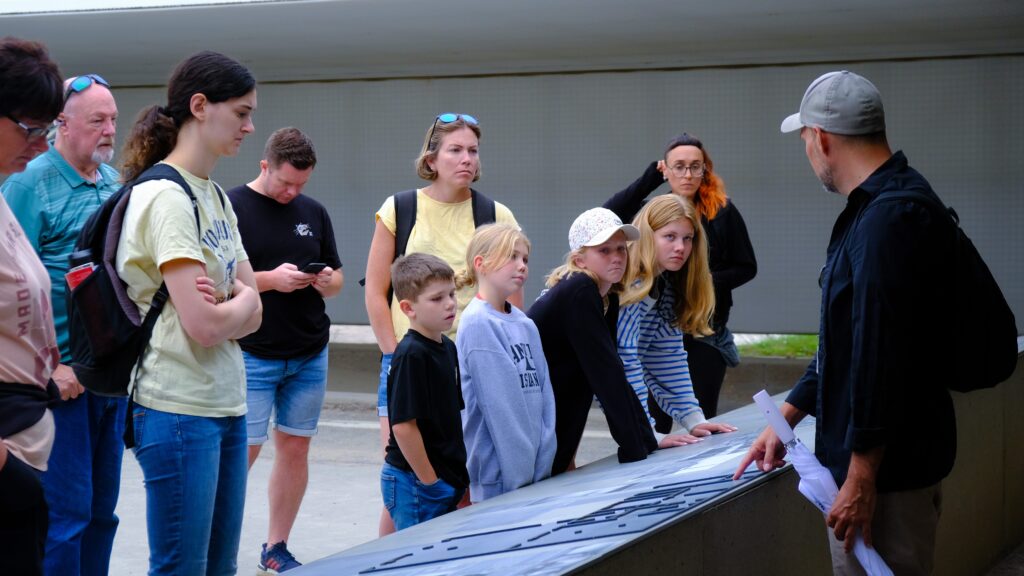
A pé ou de bicicleta. Da estação, são cerca de 20 minutos a pé na direção sudeste pela Straße der Nationen, ou você pode pegar o ônibus 804 ou 821 até o ponto “Saxônia, Gedenkstätte”. Eu caminharia se o tempo permitisse. Você passa por padarias, um supermercado e ruas residenciais, uma cidade alemã comum. Essa normalidade é exatamente o que sua pergunta aborda.
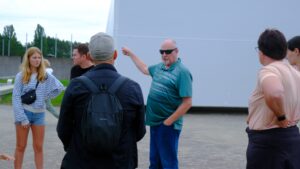
Uma placa que você pode passar ao lado. On the way there is a memorial plaque to the victims at the corner of Straße der Einheit and Straße der Nationen. Stop for it. The street leading from the center of Oranienburg em direção ao acampamento is also named after Hans von Dohnányi, a prisoner and Dietrich Bonhoeffer’s brother-in-law. For a broader understanding of this history, you can also join a free Berlin walking tour to Explorar sites connected to the Nazi era in Berlin
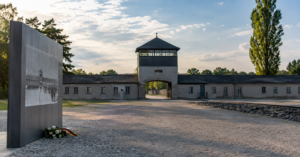
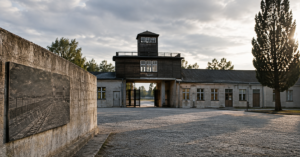
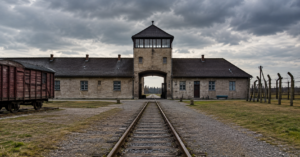
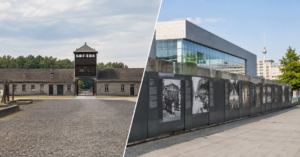
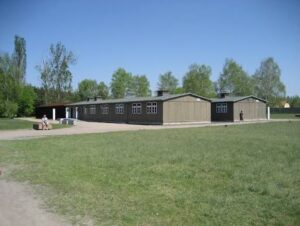
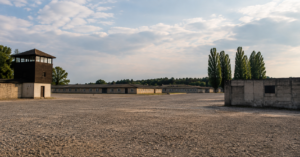
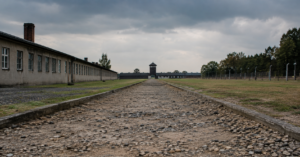
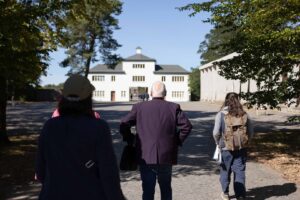
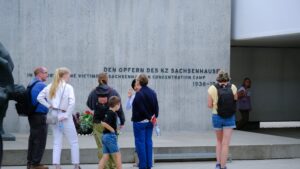
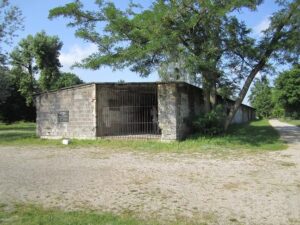
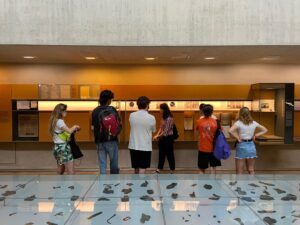
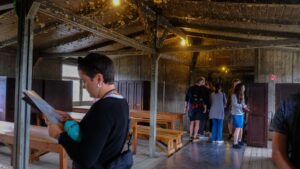
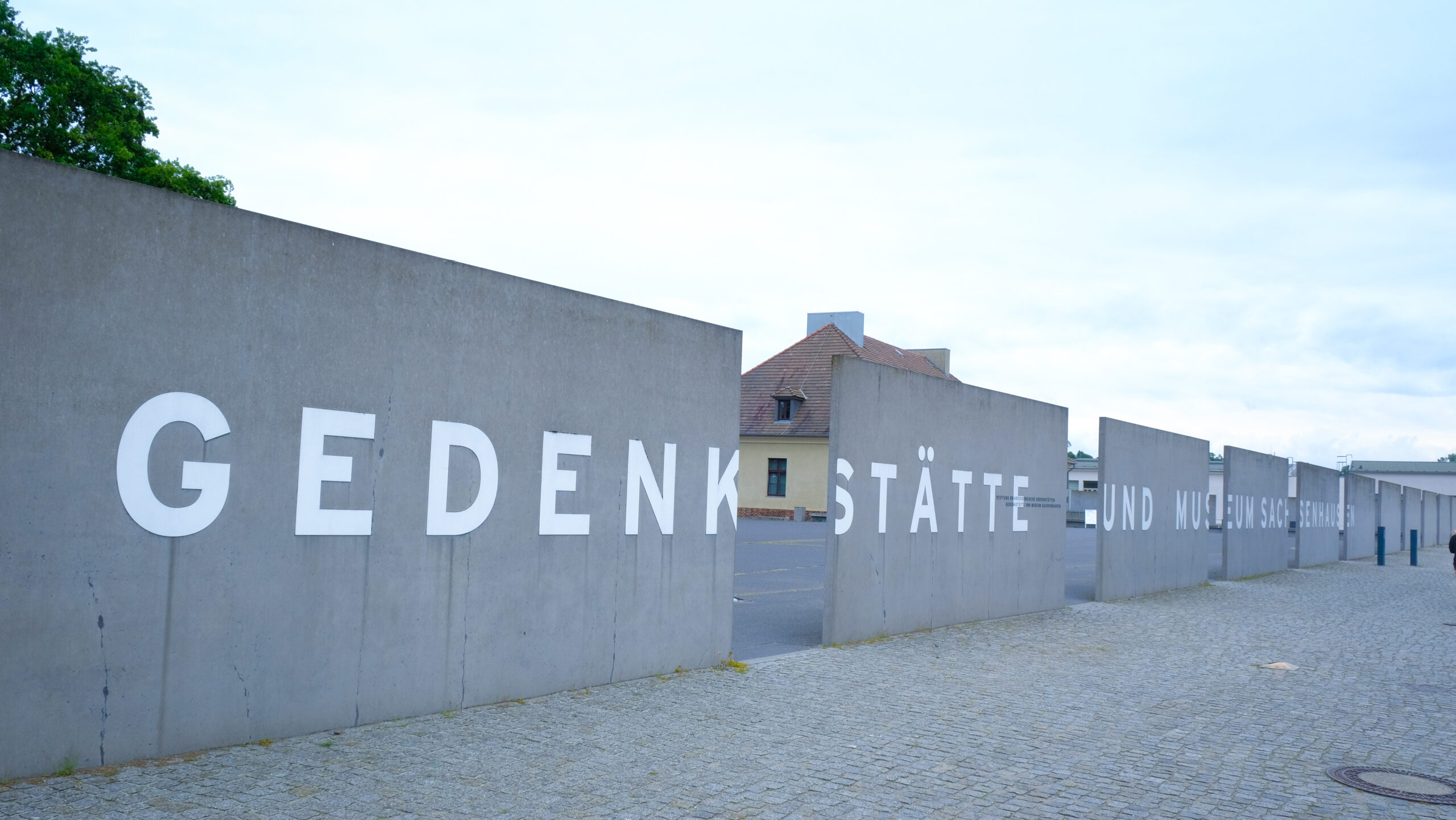
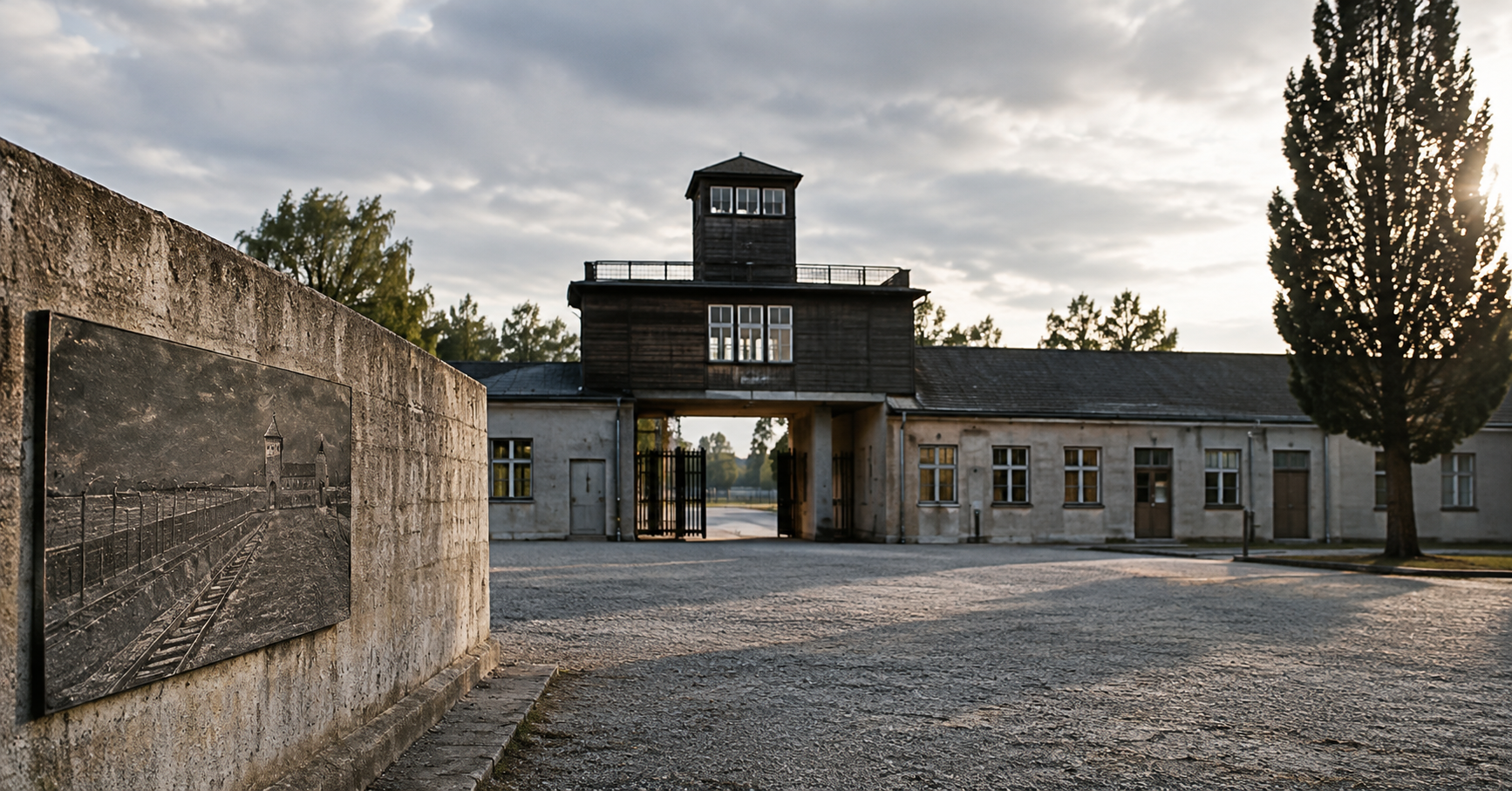
Dentro. O endereço é Straße der Nationen 22, 16515 Oranienburg. Um pouco além do perímetro, o Neues Museum cobre o antigo Acampamento de Oranienburg e a história do memorial durante o período da Alemanha Oriental. Essa é a exposição que responde mais diretamente à sua pergunta. O local também abriga a Estação Z, a área de execuções e extermínio, e os sítios preservados do campo especial soviético que funcionou ali após a guerra. If you prefer exploring historical sites with a guide, you can also arrange a private historical tour for a more detailed understanding of the area’s past.
Uma nota de rodapé curiosa sobre a cidadeOranienburg foi tão fortemente bombardeada que é considerada a cidade mais perigosa da Alemanha, e em uma ocasião, 12.000 moradores tiveram que ser evacuados. É por isso que há tão poucos vestígios históricos para se ver durante o passeio.
Como tudo terminou nas ruas
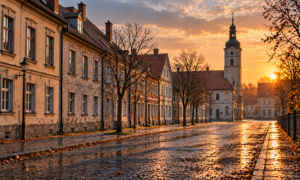
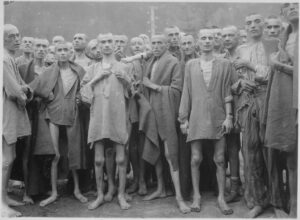
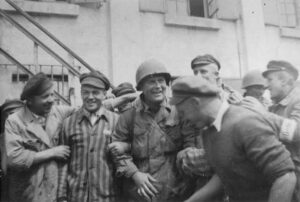
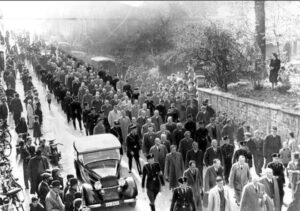
The most public reply to the question of local knowledge came in the spring of 1945. During the night of April 20–21, 1945, the SS forced more than 33,000 prisoners onto death marches towards the northwest. More than a thousand prisoners died from exhaustion or were shot por SS guards along the way. The other approximately 3,000 prisoners, many of them sick and weak, were liberated on April 22, 1945, por Soviet and Polish troops, including soldiers of the Polish 2nd Infantry Division. A death march cannot be concealed; it takes place on the roads.
Será que pessoas comuns poderiam ter impedido isso?
Opinions divide. One historian told an interviewer there was little ordinary Germans could do, pointing to the executed White Rose students. Others note that public protest, backed por the Catholic Church, contributed to the suspension of the centralized killing programme targeting disabled people in August 1941, although the killings continued in other forms.
Perguntas frequentes
- Como os alemães comuns sabiam da existência dos campos?
Através do que viram. Os campos de trabalho forçado estavam por toda parte, e Sachsenhausen ficava em uma cidade operária onde os primeiros prisioneiros realizavam trabalhos públicos. Os prisioneiros eram utilizados na indústria local, e rumores se espalharam. O conhecimento sobre os locais de extermínio era mais limitado, mas historiadores afirmam que a sociedade como um todo sabia muito mais do que as alegações do pós-guerra sugerem.
- As pessoas acreditaram nos rumores ou os descartaram como propaganda?
Ambos. A descrença era comum porque a escala parecia inimaginável, e o regime trabalhou para desacreditar os relatos. Muitos rumores se provaram verdadeiros, e alguns alemães os registraram na época.
- Será que pessoas comuns poderiam ter feito algo para impedir isso?
Experts disagree. Resistance groups like the White Rose were crushed, yet public protest backed por church support contributed to the suspension of the centralized killing programme in 1941, although the murder of disabled people continued in other forms.
- O quanto os Aliados sabiam durante a guerra?
Os líderes aliados tinham uma noção geral do que estava acontecendo em 1943 e 1944. Muitos soldados comuns ouviram rumores, mas não acreditaram neles até entrarem nos campos. Bombardear os campos provavelmente teria matado prisioneiros sem impedir as mortes.
- A ideia de que os civis consideravam os campos como "lares agradáveis" temporários é precisa?
Era uma história reconfortante que algumas pessoas contavam a si mesmas, e algumas até acreditaram nela, mas os historiadores têm dificuldade em considerá-la uma crença generalizada. Deportações, guetos esvaziados e ameaças abertas de líderes nazistas tornavam a verdade difícil de ignorar.