Blogue

Guias, história e conselhos práticos para visitar os memoriais de Sachsenhausen e Berlim.

Qual foi o significado do campo de concentração de Sachsenhausen?

O Campo de Concentração de Sachsenhausen era um local importante e preocupante no sistema de campos nazistas. Foi criado em 1936 em Oranienburg, a norte de Berlim, e tornou-se um campo modelo onde as SS treinavam, puniam, forçavam as pessoas a trabalhar e cometiam assassinatos em massa.

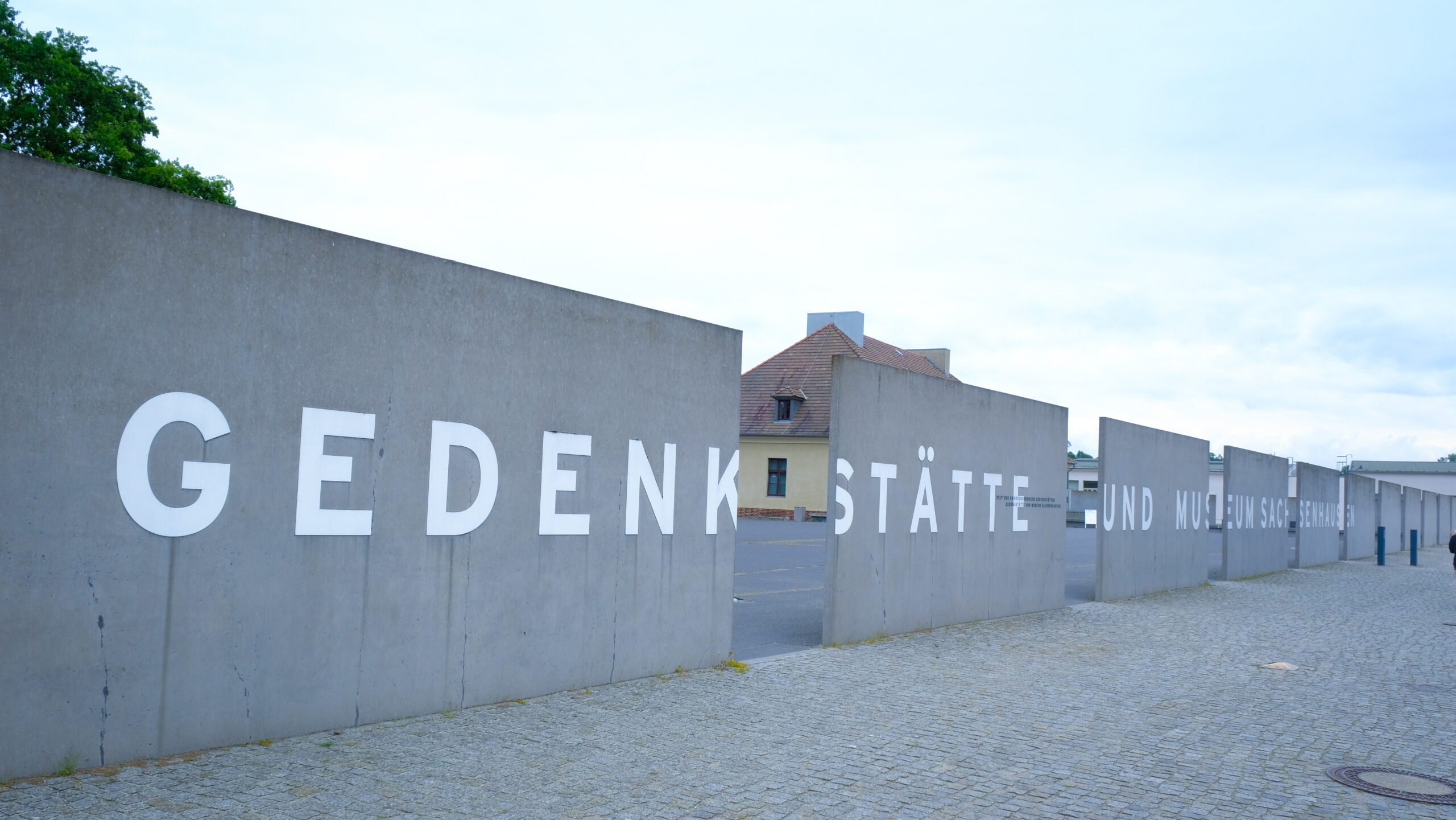
Hoje, Sachsenhausen é um memorial e museu. Para os visitantes, não é apenas um local histórico. É um lugar para entender como a perseguição foi organizada, como os sistemas comuns foram usados ​​para a crueldade e por que a lembrança ainda é importante.

Por que Sachsenhausen foi importante?

Sachsenhausen foi importante porque foi construído como um campo de concentração modelo. A sua concepção, gestão e vida quotidiana moldaram outros campos em toda a Europa controlada pelos nazis. A sua localização perto de Berlim também o tornou especialmente importante para os líderes da SS.

O campo mantinha muitos grupos de prisioneiros, como opositores políticos, judeus, prisioneiros de guerra soviéticos, ciganos e sinti, pessoas LGBTQ+, Testemunhas de Jeová e outros alvos dos nazis.

Sachsenhausen era principalmente um campo judeu?

Sachsenhausen tinha prisioneiros judeus, mas não era principalmente um campo de extermínio judeu como Auschwitz Birkenau. Era principalmente um campo de concentração para prisioneiros políticos, trabalhadores forçados e outros que os nazistas viam como inimigos. Ainda assim, os prisioneiros judeus enfrentaram severa perseguição ali, e muitos foram posteriormente enviados para campos de extermínio na Polónia ocupada.

História de Sachsenhausen

Sachsenhausen foi criada em 1936 por ordem de Heinrich Himmler, chefe das SS. Foi construído perto de Berlim para ser um campo de concentração moderno e organizado. A SS também o utilizou para treinar oficiais que mais tarde trabalhariam em outros campos.

A disposição triangular do campo permitia que os guardas observassem os prisioneiros a partir de pontos-chave. Isto fez de Sachsenhausen uma prisão e um símbolo do poder e controle nazista.

Por que Sachsenhausen foi construído perto de Berlim?

Estar perto de Berlim tornou Sachsenhausen útil para os líderes nazistas. Estava suficientemente perto da capital para formação e administração, mas ainda suficientemente longe para ser utilizado para encarceramento, trabalho forçado e violência.

Condições de vida dos prisioneiros em Sachsenhausen

A vida em Sachsenhausen era dura. Os prisioneiros enfrentaram fome, exaustão, doenças, superlotação, trabalho forçado e abusos constantes. Muitos foram espancados, torturados, humilhados ou mortos.

Os prisioneiros tinham que trabalhar em oficinas, fábricas e locais de trabalho próximos. Alguns foram usados ​​em experiências cruéis ou foram punidos na prisão do campo. Outros foram mortos por tiroteios, enforcamentos, fome, negligência médica ou exaustão.

As celas de castigo estavam entre os locais mais temidos, onde os prisioneiros eram torturados e mantidos sozinhos. Outro local temido era o Pátio Industrial, onde aconteciam as execuções.

Como os prisioneiros morreram em Sachsenhausen?

Os prisioneiros morreram de várias maneiras: fome, doenças, trabalhos forçados, tiroteios, enforcamentos, experiências médicas, tortura e execuções. O horror em Sachsenhausen não se limitou a um único método. Todo o sistema de campos foi concebido para desumanizar, explorar e destruir pessoas.

Estação Z: o local da matança do acampamento

Em 1942, as SS construíram um local de extermínio chamado Estação Z. O nome foi escolhido por ser cruel, já que “Z” significava a última parada na vida de um prisioneiro.

A Estação Z tinha fornos de cremação, área de execução e câmara de gás. Tornou-se um dos principais locais onde ocorreram assassinatos em Sachsenhausen.

Sachsenhausen tinha uma câmara de gás?

Sim, Sachsenhausen tinha uma câmara de gás na Estação Z. Não era tão utilizada como as dos centros de extermínio na Polónia ocupada, mas ainda fazia parte do sistema de extermínio do campo.

Isto é importante porque a negação do Holocausto muitas vezes se concentra em pequenos detalhes e ignora as evidências claras do assassinato em massa nazista. Em Sachsenhausen, pessoas foram presas, passaram fome, foram espancadas, forçadas a trabalhar, executadas e assassinadas. A importância do campo não se baseia apenas num método de matar.

Libertação de Sachsenhausen

As forças soviéticas e polacas libertaram Sachsenhausen em 22 de abril de 1945. Nessa altura, as SS já tinham forçado muitos prisioneiros a participar em marchas da morte à medida que os Aliados se aproximavam.

Os prisioneiros que permaneceram estavam frequentemente muito fracos, doentes e famintos. A libertação acabou com o controle nazista do campo, mas não eliminou o trauma do que aconteceu lá.

Quais foram as marchas da morte em Sachsenhausen?

Quando as tropas soviéticas se aproximaram, em Abril de 1945, as SS forçaram milhares de prisioneiros a abandonar o campo e a marchar para longe das linhas da frente. Muitos morreram de exaustão, fome, frio ou tiroteios no caminho.

Após a libertação: O Campo Especial Soviético

Após a guerra, Sachsenhausen entrou em outro período sombrio. De agosto de 1945 a 1950, o NKVD soviético usou-o como campo especial. Milhares de pessoas foram presas lá, incluindo ex-oficiais nazistas, supostos opositores e outros detidos pelos soviéticos.

© por Joerg Hempel
Jrg Hempel Photodesign
Ludwigsallee 59
52062 Aquisgrano
Associação bancária: Raiffeisenbak Setterich
BLZ 370 697 05 Kt: 5200021012

As condições eram duras e muitos prisioneiros morreram de fome e doenças. Esta história faz de Sachsenhausen um lugar complexo para lembrar: primeiro um campo de concentração nazista, depois um campo especial soviético.

As vítimas dos campos soviéticos foram iguais às vítimas dos campos nazistas?

Não, os dois períodos foram diferentes e devem ser entendidos separadamente. O campo nazista fazia parte de um sistema racista e político de perseguição, trabalho forçado e assassinato em massa. O campo especial soviético fez parte da repressão e internamento do pós-guerra. Ambas as histórias são lembradas hoje em Sachsenhausen.

Por que Sachsenhausen ainda é importante hoje

Sachsenhausen é importante porque mostra como a perseguição pode ser organizada através de leis, burocracia, edifícios, sistemas de trabalho e propaganda. Não era apenas um lugar de sofrimento. Foi também um modelo de como as SS queriam que os campos de concentração funcionassem.

Visitar Sachsenhausen ajuda as pessoas a ver o verdadeiro custo humano do ódio, do racismo, do anti-semitismo, da perseguição política e da desumanização.

Também nos lembra que lembrar deve ser honesto. Muitos grupos foram vítimas e as suas histórias não devem ser simplificadas ou esquecidas.

Por que as pessoas deveriam visitar Sachsenhausen?

As pessoas visitam Sachsenhausen para aprender, lembrar e compreender. É um lugar difícil de visitar, mas fornece um contexto importante para o Holocausto, a perseguição nazista, o trabalho forçado e a história da Segunda Guerra Mundial.

Visitando Sachsenhausen hoje

Saxônia agora é um memorial e museu. Os visitantes podem passear pelos antigos acampamentos, ver exposições e visitar locais importantes como a Torre A, a área de chamada, quartéis, celas de punição e a Estação Z.

Se você planeja visitar, reserve tempo suficiente. O site é grande e a história pode parecer emocionalmente pesada.

Dicas para visitar Sachsenhausen

Use sapatos confortáveis, pois você caminhará bastante.

Leve água, principalmente no verão.

Planeje passar pelo menos meio dia se quiser realmente entender o site.

Pense em participar de uma visita guiada ou usar um guia de áudio.

Seja respeitoso. Este é um lugar onde milhares de pessoas sofreram e morreram.

Evite comportamentos barulhentos, piadas ou fotos inadequadas.

Você pode visitar Sachsenhausen sem guia?

Sim, você pode visitar por conta própria. Ainda assim, uma visita guiada pode ajudá-lo a compreender o layout, a história e o significado de lugares que você poderia perder.

Conclusão

Campo de concentração de Sachsenhausen era importante porque era um campo modelo, um local de treinamento para as SS, um local de trabalho forçado e um local de assassinato e sofrimento. Sua história não terminou em 1945, pois mais tarde foi usado como campo especial soviético.

Visitar Sachsenhausen pode ser difícil, mas é importante. O memorial mantém viva a memória das vítimas e ensina às gerações futuras o que pode acontecer quando o ódio, a propaganda e o poder do Estado são usados ​​contra pessoas inocentes.

Hoje, Sachsenhausen permanece como um aviso da história e um lugar para recordar.

Historic building at Sachsenhausen Memorial Museum, former concentration camp site

Avaliações do campo de concentração de Sachsenhausen Quais são as avaliações?

A maioria das pessoas que procuram avaliações sobre o Campo de Concentração de Sachsenhausen querem mais do que apenas avaliações com estrelas. Eles estão interessados ​​em saber como é a visita, se vale a pena e que emoções esperar antes de visitar um dos memoriais do Holocausto mais importantes da Alemanha.

The entrance to the Sachsenhausen Memorial and Museum

A maioria das avaliações descreve Sachsenhausen como:

  • Educacional, assustador e perturbador.
  • Provocador de pensamento.
  • Crucial para entender a história.

Sachsenhausen foi um dos campos de concentração mais importantes da Alemanha nazista, localizado nos arredores de Berlim, em Oranienburg. Hoje, serve como memorial e museu em homenagem àqueles que ali sofreram e morreram. Muitos visitantes chegam esperando um local histórico, mas saem dizendo que foi uma das experiências mais poderosas da sua viagem a Berlim.

Por que os visitantes adoram Sachsenhausen?

Sachsenhausen é diferente dos museus tradicionais. Aqui, você pode caminhar pelos mesmos locais onde a história aconteceu.

Muitas resenhas mencionam que ler sobre história em livros não se compara a ficar dentro do próprio acampamento.

Os visitantes frequentemente comentam sobre:

  • O portão de entrada original com o famoso slogan “O trabalho liberta você”.
  • O quartel reconstruído
  • As células
  • As instalações de execução da Estação Z.
  • Os setores de experimentação médica
  • O acampamento era muito grande.
  • Muitas pessoas notam que Sachsenhausen é menos lotado e menos comercializado do que outros memoriais de campos de concentração, dando aos visitantes mais tempo para refletir sobre o que vêem.
  • Saxônia

Você deve visitar?

Sim, mas esteja preparado para uma forte experiência emocional.

Muitos críticos dizem Saxônia é um dos locais históricos mais poderosos que já visitaram.

Os visitantes costumam dizer que passaram horas explorando o local e ainda descobriram que havia mais para aprender.

Esta não é uma atração turística típica. A maioria das pessoas visita para aprender sobre as realidades da perseguição nazista, do trabalho forçado e do Holocausto.

O que mais incomoda os visitantes?

Sua experiência em Sachsenhausen pode variar dependendo da parte do acampamento que você visitar.

Os edifícios de experimentos médicos

Uma área frequentemente mencionada nas avaliações é o antigo prédio médico.

A princípio, os quartos parecem surpreendentemente comuns, o que muitas vezes deixa os visitantes desconfortáveis. Os azulejos brancos, os drenos e as mesas de exame, juntamente com o layout clínico simples, contrastam perturbadoramente com o que aconteceu lá.

Muitos críticos dizem que a simplicidade desses quartos é o que os torna tão assustadores. É difícil esquecer que experimentos tão terríveis em humanos ocorreram em espaços que parecem edifícios médicos comuns.

Para muitos visitantes, é um lembrete preocupante de que alguns dos piores crimes da história aconteceram em ambientes burocráticos comuns.

Estação Z

A Estação Z foi o local de execução do campo.

Isso é frequentemente descrito nas avaliações como a parte mais difícil da visita.

Muitos visitantes dizem que a atmosfera muda drasticamente quando entram nesta área. A trincheira de execução, os restos do crematório e os memoriais são muito poderosos.

Muitos visitantes mencionam a necessidade de parar, sentar-se calmamente ou fazer uma pausa depois de visitar esta parte do acampamento.

Pista de teste de calçados

Uma característica que surpreende muitos visitantes é a pista de testes de calçados.

Os prisioneiros foram obrigados a marchar longas distâncias com calçados militares experimentais. O percurso contou com uma variedade de superfícies projetadas para testar a durabilidade das botas do exército alemão.

Esta área é muitas vezes a mais perturbadora para os visitantes porque mostra como os prisioneiros eram usados ​​para experiências e trabalhos forçados.

Quanto tempo você precisa em Sachsenhausen?

A maioria dos visitantes recomenda passar de 4 a 6 horas ou mais.

O site é maior do que muitos visitantes de primeira viagem esperam.

Se você quiser saber mais:

  • Vá para as exposições
  • Leia os painéis informativos
  • Vá para a Estação Z
  • Passeie pelo terreno
  • Faça uma visita guiada
  • Você deve planejar passar pelo menos meio dia.

Os entusiastas da história poderiam facilmente passar um dia inteiro no memorial.

Jewish prisoners in Sachsenhausen Concentration Camp, 1936-1945

Quais são os sentimentos habituais dos visitantes?

Uma palavra que aparece em quase todas as avaliações é:

Pesado.

Os visitantes costumam dizer:

  • Reflexão do Silêncio
  • Tristeza, choque e descrença.
  • "Depois que vou, muitas pessoas dizem que se sentem emocionalmente esgotadas. Muitos visitantes ficam surpresos com a aparência normal do ambiente do acampamento. O contraste entre as ruas residenciais tranquilas e a história do acampamento cria uma experiência poderosa e perturbadora.

Vários críticos observam que esse contraste torna a caminhada da estação ferroviária até o memorial memorável por si só.

Você precisa tomar um Visita guiada?

A maioria das críticas é entusiástica.

Você pode visitar por conta própria, mas as visitas guiadas fornecem um contexto histórico importante que muitos visitantes dizem que de outra forma teriam perdido.

Os guias costumam nos dizer:

  • A vida no acampamento dia a dia
  • Classificação dos presidiários
  • Tentativas de escapar
  • Experimentos médicos
  • A função do campo no sistema de campos de concentração nazista

O que aconteceu em Sachsenhausen após a 2ª Guerra Mundial

visitors walking towards the Liberation Obelisk at the Sachsenhausen Concentration Camp Memorial

Diz-se que as visitas guiadas proporcionam aos visitantes uma compreensão muito mais profunda do local.

O que surpreende os visitantes em Sachsenhausen?

Muitos visitantes esperam aprender principalmente sobre os prisioneiros judeus.

No entanto, muitas críticas expressam surpresa com a diversidade de pessoas presas em Sachsenhausen, incluindo:

  • Oponentes do governo
  • Lutadores da resistência
  • Grupos religiosos
  • Prisioneiros gays
  • Povos Roma e Sinti
  • Prisioneiros de guerra
  • Outros grupos visados ​​pelo regime nazista

Uma das partes mais reveladoras da visita é aprender frequentemente sobre as diferentes classificações dos prisioneiros e os símbolos que foram forçados a usar.

Aqui estão alguns dos comentários do Google: 

Sachsenhausen é adequado para crianças?

Geralmente é recomendado para adolescentes mais velhos e adultos.

Devido ao conteúdo sério, muitos visitantes sugerem que o memorial é melhor para crianças maduras que já aprenderam sobre a Segunda Guerra Mundial e o Holocausto.

Os pais costumam dizer que as visitas geraram conversas importantes sobre história, preconceito e direitos humanos.

Veredicto do visitante: O que diz a maioria das avaliações?

Milhares de avaliações de visitantes compartilham um tema semelhante.

Poucas pessoas descrevem Sachsenhausen como divertida.

Eles chamam isso de:

✓ Importante!

✓ Educacional ✓ Mudança ✓ ​​Sóbrio

✓Obrigatório

Many visitors say the experience is the most memorable part of their trip to Berlin. It is not pleasant, but it gives them a deeper understanding of one of history’s darkest chapters.

The memorial preserves authentic locations and encourages reflection. This continues to make a strong impression on visitors from around the world.

Exhibition at the Sachsenhausen Memorial and Museum in Oranienburg

Avaliações de Sachsenhausen: Perguntas frequentes.

O que os visitantes, em média, pensam sobre Sachsenhausen?

Most visitors rate the experience highly as a historical and educational site, but also describe it as emotionally challenging.

Quanto tempo normalmente dura uma visita?

Most people spend four to six hours touring the memorial.

Vale a pena fazer uma visita guiada?

Yes. Reviews consistently say that guided tours are one of the best ways to learn about the camp’s history and significance.

Qual é a parte mais comovente do memorial?

For many visitors, the most emotional parts are Station Z, Os edifícios de experimentos médicos, and the prisoner barracks.

Saxônia is often less busy than other concentration camp memorials.

Many visitors say Saxônia is quieter and less crowded than other major memorial sites, which allows for a more reflective experience.

Visita guiada a Sachsenhausen com guia profissional.

Sachsenhausen Memorial & Museum in Oranienburg

Reading reviews can help you know what to expect, but nothing compares to visiting Saxônia with a knowledgeable guide who can share the stories behind the buildings, memorials, and exhibits.

Here are some reviews from our Guests:

Join our Saxônia Memorial Tour to explore this important historical site near Berlin in greater detail. Our experienced guides bring the camp’s history to life and help visitors understand the human stories behind the memorial. https://sachsenhausentour.de/

Campo de concentração de Sachsenhausen How to Get There and Visit from Berlin

Campo de concentração de Sachsenhausen is one of Germany’s most significant memorials. Located just outside Berlin, it draws thousands of visitors each year who come to learn about Nazi Germany, the people imprisoned there, and why remembrance matters today.

Many people search for Saxônia ’s address before their trip. Others want to know the easiest way to get there from Berlin, whether guided tours are available, and what to expect during their visit.

This guide is clear and respectful in its explanation. Here you’ll find the official address, transport info, travel tips,

Official Address of Campo de concentração de Sachsenhausen

In case you are planning your visit, the official address of Campo de concentração de Sachsenhausen is: Memorial and Museum Saxônia

Straße der Nationen 22 16515 Oranienburg Deutschland

This is the proper address for:

  • Google Maps
  • GPS Navigation
  • cabs, taxi
  • tour discharge
  • transport apps

Signs at the entrance clearly mark the way to the memorial.

Can I visit Saxônia without a tour?

Yes. Visitors can visit Saxônia on their own. The memorial grounds are open to the public free of charge and feature information boards throughout. However, many visitors choose a guided tour because the history is complex and emotional. A knowledgeable guide can explain the background, the camp’s layout, the lives of prisoners, and important events that might not be clear when visiting alone.

If you would like to know more about the memorial, you can join our Visita guiada here:

https://sachsenhausentour.de/

Saxônia Location

Saxônia is in the town of Oranienburg in Brandenburg, just north of Berlin. The memorial was originally constructed in 1936 due to its proximity to the Nazi government headquarters in Berlin. Today, the same site is one of the most accessible concentration camp memorials for visitors in the German capital. Since Saxônia is close to Berlin, many travelers visit it as part of a half-day or full-day trip.

Why Saxônia Is Historically Significant

Sachsenhausen was one of the first big Campos de concentração built under the Nazi regime. It was later used as a model camp for the SS administration. Political prisoners were the first inmates. Over time, many other groups were imprisoned there, including:

  • Jewish
  • Sinti and Roma
  • Jehovah’s Witnesses
  • homosexuals
  • members of the resistance
  • Prisioneiros de guerra (POW)

Thousands of people died and suffered in Saxônia .

Today, the memorial preserves the site’s history and helps future generations understand the consequences of hatred, dictatorship, and dehumanization.

Many visitors describe the memorial as educational and emotionally powerful. Preserved buildings, museum exhibits, and memorial spaces help people understand what happened there.

Should I visit Saxônia ?

Yes, especially for those interested in history, World War II, human rights, or modern European history.

Saxônia is not a typical tourist attraction. It is an educational and commemorative site. Many people visit to learn about history and pay their respects to the victims.

Visitors often remark that the intact buildings and historical exhibits leave a lasting impression.

Distance Between Berlin and Saxônia

Saxônia is about 35 kilometers north of central Berlin. Typical travel time:

  • By train: 30 to 40 minutes
  • By car: 45 min depending on traffic

Because it is so close, Saxônia is one of the easiest memorial sites to visit from Berlin.

How to Reach Saxônia by Train

Most visitors take the train to Saxônia , as it is the easiest option.

From Berlin Hauptbahnhof (Central Station) you can get:

  • RE5 Local train
  • RB12 regional train, according to the schedule

The trip to Oranienburg takes about 35 minutes.

When you arrive at the station in Oranienburg:

  • The memorial is about a 20 minute walk.
  • Clear signs point to the Saxônia Memorial.
  • There may also be shuttle buses running during busy periods.

The walk from the station is straightforward and popular with visitors.

What Berlin Train Ticket Should You Buy?

  • Oranienburg is outside the central Berlin zones, so most visitors will need an ABC Berlin transport ticket.
  • Always check the latest public transport timetables before traveling.
  • Driving to Campo de concentração de Sachsenhausen

Driving is another easy option, especially for families or groups. By car from Berlin:

  • Head north on the A111 motorway.
  • Continue to Oranienburg
  • Follow signs to Saxônia Memorial

There is parking available near the memorial site.

Travel time is normally around 45 minutes, depending on traffic conditions.

Guided Tours at Saxônia

  1. A Visita guiada may help visitors understand the memorial’s historical significance.
  2. Professional guides share the history, point out key areas of the camp, and answer questions respectfully and clearly.
  3. Many visitors find guided tours helpful, since it can be hard to take in all the complex history on your own.

Find out more about our Berlin concentration camp experience here:

https://sachsenhausentour.de/

What to Expect When You Visit

Today, Saxônia serves as both a memorial and a museum.

Visitors are able to see:

  • Well maintained camp buildings
  • mausoleum sites
  • exhibitions in museums
  • former prison barracks
  • the crematorium section
  • watchtowers and base facilities

The atmosphere is calm and reflective. Most people spend several hours exploring the grounds and exhibitions. The site focuses on education rather than immersion. The exhibits and preserved buildings highlight documentation, memory, and understanding of history.

How Long Does a Visit Last?

The majority of visitors spend:

  • 2-4 hours at the memorial
  • longer if taking a Visita guiada or reading museum exhibitions in detail

It is usually comfortable to visit as a day trip from Berlin.

What To Know Before You Visit

Wear Comfortable Shoes

The memorial grounds are large, and visitors walk quite a bit during their visit.

Wear Suitable Clothing

Saxônia is a place of remembrance. All visitors should dress appropriately and behave respectfully.

Prepare yourself emotionally.

Visiting can be very emotional for many people. The displays and preserved areas show real suffering and loss of life.

Photography

Photography is usually allowed, but visitors should be respectful and avoid causing any disturbance.

Consider a Visita guiada

A guide can share the history and context, helping visitors understand what they see.

Is Saxônia Family Friendly?

Older teenagers who are interested in history often benefit from visiting Sachsenhausen. Parents should consider if younger children are ready for the difficult historical topics. The Campo de concentração de Sachsenhausen address is the first step to planning a meaningful visit.

Saxônia is more than a historical site; it is a place for memory, education, and reflection. Visiting helps keep alive the memory of those who suffered and reminds future generations why history must not be forgotten. Whether you visit on your own or with a guide, a trip to Saxônia often gives people a deeper understanding of the past and the importance of protecting human dignity today.

For information or booking of guided tours, please visit: https://sachsenhausentour.de/

What Was the Concentration Camp at Potsdam?

The Truth about Potsdam and the Nazi Camp System. Many people looking for information about a “Potsdam Concentration Camp” are surprised to find out that there was no large Nazi concentration camp in Potsdam itself. Unlike Auschwitz, Dachau, Buchenwald, or Saxônia , Potsdam did not have its own camp. However, the city played an important role during the Nazi era and later under Soviet occupation. The confusion often comes from Potsdam’s closeness to Berlin and Saxônia , as well as the presence of prisons and detention centers used for political persecution. This guide shares the real history, explains Potsdam’s connection to the Nazi camp system, and highlights memorial sites you can visit today.

There Was a Concentration Camp in Potsdam?

Saxônia : The Nearest Concentration Camp to Prisons and Detention Centers of the Nazi Era in Potsdam, The Saxônia Death Marches in Potsdam

Today in Potsdam, Touring Historical Sites. Why the secret of a Potsdam concentration camp?

A Concentration Camp at Potsdam?

Short answer: no way.

During the Third Reich, there was no major Nazi concentration camp in Potsdam. Unlike Sachsenhausen, Auschwitz, Dachau, or Buchenwald, Potsdam did not have an SS run concentration camp. Still, the city was closely connected to the Nazi regime’s system of political persecution. Potsdam had prisons, detention centers, and administrative offices that helped suppress political opponents and other targeted groups. Many people mistakenly believe there was a concentration camp in Potsdam because it is near Berlin and Sachsenhausen. The closest major Nazi concentration camp to Potsdam was Sachsenhausen, located in Oranienburg about 35 kilometers north of Berlin. It was easy to reach from Potsdam. Sachsenhausen, founded in 1936, was one of the most important Campos de concentração in Nazi Germany and served as a model camp for the SS.

  • Political adversaries
  • Jews,
  • The Lutadores da resistência
  • Jehovah’s Witnesses
  • Gays.
  • Roma
  • Foreign forced labor
  • Prisioneiros de guerra

From 1936 to 1945, more than 200,000 people were imprisoned in Sachsenhausen. Tens of thousands died from starvation, disease, forced labor, executions, and Experimentos médicos. Visiting Sachsenhausen gives important historical context for anyone interested in learning about Nazi persecution near Potsdam and Berlin. On our Sachsenhausen Memorial Tour, an expert guide will explain the camp’s history, share stories of the prisoners, and describe the camp’s role in the Nazi system.

You can learn more about our Berlin concentration camp experience here: Berlin concentration camp experience

While Potsdam did not have a concentration camp, several detention facilities operated there during the Nazi era. One of the most important sites is the Lindenstraße Memorial Site. This building was originally a prison used by the Nazis to detain political rivals, Lutadores da resistência, and critics of the regime. After 1945, the prison was used by Soviet authorities and later by East Germany’s Ministry for State Security (Stasi).

Today, the site is a memorial and museum to political persecution under three different regimes: Nazi Germany. East Germany (GDR) and Soviet occupation authorities. The memorial offers valuable insight into how political repression developed throughout the century. Potsdam was also a government center during these times. As the capital of Prussia and a city closely linked to Berlin, Potsdam was home to government institutions with roles within the Nazi state apparatus. Prisoners were typically sent on to larger Campos de concentração in other places, though administrative decisions that affected political persecution were often taken in the greater Berlin Potsdam region.

Potsdam was also connected to the history of concentration camps during the final months of World War II. In April 1945, as Allied forces approached Berlin, the SS began evacuating prisoners from Campo de concentração de Sachsenhausen . Thousands of exhausted prisoners were forced to march west in terrible conditions, and some of these death marches passed near Potsdam. Prisoners suffered from hunger, exhaustion, exposure to the elements, and arbitrary executions by guards. Many died before they could be freed. These marches were among the last crimes committed by the Nazi regime before Germany surrendered. After the war, Potsdam became part of the Soviet occupation zone. One notable site is Leistikowstraße Prison, often referred to as the KGB Prison. Unlike Sachsenhausen, this was not a Nazi concentration camp, but after the war, it was run by Soviet military intelligence. Between 1945 and 1950, thousands of people were imprisoned there, including:

  • Suspected political dissenters
  • Former officials
  • Suspected spies

Today, the prison serves as a memorial and educational center that documents Soviet repression in post war Germany. If you are interested in World War II history and political persecution, there are several important memorial sites to visit in and around Potsdam.

  • Lindenstraße Memorial

Here are the highlights:

  • Prison cells as they were.
  • Historical exhibitions
  • First hand accounts from ex inmates
  • Information on Nazi, Soviet, and GDR oppression
  • Leistikowstraße Memorial
  • Visitors learn about:
  • Soviet military intelligence activities
  • War time political imprisonment

Life in the Saxônia Memorial and Museum detention facility. If you want to learn more about the concentration camp system, the most important site near Potsdam is Saxônia .

The memorial consists of:

  • the old cat camp gate
  • Prison barracks
  • Penalty cells
  • Execution sites: The infirmary
  • Expositions du musée

Guided tours help visitors understand the historical context of these places and how the camp operated. If you are visiting Berlin or Potsdam, our guided Saxônia Memorial Tour offers expert insights and a detailed overview of the camp’s history with the Berlin concentration camp experience

The confusion is due to a couple of reasons:

  1. Potsdam’s proximity to Saxônia

Many people who visit Berlin and Saxônia stay in Potsdam, leading some to think the camp was located there.

  1. The Potsdam Political Prisons

The prison in Lindenstraße is one of the facilities that exist . The prison on Lindenstraße is one such facility. Some people mistakenly refer to these as Campos de concentração. Guides and internet posts sometimes use incorrect terminology when referring to detention facilities in Potsdam. When learning about this period, it is important to know the difference between prisons, detention centers, and Campos de concentração.

FAQ’s

Was there a concentration camp in Potsdam?

No, there was no large Nazi concentration camp in Potsdam. The closest major concentration camp was Saxônia , located in Oranienburg, about 35 kilometers north of Berlin.

Yes. The Nazis imprisoned people in Potsdam.

Yes, there were political prisoners held in places like Lindenstraße Prison, but these were not Campos de concentração.

Are there any historical Nazi sites to visit in Potsdam today?

Yes, visitors can tour the Lindenstraße Memorial and learn about political persecution during the Nazi era.

What happened in Potsdam after the Second World War?

After Germany’s defeat, Potsdam became part of the Soviet occupation zone. Soviet authorities used Leistikowstraße Prison and several other detention centers.

Is it worth visiting Saxônia from Potsdam?

Yes, Saxônia is one of the most important memorial sites in Germany and offers valuable insight into the Nazi concentration camp system. It is easy to reach from both Potsdam and Berlin.

There was no major Nazi concentration camp in Potsdam itself, despite many searches for a “Potsdam Concentration Camp.” However, the city’s prisons and detention centers, along with its proximity to Campo de concentração de Sachsenhausen , linked Potsdam to the history of political persecution. In the last weeks of World War II, the Sachsenhausen death marches also passed through Potsdam. The most important site near Potsdam for those interested in this history is the Sachsenhausen Memorial and Museum. Along with the memorial sites in Potsdam, it offers a valuable opportunity to learn about the effects of dictatorship, political repression, and the importance of remembering the past.

It is important to know the historical facts, keep the memory of the victims alive, and ensure that future generations learn from one of the darkest times in European history.
By Sachesenhausen Tours

What are the Visitors’ Requirements for the Berlin Concentration Camp Memorial?

Introduction

Many visitors look for the “Berlin Concentration Camp,” but the memorial most people mean is the Saxônia Memorial and Museum in Oranienburg, just outside Berlin.

Saxônia is not just another museum. It was a Nazi concentration camp and is now a memorial and place of remembrance. Before you visit, it helps to know the entry requirements, what to wear, how to behave, whether you need tickets, and what to expect emotionally. This guide covers the practical details for visiting Saxônia , so you can come prepared, show respect, and better understand the site’s history. Book your Visita guiada here: Saxônia Memorial and Museum Tour

A group of visitors, including adults and children, on a guided tour of the Sachsenhausen Concentration Camp Memorial

Is a Ticket Required to Enter Saxônia ?

Visitors usually do not have to purchase a ticket for general admission to the Saxônia Memorial and Museum. Admission to the memorial grounds and exhibitions is free.

If you want a Visita guiada, organized transport from Berlin, or a more structured historical explanation, it is best to book in advance.

This is especially helpful because Saxônia is a large site, and many visitors find it hard to understand everything without context.

Can I just walk in and see you?

Yes, independent visitors can generally enter without an admission fee. However, if you want the historical context and a more meaningful visit, it is highly recommended to book a Visita guiada.

Is it free to get in?

Yes. Admission to the Saxônia Memorial and Museum is free. However, guided tours, audio guides, educational programs, or private tours may have extra costs. If you join a tour from Berlin, the price usually covers the guide, organization, and sometimes transport.

Why book a tour when entry is free?

The entry allows you to visit the site, but a guide explains what happened there, how the camp operated, and the meaning behind different parts of the memorial.

Do I Need to Book in Advance?

You don’t always need to book a self guided visit, but we recommend booking in advance if:

  • Tours with a guide
  • School groups
  • Groups (private)
  • Visitors to Berlin for a short stay
  • Peak travel times
    Those who are looking for a structured visit from Berlin

A Visita guiada also helps with train tickets, timing, and knowing what to focus on during your visit.

For more information, visit: Saxônia Memorial Tour

Are there any security or ID requirements?

Casual visitors do not need to meet any passport style entry requirements. You do not need a visa or any special documents to enter the memorial. You should follow staff instructions, respect restricted areas, and follow the visitor rules. Staff may intervene if someone is disrespectful or ignores posted signs.

Can you turn away visitors?

Yes, in extreme cases. Visitors may be asked to leave if they are disrespectful, wear offensive symbols, disturb other visitors, or do not follow memorial rules.

What Should I Wear?

You do not need to wear formal clothes when visiting Saxônia . There is no need to dress in black, wear formal attire, or act as if you were attending a church service.

The best rule is to dress as you would for a cemetery, memorial, or serious historical site.

Normal casual clothing is fine. Jeans, trainers, plain T-shirts, jackets, hoodies, and practical walking clothes are all acceptable.

Don’t:

  • Nazi symbols or extremist images
  • Slogans that are offensive
    Clothing with jokes about death, violence, and suffering
  • Party wear
  • Badkleding
  • Clothing very revealing
  • Outfits or costumes that draw attention to you

Can I wear shorts?

Yes, normal shorts should be fine in general, especially if it’s hot out. Wear something respectful and practical, and avoid very revealing clothes.

What Should I Wear?

Comfort is important because Saxônia is mostly outdoors.

Some good choices are:

  • Comfortable walking shoes.
  • a simple T-shirt or shirt
  • Jeans, pants, or regular shorts
  • A warm coat in fall or winter
  • Rain jacket or umbrella if the forecast is for rain
  • Sun protection in summer

The ground is often uneven, and you may spend hours walking or standing outside.

Are trainers acceptable?

Yes. Comfortable trainers are a good bet, as the visit involves a lot of walking.

What Should I Bring?

Be prepared for a serious and respectful visit.

Suggested:

  • H2O
  • Tissue.
  • Clothing suitable for the weather
  • Shoes that fit well
  • A bit of a snack
  • Phone charged to 100%
  • Public transport ticket if you are traveling from Berlin
  • Cash or card for transport, guide services, or small purchases.

Many visitors do not realize how emotional the site can be. It is common to feel quiet, overwhelmed, or reflective during and after your visit.

Do I need to bring food?

A little snack is acceptable, but please do not use the memorial as a picnic area. Eat discreetly and with respect outside of sensitive areas.

Photography Rules

Some areas may allow photography, but always adhere to posted signs and guidance. Even if you are allowed to take pictures, it is important to do so respectfully.

Don’t:

  • Selfies with a grin
  • Posing in front of gates, barracks, crematoriums, and memorials
  • Influencer style Fotos
  • Jokes or fake pictures
  • Taking pictures of other visitors without their permission

Remember, this is a memorial site, not a tourist attraction.

Can I take pictures for educational use?

Yes, where allowed. Usually. Take pictures respectfully, and nothing that could be construed as casual, playful, or inappropriate.

How should I behave when visiting?

The most important requirement is to behave respectfully.

You need to:

  • Say it softly
  • Follow marked trails
  • Listen to the guide and staff instructions.
  • No jokes, loud laughter, or music.
  • Put your phone down when you can
  • Respect other visitors’ space.
  • Many suffered and died here, remember.

A good guideline is to act as you would in a cemetery or at a funeral.

Is it okay to ask tough questions?

“Yes. Serious questions can be asked, especially during the guided tours. The subject is complex, and thought-provoking questions can help visitors to better understand the history.

Is Saxônia suitable for children?

Saxônia is a serious and emotionally challenging place. It is usually more suitable for teens and adults than for young children.

For school groups or families, a Visita guiada can explain the history in an age-appropriate way.

When is the best age to visit Saxônia ?

The site is generally easier for teenagers aged about 14+, especially with a teacher, parent, or professional guide.

Are Guided Tours Worth It?

Yes, guided tours are one of the best ways to visit Saxônia . Visitors can walk through the site without a guide, without really understanding what they are seeing. A guide might say:

  • The reason Saxônia was built
  • The camp system and how it worked
  • Who was put in jail there?
  • What the day-to-day life of prisoners was like
  • Changes to the memorial after 1945
  • What parts of the site are the most important

A guided visit also helps maintain the right tone. You are not just seeing buildings and ruins; you are learning about real people, their suffering, persecution, and the importance of memory.

Reserve agora: Saxônia Memorial and Museum Tour

Accessibility

Some areas of the Saxônia Memorial are accessible, but parts of the historic site may be hard to reach due to uneven terrain, distance, and preservation efforts. Visitors with mobility needs should plan ahead and allow extra time. A Visita guiada can help make the visit more manageable.

Is Saxônia wheelchair accessible?

Parts of the memorial are accessible, but not all areas might be easily reached. It’s best to check access information before you go.

Operating Hours

The Saxônia Memorial is open year-round, but opening hours vary by season.

The official visitor information lists the hours for outdoor areas and exhibitions for both summer and winter, with shorter hours in winter. Always check the official memorial website before you travel, especially around holidays or special events.

How long should I spend at Saxônia ?

Plan to spend at least 2 to 3 hours on a self-guided visit. If you join a Visita guiada from Berlin, expect the trip to take about half a day, including travel.

Saxônia Entry Requirements

Do I need to purchase a ticket to visit Saxônia ?

Admission is free.

Are guided tours available by reservation at Saxônia , the same as the ‘Berlin Concentration Camp’?

Many visitors use that phrase, but the proper name is the Saxônia Memorial and Museum. It is located in Oranienburg, north of Berlin.

To dress or not to dress?

There isn’t a strict dress code. Dress in normal and respectful clothing suitable for walking outside.

Is it OK to wear shorts?

Yes, regular shorts are fine in warm weather. No beachwear, very revealing clothing, or anything offensive.

Are selfies allowed?

Don’t take selfies or smile for Fotos in memorial areas. It is seen as disrespectful.

Can I do without a guide?

Yes, but you really should have a guide to explain the history.

Can I take children?

Older teens are usually better for the visit. The site might be hard for young children or children may not understand the context.

What to bring?

Bring water, comfortable shoes, weather protection, tissues, and time to visit without rushing.

Can I eat at the memorial?

Bring a small snack if you wish, but do not use the site as a picnic area.

What is the most important rule?

Show respect. Saxônia is a memorial and place of memory. The requirements for visiting the Berlin Concentration Camp Memorial are simple: you do not need a special ticket for general admission, but you should arrive prepared, respectful, and aware of the site’s significance. Saxônia is not just another stop on a Berlin itinerary. It is a place to learn, reflect, and remember. Dress appropriately and respectfully, bring weather-appropriate clothing, avoid posting inappropriate photos, and give yourself enough time to fully experience the site.

For the most meaningful experience, consider taking a Visita guiada from Berlin.

Book your Saxônia Memorial and Museum Tour here: https://sachsenhausentour.de/

Falkensee Concentration Camp: History, Prisoners, Forced Labor & Memorial Site

Many people who look up information about the Falkensee Concentration Camp ask if it really existed or if it is just a myth. The answer is straightforward: the camp was real, but it was not an independent concentration camp like Auschwitz, Dachau, or Saxônia . Falkensee was a satellite camp of Saxônia , located on the eastern edge of Falkensee, just west of Berlin. During World War II, prisoners from all over occupied Europe were forced to work for Germany’s war industry in very harsh conditions. Today, the site is a memorial and a reminder of the suffering prisoners faced during the Nazi era.

Was There Really a Falkensee Concentration Camp?

A common question is whether the Falkensee Concentration Camp really existed. The answer is yes. Falkensee was a real Nazi concentration camp that operated as a subcamp of Saxônia during World War II. Unlike Auschwitz or Dachau, Falkensee was not a large, independent camp. It was one of many smaller camps run by Saxônia , set up to provide forced labor for Germany’s growing wartime industries. After the war, the camp was dismantled and received less attention than the bigger camps, so many people today do not know about it. This has caused some confusion and myths about the site.

Was Falkensee a real concentration camp?

Yes. Falkensee was a real concentration camp site operated by the Nazi regime as a satellite camp of Campo de concentração de Sachsenhausen .

History of the Falkensee Concentration Camp

The Falkensee subcamp was established in 1943, when Germany was running short of workers during World War II. As more German workers went to fight, the Nazis used concentration camp prisoners to keep up military production. The SS created more camps across Germany, placing smaller camps near factories and industrial areas. Falkensee was important because it was close to Berlin. The camp provided labor for military manufacturing and repair work. Prisoners were sent to Falkensee from other camps and were controlled by the SS.

Was Falkensee an independent concentration camp?

No. Falkensee was administered by Campo de concentração de Sachsenhausen and operated as one of its satellite camps.

Why Was the Camp Built?

The main reason for the Falkensee camp was the use of forced labor. By 1943, Germany’s war economy relied on prisoners to keep factories running. The Nazis saw concentration camp inmates as expendable workers. Falkensee was built near key factories so prisoners could be used for manufacturing and military repair work. The camp shows how closely the concentration camp system was tied to the Nazi war economy in the later years of the war.

Why did the Nazis establish the Falkensee camp?

The camp was created to provide forced labor for military production and industrial facilities supporting Germany’s war effort.

Prisoners Held at Falkensee

Prisoners at Falkensee came from many different countries and backgrounds. People were held there for political, racial, religious, or military reasons. Many had already been imprisoned in other camps before being sent to Falkensee. The groups held at the camp included prisoners from occupied European countries.

  • Jews
  • Romani people
  • Jehovah’s Witnesses
  • Other groups persecuted by the Nazi regime

Records show that about 1,600 to 2,500 prisoners were held at the camp while it was operating.

How many prisoners were held at Falkensee?

Historians estimate that between 1,600 and 2,500 prisoners were held at Falkensee between 1943 and 1945.

Forced Labor and the DEMAG Factory

Falkensee was primarily known as a forced-labor camp. Many prisoners had to work in factories linked to DEMAG (Deutsche Maschinenbau AG), a large German engineering company that manufactured war equipment. Prisoners worked long hours making, repairing, and supporting military equipment. The work was very hard and often dangerous.

Working conditions were very harsh. Prisoners did not get enough food, had little time to rest, and were punished if they did not meet work targets. As Germany’s military situation got worse, production demands grew, making things even harder for the prisoners.

What work did prisoners perform at Falkensee?

Most prisoners were used as forced laborers in industrial facilities connected to Germany’s wartime production efforts, particularly those associated with DEMAG.

Living Conditions in the Camp

Life in Falkensee was extremely hard. Prisoners faced many of the same problems found in other Nazi Campos de concentração.

Food Shortages

Daily rations were inadequate and often left prisoners hungry and malnourished.

Overcrowding

Barracks were crowded, offering little comfort or protection from the weather.

Disease

Poor sanitation and limited medical care contributed to illness and the spread of disease.

Physical Abuse

SS guards maintained strict control through intimidation, punishment, and violence.

Exhaustion

Hard labor, poor food, and bad living conditions left many prisoners physically weak.

Falkensee was not an extermination camp, but many prisoners died from starvation, disease, abuse, and forced labor.

Was Falkensee a death camp?

No. Falkensee was not an extermination camp like Auschwitz Birkenau. However, conditions were brutal, and many prisoners died due to forced labor, disease, starvation, and mistreatment.

Liberation of Falkensee in 1945

As Soviet forces moved toward Berlin in the last months of World War II, the Nazi concentration camp system started to fall apart. The Falkensee subcamp stopped operating shortly before Germany surrendered. On 26 April 1945, Soviet troops arrived and freed the prisoners who were still alive. For those who survived, this was the end of years of imprisonment, forced labor, and suffering. Sadly, many others had died before the camp was liberated.

When was Falkensee liberated?

The camp was liberated by Soviet forces on 26 April 1945 during the final weeks of World War II in Europe.

Falkensee Memorial and History Park Today

Most of the original camp was dismantled after the war, which is one reason so few people know about its history today. Visitors will not find a preserved camp like Saxônia or Auschwitz. However, the site has been well researched and is remembered at the Falkensee History Park. Archaeological finds and memorials help keep the memory of the camp and its victims alive. The memorial serves several important purposes:

  • Honoring those who suffered and died
  • Preserving historical evidence
  • Educating future generations
  • Combating Holocaust denial and misinformation

Today, the site is an important place for remembering the past and is part of Germany’s effort to keep the history of Nazi crimes alive.

Can you visit the Falkensee Concentration Camp today?

Yes. While most of the original camp structures no longer exist, visitors can explore the Falkensee History Park and memorial area, where information about the camp and its prisoners is on display.

Learn More About Saxônia

Since Falkensee was a satellite camp of Saxônia , it is helpful to examine its history within the larger Saxônia camp system. If you plan to visit Berlin and want to learn more about Saxônia and its network of camps, you can join one of our guided tours. Our guides share historical background, explain what prisoners went through, and help visitors understand the bigger picture of these camps during the Nazi era. You can also check out our full Saxônia visitor guides and historical resources to learn more about the camp’s history and importance.

Frequently Asked Questions

Was Falkensee a concentration camp?

Yes. Falkensee was a real Nazi concentration camp subcamp administered by Campo de concentração de Sachsenhausen .

Was Falkensee an extermination camp?

No. It functioned primarily as a forced labor camp rather than a dedicated extermination center.

Why do some people think Falkensee is a myth?

Because it was a smaller satellite camp, it received less historical attention, and most physical remains were removed after the war.

How many prisoners were held there?

Historians estimate that between 1,600 and 2,500 prisoners were held at Falkensee between 1943 and 1945.

What factory did prisoners work in?

Many prisoners performed forced labor connected to DEMAG and other military production facilities.

Can the camp still be visited today?

Yes. Visitors can visit the Falkensee History Park and memorial site.

How is Falkensee connected to Saxônia ?

Falkensee operated as a satellite camp under the administration of Campo de concentração de Sachsenhausen .

Where is Falkensee located?

Falkensee is located just west of Berlin in the German state of Brandenburg.

Was Falkensee part of the Holocaust?

Yes. Although it was primarily a forced labor camp, it formed part of the wider Nazi concentration camp system that persecuted and exploited millions of people during the Holocaust.

The Falkensee Concentration Camp was a real part of the Nazi camp system, though it was not as large or independent as Auschwitz or Dachau. As a satellite camp of Saxônia from 1943 to 1945, it provided forced labor for Germany’s war industry and exposed prisoners to harsh and often deadly conditions. Learning about Falkensee helps keep the memory of those who suffered there alive and gives important context for understanding the wider network of camps in Nazi Germany. Even though most of the camp is gone, its history is a powerful reminder of the dangers of persecution, forced labor, and totalitarian rule. By studying places like Falkensee, we make sure the victims are remembered and that future generations learn from this dark chapter in history.
From Berlin: The Original Berlin concentration camp experience

Ready to Experience History?

Daily departures from Berlin. Small groups. Expert historians. €44 per person.

Tours fill up quickly during peak season — secure your spot today.

You have Successfully Subscribed!

Pin It on Pinterest