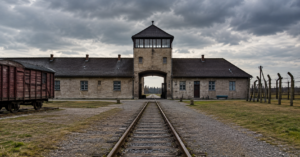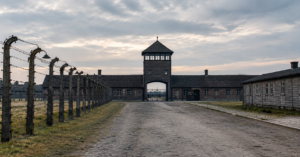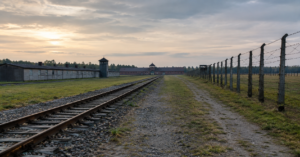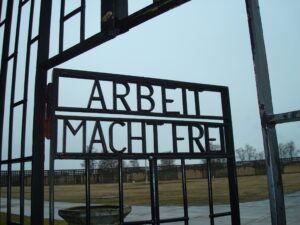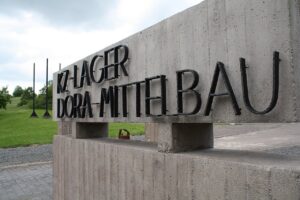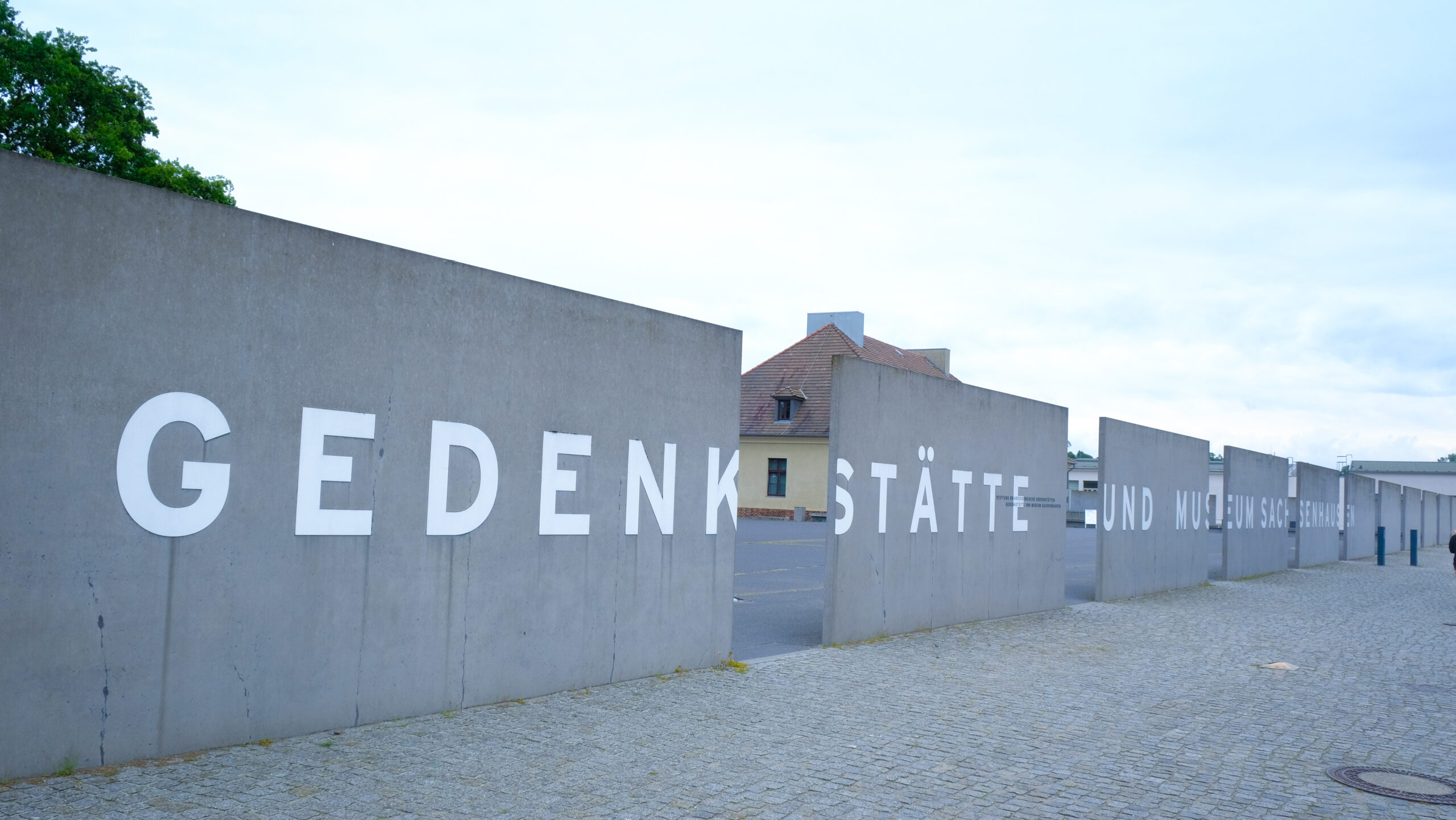
Voici la question qui plane sur chaque photo de Yakov Djougachvili : Joseph Staline a-t-il vraiment laissé mourir son propre fils plutôt que de conclure un marché ? La réponse courte est que Yakov est mort le 14 avril 1943. à SachsenhausenEt la rumeur selon laquelle son père aurait pu le sauver ne représente que la moitié de l'histoire. L'autre moitié est plus troublante, et elle explique pourquoi on en débat encore plus de quatre-vingts ans après.
L'homme au grand manteau
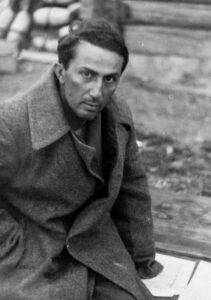
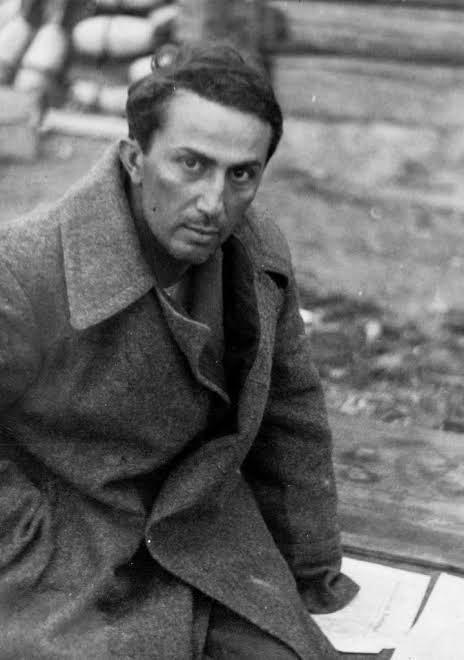
Commençons par l'image que tout le monde connaît : un jeune homme, vêtu d'un lourd manteau de l'Armée rouge, l'air fatigué, entouré de soldats allemands. Il s'agit du lieutenant Yakov Dzhugashvili, commandant de batterie du 14e régiment d'obusiers. Les troupes allemandes l'ont capturé le 16 juillet 1941, près de la ville biélorusse de Liozno, aux alentours de l'aérodrome de Surazh, au cœur du chaos des combats de Smolensk.
Ce manteau mérite d'être mentionné, car Les téléspectateurs le remarquent toujours.Les soldats soviétiques portaient le pardessus toute l'année. Par temps chaud, ils le roulaient et le portaient sur l'épaule, et en hiver, on leur fournissait une veste matelassée en coton par-dessus. C'est un petit détail, mais il montre que la photo immortalise un simple soldat en uniforme ordinaire, et non un prince déguisé. For those interested in exploring the wider history of World War II and Nazi Germany, a free historical walking tour of Berlin offers additional context about the period.
Les propagandistes allemands comprirent immédiatement la valeur de cette image. Des tracts montraient Yakov avec la légende provocatrice demandant si l'on savait de qui il s'agissait. Le message aux troupes soviétiques était clair : même le fils du dirigeant avait capitulé. Yakov, selon la plupart des témoignages, refusa de coopérer et résista à toutes les tentatives de le faire déserter.
Qui était vraiment Yakov ?
Born in 1907, Yakov was Stalin’s eldest son and his only child with his first wife, Kato Svanidze, who was also Georgian. After his mother died, relatives raised him far from his father. He grew into a reserved young man whose relationship with Stalin was often strained. What he got instead, according to those who studied the family, was a difficult relationship with his father and, ultimately, death in a Nazi concentration camp.
His half-brothers lived very different lives. Konstantin Kuzakov, born in 1911 to Maria Kuzakova, with whom Stalin reportedly had a relationship during his exile, worked in Soviet radio and television and died in 1996. Alexander Davydov, believed to have been Stalin’s son through Lidia Pereprygina during his Siberian exile, served in World War II, reportedly reached the rank of major, and died in 1987. Their alleged parentage has not been established with the same certainty as Stalin’s acknowledged children. Claims that both signed nondisclosure agreements with the NKVD require stronger documentary evidence. Vasily, Yakov’s younger half-brother, born in 1921 to Stalin’s second wife, Nadezhda Alliluyeva, struggled with alcoholism, misused his position, and was imprisoned after Stalin’s death. He died in 1962.
L'échange de prisonniers dont tout le monde parle
After the German defeat at Stalingrad in early 1943, accounts emerged that Germany had offered to exchange Yakov for Field Marshal Friedrich Paulus. Although the story appears in historical accounts and memoirs, no conclusive documentary evidence establishes that a formal exchange was proposed or rejected par Stalin. The reported exchange therefore remains disputed.
The most widely repeated versions of Stalin’s alleged reply remain unverified. One claims he said that the Germans held not only his son Yakov but millions of his sons, so either all should be freed or Yakov would share their fate. Another has him dismissing the deal in military terms: why would he trade a general, or a field marshal, for a lieutenant? A third, more brutal line, “I have no son,” gets quoted constantly. However, none of these statements has been conclusively established through reliable documentary evidence.
Soyez prudent avec tout cela. Ce sont des traditions liées à l'histoire, et non des documents que n'importe qui peut brandir. Elles perdurent parce qu'elles évoquent Staline et qu'elles correspondent aux croyances de beaucoup.
A second exchange story is worth knowing. When Soviet forces captured Leo Raubal Jr., Hitler’s nephew, at Stalingrad on 31 January 1943, there were claims that Hitler considered exchanging him for Yakov. However, no conclusive documentary evidence confirms that a formal exchange was proposed or that Stalin rejected it. Yakov died à Sachsenhausen on 14 April 1943, while Raubal survived the war and was released on 28 September 1955.
Vous voulez en savoir plus sur un autre prisonnier notable détenu à Sachsenhausen qui s'est opposé à Hitler ? Lisez la suite Georg Elser à Sachsenhausen : l'homme qui a failli assassiner Hitler pour découvrir l'histoire de sa tentative d'assassinat et de son emprisonnement sous le régime nazi.
Refuser l’accord était-il la « bonne » décision ?
This is where the debate gets heated, although the reported prisoner exchange itself remains unverified. The arguments surrounding Stalin’s alleged refusal are therefore hypothetical rather than assessments of a confirmed decision.
Supporters of the supposed refusal argue that exchanging a high-ranking German commander for Stalin’s son could have damaged Soviet military morale. Critics suggest that refusing such an exchange, if it was offered, would demonstrate Stalin’s cold relationship with Yakov. Neither interpretation establishes that the exchange actually took place. This debate also connects to the wider history of Nazi Germany and World War II, which visitors can Explorer through private historical tours of Berlin.
On peut également avancer que Staline a fait preuve de cohérence, quelles que soient les opinions sur ses autres choix. Nombreux sont ceux qui soulignent que les familles d'autres prisonniers soviétiques ont souffert de la captivité de leurs proches, perdant leurs aides sociales et étatiques et subissant d'autres persécutions, tandis que la famille Djougachvili a largement échappé à ce traitement. Vassili, engagé dans l'armée de l'air, n'a notamment pas bénéficié d'un traitement de faveur en raison de son nom de famille, du moins au début de la guerre.
Les arguments contre Staline sont davantage émotionnels que stratégiques. Ses détracteurs soutiennent qu'on peut admettre la logique militaire tout en affirmant que Staline était froid envers son propre fils bien avant la guerre, considérant Yakov comme une déception issue d'une relation qu'il n'a jamais valorisée. D'autres estiment que le condamner sur ce seul épisode est une erreur. Staline est coupable de suffisamment de crimes avérés pour que cette décision, quelle que soit sa portée morale, ne soit pas le grief le plus grave à son encontre. Nombreux sont ceux qui ont souligné ce point : c'est le seul choix de sa vie qui ait pu être considéré comme le bon.
Des prisonniers soviétiques ont-ils vraiment été envoyés au Goulag ?
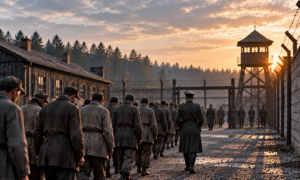
L'histoire de Yakov soulève une question plus large que se posent de nombreux lecteurs : qu'est-il arrivé aux soldats soviétiques qui ont survécu à la captivité allemande ?
The popular belief is that all returning Soviet prisoners were punished, but historical records show a more complicated picture. According to archival figures examined par historians, approximately 1.54 million repatriated Soviet POWs had been processed par March 1946. Of these, around 43% were returned to military service, 22% entered military labour battalions, 18% were sent home, and 14.7% were transferred to NKVD custody. These figures describe specific administrative outcomes and should not be interpreted as meaning that every prisoner transferred to NKVD custody received the same punishment.
Order 270, issued in 1941, is the document people usually cite. It treated surrender under certain circumstances as betrayal and imposed severe penalties, which is why the unverified quotation “I have no son” carries such weight. Yet Yakov’s own family, unlike many others, was reportedly spared the usual consequences.
Comment Yakov est-il réellement mort ?
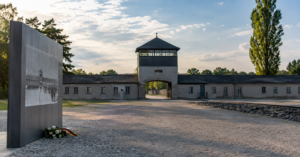
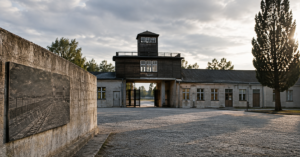
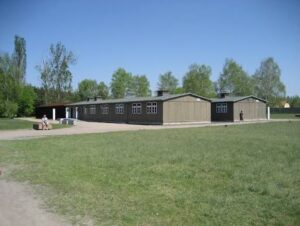
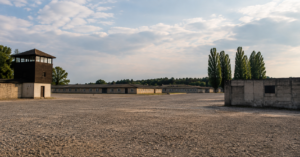
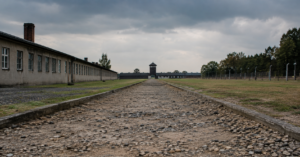
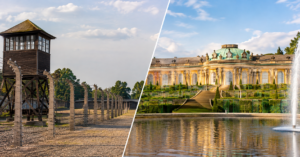
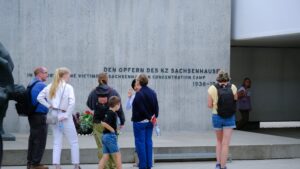
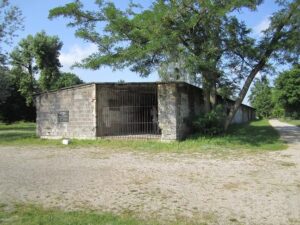
According to German reports, Yakov died on 14 April 1943 à Sachsenhausen concentration camp. He reportedly approached or threw himself against the electrified barbed-wire fence, where a guard shot him. However, the precise sequence of events and whether the gunshot or electrocution caused his death remain disputed.
The circumstances have led to different interpretations. Some historians suggest that Yakov deliberately approached the fence to end his life, while others have considered the possibility of an escape attempt. Neither explanation has been conclusively established. The claim that news of Stalin’s refusal to exchange him drove Yakov to suicide also lacks reliable documentary confirmation.
Whether Yakov intended to escape or take his own life remains uncertain. What is established is that he died à Sachsenhausen on 14 April 1943, while being held in German captivity.
Foire aux questions
- Les Allemands ont-ils vraiment proposé d'échanger Yakov contre le maréchal Paulus ?
That is the story most often told, and it is widely repeated. However, the proposed exchange itself remains historically disputed, and the exact wording of Stalin’s alleged reply is unverified, with different versions appearing.
- Staline a-t-il vraiment dit « Je n'ai pas de fils » ?
It is attributed to him often, but there is no conclusive documentary evidence confirming he said it. Several different versions of his alleged response circulate, including the one about millions of sons. Their wording and authenticity remain uncertain, as does the reported prisoner exchange itself.
- Yakov a-t-il lui aussi été proposé en échange du neveu d'Hitler ?
The proposed exchange remains historically disputed. Leo Raubal Jr. was captured at Stalingrad, and the Germans allegedly suggested trading him for Yakov. However, there is no conclusive evidence that a formal exchange was proposed or that Stalin refused it. Yakov died in 1943, while Raubal was released in 1955.
- Les prisonniers de guerre soviétiques étaient-ils automatiquement envoyés au goulag après leur retour chez eux ?
No. Soviet records indicate that returning prisoners experienced different outcomes, including military service, release, labour battalions, and NKVD detention. Of approximately 1.54 million repatriated POWs processed par March 1946, around 14.7% were transferred to NKVD custody. This does not mean that all returning prisoners were imprisoned in the Gulag.
- Comment Yakov Dzhugashvili est-il mort à Sachsenhausen ?
Selon le récit russe, il aurait été abattu le 14 avril 1943 alors qu'il tentait de s'évader en se jetant contre la clôture de barbelés. Certains estiment qu'il s'agit davantage d'un acte suicidaire que d'une véritable tentative d'évasion.