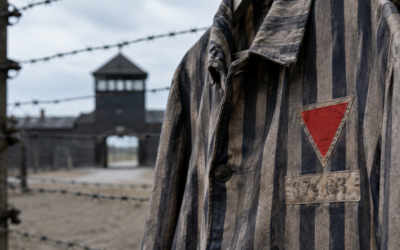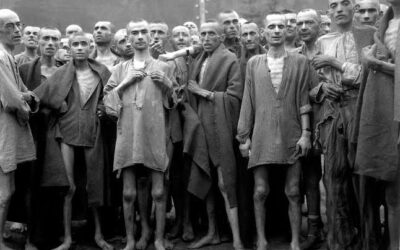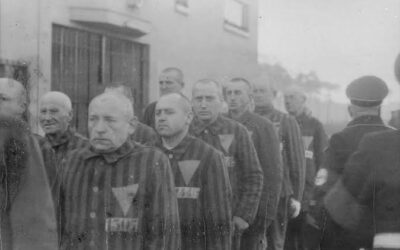
Si vous vous êtes déjà tenu devant une photo d'une « infirmerie » de camp et vous êtes demandé si quelque chose de bon était ressorti de ce qui s'y passait, vous n'êtes pas seul. C'est l'une des questions les plus récurrentes concernant les camps nazis, et elle est généralement posée enrobée d'excuses. Je ne veux pas les défendre, je suis juste curieux.
La vérité, celle que les historiens ont toujours donnée et qui surprend, est la suivante : les atrocités médicales perpétrées dans les infirmeries des camps, notamment à Sachsenhausen, n’étaient pas un raccourci obscur vers le progrès scientifique. Il s’agissait tout simplement de meurtres commis sous couvert d’une blouse blanche.
Le guide explique en quoi consistaient réellement les expériences, montre que l'affirmation selon laquelle les données sont « utiles » ne tient pas la route lorsqu'on l'examine, et décrit comment aborder le sujet sans propager le mythe.
Pourquoi l'« infirmerie » d'un camp n'a jamais été un lieu de guérison
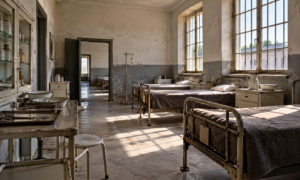
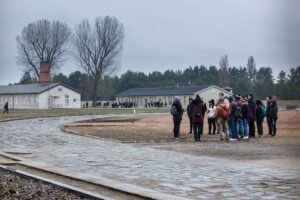
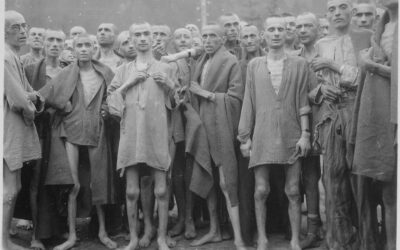
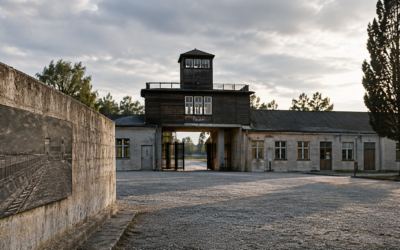
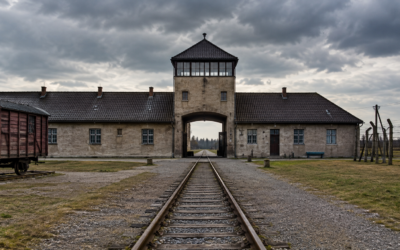
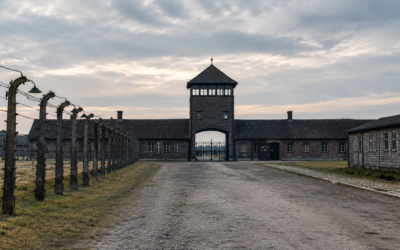
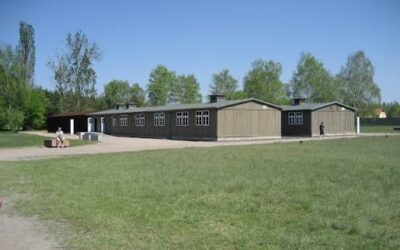
À SachsenhausenComme dans les autres camps de concentration, l'infirmerie faisait partie d'un système conçu pour épuiser et tuer les prisonniers. Les médecins SS avaient le pouvoir de donner la vie. Les prisonniers s'y rendaient dans l'espoir de se reposer et, dans certains cas, finissaient par être incinérés. Dans le même bâtiment, une infirmière pouvait tenter de sauver un codétenu tandis qu'un médecin sélectionnait des individus pour des expériences.
L'infirmerie de Sachsenhausen est documentée comme l'un des lieux où les prisonniers ont été utilisés comme cobayes, notamment pour des études sur les maladies infectieuses et des tests sur des munitions empoisonnées. Cependant, la plupart des documents publics détaillés proviennent d'autres camps où la documentation a mieux résisté au temps : Dachau, Auschwitz et Ravensbrück. Ces cas illustrent les pratiques courantes à l'échelle du système et constituent donc le meilleur moyen de comprendre à quoi servait une infirmerie comme celle de Sachsenhausen.
Les trois types d'expériences
Les chercheurs qui étudient cette période ont tendance à classer les expériences en trois groupes.
Recherche médico-militaire. Cela inclut la congélation de prisonniers dans de l'eau glacée pour déterminer la durée de survie d'un aviateur abattu, le placement de personnes dans des caissons de décompression pour simuler les conditions de vol en altitude extrême, l'ingestion d'eau de mer, l'infection de plaies et des tentatives de greffes nerveuses. La Luftwaffe et son commandement n'étaient pas de simples spectateurs. En août 1942, le maréchal Erhard Milch écrivit à Heinrich Himmler pour l'informer qu'il avait pris connaissance des rapports des docteurs Sigmund Rascher et Hans Wolfgang Romberg, qu'il était au courant des expériences en cours et qu'il souhaitait que les deux hommes présentent des exposés filmés à ses officiers. Cette lettre constitue une source primaire attestant que la hiérarchie militaire était au courant et approuvait ces pratiques.
Expériences à motivation raciale. Carl Clauberg et d'autres travaillèrent sur des méthodes de stérilisation de masse, visant à stériliser rapidement les personnes que le régime qualifiait de « demi » ou « quart » juives, par injections ou rayons X. Ils testèrent ces méthodes sur des centaines de prisonniers à Auschwitz et Ravensbrück, mais le programme ne parvint jamais à un résultat concluant. À Strasbourg, August Hirt souhaitait constituer une collection de squelettes afin d'identifier les marqueurs squelettiques de la « judéité », et plusieurs centaines de prisonniers furent tués pour y parvenir. Les recherches de Mengele sur les jumeaux, fondées sur l'idée que modifier la couleur des yeux d'un jumeau pouvait modifier celle de l'autre, étaient erronées dès le départ.
Tout le reste. Certaines « expériences » n'étaient que des exercices de chronométrage : à quelle vitesse un poison tue-t-il ? Combien de temps faut-il pour qu'une personne meure d'hémorragie ? Nombre d'entre elles ne se donnaient aucun prétexte médical. C'était un autre moyen de tuer des prisonniers.
Vous souhaitez en savoir plus sur le quotidien des prisonniers à Sachsenhausen ? Consultez notre blog sur Que s'est-il passé sur la place de l'appel nominal de Sachsenhausen ? pour en apprendre davantage sur l'importance de cette zone centrale.
Pourquoi l'idée de « résultats exploitables » s'effondre
L'idée que les expériences nazies aient contribué au développement de la médecine est l'un des mythes les plus tenaces concernant la guerre, et elle ne résiste pas à l'examen des faits pour les quatre raisons suivantes.
Les prémisses étaient idéologiques, et non scientifiques. Ces médecins figuraient parmi les membres les plus nazifiés d'une profession déjà nazifiée. Les médecins ayant accès aux prisonniers étaient tenus de suivre la ligne du parti ; leurs expériences visaient donc à confirmer la théorie raciale. L'un d'eux entreprit de prouver que la tuberculose n'était pas une maladie infectieuse, mais une affection « épuisante » à laquelle les organismes juifs seraient supposément plus vulnérables. Il ne s'agit pas d'une hypothèse, mais d'un préjugé étayé par un rapport de laboratoire.
Le protocole expérimental était défaillant. Prenons l'exemple des travaux de Rascher sur l'hypothermie à Dachau, l'expérience la plus souvent citée comme « précieuse ». Les prisonniers du camp étaient malnutris, torturés et soumis à un travail forcé quasi mortel ; leur organisme ne réagissait donc pas comme celui de sujets sains. Les notes de Rascher ne font pas clairement la distinction entre les sujets vêtus et les sujets nus, les sujets conscients et les sujets inconscients, ni les sujets sains et les sujets malades. La température de l'eau n'a pas été enregistrée de manière fiable. L'étude ne comportait pas de surveillance cardiaque ni de mesure de la pression artérielle adéquates. Les contrôles de base faisaient défaut.
L'analyse se contredisait. Les conclusions de Rascher étaient incohérentes : tantôt il affirmait que le but n’était pas de causer la mort, tantôt il laissait entendre le contraire. Il conclut que l’eau à 2 °C et l’eau à 12 °C ne faisaient aucune différence, ce qui est manifestement faux. La documentation relative à la haute altitude a été en grande partie détruite ou n’a jamais été complète.
Personne d'indépendant ne l'a jamais vérifié. Pour la plupart de ces études, les données complètes n'ont jamais été publiées, et encore moins examinées par d'autres personnes que des figures comme Himmler, qui n'était pas scientifique. L'évaluation par les pairs, garant de la fiabilité de la recherche, était inexistante.
Les chercheurs qui citent aujourd'hui les travaux de Rascher le font généralement pour montrer à quel point ils étaient erronés, et non pour les développer.
« Mais c’étaient des scientifiques qualifiés. Pourquoi leur travail a-t-il été si bâclé ? »
C’est la question qui préoccupe le plus, et la réponse est terrible. La formation ne protège ni de l’idéologie ni de la cruauté. Les survivants qui ont vu Mengele opérer ont décrit un homme qui dirigeait ce que l’un d’eux a comparé à une boucherie, pratiquant des interventions chirurgicales majeures sans anesthésie. Comme l’a dit un survivant, il prétendait faire de la science, mais c’était de la folie alimentée par le pouvoir. Il avait la formation nécessaire pour savoir que l’anesthésie faciliterait son travail. Les preuves désignent un sadique, et non un chercheur.
Il est à noter que même la ressource rare qui aurait pu avoir une réelle valeur scientifique, une population importante de jumeaux, a été gaspillée. Les études sur les jumeaux sont pourtant essentielles à la recherche moderne en génétique et en pathologie. Les expériences de Mengele étaient, comme l'a amèrement exprimé un commentateur, soit d'une cruauté inouïe, soit d'une stupidité abyssale.
La seule chose que les gens comprennent à moitié, c'est que c'est vrai.
Certaines personnes Il convient de souligner que l'Allemagne nazie était en avance sur son temps en matière de recherche sur le cancer, notamment sur le lien entre le tabagisme et le cancer du poumon. C'est exact, et le livre de Robert Proctor le confirme. La guerre nazie contre le cancer Cet article traite le sujet en profondeur. Cependant, ces recherches ne reposent pas sur des expérimentations humaines menées dans les camps. Elles sont issues de l'épidémiologie classique. Attribuer ces résultats aux camps revient à brouiller une distinction qui devrait rester nette.
La complicité allait bien au-delà des médecins.
Le système d'infirmeries n'a pas fonctionné de manière isolée. Après la guerre, un récit rassurant s'est imposé autour d'une Wehrmacht « propre » ayant mené une guerre conventionnelle. L'exposition de 1995 Guerre d'anéantissement : Crimes de la Wehrmacht 1941-1944, qui a fait une tournée L'émission « 33 villes allemandes et autrichiennes » fut l'une des premières grandes contestations publiques de ce mythe, et une version remaniée suivit en 2001. La lettre de Milch est un élément parmi d'autres qui prouvent que les dirigeants militaires ont été informés de ces programmes et les ont soutenus.
La question de la responsabilité par la suite a également été incohérente. Pendant la Guerre froide, les grandes puissances ont employé de nombreux scientifiques et officiers allemands. Par exemple, concernant le programme japonais Unité 731, les États-Unis ont accordé l'immunité en échange des données expérimentales, tandis que l'Union soviétique a jugé douze personnes lors des procès de Khabarovsk en 1949. Cette situation est déplorable, car des connaissances obtenues au prix d'atrocités ont parfois été récompensées plutôt que punies.
Vous voulez en savoir plus sur une autre forme de travail forcé subie par les prisonniers ? Consultez notre blog sur La piste d'essai de chaussures de Sachsenhausen : pourquoi les prisonniers étaient forcés de marcher sur des kilomètres pour explorer l'histoire du circuit.
Comment parler de cela sans se tromper
Les personnes qui visitent les lieux de mémoire évoquent généralement les mêmes choses : des machines dont elles ne comprennent pas le fonctionnement, des salles remplies de chaussures d’enfants et une atmosphère pesante. Ce malaise est compréhensible. Quelques habitudes peuvent s’avérer utiles :
- Il faut distinguer « cela s'est produit » de « cela a été utile ». Reconnaître un fait n'implique pas d'en approuver les bienfaits supposés.
- Nommez les victimes et les auteurs de ces actes, et pas seulement « les nazis ».
- Attention à l'humour ! Les blagues sur les victimes de torture sont très mal reçues, et on vous le fera savoir.
- N'oublions pas que certaines personnes qui portaient l'uniforme ou étaient membres du parti ont pris de réels risques pour sauver des vies, comme Oskar Schindler et Wilm Hosenfeld, mais cela n'efface pas la complicité du système.
FAQ
- Les expériences nazies ont-elles produit des résultats médicaux exploitables ?
Les historiens affirment que non, du moins pas de manière convaincante. Ces expériences souffraient de prémisses erronées, d'une conception déficiente, d'une analyse incohérente et de données falsifiées ou manquantes. Même les plus connues, les études de Rascher sur l'hypothermie, sont surtout citées comme des exemples de mauvaise pratique scientifique.
- Ces expériences étaient-elles non scientifiques, même selon les normes des années 1940 ?
Oui, car durant cette période, il n'y avait pas de contrôles, les protocoles étaient incohérents, les mesures inadéquates et il n'y avait pas d'examen indépendant.
- Pourquoi les médecins nazis opéraient-ils sans anesthésie ?
Il n'y avait aucun fondement médical à cela ; les témoignages des survivants et les preuves historiques témoignent de cruauté et d'un abus de pouvoir absolu. L'anesthésie ayant facilité les interventions, son omission était délibérée.
- Comment des scientifiques qualifiés ont-ils pu produire un travail aussi bâclé ?
Les médecins autorisés à examiner les prisonniers étaient parmi les plus idéologiquement engagés de la profession. Leur objectif était souvent de confirmer des théories raciales, et non de faire de nouvelles découvertes ; la rigueur scientifique passait donc au second plan.
- Les chercheurs nazis ont-ils réalisé de réels progrès dans la lutte contre le cancer ?
Certains l'ont fait, notamment concernant le lien entre tabagisme et cancer du poumon, mais par le biais de recherches conventionnelles, et non d'expériences de terrain. L'ouvrage de Robert Proctor fait autorité en la matière.