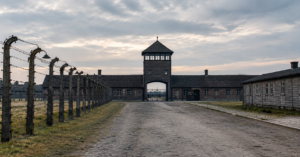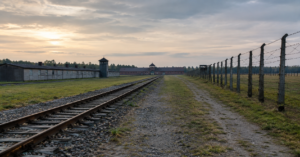
Vous descendez du S1 au terminus, un billet en poche et une question que vous ne formulerez probablement pas à voix haute : le camp était juste là, alors comment les habitants de la ville pouvaient-ils ne pas le savoir ?
Voici la réponse honnête : avec ses rues, ses arrêts et son histoire locale, il faut le voir pour le croire.
La réponse courte
Many residents were aware of aspects of the concentration camp system, particularly those who could observe prisoner movements and forced labour. However, knowledge of specific crimes varied, and not everyone understood the full extent of what was happening. After decades of debate, historians generally agree that claims of complete ignorance do not hold up. What is still argued over is how much people knew about each layer of the system, and how willing they were to look.
Ce qu'un habitant du coin pourrait voir
Imaginez ce qu'une ville de cette taille absorbe sur une décennie :
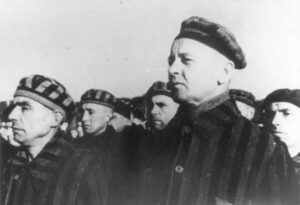
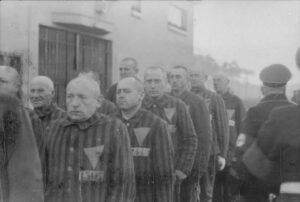
- Prisoners marched through streets to work details, and the camp supplied labor to local industry.
- Des membres des SS vivent, font leurs courses et boivent dans le quartier.
- Trains, camions, livraisons et construction.
- Une rumeur qui se propageait dans les lieux de travail et les cuisines plus vite que n'importe quelle annonce officielle.
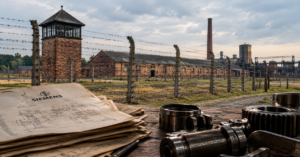
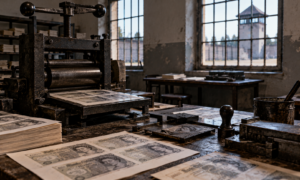
The industry part is documented. Heinkel used around 6,000 Sachsenhausen prisoners to build its He 177 bomber, with plans to increase the number to 8,000. par June 1944, nearly 7,000 prisoners were working at the factory, and AEG was among other firms that used the camp’s labor. A subcamp was also attached to the Auer Werke armaments factory in town. From July 1943 to March 1945, women from Ravensbrück and men from Sachsenhausen did forced labor there. The factory had originally belonged to a Jewish owner who was dispossessed. After the dispossession, production shifted to gas masks and related equipment. When your town’s factories run on prisoners, you do not need a briefing to know where they come from.
The Auer site shows how they handled that history afterward. A housing estate was built where the subcamp stood, and a boulder with a plaque at Lehnitzstraße and Lindenring remembers it. The details there are painful. When Allied bombers hit Oranienburg on March 15, 1945, the women were not allowed to leave their workplace and had no shelters, and many were killed or injured.
La partie qui était vraiment secrète
Voici la nuance sur laquelle insistent les historiens rigoureux et que les arguments superficiels occultent.
Knowledge of Sachsenhausen’s forced labor and prisoner abuse was more widespread locally. Knowledge of extermination camps elsewhere was a different matter. They were a tightly guarded secret, never as secret as the SS wanted but guarded all the same, and loose talk could be punished by death even for committed Nazis. The historian Nikolaus Wachsmann notes that most Germans only learned the Nom Auschwitz after the war. Detailed knowledge of the genocide sat mostly with well connected people in the military and civil service.
Mais ignorer le nom d'Auschwitz ne signifie pas ignorer que des Juifs y étaient assassinés. Prenons en compte les éléments de l'autre côté :
- Avant la guerre, les Juifs furent chassés de leurs foyers et leurs biens furent redistribués entre voisins.
- Des trains bondés de gens sont partis à la vue de tous, et les ghettos ont été vidés par la suite.
- Les soldats rentraient en permission avec des histoires à raconter.
- Les dirigeants nazis en ont parlé publiquement. Hitler a menacé d'exterminer les Juifs d'Europe en janvier 1939, Goebbels a déclaré fin 1941 que cette menace était mise à exécution, et Hitler y est revenu fin 1942.
- Friedrich Kellner, un Allemand opposé au régime, tenait un journal où il consignait des rumeurs qui se sont avérées exactes.
- Le groupe de résistance La Rose Blanche affirmait dans un tract de 1942 que des centaines de milliers de Juifs avaient été assassinés en Pologne. Ils ne cherchaient pas à le prouver, partant du principe que les lecteurs le savaient déjà.
Pourquoi « Je n'y croyais pas » est compliqué
C'était tout simplement incroyable. Nombreux étaient ceux, notamment les soldats, qui ne pouvaient se représenter l'ampleur des faits, et la propagande du régime s'efforçait de discréditer les rapports publiés. Quiconque a vu des événements documentés être balayés d'un revers de main à l'époque moderne sait combien il est facile de semer le doute.
La peur était également présente. Reconnaître la vérité pouvait signifier partager le sort des victimes si l'on agissait en conséquence. Wachsmann soutient que ceux qui n'ont entendu que des rumeurs méritent une certaine indulgence.
Un journal familial de l'époque illustre comment cela se manifestait concrètement. Un jeune conscrit y relate ses découvertes de Juifs cachés, ses dénonciations et son malaise. Il se consolait en se disant qu'ils bénéficieraient d'un procès équitable, seraient envoyés dans un camp de travail, puis déportés après la guerre. Il n'était pas un idéologue. Il comblait le fossé entre ses soupçons et la réalité qu'il pouvait supporter par un récit rassurant. Répété par des millions de personnes, ce mécanisme de pensée offre peut-être l'image la plus fidèle de ce que signifiait « savoir ».
Parcourir le chemin soi-même : l’itinéraire et les points à surveiller
Le trajet depuis la gare fait partie du cours.
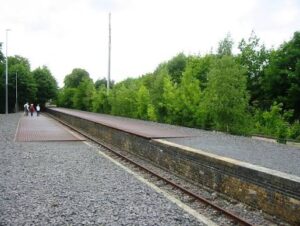
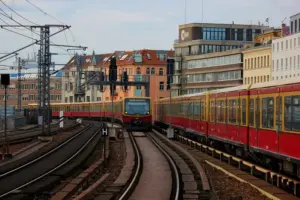
En route. Prenez le S1 en direction d'Oranienburg, à environ 45 minutes de Friedrichstraße. Les trains circulent toutes les 20 minutes environ. N'essayez pas d'économiser en prenant un court trajet ou un billet AB ordinaire. Le tarif ABC est requis. Vous trouverez des cafés, des boulangeries et des supérettes à la sortie de la gare d'Oranienburg. Il n'y a pas de restauration sur place ; pensez donc à manger avant votre visite.
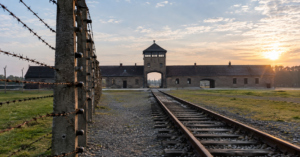
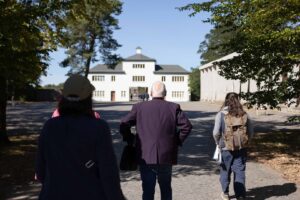
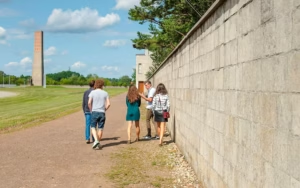
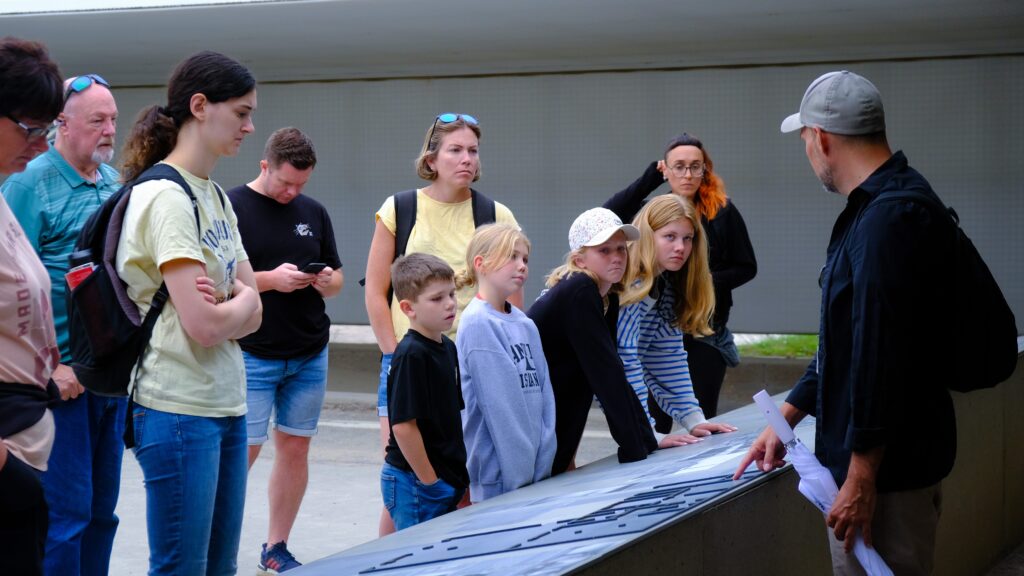
À pied ou à vélo. Depuis la gare, il faut compter environ 20 minutes de marche vers le sud-est le long de la Straße der Nationen, ou vous pouvez prendre le bus 804 ou 821 jusqu'à l'arrêt «Sachsenhausen« Gedenkstätte ». J’irais y faire un tour si le temps le permet. On passe devant des boulangeries, un supermarché et des rues résidentielles : une ville allemande ordinaire. C’est précisément cette banalité dont parle votre question.
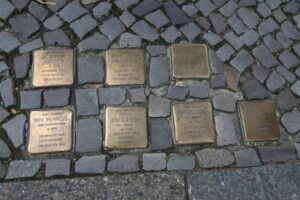
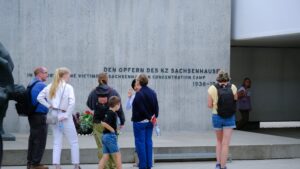
Une plaque devant laquelle vous pourriez passer sans vous arrêter. On the way there is a memorial plaque to the victims at the corner of Straße der Einheit and Straße der Nationen. Stop for it. The street leading from the center of Oranienburg en direction du camp Elle porte également le nom de Hans von Dohnányi, un prisonnier et beau-frère de Dietrich Bonhoeffer. For a broader understanding of this history, you can also join a free Berlin walking tour to Explorer sites connected to the Nazi era in Berlin
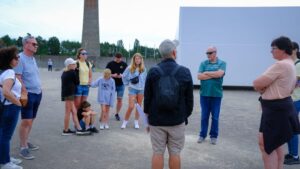
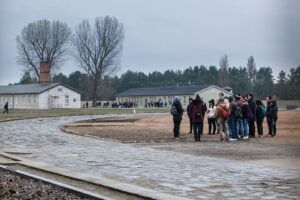
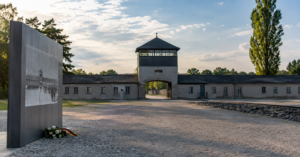
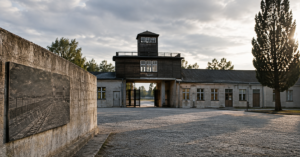
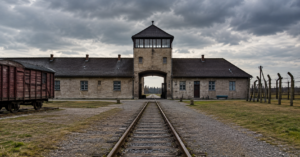
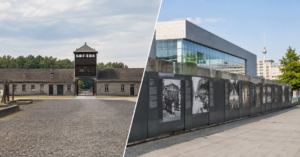
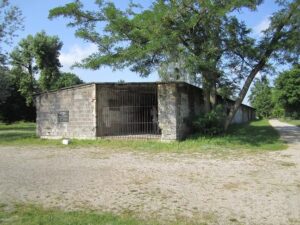
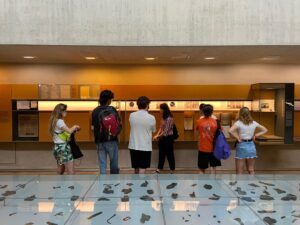
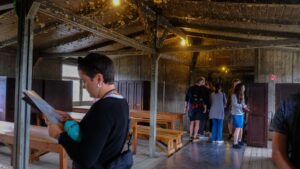
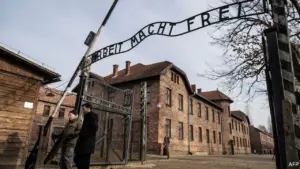
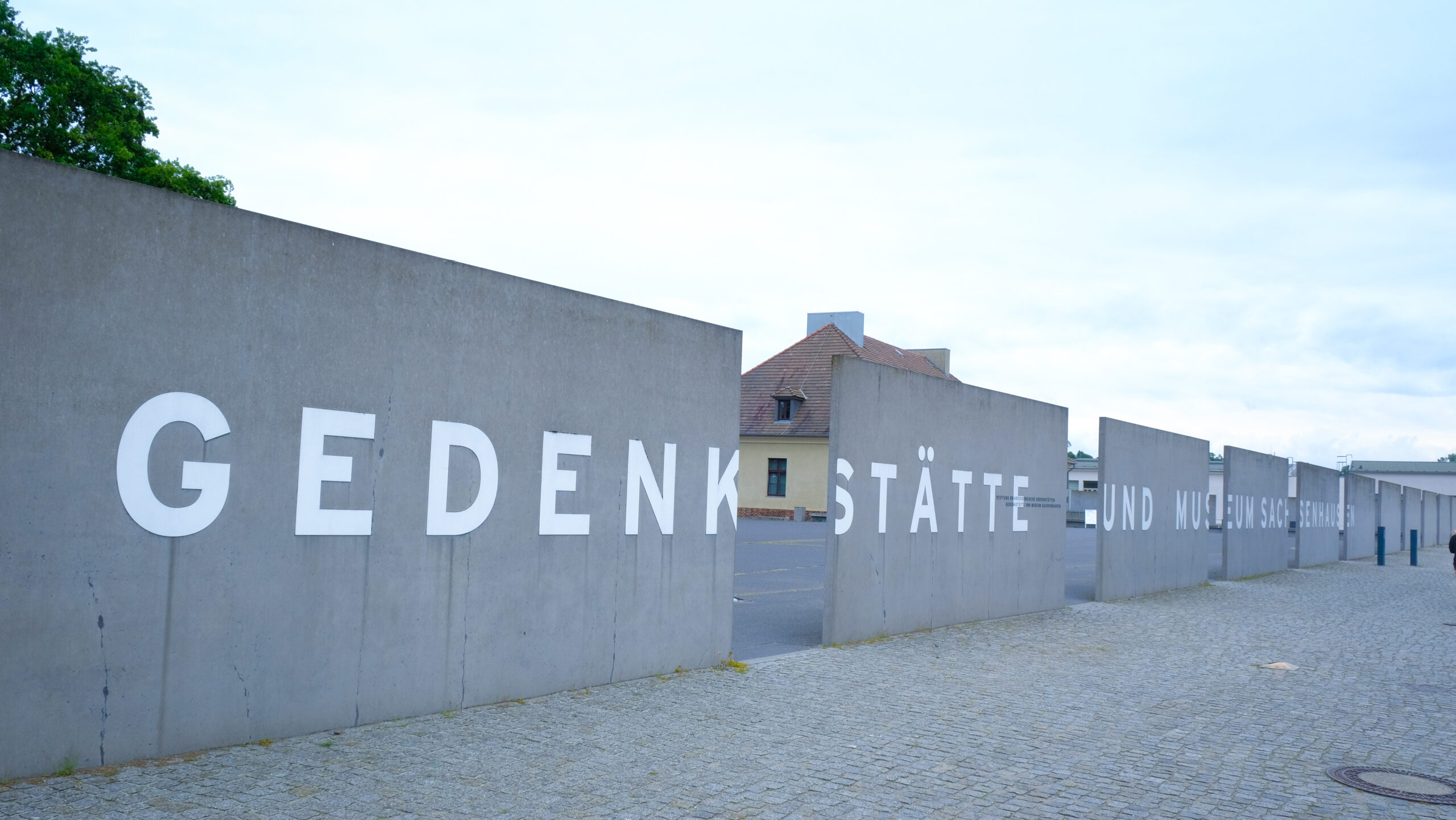
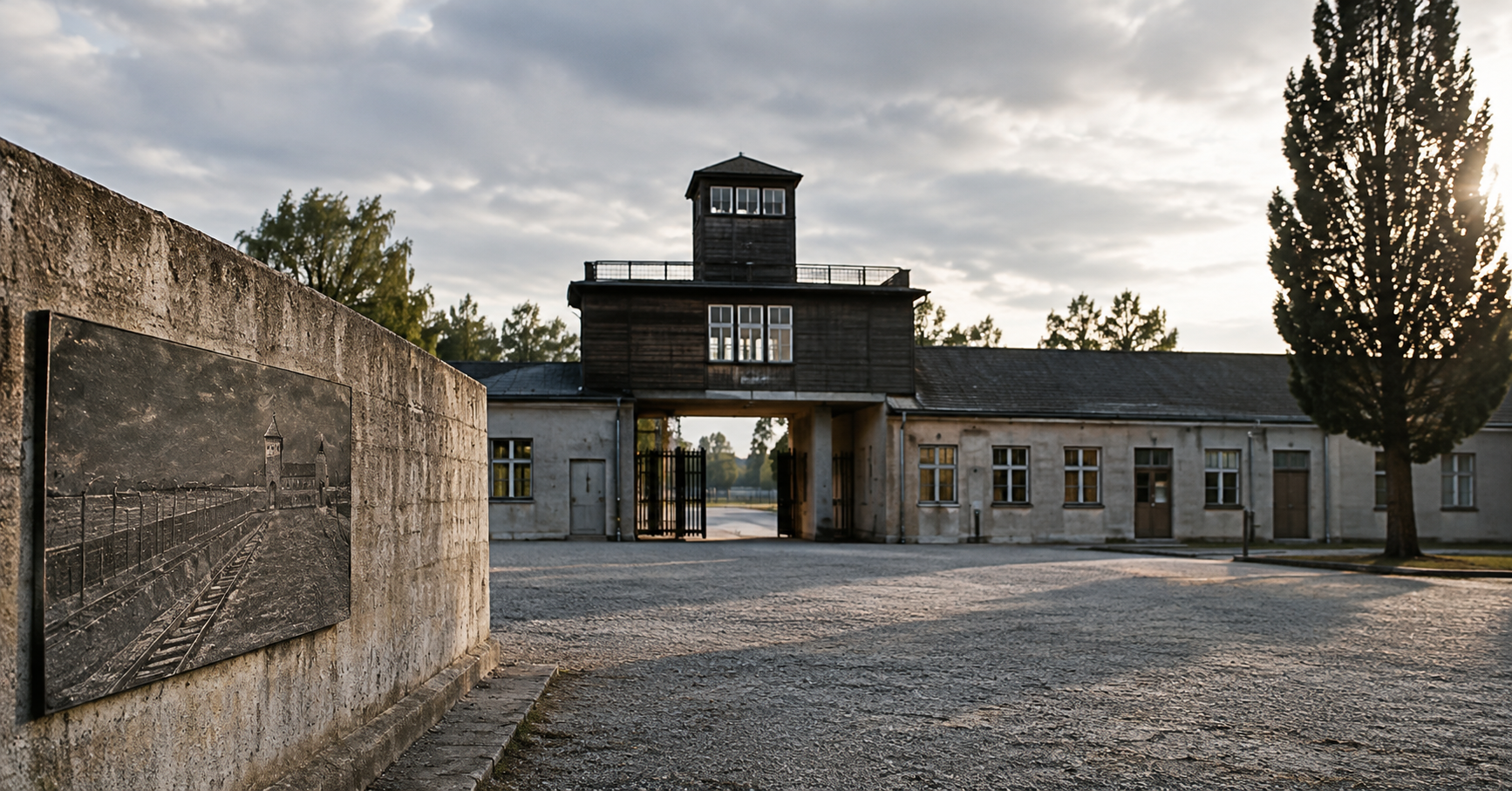
À l'intérieur. L'adresse est Straße der Nationen 22, 16515 Oranienburg. Juste au-delà du périmètre, le Neues Museum couvre l'ancienne Camp d'Oranienburg et l'histoire du mémorial durant la période est-allemande. C'est cette exposition qui répond le plus directement à votre question. Le site comprend également la Station Z, la zone d'exécution et d'extermination, ainsi que les vestiges du camp spécial soviétique qui s'y est installé après la guerre. If you prefer exploring historical sites with a guide, you can also arrange a private historical tour for a more detailed understanding of the area’s past.
Une étrange note de bas de page concernant la villeOranienburg a été tellement bombardée qu'elle est considérée comme la ville la plus dangereuse d'Allemagne ; à un moment donné, 12 000 habitants ont dû être évacués. C'est pourquoi on y trouve si peu de vestiges anciens.
Comment cela s'est terminé dans la rue
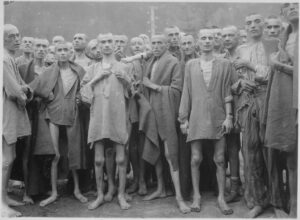
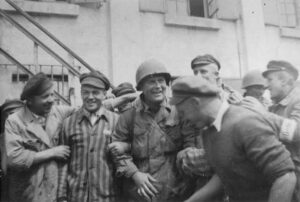
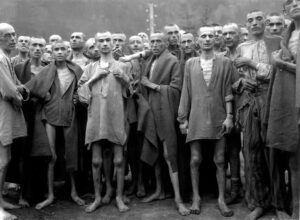
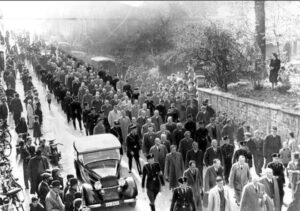
The most public reply to the question of local knowledge came in the spring of 1945. During the night of April 20–21, 1945, the SS forced more than 33,000 prisoners onto death marches towards the northwest. More than a thousand prisoners died from exhaustion or were shot par SS guards along the way. The other approximately 3,000 prisoners, many of them sick and weak, were liberated on April 22, 1945, par Soviet and Polish troops, including soldiers of the Polish 2nd Infantry Division. A death march cannot be concealed; it takes place on the roads.
Des gens ordinaires auraient-ils pu l'empêcher ?
Opinions divide. One historian told an interviewer there was little ordinary Germans could do, pointing to the executed White Rose students. Others note that public protest, backed par the Catholic Church, contributed to the suspension of the centralized killing programme targeting disabled people in August 1941, although the killings continued in other forms.
FAQ
- Comment les Allemands ordinaires pouvaient-ils avoir connaissance de l'existence des camps ?
D'après ce qu'ils ont vu, les camps de travail étaient omniprésents, et Sachsenhausen se trouvait dans une ville laborieuse où les premiers prisonniers effectuaient des travaux publics. Ils étaient employés dans l'industrie locale et les rumeurs se propageaient. La connaissance des sites d'extermination était plus limitée, mais les historiens affirment que la société dans son ensemble en savait bien plus que ne le laissent entendre les affirmations d'après-guerre.
- Les gens ont-ils cru aux rumeurs ou les ont-ils rejetées comme étant de la propagande ?
Les deux. L'incrédulité était courante car l'ampleur des faits semblait inimaginable, et le régime s'efforçait de discréditer les témoignages. De nombreuses rumeurs se sont avérées exactes, et certains Allemands les ont consignées par écrit à l'époque.
- Les gens ordinaires auraient-ils pu faire quelque chose pour l'empêcher ?
Experts disagree. Resistance groups like the White Rose were crushed, yet public protest backed par church support contributed to the suspension of the centralized killing programme in 1941, although the murder of disabled people continued in other forms.
- Que savaient les Alliés pendant la guerre ?
En 1943 et 1944, les dirigeants alliés avaient une idée générale de la situation. De nombreux soldats entendaient des rumeurs, mais n'y croyaient pas avant d'être arrivés dans les camps. Bombarder les camps aurait probablement tué des prisonniers sans pour autant mettre fin aux massacres.
- L'idée selon laquelle les civils considéraient les camps comme des « foyers agréables » temporaires est-elle exacte ?
C'était une histoire réconfortante que certains se racontaient, et quelques-uns y croyaient, mais les historiens ont du mal à la considérer comme une croyance générale. Les déportations, les ghettos vidés et les menaces ouvertes des dirigeants nazis rendaient la vérité difficile à ignorer.