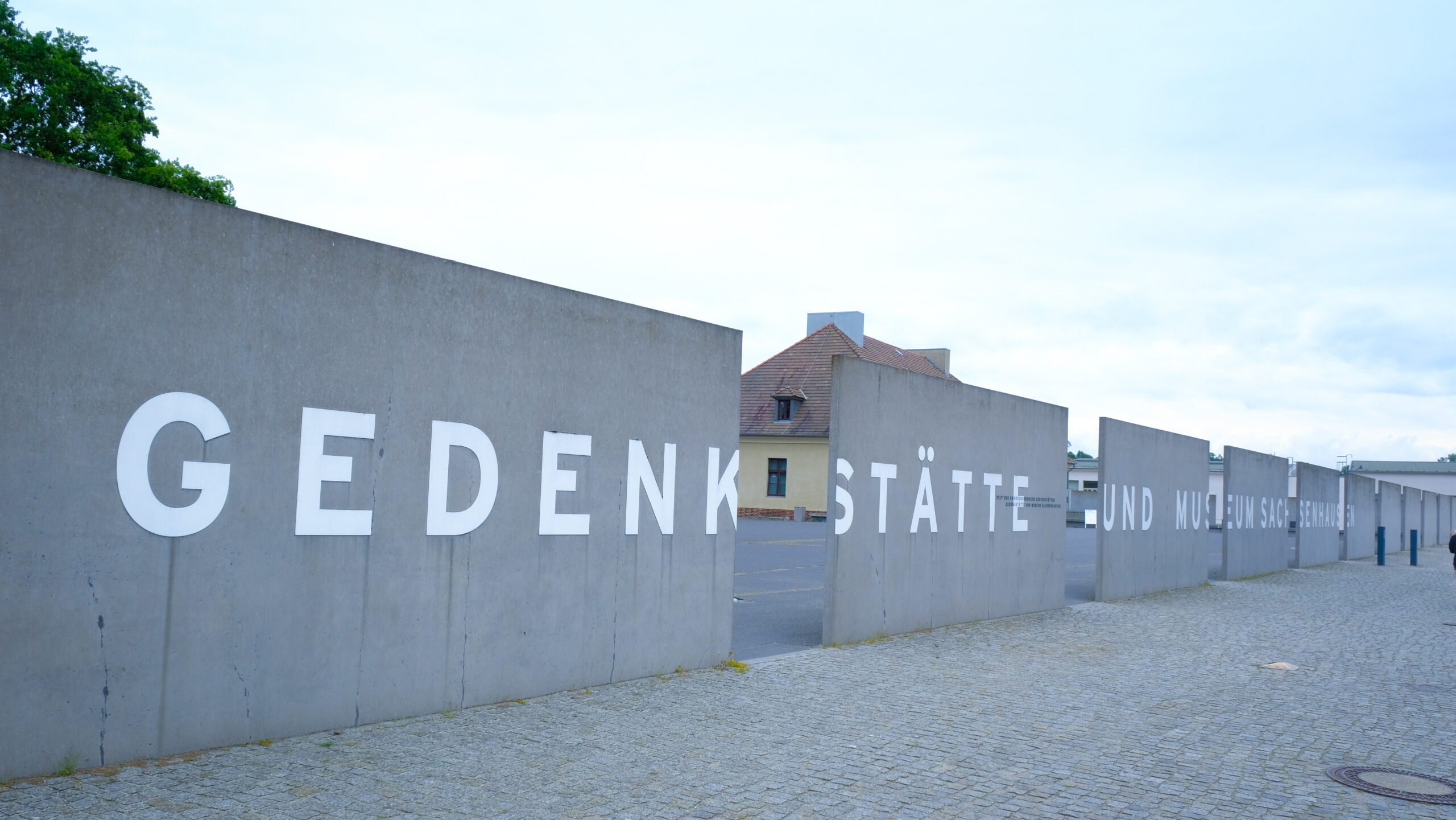
Short answer: yes, if you can spare half a day and you are ready for a place that will not entertain you. Sachsenhausen is not a highlight in the usual sense. Nothing about it is photogenic or fun. But it may stay with you longer than anything else on your Berlin itinerary, and that is exactly why people argue about whether to squeeze it in.
Here is the honest version, including the parts the brochures skip.
First, make sure you are heading to the right Sachsenhausen.
This trips up more travelers than you would think. The name belongs to three very different things:
- The memorial in Oranienburg, a former concentration camp about 35 kilometers north of central Berlin. This is the one most Berlin visitors mean.
- A district of Frankfurt, south of the river Main, known for apple wine taverns and a loud weekend bar scene.
- Sachsen (Saxony), a whole German state, which is a separate matter entirely.
If you have been reading about “Sachsenhausen” and found people debating restaurants and rent, you landed in Frankfurt. In that city, locals still joke about the river divide: the north bank is “Hibbdebach” (this side) and Sachsenhausen is “Dribbdebach” (the other side). Some older residents will ask which side of the river you live on before they ask anything else. None of that has anything to do with your Berlin day trip, so close that tab and keep reading.
The real question: why go at all?
If you only have three or four days in Berlin, your list is already crowded. Museum Island, the Brandenburg Gate, the East Side Gallery, a night out somewhere with a pool table and a decent beer. Adding a concentration camp memorial to that list feels heavy, and it is.
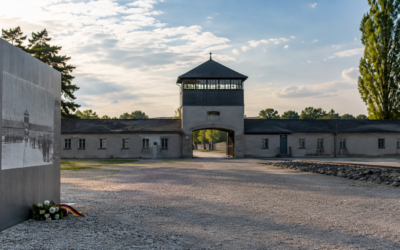
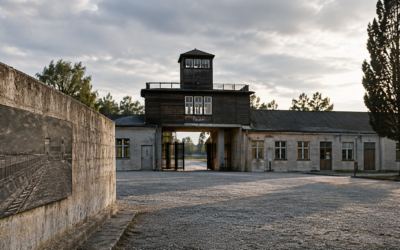
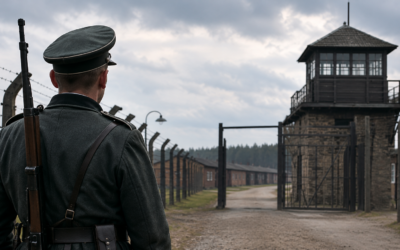
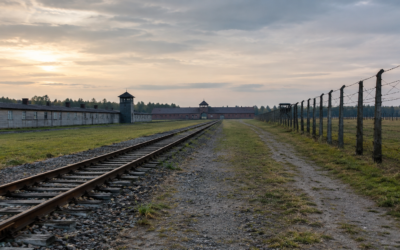
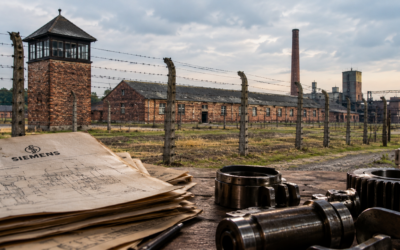
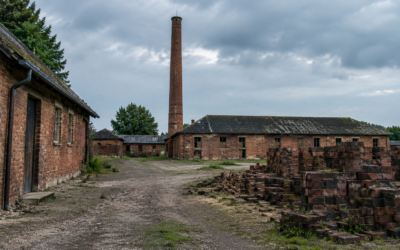
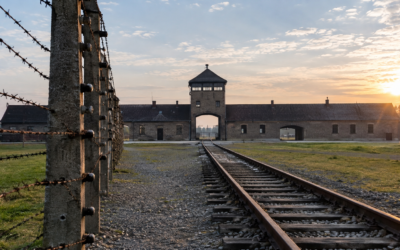
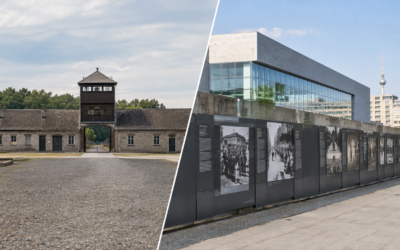
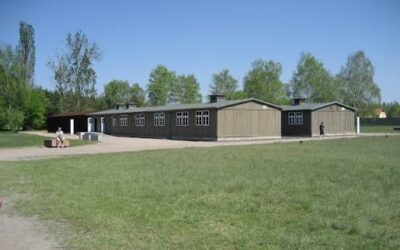
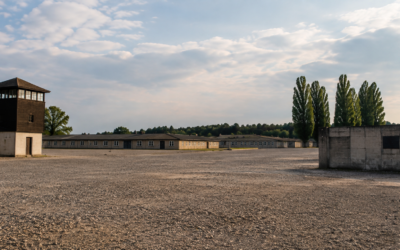
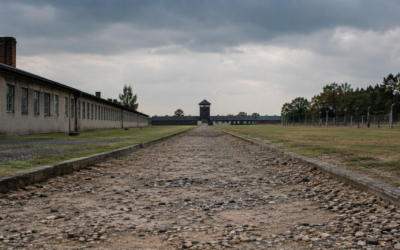
However, there is a reason for leaving, and it comes from how people describe it afterward. Very few people mention any spectacular shows; instead, they note that everything appears entirely ordinary: plain concrete structures, vast open areas, and buildings that could be part of any administrative complex. One visitor put it simply as ‘hell with no gimmicks’: no flames, just dull and well-ordered buildings and people who said they were only carrying out their duties. This ordinariness is the key point; it is precisely this that makes the place so difficult to forget.
If your trip is about understanding Berlin and Germany beyond the postcards, this is the day that does it.
The walk that surprises everyone
Plan for this part, because it is what visitors mention first, ahead of the memorial itself.
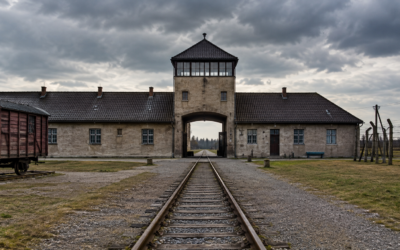
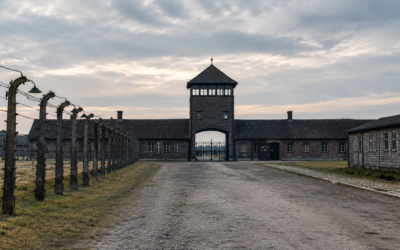
You get off the train at Oranienburg and walk toward the memorial through a quiet residential area. Neat houses, tidy streets, the kind of neighborhood you would happily wander for a coffee. Then, without much warning, you are standing at the gates.
People describe the same strange feeling again and again. Years later, one traveler still remembered an eerie stillness on a school trip: no traffic noise, no wind, nothing. Another found it hard to believe that such peaceful houses led straight to a camp, and wondered whether living that close makes the area undesirable, or whether locals grew used to it.
You do not need an answer to that question. Just walk slowly, and let the contrast do its work. It is one of the most powerful parts of the day, and it costs nothing.
How to get there from Berlin without losing your afternoon
This is where short trips go wrong. The memorial is outside the city, so the journey is part of the plan.
Take the train from central Berlin. The S1 suburban line runs to Oranienburg, and the regional trains are faster but less frequent. Hubs like Ostkreuz in eastern Berlin work well as a starting point, since you can catch a train from there and be on your way without crossing the city.
Watch the return timing. Someone who missed the train by a few minutes had to wait a full hour for the next one. On a short journey, that wastes a good deal of your evening. Before you leave the memorial, not after, check the timetable and leave a buffer period. Avoid cutting short the last walk to the station.
Check your ticket zones. Oranienburg sits in the outer ring of Berlin’s public transport area, so make sure your ticket covers the ABC zones before you board.
Count your time honestly. With travel both ways, the walk, and a proper visit, you are looking at a half day at minimum. A full day is realistic if you want to read, listen, and take it in without rushing.
What the visit actually feels like
There will be plenty of open space and a lot of walking, so wear comfortable shoes and dress for the weather, since the grounds are mostly outdoors. The place is quiet; visitors fall silent even if not asked, and the typical tourist talk disappears.
Don’t expect to enjoy it or have a cheerful lunch right away; many people said it took them about an hour to get over it before they could discuss anything else. So make sure that hour is included in your schedule rather than simply moving on to the next activity.
The experience also includes a modern aspect. Visitors often ask how the lesson applies today, whether the phrase ‘never again’ is meant narrowly or broadly, and whether memory alone is enough. Some Germans feel the country talks more than it acts, while others hold the opposite view. You will most likely develop your own opinion, and that reflection is one reason the trip is worthwhile.
Who should skip it
Be honest with yourself about this. Skip the memorial if:
- You are traveling with young children who are too small to understand where they are.
- You have only one full day in Berlin, and your top priority is nightlife or relaxation.
- You are going through a hard emotional stretch and do not have the capacity for something this heavy right now.
None of that makes you a bad traveler. It makes you someone who knows their limits.
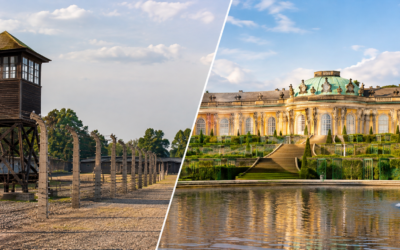
Trying to decide how to spend your limited time outside Berlin? Read our blog on Sachsenhausen or Potsdam: Which Berlin Day Trip Should You Choose? to compare the two day-trip options.
How to shape the rest of your day
The best plan on a short trip is to treat the memorial as the day’s anchor and keep everything else light. Head back toward the city in the late afternoon, then choose something low key and human.
A good option is Boxhagener Platz in Friedrichshain, an easygoing area for wandering and bar hopping. Feuermelder is a casual spot with a pool table and table football, which is exactly the kind of ordinary, living evening that feels right after a day like this. Coffee, conversation, and a bit of noise remind you why you came to Berlin in the first place.
The verdict
Should Sachsenhausen be included on a short visit to Berlin? If you hope your trip will amount to more than sightseeing, then yes. Keep a realistic schedule, plan your train journey, and don’t expect to be entertained. On your way in, walk along the quiet streets from the station and notice how everything looks completely normal; then take your time on the way out.
If it does not fit your schedule or your state of mind, there is no shame in saving it for another visit. But if you do go, you will almost certainly be glad you made the time.
FAQs
- Is the Sachsenhausen memorial the same as the Sachsenhausen district in Frankfurt?
No. The memorial is a former camp in Oranienburg, just north of Berlin. The Sachsenhausen district in Frankfurt is a residential and nightlife area south of the Main river, known for its bars and apple wine taverns. They only share a name.
- What is the walk from the train station like?
It is quiet and rather ordinary; before you get to the gates, you go through a peaceful residential area, and a great many visitors consider the stillness and the contrast with the place you end up at to be the most disturbing aspect of the day.
- What if I miss the train back to Berlin?
You could be stuck waiting a long time. One traveler missed a train by a few minutes and had to wait an hour for the next. Check departure times before you leave the memorial and give yourself a comfortable margin for the walk back.
- Why do some people say Frankfurt’s Sachsenhausen is not “real Frankfurt”?
It is mostly local banter. Sachsenhausen sits across the river, which is why people say “Dribbdebach” (the other side). It was a separate settlement for centuries, and some older residents still draw that line, but locals say it is not meant seriously. Today it is simply a large, varied part of the city.
- Is Frankfurt’s Sachsenhausen a safe area for a woman living alone?
Local opinions say yes in general. The loud party streets around Klappergasse can be noisy on weekends, often until the early morning, so check which street an apartment is on. Away from that strip, the district includes quieter residential corners, museum areas, and leafy neighborhoods toward the city forest.