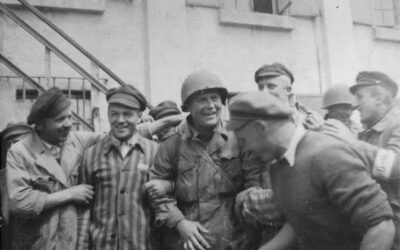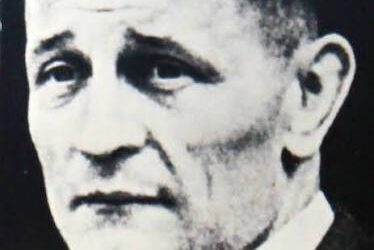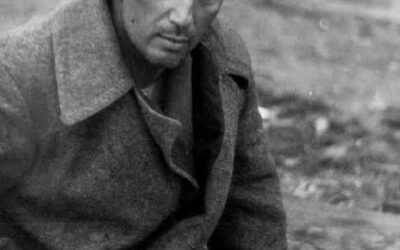
Quiconque consulte une photo d'admission dans les archives d'un camp pourrait se demander pourquoi un régime déterminé à détruire aurait conservé autant de documents. La raison en est que Sachsenhausen Il ne s'agissait pas simplement d'un autre camp ; il était destiné à servir de norme, de modèle de la façon dont les SS souhaitaient qu'un camp soit conçu, géré et doté en personnel.
Ce guide explique ce que signifiait « camp modèle », pourquoi la SS a construit ce camp en 1936 au nord de Berlin, et quelles parties de cette conception vous pouvez encore reconnaître aujourd'hui au mémorial d'Oranienburg.
Pourquoi le camp a-t-il été construit en 1936 ?
En 1936, la SS consolidait le système concentrationnaire. Les premiers camps, établis en 1933 et 1934, avaient été aménagés dans des usines, des casernes et des prisons désaffectées, et leur configuration ainsi que leur gestion présentaient de grandes disparités. La SS souhaitait des camps construits sur mesure, permanents et uniformes ; Sachsenhausen fut donc conçu comme le premier de cette nouvelle série.
La construction débuta durant l'été 1936. Les premiers prisonniers affectés au chantier provenaient des camps d'Emsland, notamment d'Esterwegen, alors en cours de fermeture. Ces hommes déblayèrent le terrain et construisirent le camp qui allait les accueillir. Dès le départ, le travail forcé des prisonniers fut intégré au projet.
Le site se trouve à Oranienburg, à environ 35 kilomètres de centre de BerlinCe choix était également délibéré. Le camp était suffisamment proche de la capitale pour permettre aux hauts responsables de le visiter et de l'inspecter, tout en étant situé en dehors de la ville. Cette proximité a contribué à en faire un camp de prestige parmi les autres. Today, visitors interested in exploring Berlin’s history can also consider private group tours for a more personalized experience.
Ce que signifiait réellement « camp modèle »
The SS did not regard Sachsenhausen Ils le considéraient comme un lieu où les gardiens pouvaient agir arbitrairement ; au contraire, ils y voyaient un exemple de la manière dont un camp devait être planifié, géré et administré, et ils appliquèrent les leçons apprises à d’autres camps. Il servait de camp modèle pour trois raisons : sa conception architecturale, son administration standardisée et son rôle dans la formation des personnes qui allaient gérer le système.
La disposition triangulaire
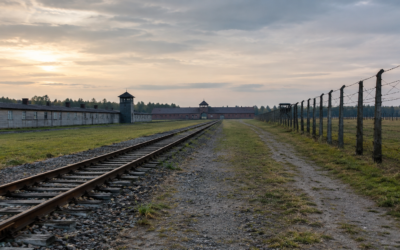
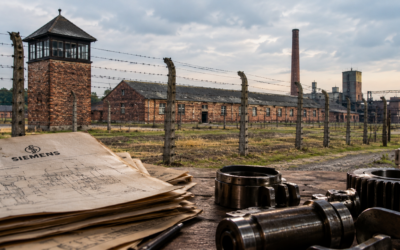
The camp was laid out in the shape of a triangle, a plan designed par the SS architect Bernhard Kuiper. The area reserved for the prisoners was surrounded par a perimeter wall, a “neutral zone” which prisoners were not allowed to enter or else they would be shot, and also had watchtowers. The SS administrative buildings, guard quarters, and workshops were situated outside this boundary.
Le triangle constituait une géométrie de contrôle délibérée. Chaque partie de la zone réservée aux prisonniers était agencée en relation avec un point unique.
La tour A et le concept de surveillance
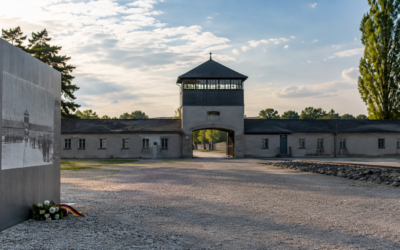
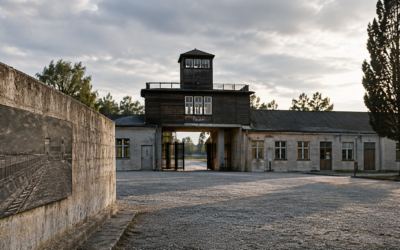
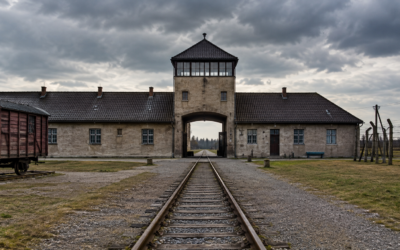
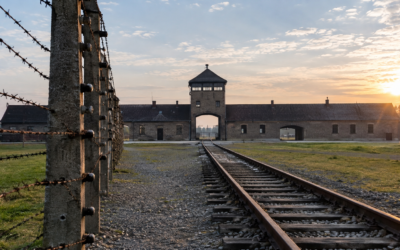
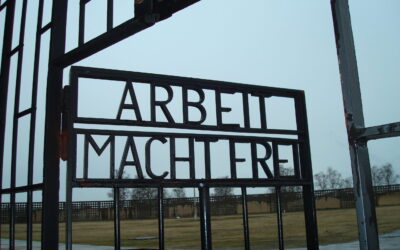
The gatehouse at the midpoint of the triangle’s base, known as Tower A, was that point. It combined the main entrance, the camp’s command and guard functions, and an elevated position overlooking the prisoners’ area. The planners intended that a single gun position at Tower A could command the roll call ground and the barracks fanning out in front of it, although this did not provide complete visibility of the prisoner compound in practice.
Les historiens soulignent que la visibilité totale relevait davantage de l'idéal que de la réalité, car un camp comportait des zones invisibles et les SS utilisaient des miradors, des patrouilles, des prisonniers informateurs et des châtiments sévères. Néanmoins, l'idée de base était la suivante : l'architecture visait à faciliter le travail des gardes en donnant à l'ensemble de la population le sentiment d'être constamment surveillée.
L'espace semi-circulaire de l'appel nominal
Devant la tour A se trouvait l'esplanade d'appel, aménagée en un large demi-cercle. Les baraquements des prisonniers étaient disposés en arcs de cercle autour, de sorte que chaque baraquement faisait face au même espace central et à la même tour.
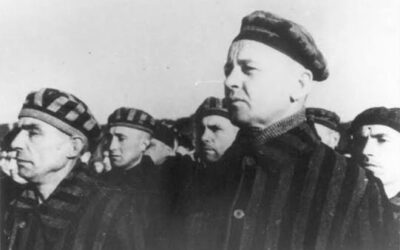
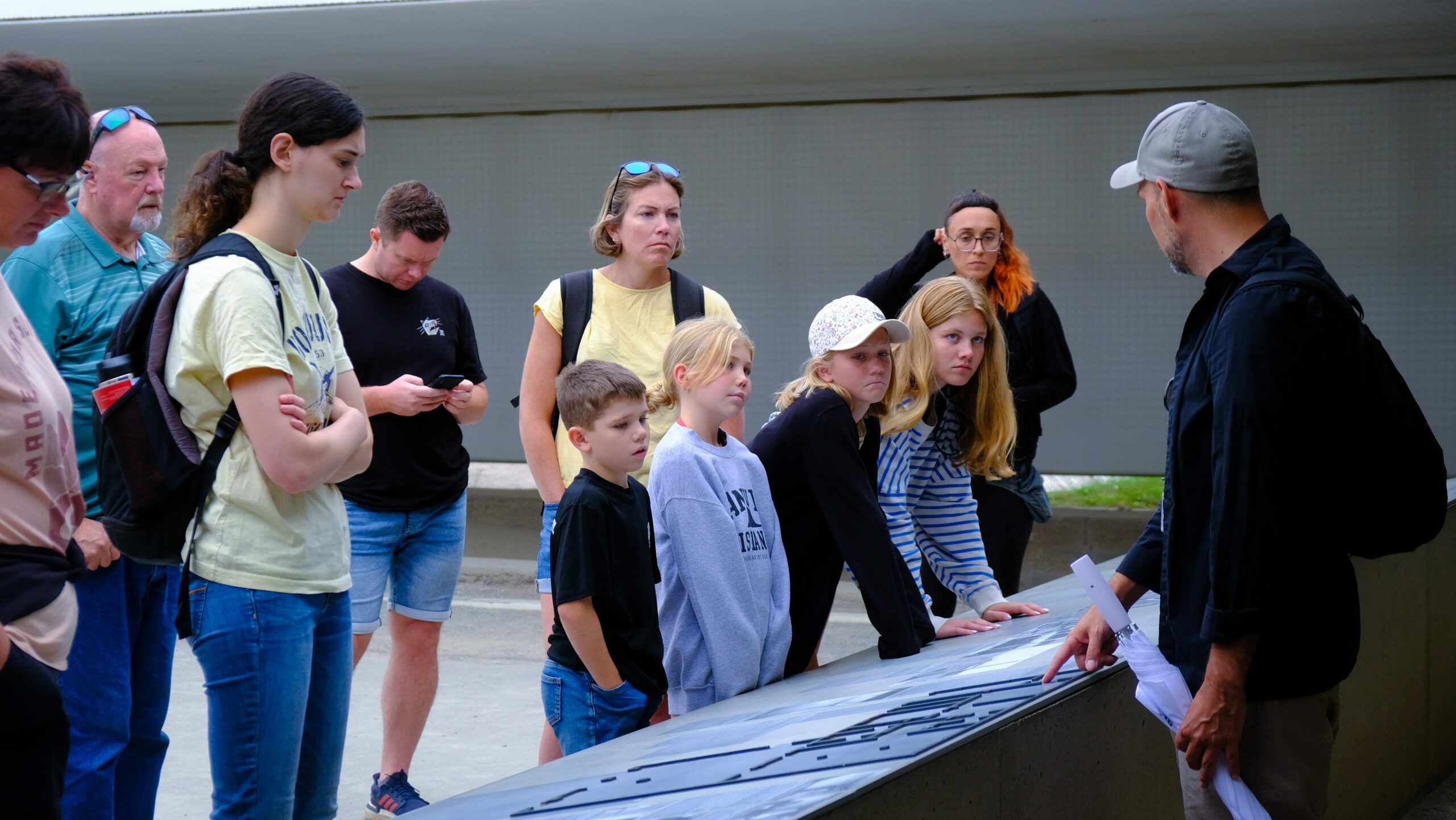
L'appel était un moyen quotidien d'exercer un contrôle. Les prisonniers étaient contraints de rester debout pendant des heures, quelles que soient les conditions météorologiques, pour être comptés. Ce comptage servait ensuite à les humilier, les épuiser et les punir. Tous les prisonniers étaient rassemblés en demi-cercle dans un espace restreint, sous le regard des gardes, armes au poing. Aujourd'hui encore, si vous vous tenez à l'endroit où a lieu l'appel et que vous vous tournez vers la porte, vous vous retrouvez dans cette même situation.
How architecture was designed around control
Pris dans son ensemble, le dispositif fonctionnait comme un système unique :
- Une seule entrée et sortie, contrôlée depuis la tour A.
- A fan of barracks that was intended to place prisoners in view of the gatehouse.
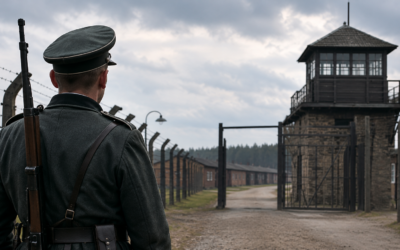
- Un périmètre de murs, de barbelés et de miradors, avec une zone de mort à l'intérieur.
- Une séparation entre la zone des prisonniers et la zone SS permettait de maintenir les logements, les bureaux et les ateliers des gardes à l'extérieur de l'enceinte.
Rien de tout cela n'était conçu pour assurer la sécurité ou le bien-être des prisonniers. Chaque élément répondait à la question de savoir comment un petit nombre de gardiens pouvait dominer un grand nombre de détenus.
Vous voulez comprendre comment Sachsenhausen s'intégrait à l'administration plus large des camps de concentration nazis ? Lisez la suite Sachsenhausen et l'Inspection des camps de concentration : pourquoi Oranienburg est devenu le centre du système concentrationnaire nazi explorer le rôle administratif joué par Sachsenhausen dans le système concentrationnaire.
Procédures et administration standardisées
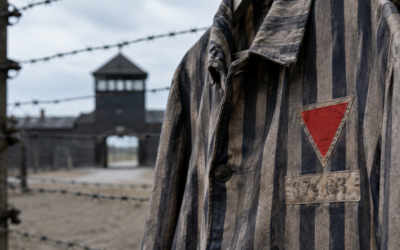
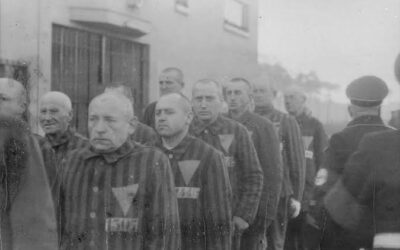
Le statut de modèle de Sachsenhausen ne se résumait pas à ses murs et à ses miradors. Il reposait également sur des procédures standardisées. Les procédures d'admission, la numérotation des prisonniers, les catégories et les marquages, les affectations de travail, les appels et les punitions suivaient des schémas précis qui pouvaient être enseignés et reproduits.
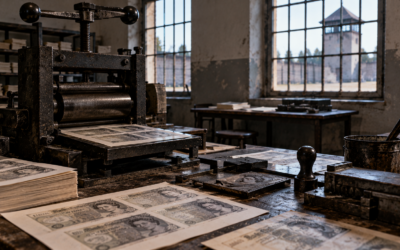
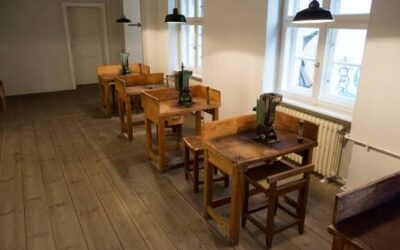
C’est pourquoi les documents administratifs sont essentiels à cette histoire. Le camp fonctionnait grâce à un système d’enregistrement : qui était où, quelles étaient leurs activités, leurs coûts et leur production. Le personnel administratif, les commis et les archivistes étaient aussi indispensables au système que les gardiens. Une organisation standardisée permettait au personnel de passer d’un camp à l’autre sans perdre de vue ses tâches.
Training of guards and future camp personnel
Un modèle n'est utile que s'il peut être enseigné. Sachsenhausen devint un lieu d'apprentissage pour les SS. Les gardes y étaient formés, et ceux qui allaient occuper plus tard des postes à responsabilité y passèrent par leurs rangs. Rudolf Höss, qui servit à Sachsenhausen à la fin des années 1930 avant de devenir le premier commandant d'Auschwitz, en est un exemple notoire.
Un camp qui forme les personnes qui dirigeront ensuite d'autres camps est, au sens le plus strict du terme, un modèle, car il diffuse ses procédures en même temps que son personnel.
Comment Sachsenhausen a influencé le système de camps dans son ensemble
The earlier Dachau regime had already determined many of the rules concerning the treatment of prisoners, and Sachsenhausen introduced a systematic physical plan as well as closer links with the central SS authority. The layout, routines, and trained staff at Sachsenhausen influenced the design and administration of later camps. In 1938, the Inspectorate of camps de concentration moved to Oranienburg, strengthening the site’s central role in the camp system.
The camp subsequently obtained a killing facility which was specially constructed in 1942 and was generally known as Station Z, consisting of execution sites and a crematorium, with a gas chamber added in 1943. The fact that the camp expanded its existing killing operations through a purpose-built facility serves as a reminder of the SS system of terror and murder.
Pourquoi « modèle » ne signifie pas humain
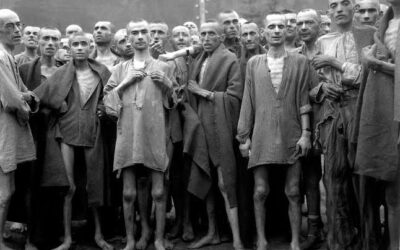
Le terme « modèle » n'a ici rien à voir avec des conditions de vie décentes. À Sachsenhausen, les prisonniers subissaient le travail forcé, la famine, les coups, la torture et le meurtre. Ce « modèle » désignait un système de contrôle et d'organisation SS : efficace, méthodique, reproductible et conçu pour briser les individus. Il signifiait que le système pouvait être copié, et non qu'il était meilleur pour ceux qui y étaient soumis.
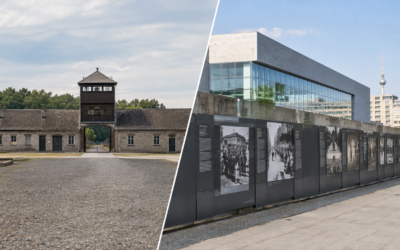
Ce que vous pouvez reconnaître aujourd'hui au mémorial
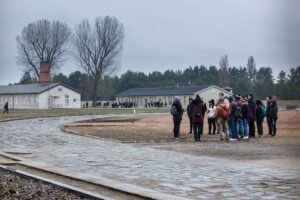
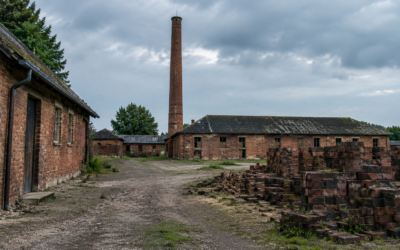
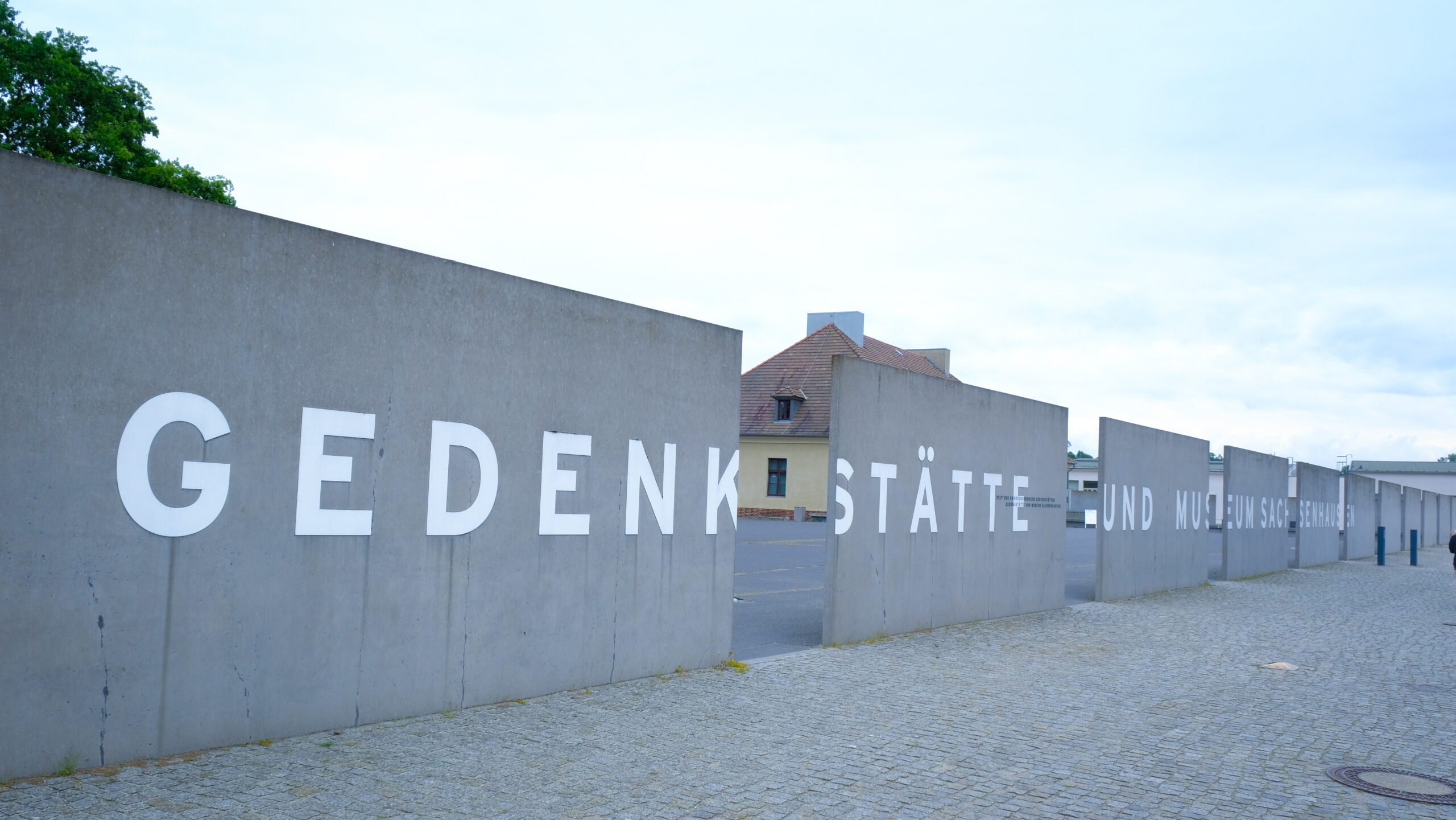
Le mémorial d'Oranienburg conserve suffisamment de détails du dessin pour que les visiteurs puissent le lire au sol :
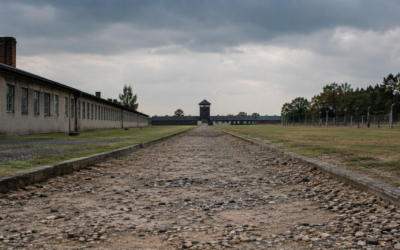
- Le corps de garde et la tour A. The entrance building stands at the midpoint of the base of the old triangle. Looking out from the gate, you see the whole fan of the camp spread in front of you, which is the view the designers intended.
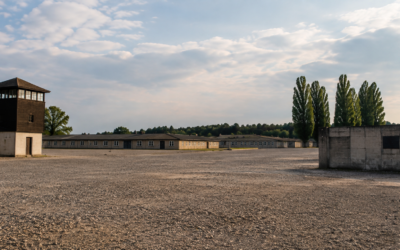
- Le terrain de l'appel nominal. L'espace ouvert et semi-circulaire reste le centre du site, et sa forme rend l'agencement des commandes facile à appréhender.
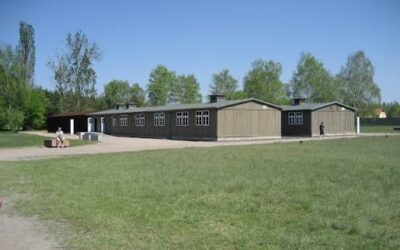
- Les arcs de la caserne. Les plans des fondations et les baraquements subsistants ou reconstruits montrent comment les baraquements étaient disposés autour de l'espace central.
- Le périmètre. Des portions du mur, la ligne de la zone neutre et l'emplacement des tours de guet montrent comment fonctionnait la frontière.
- Station Z. Les vestiges du centre d'abattage et de crémation se trouvent à l'extérieur de la zone principale des prisonniers et témoignent du rôle ultérieur du camp.
For those interested in exploring more of the city’s history, a Free Berlin Walking Tour offers an introduction to Berlin’s historical landmarks and stories.
Pourquoi l’idée de « modèle » est encore importante
La principale leçon de cette visite est qu'il ne s'agissait pas d'un cas isolé. De nombreux descendants de cette génération estiment que la leçon à tirer est moins de se concentrer sur « ce qu'a fait l'Allemagne » que de comprendre que « toute société peut devenir cruelle envers les personnes qu'elle juge indésirables ; il est donc essentiel de reconnaître les signes avant-coureurs et de s'y opposer ». Les systèmes qui déshumanisent les individus s'appuient souvent sur les mêmes éléments : la classification, la bureaucratie, la normalisation et la conviction de nombreuses personnes qu'elles ne font que leur travail.
C’est ce que le terme « modèle » vous indique. Un modèle peut être copié, et c’est en comprenant son fonctionnement que vous en reconnaissez le schéma.
FAQ
- Pourquoi les nazis tenaient-ils des registres aussi détaillés si leur but était de tuer des gens ?
Le système concentrationnaire était une bureaucratie chargée de gérer la main-d'œuvre, les biens, les transports et le personnel, et ses administrateurs utilisaient la documentation pour vérifier l'efficacité de leurs politiques. Après la guerre, nombre de ces mêmes documents ont servi de preuves lors des procès.
- Pourquoi Sachsenhausen a-t-elle été construite en forme de triangle ?
Le plan triangulaire plaçait la tour A au sommet, de sorte qu'un poste de garde unique puisse surveiller la place d'appel et l'ensemble des baraquements situés devant. Cette conception impliquait que l'architecture elle-même participait au travail des gardes, car les prisonniers avaient le sentiment d'être constamment surveillés. Les historiens soulignent que la visibilité totale relevait davantage de l'idéal que de la réalité, ce qui explique pourquoi la SS avait également recours à des miradors, des patrouilles, des informateurs et des châtiments sévères.
- Quel était l’objectif de la zone neutre et du périmètre autour de la zone des prisonniers ?
La zone réservée aux prisonniers était entourée d'un mur, de barbelés et de miradors, avec une « zone neutre » juste à l'intérieur de cette enceinte, interdite aux prisonniers sous peine d'être abattus. Ce dispositif créait une barrière claire et efficace, contrôlée par un petit nombre de gardes depuis les miradors. Il permettait également de maintenir les logements, les bureaux et les ateliers des SS à l'extérieur du périmètre, séparant ainsi les gardes des prisonniers.