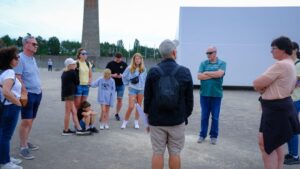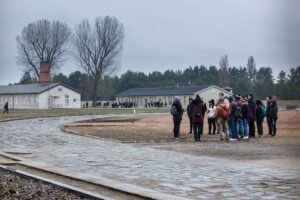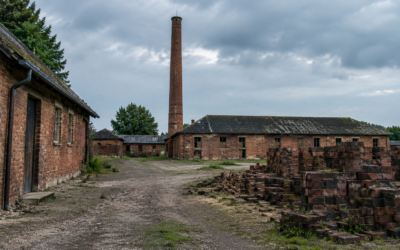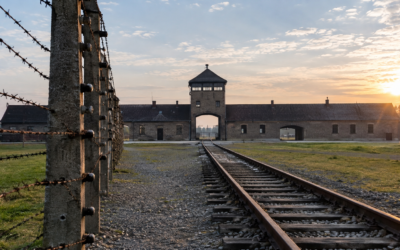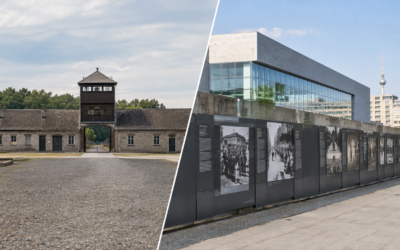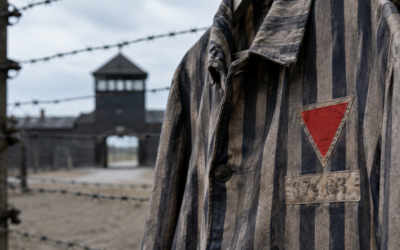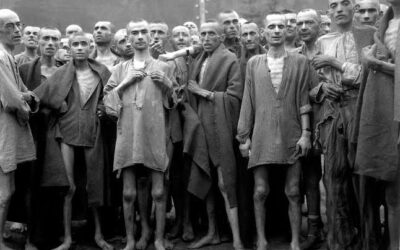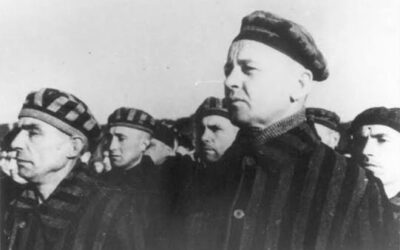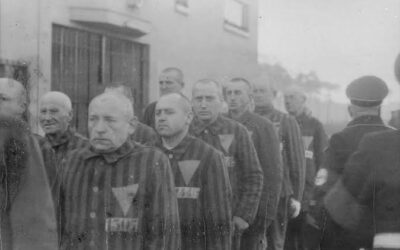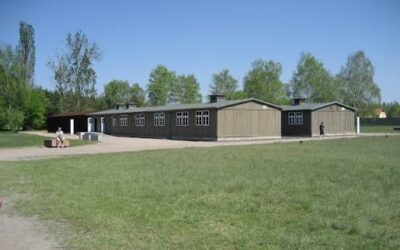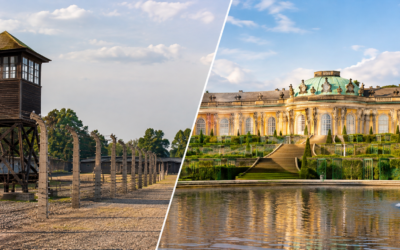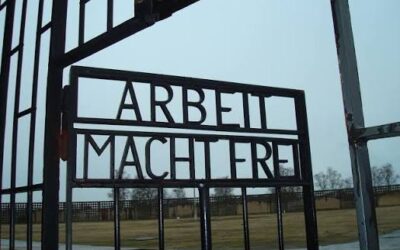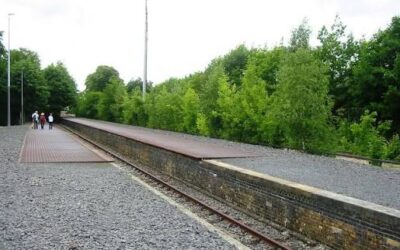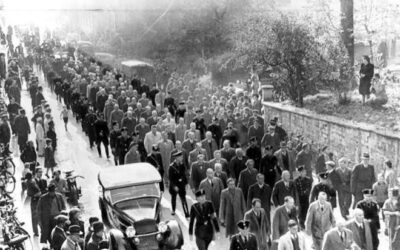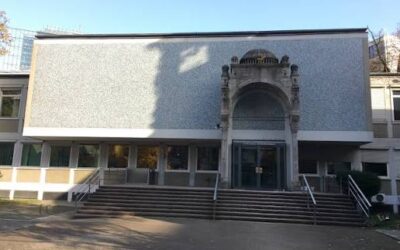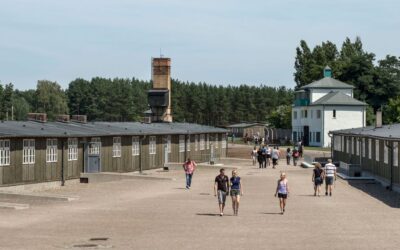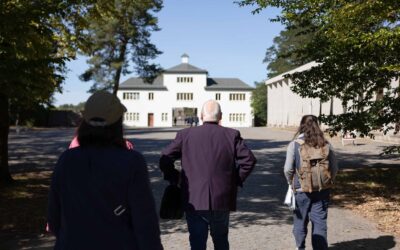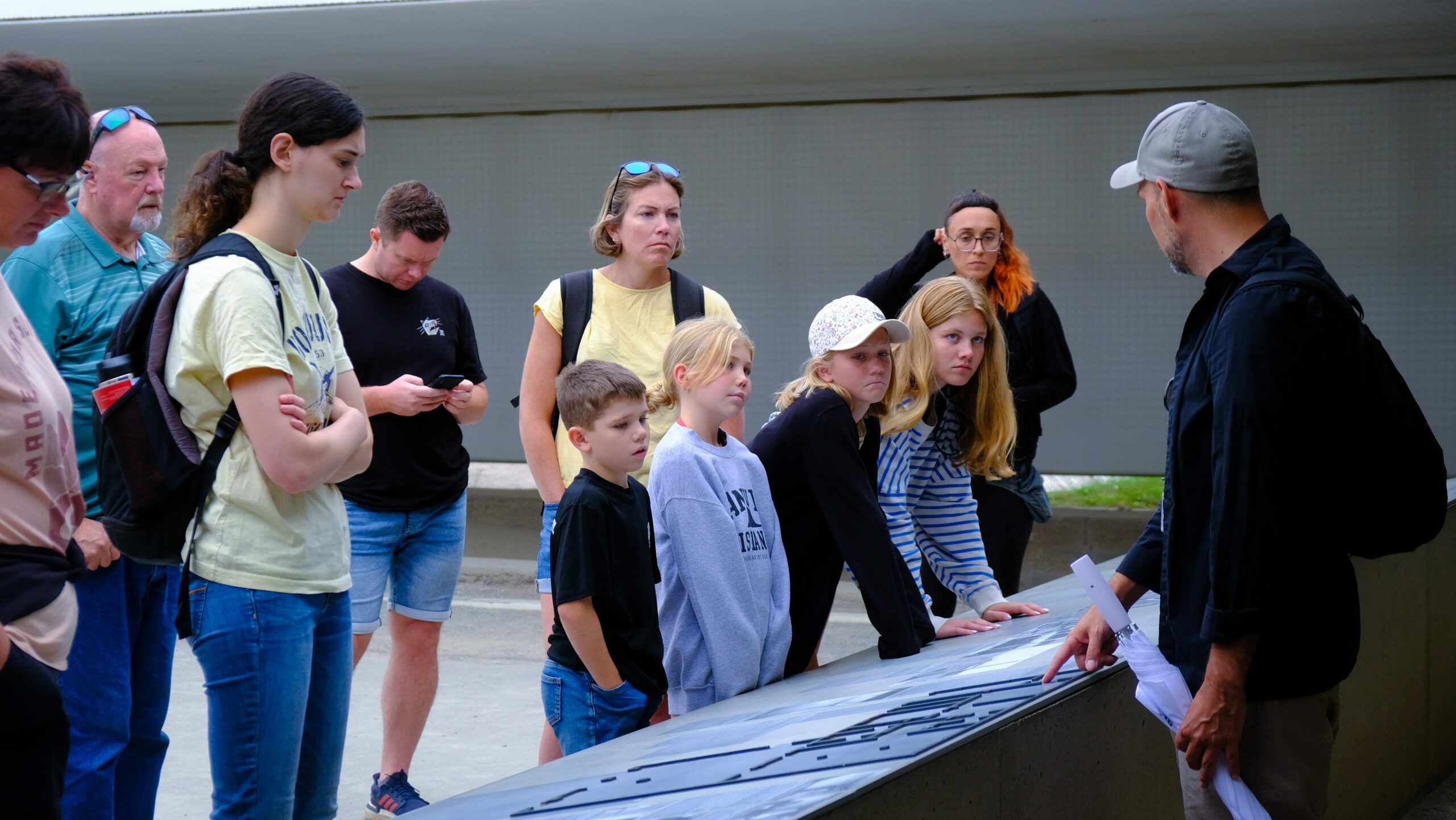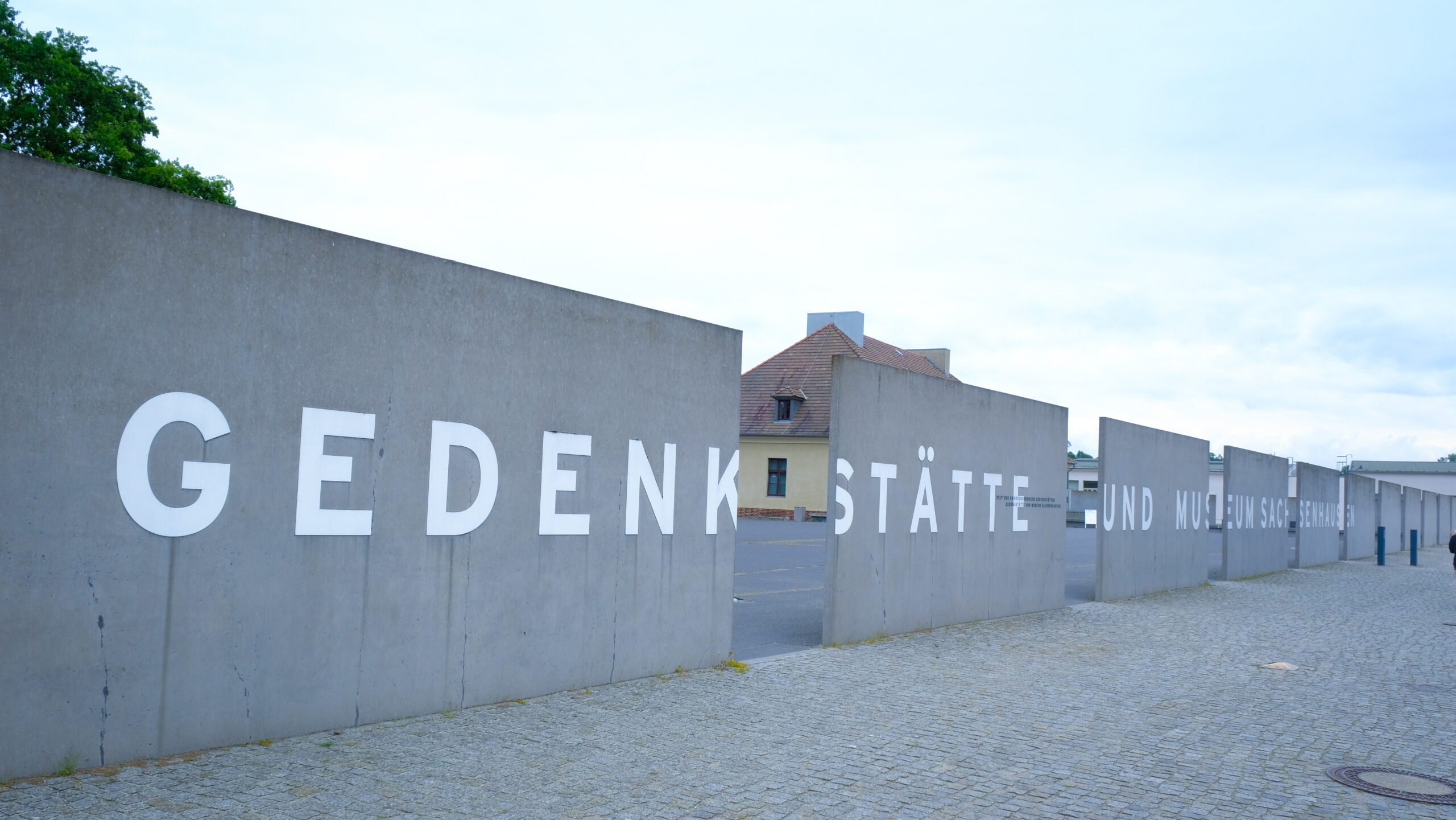
Você está em um canto tranquilo de Oranienburg, ao norte de Berlim, olhando para um prédio baixo que a maioria dos visitantes costuma ver. passar muito depressa. Someone beside you says what almost everyone thinks at some point: “I’ve studied this war for years and never heard about this.” That moment of discovery is the best way into a hard question. Who actually made money from the prisoners of Sachsenhausen, and how much of it can we prove?
A resposta verdadeira é mais desagradável do que o resumo padrão: o campo não fazia parte de um mundo isolado da SS; estava ligado à economia alemã, e a economia, por sua vez, estava ligada a ele.
The Number That Changes How You See the War
por the middle of the war, roughly a quarter of the labor force in Nazi Germany was made up of slave workers. These were not only camp inmates. They included civilians deported from occupied countries, prisoners of war, and concentration camp prisoners, all working for private firms. Companies that used them included Thyssen, Krupp, IG Farben, Bosch, Daimler Benz, Siemens, Junkers, Messerschmitt, Henschel, Demag, Blaupunkt, and Volkswagen.
Sachsenhausen was at the heart of this system for one simple reason: its location. It sat near Berlin, the city that housed the armaments factories, construction projects , and industries. The prisoners were not separated from the economy; on the contrary, they were made part of it.
How the Money Actually Moved
Entender a mecânica do lucro é mais importante do que memorizar uma lista de marcas. Na maioria dos casos, funcionava assim:
- A company needed workers and had lost its male workforce to the front.
- The SS rented out prisoners to the company at a daily rate per head.
- The company paid the SS, not the prisoner.
- The prisoner received nothing, was fed starvation rations, and could be replaced when exhausted.
That last point is the whole business model. A worker you do not pay, and whose death costs you nothing, is the cheapest input in industrial history. The profit did not come from cruelty as a side effect. It came from cruelty as a cost-saving measure.
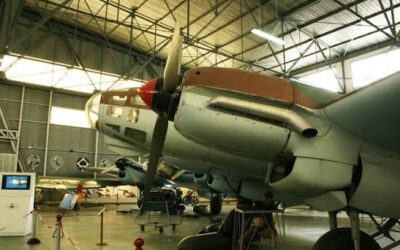
The best examples are the brickworks and the aircraft industry. Prisoners were made to die as a result of the brick-making carried out in the camp; this brick production supplied the massive building schemes for Berlin. Heinkel, the aircraft manufacturer, had a factory in Oranienburg and used prisoner labor. That is the reason the town is important. The camp was not situated in the middle of the forest; it was right next to industrial facilities.
Want to understand one of the specific sites where prisoners were exploited for forced labor? Read The Klinkerwerk at Sachsenhausen: The Brickworks Prisoners Feared as a Death Detail to learn about the brutal conditions at the brickworks.
The Deals After the War Were Often the Real Scandal
Focusing just on 1945 means that you overlook half the story. Many of these companies earned money before the war, during it, and after. A common example is General Motors; its German subsidiary made trucks and military vehicles for Germany while the parent company supplied the United States. It is said that GM later claimed reimbursement from the American government for damage to a German plant caused por bombs, the amount of about 33 million dollars being frequently quoted in the 1960s. You should be careful about the exact figure, but the main point remains: corporate finances after the war were complicated, and the people who had been harmed were not the ones who received the settlements.
Meanwhile, the people forced to work often received no compensation for decades. Large German companies only agreed to a collective compensation fund around the year 2000, when almost everyone who had been enslaved was elderly or dead.
Neutral Countries Were Not as Clean as the Brochures Say
A further aspect of this story concerns the financial trail outside Germany. Switzerland permitted the Nazi transport trains to pass through its territory, and its banks took the assets and valuables that had been seized. It is argued that neutrality entails continuing pre-war activities, such as rail transport and banking, and that Portugal sold goods to both sides while also allowing the British to use its Azores bases. Both of these points are valid. A balanced view is that neutrality was as much a commercial as a moral choice and that the profits actually existed.
The Part Nobody Puts on the Plaque
O detalhe mais humano em tudo isso vem de sobreviventes comuns. Um homem, falante de holandês e de vários idiomas, que foi escravizado em uma fábrica de munições, orgulhava-se do fato de que poucas das armas que ele ajudou a fabricar atingiam seus alvos. Aletas ligeiramente tortas não voam em linha reta. Quando foi libertado, alistou-se voluntariamente no Exército dos EUA e serviu como tradutor, frequentemente sob fogo inimigo.
Isso nos lembra que o trabalho forçado não era apenas um indicador de lucro corporativo. Era milhões de pessoas fazendo escolhas silenciosas sobre o quanto resistir.
Another example was the Heinkel aircraft factory, where prisoners were forced to work in Nazi armaments production. Read Heinkel Aircraft Factory and Sachsenhausen: How Prisoners Were Used to Build Nazi Warplanes to Explorar this history in more detail.
Perguntas frequentes
- Did Siemens build the gas chambers at the camps?
No, that claim oversimplifies the facts. Siemens did use forced labor and operated near Auschwitz, but the crematorium ovens were mostly supplied por Topf and Sons, with designs por SS officers.
- Did Krupp run or build the crematoria?
No. Krupp used slave labor in its factories, but the crematoria were designed por the SS and outfitted por firms like Topf and Sons, then operated por the SS and prisoners.
- Did General Motors really get paid for a bombed German factory?
It is widely reported that GM received around 33 million dollars from the American government in 1967 for wartime damage to a German plant. Check the sources for the exact figure and its basis.
- Was Switzerland truly neutral during the war?
Opinions differ. Critics point to rail transit of forced laborers and the receipt of looted valuables. Defenders argue that continuing pre-war rail access and banking was consistent with neutrality, much like Portugal selling to both sides.
- Did Nazis really run brothels inside the camps, including Sachsenhausen?
Yes. Camp brothels existed as part of an incentive system, staffed por women who were forced into sexual labor, usually replaced when exhausted and often killed afterward. A visitor building at Sachsenhausen is part of what remains to be seen.