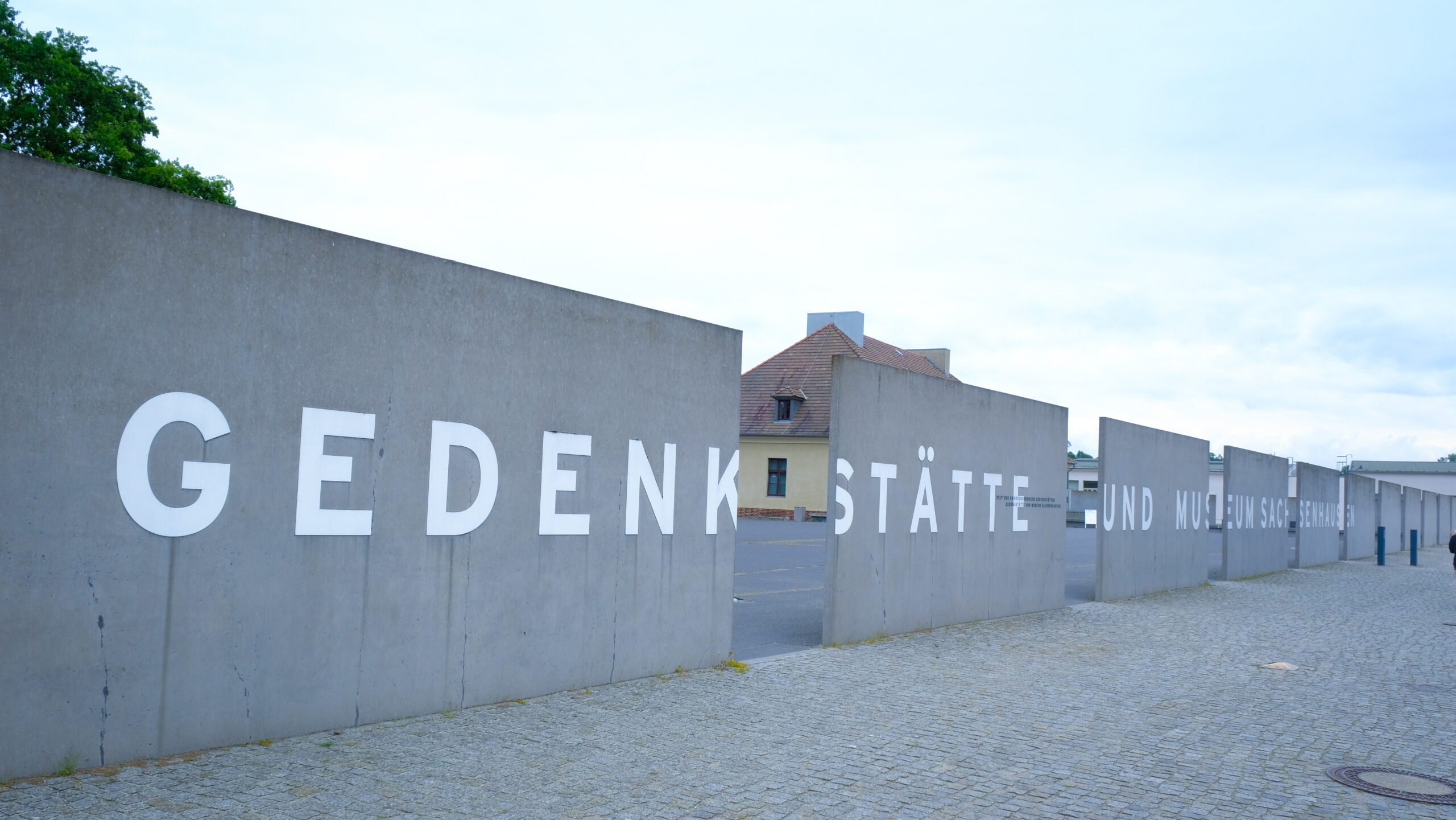
The first real problem is that there are two locations named Berlin, and people often mix them up. Otto Weidt Platz is a public square in the area of Moabit, and residents have a running joke about it, referring to it as “Moabits kleiner BER”, a reference to the airport, which was famously delayed for many years. The complaints people raise are well known: contracts were given to the lowest bidder, planning was careless, and there were no real penalties for delays. It’s a good place to have a coffee and share some local gossip, but it’s not where the historical events took place.
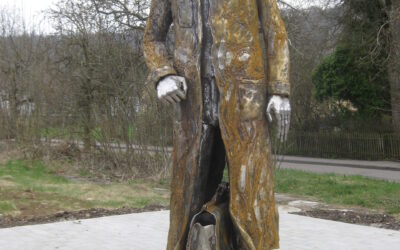
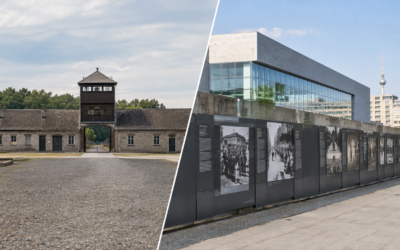
The place you actually want is the Museum Blindenwerkstatt Otto Weidt, tucked into the Hackesche Höfe area in Mitte. Look for the street art beside the entrance. Visitors tend to walk past it, and it is a sign you have found the right spot. Check the current opening hours before you go, because small museums here can change their schedules.
Who Was Otto Weidt?
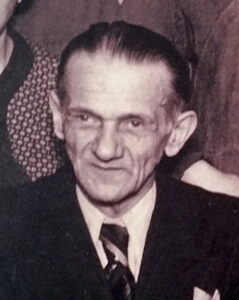
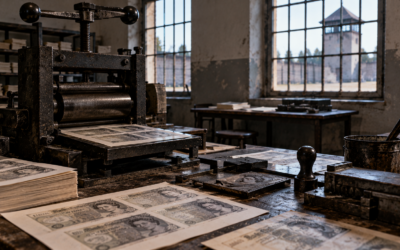
Otto Weidt was born in 1883 and ran a workshop that made brushes and brooms. That seems rather boring once you know who worked there; from 1941 the staff consisted of blind and deaf Jewish people, and it was his concern for their safety that was his real business.
Weidt was himself nearly blind. The Nazi authorities classed him as an Aryan, and that status left him unmolested. He used it as cover. A man with official standing, a factory producing goods useful to the war effort, and a reputation for being difficult but reliable is exactly the kind of person a bureaucrat hesitates to challenge. Weidt understood this and pushed it as far as it would go.
Want to explore another important site connected to Berlin’s Jewish history? Read our blog on New Synagogue: What Survived to learn about its history and what remains today.
The Loopholes He Weaponized
The Nazi regime was cruel, yet it also contained numerous contradictions, and Weidt experienced those contradictions firsthand. Some groups of German Jews were given delayed action: specifically, those who were married to non-Jews, veterans of the German army in World War One, and factory workers who were considered useful to the war economy. About 8,000 Jews were still in Berlin in 1945, a large number of them being in hiding, and these exceptions account in part for how this situation could have arisen.
Weidt worked the gaps with three tools:
- Falsified documents. Papers that made his workers look more essential, or less Jewish, than they were.
- Bribery. Officers who might otherwise have made arrests were paid to look elsewhere.
- Hiding places. A concealed space at the back of his shop sheltered people when danger came close.
Historians credit him with saving around 27 Berlin Jews through this combination. The number sounds small until you picture each person as a face, a family, and a future. In a city where most people either cooperated or stayed silent, it was a staggering act of defiance.
Why Berlin Makes the Story Harder, and Richer
If you are to realise the seriousness of what Weidt did, then you must know what Berlin society was like among the Jews. In 1933 there were about 535,000 Jews in Germany, which was less than one per cent of the total population. Approximately 80 percent of them were German Jews who spoke German instead of Yiddish and who had only a weak link with formal religious observance. To a neighbor, they were no more than neighbors. The other 20 percent consisted of Jews who had come from the East and who had many settled in Berlin.
This city has a deep Jewish intellectual heritage. Moses Mendelssohn, sometimes called the German Socrates, led the Haskalah, the Jewish Enlightenment, in eighteenth century Berlin. So when you walk through Mitte, you are walking through a neighborhood where Jewish life once thrived in ordinary, unremarkable ways, which is exactly what makes its destruction so chilling.
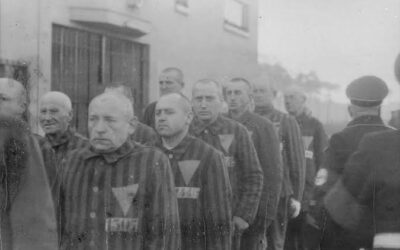
From 1933 to 1938, the Nazis took away the rights of people step by step. Approximately half of the Jewish population in Germany had already left the country before Kristallnacht in 1938, and those who could afford to do so left afterward. Around 160,000 German Jews were eventually killed as a result of the Holocaust. This gradual, steady pressure was the kind of thing Weidt fought every day.
The Day It All Came Apart
Although Weidt’s actions were heroic, they did not ensure safety. In February 1943, as a result of the Fabrikaktion, the Gestapo searched the factories in Berlin with a view to arresting the Jewish forced laborers who were still there. Weidt, having been warned, kept his shop closed on that day; nevertheless, many of his employees were deported.
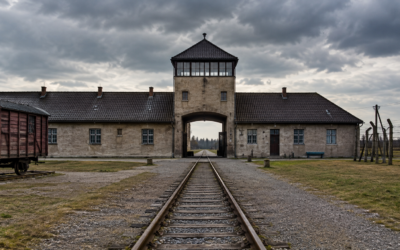
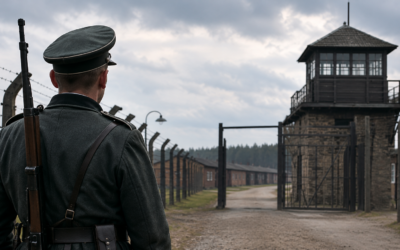
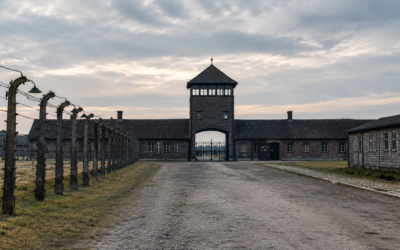
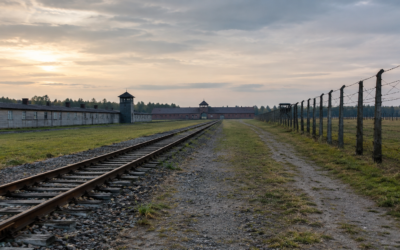
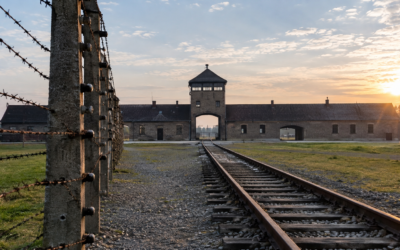
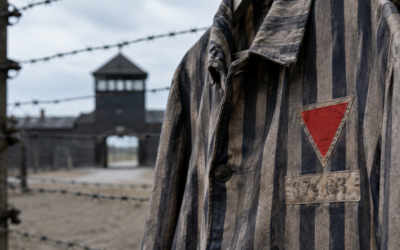
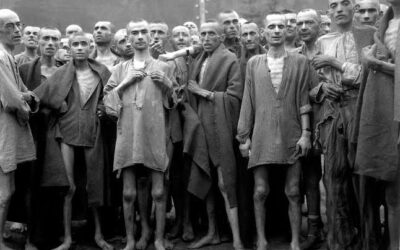
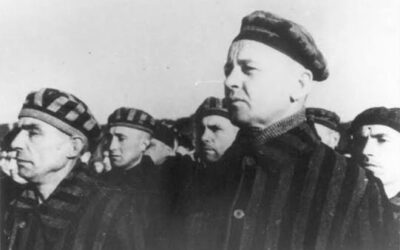
On the 15th of October 1943, a group of 74 Jews from Berlin arrived at Auschwitz. Following selection, 36 of them were killed in a gas chamber. Most of those on the transport were German Jewish men and women who had been taken from the Weidt workshop. This is the central emotional point of the visit. Although Weidt struggled as hard as he could, the machinery of genocide still managed to penetrate his own premises. Genuine guides do not downplay this. During that period, resistance generally meant saving some people rather than attempting to save all of them.
After the War
Weidt didn’t leave. Following 1945, he set up an orphanage for the survivors of the concentration camps, and he died of heart failure in 1947. On 7 September 1971, Yad Vashem honored him as Righteous Among the Nations, and the museum in Mitte preserves the memory of his workshop in the very area where the events took place.
Want to understand how Nazi persecution intensified over time? Read our blog on From Discrimination to Deportation: How Nazi Persecution Escalated in Berlin for a closer look at this progression.
How to Visit Without Rushing It
Give yourself unhurried time. The rooms are small, and the story lands hardest when you stand where the workers stood. Some practical suggestions:
- Read about Weidt before you arrive, so the exhibits feel personal rather than abstract.
- Pair the visit with a walk through the surrounding courtyards and streets of Mitte.
- Leave space afterward. Many visitors find they need a quiet coffee before doing anything else.
- Skip the Moabit plaza unless you specifically want to see the local landmark and hear the neighborhood grumbling.
Was Weidt Alone?
People often ask whether Weidt was one of a kind, a kind of German Schindler. He was not the only rescuer, and the wider story includes many others across Europe. Irena Sendler, a Polish woman, helped smuggle thousands of children out of the Warsaw ghetto and placed them with Christian families. She recorded their real identities on a list and buried it under a tree in her backyard. The Gestapo captured and tortured her, and she never revealed the children’s names. Weidt’s story belongs beside hers as evidence that ordinary courage was possible even under terror, and that individuals never automatically chose it.
Frequently Asked Questions
- How were blind people treated in Nazi Germany?
The regime targeted disabled people, but Weidt’s case shows that individual circumstances mattered. He was blind yet classed as an Aryan and was left unmolested. He used that position to run a workshop employing blind and deaf Jewish workers.
- Where exactly is the Otto Weidt museum, and is it the same as the Otto Weidt Platz?
They are different places. The museum is the Museum Blindenwerkstatt Otto Weidt in Mitte, near the Hackesche Höfe, with street art beside it. The Otto Weidt Platz is a public square in Moabit that locals nickname “Moabits kleiner BER” because of planning complaints.
- How many people did Otto Weidt save?
He is credited with saving about 27 Berlin Jews, using loopholes, bribery, falsified documents, and hiding places at the back of his shop.
- What happened to Weidt’s workers in 1943?
During the Fabrikaktion in February 1943, many employees were deported even though Weidt kept his shop closed that day. On 15 October 1943, a transport of 74 Jews reached Auschwitz, and 36 were murdered in a gas chamber after selection. Most were German Jews connected to his workshop.
- Did Weidt receive any recognition?
Yes. Yad Vashem recognized him as Righteous Among the Nations on 7 September 1971. He had died in 1947, after founding an orphanage for concentration camp survivors.