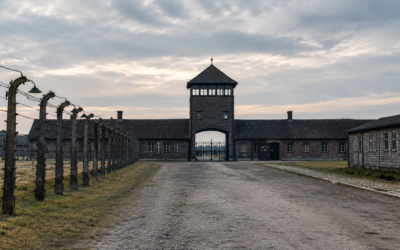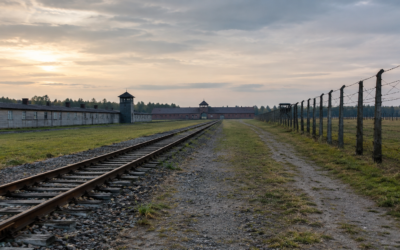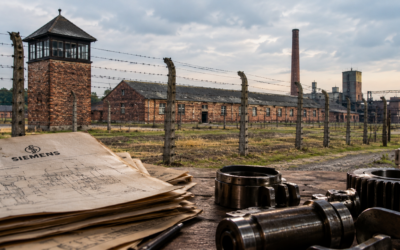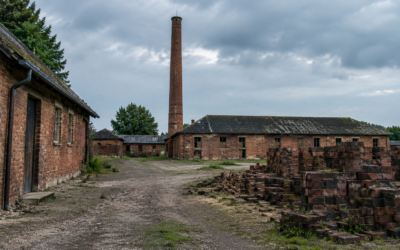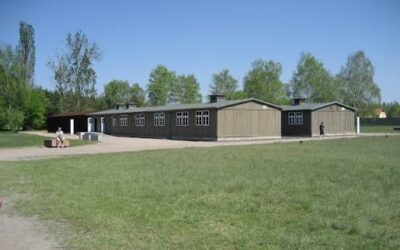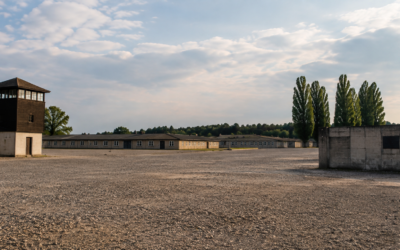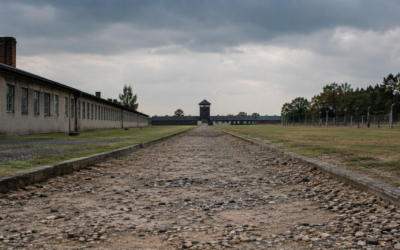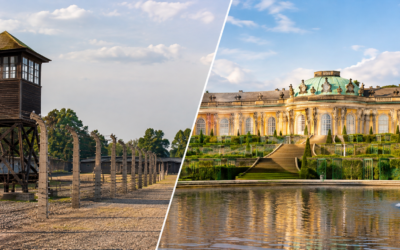
Heinkel’s Oranienburg factory and the Sachsenhausen concentration camp were part of one system. The factory built aircraft for the Luftwaffe, and by the middle of the war the camp supplied a large share of the people who built them. This guide covers where the plant stood, how prisoners came to work there, what they did, what they endured, and what remains today.
The Short Answer
Heinkel’s Oranienburg works was the first German aircraft factory to enter a close working arrangement with the SS. From autumn 1941, prisoners from Sachsenhausen were sent to the plant. In 1942, the SS built a dedicated subcamp on the factory grounds. By June 1944, it held nearly 7,000 prisoners, making it the largest of Sachsenhausen’s roughly 96 subcamps and work details (counts vary by source, from about 90 to 100). Most of the documented work went into the He 177 heavy bomber. An Allied raid on 18 April 1944 destroyed factory buildings and killed an estimated 400 to 500 prisoners, and further raids followed into 1945. The SS evacuated the subcamp on 20 April 1945.
The Factory and Its Location
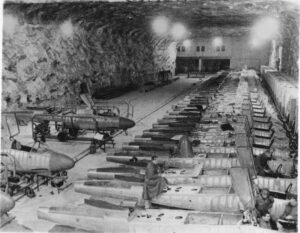
Heinkel built its Oranienburg works in the mid-1930s, on the edge of the town north of Berlin. It had a factory airfield and a large flight hall, and it produced aircraft for the German air force until 1945.
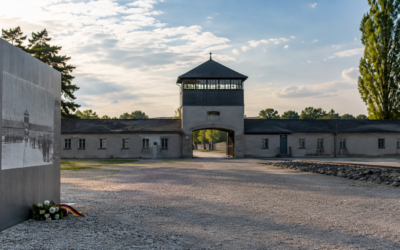
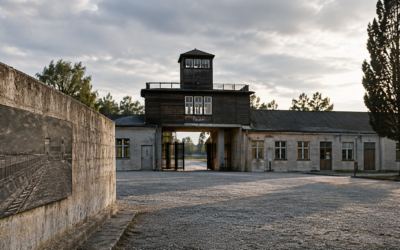
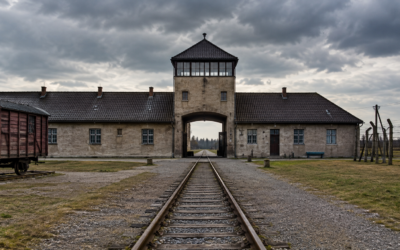
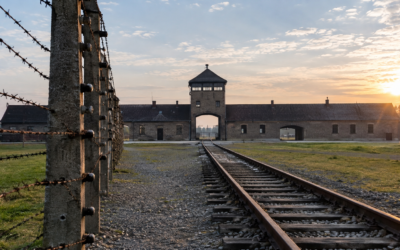
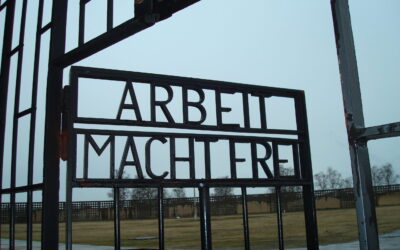
Sachsenhausen was in the same town, a few kilometers away. The camp opened in 1936 and sat close to the administrative headquarters of the whole concentration camp system, which was also in Oranienburg. For the SS, a major armaments factory next door meant a ready market for prisoner labor. For Heinkel, it meant a workforce that could not quit, bargain, or leave.
If you’re exploring Berlin’s Nazi-era history, a free Berlin walking tour can help put this wider history into context.
The arrangement developed in stages, and the exact scale of each stage comes from company and camp statistics.
- Autumn 1941: The SS began sending small groups of Sachsenhausen prisoners to the Heinkel factory as temporary workers. They worked at the plant by day and were marched back to the main camp each evening.
- Summer 1942: The SS built a subcamp on the grounds of Heinkel’s Werk I, with an initial guard detachment of about 15 SS men. Prisoners now lived at the factory itself.
- 1942 to 1944: Heinkel’s own statistics show rapid growth: about 800 prisoners in September 1942, 1,900 in December 1942, 3,707 in March 1943, 5,479 in June 1943, and 6,966 in June 1944. The guard force grew as the prisoner count rose.
The regime knew the scale. In a letter to Göring dated 9 March 1944, Heinrich Himmler enclosed a survey prepared by Oswald Pohl, head of the SS Economic-Administrative Main Office, dated 21 February 1944. The letter reported that 6,000 prisoners were working on the He 177 at Heinkel Oranienburg, that they made up 60 percent of the plant’s workforce, and that the number would be raised to 8,000. It even notes that 200 prisoner suggestions for improving production had been rewarded with premiums. That illustrates how thoroughly people under SS control were treated as a production input.
What Work Prisoners Performed
The documented work centered on construction of the He 177 Greif, a heavy bomber. Accounts describe prisoners working in aircraft assembly and related factory tasks. Some are sometimes described as skilled workers, since the company wanted people who could do technical jobs. Many prisoners were also used for heavy labor around the site. These are general descriptions, and the precise job distribution at any given time can only be established from the camp and company records held by the memorial and archives.
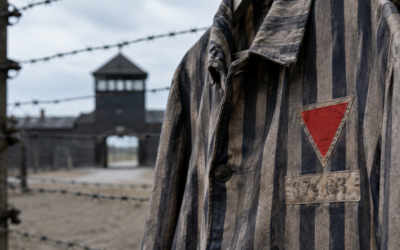
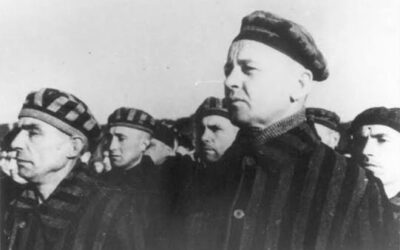
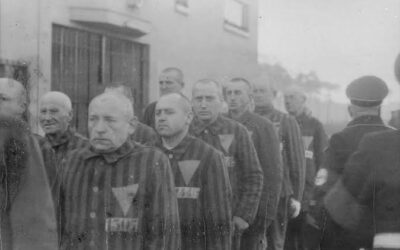
The prisoners were not a single group. By 1944, about 90 percent of Sachsenhausen’s prisoners came from German-occupied countries, and the large majority were foreign nationals and political prisoners, many of them Polish and Soviet citizens. The Heinkel workforce reflected that mix.
Visitors interested in learning more about Berlin’s Nazi-era history can also arrange a private historical tour to explore the city’s wartime past.
Working and Living Conditions
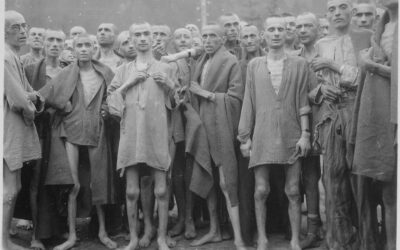
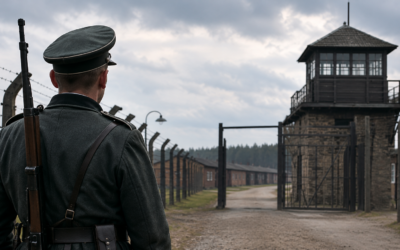
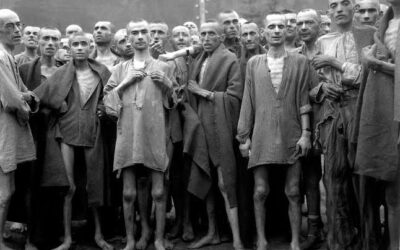
The prisoners resided in a compound at the factory which was guarded, worked long shifts under the supervision of the SS, and were given the rations at the starvation level usual in the camp system. Exhaustion, illness, and violence were all part of everyday life, and survivors of the Heinkel subcamp stated that it was one of the places where the brutality of the camp followed them to the factory floor.
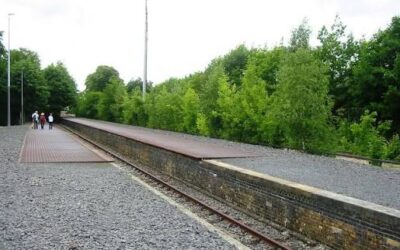
From 1944, the subcamp also became a reception point for prisoners evacuated from camps further east. Survivor testimony describes selections on arrival, and many of the people arriving were shot. Prisoners who were accommodated in the factory compound included people who had just survived transport in locked railway wagons.
Allied Bombing: Effect on the Factory and the Prisoners
Oranienburg’s industry made it a target. An Allied air raid on 18 April 1944 destroyed factory buildings and killed an estimated 400 to 500 prisoners. Prisoners generally lacked access to the shelters available to German staff, which helps explain the death toll. Heinkel’s wartime production was badly disrupted, and this helped explain why the company dispersed work to other sites. Later raids on Oranienburg continued to hit the town’s industrial and rail infrastructure into 1945.
The bombing shows the contradiction at the heart of the system. The same prisoners the SS rented out to Heinkel were left exposed to attacks aimed at the factory they were forced to build aircraft in.
Want to understand how companies benefited from the exploitation of Sachsenhausen prisoners? Read How German Companies Profited From Sachsenhausen Prisoner Forced Labor to explore the broader economic role of forced labor in the Nazi camp system.
The End of the War
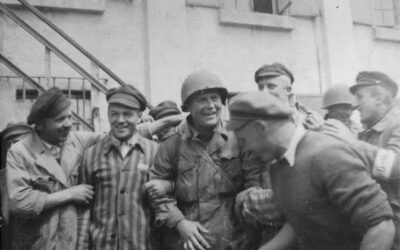
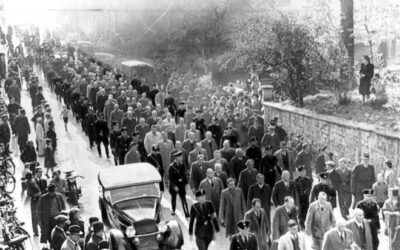
As Soviet forces approached Berlin, the SS evacuated the Heinkel subcamp in April 1945. Prisoners were marched out toward communities including Kremmen, Löwenberg, Rheinsberg, Bützow, Parchim and Crivitz. The main Sachsenhausen camp was evacuated on 20 and 21 April, in what became a death march in which at least 1,000 more people died. Soviet and Polish troops reached the main camp on 22 April 1945. Soviet and American soldiers liberated prisoners from the marching columns between 2 and 4 May 1945. The prisoners who survived did so despite the evacuation, not because of it.
What Remains Today
Little of the Heinkel works survives. The best-known remnant is the ruined flight hall at the former factory airfield, which is visible as a ruin in the landscape. After 1945, the site was taken over by the Soviet occupation forces, and only a few traces of the original works remain. The former factory site is not a regular public visitor attraction, and access to the surviving structures may be restricted.
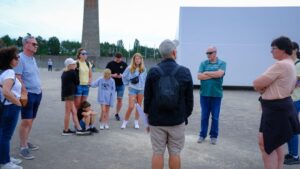
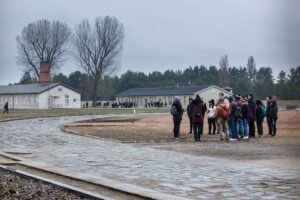
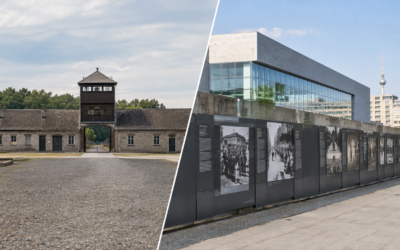
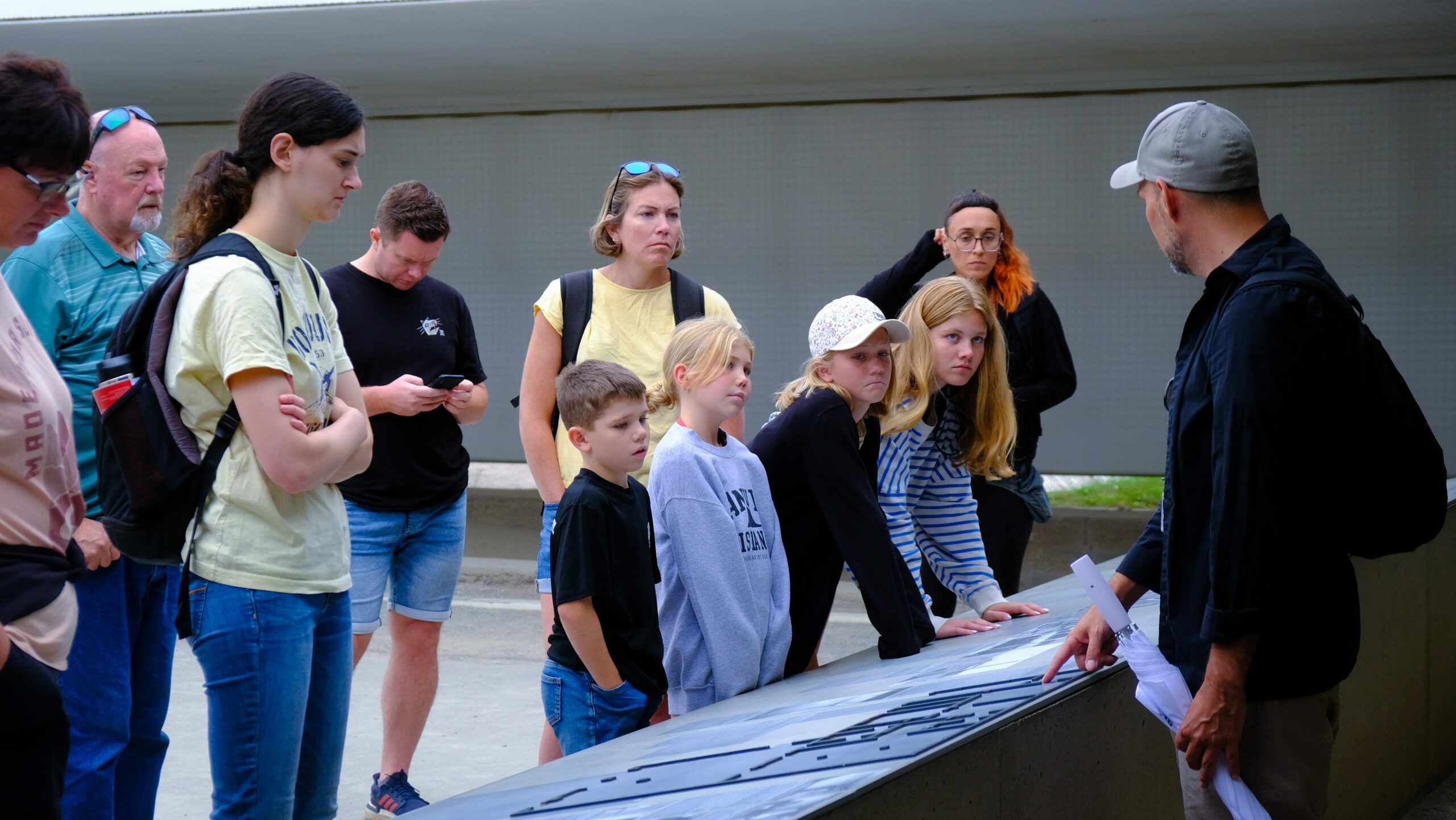
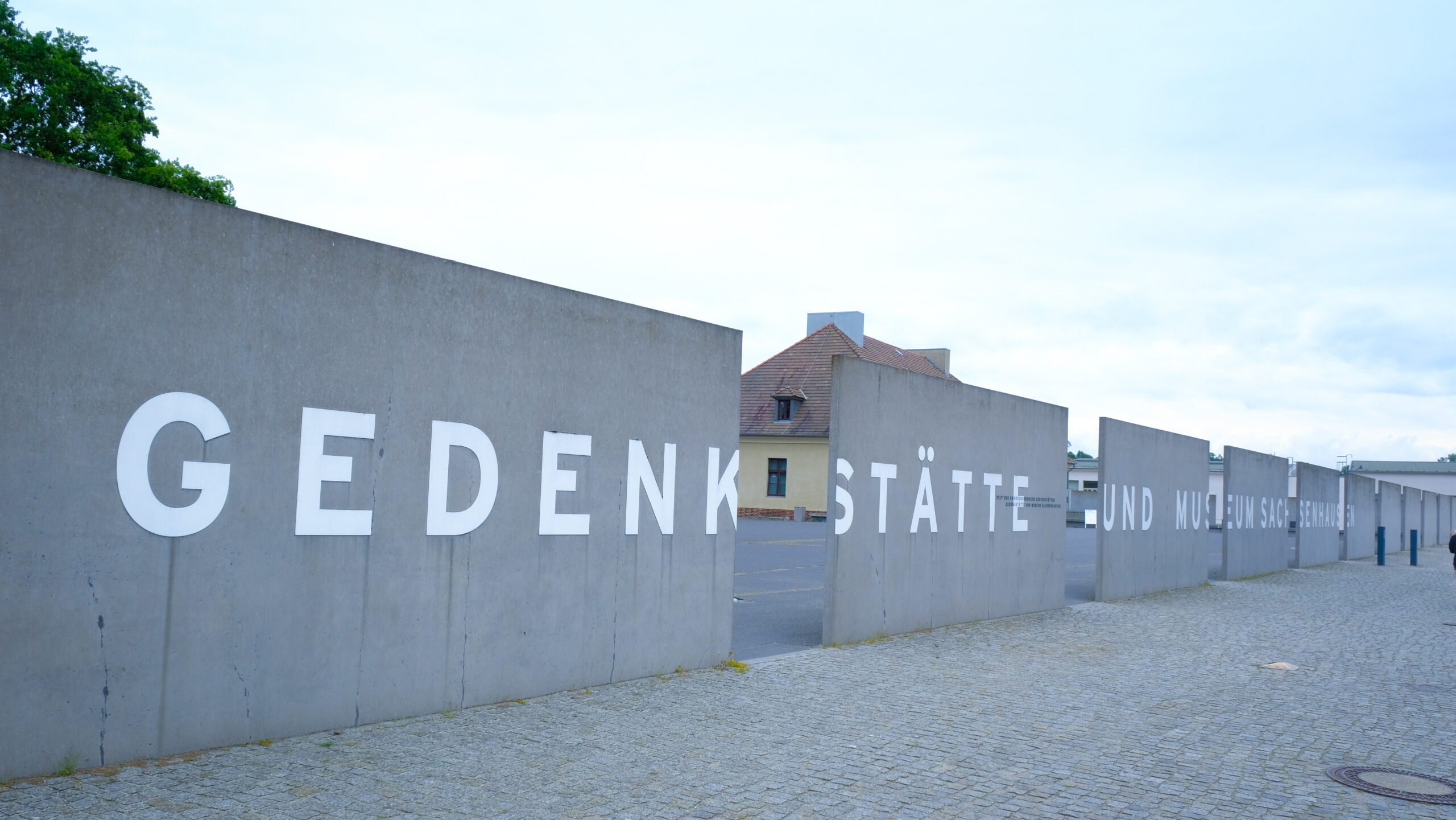
To understand the subject properly, visit the Sachsenhausen Memorial and Museum in Oranienburg. It covers the industrial exploitation of prisoners and the subcamp network, including Heinkel, far better than a photograph caption can. The camp is about 2 km from Oranienburg railway station, and the S1 line runs there from central Berlin in about 45 minutes. If you are researching a specific person who may have been held at the Heinkel subcamp, the memorial’s archive and the Arolsen Archives are the right places to ask.
FAQs
- Were Sachsenhausen prisoners really used by Heinkel in Oranienburg?
Yes. From autumn 1941, prisoners worked at the factory, and from 1942 they were housed in a subcamp on its grounds. Himmler’s March 1944 letter to Göring (enclosing Pohl’s 21 February 1944 survey) and the camp’s own statistics both document this.
- How many prisoners worked there?
Heinkel’s statistics record nearly 7,000 in June 1944. The SS planned to raise the number to 8,000.
- What aircraft were they building?
The documented work centers on the He 177 Greif, a heavy bomber, not a fighter.
- How many prisoners were killed in the bombing?
The standard reference entry estimates 400 to 500 in the 18 April 1944 raid. As with most figures from the period, treat it as an estimate.
- Can you visit the Heinkel site?
You can see the ruined flight hall from outside, but there is little else. The Sachsenhausen Memorial is where you can learn the history.