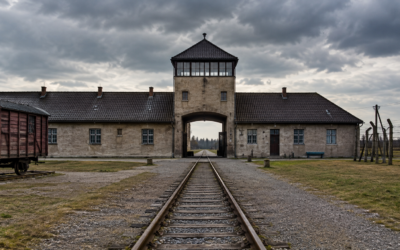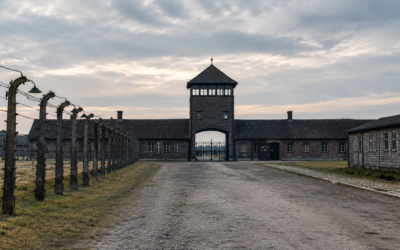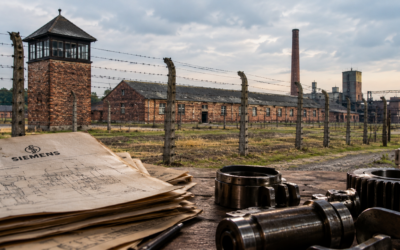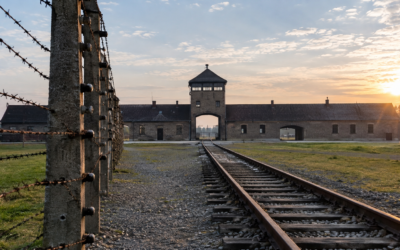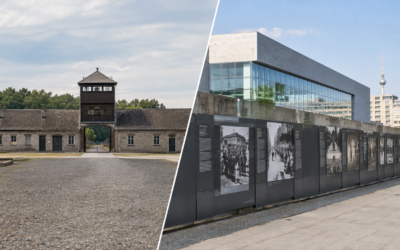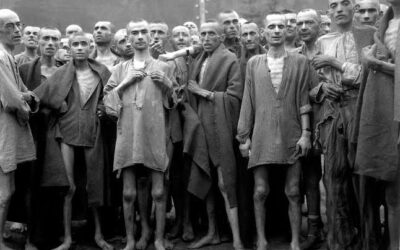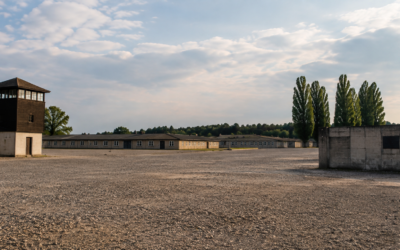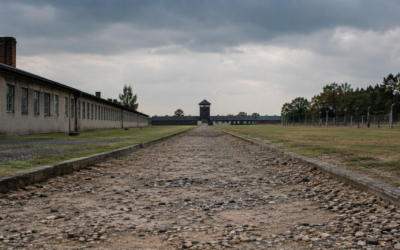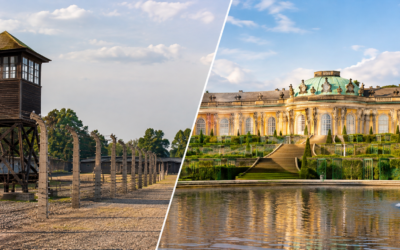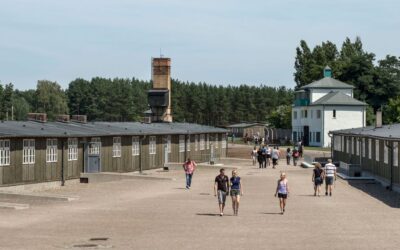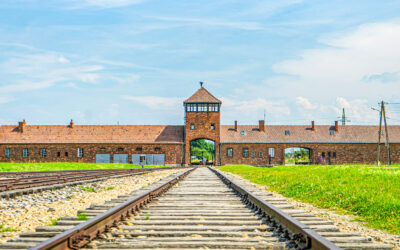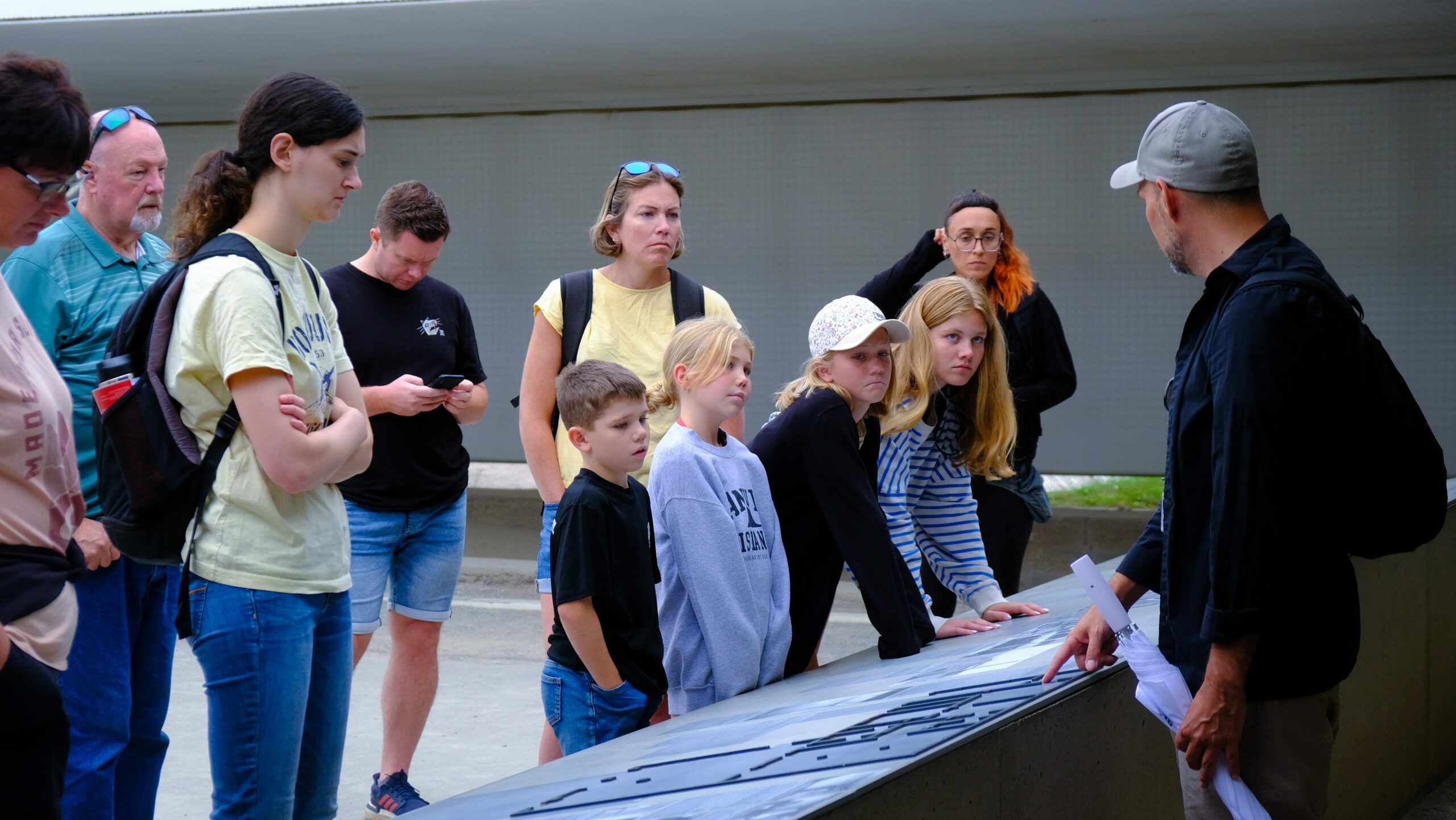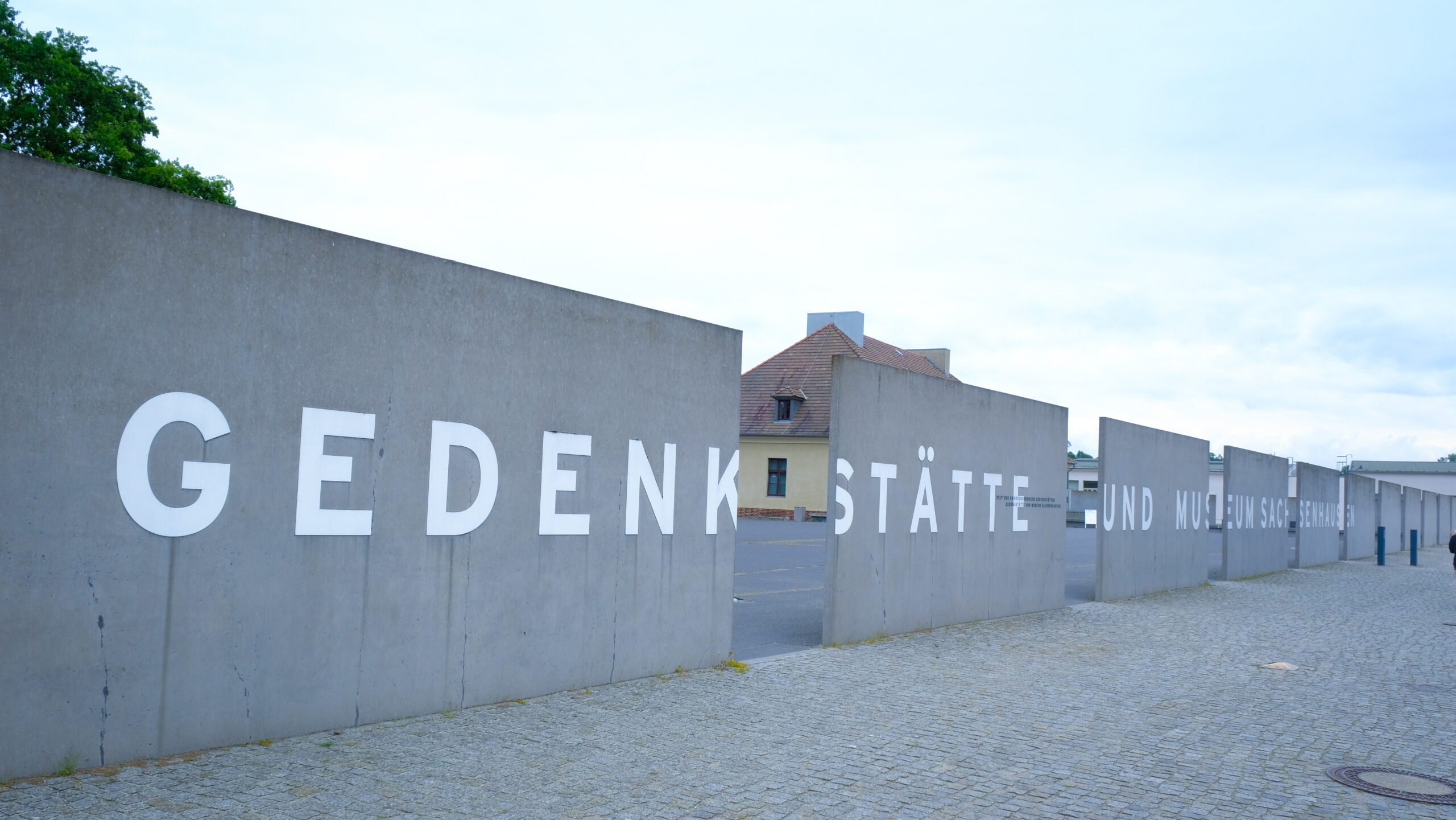
Most people picture a concentration camp as a place hidden at the end of a long road, behind trees, far from anyone’s daily life. That picture is comforting, and it is wrong. To understand Sachsenhausen, you have to stop looking at the gate and start looking at the map around it.
What a Satellite Camp Actually Was
The main camp was only the center of a much larger system. Concentratiekampen usually had a network of smaller sub-camps attached to them, scattered across the surrounding region. Dachau had the Kaufering group, numbered I through XI, spread around southern Germany. Auschwitz had its own cluster around Oświęcim.
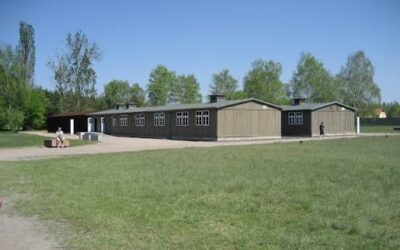
Sachsenhausen operated on the same pattern. Around the start of 1945, some 80,000 people were detained in Sachsenhausen and its satellite camps, of whom about 58,000 were held in the main camp. If you carry out that subtraction, you see a remarkable fact: some 22,000 prisoners were already living and working outside the main fences. The ‘camp’ was not a single estate but a regional presence.
Why the Satellites Were Built Inside the City
The reason is simply practical. The SS wanted slave labor to be available right where industrial activity and wartime repair work were taking place. That is why satellite camps were set up in urban areas, and the prisoners were marched out to work in full view.
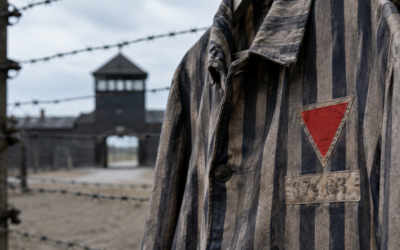
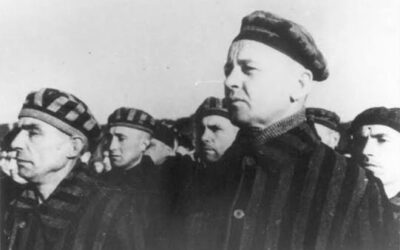
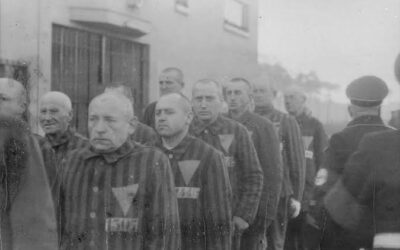
Prisoners from Sachsenhausen were drafted into nearby Berlin. Their striped clothing was so recognizable that ordinary Berliners nicknamed them “zebras.” Think about what that nickname means. A population does not invent a casual slang word for people it never sees. It invents one for people it passes on the street every week.
Want to understand who benefited from the forced labor system at Sachsenhausen? Read How German Companies Profited From Sachsenhausen Prisoner Forced Labor to learn how companies used prisoners as a source of labor and profit.
The Work Berliners Watched Prisoners Do
The labor was not limited to factories. When the Allied air raids became more frequent, the prisoners in the camps were put to work firefighting, carrying out rescue operations and removing the rubble after the bombings. They were also sent to handle unexploded bombs, a job which was so frequently fatal that SS men who had been convicted of crimes were chosen to act as guards for these squads.
Envision a street in bombed Berlin, with fires burning, neighbors going through the collapsed buildings, and among them are gaunt men in striped uniforms who are being driven by armed guards. This was no secret operation; it was an obvious part of how the city survived its own destruction.
The Schoolyard in Osnabrück
A particularly frightening aspect relates to events outside Berlin. In Osnabrück, mothers told the SS that the children were being made to see prisoners being beaten by their guards. The SS replied plainly that if the children weren’t tough enough at that stage, they had to be hardened.
Notice what the complaint was about. The mothers were not objecting to the beatings. They were objecting to their children having to watch. And near Ravensbrück, little girls were seen playing a game of “camp guards.” Children imitate what surrounds them. A playground game built around camp guards tells you how thoroughly the camp system had entered ordinary life.
This is why historians treat the claim of civilian ignorance with such skepticism. It was impossible for most German civilians to credibly deny knowledge of the camps or the slave labor system. The evidence was walking down their streets.
A Detail Worth Checking: The Glau Trebbin Date
Satellite camps are also where a lot of sloppy history goes to hide, so it pays to be precise about dates. A widely shared photograph shows Amin al Husseini, the Palestinian nationalist leader, touring what is labeled as a Sachsenhausen related site in 1942.
The issue here is chronology; the Glau Trebbin site only became a satellite concentration camp on October 23, 1942. Therefore, a visit prior to that date could not have been a tour of an actively operating satellite camp. While this does not settle all the questions about what the photograph shows, it serves as a useful reminder: whenever an image is accompanied by a sensational caption, it’s important to check the site’s dates. Since satellite camps opened, merged, and closed according to a definite timetable, those timelines are the quickest way to spot a false caption.
Why This History Still Gets Used as a Warning
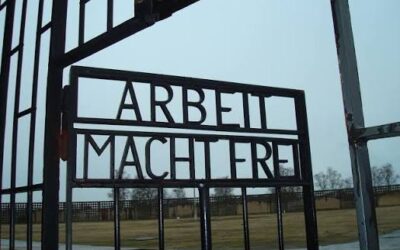
The satellite system’s existence is why people keep raising this issue when talking about modern injustice. Certain modern commentators make uncomfortable comparisons between the forced labor of the past and the current detention and prison industries, pointing out the slogan “Arbeit macht frei,” which was displayed at Dachau, Auschwitz, Theresienstadt, and Sachsenhausen, and then ask if profit motives can subtly transform confinement into a source of labor.
The comparisons are intense and controversial and have to be made with care since the Nazi camp system was an engine of mass murder, not merely a prison system. However, the fundamental lesson from the satellite states is genuine and serious: atrocity does not have to be distant; it can function in full sight, driven by normal logistical arrangements, backed by ordinary neighbors, and justified with a statement such as “they are going east to work”. The danger is not merely posed by those who commit the crime; it also lies in the large number of people who witness it, come to accept it, and choose not to look into it closely.
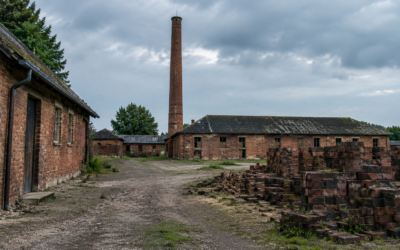
Wil je een van de meest beruchte satellietwerklocaties in verband met Sachsenhausen verkennen? Lees dan verder. The Klinkerwerk at Sachsenhausen: The Brickworks Prisoners Feared as a Death Detail to learn about the harsh conditions prisoners faced there.
Veelgestelde vragen
- Hoe ver lagen de nazi-kampen verwijderd van de gewone samenleving?
Mostly very close. Sachsenhausen was about 20 miles from Berlin and Dachau about 10 miles from Munich. In occupied Poland, the camps were often right beside towns: Auschwitz next to Oświęcim, Treblinka within a couple of miles of the nearest villages, and Belzec in the village of Bełżec.
- Waren de kampen verborgen op afgelegen plekken?
Over het algemeen niet. In Duitsland werden ze weliswaar aan de rand van grote steden geplaatst om gebruik te maken van het spoorwegnet en tegelijkertijd nieuwsgierige blikken te beperken, maar ze waren nooit echt verborgen. Satellietkampen werden opzettelijk in stedelijke gebieden opgezet, zodat gevangenen zichtbaar waren op werkplekken in de hele regio.
- Could German civilians really claim they did not know?
Slechts weinigen zouden dat op geloofwaardige wijze kunnen doen. Gevangenen werden ingezet voor brandbestrijding, reddingswerk en het ruimen van puin na luchtaanvallen, en voor het onschadelijk maken van gevaarlijke bommen. Berlijners hadden zelfs een bijnaam, "zebra's", vanwege de gestreepte uniformen die ze zagen. Kinderen in Osnabrück moesten toekijken hoe gevangenen werden geslagen, en meisjes in de buurt van Ravensbrück speelden dat ze kampbewakers waren.
- Hoe lang duurden de treinreizen, en waren ze allemaal lang?
Het varieerde. Rond Dachau waren er genoeg kampen in de buurt, waardoor gevangenen ertussen konden marcheren. De lange, beruchte treinreizen waren gebruikelijker voor transporten naar de vernietigingskampen in Polen, zoals de 190 kilometer lange treinreis van het getto van Łódź naar Auschwitz II (Birkenau).
- What happened to Sachsenhausen’s prisoners at the end of the war?
As the Red Army reached the River Oder, the camp was ordered evacuated. In February 1945, an SS special unit under Otto Moll murdered about 3,000 internees, and at least 13,000 more were sent to Mauthausen and Bergen Belsen. At the start of 1945, around 80,000 people were held across Sachsenhausen and its satellites.