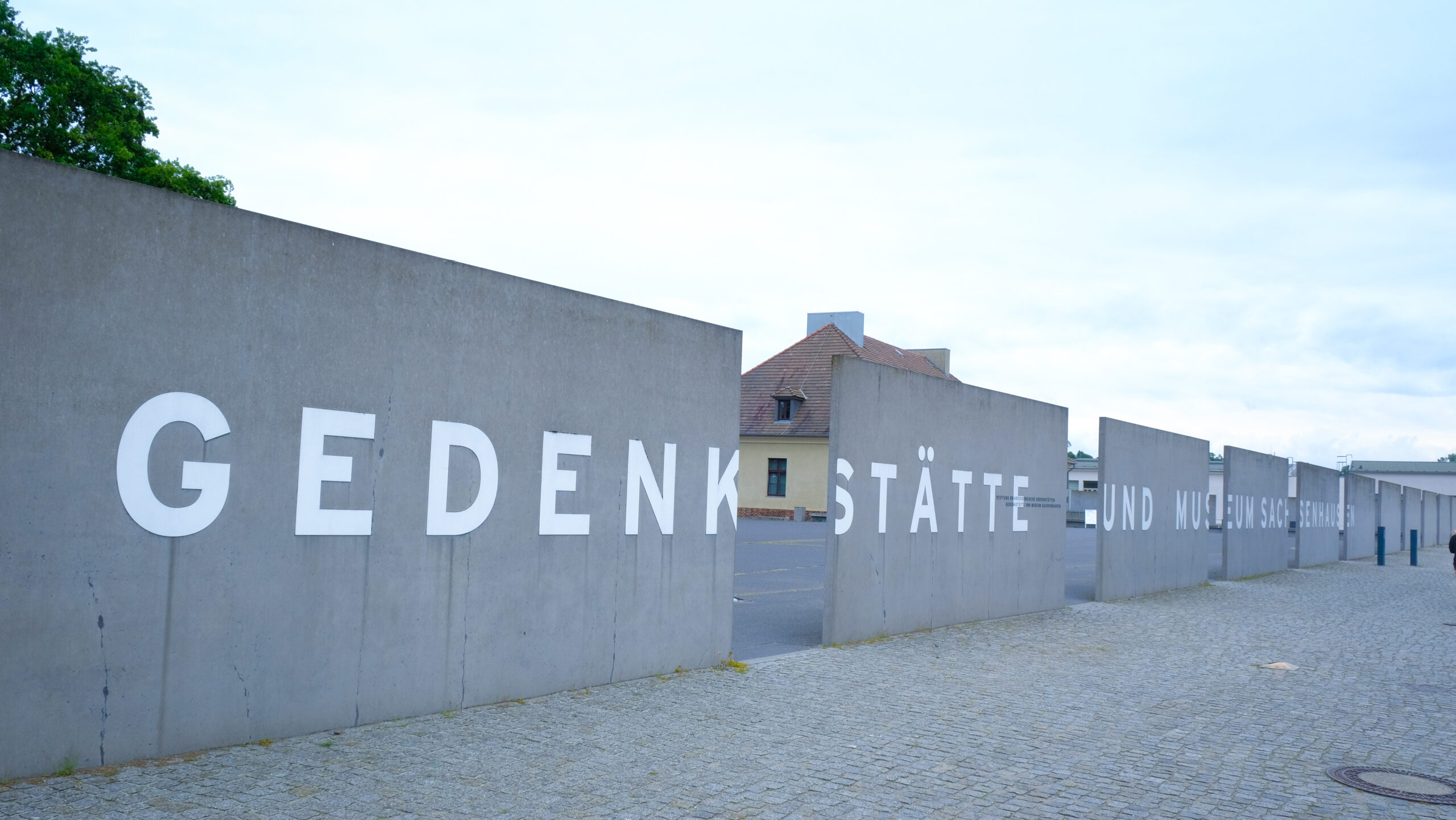
הנה השאלה שמרחפת מעל כל תמונה של יעקב ג'וגשווילי: האם יוסף סטלין באמת נתן לבנו למות במקום לבצע עסקה? התשובה הקצרה היא שיעקב מת ב-14 באפריל 1943, בזקסנהאוזן, והשמועה שאביו היה יכול להציל אותו היא רק חצי מהסיפור. החצי השני יותר לא נוח, והוא מסביר מדוע אנשים עדיין מתווכחים על כך יותר משמונים שנה מאוחר יותר.
האיש במעיל הגדול
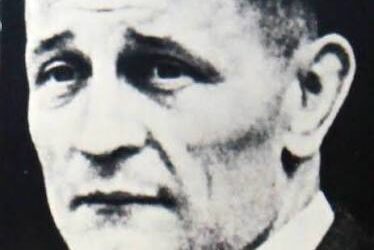
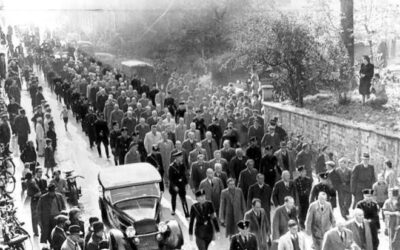
נתחיל עם התמונה שכולם חולקים: גבר צעיר במעיל כבד של הצבא האדום, נראה עייף, מוקף בחיילים גרמנים. זהו סגן בכיר יעקב ג'וגשווילי, מפקד סוללה ברגימנט ההוביצרים ה-14. חיילים גרמנים לכדו אותו ב-16 ביולי 1941, ליד העיר ליוזנו בבלארוס, סביב שדה התעופה סוראז', במהלך הכאוס של הקרבות בסמולנסק.
המעיל הזה ראוי להזכיר, כי הצופים תמיד שמים לב לזהחיילים סובייטים לבשו את המעיל הגדול כל השנה. במזג אוויר חם הם גלגלו אותו ונשאו אותו על הכתף, ובחורף קיבלו מעליו ז'קט כותנה מרופד. זהו פרט קטן, אך הוא מראה שהתמונה לוכדת חייל רגיל במדים רגילים, לא נסיך בתחפושת. For those interested in exploring the wider history of World War II and Nazi Germany, a free historical walking tour of Berlin offers additional context about the period.
תועמלנים גרמנים הבינו את ערכה של התמונה מיד. עלונים הראו את יעקב עם הכיתוב המלעיג ושאל האם אתם יודעים מי זה. המסר לחיילים הסובייטיים היה פשוט: אפילו בנו של המנהיג עצמו ויתר. יעקב, על פי רוב הדיווחים, סירב לשתף פעולה והתנגד לכל ניסיון לגרום לו לערוק.
מי היה יעקב, באמת?
Born in 1907, Yakov was Stalin’s eldest son and his only child with his first wife, Kato Svanidze, who was also Georgian. After his mother died, relatives raised him far from his father. He grew into a reserved young man whose relationship with Stalin was often strained. What he got instead, according to those who studied the family, was a difficult relationship with his father and, ultimately, death in a Nazi concentration camp.
His half-brothers lived very different lives. Konstantin Kuzakov, born in 1911 to Maria Kuzakova, with whom Stalin reportedly had a relationship during his exile, worked in Soviet radio and television and died in 1996. Alexander Davydov, believed to have been Stalin’s son through Lidia Pereprygina during his Siberian exile, served in World War II, reportedly reached the rank of major, and died in 1987. Their alleged parentage has not been established with the same certainty as Stalin’s acknowledged children. Claims that both signed nondisclosure agreements with the NKVD require stronger documentary evidence. Vasily, Yakov’s younger half-brother, born in 1921 to Stalin’s second wife, Nadezhda Alliluyeva, struggled with alcoholism, misused his position, and was imprisoned after Stalin’s death. He died in 1962.
חילופי האסירים שכולם מדברים עליהם
After the German defeat at Stalingrad in early 1943, accounts emerged that Germany had offered to exchange Yakov for Field Marshal Friedrich Paulus. Although the story appears in historical accounts and memoirs, no conclusive documentary evidence establishes that a formal exchange was proposed or rejected עַל יְדֵי Stalin. The reported exchange therefore remains disputed.
The most widely repeated versions of Stalin’s alleged reply remain unverified. One claims he said that the Germans held not only his son Yakov but millions of his sons, so either all should be freed or Yakov would share their fate. Another has him dismissing the deal in military terms: why would he trade a general, or a field marshal, for a lieutenant? A third, more brutal line, “I have no son,” gets quoted constantly. However, none of these statements has been conclusively established through reliable documentary evidence.
היזהרו מכל אלה. אלו מסורות הקשורות לסיפור, לא מסמכים שאפשר לנופף בהם. הם שורדים כי הם נשמעים כמו סטלין, וכי הם תואמים את מה שאנשים רבים כבר מאמינים בו.
A second exchange story is worth knowing. When Soviet forces captured Leo Raubal Jr., Hitler’s nephew, at Stalingrad on 31 January 1943, there were claims that Hitler considered exchanging him for Yakov. However, no conclusive documentary evidence confirms that a formal exchange was proposed or that Stalin rejected it. Yakov died בזקסנהאוזן on 14 April 1943, while Raubal survived the war and was released on 28 September 1955.
רוצים ללמוד על אסיר בולט נוסף שהוחזק בזקסנהאוזן והתנגד להיטלר? קראו? גאורג אלזר בזקסנהאוזן: האיש שכמעט התנקש בהיטלר כדי לגלות את סיפור ניסיון ההתנקשות בו ומאסרו תחת המשטר הנאצי.
האם סירוב לעסקה היה ההחלטה ה"נכונה"?
This is where the debate gets heated, although the reported prisoner exchange itself remains unverified. The arguments surrounding Stalin’s alleged refusal are therefore hypothetical rather than assessments of a confirmed decision.
Supporters of the supposed refusal argue that exchanging a high-ranking German commander for Stalin’s son could have damaged Soviet military morale. Critics suggest that refusing such an exchange, if it was offered, would demonstrate Stalin’s cold relationship with Yakov. Neither interpretation establishes that the exchange actually took place. This debate also connects to the wider history of Nazi Germany and World War II, which visitors can לַחקוֹר through private historical tours of Berlin.
ישנה גם טענה שסטלין גילה עקביות, מה שלא תחשבו על בחירותיו האחרות. אנשים רבים מציינים שמשפחות של אסירים סובייטים אחרים סבלו משבי קרוביהם, שכן הם איבדו את רווחתם וסיוע המדינה ועמדו בפני רדיפות אחרות, בעוד שמשפחת ג'וגשווילי ברובה ניצלה מיחס זה. וסילי, ששירת בחיל האוויר, לא קיבל אישור חופשי בגלל שם משפחתו, לפחות בשנות המלחמה הראשונות.
הטיעון נגדו הוא רגשי ולא אסטרטגי. מבקרים טוענים שאפשר לקבל את ההיגיון הצבאי ועדיין לומר שהאיש היה קר כלפי ילדו הרבה לפני המלחמה, והתייחס ליעקב כאל אכזבה ממערכת יחסים שמעולם לא העריך. אחרים אומרים שהשימוש בפרק אחד זה כדי לגנות אותו הוא המטרה הלא נכונה. סטלין אשם בפשעים מתועדים מספיק, כך שהחלטה זו, ללא קשר למשקלה המוסרי, אינה האשמה החזקה ביותר נגדו. אנשים רבים העלו בדיוק את הנקודה הזו: זוהי הבחירה היחידה בחייו שהייתה כנראה נכונה.
האם באמת נשלחו אסירים סובייטים לגולאג?
סיפורו של יעקב גורר פנימה שאלה רחבה יותר שקוראים רבים מחפשים: מה קרה לחיילים סובייטים ששרדו את השבי הגרמני?
The popular belief is that all returning Soviet prisoners were punished, but historical records show a more complicated picture. According to archival figures examined עַל יְדֵי historians, approximately 1.54 million repatriated Soviet POWs had been processed עַל יְדֵי March 1946. Of these, around 43% were returned to military service, 22% entered military labour battalions, 18% were sent home, and 14.7% were transferred to NKVD custody. These figures describe specific administrative outcomes and should not be interpreted as meaning that every prisoner transferred to NKVD custody received the same punishment.
Order 270, issued in 1941, is the document people usually cite. It treated surrender under certain circumstances as betrayal and imposed severe penalties, which is why the unverified quotation “I have no son” carries such weight. Yet Yakov’s own family, unlike many others, was reportedly spared the usual consequences.
איך יעקב באמת מת?
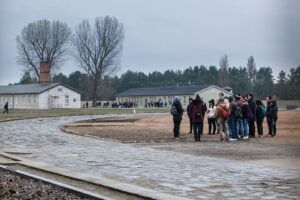
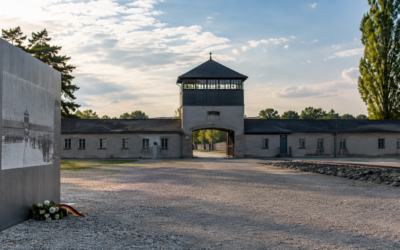
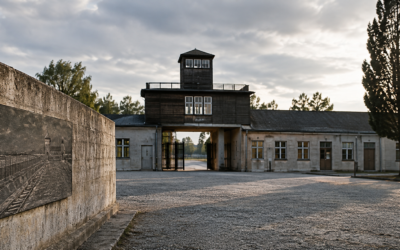
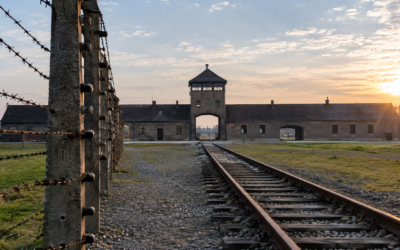
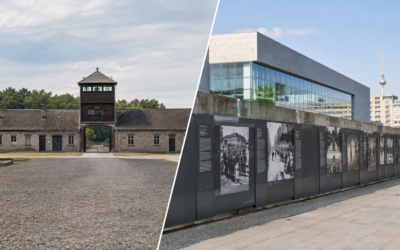
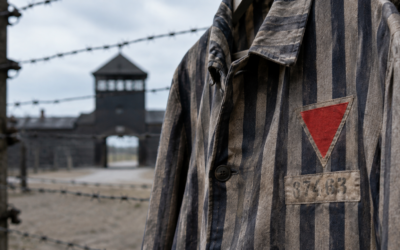
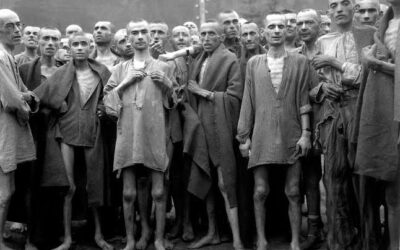
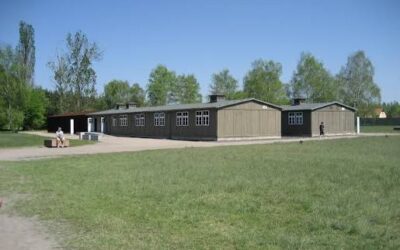
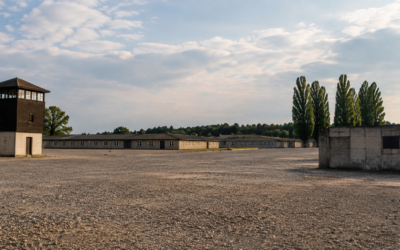
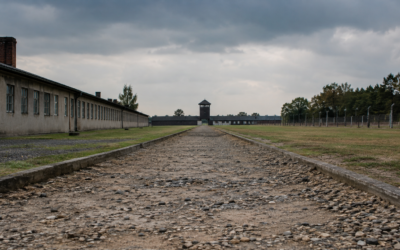
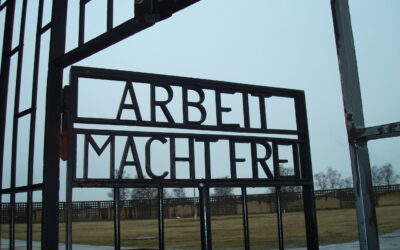
According to German reports, Yakov died on 14 April 1943 בזקסנהאוזן concentration camp. He reportedly approached or threw himself against the electrified barbed-wire fence, where a guard shot him. However, the precise sequence of events and whether the gunshot or electrocution caused his death remain disputed.
The circumstances have led to different interpretations. Some historians suggest that Yakov deliberately approached the fence to end his life, while others have considered the possibility of an escape attempt. Neither explanation has been conclusively established. The claim that news of Stalin’s refusal to exchange him drove Yakov to suicide also lacks reliable documentary confirmation.
Whether Yakov intended to escape or take his own life remains uncertain. What is established is that he died בזקסנהאוזן on 14 April 1943, while being held in German captivity.
שאלות נפוצות
- האם הגרמנים באמת הציעו להחליף את יעקב בפילדמרשל פאולוס?
That is the story most often told, and it is widely repeated. However, the proposed exchange itself remains historically disputed, and the exact wording of Stalin’s alleged reply is unverified, with different versions appearing.
- האם סטלין באמת אמר "אין לי בן"?
It is attributed to him often, but there is no conclusive documentary evidence confirming he said it. Several different versions of his alleged response circulate, including the one about millions of sons. Their wording and authenticity remain uncertain, as does the reported prisoner exchange itself.
- האם גם יעקב הוצע בתמורה לאחיינו של היטלר?
The proposed exchange remains historically disputed. Leo Raubal Jr. was captured at Stalingrad, and the Germans allegedly suggested trading him for Yakov. However, there is no conclusive evidence that a formal exchange was proposed or that Stalin refused it. Yakov died in 1943, while Raubal was released in 1955.
- האם שבויי מלחמה סובייטים נשלחו אוטומטית לגולאג לאחר שובם הביתה?
No. Soviet records indicate that returning prisoners experienced different outcomes, including military service, release, labour battalions, and NKVD detention. Of approximately 1.54 million repatriated POWs processed עַל יְדֵי March 1946, around 14.7% were transferred to NKVD custody. This does not mean that all returning prisoners were imprisoned in the Gulag.
- כיצד מת יעקב דז'וגשווילי בזקסנהאוזן?
הדיווח הרוסי מספר שהוא נורה ב-14 באפריל 1943, בעת שניסה להימלט על ידי השלכת עצמו לעבר גדר התיל. יש הסבורים שזה עולה בקנה אחד עם מעשה אובדני יותר מאשר ניסיון בריחה אמיתי.