אם אי פעם היית בשקט רחוב בברלין ותהית כיצד עיר מודרנית וקוסמופוליטית יכלה להגיע להיות בין שכנותיה, אתה שואל את השאלה הנכונה. התשובה הישירה אינה נעימה: זה לא קרה בבת אחת, אלא בשלבים קטנים ובירוקרטיים, שכל אחד מהם גורם לצעד הבא להיראות נורמלי יותר.
This guide walks through that escalation the way a local would explain it to a friend, with the dates, the places, and the common misunderstandings people bring to the conversation.
זה התחיל בניירת, לא באלימות
בשנת 1933 מספר היהודים בברלין היה כ-160,000, יותר מבכל עיר אחרת בגרמניה. רבים מהם היו רופאים, בעלי חנויות, עורכי דין, מורים ועובדי מדינה. הם לא היו אנשים מבחוץ אלא שכנים בדירות שמעליהן.
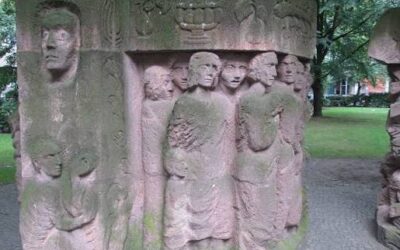
בתחילה, הפעולות נראו כצעדים אדמיניסטרטיביים בלבד. ב-1 באפריל 1933, ארגן המשטר חרם על עסקים יהודיים, והציב גברים במדים מחוץ לחנויות. מספר ימים לאחר מכן, חוק הנוגע לשירות המדינה אילץ יהודים ואלה שלא היו רצויים מבחינה פוליטית לעזוב את מקומות העבודה במגזר הציבורי. במאי, סטודנטים ופקידים שרפו ספרים באופרנפלאץ, הכיכר המכונה כיום בבלפלאץ. כיום, לוח זכוכית המוטבע במדרכה מתאר ספרייה תת-קרקעית ריקה, אנדרטה שקטה לספרים שנהרסו.
הדפוס חשוב: אנשים הוצאו תחילה מהעבודה, אחר כך מהחיים הציבוריים, ואז מהגנה משפטית. בכל שלב זה הוצג כאמצעי שנועד לשמור על הסדר, לא כמעשה אכזריות.
שאלת ההגירה שכולם טועים בה
אחת השאלות הנפוצות ביותר ששואלים מבקרים וקוראי היסטוריה היא מה הייתה בפועל עמדת המשטר בנושא ההגירה בין השנים 1933 ו-1939. לתשובה שני צדדים, וערבוב ביניהם גורם לבלבול אינסופי.
עבור גרמנים אתניים שחיו בחו"ל, המדיניות הייתה מסבירת פנים. תחת הכותרת "Heim ins Reich", שפירושו "חזרה לרייך", אנשים ממוצא גרמני בקהילות מרוחקות ברחבי מזרח ודרום מזרח אירופה עודדו לעבור לתחום הגרמני. מדובר היה בהרחבת הגוף הלאומי, לא בפתיחת גבולות.
עבור יהודים גרמנים, הלחץ פעל בכיוון ההפוך. למרות שהמשטר רצה להיפטר מהם, הוא דרש תחילה לקחת מהם את עושרם. אלו שניסו להגר נאלצו לשלם מיסים כבדים, לראות את רכושם נמכר בתנאים כפויים תמורת חלק קטן בלבד מערכו, ולעבור סדרה מורכבת של היתרים. במקביל, מדינות אחרות סגרו את שעריהן, כך שאנשים רבים שרצו לעזוב לא יכלו למצוא מדינה שמוכנה לקבל אותם. תורים בקונסוליות בברלין נמתחו מסביב לרחוב. המצב הזה של גירוש אך ללא מקום ללכת אליו חיוני להבנת מה שקרה לאחר מכן.
1935: כאשר אפליה הפכה לחוק
בשנת 1935, חוקי נירנברג הפכו דעות קדומות לחוק בכך שללו מיהודים גרמנים את אזרחותם ואסרו עליהם להינשא או לקיים קשרים עם גרמנים אחרים; חוקים אלה קבעו קריטריון משפטי לקביעת מי נחשב יהודי על בסיס מוצא, וכיסו גם אנשים שהתגיירו או שמעולם לא נהגו לפי דת.
בברלין, משמעות הדבר הייתה השפלות יומיומיות. ספסלי פארק, בריכות שחייה ובתי קולנוע הציבו שלטי איסור. אחר כך הגיעו המשחקים האולימפיים של 1936. במשך מספר שבועות, העיר הסירה בשקט כמה מהשלטים הבולטים ביותר כדי להרשים מבקרים זרים. ברגע שהמצלמות עזבו, השלטים הוצבו שוב. אם אתם רוצים דוגמה אחת עד כמה היו פניו הציבוריות של המשטר פרקטיות, הנה היא.
ליל הבדולח: הלילה בו העיר הראתה את ידה
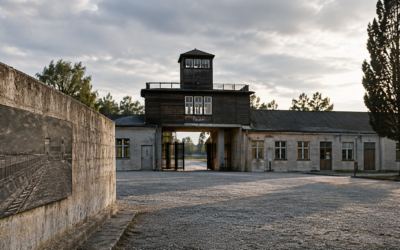
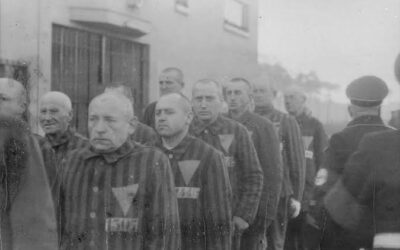
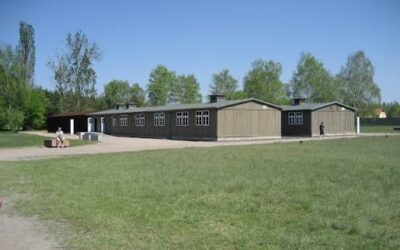
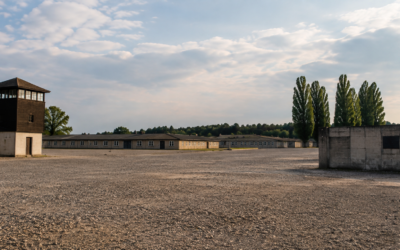
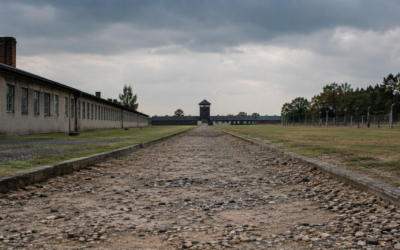
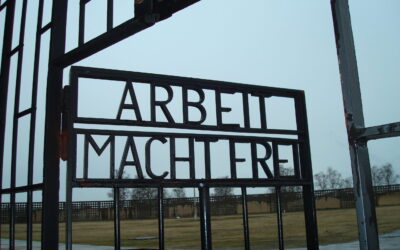
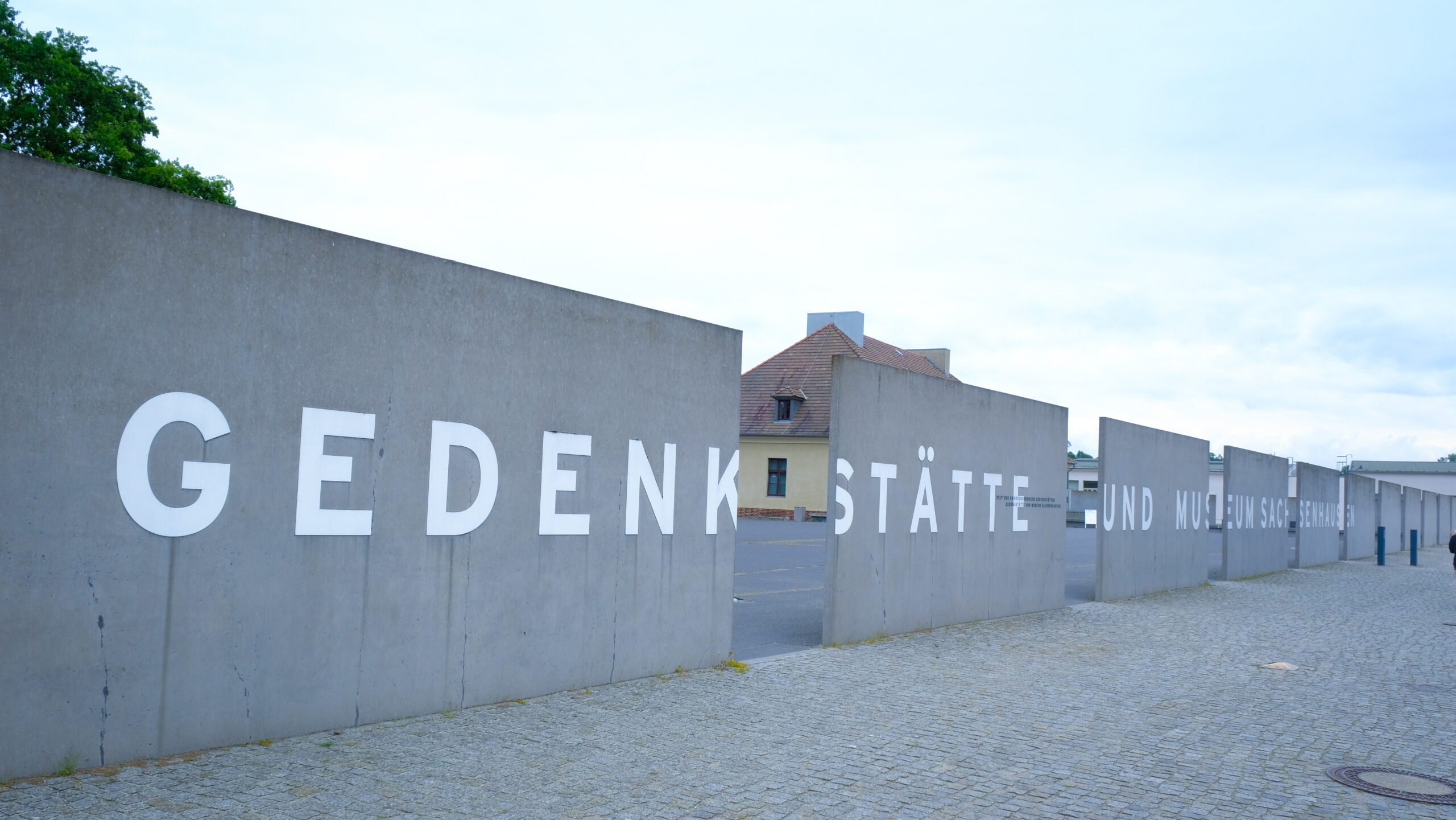
ב-9 וב-10 בנובמבר 1938 הוצתו בתי כנסת בכל רחבי גרמניה, וברלין לא הייתה יוצאת דופן. חלונות החנויות נופצו, מה שנתן ללילה את שמו, אם כי היסטוריונים רבים מעדיפים כיום לכנותו "פוגרום נובמבר", שכן הזכוכית השבורה לא הייתה הבעיה היחידה. כ-30,000 גברים יהודים נעצרו ברחבי המדינה ונשלחו ל... מחנות כמו זקסנהאוזן, which is situated just north of Berlin, Buchenwald, and Dachau.
מה שרבים לא מבינים הוא שההשלכות היו חושפניות לא פחות מהאלימות עצמה. הקהילות היהודיות נקנסו במיליארד רייכסמארק בסך הכל בגין הנזק, ותשלומי הביטוח נלקחו. הקורבנות הואשמו בגין הפשע שבוצע נגדם. עד אז, ההגירה חדלה להיות טקטיקת לחץ והפכה למרוץ הישרדות.
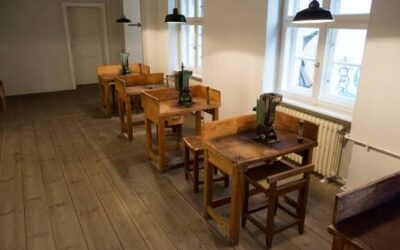
רוצים לחקור סיפור של התנגדות במהלך רדיפות הנאצים? קראו את הבלוג שלנו בנושא סדנת העיוורים של אוטו ויידט: סיפור על התנגדות בברלין היהודית כדי ללמוד על מאמציו להגן על פועלים יהודים.
מהדרה לגירוש
עם פרוץ המלחמה ב-1939, האפשרויות הצטמצמו עוד יותר. ברלינאים יהודים אולצו להתגורר בדיור ייעודי, נדרשו לענוד טלאי צהוב החל מספטמבר 1941, ונאסר עליהם להשתמש ברוב התחבורה הציבורית. ואז הגיע הצעד שהפך את הרדיפה לגירוש.
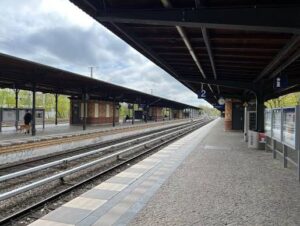
ב-18 באוקטובר 1941 יצאה רכבת הגירוש הראשונה מתחנת גרינווולד בברלין, והובילה תושבים יהודים לגטו בלודז'. במהלך השנים שלאחר מכן, גירשו הרשויות כ-50,000 ברלינאים. כיום you can walk along גלייס 17 בגרונוולד, שם לוחות פלדה לאורך קצה הרציף מפרטים כל רכבת, עם תאריך, יעד ומספר האנשים שעליה. זהו אחד המקומות המרשימים ביותר בעיר דווקא משום שהוא כל כך פשוט.
בינואר 1942 נפגשו פקידים בוילה על שפת אגם בוונזה כדי לתאם את מה שכינו "הפתרון הסופי". הפגישה נמשכה כתשעים דקות. הווילה משמשת כיום כמוזיאון, והמסמכים המוצגים מבהירים כמה מהמכונות היו ניהול רגיל.
מעשה התנגדות אחד ראוי להזכיר. בפברואר ובמרץ 1943, נשים וקרובי משפחה לא יהודים התאספו במשך ימים ברוזנשטראסה כדי לדרוש את שחרור בעליהן היהודים לאחר מעצר. רוב הגברים שוחררו. זהו רגע נדיר ויוצא דופן של מחאה ציבורית, והוא מסבך את הרעיון העצלן שלא ניתן היה לעשות דבר.
Why Accountability Still Makes Headlines
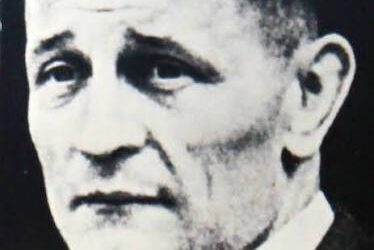
הסיפור לא הסתיים ב-1945, וגם לא הוויכוחים סביבו. מקרה שנערך לאחרונה החזיר את הנושא לדיון הציבורי: גבר בן 95 המתגורר בטנסי, פרידריך קרל ברגר, גורש לגרמניה לאחר שהרשויות גילו כי שירת כשומר חמוש במערכת מחנות נוינגמה ב-1945. משרד המשפטים האמריקאי אמר כי הגירוש הראה שאמריקה לא תהיה מקלט לאנשים שהשתתפו ברדיפת הנאצים.
התגובות עקבו אחר דפוסים ידועים. מספר רב של גרמנים מסכימים כי יש להמשיך בהליכים המשפטיים ללא קשר לזמן שחלף, בטענה שרצח עם אינו פג. מצד שני, יש אנשים המטילים ספק האם הגיוני להעמיד לדין אנשים בשנות התשעים לחייהם על פעולות שביצעו כשהיו צעירים. מבקרים הצביעו גם על הרקורד הלא עקבי של התקופה שלאחר המלחמה, וציינו כי אנשים מבוגרים בהרבה גויסו בשל מומחיותם ולא נענשו. זוהי ביקורת מוצדקת, אך יש להבין אותה בהקשר לכך שארצות הברית, ברית המועצות ובריטניה העסיקו כולן מדענים ומהנדסים גרמנים לאחר המלחמה, ואף אחת מהתוכניות הללו לא הצליחה להבחין בין חפים מפשע לאשמים.
מילה אחרונה על מיתוס מתמשך. סיפורים מסתובבים על חוות רבייה שמנוהלות על ידי האס אס עבור "גזע אדונים". תוכנית לבנסבורן הייתה אמיתית, והיא הייתה פרויקט מרושע של האס אס שתמך בלידות להורים מאושרים, ובפולין הכבושה כלל חטיפת ילדים שנחשבו כנחשקים מבחינה גזעית. אבל הרעיון של חוות הרבעה פשוטות הוא הגזמה שמקשה על התייחסות רצינית להיסטוריה האמיתית. העובדות המתועדות מטרידות מספיק.
רוצים להבין את ההשפעה הרחבה יותר של רדיפת הנאצים על הקהילה היהודית בברלין? קראו את הבלוג שלנו בנושא מה קרה לקהילה היהודית בברלין תחת הנאצים? למבט מקרוב על מה שקרה בתקופה זו.
שאלות נפוצות
- What was the Nazi regime’s stance on immigration between 1933 and 1939?
זה היה תלוי במי היית. גרמנים אתניים בחו"ל עודדו לעבור לרייך תחת Heim in Reich. גרמנים יהודים נאלצו לעזוב, אך רק לאחר שאיבדו את רוב נכסיהם, והם מצאו מעט מדינות שהיו מוכנות לקבל אותם.
- Does Germany still cover and pursue cases against elderly Nazi-era suspects?
Yes, cases involving former camp personnel are still in the news, and some elderly guards have been sentenced in recent years. Many Germans back the proceedings, arguing that time does not eliminate responsibility, even though some people think trying individuals in their nineties has little practical purpose.
- האם מדינות אחרות מלבד ארצות הברית מגרשות משתתפים לשעבר במשטר הנאצי?
כן. גירושים או שלילת אזרחות ננקטו במספר מדינות, כולל קנדה, ואנשים נשלחו בחזרה גם מברזיל וארגנטינה. גרמניה גם מקיימת הליכים משפטיים עבור אלו שהוחזרו.
- האם מדינות באמת גייסו דמויות מתקופת הנאצים לאחר המלחמה?
אין ספק שלא רק מדינה אחת עשתה זאת; ארצות הברית ביצעה את מבצע "קליפס נייר", ברית המועצות ביצעה את מבצע "אוסואביאכים", ולבריטניה היו תוכניות דומות. מבקרים מצביעים על כך שחלק מהאנשים שגויסו היו קשורים לפעולות עבודת כפייה, וזו הסיבה שתוכניות אלו עדיין שנויות במחלוקת.
- האם פרידריך קרל ברגר נשפט על פשעי מלחמה לפני שגורש?
לא. הוא סולק בשל השתתפות ברדיפות בחסות הנאצים כשומר בנוינגמה בשנת 1945. בזמן סילוקו, לא חיכה לו משפט בגרמניה. הם ציפו לחקור אותו במקום להעמידו לדין באופן מיידי.