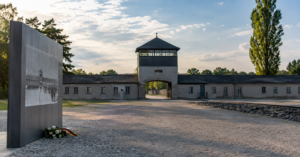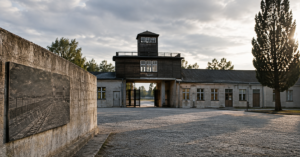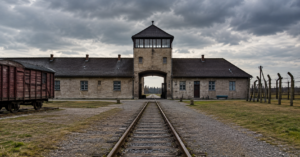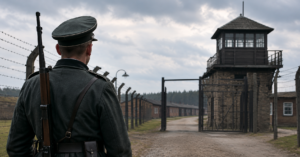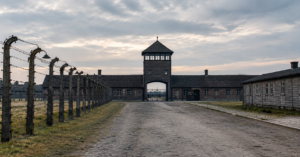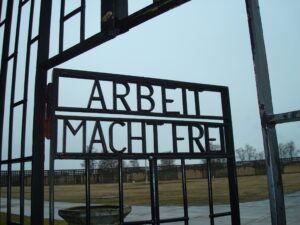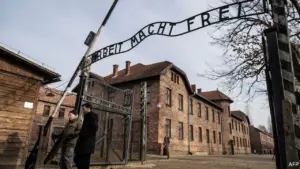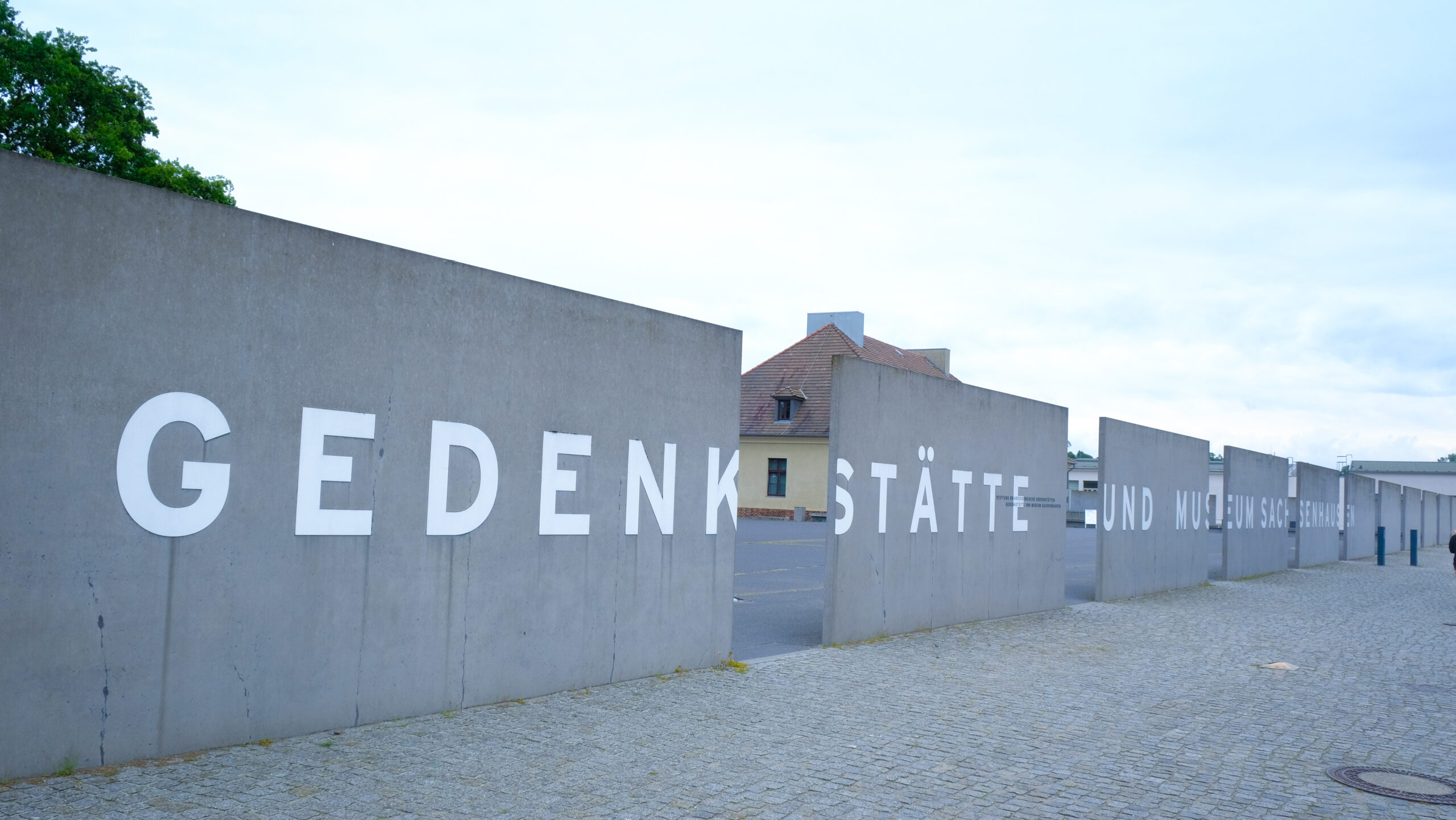
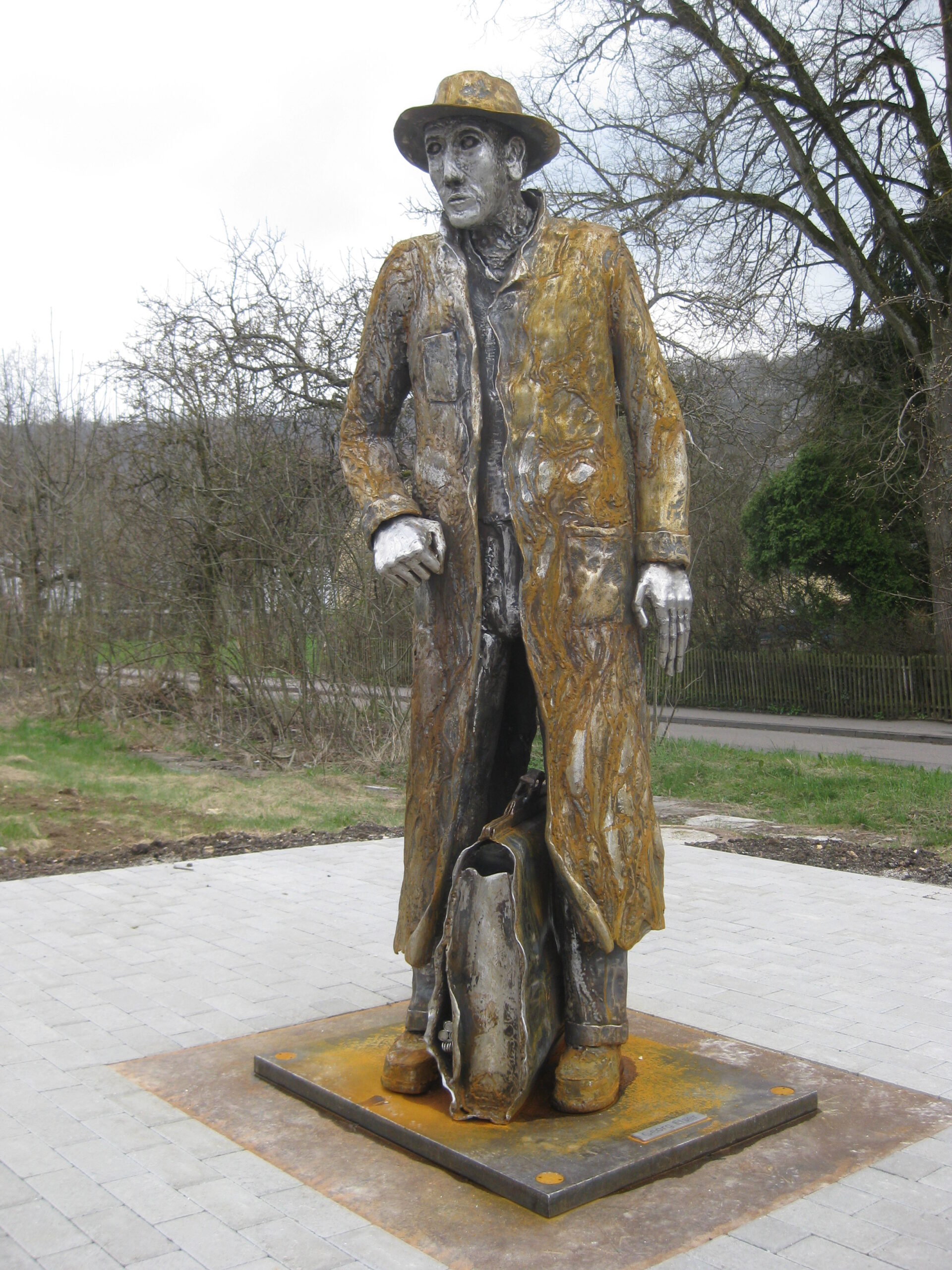
אם אתה עומד בשער זקסנהאוזןאתם בטח תוהים כיצד נגר שקט מעיירה קטנה בוירטמברג הפך לאחד האסירים השמורים ביותר במחנה. התשובה היא סיפור על סבלנות, פרפקציוניזם ושלוש עשרה דקות שלא שינו דבר והכל.
רוב המבקרים מגיעים כשהם מכירים את השם שטאופנברג. מעטים מגיעים כשהם מכירים את אלזר. פער זה הוא בדיוק הסיבה לכך שסיפורו שווה את הנסיעה.
האיש שמאחורי העמוד
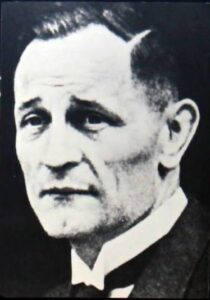
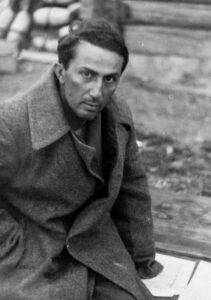
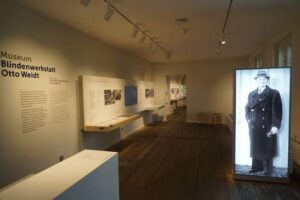
גאורג אלזר נולד בשנת 1903 למשפחה בעלת הכנסה נמוכה. הוא הצליח בלימודים, התמחה כנגר וסיים את לימודיו בראש כיתתו. הוא לא היה גנרל, אריסטוקרט או חבר בשום מעגל קונספירציה. עד 1938 הוא הגיע למסקנה שהמשטר דורס את הפועלים הפשוטים ומוביל את גרמניה למלחמה, ושהדרך היחידה לעצור זאת היא להדיח את היטלר.
זה מה שמבדיל אותו כמעט מכל קושרים אחר. רבים מהניסיונות המאוחרים יותר הגיעו מקציני צבא שראו את התבוסה מתקרבת והבינו שמנהיגם הפך לנטל. אלזר פעל מוקדם, לבדו ומתוך בהירות מוסרית גרידא, ללא ארגון מאחוריו. עבור גרמנים רבים כיום, זו בדיוק הסיבה שהוא מדורג מעל הקצינים שהגיעו מאוחר יותר.
שנה של הכנה
In November 1938, Elser visited the Bürgerbräukeller after the annual speech Hitler gave in Munich to commemorate the anniversary of the Beer Hall Putsch; he observed the setup, noted the weak security, and noticed the pillar behind the lectern.
מה שבא לאחר מכן היה אומנות יוצאת דופן:
- In March and April 1939, he took explosives and detonators from a quarry where he worked and hid them in a suitcase with a false bottom.
- הוא בדק אבות טיפוס במטע של הוריו ושכלל טיימר עד שהיה אמין.
- באוגוסט 1939 הוא עבר למינכן והחל לאכול בבורגרבראוקלר מדי ערב.
- After closing, he hid on the hall’s gallery until the building was locked, then worked alone until morning.
- Over 30 to 35 nights between August and November 1939, he hollowed out a cavity in the pillar, timing each hammer blow to cover it with the noise of passing trams or flushing toilets.
- בכל בוקר הוא הסתיר את הנזק ונשא את ההריסות החוצה במזוודה.
ב-6 בנובמבר הוא כיוון את טיימרים כפולים לשעה 21:20 ב-8 בנובמבר. הוא עזב את מינכן, וחזר ב-7 בנובמבר כדי לבדוק את המנגנון פעם נוספת. הוא תקתק בצורה מושלמת. הפרפקציוניזם הזה הוא הפרט שאנשים זוכרים הכי הרבה.
35 הדקות שהכריעו הכל
ציר הזמן של ה-8 בנובמבר 1939 כמעט אכזרי בדיוקו:
- 20:45: Elser is arrested in Konstanz near the Swiss border, and it is discovered that he has wire cutters, bomb-related notes, and a postcard of the Bürgerbräukeller.
- 21:07: היטלר עוזב את האולם מוקדם. ערפל שיבש את תוכניות הטיסה שלו, ולכן הוא נאלץ לתפוס רכבת במקום זאת.
- 21:20: The bomb detonates, wrecking the rostrum area and bringing down part of the ceiling and balconies. Eight people are killed, and between 60 and 63 are injured.
היטלר נעדר שלוש עשרה דקות. אילו הפצצה התפוצצה מוקדם יותר, או אילו נשאר לאורך כל הנאום, כל מעגל הבוגרים שהתקהל ליד הדוכן היה נמצא באזור הפיצוץ. רשימה זו כללה את גבלס, הימלר, הס, בורמן, ריבנטרופ, פריק, טודט ורוזנברג. גרינג לא היה במינכן.
אלזר לא היה האדם היחיד שהיטלר נמלט ממנו למרבה המזל. בשנת 1940 תכננו הקושרים לירות בו במצעד בפריז, אך הוא הגיע ועזב ארבעה ימים מוקדם מהצפוי, והמצעד בוטל. הם ביטלו ביקור חוזר יום קודם לכן. בשנת 1943, רודולף פון גרסדורף החביא שני מוקשים בריטיים שנתפסו בכיסי מעילו כדי לפוצץ את עצמו לצד היטלר במהלך סיור בתערוכה בברלין, אך היטלר מיהר לעבור תוך פחות מעשר דקות ועזב. גרסדורף נטרל את המטענים בשירותים ציבוריים ברגע האחרון. ניסיונו של אלזר היה הקרוב ביותר.
למה זקסנהאוזן, ולמה לא הוצאה להורג מהירה?
זוהי השאלה ששואלים המבקרים הכי הרבה. אדם שניסה להרוג את היטלר והרג שמונה אנשים לא נורה תוך ימים ספורים. במקום זאת, הוא נחקר על ידי הגסטפו והוחזק במשך יותר מחמש שנים כאסיר מיוחד, בנפרד מאוכלוסיית המחנה הכללית. זקסנהאוזן היה אחד המקומות שבהם הוחזק, ובסופו של דבר הוא הועבר לדכאו.
הסיבות ההגיוניות ביותר הן פרקטיות. הממשלה רצתה לקשר את המזימה למודיעין הבריטי ולקנוניה רחבה יותר, והעובדה שהוא הוחזק במשך זמן רב שמרה על אפשרות זו בחיים. הייתה גם אפשרות שעל ידי הריגתו המהירה הוא היה הופך אותו למרטיר. ישנם היסטוריונים שטענו. noted that the Nazis may have anticipated a large trial following the war and had hoped to show that he was an agent acting on behalf of foreign powers. Whatever the reason, Elser remained a prisoner from his arrest near the Swiss border in 1939 until the final days of the war, when he was executed at Dachau. For visitors exploring Berlin’s Second World War history, a private historical tour can provide more context about the Nazi regime and its wartime activities.
הוא הוצא להורג בדכאו ב-9 באפריל 1945, כאשר המשטר עומד על נפילת דרכו. מותו נקבע כתאונה, דבר שהיה נורמלי. היה זה נוהג קבוע בקרב הנאצים להסוות רציחות כמוות טבעי או מקרי, אפילו במקרה של תליות פומביות, כאשר סיבת המוות הרשמית ניתנה לעיתים כמוות לבבי פתאומי.
הדיון שתשמעו בברלין ובמינכן
Spend any time around people who care about this history, and you will hit the same argument: what might have happened if Hitler had been killed in 1939? Any answer is speculative, since there is no way to know how events would have unfolded.
One speculative version goes like this. Hitler made terrible military decisions and overruled his own generals, so perhaps a competent successor would have run the war better. Another hypothetical scenario suggests that a 1939 death would have changed little at first. Göring, the designated successor, was popular, still holding enormous power, and riding the success of the Polish campaign. Under that reading, the Norwegian, Low Countries, and French campaigns might have gone roughly as they did, and Britain and France might still have refused a peace that left Germany dominant on the continent. These possibilities remain hypothetical rather than established historical conclusions.
A third hypothetical scenario is more hopeful. The blast might have wiped out much of the party leadership, leaving a hole at the top, and a shaken Germany might have faced a crisis of legitimacy once the Nazi promise of conquest and economic self sufficiency stalled. Nobody can settle it, but it is a fair reminder of what Elser actually risked everything to prevent. There is also a darker footnote. Some argue the string of near misses reinforced Hitler’s belief that providence was protecting him, and fed the cult around him.
מה קרה לדמויות בולטות אחרות שנכלאו על ידי הנאצים? גלו מרטין נימלר בזקסנהאוזן: הכומר שמאחורי "ראשונים באו" כדי ללמוד כיצד כומר שתמך בתחילה בהיבטים של הלאומיות הגרמנית הפך למבקר קולני של השלטון הנאצי ולסמל של התנגדות.
איך לגשת לביקור
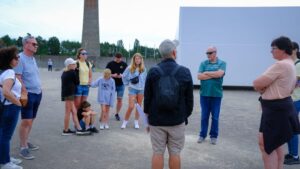
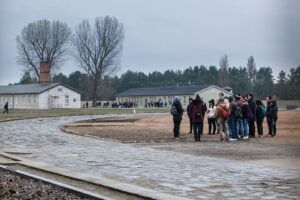
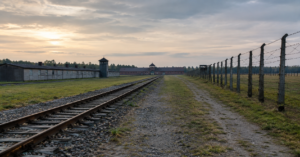
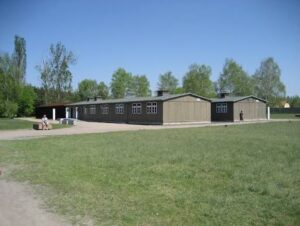
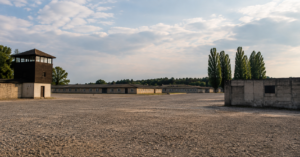
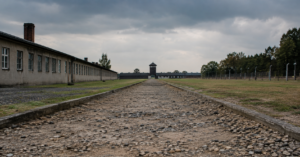
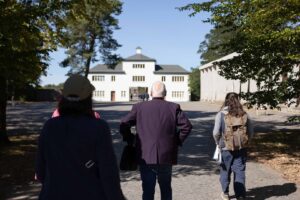
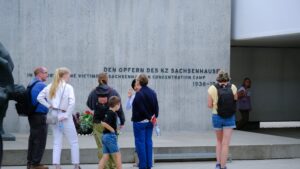
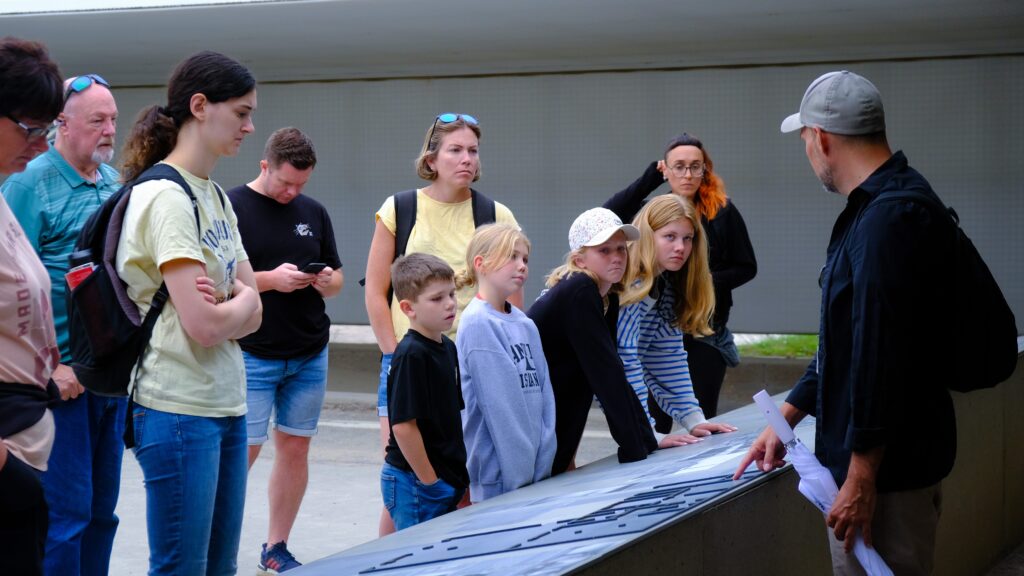
Consider Sachsenhausen primarily as a memorial and only secondarily as a place to learn about history. The site isn’t suitable for smiling תמונות, so do that early, spend a full half day there, and read up on it in advance. If you would like a more human account of Elser’s story before visiting, the German film Elser, known in English as 13 Minutes, stars Christian Friedel and is generally recommended.
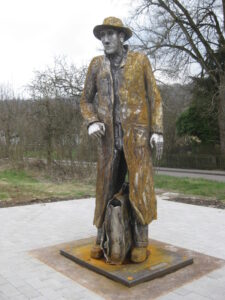
If you’re exploring Berlin’s Second World War history on a free walking tour, you might also consider visiting Munich to learn more about Elser’s story. The Bürgerbräukeller no longer stands as Elser knew it, so don’t expect to see the pillar. The story lives in Munich’s memory and in the memorials that remember him. The best way to honor him is to know the details, because few people do.
שאלות נפוצות
- מדוע לא הוצא גאורג אלזר להורג מיד?
He lived on for over five years, because the Nazi regime planned to put him on trial after the war and falsely portray his assassination attempt as a British-backed conspiracy. He was executed at Dachau on April 9, 1945.
- Why would the Nazis disguise his death as an accident?
Nazi authorities sometimes disguised executions עַל יְדֵי recording them as natural or accidental deaths. The desire to avoid creating a martyr and the possibility of being put on trial after the war might also have been factors.
- עד כמה הפצצה הייתה קרובה להריגת היטלר?
היטלר עזב את האולם בשעה 21:07 משום שערפל שיבש את תוכניות הטיסה שלו. הפצצה התפוצצה בשעה 21:20, שלוש עשרה דקות לאחר מכן, והרגה שמונה בני אדם.
- האם אלזר פעל לבדו?
Yes, unlike many later plotters, he had no group or military network to support him; he planned and carried out the preparations himself over about a year, including about 30 nights spent working inside the pillar.
- האם גרמניה הייתה במצב טוב יותר, או גרוע יותר, אם אלזר היה מצליח?
It is impossible to know for certain. One hypothetical scenario suggests Göring might have taken over, and the early campaigns might have gone much the same. Another possibility is that the blast could have killed several senior Nazi leaders, potentially destabilizing the regime. However, these are speculative scenarios, not established historical outcomes.