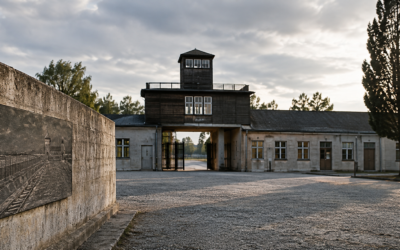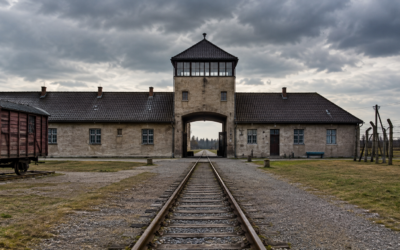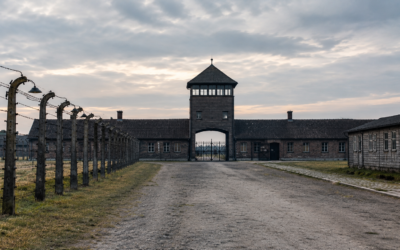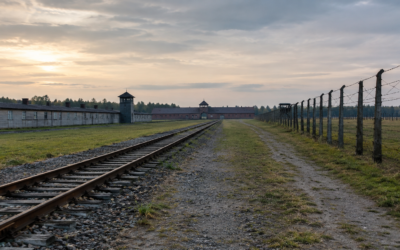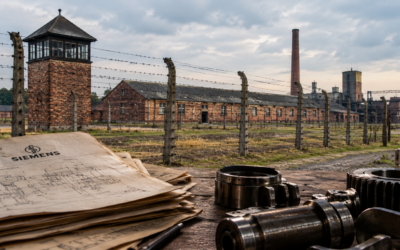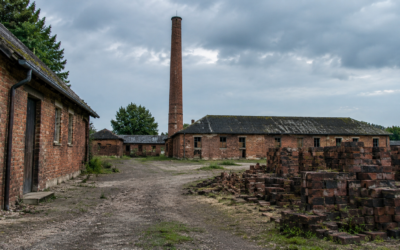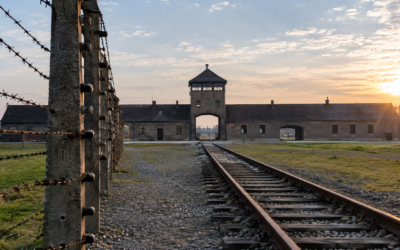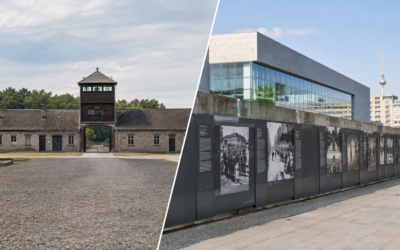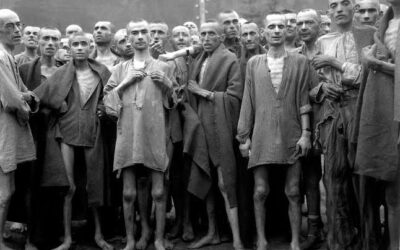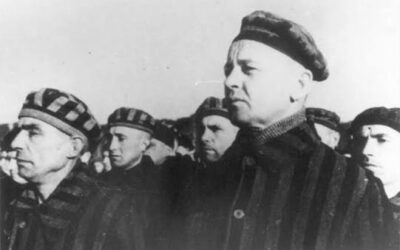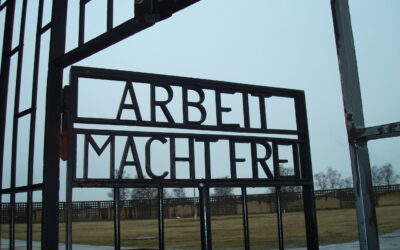
כשאתם עוברים דרך שערי מחנה ריכוז, אתם מחפשים שיעור היסטוריה פשוט. אבל אז אתם שמים לב למשהו מוזר: אובליסק בטון בגובה 40 מטרים ניצב מעל האתר, פסל של חייל סובייטי מתנשא במרחק, ורוב הצריפים שדמיינתם נעלמו. אז לאן הם נעלמו, ומדוע האזור מרגיש מסודר כמו תפאורה?
The answer is that you are standing inside two layers of history. One is the camp itself. The other is what East Germany decided the camp should mean. To understand זקסנהאוזן, אתה צריך לקרוא את שניהם.
The Day the Camp Became a Monument
Walter Ulbricht, leader of the SED, opened זקסנהאוזן as a national memorial on April 23, 1961. If the site of a concentration camp were managed properly, it could act as evidence that the GDR had been on the correct side of history.
So the redesign served two purposes at once. It commemorated the people who suffered and died in the camp, and it presented the GDR’s official antifascist narrative. Planners built it as a national memorial and as a monument to what they called the “Triumph of Antifascism.” Visitors who study the layout will notice how commemoration and political messaging are intertwined: the site honors the dead while also making an argument about the present.
האובליסק והמשולשים האדומים
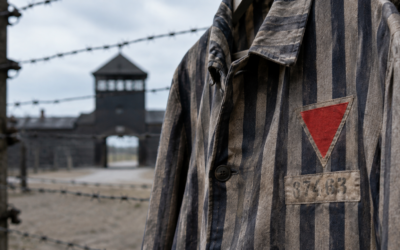
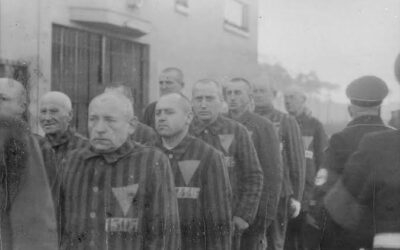
מרכז העיצוב המחודש משנת 1961 הוא אובליסק בטון בגובה 40 מטרים. הוא נושא 18 משולשים אדומים, הסמל שהנאצים אילצו אסירים פוליטיים לענוד. בחירת הסמל מספרת הכל על הסיפור המסופר.
הנרטיב של גרמניה המזרחית הציב את ההתנגדות הקומוניסטית בראש היררכיית הקורבנות. אסירים פוליטיים, וקומוניסטים מעל כולם, הוצגו כגיבורים שמאבקם הסתיים בניצחון. אנשים שנדחקו לשוליים בשל מי שהם, ולא בשל מה שהאמינו בהם.
The record is more nuanced than it is often presented. Jewish victims were not absent in 1961: a Museum of the Resistance Struggle and the Sufferings of Jewish Citizens was set up in Barracks 38 shortly before the opening. But it sat within a framework that centered political and communist resistance, and Jewish persecution received comparatively limited space. Jehovah’s Witnesses and homosexual prisoners received little or no recognition in the state narrative, and Roma and Sinti were also largely absent from it.
גם הנוף נכתב מחדש
ה-GDR לא רק שינתה את הסיפורים על התוויות; היא שינתה את היסודות עצמם. היסטוריונים מסוימים מתארים שינוי זה כשקול להחלפת "הגיאומטריה של הטרור המוחלט" ב"ניצחון האנטי-פשיזם".
הנה מה שזה אומר באתר:
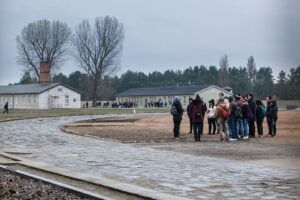
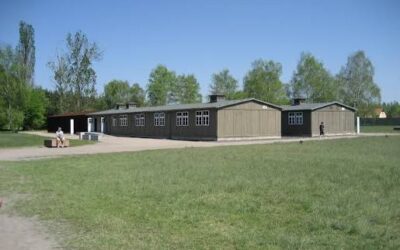
- רוב צריפי האסירים המקוריים נהרסו.
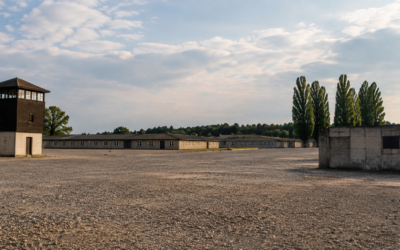
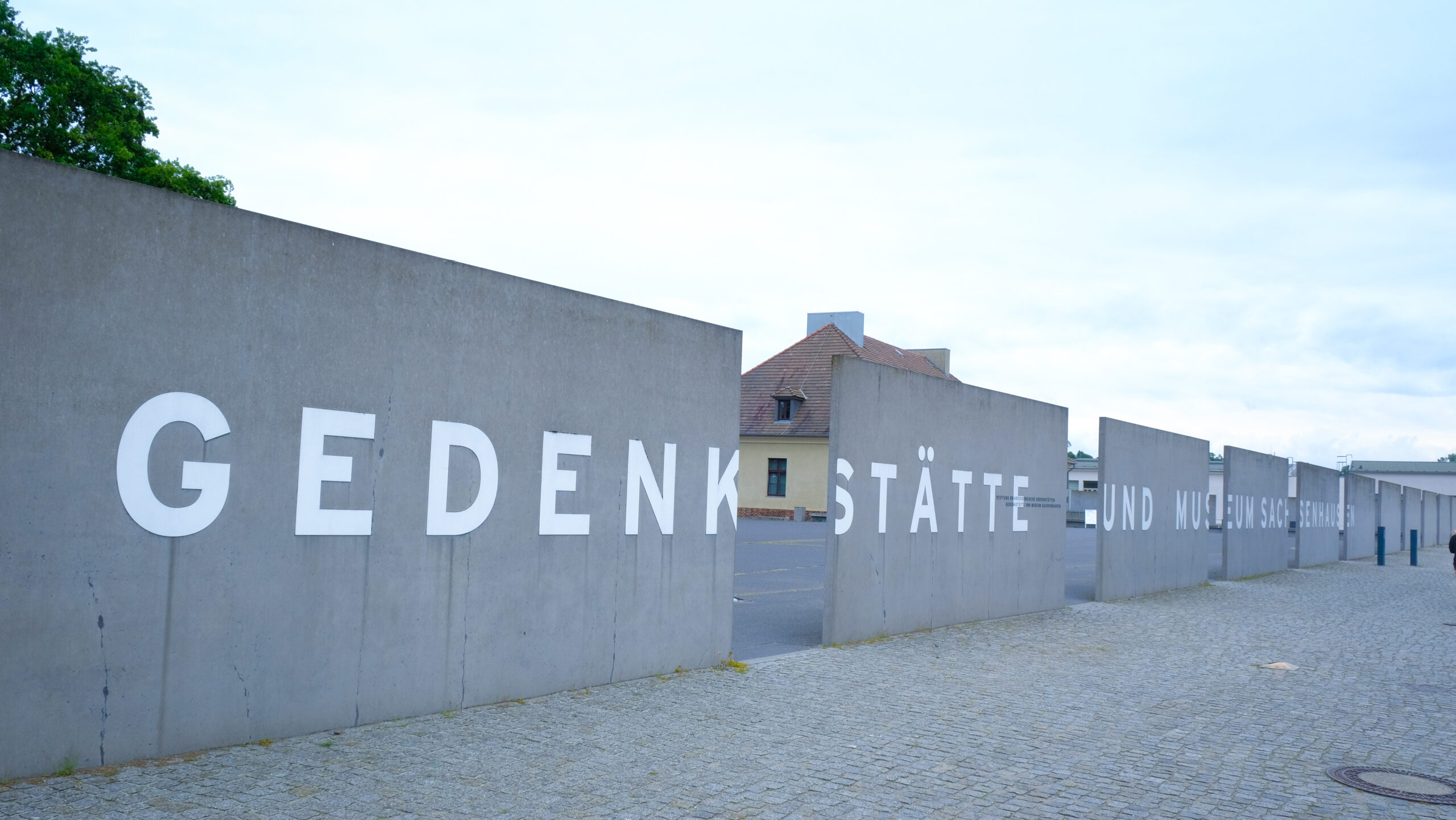
- קיר בטון מחורר הקיף את אזור המסדר הפתוח, והפנה את עיניכם אל האובליסק ופסל של חייל סובייטי משחרר.
- המחנה צומצם במכוון בגודלו, תוך הושמטות מבני האס אס הסמוכים.
קל לפספס את הנקודה האחרונה הזו. בכך שהוציאה את אזור האס אס, האנדרטה נמנעה משאלה מי היו העבריינים והיכן הם גרים ועובדים. המחנה הפך לסיפור על קורבנות הרואיים וצבא משחרר, במקום לסיפור על האנשים שניהלו אותו.
המוזיאון במטבח
מוזיאון המחנה שכן במטבח האסירים לשעבר, והתערוכות בו עשו עבודה פוליטית רבה. הטרור הנאצי ורצח העם הוצגו בעיקר ככלים של קפיטליזם מונופוליסטי ותעשייה רודפת רווח. השורשים העמוקים יותר של הגזענות והאנטישמיות הנאצית בקושי נראו.
Under that logic, fascism was a product of capitalism, so a socialist state could not produce it. As one explanation of the GDR worldview puts it, the state presented itself as a German reboot, and by definition an antifascist country that bore no responsibility for the Third Reich. The same thinking explains why the חומת ברלין was officially called an “antifascist barrier,” and why the GDR never took part in reparation efforts the way West Germany did.
התערוכות גם שרטטו קו נוקשה בין מזרח למערב. מערב גרמניה הוצגה כיורשת ישירה של הנאציזם, מלאה בפושעים שלא נענשו, בעוד שגרמניה המזרחית-מזרחית הייתה "גרמניה החדשה וההומניסטית" שחיסלה את הפשיזם לתמיד.
The Chapter That Was Erased
הנה החלק שמפתיע את רוב המבקרים. בין השנים 1945 ל-1950, ברית המועצות ניהלה את האתר כמחנה מיוחד מס' 7/מס' 1 של ה-NKVD. אלפי אנשים מתו שם מרעב וממחלות, כולל אסירים פוליטיים, סוציאל-דמוקרטים ופקידים נאצים זוטרים.
היסטוריה זו לא יכלה להתקיים לצד דימוי של ברית המועצות כמשחררת טהורה וללא רבב. לכן היא צונזרה והוסרה מהתצוגה הציבורית של האנדרטה לכל אורך תקופת ה-GDR. מבקר בשנת 1975 יכול היה לסייר בזקסנהאוזן מבלי לגלות לעולם שהמחנה המשיך להתמלא באסירים לאחר השחרור.
האם מזרח גרמניה באמת נקייה מנאצים לשעבר?
This is the question people argue about most, and the honest answer is that it is complicated.
מצד אחד, האליטה של המפלגה השלטת הגיעה ברובה מוותיקי המפלגה הקומוניסטית של גרמניה שלפני המלחמה, רבים מהם גולים, לוחמי מחתרת או זרים. הדה-נאציפיקציה הסובייטית הייתה נוקשה יותר מהגישה המערבית-גרמנית המוקדמת, ובדרגות הגבוהות ביותר, ה-GDR הייתה כנראה נקייה יותר מהמערב.
On the other side, Cold War priorities did not stop at the Iron Curtain. The people who say denazification was done more rigorously in some respects are right, but the broader picture is that fighting the rival bloc often mattered more than punishing Nazis. Some people moved from Nazi institutions and secret services into GDR government work. Some former Wehrmacht officers were valued for their combat and management experience, and after rearmament, the National People’s Army included officers who had been “turned” in Soviet captivity.
More severe criticism focused on culture rather than individuals. Since the GDR insisted that it had no links at all with Nazi Germany, the topic was often neglected in schools. Although West Germany also had its shortcomings, a generation in 1968 wanted to know what their parents had done during the war. Some historians believe that the East never went through such a process of coming to terms with the past, and that this lack of reckoning, together with the economic shock of reunification, may have helped maintain conditions in which extremist politics developed.
מה קרה לאנשים שניהלו את זקסנהאוזן לאחר נפילת המשטר הנאצי? קראו כיצד הובאו משמרות זקסנהאוזן לדין לאחר המלחמה? כדי לחקור את המשפטים, החקירות והמאמצים להעמיד את שומרי המחנה לשעבר לדין וחשבון לאחר המלחמה.
What Changed After 1990
לאחר האיחוד מחדש, האתר עבר תהליך של מה שהיסטוריונים מכנים דאידיאולוגיזציה. בשנת 1993, זקסנהאוזן שולבה בקרן החדשה לאנדרטאות ברנדנבורג, והשינויים היו גדולים.
The Soviet camp era was finally included in a separate museum building that opened in December 2001 at the northern edge of the historic camp grounds. The separation reflects an effort to commemorate the victims of both regimes while maintaining the historical distinction between Nazi and Soviet crimes, without relativizing or downplaying either.
הסדר שבו הוצגו קבוצות הקורבנות השונות בוטל. כיום, תערוכות קבע כוללות את האסירים היהודים, הסינטי והצוענים, הומוסקסואלים ועדי יהוה, והמוקד עבר מסיפורים הרואיים קולקטיביים לביוגרפיות אישיות ולתיאורים של סבל אישי. מחנה החיילים של האס אס ו... מפקדת הפיקוד, אשר הגרמניה המזרחית הזניחה, מהווים כעת חלק מתוכנית החינוך. Visitors interested in exploring the broader historical context can also join a Berlin historical walking tour to learn more about the city’s Nazi-era history and its lasting impact.
The most striking thing was the decision to omit certain details. The 1961 obelisk is still a historical artifact showing how the GDR handled its memory. Nowadays, the memorial not only informs you about the camp but also explains how a communist regime distorted history in the interest of the Cold War. You are given both the original account and the account of that original account. For those interested in exploring Berlin’s complex history beyond זקסנהאוזן, private group tours offer an opportunity to learn more about the city’s Nazi-era and Cold War past.
שאלות נפוצות
- כיצד ראו מזרח גרמנים מן השורה את הנאצים לשעבר?
זה היה תלוי באדם ובעשור. אדם המאמין בדוקטרינת המפלגה ראה בנאצים בעיה של מערב גרמניה. אחרים החזיקו בדעות מורכבות יותר, והשקפות השתנו לאורך שנות ה-50, ה-70 וה-80. מחקרים אמינים בקנה מידה גדול של דעות ציבוריות הם נדירים.
- האם נכון שהיו הרבה נאצים לשעבר בממשלת הגרמנית המזרחית?
בצמרת, ההנהגה כללה בעיקר קומוניסטים, גולים ומתנגדי התנגדות מלפני המלחמה. מתחת לרמה זו, אנשים עם עבר נאצי הועסקו בשל כישוריהם, וקציני וורמאכט לשעבר סייעו בבניית הצבא. לשתי הטענות יש מידה מסוימת של אמת.
- Why did the GDR call the חומת ברלין an “antifascist barrier”?
מכיוון שתורת המדינה קבעה שהגרמניה המזרחית הייתה אנטי-פשיסטית מעצם הגדרתה והמערב היה יורש הרייך השלישי. התווית התאימה לסיפור הזה.
- האם זקסנהאוזן עדיין מציג את העיצוב של ה-GDR כיום?
כן. האובליסק משנת 1961 נותר דוגמה שמורה לאופן שבו מזרח גרמניה התמודדה עם זיכרונה, והאזור עבר כיוון מחדש סביב שרידי המחנה ששרדו.
- When was the Soviet camp history added, and where can I see it?
מחנה ה-NKVD שלאחר המלחמה (1945 עד 1950) שולב רשמית לאחר 1993, כאשר בניין מוזיאון ייעודי נפתח בשנת 2001 מחוץ לאזור המחנה ההיסטורי המרכזי.