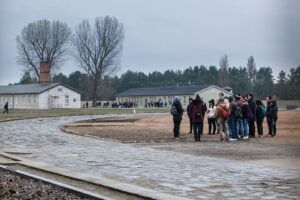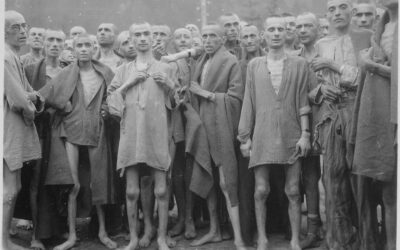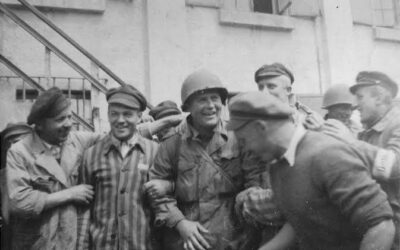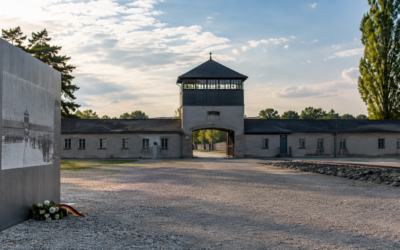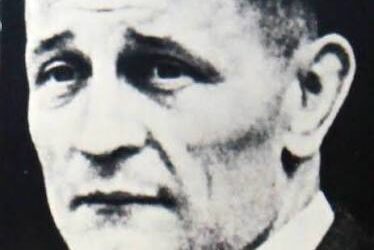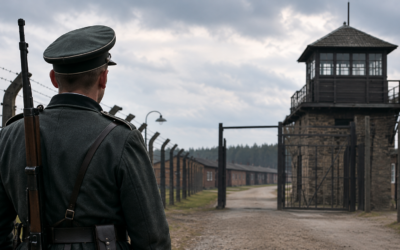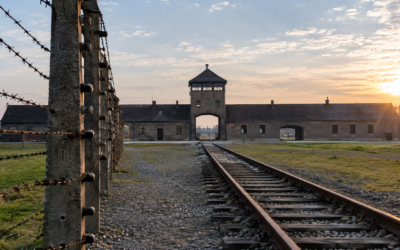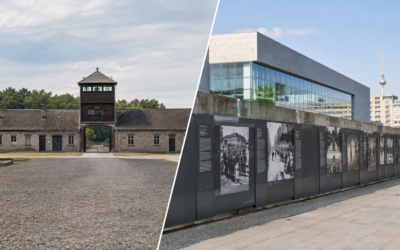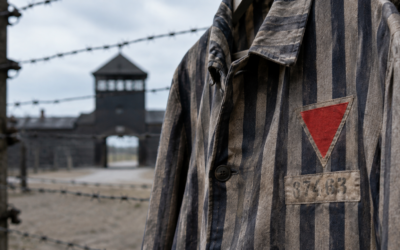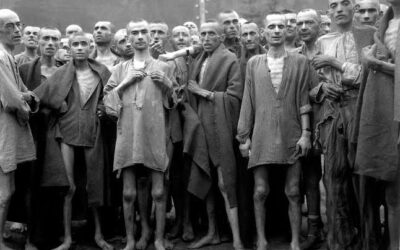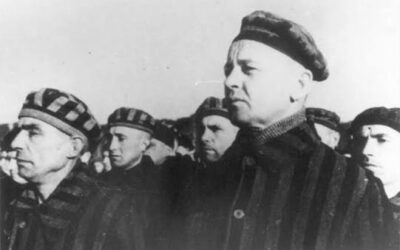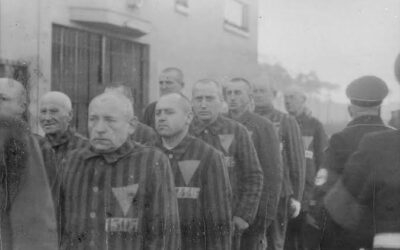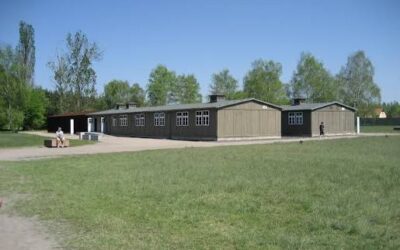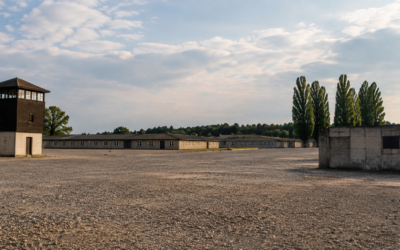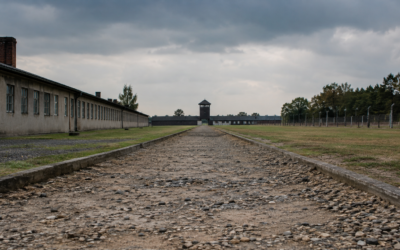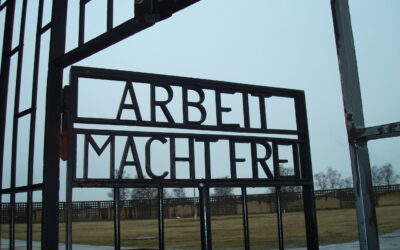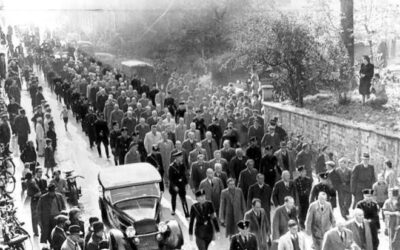
Here is the question that hangs over every photo of Yakov Dzhugashvili: Did Joseph Stalin really let his own son die rather than make a trade? The short answer is that Yakov died on April 14, 1943, at SachsenhausenE la voce secondo cui suo padre avrebbe potuto salvarlo è solo metà della storia. L'altra metà è più scomoda e spiega perché se ne discute ancora a più di ottant'anni di distanza.
The Man in the Greatcoat
Partiamo dall'immagine che tutti conoscono: un giovane con un pesante cappotto dell'Armata Rossa, dall'aria stanca, circondato da soldati tedeschi. Si tratta del tenente Yakov Dzhugashvili, comandante di batteria del 14° Reggimento Obici. Le truppe tedesche lo catturarono il 16 luglio 1941, vicino alla città bielorussa di Liozno, nei pressi dell'aeroporto di Surazh, durante il caos dei combattimenti di Smolensk.
That coat deserves a mention, because gli spettatori lo notano sempre. Soviet soldiers wore the greatcoat year-round. In hot weather they rolled it up and carried it over the shoulder, and in winter they were issued a quilted cotton jacket on top. It is a small detail, but it shows the photo captures an ordinary soldier in an ordinary uniform, not a prince in disguise. For those interested in exploring the wider history of World War II and Nazi Germany, a free historical walking tour of Berlin offers additional context about the period.
German propagandists understood the value of the image immediately. Leaflets showed Yakov with the taunting caption asking whether you knew who this was. The Messaggio to Soviet troops was simple: even the leader’s own son has given up. Yakov, by most accounts, refused to cooperate and resisted every attempt to make him defect.
Who Was Yakov, Really?
Born in 1907, Yakov was Stalin’s eldest son and his only child with his first wife, Kato Svanidze, who was also Georgian. After his mother died, relatives raised him far from his father. He grew into a reserved young man whose relationship with Stalin was often strained. What he got instead, according to those who studied the family, was a difficult relationship with his father and, ultimately, death in a Nazi concentration camp.
His half-brothers lived very different lives. Konstantin Kuzakov, born in 1911 to Maria Kuzakova, with whom Stalin reportedly had a relationship during his exile, worked in Soviet radio and television and died in 1996. Alexander Davydov, believed to have been Stalin’s son through Lidia Pereprygina during his Siberian exile, served in World War II, reportedly reached the rank of major, and died in 1987. Their alleged parentage has not been established with the same certainty as Stalin’s acknowledged children. Claims that both signed nondisclosure agreements with the NKVD require stronger documentary evidence. Vasily, Yakov’s younger half-brother, born in 1921 to Stalin’s second wife, Nadezhda Alliluyeva, struggled with alcoholism, misused his position, and was imprisoned after Stalin’s death. He died in 1962.
Lo scambio di prigionieri di cui tutti parlano
After the German defeat at Stalingrad in early 1943, accounts emerged that Germany had offered to exchange Yakov for Field Marshal Friedrich Paulus. Although the story appears in historical accounts and memoirs, no conclusive documentary evidence establishes that a formal exchange was proposed or rejected di Stalin. The reported exchange therefore remains disputed.
The most widely repeated versions of Stalin’s alleged reply remain unverified. One claims he said that the Germans held not only his son Yakov but millions of his sons, so either all should be freed or Yakov would share their fate. Another has him dismissing the deal in military terms: why would he trade a general, or a field marshal, for a lieutenant? A third, more brutal line, “I have no son,” gets quoted constantly. However, none of these statements has been conclusively established through reliable documentary evidence.
Be careful with all of these. They are traditions attached to the story, not documents anyone can wave around. They survive because they sound like Stalin, and because they fit what many people already believe.
A second exchange story is worth knowing. When Soviet forces captured Leo Raubal Jr., Hitler’s nephew, at Stalingrad on 31 January 1943, there were claims that Hitler considered exchanging him for Yakov. However, no conclusive documentary evidence confirms that a formal exchange was proposed or that Stalin rejected it. Yakov died at Sachsenhausen on 14 April 1943, while Raubal survived the war and was released on 28 September 1955.
Want to learn about another notable prisoner held at Sachsenhausen who opposed Hitler? Read Georg Elser a Sachsenhausen: l'uomo che quasi assassinò Hitler to discover the story of his assassination attempt and imprisonment under the Nazi regime.
Rifiutare l'accordo è stata la scelta "giusta"?
This is where the debate gets heated, although the reported prisoner exchange itself remains unverified. The arguments surrounding Stalin’s alleged refusal are therefore hypothetical rather than assessments of a confirmed decision.
Supporters of the supposed refusal argue that exchanging a high-ranking German commander for Stalin’s son could have damaged Soviet military morale. Critics suggest that refusing such an exchange, if it was offered, would demonstrate Stalin’s cold relationship with Yakov. Neither interpretation establishes that the exchange actually took place. This debate also connects to the wider history of Nazi Germany and World War II, which visitors can Esplorare through private historical tours of Berlin.
There is also the argument that Stalin showed consistency, whatever you think of his other choices. Many people note that other Soviet prisoners’ families suffered for the captivity of their relatives, since they lost welfare and state assistance and faced other persecution, while the Dzhugashvili family largely escaped that treatment. Vasily, serving in the air force, notably did not get a free pass because of his surname, at least in the early war years.
The case against is emotional rather than strategic. Critics argue that you can accept the military logic and still say the man was cold to his own child long before the war, treating Yakov as a disappointment from a relationship he never valued. Others say that using this one episode to condemn him is the wrong target. Stalin is guilty of enough documented crimes that this decision, whatever its moral weight, is not his strongest charge. Plenty of people have made exactly that point: it is the one choice in his life that was arguably correct.
I prigionieri sovietici venivano davvero mandati nei Gulag?
La storia di Yakov solleva una questione più ampia che molti lettori si pongono: che fine hanno fatto i soldati sovietici sopravvissuti alla prigionia tedesca?
The popular belief is that all returning Soviet prisoners were punished, but historical records show a more complicated picture. According to archival figures examined di historians, approximately 1.54 million repatriated Soviet POWs had been processed di March 1946. Of these, around 43% were returned to military service, 22% entered military labour battalions, 18% were sent home, and 14.7% were transferred to NKVD custody. These figures describe specific administrative outcomes and should not be interpreted as meaning that every prisoner transferred to NKVD custody received the same punishment.
Order 270, issued in 1941, is the document people usually cite. It treated surrender under certain circumstances as betrayal and imposed severe penalties, which is why the unverified quotation “I have no son” carries such weight. Yet Yakov’s own family, unlike many others, was reportedly spared the usual consequences.
How Did Yakov Actually Die?
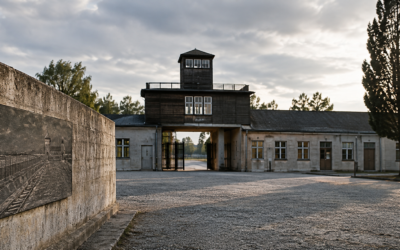
According to German reports, Yakov died on 14 April 1943 at Sachsenhausen concentration camp. He reportedly approached or threw himself against the electrified barbed-wire fence, where a guard shot him. However, the precise sequence of events and whether the gunshot or electrocution caused his death remain disputed.
The circumstances have led to different interpretations. Some historians suggest that Yakov deliberately approached the fence to end his life, while others have considered the possibility of an escape attempt. Neither explanation has been conclusively established. The claim that news of Stalin’s refusal to exchange him drove Yakov to suicide also lacks reliable documentary confirmation.
Whether Yakov intended to escape or take his own life remains uncertain. What is established is that he died at Sachsenhausen on 14 April 1943, while being held in German captivity.
Frequently Asked Questions
- I tedeschi proposero davvero di scambiare Yakov con il feldmaresciallo Paulus?
That is the story most often told, and it is widely repeated. However, the proposed exchange itself remains historically disputed, and the exact wording of Stalin’s alleged reply is unverified, with different versions appearing.
- Stalin ha davvero detto "Non ho figli maschi"?
It is attributed to him often, but there is no conclusive documentary evidence confirming he said it. Several different versions of his alleged response circulate, including the one about millions of sons. Their wording and authenticity remain uncertain, as does the reported prisoner exchange itself.
- Was Yakov also offered in exchange for Hitler’s nephew?
The proposed exchange remains historically disputed. Leo Raubal Jr. was captured at Stalingrad, and the Germans allegedly suggested trading him for Yakov. However, there is no conclusive evidence that a formal exchange was proposed or that Stalin refused it. Yakov died in 1943, while Raubal was released in 1955.
- Were Soviet prisoners of war automatically sent to the gulag after returning home?
No. Soviet records indicate that returning prisoners experienced different outcomes, including military service, release, labour battalions, and NKVD detention. Of approximately 1.54 million repatriated POWs processed di March 1946, around 14.7% were transferred to NKVD custody. This does not mean that all returning prisoners were imprisoned in the Gulag.
- How did Yakov Dzhugashvili die at Sachsenhausen?
The Russian account says he was shot on April 14, 1943, while trying to escape di throwing himself at the barbed wire fence. Some find it more consistent with a suicidal act than a real escape attempt.