Blog

Guide, storia e consigli pratici per visitare Sachsenhausen e i luoghi della memoria di Berlino.

Qual era il significato del campo di concentramento di Sachsenhausen?

Il campo di concentramento di Sachsenhausen era un luogo importante e preoccupante nel sistema dei campi nazisti. Fu fondato nel 1936 a Oranienburg, appena a nord di Berlino, e divenne un campo modello dove le SS addestrarono, punirono, costrinsero le persone a lavorare e compirono omicidi di massa.

Oggi Sachsenhausen è un memoriale e un museo. Per i visitatori, non è solo un sito storico. È un luogo per capire come è stata organizzata la persecuzione, come i sistemi ordinari sono stati utilizzati per la crudeltà e perché il ricordo è ancora importante.

Perché Sachsenhausen era importante?

Sachsenhausen era importante perché fu costruito come campo di concentramento modello. La sua progettazione, gestione e vita quotidiana modellarono altri campi nell'Europa controllata dai nazisti. La sua posizione vicino a Berlino lo rendeva particolarmente importante anche per i leader delle SS.

Il campo ospitava molti gruppi di prigionieri, come oppositori politici, ebrei, prigionieri di guerra sovietici, rom e sinti, persone LGBTQ+, testimoni di Geova e altri presi di mira dai nazisti.

Sachsenhausen era principalmente un campo ebraico?

Sachsenhausen aveva prigionieri ebrei, ma non era principalmente un campo di sterminio ebraico come Auschwitz Birkenau. Era principalmente un campo di concentramento per prigionieri politici, lavoratori forzati e altri che i nazisti vedevano come nemici. Tuttavia, i prigionieri ebrei lì dovettero affrontare una dura persecuzione e molti furono successivamente mandati nei campi di sterminio nella Polonia occupata.

Storia di Sachsenhausen

Sachsenhausen venne fondata nel 1936 per ordine del capo delle SS Heinrich Himmler. Fu costruito vicino a Berlino per essere un campo di concentramento moderno e organizzato. Le SS lo usavano anche per addestrare gli ufficiali che avrebbero poi lavorato in altri campi.

La disposizione triangolare del campo permetteva alle guardie di sorvegliare i prigionieri da punti chiave. Ciò rese Sachsenhausen sia una prigione che un simbolo del potere e del controllo nazista.

Perché Sachsenhausen è stata costruita vicino a Berlino?

La vicinanza a Berlino rese Sachsenhausen utile ai leader nazisti. Era abbastanza vicino alla capitale per la formazione e l'amministrazione, ma ancora abbastanza lontano da poter essere utilizzato per la prigionia, il lavoro forzato e la violenza.

Condizioni di vita dei prigionieri a Sachsenhausen

La vita a Sachsenhausen era dura. I prigionieri affrontavano fame, stanchezza, malattie, sovraffollamento, lavoro forzato e abusi costanti. Molti furono picchiati, torturati, umiliati o uccisi.

I prigionieri dovevano lavorare in officine, fabbriche e luoghi di lavoro vicini. Alcuni furono usati in esperimenti crudeli o furono puniti nel campo di prigionia. Altri sono stati uccisi da sparatorie, impiccagioni, fame, negligenza medica o sfinimento.

Le celle di punizione erano tra i luoghi più temuti, dove i prigionieri venivano torturati e tenuti soli. Un'altra zona temuta era il cantiere industriale, dove avvenivano le esecuzioni.

Come morirono i prigionieri a Sachsenhausen?

I prigionieri morivano in molti modi: fame, malattie, lavori forzati, sparatorie, impiccagioni, esperimenti medici, torture ed esecuzioni. L'orrore di Sachsenhausen non si è limitato a un metodo. L’intero sistema dei campi è stato progettato per disumanizzare, sfruttare e distruggere le persone.

Stazione Z: il luogo degli stermini del campo

Nel 1942, le SS costruirono un luogo di sterminio chiamato Stazione Z. Il nome fu scelto per essere crudele, poiché “Z” significava l’ultima fermata nella vita di un prigioniero.

La stazione Z aveva forni crematori, un'area per le esecuzioni e una camera a gas. È diventato uno dei luoghi principali in cui sono avvenuti gli omicidi a Sachsenhausen.

Sachsenhausen aveva una camera a gas?

Sì, Sachsenhausen aveva una camera a gas alla Stazione Z. Non era usata tanto quanto quelle nei centri di sterminio nella Polonia occupata, ma faceva comunque parte del sistema di uccisione del campo.

Ciò è importante perché la negazione dell’Olocausto spesso si concentra su piccoli dettagli e ignora le prove evidenti dell’omicidio di massa nazista. A Sachsenhausen le persone furono imprigionate, affamate, picchiate, costrette a lavorare, giustiziate e uccise. L’importanza del campo non si basa solo su un metodo di uccisione.

Liberazione di Sachsenhausen

Le forze sovietiche e polacche liberarono Sachsenhausen il 22 aprile 1945. A quel punto, le SS avevano già costretto molti prigionieri a partecipare a marce della morte mentre gli Alleati si avvicinavano.

I prigionieri rimasti erano spesso molto deboli, malati e affamati. La liberazione pose fine al controllo nazista del campo, ma non cancellò il trauma di ciò che accadde lì.

Cosa erano le marce della morte di Sachsenhausen?

Quando le truppe sovietiche si avvicinarono nell’aprile del 1945, le SS costrinsero migliaia di prigionieri a lasciare il campo e a marciare lontano dalla linea del fronte. Molti morirono di stanchezza, fame, freddo o sparatorie lungo la strada.

Dopo la Liberazione: Il campo speciale sovietico

Dopo la guerra Sachsenhausen entrò in un altro periodo buio. Dall'agosto 1945 al 1950 l'NKVD sovietico lo utilizzò come campo speciale. Migliaia di persone furono imprigionate lì, inclusi ex funzionari nazisti, sospetti oppositori e altri detenuti dai sovietici.

© di Joerg Hempel
Jrg Hempel Photodesign
Ludwigsallee 59
52062 Aquisgrana
Associazione bancaria: Raiffeisenbak Setterich
BLZ 370 697 05 Kt: 5200021012

Le condizioni erano dure e molti prigionieri morirono di fame e malattie. Questa storia rende Sachsenhausen un luogo complesso da ricordare: prima un campo di concentramento nazista, poi un campo speciale sovietico.

Le vittime del campo sovietico erano le stesse vittime del campo nazista?

No, i due periodi sono stati diversi e vanno intesi separatamente. Il campo nazista faceva parte di un sistema razzista e politico di persecuzione, lavoro forzato e omicidio di massa. Il campo speciale sovietico faceva parte della repressione e dell'internamento del dopoguerra. Entrambe le storie sono ricordate oggi a Sachsenhausen.

Perché Sachsenhausen è ancora importante oggi

Sachsenhausen è importante perché mostra come la persecuzione possa essere organizzata attraverso leggi, burocrazia, edifici, sistemi di lavoro e propaganda. Non era solo un luogo di sofferenza. Era anche un modello di come le SS volevano che funzionassero i campi di concentramento.

Visitare Sachsenhausen aiuta le persone a vedere il reale costo umano dell’odio, del razzismo, dell’antisemitismo, della persecuzione politica e della disumanizzazione.

Ci ricorda anche che ricordare deve essere onesto. Molti gruppi ne sono stati vittime e le loro storie non dovrebbero essere semplificate o dimenticate.

Perché le persone dovrebbero visitare Sachsenhausen?

Le persone visitano Sachsenhausen per imparare, ricordare e capire. È un posto difficile da visitare, ma fornisce un contesto importante all'Olocausto, alla persecuzione nazista, al lavoro forzato e alla storia della Seconda Guerra Mondiale.

Visitare Sachsenhausen oggi

Sachsenhausen ora è un memoriale e un museo. I visitatori possono passeggiare attraverso i vecchi campeggi, vedere mostre e visitare luoghi importanti come la Torre A, l'area dell'appello, le baracche, le celle di punizione e la Stazione Z.

Se hai intenzione di visitarlo, concediti abbastanza tempo. Il sito è grande e la storia può sembrare emotivamente pesante.

Consigli per visitare Sachsenhausen

Indossa scarpe comode perché camminerai molto.

Portare acqua, soprattutto d'estate.

Pianifica di trascorrere almeno mezza giornata se vuoi capire veramente il sito.

Pensa a partecipare a una visita guidata o a utilizzare un'audioguida.

Sii rispettoso. Questo è un luogo dove migliaia di persone hanno sofferto e sono morte.

Evita comportamenti rumorosi, scherzi o foto inappropriate.

È possibile visitare Sachsenhausen senza guida?

Sì, puoi visitare da solo. Tuttavia, una visita guidata può aiutarti a comprendere la struttura, la storia e il significato di luoghi che altrimenti potresti perdere.

Conclusione

Campo di concentramento di Sachsenhausen era importante perché era un campo modello, un luogo di addestramento per le SS, un luogo di lavoro forzato e un luogo di omicidi e sofferenze. La sua storia non finì nel 1945, poiché in seguito fu utilizzato come campo speciale sovietico.

Visitare Sachsenhausen può essere difficile, ma è importante. Il memoriale mantiene viva la memoria delle vittime e insegna alle generazioni future cosa può accadere quando l’odio, la propaganda e il potere statale vengono usati contro persone innocenti.

Oggi Sachsenhausen rappresenta un monito della storia e un luogo da ricordare.

Historic building at Sachsenhausen Memorial Museum, former concentration camp site

Recensioni del campo di concentramento di Sachsenhausen Quali sono le recensioni?

La maggior parte delle persone che cercano recensioni sul campo di concentramento di Sachsenhausen vogliono qualcosa di più delle semplici valutazioni in stelle. Sono interessati a come si sente la visita, se ne vale la pena e quali emozioni aspettarsi prima di visitare uno dei memoriali dell’Olocausto più significativi della Germania.

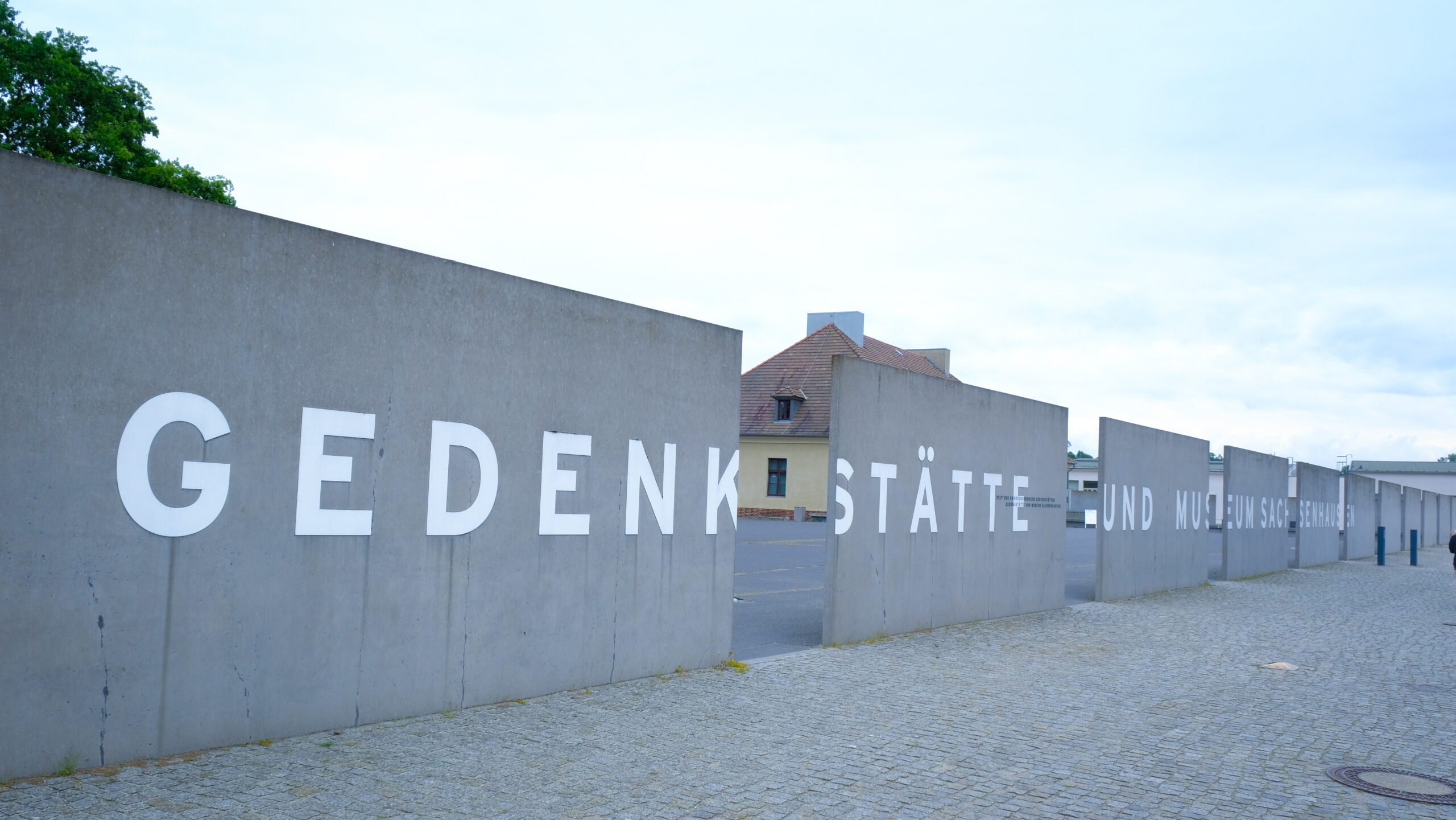
The entrance to the Sachsenhausen Memorial and Museum

La maggior parte delle recensioni descrivono Sachsenhausen come:

  • Educativo, spaventoso e inquietante.
  • Stimolante.
  • Fondamentale per comprendere la storia.

Sachsenhausen era uno dei campi di concentramento più importanti della Germania nazista, situato appena fuori Berlino a Oranienburg. Oggi funge da memoriale e museo in onore di coloro che hanno sofferto e sono morti lì. Molti visitatori arrivano aspettandosi un sito storico, ma se ne vanno dicendo che è stata una delle esperienze più potenti del loro viaggio a Berlino.

Perché i visitatori amano Sachsenhausen?

Sachsenhausen è diverso dai musei tradizionali. Qui puoi camminare proprio sui terreni in cui si è svolta la storia.

Molte recensioni affermano che leggere la storia nei libri non può essere paragonato allo stare all'interno del campo stesso.

I visitatori spesso commentano:

  • Il cancello d'ingresso originale con il famigerato slogan "Il lavoro ti rende libero".
  • La baracca ricostruita
  • Le cellule
  • Le strutture esecutive della Stazione Z.
  • I settori della sperimentazione medica
  • Il campo era molto grande.
  • Molte persone notano che Sachsenhausen è meno affollato e meno commercializzato rispetto ad altri memoriali dei campi di concentramento, dando ai visitatori più tempo per riflettere su ciò che vedono.
  • Sachsenhausen

Dovresti visitare?

Sì, ma preparati a una forte esperienza emotiva.

Molti recensori dicono Sachsenhausen è uno dei siti storici più potenti che abbiano mai visitato.

I visitatori spesso dicono di aver trascorso ore ad esplorare i terreni e di aver scoperto che c'era ancora molto da imparare.

Questa non è una tipica attrazione turistica. La maggior parte delle persone visita il paese per conoscere la realtà della persecuzione nazista, del lavoro forzato e dell'Olocausto.

Cosa disturba di più i visitatori?

La tua esperienza a Sachsenhausen può variare a seconda della parte del campo che visiti.

Gli edifici degli esperimenti medici

Un'area spesso menzionata nelle recensioni è l'ex edificio medico.

All'inizio le stanze sembrano sorprendentemente ordinarie, il che spesso mette a disagio i visitatori. Le piastrelle bianche, gli scarichi e i lettini da visita, insieme alla semplice disposizione clinica, sono in inquietante contrasto con quanto accaduto lì.

Molti recensori affermano che la semplicità di queste stanze è ciò che le rende così spaventose. È difficile dimenticare che esperimenti così terribili sugli esseri umani hanno avuto luogo in spazi che assomigliano a normali edifici medici.

Per molti visitatori, si tratta di un promemoria che fa riflettere sul fatto che alcuni dei peggiori crimini della storia sono avvenuti in contesti ordinari e burocratici.

Stazione Z

La stazione Z era il luogo dell'esecuzione nel campo.

Questa è spesso descritta nelle recensioni come la parte più difficile della visita.

Molti visitatori affermano che l'atmosfera cambia radicalmente quando entrano in questa zona. La fossa delle esecuzioni, i resti del crematorio e i memoriali sono molto potenti.

Molti visitatori affermano di aver bisogno di fermarsi, sedersi in silenzio o fare una pausa dopo aver visitato questa parte del campo.

Pista di prova delle scarpe

Una caratteristica che sorprende molti visitatori è la pista di prova delle scarpe.

I prigionieri venivano costretti a marciare per lunghe distanze indossando calzature militari sperimentali. Il percorso prevedeva una varietà di superfici progettate per testare la durabilità degli stivali dell'esercito tedesco.

Questa zona è spesso la più inquietante per i visitatori perché mostra come i prigionieri venivano utilizzati per esperimenti e lavori forzati.

Quanto tempo ti serve a Sachsenhausen?

La maggior parte dei visitatori consiglia di trascorrere dalle 4 alle 6 ore o più.

Il sito è più grande di quanto molti visitatori che visitano per la prima volta si aspettano.

Se vuoi saperne di più:

  • Vai alle Mostre
  • Leggi i pannelli informativi
  • Vai alla stazione Z
  • Passeggia per i giardini
  • Fai una visita guidata
  • Dovresti pianificare di trascorrere almeno mezza giornata.

Gli appassionati di storia potrebbero facilmente trascorrere un'intera giornata al memoriale.

Jewish prisoners in Sachsenhausen Concentration Camp, 1936-1945

Quali sono le sensazioni abituali dei visitatori?

Una parola che appare in quasi tutte le recensioni è:

Pesante.

I visitatori comunemente dicono:

  • Riflessione nel silenzio
  • Tristezza, shock e incredulità.
  • "Dopo che me ne sono andato, molte persone dicono di sentirsi emotivamente svuotate. Molti visitatori sono sorpresi da quanto siano normali i dintorni del campo. Il contrasto tra le tranquille strade residenziali e la storia del campo crea un'esperienza potente e inquietante.

Diversi recensori notano che questo contrasto rende memorabile di per sé la passeggiata dalla stazione ferroviaria al memoriale.

Hai bisogno di prendere un Visita guidata?

La maggior parte delle recensioni sono entusiaste.

Puoi visitarlo da solo, ma le visite guidate forniscono un importante contesto storico che molti visitatori affermano che altrimenti non avrebbero potuto vedere.

Le guide spesso ci dicono:

  • La vita nel campo giorno dopo giorno
  • Classificazione dei detenuti
  • Tentativi di fuga
  • Esperimenti medici
  • La funzione del campo nel sistema dei campi di concentramento nazista

Cosa è successo a Sachsenhausen dopo la Seconda Guerra Mondiale

visitors walking towards the Liberation Obelisk at the Sachsenhausen Concentration Camp Memorial

Si dice che le visite guidate offrano ai visitatori una comprensione molto più profonda del sito.

Cosa stupisce i visitatori di Sachsenhausen?

Molti visitatori si aspettano di conoscere soprattutto i prigionieri ebrei.

Tuttavia, molte recensioni esprimono sorpresa per la diversità delle persone imprigionate a Sachsenhausen, tra cui:

  • Gli oppositori del governo
  • Combattenti della Resistenza
  • Gruppi di fede
  • Prigionieri gay
  • Popoli Rom e Sinti
  • Prigionieri di guerra
  • Altri gruppi presi di mira dal regime nazista

Una delle parti più illuminanti della visita è spesso conoscere le diverse classificazioni dei prigionieri e i simboli che erano costretti a indossare.

Ecco alcune delle recensioni di Google: 

Sachsenhausen è adatto ai bambini?

In genere è consigliato agli adolescenti e agli adulti.

A causa del contenuto serio, molti visitatori suggeriscono che il memoriale sia adatto ai bambini maturi che hanno già appreso della Seconda Guerra Mondiale e dell'Olocausto.

I genitori spesso dicono che la visita ha dato il via a conversazioni importanti su storia, pregiudizi e diritti umani.

Verdetto dei visitatori: cosa dice la maggior parte delle recensioni?

Migliaia di recensioni di visitatori condividono un tema simile.

Poche persone descrivono Sachsenhausen come divertente.

Lo chiamano:

✓ Importante!

✓ Educativo ✓ Commovente ✓ Che fa riflettere

✓Obbligatorio

Many visitors say the experience is the most memorable part of their trip to Berlin. It is not pleasant, but it gives them a deeper understanding of one of history’s darkest chapters.

The memorial preserves authentic locations and encourages reflection. This continues to make a strong impression on visitors from around the world.

Exhibition at the Sachsenhausen Memorial and Museum in Oranienburg

Recensioni di Sachsenhausen: domande frequenti.

Cosa pensano in media i visitatori di Sachsenhausen?

Most visitors rate the experience highly as a historical and educational site, but also describe it as emotionally challenging.

Quanto dura in genere una visita?

Most people spend four to six hours touring the memorial.

Vale la pena fare una visita guidata?

Yes. Reviews consistently say that guided tours are one of the best ways to learn about the camp’s history and significance.

Qual è la parte più toccante del memoriale?

For many visitors, the most emotional parts are Station Z, Gli edifici degli esperimenti medici, and the prisoner barracks.

Sachsenhausen is often less busy than other concentration camp memorials.

Many visitors say Sachsenhausen is quieter and less crowded than other major memorial sites, which allows for a more reflective experience.

Visita guidata di Sachsenhausen con una guida professionale.

Sachsenhausen Memorial & Museum in Oranienburg

Reading reviews can help you know what to expect, but nothing compares to visiting Sachsenhausen with a knowledgeable guide who can share the stories behind the buildings, memorials, and exhibits.

Here are some reviews from our Guests:

Join our Sachsenhausen Memorial Tour to explore this important historical site near Berlin in greater detail. Our experienced guides bring the camp’s history to life and help visitors understand the human stories behind the memorial. https://sachsenhausentour.de/

Campo di concentramento di Sachsenhausen How to Get There and Visit from Berlin

Campo di concentramento di Sachsenhausen is one of Germany’s most significant memorials. Located just outside Berlin, it draws thousands of visitors each year who come to learn about Nazi Germany, the people imprisoned there, and why remembrance matters today.

Many people search for Sachsenhausen ’s address before their trip. Others want to know the easiest way to get there from Berlin, whether guided tours are available, and what to expect during their visit.

This guide is clear and respectful in its explanation. Here you’ll find the official address, transport info, travel tips,

Official Address of Campo di concentramento di Sachsenhausen

In case you are planning your visit, the official address of Campo di concentramento di Sachsenhausen is: Memorial and Museum Sachsenhausen

Straße der Nationen 22 16515 Oranienburg Deutschland

This is the proper address for:

  • Google Maps
  • GPS Navigation
  • cabs, taxi
  • tour discharge
  • transport apps

Signs at the entrance clearly mark the way to the memorial.

Can I visit Sachsenhausen without a tour?

Yes. Visitors can visit Sachsenhausen on their own. The memorial grounds are open to the public free of charge and feature information boards throughout. However, many visitors choose a guided tour because the history is complex and emotional. A knowledgeable guide can explain the background, the camp’s layout, the lives of prisoners, and important events that might not be clear when visiting alone.

If you would like to know more about the memorial, you can join our Visita guidata here:

https://sachsenhausentour.de/

Sachsenhausen Location

Sachsenhausen is in the town of Oranienburg in Brandenburg, just north of Berlin. The memorial was originally constructed in 1936 due to its proximity to the Nazi government headquarters in Berlin. Today, the same site is one of the most accessible concentration camp memorials for visitors in the German capital. Since Sachsenhausen is close to Berlin, many travelers visit it as part of a half-day or full-day trip.

Why Sachsenhausen Is Historically Significant

Sachsenhausen was one of the first big Campi di concentramento built under the Nazi regime. It was later used as a model camp for the SS administration. Political prisoners were the first inmates. Over time, many other groups were imprisoned there, including:

  • Jewish
  • Sinti and Roma
  • Jehovah’s Witnesses
  • homosexuals
  • members of the resistance
  • Prigionieri di guerra (POW)

Thousands of people died and suffered in Sachsenhausen .

Today, the memorial preserves the site’s history and helps future generations understand the consequences of hatred, dictatorship, and dehumanization.

Many visitors describe the memorial as educational and emotionally powerful. Preserved buildings, museum exhibits, and memorial spaces help people understand what happened there.

Should I visit Sachsenhausen ?

Yes, especially for those interested in history, World War II, human rights, or modern European history.

Sachsenhausen is not a typical tourist attraction. It is an educational and commemorative site. Many people visit to learn about history and pay their respects to the victims.

Visitors often remark that the intact buildings and historical exhibits leave a lasting impression.

Distance Between Berlin and Sachsenhausen

Sachsenhausen is about 35 kilometers north of central Berlin. Typical travel time:

  • By train: 30 to 40 minutes
  • By car: 45 min depending on traffic

Because it is so close, Sachsenhausen is one of the easiest memorial sites to visit from Berlin.

How to Reach Sachsenhausen by Train

Most visitors take the train to Sachsenhausen , as it is the easiest option.

From Berlin Hauptbahnhof (Central Station) you can get:

  • RE5 Local train
  • RB12 regional train, according to the schedule

The trip to Oranienburg takes about 35 minutes.

When you arrive at the station in Oranienburg:

  • The memorial is about a 20 minute walk.
  • Clear signs point to the Sachsenhausen Memorial.
  • There may also be shuttle buses running during busy periods.

The walk from the station is straightforward and popular with visitors.

What Berlin Train Ticket Should You Buy?

  • Oranienburg is outside the central Berlin zones, so most visitors will need an ABC Berlin transport ticket.
  • Always check the latest public transport timetables before traveling.
  • Driving to Campo di concentramento di Sachsenhausen

Driving is another easy option, especially for families or groups. By car from Berlin:

  • Head north on the A111 motorway.
  • Continue to Oranienburg
  • Follow signs to Sachsenhausen Memorial

There is parking available near the memorial site.

Travel time is normally around 45 minutes, depending on traffic conditions.

Guided Tours at Sachsenhausen

  1. A Visita guidata may help visitors understand the memorial’s historical significance.
  2. Professional guides share the history, point out key areas of the camp, and answer questions respectfully and clearly.
  3. Many visitors find guided tours helpful, since it can be hard to take in all the complex history on your own.

Find out more about our Berlin concentration camp experience here:

https://sachsenhausentour.de/

What to Expect When You Visit

Today, Sachsenhausen serves as both a memorial and a museum.

Visitors are able to see:

  • Well maintained camp buildings
  • mausoleum sites
  • exhibitions in museums
  • former prison barracks
  • the crematorium section
  • watchtowers and base facilities

The atmosphere is calm and reflective. Most people spend several hours exploring the grounds and exhibitions. The site focuses on education rather than immersion. The exhibits and preserved buildings highlight documentation, memory, and understanding of history.

How Long Does a Visit Last?

The majority of visitors spend:

  • 2-4 hours at the memorial
  • longer if taking a Visita guidata or reading museum exhibitions in detail

It is usually comfortable to visit as a day trip from Berlin.

What To Know Before You Visit

Wear Comfortable Shoes

The memorial grounds are large, and visitors walk quite a bit during their visit.

Wear Suitable Clothing

Sachsenhausen is a place of remembrance. All visitors should dress appropriately and behave respectfully.

Prepare yourself emotionally.

Visiting can be very emotional for many people. The displays and preserved areas show real suffering and loss of life.

Photography

Photography is usually allowed, but visitors should be respectful and avoid causing any disturbance.

Consider a Visita guidata

A guide can share the history and context, helping visitors understand what they see.

Is Sachsenhausen Family Friendly?

Older teenagers who are interested in history often benefit from visiting Sachsenhausen. Parents should consider if younger children are ready for the difficult historical topics. The Campo di concentramento di Sachsenhausen address is the first step to planning a meaningful visit.

Sachsenhausen is more than a historical site; it is a place for memory, education, and reflection. Visiting helps keep alive the memory of those who suffered and reminds future generations why history must not be forgotten. Whether you visit on your own or with a guide, a trip to Sachsenhausen often gives people a deeper understanding of the past and the importance of protecting human dignity today.

For information or booking of guided tours, please visit: https://sachsenhausentour.de/

What Was the Concentration Camp at Potsdam?

The Truth about Potsdam and the Nazi Camp System. Many people looking for information about a “Potsdam Concentration Camp” are surprised to find out that there was no large Nazi concentration camp in Potsdam itself. Unlike Auschwitz, Dachau, Buchenwald, or Sachsenhausen , Potsdam did not have its own camp. However, the city played an important role during the Nazi era and later under Soviet occupation. The confusion often comes from Potsdam’s closeness to Berlin and Sachsenhausen , as well as the presence of prisons and detention centers used for political persecution. This guide shares the real history, explains Potsdam’s connection to the Nazi camp system, and highlights memorial sites you can visit today.

There Was a Concentration Camp in Potsdam?

Sachsenhausen : The Nearest Concentration Camp to Prisons and Detention Centers of the Nazi Era in Potsdam, The Sachsenhausen Death Marches in Potsdam

Today in Potsdam, Touring Historical Sites. Why the secret of a Potsdam concentration camp?

A Concentration Camp at Potsdam?

Short answer: no way.

During the Third Reich, there was no major Nazi concentration camp in Potsdam. Unlike Sachsenhausen, Auschwitz, Dachau, or Buchenwald, Potsdam did not have an SS run concentration camp. Still, the city was closely connected to the Nazi regime’s system of political persecution. Potsdam had prisons, detention centers, and administrative offices that helped suppress political opponents and other targeted groups. Many people mistakenly believe there was a concentration camp in Potsdam because it is near Berlin and Sachsenhausen. The closest major Nazi concentration camp to Potsdam was Sachsenhausen, located in Oranienburg about 35 kilometers north of Berlin. It was easy to reach from Potsdam. Sachsenhausen, founded in 1936, was one of the most important Campi di concentramento in Nazi Germany and served as a model camp for the SS.

  • Political adversaries
  • Jews,
  • The Combattenti della Resistenza
  • Jehovah’s Witnesses
  • Gays.
  • Roma
  • Foreign forced labor
  • Prigionieri di guerra

From 1936 to 1945, more than 200,000 people were imprisoned in Sachsenhausen. Tens of thousands died from starvation, disease, forced labor, executions, and Esperimenti medici. Visiting Sachsenhausen gives important historical context for anyone interested in learning about Nazi persecution near Potsdam and Berlin. On our Sachsenhausen Memorial Tour, an expert guide will explain the camp’s history, share stories of the prisoners, and describe the camp’s role in the Nazi system.

You can learn more about our Berlin concentration camp experience here: Berlin concentration camp experience

While Potsdam did not have a concentration camp, several detention facilities operated there during the Nazi era. One of the most important sites is the Lindenstraße Memorial Site. This building was originally a prison used by the Nazis to detain political rivals, Combattenti della Resistenza, and critics of the regime. After 1945, the prison was used by Soviet authorities and later by East Germany’s Ministry for State Security (Stasi).

Today, the site is a memorial and museum to political persecution under three different regimes: Nazi Germany. East Germany (GDR) and Soviet occupation authorities. The memorial offers valuable insight into how political repression developed throughout the century. Potsdam was also a government center during these times. As the capital of Prussia and a city closely linked to Berlin, Potsdam was home to government institutions with roles within the Nazi state apparatus. Prisoners were typically sent on to larger Campi di concentramento in other places, though administrative decisions that affected political persecution were often taken in the greater Berlin Potsdam region.

Potsdam was also connected to the history of concentration camps during the final months of World War II. In April 1945, as Allied forces approached Berlin, the SS began evacuating prisoners from Campo di concentramento di Sachsenhausen . Thousands of exhausted prisoners were forced to march west in terrible conditions, and some of these death marches passed near Potsdam. Prisoners suffered from hunger, exhaustion, exposure to the elements, and arbitrary executions by guards. Many died before they could be freed. These marches were among the last crimes committed by the Nazi regime before Germany surrendered. After the war, Potsdam became part of the Soviet occupation zone. One notable site is Leistikowstraße Prison, often referred to as the KGB Prison. Unlike Sachsenhausen, this was not a Nazi concentration camp, but after the war, it was run by Soviet military intelligence. Between 1945 and 1950, thousands of people were imprisoned there, including:

  • Suspected political dissenters
  • Former officials
  • Suspected spies

Today, the prison serves as a memorial and educational center that documents Soviet repression in post war Germany. If you are interested in World War II history and political persecution, there are several important memorial sites to visit in and around Potsdam.

  • Lindenstraße Memorial

Here are the highlights:

  • Prison cells as they were.
  • Historical exhibitions
  • First hand accounts from ex inmates
  • Information on Nazi, Soviet, and GDR oppression
  • Leistikowstraße Memorial
  • Visitors learn about:
  • Soviet military intelligence activities
  • War time political imprisonment

Life in the Sachsenhausen Memorial and Museum detention facility. If you want to learn more about the concentration camp system, the most important site near Potsdam is Sachsenhausen .

The memorial consists of:

  • the old cat camp gate
  • Prison barracks
  • Penalty cells
  • Execution sites: The infirmary
  • Expositions du musée

Guided tours help visitors understand the historical context of these places and how the camp operated. If you are visiting Berlin or Potsdam, our guided Sachsenhausen Memorial Tour offers expert insights and a detailed overview of the camp’s history with the Berlin concentration camp experience

The confusion is due to a couple of reasons:

  1. Potsdam’s proximity to Sachsenhausen

Many people who visit Berlin and Sachsenhausen stay in Potsdam, leading some to think the camp was located there.

  1. The Potsdam Political Prisons

The prison in Lindenstraße is one of the facilities that exist . The prison on Lindenstraße is one such facility. Some people mistakenly refer to these as Campi di concentramento. Guides and internet posts sometimes use incorrect terminology when referring to detention facilities in Potsdam. When learning about this period, it is important to know the difference between prisons, detention centers, and Campi di concentramento.

FAQ’s

Was there a concentration camp in Potsdam?

No, there was no large Nazi concentration camp in Potsdam. The closest major concentration camp was Sachsenhausen , located in Oranienburg, about 35 kilometers north of Berlin.

Yes. The Nazis imprisoned people in Potsdam.

Yes, there were political prisoners held in places like Lindenstraße Prison, but these were not Campi di concentramento.

Are there any historical Nazi sites to visit in Potsdam today?

Yes, visitors can tour the Lindenstraße Memorial and learn about political persecution during the Nazi era.

What happened in Potsdam after the Second World War?

After Germany’s defeat, Potsdam became part of the Soviet occupation zone. Soviet authorities used Leistikowstraße Prison and several other detention centers.

Is it worth visiting Sachsenhausen from Potsdam?

Yes, Sachsenhausen is one of the most important memorial sites in Germany and offers valuable insight into the Nazi concentration camp system. It is easy to reach from both Potsdam and Berlin.

There was no major Nazi concentration camp in Potsdam itself, despite many searches for a “Potsdam Concentration Camp.” However, the city’s prisons and detention centers, along with its proximity to Campo di concentramento di Sachsenhausen , linked Potsdam to the history of political persecution. In the last weeks of World War II, the Sachsenhausen death marches also passed through Potsdam. The most important site near Potsdam for those interested in this history is the Sachsenhausen Memorial and Museum. Along with the memorial sites in Potsdam, it offers a valuable opportunity to learn about the effects of dictatorship, political repression, and the importance of remembering the past.

It is important to know the historical facts, keep the memory of the victims alive, and ensure that future generations learn from one of the darkest times in European history.
By Sachesenhausen Tours

What are the Visitors’ Requirements for the Berlin Concentration Camp Memorial?

Introduction

Many visitors look for the “Berlin Concentration Camp,” but the memorial most people mean is the Sachsenhausen Memorial and Museum in Oranienburg, just outside Berlin.

Sachsenhausen is not just another museum. It was a Nazi concentration camp and is now a memorial and place of remembrance. Before you visit, it helps to know the entry requirements, what to wear, how to behave, whether you need tickets, and what to expect emotionally. This guide covers the practical details for visiting Sachsenhausen , so you can come prepared, show respect, and better understand the site’s history. Book your Visita guidata here: Sachsenhausen Memorial and Museum Tour

A group of visitors, including adults and children, on a guided tour of the Sachsenhausen Concentration Camp Memorial

Is a Ticket Required to Enter Sachsenhausen ?

Visitors usually do not have to purchase a ticket for general admission to the Sachsenhausen Memorial and Museum. Admission to the memorial grounds and exhibitions is free.

If you want a Visita guidata, organized transport from Berlin, or a more structured historical explanation, it is best to book in advance.

This is especially helpful because Sachsenhausen is a large site, and many visitors find it hard to understand everything without context.

Can I just walk in and see you?

Yes, independent visitors can generally enter without an admission fee. However, if you want the historical context and a more meaningful visit, it is highly recommended to book a Visita guidata.

Is it free to get in?

Yes. Admission to the Sachsenhausen Memorial and Museum is free. However, guided tours, audio guides, educational programs, or private tours may have extra costs. If you join a tour from Berlin, the price usually covers the guide, organization, and sometimes transport.

Why book a tour when entry is free?

The entry allows you to visit the site, but a guide explains what happened there, how the camp operated, and the meaning behind different parts of the memorial.

Do I Need to Book in Advance?

You don’t always need to book a self guided visit, but we recommend booking in advance if:

  • Tours with a guide
  • School groups
  • Groups (private)
  • Visitors to Berlin for a short stay
  • Peak travel times
    Those who are looking for a structured visit from Berlin

A Visita guidata also helps with train tickets, timing, and knowing what to focus on during your visit.

For more information, visit: Sachsenhausen Memorial Tour

Are there any security or ID requirements?

Casual visitors do not need to meet any passport style entry requirements. You do not need a visa or any special documents to enter the memorial. You should follow staff instructions, respect restricted areas, and follow the visitor rules. Staff may intervene if someone is disrespectful or ignores posted signs.

Can you turn away visitors?

Yes, in extreme cases. Visitors may be asked to leave if they are disrespectful, wear offensive symbols, disturb other visitors, or do not follow memorial rules.

What Should I Wear?

You do not need to wear formal clothes when visiting Sachsenhausen . There is no need to dress in black, wear formal attire, or act as if you were attending a church service.

The best rule is to dress as you would for a cemetery, memorial, or serious historical site.

Normal casual clothing is fine. Jeans, trainers, plain T-shirts, jackets, hoodies, and practical walking clothes are all acceptable.

Don’t:

  • Nazi symbols or extremist images
  • Slogans that are offensive
    Clothing with jokes about death, violence, and suffering
  • Party wear
  • Badkleding
  • Clothing very revealing
  • Outfits or costumes that draw attention to you

Can I wear shorts?

Yes, normal shorts should be fine in general, especially if it’s hot out. Wear something respectful and practical, and avoid very revealing clothes.

What Should I Wear?

Comfort is important because Sachsenhausen is mostly outdoors.

Some good choices are:

  • Comfortable walking shoes.
  • a simple T-shirt or shirt
  • Jeans, pants, or regular shorts
  • A warm coat in fall or winter
  • Rain jacket or umbrella if the forecast is for rain
  • Sun protection in summer

The ground is often uneven, and you may spend hours walking or standing outside.

Are trainers acceptable?

Yes. Comfortable trainers are a good bet, as the visit involves a lot of walking.

What Should I Bring?

Be prepared for a serious and respectful visit.

Suggested:

  • H2O
  • Tissue.
  • Clothing suitable for the weather
  • Shoes that fit well
  • A bit of a snack
  • Phone charged to 100%
  • Public transport ticket if you are traveling from Berlin
  • Cash or card for transport, guide services, or small purchases.

Many visitors do not realize how emotional the site can be. It is common to feel quiet, overwhelmed, or reflective during and after your visit.

Do I need to bring food?

A little snack is acceptable, but please do not use the memorial as a picnic area. Eat discreetly and with respect outside of sensitive areas.

Photography Rules

Some areas may allow photography, but always adhere to posted signs and guidance. Even if you are allowed to take pictures, it is important to do so respectfully.

Don’t:

  • Selfies with a grin
  • Posing in front of gates, barracks, crematoriums, and memorials
  • Influencer style Foto
  • Jokes or fake pictures
  • Taking pictures of other visitors without their permission

Remember, this is a memorial site, not a tourist attraction.

Can I take pictures for educational use?

Yes, where allowed. Usually. Take pictures respectfully, and nothing that could be construed as casual, playful, or inappropriate.

How should I behave when visiting?

The most important requirement is to behave respectfully.

You need to:

  • Say it softly
  • Follow marked trails
  • Listen to the guide and staff instructions.
  • No jokes, loud laughter, or music.
  • Put your phone down when you can
  • Respect other visitors’ space.
  • Many suffered and died here, remember.

A good guideline is to act as you would in a cemetery or at a funeral.

Is it okay to ask tough questions?

“Yes. Serious questions can be asked, especially during the guided tours. The subject is complex, and thought-provoking questions can help visitors to better understand the history.

Is Sachsenhausen suitable for children?

Sachsenhausen is a serious and emotionally challenging place. It is usually more suitable for teens and adults than for young children.

For school groups or families, a Visita guidata can explain the history in an age-appropriate way.

When is the best age to visit Sachsenhausen ?

The site is generally easier for teenagers aged about 14+, especially with a teacher, parent, or professional guide.

Are Guided Tours Worth It?

Yes, guided tours are one of the best ways to visit Sachsenhausen . Visitors can walk through the site without a guide, without really understanding what they are seeing. A guide might say:

  • The reason Sachsenhausen was built
  • The camp system and how it worked
  • Who was put in jail there?
  • What the day-to-day life of prisoners was like
  • Changes to the memorial after 1945
  • What parts of the site are the most important

A guided visit also helps maintain the right tone. You are not just seeing buildings and ruins; you are learning about real people, their suffering, persecution, and the importance of memory.

Prenota ora: Sachsenhausen Memorial and Museum Tour

Accessibility

Some areas of the Sachsenhausen Memorial are accessible, but parts of the historic site may be hard to reach due to uneven terrain, distance, and preservation efforts. Visitors with mobility needs should plan ahead and allow extra time. A Visita guidata can help make the visit more manageable.

Is Sachsenhausen wheelchair accessible?

Parts of the memorial are accessible, but not all areas might be easily reached. It’s best to check access information before you go.

Operating Hours

The Sachsenhausen Memorial is open year-round, but opening hours vary by season.

The official visitor information lists the hours for outdoor areas and exhibitions for both summer and winter, with shorter hours in winter. Always check the official memorial website before you travel, especially around holidays or special events.

How long should I spend at Sachsenhausen ?

Plan to spend at least 2 to 3 hours on a self-guided visit. If you join a Visita guidata from Berlin, expect the trip to take about half a day, including travel.

Sachsenhausen Entry Requirements

Do I need to purchase a ticket to visit Sachsenhausen ?

Admission is free.

Are guided tours available by reservation at Sachsenhausen , the same as the ‘Berlin Concentration Camp’?

Many visitors use that phrase, but the proper name is the Sachsenhausen Memorial and Museum. It is located in Oranienburg, north of Berlin.

To dress or not to dress?

There isn’t a strict dress code. Dress in normal and respectful clothing suitable for walking outside.

Is it OK to wear shorts?

Yes, regular shorts are fine in warm weather. No beachwear, very revealing clothing, or anything offensive.

Are selfies allowed?

Don’t take selfies or smile for Foto in memorial areas. It is seen as disrespectful.

Can I do without a guide?

Yes, but you really should have a guide to explain the history.

Can I take children?

Older teens are usually better for the visit. The site might be hard for young children or children may not understand the context.

What to bring?

Bring water, comfortable shoes, weather protection, tissues, and time to visit without rushing.

Can I eat at the memorial?

Bring a small snack if you wish, but do not use the site as a picnic area.

What is the most important rule?

Show respect. Sachsenhausen is a memorial and place of memory. The requirements for visiting the Berlin Concentration Camp Memorial are simple: you do not need a special ticket for general admission, but you should arrive prepared, respectful, and aware of the site’s significance. Sachsenhausen is not just another stop on a Berlin itinerary. It is a place to learn, reflect, and remember. Dress appropriately and respectfully, bring weather-appropriate clothing, avoid posting inappropriate photos, and give yourself enough time to fully experience the site.

For the most meaningful experience, consider taking a Visita guidata from Berlin.

Book your Sachsenhausen Memorial and Museum Tour here: https://sachsenhausentour.de/

Falkensee Concentration Camp: History, Prisoners, Forced Labor & Memorial Site

Many people who look up information about the Falkensee Concentration Camp ask if it really existed or if it is just a myth. The answer is straightforward: the camp was real, but it was not an independent concentration camp like Auschwitz, Dachau, or Sachsenhausen . Falkensee was a satellite camp of Sachsenhausen , located on the eastern edge of Falkensee, just west of Berlin. During World War II, prisoners from all over occupied Europe were forced to work for Germany’s war industry in very harsh conditions. Today, the site is a memorial and a reminder of the suffering prisoners faced during the Nazi era.

Was There Really a Falkensee Concentration Camp?

A common question is whether the Falkensee Concentration Camp really existed. The answer is yes. Falkensee was a real Nazi concentration camp that operated as a subcamp of Sachsenhausen during World War II. Unlike Auschwitz or Dachau, Falkensee was not a large, independent camp. It was one of many smaller camps run by Sachsenhausen , set up to provide forced labor for Germany’s growing wartime industries. After the war, the camp was dismantled and received less attention than the bigger camps, so many people today do not know about it. This has caused some confusion and myths about the site.

Was Falkensee a real concentration camp?

Yes. Falkensee was a real concentration camp site operated by the Nazi regime as a satellite camp of Campo di concentramento di Sachsenhausen .

History of the Falkensee Concentration Camp

The Falkensee subcamp was established in 1943, when Germany was running short of workers during World War II. As more German workers went to fight, the Nazis used concentration camp prisoners to keep up military production. The SS created more camps across Germany, placing smaller camps near factories and industrial areas. Falkensee was important because it was close to Berlin. The camp provided labor for military manufacturing and repair work. Prisoners were sent to Falkensee from other camps and were controlled by the SS.

Was Falkensee an independent concentration camp?

No. Falkensee was administered by Campo di concentramento di Sachsenhausen and operated as one of its satellite camps.

Why Was the Camp Built?

The main reason for the Falkensee camp was the use of forced labor. By 1943, Germany’s war economy relied on prisoners to keep factories running. The Nazis saw concentration camp inmates as expendable workers. Falkensee was built near key factories so prisoners could be used for manufacturing and military repair work. The camp shows how closely the concentration camp system was tied to the Nazi war economy in the later years of the war.

Why did the Nazis establish the Falkensee camp?

The camp was created to provide forced labor for military production and industrial facilities supporting Germany’s war effort.

Prisoners Held at Falkensee

Prisoners at Falkensee came from many different countries and backgrounds. People were held there for political, racial, religious, or military reasons. Many had already been imprisoned in other camps before being sent to Falkensee. The groups held at the camp included prisoners from occupied European countries.

  • Jews
  • Romani people
  • Jehovah’s Witnesses
  • Other groups persecuted by the Nazi regime

Records show that about 1,600 to 2,500 prisoners were held at the camp while it was operating.

How many prisoners were held at Falkensee?

Historians estimate that between 1,600 and 2,500 prisoners were held at Falkensee between 1943 and 1945.

Forced Labor and the DEMAG Factory

Falkensee was primarily known as a forced-labor camp. Many prisoners had to work in factories linked to DEMAG (Deutsche Maschinenbau AG), a large German engineering company that manufactured war equipment. Prisoners worked long hours making, repairing, and supporting military equipment. The work was very hard and often dangerous.

Working conditions were very harsh. Prisoners did not get enough food, had little time to rest, and were punished if they did not meet work targets. As Germany’s military situation got worse, production demands grew, making things even harder for the prisoners.

What work did prisoners perform at Falkensee?

Most prisoners were used as forced laborers in industrial facilities connected to Germany’s wartime production efforts, particularly those associated with DEMAG.

Living Conditions in the Camp

Life in Falkensee was extremely hard. Prisoners faced many of the same problems found in other Nazi Campi di concentramento.

Food Shortages

Daily rations were inadequate and often left prisoners hungry and malnourished.

Overcrowding

Barracks were crowded, offering little comfort or protection from the weather.

Disease

Poor sanitation and limited medical care contributed to illness and the spread of disease.

Physical Abuse

SS guards maintained strict control through intimidation, punishment, and violence.

Exhaustion

Hard labor, poor food, and bad living conditions left many prisoners physically weak.

Falkensee was not an extermination camp, but many prisoners died from starvation, disease, abuse, and forced labor.

Was Falkensee a death camp?

No. Falkensee was not an extermination camp like Auschwitz Birkenau. However, conditions were brutal, and many prisoners died due to forced labor, disease, starvation, and mistreatment.

Liberation of Falkensee in 1945

As Soviet forces moved toward Berlin in the last months of World War II, the Nazi concentration camp system started to fall apart. The Falkensee subcamp stopped operating shortly before Germany surrendered. On 26 April 1945, Soviet troops arrived and freed the prisoners who were still alive. For those who survived, this was the end of years of imprisonment, forced labor, and suffering. Sadly, many others had died before the camp was liberated.

When was Falkensee liberated?

The camp was liberated by Soviet forces on 26 April 1945 during the final weeks of World War II in Europe.

Falkensee Memorial and History Park Today

Most of the original camp was dismantled after the war, which is one reason so few people know about its history today. Visitors will not find a preserved camp like Sachsenhausen or Auschwitz. However, the site has been well researched and is remembered at the Falkensee History Park. Archaeological finds and memorials help keep the memory of the camp and its victims alive. The memorial serves several important purposes:

  • Honoring those who suffered and died
  • Preserving historical evidence
  • Educating future generations
  • Combating Holocaust denial and misinformation

Today, the site is an important place for remembering the past and is part of Germany’s effort to keep the history of Nazi crimes alive.

Can you visit the Falkensee Concentration Camp today?

Yes. While most of the original camp structures no longer exist, visitors can explore the Falkensee History Park and memorial area, where information about the camp and its prisoners is on display.

Learn More About Sachsenhausen

Since Falkensee was a satellite camp of Sachsenhausen , it is helpful to examine its history within the larger Sachsenhausen camp system. If you plan to visit Berlin and want to learn more about Sachsenhausen and its network of camps, you can join one of our guided tours. Our guides share historical background, explain what prisoners went through, and help visitors understand the bigger picture of these camps during the Nazi era. You can also check out our full Sachsenhausen visitor guides and historical resources to learn more about the camp’s history and importance.

Frequently Asked Questions

Was Falkensee a concentration camp?

Yes. Falkensee was a real Nazi concentration camp subcamp administered by Campo di concentramento di Sachsenhausen .

Was Falkensee an extermination camp?

No. It functioned primarily as a forced labor camp rather than a dedicated extermination center.

Why do some people think Falkensee is a myth?

Because it was a smaller satellite camp, it received less historical attention, and most physical remains were removed after the war.

How many prisoners were held there?

Historians estimate that between 1,600 and 2,500 prisoners were held at Falkensee between 1943 and 1945.

What factory did prisoners work in?

Many prisoners performed forced labor connected to DEMAG and other military production facilities.

Can the camp still be visited today?

Yes. Visitors can visit the Falkensee History Park and memorial site.

How is Falkensee connected to Sachsenhausen ?

Falkensee operated as a satellite camp under the administration of Campo di concentramento di Sachsenhausen .

Where is Falkensee located?

Falkensee is located just west of Berlin in the German state of Brandenburg.

Was Falkensee part of the Holocaust?

Yes. Although it was primarily a forced labor camp, it formed part of the wider Nazi concentration camp system that persecuted and exploited millions of people during the Holocaust.

The Falkensee Concentration Camp was a real part of the Nazi camp system, though it was not as large or independent as Auschwitz or Dachau. As a satellite camp of Sachsenhausen from 1943 to 1945, it provided forced labor for Germany’s war industry and exposed prisoners to harsh and often deadly conditions. Learning about Falkensee helps keep the memory of those who suffered there alive and gives important context for understanding the wider network of camps in Nazi Germany. Even though most of the camp is gone, its history is a powerful reminder of the dangers of persecution, forced labor, and totalitarian rule. By studying places like Falkensee, we make sure the victims are remembered and that future generations learn from this dark chapter in history.
From Berlin: The Original Berlin concentration camp experience

Ready to Experience History?

Daily departures from Berlin. Small groups. Expert historians. €44 per person.

Tours fill up quickly during peak season — secure your spot today.

You have Successfully Subscribed!

Pin It on Pinterest