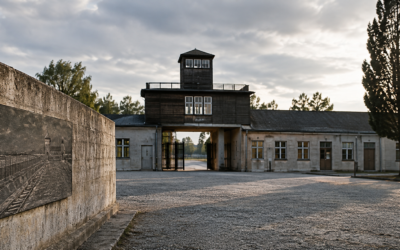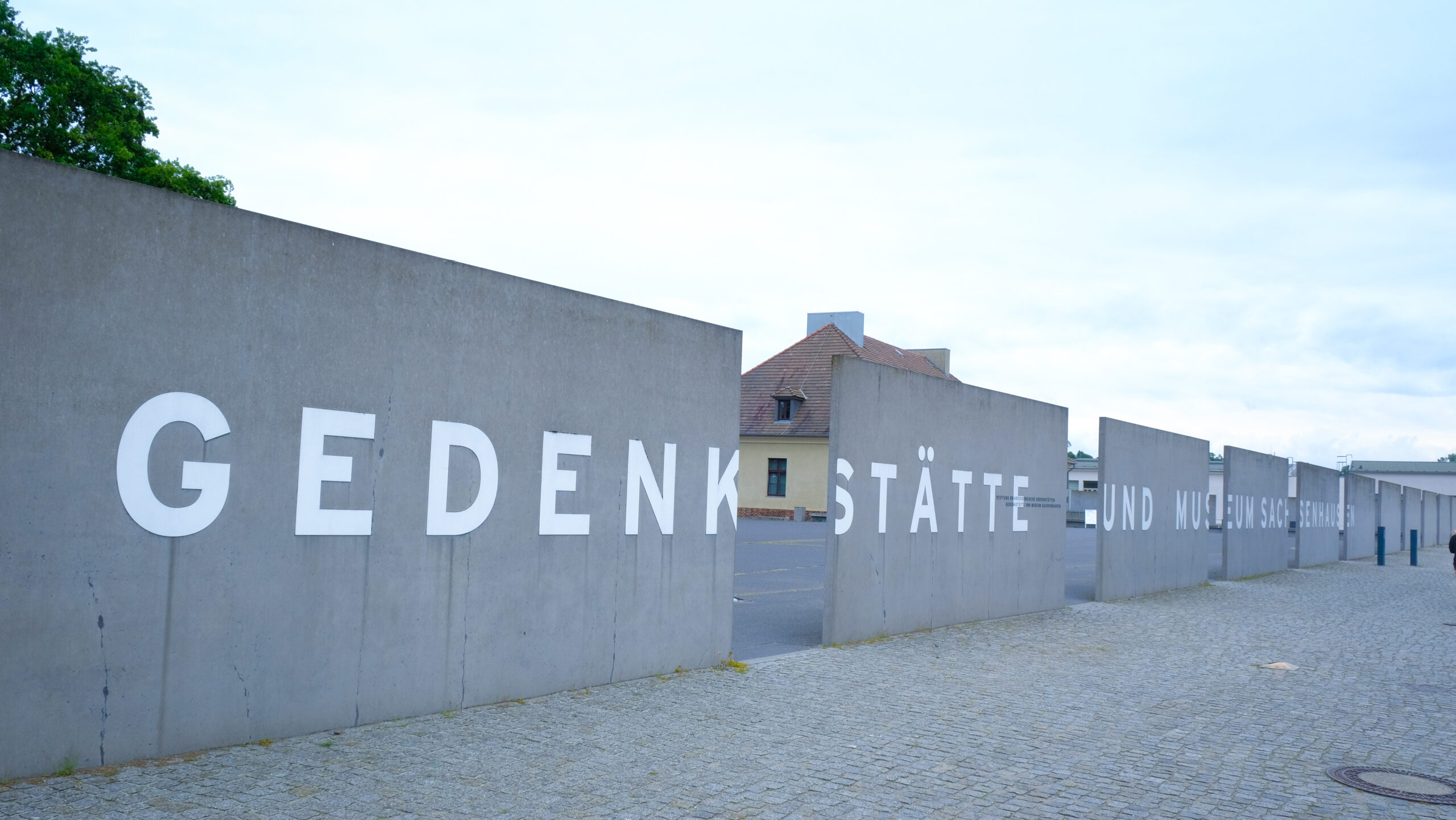
Quando si è diffusa la notizia che un ex guardia centenaria sarebbe stata processata presso il tribunale distrettuale di Neuruppin, la reazione non è stata di giubilo, bensì di rabbia. Perché proprio ora? Perché dopo settant'anni di tranquilla pensione? Perché non quando i suoi familiari avrebbero potuto guardarlo negli occhi?
La frustrazione è giustificata e la risposta è più sorprendente di quanto la maggior parte delle persone si aspetti. Il tentativo di ottenere giustizia per le guardie di Sachsenhausen did not fail since no one ever tried; instead, justice arrived in irregular waves, influenced by the period of Soviet occupation, Cold War politics, and a Legal definition of murder which left the majority of the guards untouched for sixty years. That is how it really happened.
The Short Answer
Sachsenhausen guards were held accountable in three phases. First came Soviet military tribunals in the late 1940s that convicted the top staff. Then came a long gap in which both German states mostly failed to prosecute lower ranking guards. Finally, a shift in Legal interpretation beginning with the 2011 Demjanjuk trial, and reinforced by a 2016 Federal Court of Justice decision, allowed prosecutors to pursue cases based on knowing assistance to systematic mass murder without proving participation in a specific killing. For those interested in understanding Berlin’s Nazi past and its postwar pursuit of justice, a free historical walking tour of Berlin offers broader historical context.
Fase uno: i sovietici hanno mosso per primi
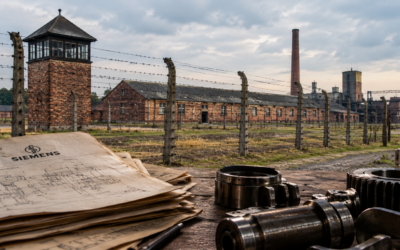
Nel maggio del 1945, la Commissione Straordinaria di Stato dell'Unione Sovietica avviò un'indagine, durante la quale gli inquirenti rinvennero fascicoli amministrativi delle SS nascosti e prove materiali provenienti dal campo, come contenitori di gas letale. Quel materiale documentale fu importante all'epoca e lo è tuttora. Ci vollero decenni prima che gli elenchi delle SS diventassero la prova che portò alla condanna di un imputato che aveva affermato di non essere mai stato lì.
Nell'ottobre del 1947, un tribunale militare sovietico in Berlin put 16 senior camp Funzionari sotto processo. Il gruppo comprendeva l'ultimo comandante, Anton Kaindl, altri dodici ufficiali delle SS, un funzionario pubblico e due funzionari prigionieri i cui ruoli erano stati compromessi. Tutti e 16 furono condannati nel novembre di quell'anno. L'Unione Sovietica aveva temporaneamente abolito la pena di morte nel maggio del 1947, quindi 14 imputati ricevettero l'ergastolo con lavori forzati e due una condanna a 15 anni. Molti, incluso Kaindl, morirono nei campi di lavoro sovietici. For those interested in exploring Berlin’s Nazi history and the postwar pursuit of justice, private historical tours of Berlin offer a way to understand the city’s role during and after the Nazi era.
Sembra un finale soddisfacente. Non lo era, perché un campo gestito da 16 persone dipendeva da molte più risorse.
Fase due: il lungo intervallo che continua a far infuriare la gente
Se vi siete mai chiesti perché una guardia possa vivere serenamente fino a cent'anni, questa sezione ve lo spiega.
Per molti anni i pubblici ministeri di entrambi i paesi si sono trovati di fronte allo stesso ostacolo legale. Secondo il diritto penale tedesco tradizionale, era necessario dimostrare che un sospettato avesse partecipato personalmente a un omicidio specifico e identificabile; una guardia che si trovava su una torre di guardia, che aveva scortato i prigionieri al lavoro o che aveva presidiato il perimetro non doveva necessariamente aver premuto il grilletto in una data precisa. Era quasi impossibile dimostrare che "la guardia X ha sparato al prigioniero Y in un momento specifico", motivo per cui migliaia di ex membri delle SS sono semplicemente tornati a condurre una vita normale.
La Germania dell'Est e la Germania dell'Ovest gestirono la questione in modo molto diverso.
Trying to uncover what happened to a relative who was imprisoned at Sachsenhausen? Read Come si possono fare ricerche su un familiare che fu imprigionato a Sachsenhausen? per scoprire quali archivi, documenti storici e risorse di ricerca possono aiutarti a ricostruire la storia di un membro della tua famiglia.
Germania dell'Est: rapida, politica e ingiusta
Il governo della Germania dell'Est considerò i processi ai nazisti come la prova che il socialismo aveva eliminato il fascismo. Nel 1950, i processi di Waldheim portarono all'arresto di migliaia di persone precedentemente imprigionate dai sovietici. Tribunali speciali processarono oltre 3.400 individui in un breve periodo, con scarso rispetto per le normali procedure legali. Ciò portò a un elevato numero di condanne, lunghe pene detentive e 24 esecuzioni. Tra coloro che furono trattati in questo modo c'erano alcuni ex membri dello staff di Sachsenhausen, tra cui amministratori e guardie di basso rango.
Behind the scenes, the Stasi kept careful files on citizens with Nazi pasts. Some of that information was used for propaganda trials, and some was used for blackmail, turning former camp personnel into informants instead of defendants.
West Germany: Peacetime Law Applied to Mass Murder

West German courts dealt with camp guards under regular criminal law. In order to secure a conviction, the prosecutors were required to prove that the defendant had intended to act, had taken personal initiative, and had carried out a specific killing. The defendants usually claimed that they had acted as a result of following orders and that they would have been shot had they refused to do so. Later on, historians demonstrated that SS members who requested transfers were seldom executed, yet the courts in the 1950s and 1960s frequently accepted this argument, thereby reducing the length of the sentences or dismissing the charges.
The most cruel technicality was that in 1960 the statute of limitations for manslaughter had run out. If it was not possible to charge a former guard with premeditated murder, he could no longer be prosecuted at all. Therefore, thousands of men who had kept watch from the watchtowers or had marched the prisoners were fully protected di the law.
There was one organization which attempted to resist the move. In 1958, the state of West Germany established the Central Office for the Investigation of National Socialist Crimes in Ludwigsburg. Although it was not empowered to bring cases, it reconstructed prisoner lists, interviewed survivors worldwide, and prepared case files. It initiated tens of thousands of investigations. Although most did not result in convictions during the Cold War, those files have nonetheless become the basis for the trials currently taking place.
Quelli che sono scappati
Non tutti i vertici sono finiti in tribunale, e vale la pena conoscere le loro storie.
Il dottor Heinz Baumkötter, capo del servizio medico dal 1942 al 1945, selezionava prigionieri malati e deboli da giustiziare e conduceva brutali esperimenti medici. I sovietici lo condannarono all'ergastolo nel 1947, ma fu rilasciato nel 1956 in seguito a un accordo per il rimpatrio dei prigionieri tedeschi. Tornato nella Germania Ovest, si dedicò al settore privato, lavorando come medico per l'azienda farmaceutica Grünenthal, nota per aver assunto ex medici delle SS. Visse apertamente per anni prima di essere nuovamente arrestato in vista di un successivo processo all'inizio degli anni '60.
Hans Loritz, commandant from 1940 to 1942, oversaw the mass shooting of more than 10,000 Soviet prisoners of war. After the war, he tried to hide his identity, was captured, and ended up in a British internment camp in Neumünster. When he realized extradition to the Soviet Union was coming, and with it almost certain execution, he killed himself in January 1946.
Karl Otto Koch, il primo comandante che contribuì a elaborare il sistema di controllo totale del campo e che in seguito amministrò Buchenwald, non partecipò mai ad alcun processo del dopoguerra. Fu arrestato dalle SS con l'accusa di corruzione e poi giustiziato tramite fucilazione nell'aprile del 1945, poche settimane prima della liberazione del campo.
Meanwhile, many mid ranking officers vanished during the chaos of the April 1945 death marches. They discarded uniforms, burned papers, and blended into the millions of civilians moving west. Because of the Legal barriers above, dozens lived through the 1950s and 1960s under their own names.
Fase tre: la svolta del 2011
A major shift in German Legal practice began with the trial of John Demjanjuk, a former guard at the Sobibor extermination camp. On 12 May 2011, a Munich court sentenced him to five years in prison for aiding and abetting the murder of approximately 28,000 people. Prosecutors did not have to prove that he had personally killed a prisoner. Instead, the court found that his service as a guard knowingly supported the operation of a camp established for systematic mass murder.
However, this was not a new law, and Demjanjuk’s conviction never became legally final. He died in March 2012 while his appeal was pending. The approach gained stronger Legal authority in 2016, when Germany’s Federal Court of Justice upheld the conviction of Oskar Gröning, a former Auschwitz SS member who had been sentenced in 2015 to four years in prison for aiding and abetting murder in approximately 300,000 cases.
These decisions helped prosecutors pursue cases without proving direct involvement in an individual killing. However, service at a concentration camp did not automatically establish guilt. Courts still had to examine the defendant’s duties, knowledge, and contribution to the camp’s crimes. Since murder has no statute of limitations in Germany, this interpretation made further prosecutions possible decades after the war.
That is why former Sachsenhausen guards could face charges of accessory to murder even in their late 90s or early 100s. The delay remains painful because this Legal approach gained acceptance when most surviving former guards were already elderly.
Due casi dimostrano come ciò funzioni nella pratica:
- Josef Schütz. On 28 June 2022, a court in Neuruppin sentenced the 101-year-old, the oldest person tried for Nazi crimes at that time, to five years in prison for aiding and abetting 3,518 murders and attempted murders. The court found that his service as a Sachsenhausen guard between 1942 and 1945 helped sustain the camp’s system of persecution and killing. He died on 11 April 2023, aged 102, while his appeal was still pending, meaning his conviction never became legally final.
- Gregor Formanek. In December 2024, a higher regional court overturned an earlier decision preventing the trial of Formanek, then 100, who was accused of aiding and abetting 3,322 murders as a Sachsenhausen guard between 1943 and 1945. The court ruled that the medical evidence was insufficient to establish his inability to stand trial. Formanek died on 2 April 2025, aged 100, before a trial could begin. He was never convicted in these proceedings.
Come la difesa si difende
Poiché la scusa "stavo solo eseguendo gli ordini" non funziona più, i team di difesa si affidano a tre strategie.
La prima accusa è la negazione della propria presenza. Schütz affermò di aver trascorso la guerra come bracciante agricolo vicino a Pasewalk, disse di essere stato confuso a causa della sua età e insistette di non sapere nulla delle atrocità commesse nel campo. I pubblici ministeri replicarono presentando i registri delle SS che mostravano un sottufficiale delle Waffen-SS con il suo stesso nome, data e luogo di nascita, di stanza a Sachsenhausen.
Il secondo punto riguardava la teoria giuridica. L'avvocato di Schütz sostenne che il semplice fatto di essere una guardia non fosse sufficiente e che i pubblici ministeri dovessero collegare una persona a una specifica esecuzione o a un atto di violenza. I giudici respinsero ripetutamente questa argomentazione, stabilendo che la messa in sicurezza del perimetro e il presidio delle torri di guardia supportavano il sistema di sterminio del campo.
Il terzo fattore è la salute. Con imputati di età compresa tra i 95 e i 101 anni, la capacità di intendere e di volere è il principale elemento di scontro. La difesa di Formanek inizialmente convinse un tribunale di grado inferiore che le sue condizioni rendevano impossibile un processo, finché un tribunale di grado superiore non stabilì che le valutazioni mediche erano insufficienti. Anche quando gli imputati vengono ritenuti idonei, le udienze sono in genere limitate a circa due o due ore e mezza al giorno.
Why the Public Mood Changed
Negli anni '60 moltissimi tedeschi desideravano una Schlußstrich, ovvero una chiusura definitiva del passato. Preoccupati dal miracolo economico, i processi venivano percepiti come una spiacevole riapertura di vecchie ferite. Il procuratore Fritz Bauer, responsabile del processo di Francoforte contro Auschwitz, ricevette minacce di morte e dichiarò che lasciare il suo ufficio era come entrare in territorio straniero. Fu solo con le proteste studentesche del 1968 che le giovani generazioni iniziarono a interrogarsi su ciò che i loro genitori avevano fatto durante la guerra.
Today the mood is urgency. Mainstream media covers these trials heavily, institutions back them, and most people see them as a moral duty to the victims. There is also an uncomfortable shared shame. Many Germans openly admit the system let these men live long, quiet lives and only acted when they were too frail to serve time. Fringe voices still complain about putting grandfathers on trial, but the prevailing view is that the law must judge the young SS guard, not the fragile older adult he became.
FAQs
- Perché questa guardia non è stata processata settant'anni fa?
Because German courts traditionally required evidence linking defendants to specific crimes, prosecuting former guards who had not personally carried out killings was difficult. Simply serving as a guard was generally not enough to establish criminal responsibility, and the statute of limitations for manslaughter expired in West Germany in 1960. A different interpretation of the existing law emerged in the 2011 Demjanjuk trial and received confirmation from Germany’s Federal Court of Justice in 2016.
- Una persona di 100 anni può davvero essere processata?
Yes, with limits. In the Sachsenhausen case, a court spokesman said the defendant should be able to take part for up to two and a half hours per day. Courts must be satisfied medically that the defendant understands the charges, and judges have overturned rulings that found defendants unfit on weak evidence.
- Quale fu il primo processo di Sachsenhausen dopo la guerra?
Il Tribunale militare sovietico di Berlino, riunitosi nell'ottobre del 1947, processò 16 alti funzionari, tra cui il comandante Anton Kaindl, e li condannò tutti nel novembre del 1947.
- What defenses do former guards use today?
Principalmente tre argomentazioni: negare di essere mai stati nel campo, sostenere che il solo servizio di guardia non costituisce complicità e affermare di essere troppo malati per affrontare un processo. I documenti ufficiali delle SS di solito confutano la prima argomentazione, e i giudici hanno respinto la seconda.
- Do these late trials still matter if the defendant may die before serving time?
Many Germans see them as symbolic but necessary. Schütz was convicted and sentenced before he died, which established the record. The prevailing public view is that there is no expiration date on accountability for systemic atrocities, and that a verdict, even a late one, honors the victims.