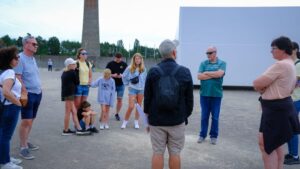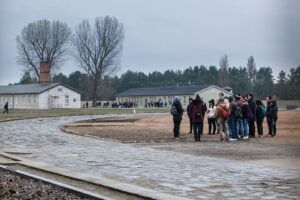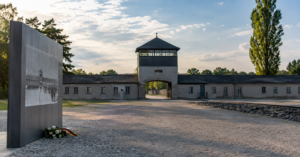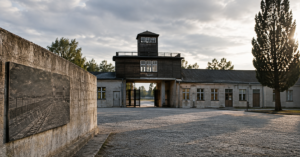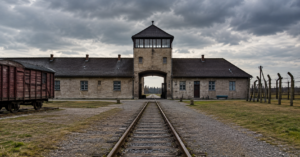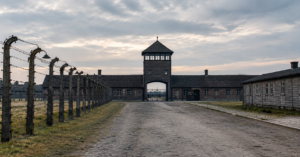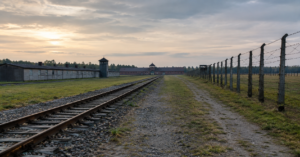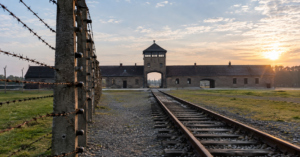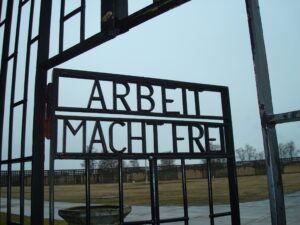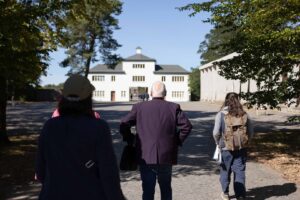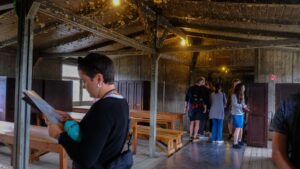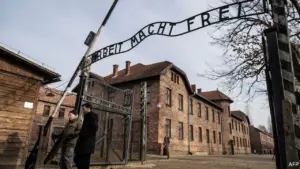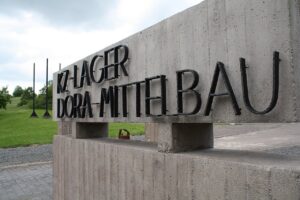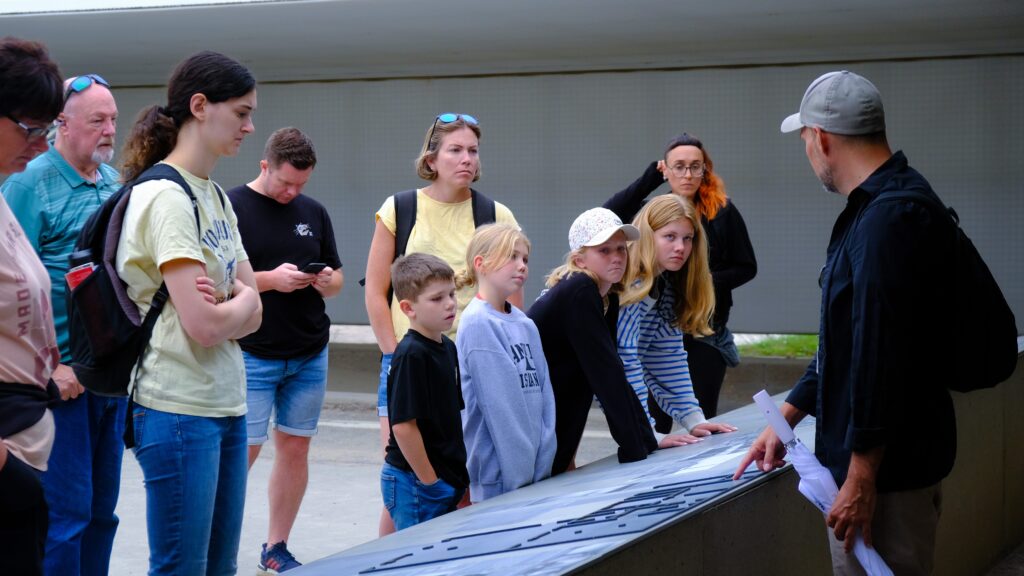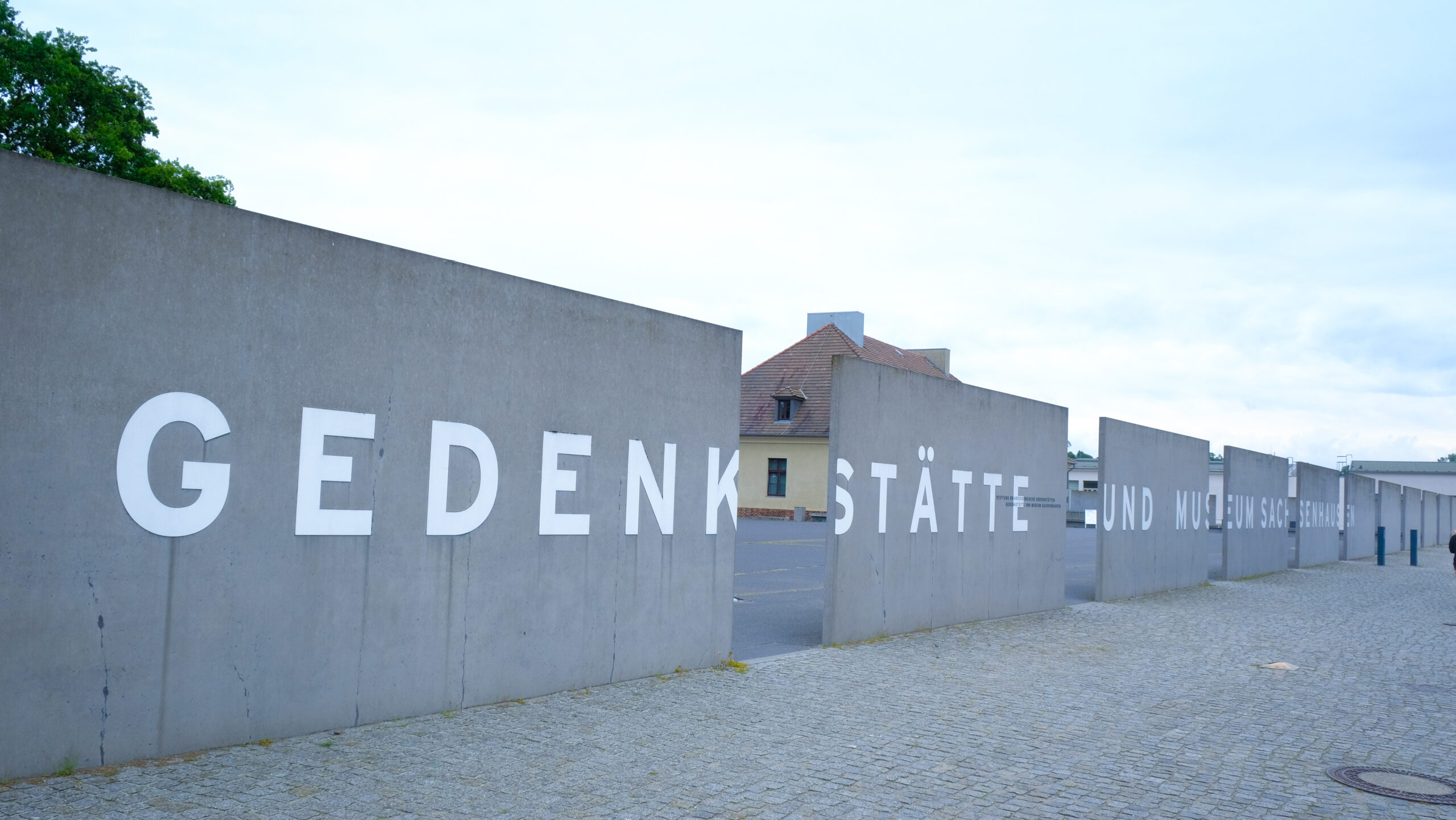
Se sei in piedi alla porta di SachsenhausenProbabilmente vi starete chiedendo come un tranquillo falegname di una piccola città del Württemberg sia diventato uno dei prigionieri più sorvegliati del campo. La risposta è una storia di pazienza, perfezionismo e tredici minuti che non hanno cambiato nulla e tutto allo stesso tempo.
La maggior parte dei visitatori arriva conoscendo il nome di Stauffenberg. Pochi arrivano conoscendo Elser. Ed è proprio questa lacuna che rende la sua storia degna del viaggio.
L'uomo dietro la colonna
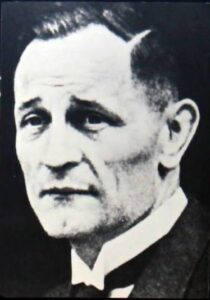
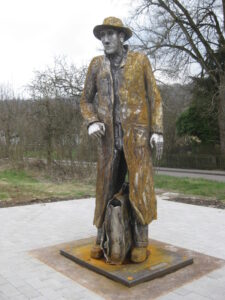
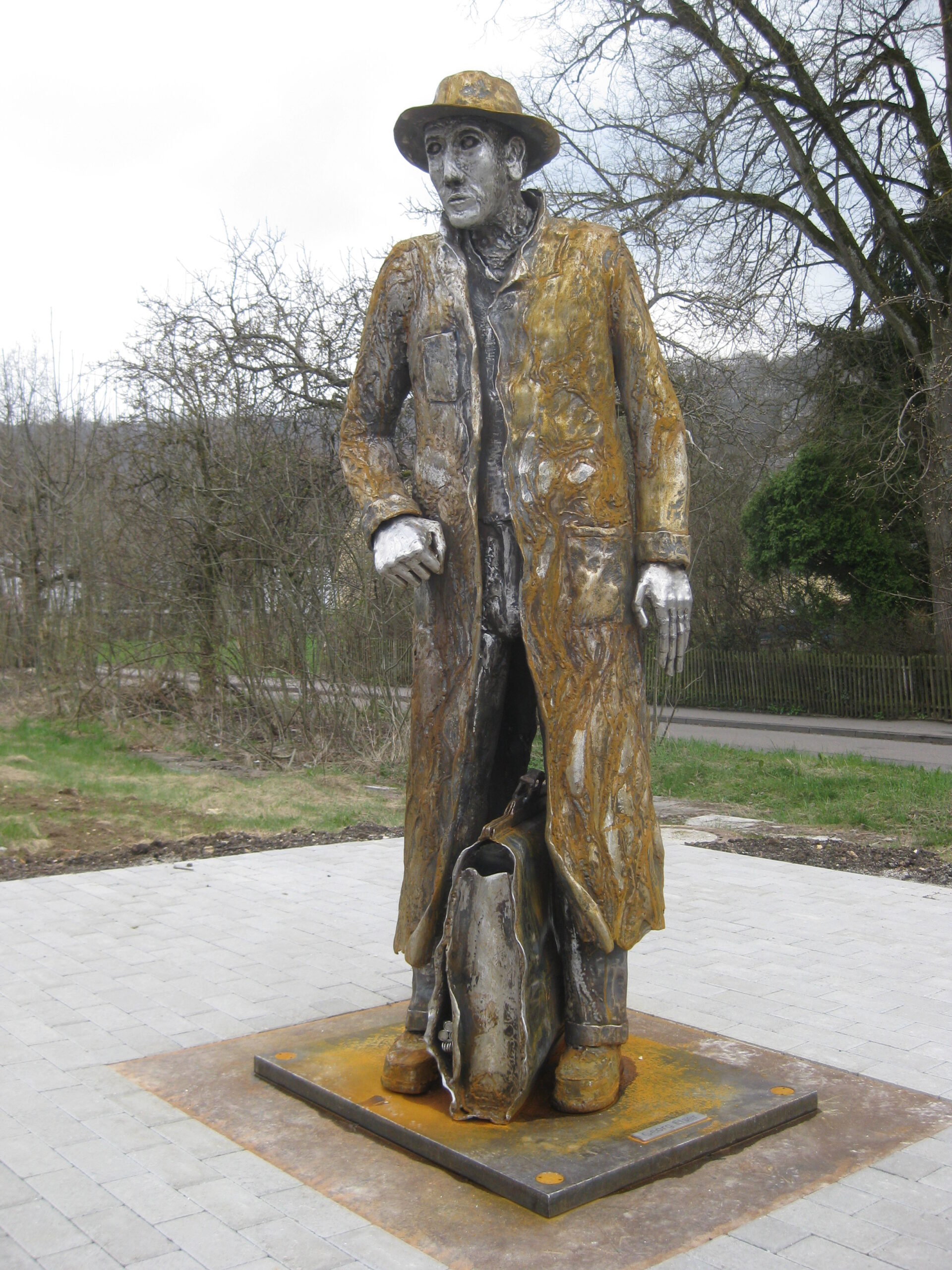
Georg Elser nacque nel 1903 in una famiglia di basso reddito. Ottenne buoni risultati a scuola, si formò come falegname e si diplomò con il massimo dei voti. Non era un generale, un aristocratico o membro di alcuna cerchia cospirativa. Nel 1938 giunse alla conclusione che il regime stava schiacciando i lavoratori comuni e stava conducendo la Germania verso la guerra, e che l'unico modo per fermarlo era rimuovere Hitler.
È questo che lo distingue da quasi tutti gli altri cospiratori. Molti dei successivi tentativi furono opera di ufficiali militari che, vedendo la sconfitta avvicinarsi, capirono che il loro leader era diventato un peso. Elser agì tempestivamente, da solo e spinto da una chiara visione morale, senza alcuna organizzazione alle spalle. Per molti tedeschi di oggi, è proprio per questo che è considerato superiore agli ufficiali venuti dopo.
Un anno di preparazione
In November 1938, Elser visited the Bürgerbräukeller after the annual speech Hitler gave in Munich to commemorate the anniversary of the Beer Hall Putsch; he observed the setup, noted the weak security, and noticed the pillar behind the lectern.
Ciò che seguì fu una straordinaria maestria artigianale:
- In March and April 1939, he took explosives and detonators from a quarry where he worked and hid them in a suitcase with a false bottom.
- He tested prototypes in his parents’ orchard and refined a timer until it was reliable.
- Nell'agosto del 1939 si trasferì a Monaco e iniziò a cenare ogni sera al Bürgerbräukeller.
- After closing, he hid on the hall’s gallery until the building was locked, then worked alone until morning.
- Over 30 to 35 nights between August and November 1939, he hollowed out a cavity in the pillar, timing each hammer blow to cover it with the noise of passing trams or flushing toilets.
- Ogni mattina nascondeva i danni e portava via i detriti in una valigia.
Il 6 novembre impostò i due timer per le 21:20 dell'8 novembre. Partì da Monaco, poi tornò il 7 novembre per controllare un'ultima volta il meccanismo. Funzionava alla perfezione. È proprio questo perfezionismo il dettaglio che la gente ricorda di più.
I 35 minuti che hanno deciso tutto
La cronologia dell'8 novembre 1939 è quasi crudele nella sua precisione:
- 20:45: Elser is arrested in Konstanz near the Swiss border, and it is discovered that he has wire cutters, bomb-related notes, and a postcard of the Bürgerbräukeller.
- 21:07 Hitler lascia la sala in anticipo. La nebbia stava ostacolando i suoi piani di volo, quindi ha dovuto prendere un treno.
- 21:20: The bomb detonates, wrecking the rostrum area and bringing down part of the ceiling and balconies. Eight people are killed, and between 60 and 63 are injured.
Hitler se n'era andato da tredici minuti. Se la bomba fosse esplosa prima, o se fosse rimasto fino alla fine del discorso, l'intera cerchia ristretta di alti funzionari vicino al podio si sarebbe trovata nella zona dell'esplosione. Tra questi figuravano Goebbels, Himmler, Hess, Bormann, Ribbentrop, Frick, Todt e Rosenberg. Göring non era a Monaco.
Elser non fu l'unica persona a cui Hitler scampò per pura fortuna. Nel 1940, alcuni cospiratori pianificarono di sparargli durante una parata a Parigi, ma Hitler arrivò e se ne andò con quattro giorni di anticipo, e la parata fu annullata. Anche la successiva visita, prevista per il giorno prima, fu annullata. Nel 1943, Rudolf von Gersdorff nascose due mine britanniche catturate nelle tasche del cappotto con l'intenzione di farsi esplodere accanto a Hitler durante una mostra itinerante a Berlino, ma Hitler le estrasse in meno di dieci minuti e se ne andò. Gersdorff disinnescò gli ordigni in un bagno pubblico all'ultimo secondo. Il tentativo di Elser fu il più clamoroso.
Perché Sachsenhausen, e perché non un'esecuzione rapida?
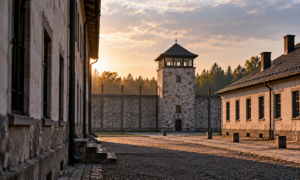
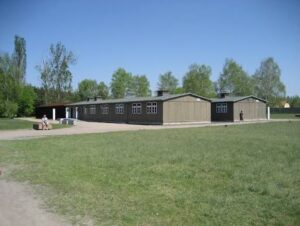
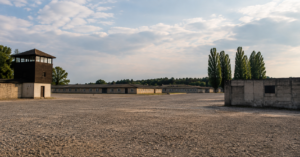
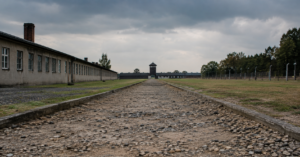
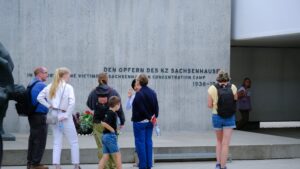
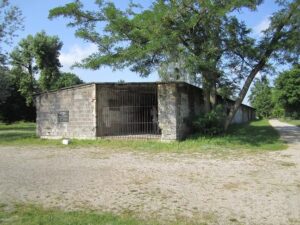
Questa è la domanda che i visitatori pongono più spesso. Un uomo che aveva tentato di uccidere Hitler e aveva ucciso otto persone non fu fucilato nel giro di pochi giorni. Al contrario, fu interrogato dalla Gestapo e detenuto per oltre cinque anni come prigioniero speciale, separato dalla popolazione generale del campo. Sachsenhausen fu uno dei luoghi in cui fu detenuto, e alla fine venne trasferito a Dachau.
Le ragioni più ragionevoli sono di natura pratica. Il governo voleva collegare il complotto all'intelligence britannica e a una cospirazione più ampia, e il fatto che fosse stato tenuto prigioniero a lungo manteneva viva tale possibilità. C'era anche la possibilità che uccidendolo rapidamente lo avrebbe trasformato in un martire. Alcuni storici hanno notato che i nazisti may have anticipated a large trial following the war and had hoped to show that he was an agent acting on behalf of foreign powers. Whatever the reason, Elser remained a prisoner from his arrest near the Swiss border in 1939 until the final days of the war, when he was executed at Dachau. For visitors exploring Berlin’s Second World War history, a private historical tour can provide more context about the Nazi regime and its wartime activities.
Fu giustiziato a Dachau il 9 aprile 1945, durante la caduta del regime. La sua morte fu dichiarata accidentale, una prassi comune all'epoca. Era infatti consuetudine tra i nazisti mascherare gli omicidi come morti naturali o accidentali, persino nel caso delle impiccagioni pubbliche, dove la causa ufficiale del decesso veniva talvolta indicata come morte cardiaca improvvisa.
Il dibattito che ascolterete a Berlino e Monaco
Spend any time around people who care about this history, and you will hit the same argument: what might have happened if Hitler had been killed in 1939? Any answer is speculative, since there is no way to know how events would have unfolded.
One speculative version goes like this. Hitler made terrible military decisions and overruled his own generals, so perhaps a competent successor would have run the war better. Another hypothetical scenario suggests that a 1939 death would have changed little at first. Göring, the designated successor, was popular, still holding enormous power, and riding the success of the Polish campaign. Under that reading, the Norwegian, Low Countries, and French campaigns might have gone roughly as they did, and Britain and France might still have refused a peace that left Germany dominant on the continent. These possibilities remain hypothetical rather than established historical conclusions.
A third hypothetical scenario is more hopeful. The blast might have wiped out much of the party leadership, leaving a hole at the top, and a shaken Germany might have faced a crisis of legitimacy once the Nazi promise of conquest and economic self sufficiency stalled. Nobody can settle it, but it is a fair reminder of what Elser actually risked everything to prevent. C'è anche una nota a margine più inquietante. Alcuni sostengono che la serie di occasioni mancate abbia rafforzato la convinzione di Hitler che la provvidenza lo stesse proteggendo, alimentando così il culto della personalità che lo circondava.
Che fine hanno fatto le altre figure di spicco imprigionate dai nazisti? Scoprilo Martin Niemöller a Sachsenhausen: il pastore dietro "Prima vennero" Per scoprire come un pastore che inizialmente appoggiava alcuni aspetti del nazionalismo tedesco sia diventato un acceso critico del regime nazista e un simbolo di resistenza.
Come affrontare la visita
Considerate Sachsenhausen principalmente come un luogo della memoria e solo secondariamente come un posto dove approfondire la storia. Il sito non è adatto a scattare foto sorridenti, quindi fatelo presto, dedicateci mezza giornata intera e informatevi in anticipo. Se desiderate una narrazione più umana della storia di Elser prima della visita, il film tedesco "Elser", noto in inglese come "13 Minutes", con Christian Friedel, è generalmente consigliato.
If you’re exploring Berlin’s Second World War history on a free walking tour, you might also consider visiting Munich to learn more about Elser’s story. The Bürgerbräukeller no longer stands as Elser knew it, so don’t expect to see the pillar. The story lives in Munich’s memory and in the memorials that remember him. The best way to honor him is to know the details, because few people do.
FAQ
- Perché Georg Elser non fu giustiziato immediatamente?
He lived on for over five years, because the Nazi regime planned to put him on trial after the war and falsely portray his assassination attempt as a British-backed conspiracy. He was executed at Dachau on April 9, 1945.
- Why would the Nazis disguise his death as an accident?
Nazi authorities sometimes disguised executions di recording them as natural or accidental deaths. The desire to avoid creating a martyr and the possibility of being put on trial after the war might also have been factors.
- Quanto è stata vicina la bomba a uccidere Hitler?
Hitler lasciò la sala alle 21:07 perché la nebbia aveva ostacolato i suoi piani di volo. La bomba esplose alle 21:20, tredici minuti dopo, uccidendo otto persone.
- Elser ha agito da solo?
Sì, a differenza di molti cospiratori successivi, non aveva alcun gruppo o rete militare a sostenerlo; pianificò e portò a termine i preparativi da solo per circa un anno, comprese circa 30 notti trascorse a lavorare all'interno del pilastro.
- La Germania sarebbe stata meglio o peggio se Elser avesse avuto successo?
It is impossible to know for certain. One hypothetical scenario suggests Göring might have taken over, and the early campaigns might have gone much the same. Another possibility is that the blast could have killed several senior Nazi leaders, potentially destabilizing the regime. However, these are speculative scenarios, not established historical outcomes.