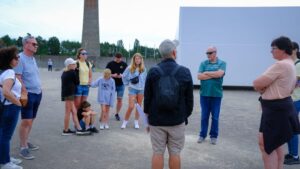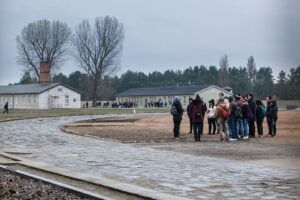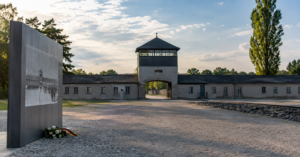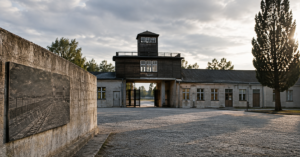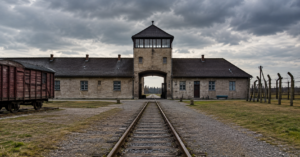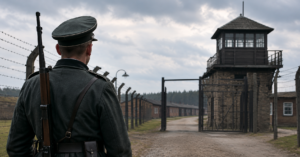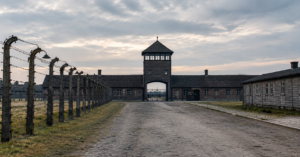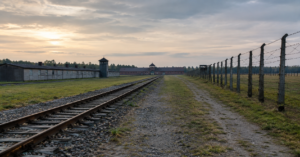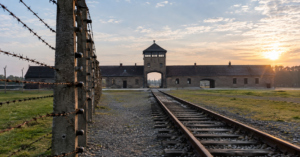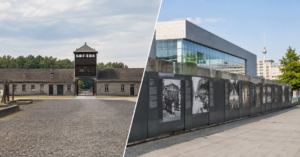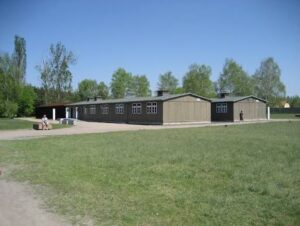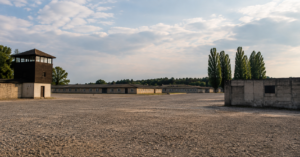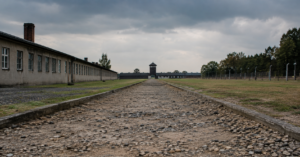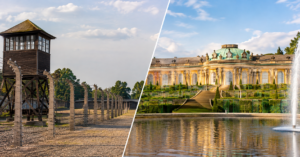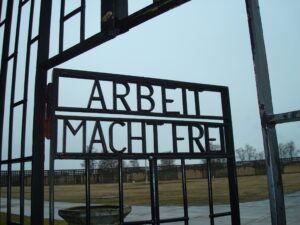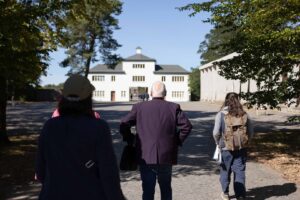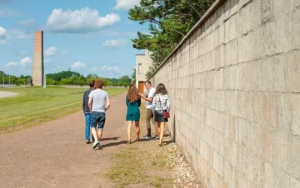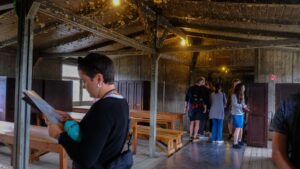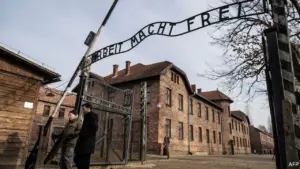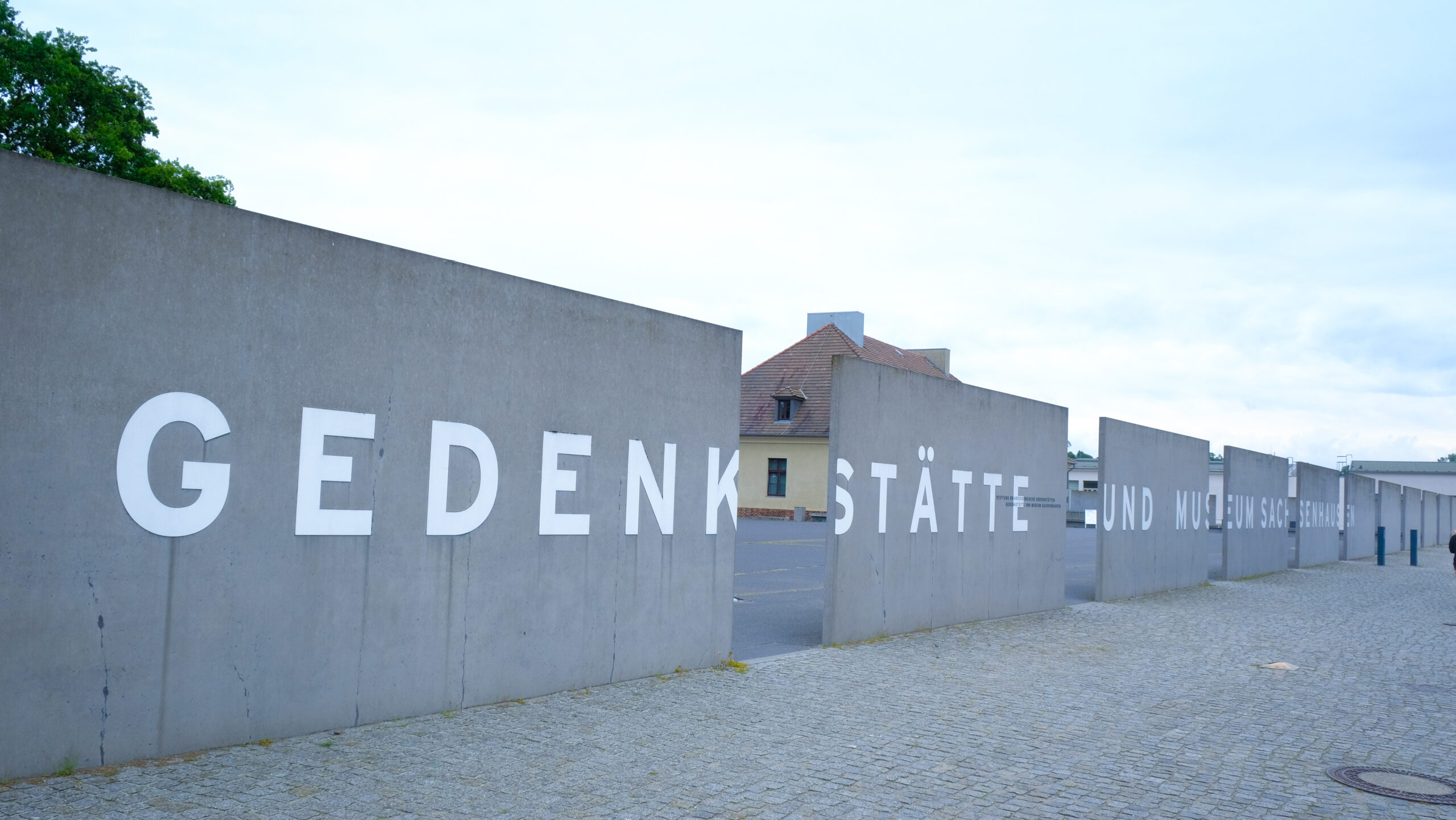
Si estás de pie En la puerta de SachsenhausenSeguramente te estarás preguntando cómo un humilde carpintero de un pequeño pueblo de Württemberg se convirtió en uno de los prisioneros mejor custodiados del campo. La respuesta es una historia de paciencia, perfeccionismo y trece minutos que no cambiaron nada y a la vez lo cambiaron todo.
La mayoría de los visitantes llegan conociendo el nombre de Stauffenberg. Pocos llegan conociendo a Elser. Esa diferencia es precisamente la razón por la que su historia merece la pena el viaje.
El hombre detrás del pilar
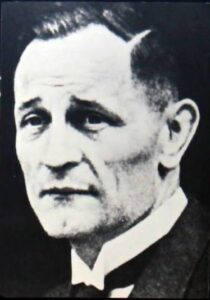
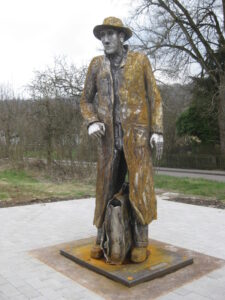
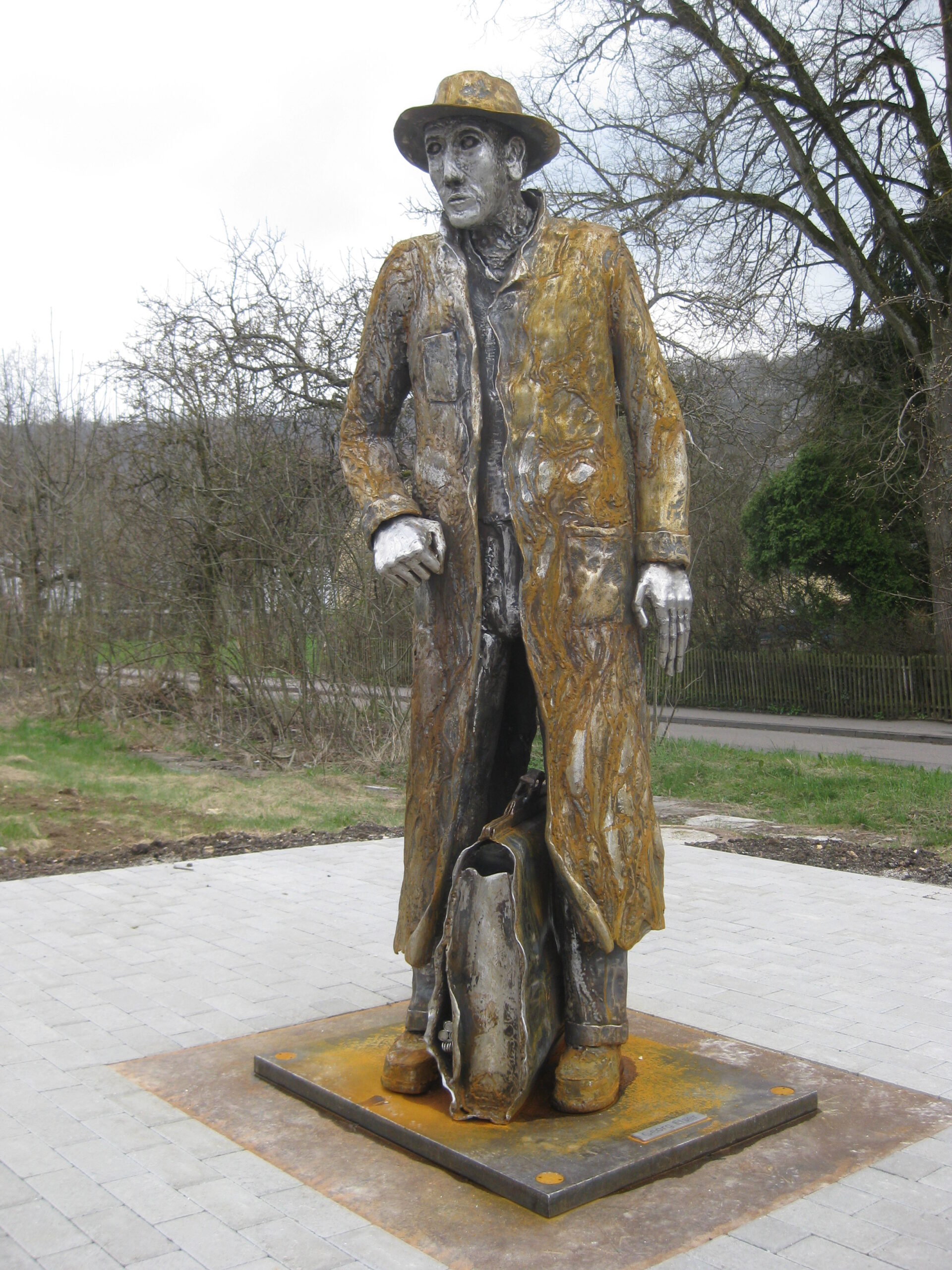
Georg Elser nació en 1903 en el seno de una familia humilde. Tuvo un excelente desempeño escolar, se formó como carpintero y se graduó con honores. No era general, ni aristócrata, ni miembro de ningún grupo conspirativo. En 1938 llegó a la conclusión de que el régimen estaba oprimiendo a los trabajadores comunes y corrientes y estaba llevando a Alemania hacia la guerra, y que la única manera de detenerla era derrocar a Hitler.
Eso es lo que lo distingue de casi todos los demás conspiradores. Muchos de los intentos posteriores provinieron de oficiales militares que veían la derrota acercarse y comprendían que su líder se había convertido en una carga. Elser actuó pronto, solo y movido por una clara convicción moral, sin ninguna organización que lo respaldara. Para muchos alemanes de hoy, esa es precisamente la razón por la que se le considera superior a los oficiales que vinieron después.
Un año de preparación
In November 1938, Elser visited the Bürgerbräukeller after the annual speech Hitler gave in Munich to commemorate the anniversary of the Beer Hall Putsch; he observed the setup, noted the weak security, and noticed the pillar behind the lectern.
Lo que siguió fue una artesanía extraordinaria:
- In March and April 1939, he took explosives and detonators from a quarry where he worked and hid them in a suitcase with a false bottom.
- Probó prototipos en el huerto de sus padres y perfeccionó un temporizador hasta que resultó fiable.
- En agosto de 1939, se mudó a Múnich y comenzó a cenar en el Bürgerbräukeller todas las noches.
- After closing, he hid on the hall’s gallery until the building was locked, then worked alone until morning.
- Over 30 to 35 nights between August and November 1939, he hollowed out a cavity in the pillar, timing each hammer blow to cover it with the noise of passing trams or flushing toilets.
- Cada mañana ocultaba los destrozos y sacaba los escombros en una maleta.
On November 6 he set the twin timers for 9:20 p.m. on November 8. He left Munich, then came back on November 7 to check the mechanism one more time. It was ticking perfectly. That perfectionism is the detail people remember most.
Los 35 minutos que lo decidieron todo
La cronología del 8 de noviembre de 1939 es casi cruel por su precisión:
- 8:45 p.m.: Elser is arrested in Konstanz near the Swiss border, and it is discovered that he has wire cutters, bomb-related notes, and a postcard of the Bürgerbräukeller.
- 21:07 Hitler abandonó el salón antes de tiempo. La niebla estaba alterando sus planes de vuelo, así que tuvo que tomar un tren.
- 21:20: The bomb detonates, wrecking the rostrum area and bringing down part of the ceiling and balconies. Eight people are killed, and between 60 and 63 are injured.
Hitler llevaba trece minutos fuera. Si la bomba hubiera explotado antes, o si se hubiera quedado hasta el final del discurso, todo el círculo de altos cargos que se agolpaba cerca del podio habría estado en la zona de la explosión. Entre ellos se encontraban Goebbels, Himmler, Hess, Bormann, Ribbentrop, Frick, Todt y Rosenberg. Göring no estaba en Múnich.
Elser was not the only person Hitler escaped through luck. Plotters in 1940 planned to shoot him at a parade in Paris, but he arrived and left four days early, and the parade was canceled. They canceled a repeat visit the day before. In 1943, Rudolf von Gersdorff hid two captured British mines in his coat pockets to blow himself up beside Hitler during an exhibition tour in Berlin, but Hitler rushed through in under ten minutes and left. Gersdorff defused the devices in a public bathroom at the last second. Elser’s attempt was the closest.
¿Por qué Sachsenhausen, y por qué no una ejecución rápida?
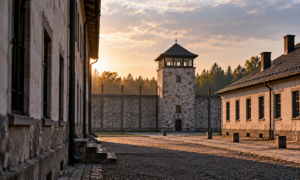
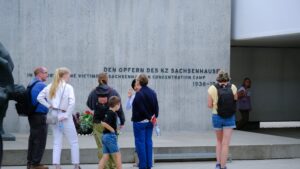
Esta es la pregunta que más se hacen los visitantes. Un hombre que intentó asesinar a Hitler y mató a ocho personas no fue fusilado a los pocos días. En cambio, fue interrogado por la Gestapo y permaneció recluido durante más de cinco años como prisionero especial, separado del resto de la población del campo. Sachsenhausen fue uno de los lugares donde estuvo detenido, y finalmente fue trasladado a Dachau.
Las razones más razonables son prácticas. El gobierno quería vincular el complot con la inteligencia británica y una conspiración más amplia, y el hecho de que hubiera estado detenido durante mucho tiempo mantenía viva esa posibilidad. También existía la posibilidad de que, al matarlo rápidamente, lo hubiera convertido en un mártir. Algunos historiadores han señaló que los nazis may have anticipated a large trial following the war and had hoped to show that he was an agent acting on behalf of foreign powers. Whatever the reason, Elser remained a prisoner from his arrest near the Swiss border in 1939 until the final days of the war, when he was executed at Dachau. For visitors exploring Berlin’s Second World War history, a private historical tour can provide more context about the Nazi regime and its wartime activities.
Fue ejecutado en Dachau el 9 de abril de 1945, durante la caída del régimen. Su muerte se declaró accidental, lo cual era habitual. Era práctica común entre los nazis disfrazar los asesinatos como muertes naturales o accidentales, incluso en el caso de las ejecuciones públicas, donde la causa oficial de la muerte a veces se atribuía a una muerte súbita cardíaca.
El debate lo escucharán en Berlín y Múnich.
Spend any time around people who care about this history, and you will hit the same argument: what might have happened if Hitler had been killed in 1939? Any answer is speculative, since there is no way to know how events would have unfolded.
One speculative version goes like this. Hitler made terrible military decisions and overruled his own generals, so perhaps a competent successor would have run the war better. Another hypothetical scenario suggests that a 1939 death would have changed little at first. Göring, the designated successor, was popular, still holding enormous power, and riding the success of the Polish campaign. Under that reading, the Norwegian, Low Countries, and French campaigns might have gone roughly as they did, and Britain and France might still have refused a peace that left Germany dominant on the continent. These possibilities remain hypothetical rather than established historical conclusions.
A third hypothetical scenario is more hopeful. The blast might have wiped out much of the party leadership, leaving a hole at the top, and a shaken Germany might have faced a crisis of legitimacy once the Nazi promise of conquest and economic self sufficiency stalled. Nobody can settle it, but it is a fair reminder of what Elser actually risked everything to prevent. También existe una nota a pie de página más sombría. Algunos argumentan que la serie de situaciones de riesgo extremo reforzó la creencia de Hitler de que la providencia lo protegía y alimentó el culto a su alrededor.
What happened to other prominent figures imprisoned por the Nazis? Discover Martin Niemöller en Sachsenhausen: El pastor detrás de “First They Came” Para conocer cómo un pastor que inicialmente apoyaba ciertos aspectos del nacionalismo alemán se convirtió en un crítico acérrimo del régimen nazi y en un símbolo de resistencia.
Cómo afrontar la visita
Consideren Sachsenhausen principalmente como un monumento conmemorativo y solo secundariamente como un lugar para aprender sobre historia. El sitio no es apto para fotos con sonrisas, así que háganlo temprano, dediquen medio día completo y lean sobre el lugar con anticipación. Si desean conocer una versión más humana de la historia de Elser antes de la visita, la película alemana Elser, conocida en inglés como 13 Minutes, protagonizada por Christian Friedel, es muy recomendable.
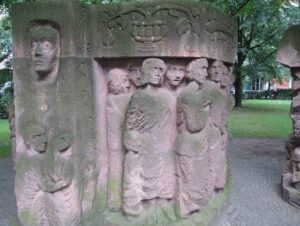
If you’re exploring Berlin’s Second World War history on a free walking tour, you might also consider visiting Munich to learn more about Elser’s story. The Bürgerbräukeller no longer stands as Elser knew it, so don’t expect to see the pillar. The story lives in Munich’s memory and in the memorials that remember him. The best way to honor him is to know the details, because few people do.
Preguntas frecuentes
- ¿Por qué no ejecutaron a Georg Elser de inmediato?
He lived on for over five years, because the Nazi regime planned to put him on trial after the war and falsely portray his assassination attempt as a British-backed conspiracy. He was executed at Dachau on April 9, 1945.
- ¿Por qué los nazis disfrazarían su muerte como un accidente?
Nazi authorities sometimes disguised executions por recording them as natural or accidental deaths. The desire to avoid creating a martyr and the possibility of being put on trial after the war might also have been factors.
- ¿Hasta qué punto estuvo la bomba a punto de matar a Hitler?
Hitler abandonó la sala a las 21:07 porque la niebla alteró sus planes de vuelo. La bomba explotó a las 21:20, trece minutos después, matando a ocho personas.
- ¿Actuó Elser solo?
Sí, a diferencia de muchos conspiradores posteriores, no contaba con ningún grupo ni red militar que lo apoyara; planeó y llevó a cabo los preparativos él mismo durante aproximadamente un año, incluyendo unas 30 noches trabajando dentro del pilar.
- ¿Alemania habría estado mejor, o peor, si Elser hubiera tenido éxito?
It is impossible to know for certain. One hypothetical scenario suggests Göring might have taken over, and the early campaigns might have gone much the same. Another possibility is that the blast could have killed several senior Nazi leaders, potentially destabilizing the regime. However, these are speculative scenarios, not established historical outcomes.