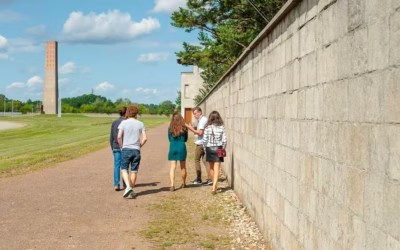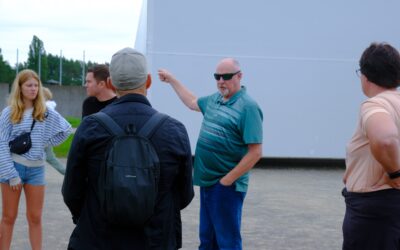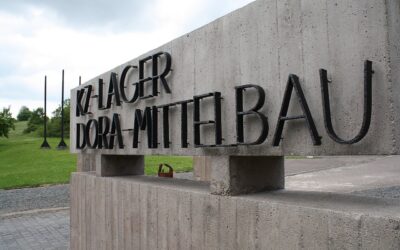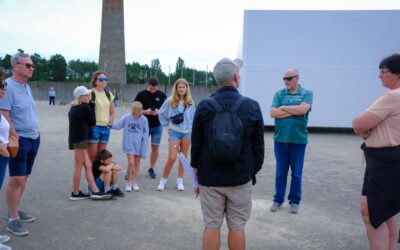
Stel je voor dat je schoenen krijgt die niet passen, een zware rugzak draagt en de opdracht krijgt om rondjes te lopen tot de zon ondergaat. Er zou geen bestemming en geen duidelijk doel zijn. In plaats daarvan zou je een route volgen waarbij de ondergrond om de paar meter van structuur verandert, en bewakers zouden beslissen of je mag stoppen.
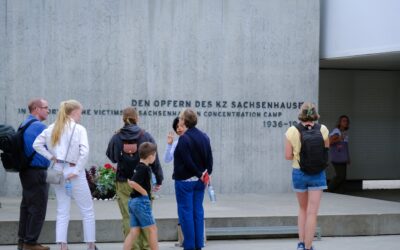
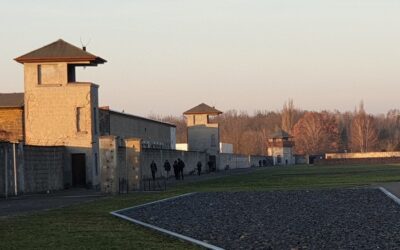
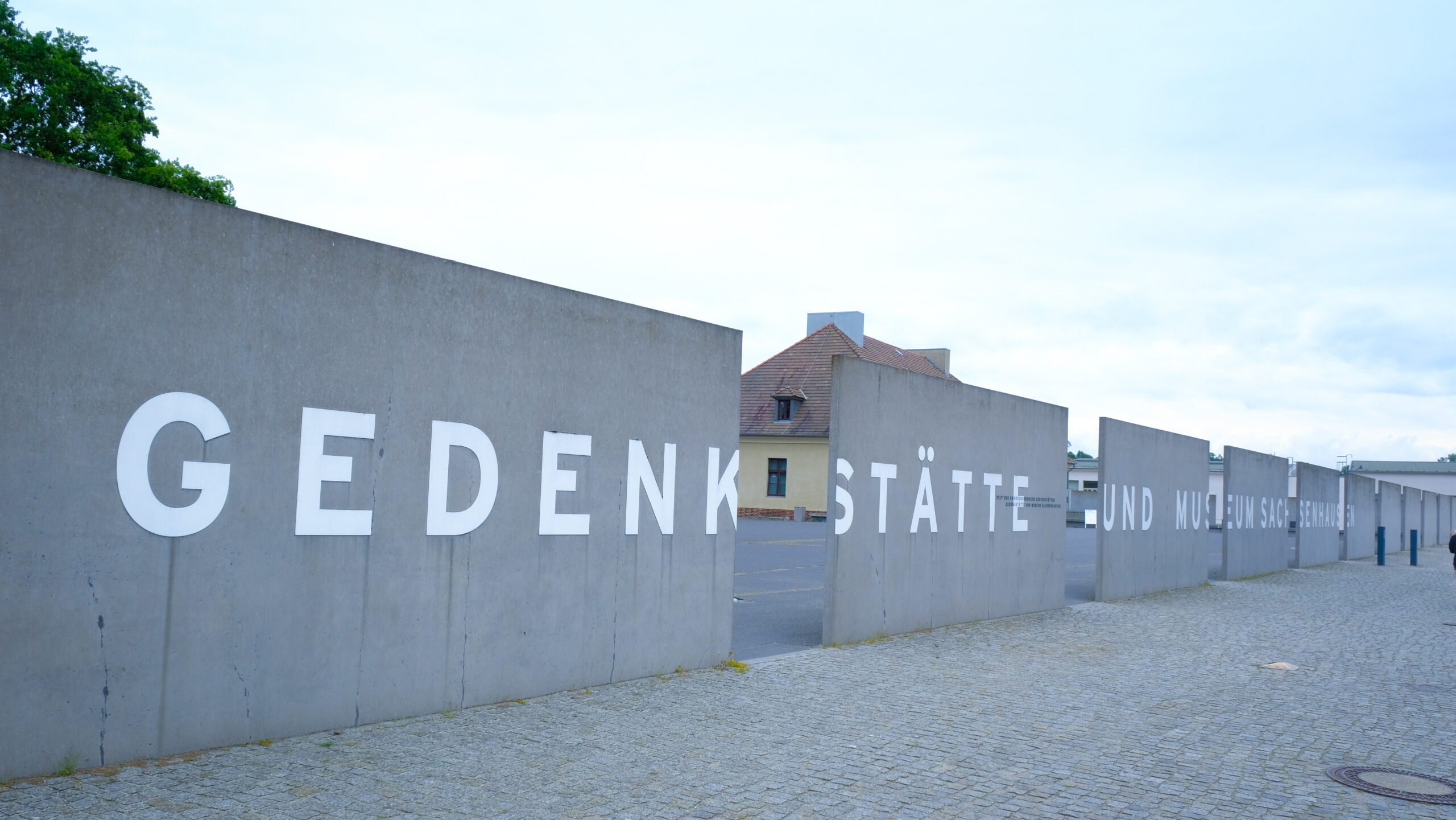
Dat was het dagelijks leven voor de mannen die waren toegewezen aan de schoentestbaan in Sachsenhausen, een concentratiekamp net. ten noorden van BerlijnMocht u zich ooit hebben afgevraagd waarom iemand zoiets zou ontwerpen, dan is het antwoord eenvoudiger én verontrustender dan de meeste mensen verwachten.
Wat het nummer daadwerkelijk was
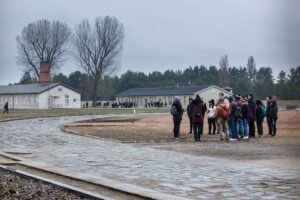
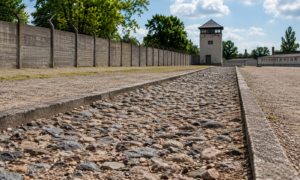
Het testparcours voor schoenen was een lusvormig traject binnen het kamp en omvatte verschillende ondergronden, waaronder grind, sintels, zand, asfalt en kasseien. Omdat Duitse schoenfabrikanten door de oorlogstekorten gedwongen waren alternatieve materialen te gebruiken, wilden ze zien hoe goed de nieuwe zolen en materialen presteerden onder zware omstandigheden; uit documenten blijkt dat de gevestigde bedrijven het kamp als een gratis laboratorium gebruikten.
Omdat het kamp proefpersonen nodig had, hield het duizenden mensen vast die het als wegwerpbaar beschouwde. De gevangenen die waren ingedeeld bij de schoenafdeling werden gedwongen om... urenlang wandelen In een hoog tempo, soms wel dertig kilometer of meer per dag, en vaak met zware bepakking. Volgens getuigenissen van overlevenden zaten hun voeten onder de blaren en bloedden ze, stortten mannen in elkaar en beschouwden de bewakers elke vertraging als een overtreding. Gevangenen kregen deze taak vaak als straf, wat betekende dat het werk zowel pijnlijk moest zijn als een manier om hun prestaties te meten.
Het eerlijke antwoord op de vraag in de kop luidt daarom dat de mars twee doelen tegelijk had. In theorie was het bedoeld als een manier om producten te testen; in werkelijkheid was het een manier om mensen te doden door ze uit te putten, waardoor de moord een industriële rechtvaardiging kreeg.
Waarom ‘zinloze’ lichaamsbeweging onderdeel uitmaakte van het systeem
De schoenafdruk kan vreemd bekend voorkomen, aangezien er overal in het kamp zware en zinloze fysieke arbeid wordt verricht. In Mauthausen lieten de bewakers de gevangenen uitputtende oefeningen doen en zelfs vernederende spelletjes zoals hinkelen. Zowel overlevenden als historici hebben beschreven hoe de bewakers mensen in rondjes lieten rennen tot ze niet meer verder konden, waarna degenen die vielen werden uitgekozen voor de gaskamer of het vuurpeloton. De gevangenen die nog aan de eisen voldeden, overleefden een dag in de steengroeven of met andere vormen van dwangarbeid.
Dat punt werpt veel licht op de situatie. De oefeningen in deze kampen dienden om de gevangenen te sorteren; ze vernederden hen, vermaakten de bewakers en onthulden stilletjes wie er zwakker werd. Hetzelfde principe gold voor de Sachsenhausen-nummer met één extra wending: het presenteerde de wreedheid als onderzoek.
Een verhaal van een andere ex-gevangene illustreert hoe dit patroon zich herhaalt wanneer de macht ongecontroleerd blijft. In de Joegoslavische eilandgevangenis Goli Otok, ook wel bekend als het naakte eiland, werden de gevangenen naar verluidt gedwongen om stenen van de ene kant van het eiland naar de andere te dragen en vervolgens weer terug te brengen; onder een ander regime, in een ander decennium, werd hetzelfde harde principe toegepast. Dwangarbeid zonder doel is een methode om mensen mentaal te breken.
Wil je meer weten over het dagelijks leven in Sachsenhausen? Lees dan onze blog over Wat gebeurde er op het appelplein van Sachsenhausen? om meer te weten te komen over de betekenis van dit centrale gedeelte van het kamp..
Waarom dit verhaal nog steeds belangrijk is
Massale wreedheden manifesteren zich zelden in een overduidelijke vorm van kwaad; in plaats daarvan zijn ze vaak verborgen in documenten, schema's en plausibele rechtvaardigingen zoals producttesten, administratieve procedures of simpelweg het opvolgen van orders. De testbaan voor schoenen is een angstaanjagend voorbeeld van hoe alledaagse commerciële doelen kunnen leiden tot wreedheid en hoe snel mensen tot louter materiaal kunnen worden gereduceerd.
Het begrijpen ervan gaat niet om morbide nieuwsgierigheid. Het gaat erom het patroon vroeg genoeg te herkennen om het te kunnen afwijzen.
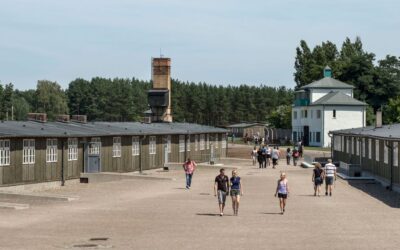
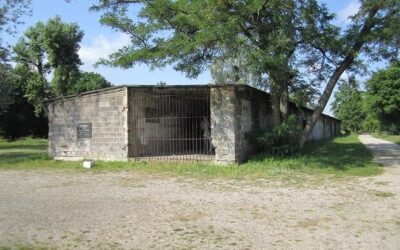
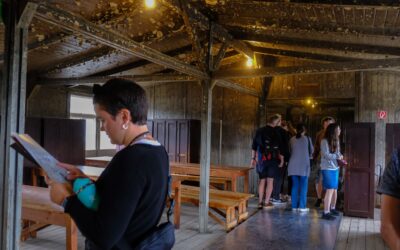
Wil je zien wat er vandaag de dag nog over is van het kamp? Lees dan onze blog over De kazerne van Sachsenhausen: wat is origineel en wat is gereconstrueerd? om te begrijpen welke delen origineel zijn en welke gereconstrueerd zijn.
Veelgestelde vragen
- Waarom werden gevangenen in kampen als Sachsenhausen en Mauthausen gedwongen tot zinloze oefeningen?
Het had meerdere doelen: het werd gebruikt om gevangenen te vernederen, de bewakers te vermaken, mensen uit te putten en degenen te identificeren die zwak genoeg waren om te worden uitgekozen voor moord. In Sachsenhausen bood de schoenafdruk een commerciële reden voor de wreedheid.
- Wat gebeurde er met gevangenen die het tempo tijdens de verplichte oefeningen niet konden bijhouden?
In Mauthausen konden degenen die instortten naar de gaskamers of het vuurpeloton worden gestuurd, terwijl degenen die fit genoeg bleven nog een dag konden overleven in de steengroeven of andere vormen van dwangarbeid.
- Wat gebeurde er in Sachsenhausen na de bevrijding?
Op 22 april 1945 ontdekten de Sovjettroepen ongeveer 3400 gevangenen, en de NKVD bleef het kamp beheren tot 1950, toen nog eens ongeveer 12.000 mensen stierven terwijl ze onder Sovjetcontrole stonden.
- Waarom ontkenden SS-bewakers elke verantwoordelijkheid tijdens hun processen?
Het was vaak een juridische tactiek; volgens de Duitse wet werd er onderscheid gemaakt tussen moord en minder ernstige misdrijven, evenals tussen daders en medeplichtigen. Dit betekende dat zich voordoen als louter beheerder of als slechts een schakel in de keten kon leiden tot een lichtere straf. Hoewel de eerste geallieerde rechtbanken dit argument verwierpen, accepteerden latere rechtbanken in West-Duitsland het over het algemeen wel.
- Is het de moeite waard om een voormalig kamp persoonlijk te bezoeken in plaats van online te leren?
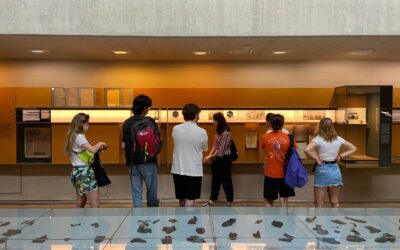
Veel bezoekers zeggen bevestigend. Mensen die over dit terrein hebben gelopen, beschrijven een niveau van begrip dat foto's en video's niet kunnen overbrengen, vooral wanneer bewaard gebleven voorwerpen en persoonlijke documenten deel uitmaken van de ervaring.