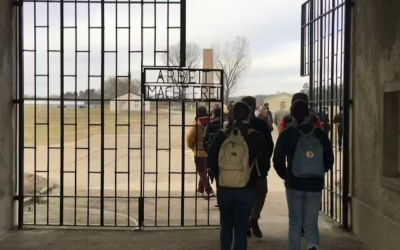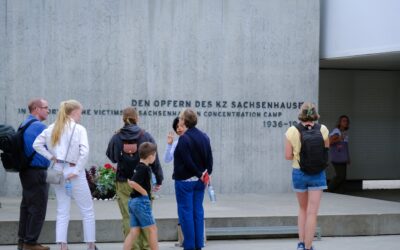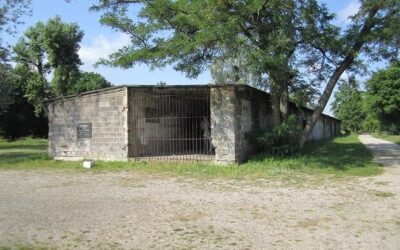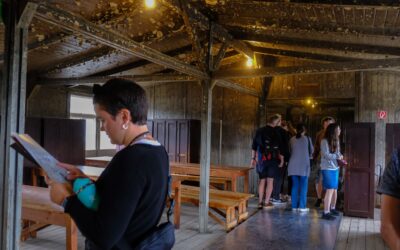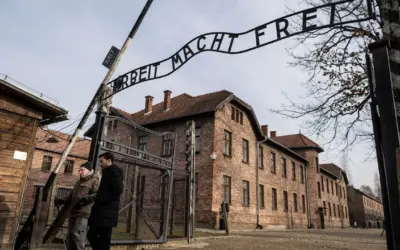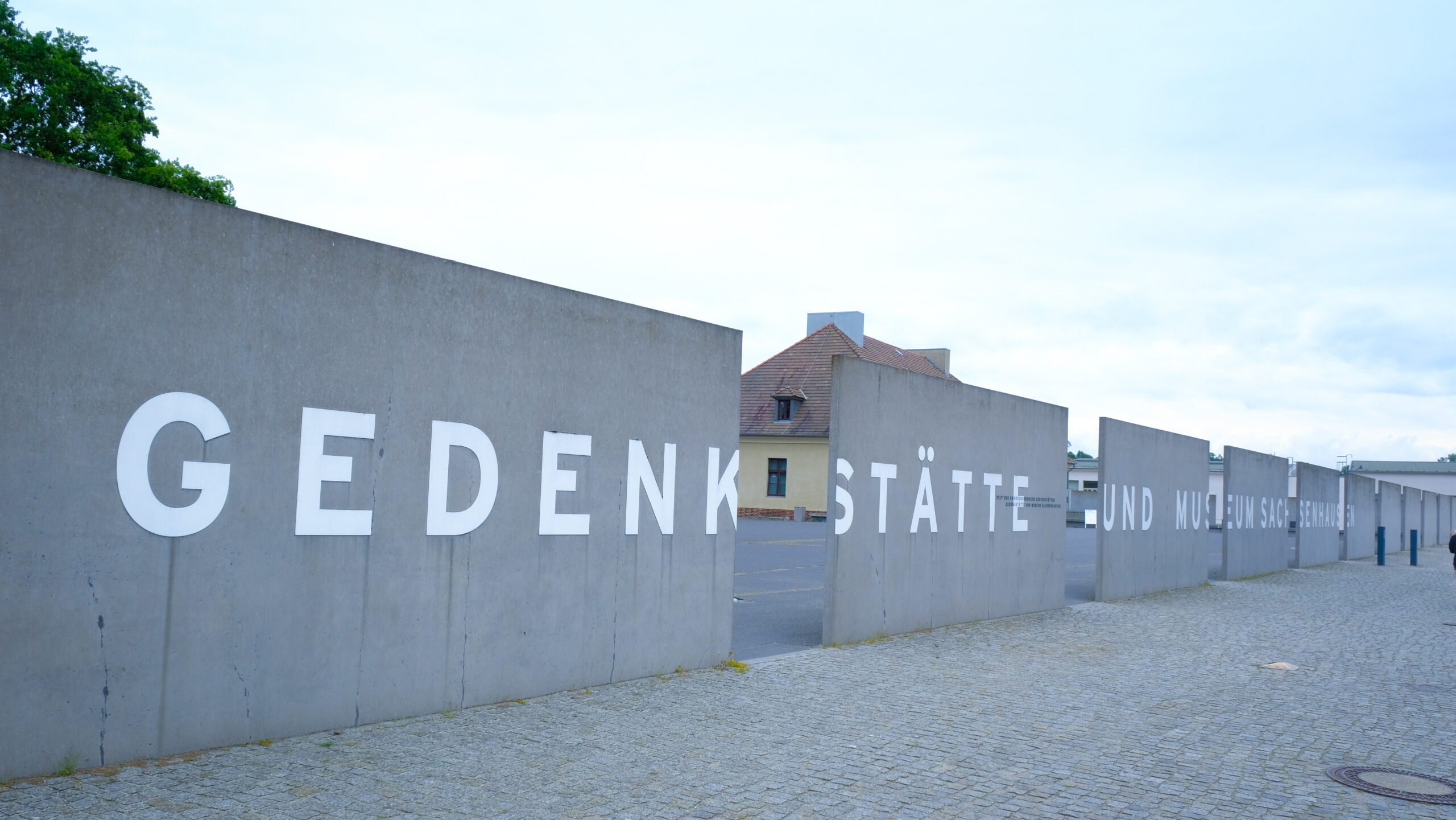
Oto pytanie, które wisi nad każdym zdjęciem Jakowa Dżugaszwilego: Czy Józef Stalin naprawdę pozwolił umrzeć własnemu synowi, zamiast dokonać transakcji? Krótka odpowiedź brzmi: Jakow zmarł 14 kwietnia 1943 roku. w Sachsenhausen, and the rumor that his father could have saved him is only half the story. The other half is more uncomfortable, and it explains why people still argue about it more than eighty years later.
Człowiek w płaszczu
Zacznijmy od obrazka, który wszyscy znają: młody mężczyzna w grubym płaszczu Armii Czerwonej, wyglądający na zmęczonego, otoczony przez niemieckich żołnierzy. To starszy porucznik Jakow Dżugaszwili, dowódca baterii w 14. Pułku Haubic. Wojska niemieckie schwytały go 16 lipca 1941 roku w pobliżu białoruskiego miasta Liozno, w okolicach lotniska w Surażu, podczas chaosu walk pod Smoleńskiem.
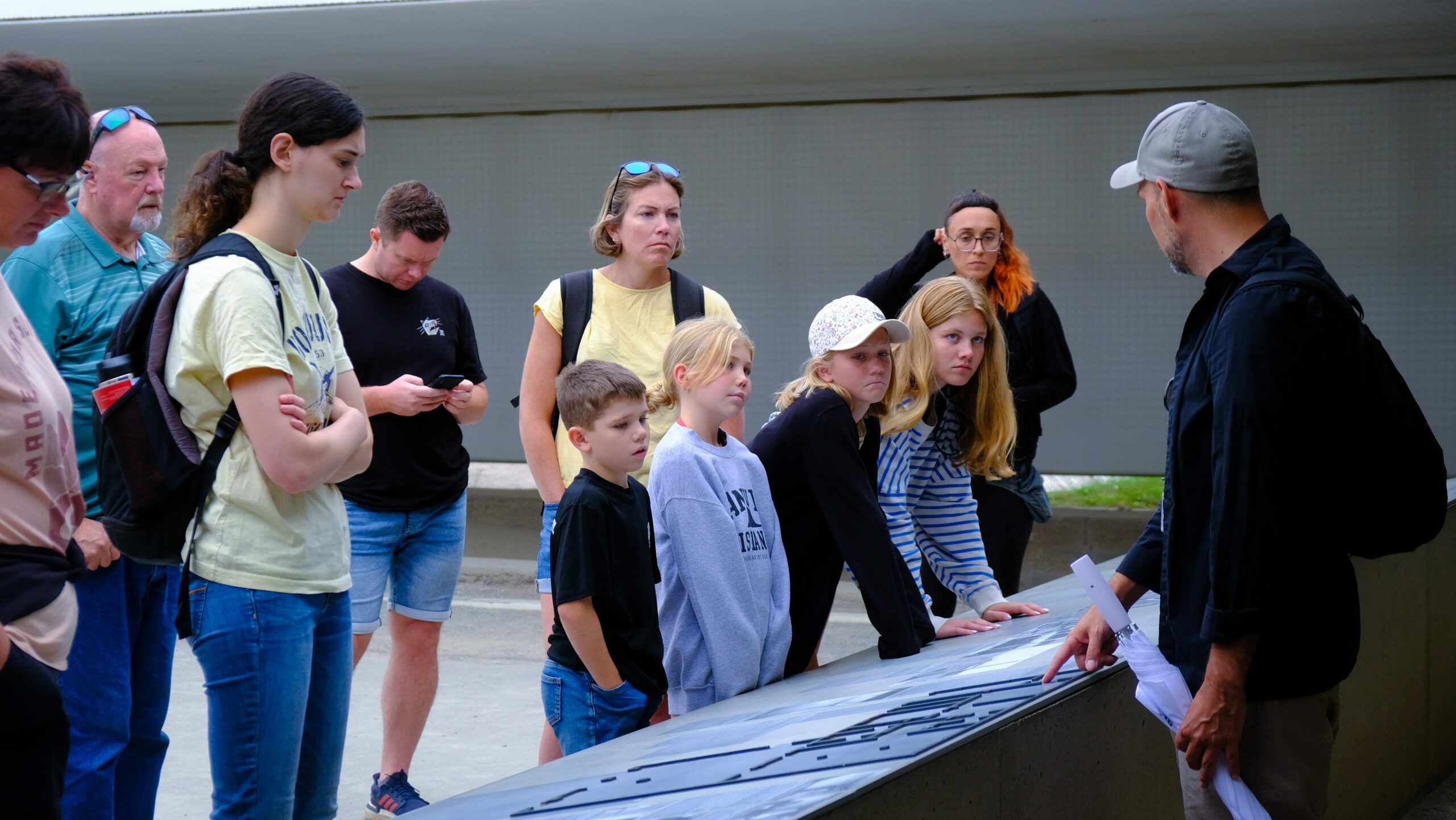
That coat deserves a mention, because viewers always notice it. Soviet soldiers wore the greatcoat year-round. In hot weather they rolled it up and carried it over the shoulder, and in winter they were issued a quilted cotton jacket on top. It is a small detail, but it shows the photo captures an ordinary soldier in an ordinary uniform, not a prince in disguise. For those interested in exploring the wider history of World War II and Nazi Germany, a bezpłatna historyczna wycieczka piesza po Berlinie oferuje dodatkowy kontekst dotyczący tego okresu.
Niemieccy propagandziści natychmiast docenili wartość tego wizerunku. Ulotki przedstawiały Jakowa z szyderczym podpisem pytającym, czy wiecie, kim on jest. Przesłanie dla żołnierzy radzieckich było proste: nawet syn samego przywódcy się poddał. Jakow, według większości relacji, odmówił współpracy i opierał się wszelkim próbom zmuszenia go do dezercji.
Who Was Yakov, Really?
Born in 1907, Yakov was Stalin’s eldest son and his only child with his first wife, Kato Svanidze, who was also Georgian. After his mother died, relatives raised him far from his father. He grew into a reserved young man whose relationship with Stalin was often strained. What he got instead, according to those who studied the family, was a difficult relationship with his father and, ultimately, death in a Nazi concentration camp.
His half-brothers lived very different lives. Konstantin Kuzakov, born in 1911 to Maria Kuzakova, with whom Stalin reportedly had a relationship during his exile, worked in Soviet radio and television and died in 1996. Alexander Davydov, believed to have been Stalin’s son through Lidia Pereprygina during his Siberian exile, served in World War II, reportedly reached the rank of major, and died in 1987. Their alleged parentage has not been established with the same certainty as Stalin’s acknowledged children. Claims that both signed nondisclosure agreements with the NKVD require stronger documentary evidence. Vasily, Yakov’s younger half-brother, born in 1921 to Stalin’s second wife, Nadezhda Alliluyeva, struggled with alcoholism, misused his position, and was imprisoned after Stalin’s death. He died in 1962.
The Prisoner Swap Everyone Talks About
After the German defeat at Stalingrad in early 1943, accounts emerged that Germany had offered to exchange Yakov for Field Marshal Friedrich Paulus. Although the story appears in historical accounts and memoirs, no conclusive documentary evidence establishes that a formal exchange was proposed or rejected przez Stalin. The reported exchange therefore remains disputed.
Najczęściej powtarzane wersje rzekomej odpowiedzi Stalina pozostają niezweryfikowane. Jedna z nich głosi, że powiedział, iż Niemcy przetrzymują nie tylko jego syna Jakowa, ale miliony jego synów, więc albo wszyscy powinni zostać uwolnieni, albo Jakow podzieli ich los. Inna wersja głosi, że odrzucił układ, posługując się terminologią militarną: dlaczego miałby wymieniać generała lub feldmarszałka na porucznika? Trzecia, bardziej brutalna wypowiedź: „Nie mam syna”, jest stale cytowana. Jednak żadne z tych stwierdzeń nie zostało ostatecznie potwierdzone wiarygodnymi dowodami dokumentacyjnymi.
Be careful with all of these. They are traditions attached to the story, not documents anyone can wave around. They survive because they sound like Stalin, and because they fit what many people already believe.
Warto poznać drugą historię wymiany. Kiedy wojska radzieckie schwytały Leo Raubala Jr., siostrzeńca Hitlera, pod Stalingradem 31 stycznia 1943 roku, pojawiły się doniesienia, że Hitler rozważał wymianę go za Jakowa. Jednak żadne niezbite dowody dokumentalne nie potwierdzają, że formalna wymiana została zaproponowana ani że Stalin ją odrzucił. Jakow zmarł w Sachsenhausen 14 kwietnia 1943 roku, a Raubal przeżył wojnę i został zwolniony 28 września 1955 roku.
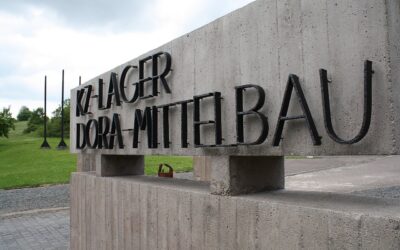
Want to learn about another notable prisoner held w Sachsenhausen who opposed Hitler? Read Georg Elser w Sachsenhausen: Człowiek, który omal nie zabił Hitlera to discover the story of his assassination attempt and imprisonment under the Nazi regime.
Czy odrzucenie oferty było „słuszną” decyzją?
This is where the debate gets heated, although the reported prisoner exchange itself remains unverified. The arguments surrounding Stalin’s alleged refusal are therefore hypothetical rather than assessments of a confirmed decision.
Supporters of the supposed refusal argue that exchanging a high-ranking German commander for Stalin’s son could have damaged Soviet military morale. Critics suggest that refusing such an exchange, if it was offered, would demonstrate Stalin’s cold relationship with Yakov. Neither interpretation establishes that the exchange actually took place. This debate also connects to the wider history of Nazi Germany and World War II, which visitors can Badać through private historical tours of Berlin.
There is also the argument that Stalin showed consistency, whatever you think of his other choices. Many people note that other Soviet prisoners’ families suffered for the captivity of their relatives, since they lost welfare and state assistance and faced other persecution, while the Dzhugashvili family largely escaped that treatment. Vasily, serving in the air force, notably did not get a free pass because of his surname, at least in the early war years.
The case against is emotional rather than strategic. Critics argue that you can accept the military logic and still say the man was cold to his own child long before the war, treating Yakov as a disappointment from a relationship he never valued. Others say that using this one episode to condemn him is the wrong target. Stalin is guilty of enough documented crimes that this decision, whatever its moral weight, is not his strongest charge. Plenty of people have made exactly that point: it is the one choice in his life that was arguably correct.
Did Soviet Prisoners Really Get Sent to the Gulag?
Historia Jakowa porusza szersze zagadnienie, którego poszukuje wielu czytelników: co stało się z radzieckimi żołnierzami, którzy przeżyli niemiecką niewolę?
The popular belief is that all returning Soviet prisoners were punished, but historical records show a more complicated picture. According to archival figures examined przez historians, approximately 1.54 million repatriated Soviet POWs had been processed przez March 1946. Of these, around 43% were returned to military service, 22% entered military labour battalions, 18% were sent home, and 14.7% were transferred to NKVD custody. These figures describe specific administrative outcomes and should not be interpreted as meaning that every prisoner transferred to NKVD custody received the same punishment.
Order 270, issued in 1941, is the document people usually cite. It treated surrender under certain circumstances as betrayal and imposed severe penalties, which is why the unverified quotation “I have no son” carries such weight. Yet Yakov’s own family, unlike many others, was reportedly spared the usual consequences.
Jak właściwie zginął Jakow?
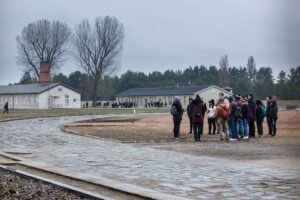
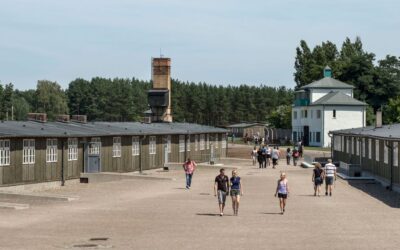
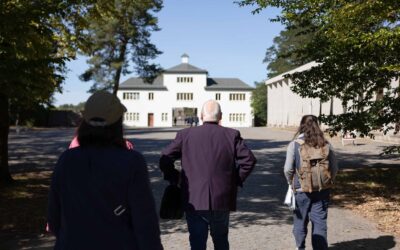
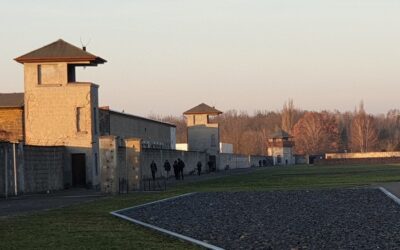
Według niemieckich doniesień Jakow zmarł 14 kwietnia 1943 roku w obozie koncentracyjnym Sachsenhausen. Podobno podszedł lub rzucił się na ogrodzenie z drutu kolczastego pod napięciem, gdzie strażnik go postrzelił. Jednak dokładna sekwencja zdarzeń i to, czy przyczyną jego śmierci był postrzał, czy porażenie prądem, pozostają niejasne.
The circumstances have led to different interpretations. Some historians suggest that Yakov deliberately approached the fence to end his life, while others have considered the possibility of an escape attempt. Neither explanation has been conclusively established. The claim that news of Stalin’s refusal to exchange him drove Yakov to suicide also lacks reliable documentary confirmation.
Whether Yakov intended to escape or take his own life remains uncertain. What is established is that he died w Sachsenhausen on 14 April 1943, while being held in German captivity.
Często zadawane pytania
- Did the Germans really offer to swap Yakov for Field Marshal Paulus?
That is the story most often told, and it is widely repeated. However, the proposed exchange itself remains historically disputed, and the exact wording of Stalin’s alleged reply is unverified, with different versions appearing.
- Did Stalin really say “I have no son”?
Często przypisuje się mu tę wypowiedź, ale nie ma jednoznacznych dowodów w postaci dokumentów potwierdzających jej wypowiedzenie. W obiegu jest kilka wersji jego rzekomej odpowiedzi, w tym ta o milionach synów. Ich treść i autentyczność pozostają niepewne, podobnie jak sama rzekoma wymiana więźniów.
- Was Yakov also offered in exchange for Hitler’s nephew?
Proponowana wymiana pozostaje przedmiotem historycznych sporów. Leo Raubal Jr. został schwytany pod Stalingradem, a Niemcy rzekomo proponowali wymianę go za Jakowa. Nie ma jednak jednoznacznych dowodów na to, że formalna wymiana została zaproponowana lub że Stalin ją odrzucił. Jakow zmarł w 1943 roku, a Raubal został zwolniony w 1955 roku.
- Were Soviet prisoners of war automatically sent to the gulag after returning home?
No. Soviet records indicate that returning prisoners experienced different outcomes, including military service, release, labour battalions, and NKVD detention. Of approximately 1.54 million repatriated POWs processed przez March 1946, around 14.7% were transferred to NKVD custody. This does not mean that all returning prisoners were imprisoned in the Gulag.
- How did Yakov Dzhugashvili die w Sachsenhausen?
The Russian account says he was shot on April 14, 1943, while trying to escape przez throwing himself at the barbed wire fence. Some find it more consistent with a suicidal act than a real escape attempt.