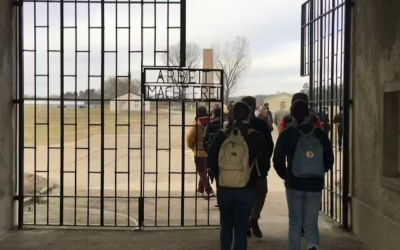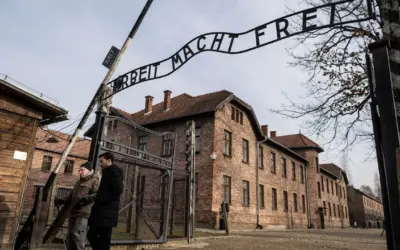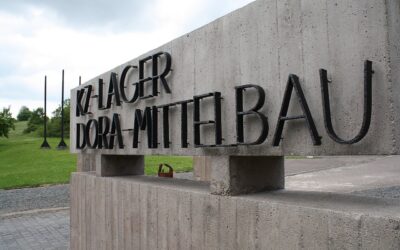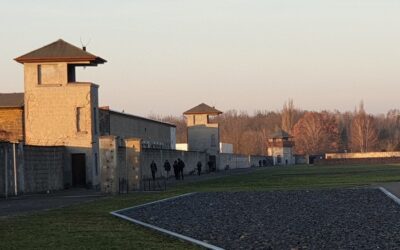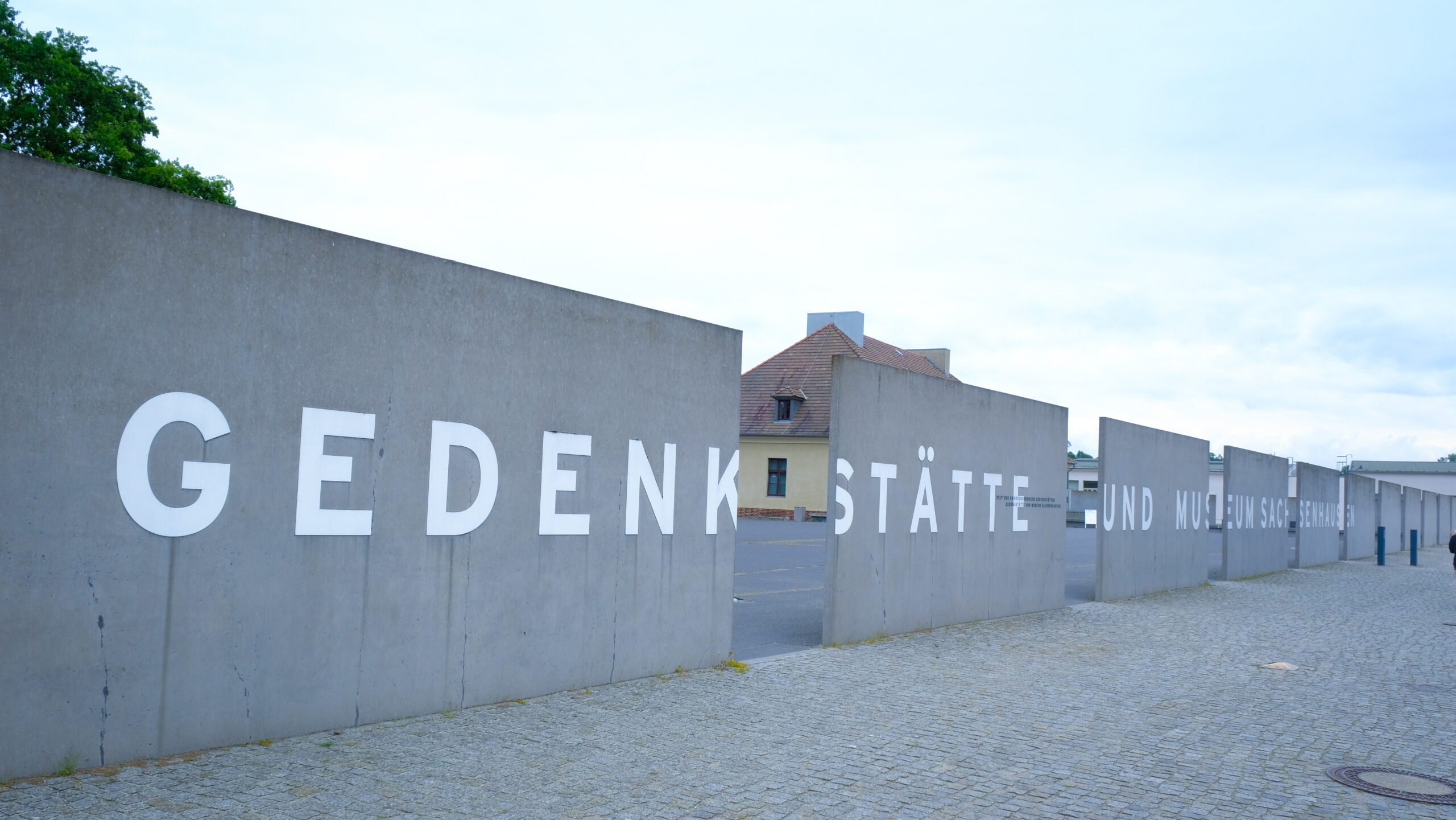
Most visitors to Sachsenhausen walk through the main gate, photograph the iron lettering, circle the triangular roll call ground, and leave believing they have seen the camp. They haven’t. Away from the main site, by the canal near Oranienburg, lies the place prisoners dreaded most: the Klinkerwerk, the camp brickworks.
This guide explains what the Klinkerwerk was, why an assignment there felt like a death sentence, and how to visit the site with respect.
Why the Klinkerwerk Was Created
The Klinkerwerk grew out of Nazi building ambitions. Hitler’s plans for a remodeled Berlin, which Albert Speer was to carry out, demanded enormous quantities of brick, stone and cement. In April 1938, the SS founded its own company to supply them, the Deutsche Erd- und Steinwerke GmbH (DEST). The brickworks was set up that summer as a showpiece enterprise with modern tunnel kilns and dry-pressing plants. Prisoners began building the brickworks that August, and it was equipped with modern technology. The aim was to make the SS a major supplier of building materials while using concentration camp prisoners as a labor force that cost almost nothing.
Where It Was: Outside the Main Camp
The brickworks stood well outside the main prisoner camp. Prisoners were first assigned to build it in August 1938, near a lock just north of Lehnitz, close to Oranienburg. It sat on the canal because the bricks were meant to travel by water to Berlin. The memorial there still shows the harbor basin and quay wall where cranes once loaded bricks onto ships. The clay came from a pit at nearby Zehlendorf.
Brick Production and the Berlin Connection
The Klinkerwerk was supposed to be the largest clinker brickworks in the world, with its output intended for the great buildings planned for Berlin. In reality, the project failed. Even though it had modern equipment, the prisoners were forced to use primitive tools and worked under inhuman conditions, and the SS soon realized that the plant was a failure of planning. It never lived up to the vision of those who set it up. What it did manage to produce, however, was death.
Which Prisoners Were Sent There
At first the workforce came daily from the main camp. Hundreds of prisoners marched each day to the wooded site to build the huge workshop halls, lay out the docks and put up the factory buildings and housing. Later, the SS drove up to 2,000 prisoners a day to the site.
Political prisoners, Jewish prisoners, and men persecuted as “asocial” all worked under SS control. Gay men, marked with the pink triangle, were often placed in punishment commandos with harsher conditions. This included the Klinkerwerk, where in 1942 they became the target of a mass-murder operation (see the timeline below).
The Penal Companies and the “Death Detail”
Assignment to the Klinkerwerk outside detail was feared as a punishment and even a death sentence. The memorial describes the penal commando as one of the most terrible places where people were destroyed by other people, and historians call the site the killing ground of Sachsenhausen. At a Soviet military tribunal in 1947, the former commander of the penal company testified that in summer 1942 between 12 and 15 of its 70 to 80 men died every day.
The SS used cover terms for this violence. Driving prisoners to exhaustion was called “Sport treiben” (doing sport), and the penal unit was officially a “Sonderkommando” (special detail). Whenever you come across the term ‘work detail’ in the records, remember the language was meant to hide its true meaning.
Working Conditions and Why Mortality Was So High
Mortality at the Klinkerwerk had several causes that reinforced each other:
- Exhausting labor with crude tools. Digging, hauling, and loading went on at a pace the prisoners’ bodies could not sustain.
- Hunger and exhaustion. Many prisoners died of malnutrition and exhaustion.
- Deliberate violence. Guards beat and killed prisoners, staged “accidents,” and shot prisoners for supposed escape attempts.
Thousands of prisoners were forced to work at the site. The exact number of prisoners and of the dead is unknown.
Other Forced Labor at the Site
Brick production was not the only work. The Klinkerwerk’s harbor made it a hub for handling materials. From 1942, the so-called Speer detachment dismantled salvaged material such as cables and mines from occupied countries and loaded recovered precious metals of military importance onto ships. The site also directly served the war economy. In 1942 and 1943, the brickworks was partly converted to arms production, and from 1943 prisoners there produced grenades.
How the Klinkerwerk Developed During the War
- 1938: Construction begins. Prisoners march out daily from the main camp to build the works and the harbour.
- 1941: In April, with the barracks finished, the Klinkerwerk becomes an independent subcamp of Sachsenhausen with its own administration. Prisoners are housed in barracks on the site.
- 1942: In the summer, the SS carried out a targeted killing operation against gay men at the subcamp. The figures differ by source. The Sachsenhausen Memorial records more than 100 prisoners with the pink triangle dead between June and September 1942, through abuse, staged accidents, or shootings during alleged escape attempts. The Sachsenhausen Memorial, Brandenburg state government, and LSVD cite approximately 200 victims of the 1942 killing operation.
- 1942 to 1943: The work shifts partly to armaments production.
Want to explore how forced labor at Sachsenhausen benefited German industry? Read How German Companies Profited From Sachsenhausen Prisoner Forced Labor to learn how businesses used prisoners as a source of forced labor.
The End of the War
On 10 April 1945, an Allied bombing raid almost completely destroyed the Klinkerwerk subcamp and killed numerous prisoners. The SS then dissolved the subcamp and moved the prisoners back to the main camp. The main camp itself was evacuated on forced marches days later and liberated by Soviet and Polish troops on 22 April. The brickworks site remains a burial ground, with victims’ remains still present in the soil and adjacent canal.
What You Can See Today
The Klinkerwerk is not a polished museum, and that is part of how it should be understood. The site now has an accessible open-air exhibition near the Lehnitz lock. An open-air exhibition covering about 700 square metres opened in December 2011. Check the memorial’s website for current access information before you go. Expect:
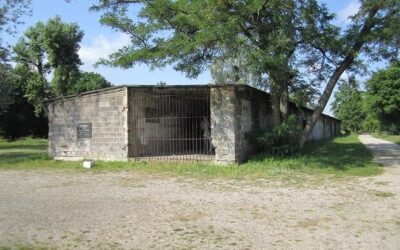
- Ruins and outlines. Most of the factory was destroyed in 1945, so you will see weathered remains and the layout of the grounds rather than intact buildings.
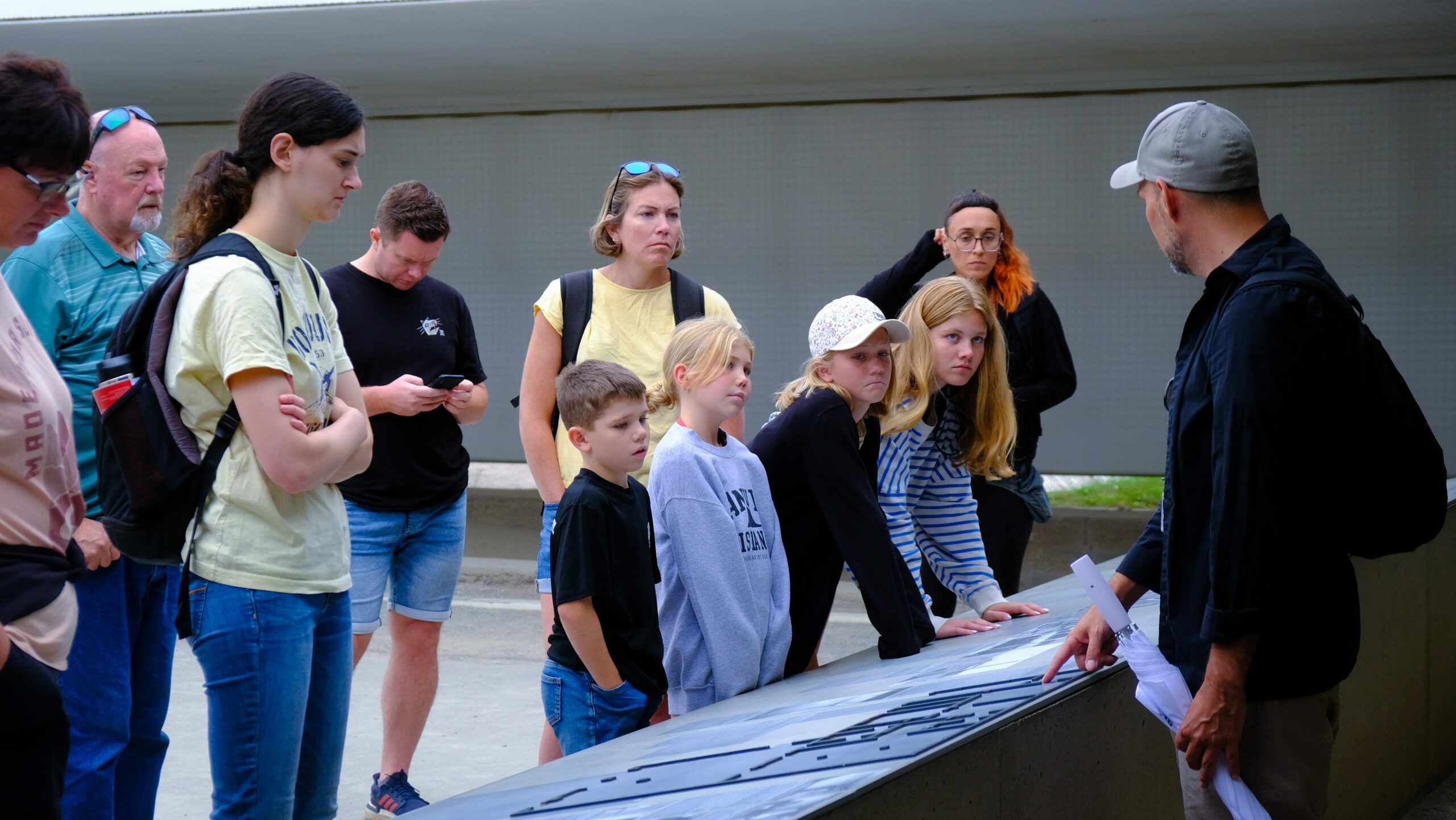
- Information boards and a model. The exhibition includes a 2 x 3 metre concrete relief, at a scale of 1:750, showing the largely destroyed works.
- The harbor memorial. Dörte Eggert-Heerdegen and Kamel Louafi designed a memorial inaugurated on 20 April 2015 at the old quay. Its Corten steel walls rise from the far side of the quay wall, as if from the water.
- A place of burial. Treat the whole site as a grave.
You can reach it from Berlin by train to Oranienburg, then by bus, bike or on foot toward the Lehnitz lock on the B273. Allow time, since most visitors spend far less here than at the main memorial. Cycling and pushing bicycles are prohibited within the Sachsenhausen Memorial grounds, so leave your bike at the designated stands when visiting the main memorial. Allow time, since most visitors spend far less here than at the main memorial.
The Question Every Visitor Asks
If you stay there long enough, someone will ask how ordinary people could have done this. Historians refer to dehumanization, the slow downgrading, and the use of bureaucratic language which concealed the act of murder under administrative phrases. The Klinkerwerk is an example of an economy of cruelty controlled by clerks, engineers and administrators who regarded people as raw material.
Frequently Asked Questions
- Was forced labor in the camps productive, or just punishment?
The same thing applied: the brickworks was intended to meet the demands of the regime’s building programs, but increasing output was never the only objective. In fact, the work was frequently organized with the aim of exhausting and killing the prisoners, so both productivity and cruelty were part of the same system.
- Why was the Klinkerwerk feared more than other work details?
Conditions were more severe, supervision more brutal, and the time available for survival shorter. Prisoners knew a sentence there might not be survivable.
- Is the Klinkerwerk part of the main Sachsenhausen memorial?
It is a separate site outside the main camp, run as part of the memorial landscape. Plan it as its own visit.
- Was the Klinkerwerk used for anything besides bricks?
Yes. From 1942, it was used to dismantle and ship looted materials, and it was partly converted to arms production.
- Who was targeted at the Klinkerwerk in 1942?
Gay men were deliberately placed there and murdered in large numbers that summer, with estimates ranging from more than 100 to about 200 or more, an episode now commemorated annually.