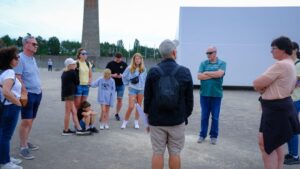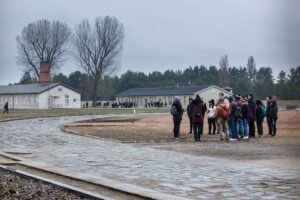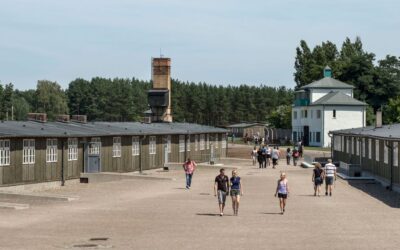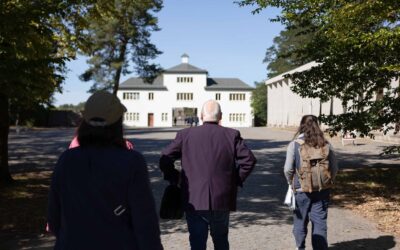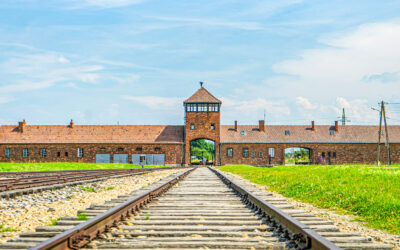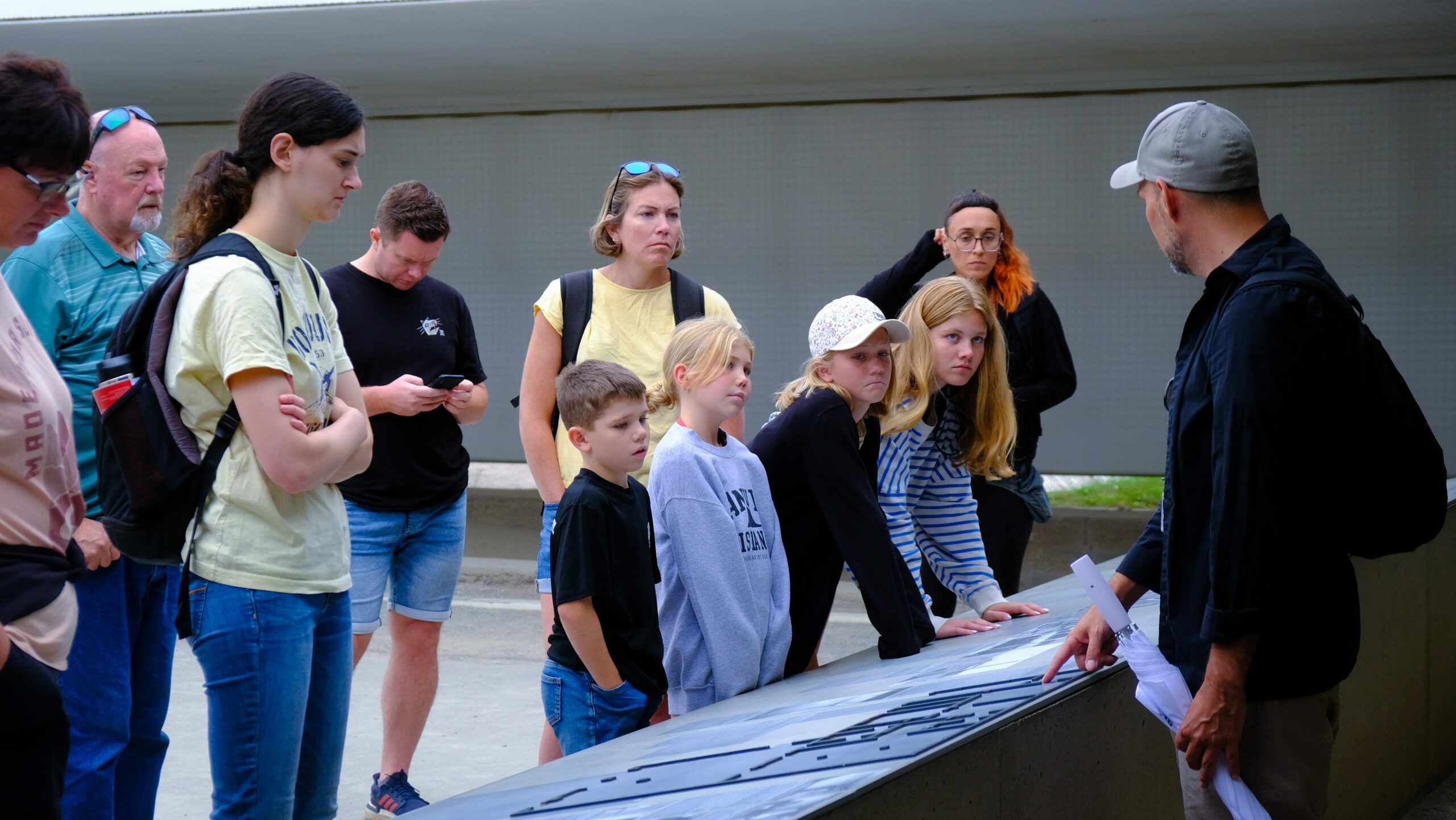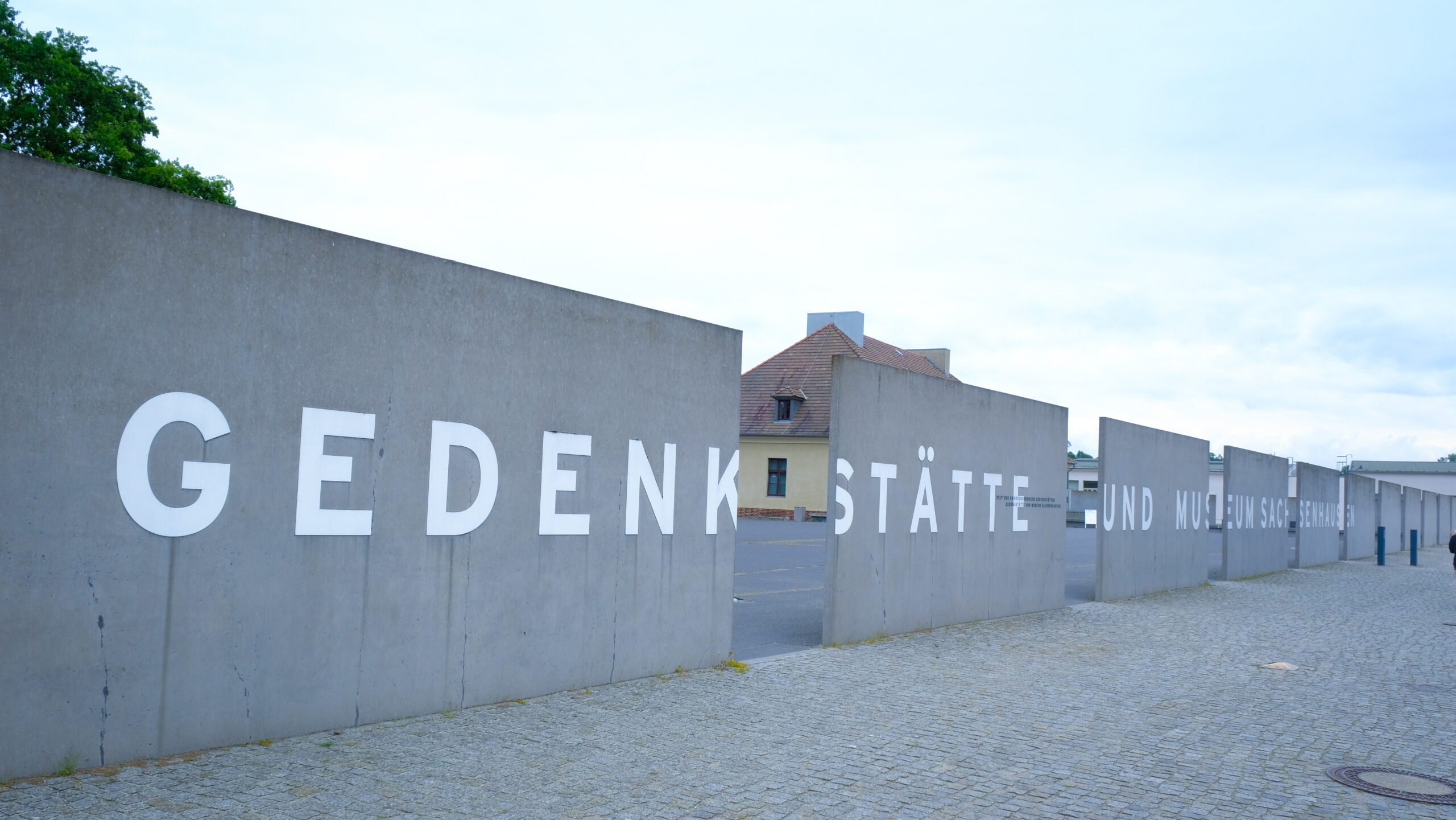
Standing at the gate in Oranienburg, just north of Berlin, almost every visitor asks the same quiet question. Who were the men in the towers? Were they fanatics, careerists, or ordinary men who ended up in a uniform and never found the exit?
התשובה הקצרה היא שהם היו שלושתם. התשובה הארוכה יותר לא נעימה מהדיווחים שניתנו על ידי שני הצדדים. כדי להסביר מי שמר בזקסנהאוזן, כיצד תפקדה מערכת השמירה, ומה הראיות מגלות על ההחלטות שקיבלו אנשים אלה, מדריך זה מסתמך על תיעוד משפטים, עדויות ניצולים ומחקר היסטורי.
המחנה ומקומו במערכת
Sachsenhausen opened in 1936 ועוצב כתצוגה. מבנהו המשולש הציב את השער הראשי, עם מגדל השמירה שמעליו, בקודקוד, כך שעמדה אחת יכלה, תיאורטית, להשגיח על כל אזור האסירים. גם מיקומו ליד ברלין היה בעל חשיבות. בשנת 1938 עברה פיקוח מחנות הריכוז, המשרד שניהל את כל מערכת המחנות, לאורניינבורג, ונשארה שם עד 1945. לכן, זקסנהאוזן הייתה גם מחנה וגם שטח אימונים ומרכז אדמיניסטרטיבי לכל המערכת. כאן הוקם צוות, ושיטות שפותחו כאן הועברו למחנות אחרים.
שומרים, צוות המחנה ופיקוד: שלוש שכבות שונות
Visitors often use the word “guard” for everyone in an SS uniform. The camp’s organization was more structured than that.
הקומנדנט וקומנדנטור . The commandant held overall authority and answered to the Inspectorate, and after 1942 to the SS Economic and Administrative Main Office (WVHA), which absorbed the Inspectorate. Under him, the camp administration was divided into departments: the commandant’s office and adjutant, the Political Department (the Gestapo’s branch inside the camp), the protective custody camp, administration, and the camp physician. Commandants at Sachsenhausen included Hans Helwig, Hermann Baranowski, Walter Eisfeld, Hans Loritz, and, in the final years, Anton Kaindl.
צוות מחנה המעצר המגן. זו הייתה קבוצת האסירים שפגשו מדי יום. Schutzhaftlagerführer ניהל את מתחם האסירים, בסיוע רפורטפיהרר, אשר טיפלו במסדרים ובספירות ראש, ועל ידי מנהיגי הבלוק (Blockführer), SS non-commissioned officers who supervised individual barracks and were often responsible for beatings, punishments, and murders inside the compound.
The guard troops. גדוד המשמר, שנלקח מיחידות ראש המוות של האס אס (Totenkopfverbände), היה הכוח המזוין שאיבטח את המתחם, אייש את המגדלים וליווה אסירים מחוץ לגדר התיל. בשנותיו הראשונות של המחנה, הוצב גדוד ראש המוות באורניינבורג. גברים אלה אורגנו כחיילים, עם צריפים ותרגיל צבאי, והיו נפרדים מבחינה אדמיניסטרטיבית מהצוות שניהל את האסירים בתוך המתחם.
In fact, these ranks overlapped because they were all part of the same organization and wore the same uniform. However, the distinction matters when assigning responsibility: a tower sentry, a block leader, a Gestapo interrogator, and a commandant had different roles, different levels of discretion, and different exposure to what happened inside.
Recruitment and Training
The Death’s Head system was created in the 1930s עַל יְדֵי Theodor Eicke, who established it at Dachau before extending it to other camps. The first people to join were mostly young men, often from rural or working-class backgrounds, and they did so to earn a steady salary, gain status, and advance their careers. They signed long-term agreements and were given training that included military exercises as well as ideological instruction. Prisoners were considered to be enemies of the state and were taught that displaying sympathy amounted to a sign of weakness. Eicke intentionally emphasized severity, hoping cruelty would become the norm and that the guards would form a unified group through their shared involvement.
תמונה מוקדמת זו השתנתה עם תחילת המלחמה. רבים מאנשי "ראש המוות" המקוריים גויסו לכוחות השדה של הוואפן-אס אס, והמחנות נזקקו להחלפות. כוח המשמר התמלא אז בחברים מבוגרים יותר של האלגמיינה אס אס, גברים שנחשבו כלא כשירים לחזית, גרמנים אתניים משטחים כבושים, ומאוחר יותר מתנדבים וכוחות עזר זרים. בשלב האחרון של המלחמה נוספו גם גברים שהועברו מגיסות אחרות. עד 1942 ה-אס אס נטש במידה רבה את תדמית האליטה שלו. לוורמאכט הייתה זכות ראשונה על גברים בגיל צבאי, מכיוון שה-אס אס היה ארגון מפלגתי והצבא היה צבא המדינה, כך שה-אס אס לקח את מה שיכל להשיג.
זה גם חותר תחת מיתוס שלאחר המלחמה. מנהיגי אס אס לשעבר ניסו להפריד בין הוואפן אס אס הלוחמים "המכובדים" לבין שומרי המחנה. במציאות, לשניים היה ארגון משותף, שבועה, ולעתים קרובות אותו כוח אדם, ושירות המשמר היה קשור באופן שגרתי לכוחות קו החזית.
מה באמת כרוך בתפקיד השמירה
The guard force’s day-to-day work centered on keeping the camp closed and productive.
Towers and perimeter. Around the camp, sentries stood in towers, supported עַל יְדֵי an electrified fence, a strip of land in front of the fence, and a ditch and a wall. Any attempt to enter the strip was regarded as an attempt to escape, and the sentries were instructed to fire without warning. In some cases the deaths were staged or induced: the prisoners were driven towards the line or asked to retrieve objects nearby, and then shot ‘while trying to escape’.
נערות ליווי ופרטי עבודה. Prisoners were organized into work details (קומנדוס) that left the camp to work in brickworks, construction sites, and armaments factories. Outside the wire, guards formed a moving cordon around them. The brickworks and the armaments production tied to Sachsenhausen were among the most lethal assignments. Guards were rewarded with extra leave for shooting “fugitives,” which created an incentive to kill.
שיחות קריאה. The daily headcount (Appell) was a key element in the system of control. Prisoners would stand on the parade ground, sometimes for hours and regardless of the weather, until the totals agreed. Roll call served not only as an administrative procedure but also as punishment and a way to exhaust the prisoners, and the guard and staff carried it out.
פעולות הריגה. יחידות משמר ומטה היו מעורבות בפשעים ההמוניים של המחנה. בסתיו 1941 נרצחו אלפי שבויי מלחמה סובייטים בזקסנהאוזן, רובם מיריות לצוואר במתקן שנבנה במיוחד: הדבר דרש ארגון, כוח אדם ושיתוף פעולה ברחבי המחנה. באפריל 1945, כאשר הכוחות הסובייטיים התקרבו, עשרות אלפי אסירים נאלצו לצעוד בצעדות מוות תחת שמירה, ורבים מהם נהרגו או נותרו למות בדרך.
רוצים להבין את המערכת המנהלית הרחבה יותר מאחורי זקסנהאוזן? קראו זקסנהאוזן ופיקוח מחנות הריכוז: מדוע אורניינבורג הפכה למרכז מערכת המחנות הנאצית כדי לראות כיצד המחנה משתלב ברשת מחנות הריכוז הנאציים הרחבה יותר.
Movement Between Camps and Roles
מערכת מחנות האס אס לא הייתה אוסף של אתרים מבודדים. היא הייתה מבנה קריירה, וכוח אדם נע דרכו.
People trained at one camp were sent to open or reorganize others. Because the Inspectorate was based at Oranienburg, Sachsenhausen became an especially important central camp. Rudolf Höss, who later became the commandant of Auschwitz, worked at Sachsenhausen in the late 1930s before transferring to another camp, a pattern which was typical of the way experience and methods were passed on. Officers moved between the camp administration, the guard units, the Inspectorate and the field formations. During the war, men also moved from the guard service to Waffen-SS combat units and vice versa, since those considered unfit for frontline service were sent to guard duties.
לניידות זו יש שתי השלכות על תפיסת האחריות. מצד אחד, המערכת אימצה את הפרקטיקות הללו במקום לפתח אותן ברמה המקומית. מצד שני, אנשים אכן שינו את תפקידיהם, מה שאפשר לענות על השאלה האם מישהו יכול לעזוב תפקיד נתון במקום לעזוב אותו כשאלה היפותטית בלבד.
Individual Responsibility and the Evidence on Refusal
לאחר המלחמה, the usual defense was that the guards had no alternative: they could either carry out the killings or face the firing squad. However, historians have examined this argument in light of the evidence and found it unsupported. Scholars who have studied the Holocaust have not come across a single instance of a German soldier being executed for refusing to take part in the killing of civilians or prisoners. It doesn’t mean that opting out had no consequences; people who refused to take part might still be subjected to harsh treatment by their superiors, see their careers damaged, feel social pressure from their comrades, or be assigned to less comfortable or more dangerous tasks, for example, by being sent to the front. Yet the actual outcomes were far less severe than death.
A small number of guards requested transfers or left their posts, but the documented cases are rare, and the evidence does not show that leaving was a common course. The best-documented example comes from Stutthof, not Sachsenhausen. Erna Beilhardt arrived at Stutthof in August 1944 and was trained as an auxiliary guard, then resigned voluntarily. According to the Polish journalist Tomasz Chudzyński, she is the only Stutthof guard known to have done so after completing training. She was not executed. At the Stutthof trial in 1946 she was sentenced to five years’ imprisonment, but not for crimes against humanity, a result attributed to her voluntary resignation and her lack of direct involvement in the abuse or murder of prisoners. She was released in December 1951. Several of the others tried with her were sentenced to death and executed in July 1946. Her case shows that resigning did not bring a death sentence, but it was an exception rather than a pattern, and it stands out precisely because it was so uncommon.
אפשר לומר בכנות שגם ההסברים הפשוטים וגם לא הברורים רלוונטיים. אמנם לא כל השומרים היו סדיסטים, אך התיעוד אכן מראים מידה רבה של סדיזם, כפי שהעידו הניצולים ואנשי אס אס אחרים. יתר על כן, לא נכון שכולם פשוט ביצעו פקודות ללא ברירה אחרת. המערכת תפקדה משום שאלפי אנשים קיבלו סדרה של החלטות קטנות, אחת אחרי השנייה, להישאר ולבצע את תפקידם.
לאחר המלחמה
Most Sachsenhausen guards were never held to account. Many lower-ranking men dispersed into civilian life, some under pretenses, and few were prosecuted compared with those who served.
המשפט המוקדם המשמעותי ביותר התקיים בשנת 1947 לפני Soviet military tribunal in Berlin, אשר שפט אנשי צוות לשעבר במחנה, כולל המפקד אנטון קיינדל, וגזר עונשים חמורים, רבים מהם מאסרי עולם. הסובייטים גם הפעילו מחנה מיוחד באתר זקסנהאוזן בין השנים 1945 ל-1950, מה שאומר שהשטח מכיל שכבה שנייה של היסטוריה אותה פוגשים המבקרים. מאוחר יותר, בתי המשפט במערב גרמניה שפטו כמה אנשי צוות לשעבר. גוסטב זורגה ווילהלם שוברט, שניהם ידועים לשמצה באכזריותם כאנשי צוות ברמת הבלוק, הורשעו בסוף שנות ה-50 ונידונו למאסר עולם.
These cases were exceptions. Many men who guarded and administered the camp lived out their lives without trial, and the gap between the scale of the crimes and the number of convictions is itself part of the history.
איך לעמוד בחצר הזאת בלי לשטח אותה
Whenever you go there, try to avoid simple explanations. The guards were not a distinct species of monster, and they had not been turned into helpless tools. They were men and certain women who had joined an organization set up with the aim of making cruelty commonplace, and in some instances had the possibility of refusing to stay, asking for a transfer, or leaving, though very few in fact did so.
שאלות נפוצות
- Were the Sachsenhausen guards the same as the camp administration?
No. The guard troops secured the perimeter and escorted prisoners, while the camp staff, including the protective custody leadership, block leaders, and the Political Department, managed and controlled prisoners inside. Both fell under the commandant and shared the same organization.
- Where did the guards come from?
Early on, mostly young SS volunteers trained in the Death’s Head system. As the war progressed, the force was increasingly made up of older SS reservists, men unfit for the front, ethnic Germans from occupied territories, and foreign auxiliaries.
- האם שומר יכול לעזוב או לבקש העברה?
In some cases, yes, but very few did. People who refused to comply could face consequences such as damage to their careers, harsh duty, or being sent to front-line service, but historians have found no cases where execution was the penalty. Documented resignations, such as that of Erna Beilhardt at Stutthof, were rare.
- Why was Sachsenhausen so important in the camp system?
הוא שכן ליד ברלין, ומשנת 1938 שכן בו את פיקוח מחנות הריכוז, כך שהוא תפקד הן כמחנה והן כעמדת פיקוד שבה אומנו אנשי צוות ותואמו מדיניות.
- האם השומרים נענשו לאחר המלחמה?
מיעוטם היו כאלה. בית דין סובייטי בשנת 1947 שפט אנשי צוות בכירים, ובתי משפט במערב גרמניה הרשיעו מאוחר יותר כמה אנשי צוות בדרגה נמוכה יותר, אך רוב השומרים מעולם לא הועמדו לדין.