You have three days in Berlin, a long list of things you feel you should see, and a nagging question: do you really need to spend a full day on a train to a concentration camp memorial if you already plan to visit the museum in the city center? Or the reverse: is the free museum near Potsdamer Platz enough?
In short, they have different roles. Which one you pick depends on what you want to understand. If you can do both, the sequence and pace matter more than most travelers realize.
The Case for Topography of Terror First
If you are short on time, start here. Entry is free, it sits right in the middle of the city, and you can see it in two to three hours without planning a day around it.
The outdoor exhibition runs along an excavated trench, with the remaining wall of the old Berlin Wall standing beside it. Visitors often miss how strange that combination feels: two eras of Berlin’s dark history within a few steps of each other. Inside, the permanent exhibition lays out the rise of the regime, the structure of the SS and the Gestapo, and the stories of those they targeted.
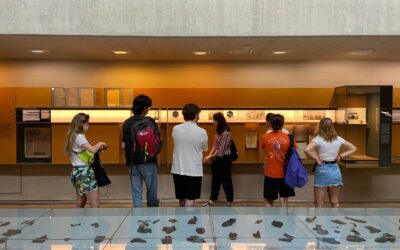
One lesson tourists learn the hard way is that the photographs are crowded and the captions are important. A frequent source of annoyance is seeing an image of men gathered together, noticing a detail you can’t account for, and then realizing you didn’t photograph the nameplate next to it. If you want to learn more about a specific image, take a picture of the caption too; that way you avoid guessing later, and in a place like this, guessing is the wrong approach.
Also look for the scale model of 1930s Berlin. It is easy to walk past, but it helps you picture how close these institutions sat to ordinary city life. That proximity is the point of the place, and it is why people come out of it quieter than they went in.
The Case for Sachsenhausen
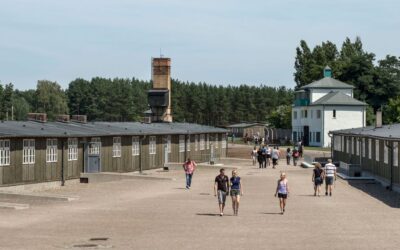
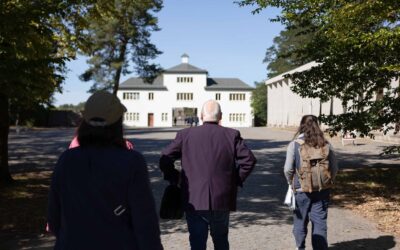
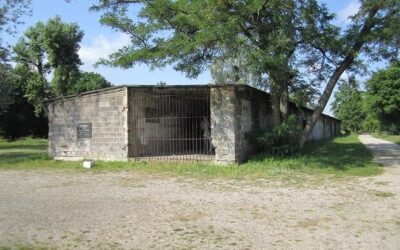
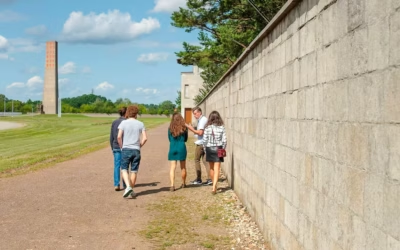
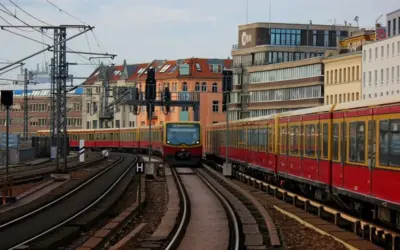
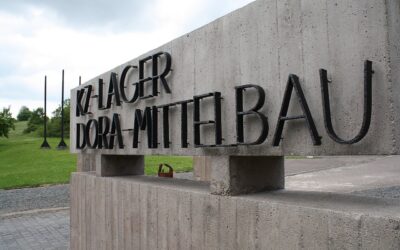
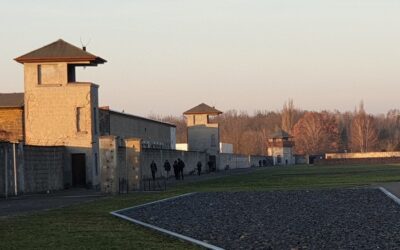
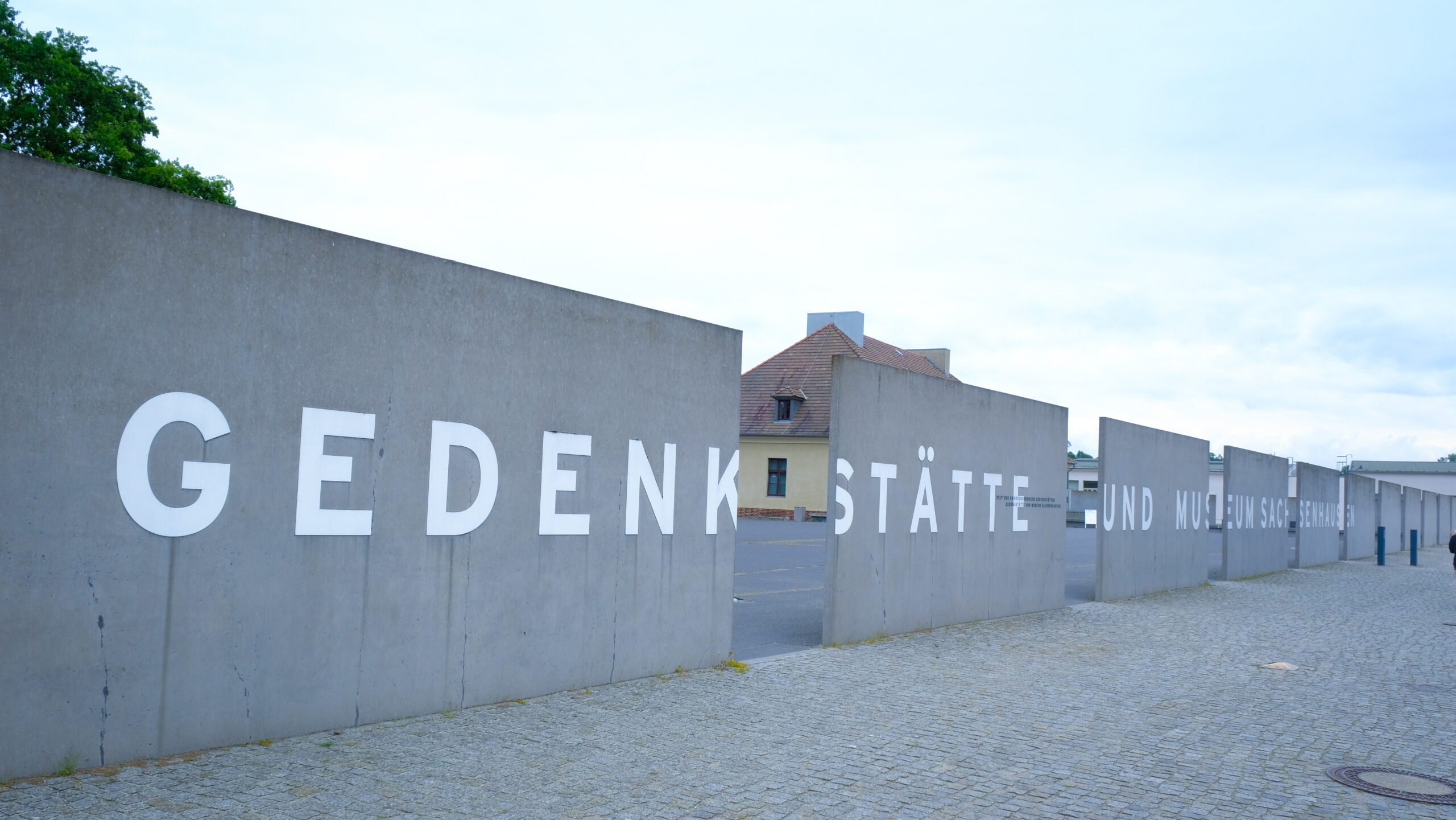
Sachsenhausen is larger, more substantial, and more physical. Take the S1 line to Oranienburg, then walk for about twenty minutes. Check the current opening hours and ticket zones before you visit, as hours vary by season and the ticket you need covers a larger zone than the one covering the city center.
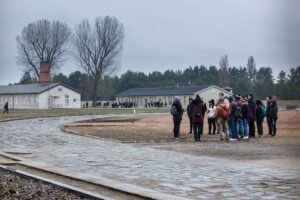
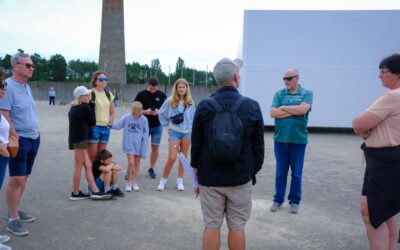
Plan on at least three to four hours on site, more if you walk the full grounds slowly. The site is open and exposed. In winter it is cold in a way that city sightseeing never prepares you for, and in summer there is little shade. Wear real shoes and bring water.
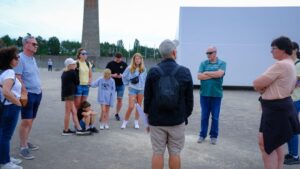
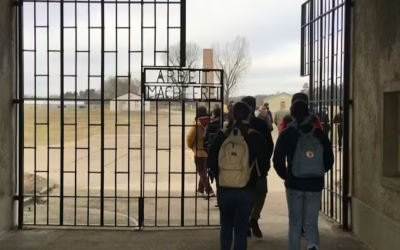
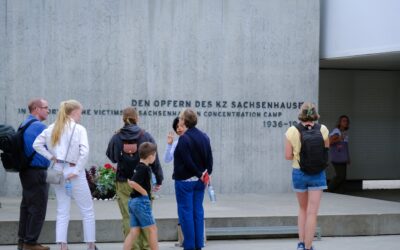
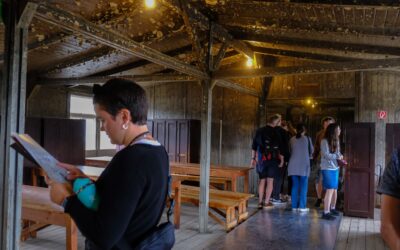
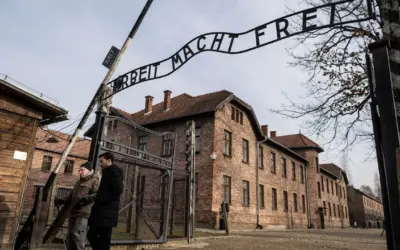
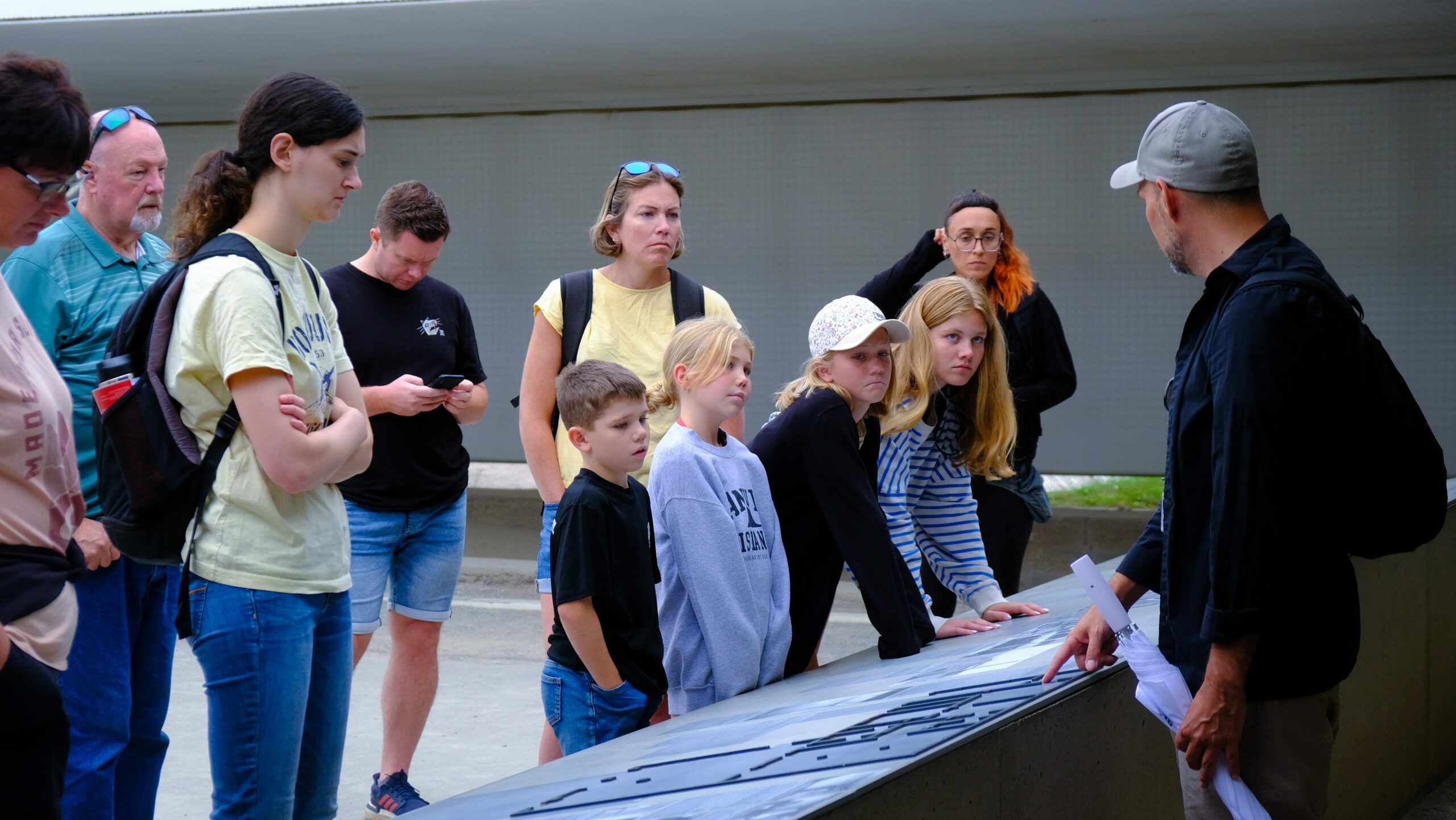
People who have visited the site say that as soon as they go through the gate, they feel surrounded by emptiness. This reaction is usual and can be quite intense, especially among younger visitors or those who have studied this history in depth. If you are taking a teenager with you, it might be a good idea to discuss what they will see beforehand. Many people say a well-prepared teacher or guide was more helpful than any textbook, and the experience stays with them for decades.
If you want the history to land emotionally rather than intellectually, this is the place.
So, Do You Need Both?
Here is how to think about it honestly.
Choose Topography of Terror only if: you have one or two days in Berlin, limited energy, or travel with someone who would struggle with a full camp visit. You will still get a serious, well-researched account of how the regime worked, and you will do it for free.
Choose Sachsenhausen only if: you already know the broad history and want to see the physical reality. You will give up the administrative picture, but you will gain something no exhibit in the city can offer.
Do both if: You have at least three days available, take the subject seriously, and can cope with the emotional aspect. Under those conditions, visit the city museum first. This will make the camp much easier to understand since you’ll know who ran it, who was sent there, and why it was built in that location. Carry out these visits on separate days, not one after the other. Treating this as a simple checklist item between lunch and dinner would be a disservice to both the place and yourself.
If you’re planning to connect Sachsenhausen with other WWII and Jewish history sites in Berlin, read How to Build a Berlin WWII & Jewish History Itinerary Around Sachsenhausen for tips on organizing your visit.
Eating Near Topography of Terror, Without the Tourist Trap Feeling
After a morning like this, you will want somewhere to sit. The neighborhood is not a classic food district. It is mostly offices, embassies, hotels, malls, and museums, and locals will tell you plainly that Potsdamer Platz offers polished, convenient places that could exist in any large city. Several tourist-focused food courts are reliable, as chain food always is.
If you’re looking for more character, a few spots keep coming up. Typish, the cafe situated directly opposite the museum, is a good choice for currywurst and lentil soup when you want something simple and quick. For dinner, the steakhouse known as Asador is highly praised, with with some customers saying they considered going back the following night. There’s also an Indian restaurant and a burger restaurant nearby should you prefer something casual.
Be specific when you ask for recommendations, whether from a hotel or a friend. Daytime or evening? Budget or special occasion? The neighborhood has options at every level, but few are both cheap and traditional.
Other Berlin Sites Worth Adding
If this topic interests you, Berlin is well worth exploring more broadly. The areas of Bernauer Strasse and Checkpoint Bravo deal with the division of the Cold War. The Stasi Prison relates to the surveillance state that came after. The Soviet graffiti found inside the Reichstag is a subtle and unexpected element. If you have time, you can gain further insight at KZ Columbia, Zitadelle Spandau, and Fort Hahneberg.
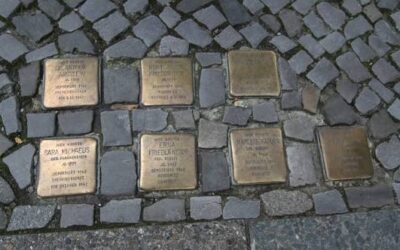
Here’s an honest warning from those who live in the area: much has been demolished or covered over, and at some locations all that remains is a plaque. You shouldn’t expect each site to have the atmosphere of a complete museum. The Stolpersteine, small brass plaques embedded in the pavement outside former homes, aren’t really archaeology, but they bring the history right down to street level in a way few other things can.
Final Advice
It would be pointless to compare these sites with one another. The first explains how it was organized, while the second shows what that organization produced. If you can only choose one, go to the first; but if you can manage your time, visit both and give each the time it deserves.
FAQs
- Is Topography of Terror a prison?
No. It stands on the former site of the SS and Gestapo headquarters and now operates as a museum and documentation center about Nazi terror and the machinery behind it.
- How long should I plan for Topography of Terror?
Two to three hours is comfortable for most visitors, especially if you read the captions and walk the outdoor trench exhibition.
- Where can I eat near Topography of Terror and Potsdamer Platz?
Typish, directly opposite the museum, is popular for currywurst and lentil soup. Asador is a well-regarded steakhouse for dinner. You will also find an Indian restaurant, a burger place, and several food courts nearby.
- Is the area around Potsdamer Platz good for traditional local food?
Not really. The area is mostly business-focused, with embassies, hotels, museums, and shopping, so you’ll find well-presented, convenient places rather than family-style German restaurants. Firstly, decide how much money you want to spend and what sort of atmosphere you’re looking for, then make your choice.
- Should I photograph the information plates next to exhibit images?
Yes. Captions identify who and what you are seeing, and without them it is easy to misread a photograph later. Snap the nameplate along with the image.