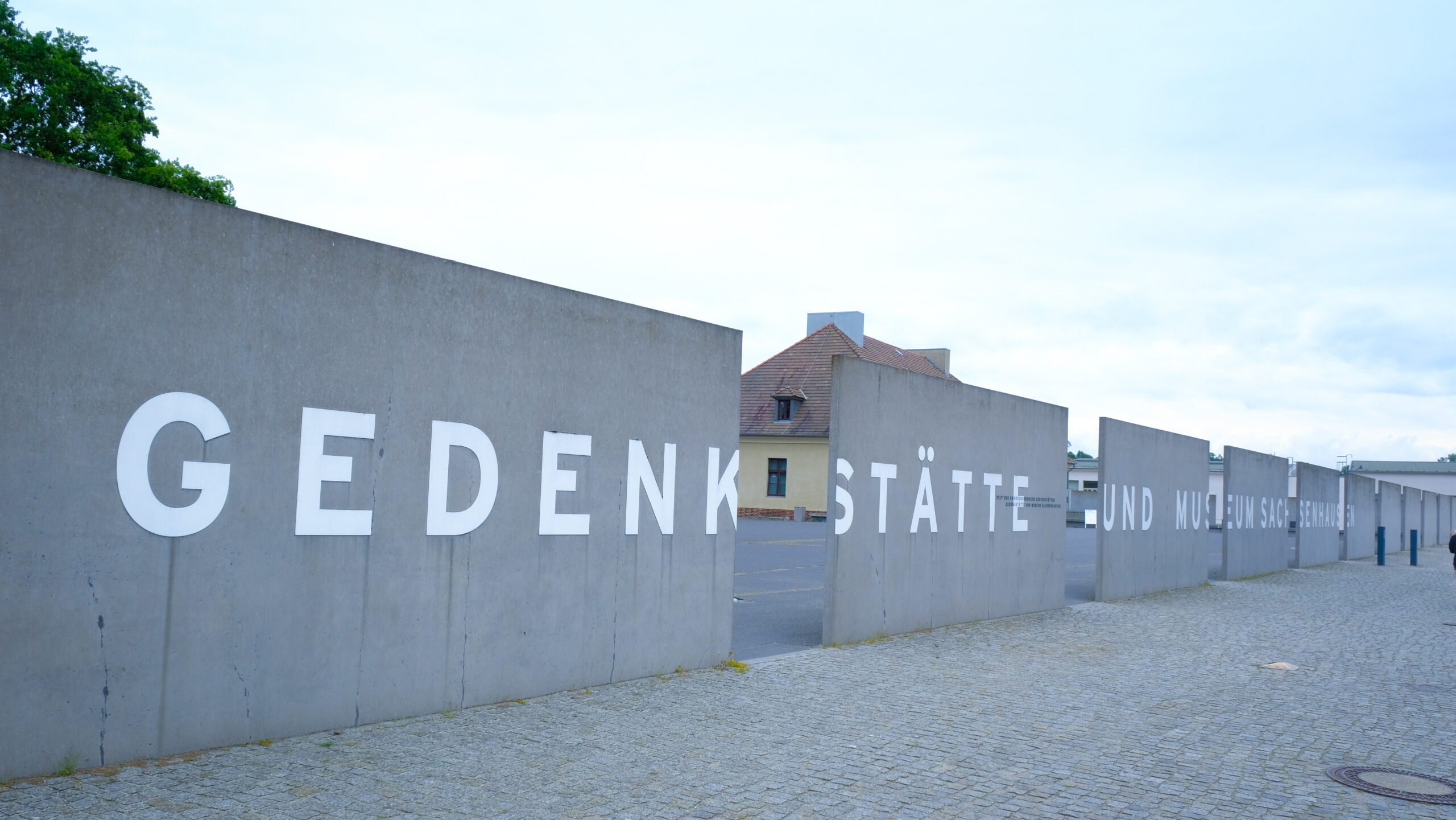
If you have ever tried to find a straight answer to this question, you know the problem. Some accounts focus on one famous prisoner; others on millions of nameless men, and the numbers rarely agree. Here is a clear, honest walk-through of what is actually known, and where the record gets murky.
The Question Behind the Question
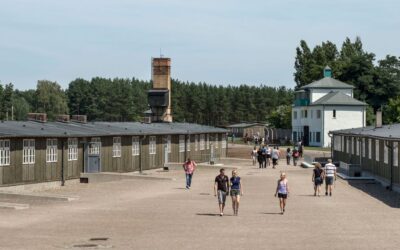
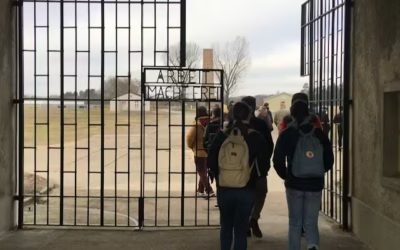
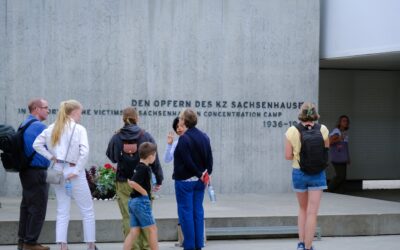
People searching this topic usually want one of three things. They want to know what happened to the famous Soviet prisoner held at Sachsenhausen, what happened to ordinary Soviet soldiers who ended up in German hands, or why the death rates were so extreme. The three stories connect, and the camp is where they meet.
The Most Famous Prisoner: Yakov Dzhugashvili
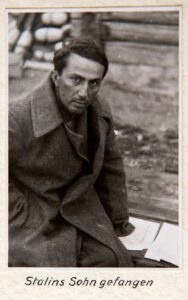
Yakov Dzhugashvili, Stalin’s eldest son, was captured in July 1941, in the first weeks of the German invasion of the USSR. In April 1943, he died at Sachsenhausen. Whether he took his own life or was killed por camp guards has never been settled, and anyone who tells you with total confidence is smoothing over a gap in the evidence.
His route there is better documented. He was first held in an officers’ camp at Hammelburg. He was then moved to Sonderlager A, a special section at Sachsenhausen reserved for important Allied prisoners. Molotov’s nephew was held there with him, along with four British and Irish prisoners.
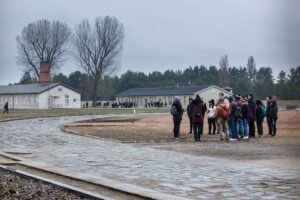
That detail matters because Sachsenhausen was mostly known as a camp for political prisoners and prominent figures. The list of names held there is startling:
- Paul Reynaud, the penultimate Prime Minister of France
- Francisco Largo Caballero, Prime Minister of the Second Spanish Republic during the Spanish Civil War
- The wife and children of the Crown Prince of Bavaria
- Stepan Bandera, the Ukrainian nationalist leader
So Yakov was not an ordinary prisoner in an ordinary camp. He was a high value hostage, held in a section of the camp built for exactly that captive.
Want to learn about other groups imprisoned at Sachsenhausen? Read our Blog on Presos políticos en Sachsenhausen: ¿Quiénes eran los opositores de Hitler? to understand who was targeted for political opposition.
His Family Story Adds a Painful Layer
Yakov’s mother, Ekaterine Svanidze, is often described as perhaps the one person Stalin truly loved. She was born in April 1885 and died in November 1907, which means Stalin, then around 29, had known her for only about two years. The surviving account is that he effectively abandoned Yakov after her death. When you read about Yakov’s captivity with that background, it is hard not to see a man who had little protection from anyone, least of all his father.
Beyond One Man: The Scale of Soviet Captivity
Yakov’s case is the one people remember because of his Nombre. The larger story is far darker, and it is about the millions who had no famous surname.
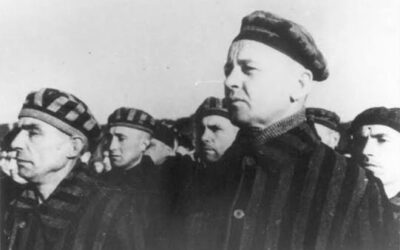
The figure most often quoted is that around 5.7 million Soviet soldiers were captured por Germany, approximately 3.3 million of them dying as a result. This represents a death rate of about 58 percent, one of the highest ever recorded among groups of prisoners. Various authors provide different figures, with claims ranging from one third to as high as two thirds, depending on what is taken into account and when the figures are considered. The best approach is to present these figures as a range rather than a single value. Most researchers agree on the general trend: the majority of the Soviet prisoners did not survive.
The timing was brutal too. Among the men captured in the great encirclements of the opening blitzkrieg, close to 80 percent never made it out. Survival improved later in the war, when Germany could see the front turning against it, and most of the Soviet prisoners who survived to liberation came from the final year.
Why the Death Rates Were So Different
The gap between how prisoners were treated is one of the most useful things to understand, and a few comparisons show it clearly:
- British prisoners in Japanese captivity died at roughly 25 percent, though other estimates for Western Allied prisoners run closer to 30 percent.
- Germans in American custody died at under 1 percent.
- Germans in British custody died at a rate of about 0.03 percent.
- British prisoners in German captivity died at roughly 3.5 to 4 percent.
The lesson drawn from these numbers is blunt. Keeping prisoners alive is not hard. The catastrophic figures on the Eastern Front were not an accident of wartime chaos. They reflected policy. German planning for the East, known as Generalplan Ost, envisioned the deaths of tens of millions of Slavs through massacres, starvation, slave labor, and mass expulsion. The treatment of Soviet prisoners fit that plan like a glove.
For those who survived the German camps, the only way out was often to join the Wehrmacht in dangerous auxiliary work, an impossible choice.
The Other Side of the Ledger
Fairness requires looking at what happened to German prisoners held por the Soviets. About three million Germans were captured por the USSR, and they were used as forced labor in the wartime economy and in postwar reconstruction. The fatality rate is usually put at roughly 33 to 35 percent. Soviet records tend to claim a lower figure, around 15 percent or about 380,000 deaths, but most historians treat that as an undercount.
Many of those deaths came in 1942 and 1943, when the Soviet Union itself was starving, and much of its farmland was under occupation. That does not make the suffering acceptable, but it does separate neglect during a famine from deliberate extermination. There is a crucial difference between prisoners dying because a country has nothing to feed them and prisoners being starved por design.
The extent of the losses is still amazing. Out of the approximately 91,000 men taken prisoner at Stalingrad, only about 6,000 are generally stated to have returned home, and some sources claim that fewer than 9,700 had gone back por 1953. Not every one of the 91,000 was German; Romanians, for example, also fought.
Release came slowly and in waves. Most of the 2.8 million German prisoners were freed in 1946, but about 85,000 were jailed at the end of the war and sentenced to 25 years of hard labor. por 1953, at least 20,000 were still held. Only after Stalin died were most of the remainder sent home, and the last man returned in 1956.
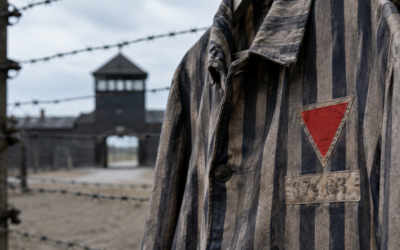
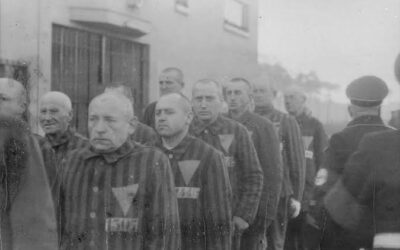
Wondering what the different prisoner markings meant? Read our Blog on ¿Qué significaban los triángulos de colores en los uniformes de la prisión de Sachsenhausen? to learn how prisoners were classified.
What Happened to Soviet Prisoners After They Came Home
A warm reception was not guaranteed. Soviet prisoners who returned were subjected to a screening procedure with the aim of distinguishing between collaborators and spies and the genuine soldiers that the front required. Those who had worked for the enemy or surrendered for reasons unrelated to military necessity were thoroughly examined. Although many men came back in a severely damaged health condition and were questioned, not all of them were sent to the labor camps. It wasn’t until the Khrushchev period that they received wider recognition, and for a long time many of them lived in poor conditions with little acknowledgment.
The Photographs That Mislead
One more warning for those who are looking into this matter. Fotos of prisoners from the war can be misunderstood. A group that appears well-fed and in good health in a deliberately arranged picture says nothing at all about the usual conditions, and it is a common tactic used by people who want to minimize the scale of the camps. A photograph captures only one moment, selected by someone, whereas death rates calculated from records spanning several years give a more accurate picture.
Preguntas frecuentes
- Did Stalin’s son die at Sachsenhausen por suicide or was he killed?
It is not clear. He died in April 1943, and the evidence supports both a suicide and a killing por camp guards. No source settles it.
- Where was Yakov Dzhugashvili held before Sachsenhausen?
Inicialmente estuvo recluido en un campo de oficiales en Hammelburg y posteriormente fue trasladado al Sonderlager A en Sachsenhausen, una sección reservada para prisioneros aliados importantes.
- What percentage of Soviet prisoners died in German captivity?
The figures differ; one figure frequently given is 3.3 million deaths out of 5.7 million prisoners, which amounts to about 58 percent. Other estimates range from one third to two thirds, depending on the method used.
- How many German prisoners died in Soviet captivity, and when were they released?
The usual estimate is 33 to 35 percent, though Soviet records claim about 15 percent. Most were released in 1946; at least 20,000 were still held in 1953, and the last returned in 1956.
- Who else was held at Sachsenhausen alongside Yakov?
Molotov’s nephew and four British and Irish prisoners were held with him in Sonderlager A. The wider camp held figures such as Paul Reynaud, Francisco Largo Caballero, Stepan Bandera, and the wife and children of the Crown Prince of Bavaria.