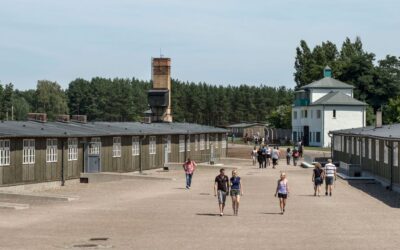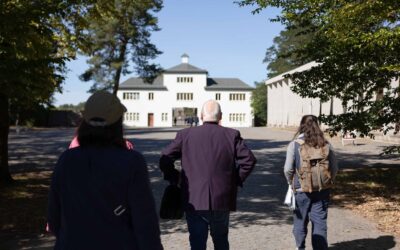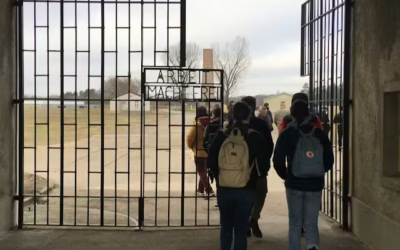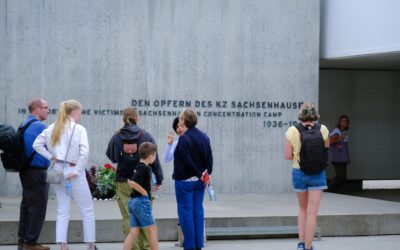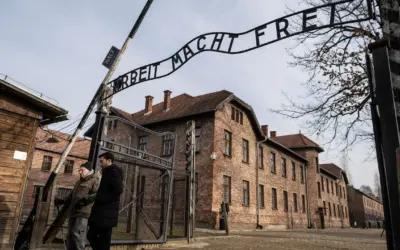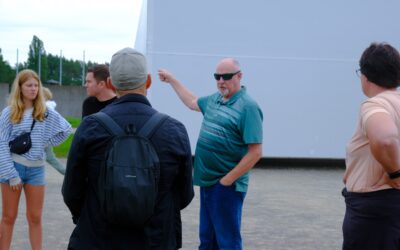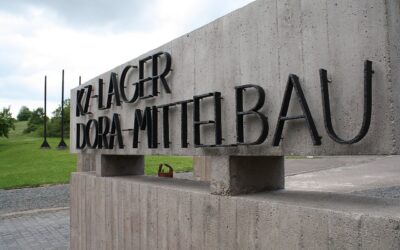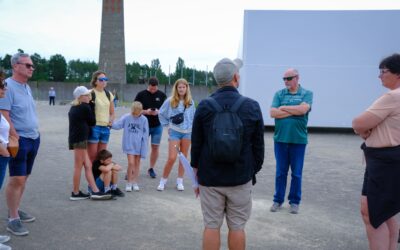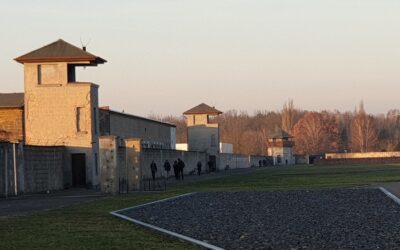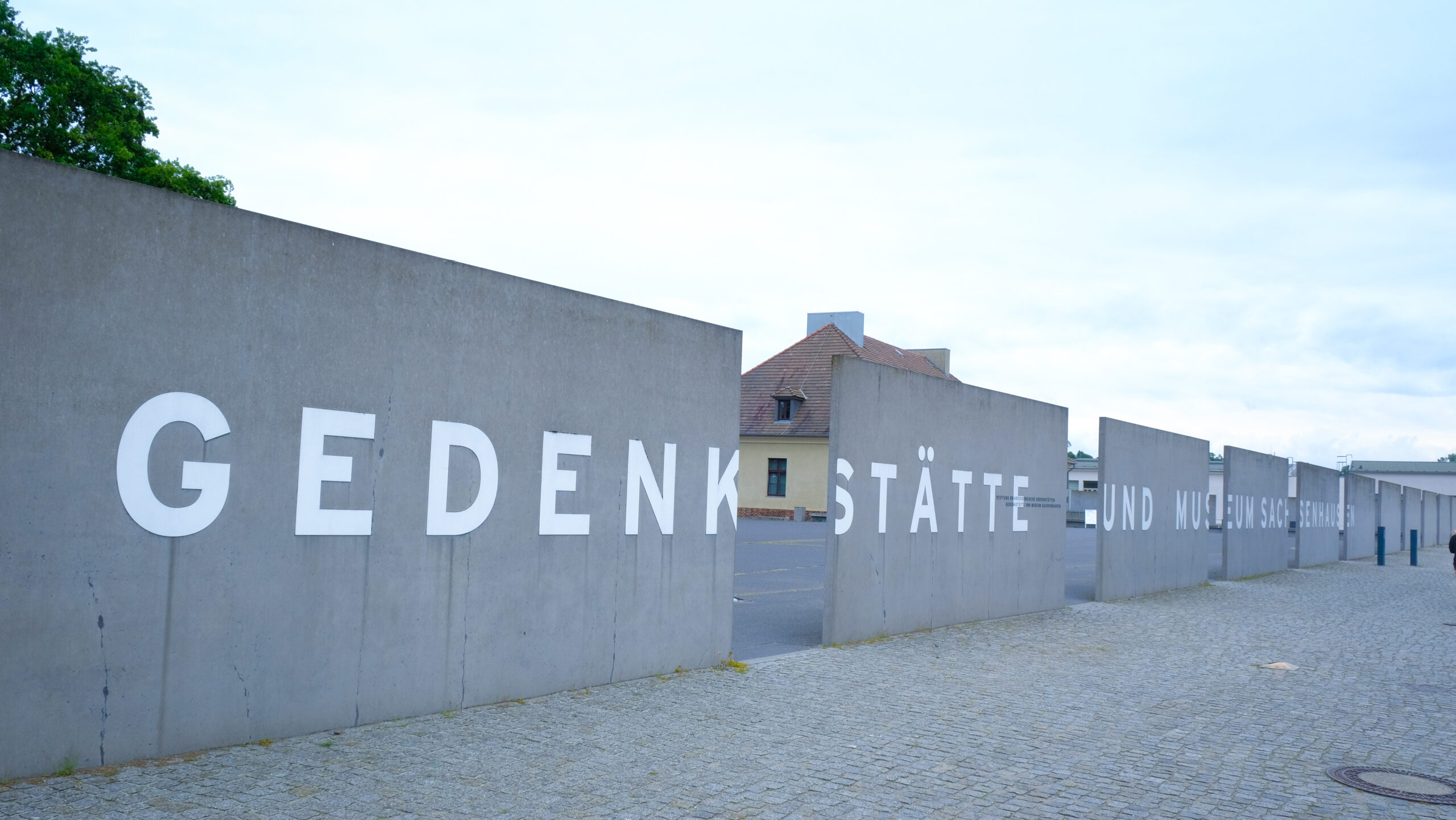
רוֹב מבקרים בזקסנהאוזן לכו דרך השער הראשי, צלמו את האותיות מברזל, הקיפו את שטח המסדר המשולש, ועזבו באמונה שראו את המחנה. הם לא. הרחק מהאתר הראשי, ליד התעלה ליד אורניינבורג, שוכן המקום שממנו חששו האסירים יותר מכל: קלינקרוורק, מפעל הלבנים של המחנה.
מדריך זה מסביר מה היה קלינקרוורק, מדוע משימה שם הרגישה כמו גזר דין מוות, וכיצד לבקר באתר בכבוד.
מדוע נוצר קלינקרוורק
The Klinkerwerk grew out of Nazi building ambitions. Hitler’s plans for a remodeled Berlin, which Albert Speer was to carry out, demanded enormous quantities of brick, stone and cement. In April 1938, the SS founded its own company to supply them, the Deutsche Erd- und Steinwerke GmbH (DEST). The brickworks was set up that summer as a showpiece enterprise with modern tunnel kilns and dry-pressing plants. Prisoners began building the brickworks that August, and it was equipped with modern technology. The aim was to make the SS a major supplier of building materials while using concentration camp prisoners as a labor force that cost almost nothing.
איפה זה היה: מחוץ למחנה הראשי
מפעל הלבנים עמד הרחק מחוץ למחנה האסירים הראשי. אסירים הוטלו לראשונה על בנייתו באוגוסט 1938, ליד מנעול מצפון ללניץ, קרוב לאורניינבורג. הוא עמד על התעלה מכיוון שהלבנים נועדו... נסיעה ימית לברליןהאנדרטה שם עדיין מציגה את אגן הנמל וקיר הרציף, שם העמיסו מנופים בעבר לבנים על ספינות. החימר הגיע מבור בצלנדורף הסמוך.
ייצור לבנים והקשר לברלין
The Klinkerwerk was supposed to be the largest clinker brickworks in the world, with its output intended for the great buildings planned for Berlin. In reality, the project failed. Even though it had modern equipment, the prisoners were forced to use primitive tools and worked under inhuman conditions, and the SS soon realized that the plant was a failure of planning. It never lived up to the vision of those who set it up. What it did manage to produce, however, was death.
אילו אסירים נשלחו לשם
At first the workforce came daily from the main camp. Hundreds of prisoners marched each day to the wooded site to build the huge workshop halls, lay out the docks and put up the factory buildings and housing. Later, the SS drove up to 2,000 prisoners a day to the site.
Political prisoners, Jewish prisoners, and men persecuted as “asocial” all worked under SS control. Gay men, marked with the pink triangle, were often placed in punishment commandos with harsher conditions. This included the Klinkerwerk, where in 1942 they became the target of a mass-murder operation (see the timeline below).
חברות העונשין ו"פרט המוות"
Assignment to the Klinkerwerk outside detail was feared as a punishment and even a death sentence. The memorial describes the penal commando as one of the רוֹב terrible places where people were destroyed by other people, and historians call the site the killing ground of Sachsenhausen. At a Soviet military tribunal in 1947, the former commander of the penal company testified that in summer 1942 between 12 and 15 of its 70 to 80 men died every day.
The SS used cover terms for this violence. Driving prisoners to exhaustion was called “Sport treiben” (doing sport), and the penal unit was officially a “Sonderkommando” (special detail). Whenever you come across the term ‘work detail’ in the records, remember the language was meant to hide its true meaning.
תנאי עבודה ומדוע התמותה הייתה כה גבוהה
לתמותה בקלינקרוורק היו מספר סיבות שחיזקו זו את זו:
- עבודה מתישה עם כלים גסים. החפירה, הגרירה והטעינה נמשכו בקצב שגופות האסירים לא יכלו לשאת.
- רעב ותשישות. אסירים רבים מתו מתת תזונה ותשישות.
- אלימות מכוונת. שומרים היכו והרגו אסירים, ביימו "תאונות" וירו באסירים שניסו לברוח כביכול.
Thousands of prisoners were forced to work at the site. The exact number of prisoners and of the dead is unknown.
עבודות כפייה נוספות באתר
ייצור לבנים לא היה העבודה היחידה. נמל קלינקרוורק הפך אותו למרכז לטיפול בחומרים. משנת 1942, יחידת "שפר" כביכול פירקה חומרים שהוחזרו, כגון כבלים ומכרות ממדינות כבושות, והעמיסה מתכות יקרות בעלות חשיבות צבאית על ספינות. האתר גם ישירות served the war economy. In 1942 and 1943, the brickworks was partly converted to arms production, and from 1943 prisoners there produced grenades.
כיצד התפתחה מפעל הקלינקרוורק במהלך המלחמה
- 1938: הבנייה מתחילה. אסירים צועדים מדי יום מהמחנה הראשי כדי לבנות את המבנים ואת הנמל.
- 1941: In April, with the barracks finished, המחנה קלינקרוורק הופך לתת-מחנה עצמאי של זקסנהאוזן עם מנהלה משלו. האסירים שוכנו בצריפים באתר.
- 1942: In the summer, the SS carried out a targeted killing operation against gay men at the subcamp. The figures differ עַל יְדֵי source. The Sachsenhausen Memorial records more than 100 prisoners with the pink triangle dead between June and September 1942, through abuse, staged accidents, or shootings during alleged escape attempts. The Sachsenhausen Memorial, Brandenburg state government, and LSVD cite approximately 200 victims of the 1942 killing operation.
- 1942 עד 1943: העבודה עוברת בחלקה לייצור נשק.
רוצים לחקור כיצד עבודת כפייה בזקסנהאוזן הועילה לתעשייה הגרמנית? קראו? כיצד חברות גרמניות הרוויחו מעבודת כפייה של אסירים בזקסנהאוזן כדי ללמוד כיצד עסקים השתמשו באסירים כמקור לעבודת כפייה.
סוף המלחמה
On 10 April 1945, an Allied bombing raid almost completely destroyed the Klinkerwerk subcamp and killed numerous prisoners. The SS then dissolved the subcamp and moved the prisoners back to the main camp. The main camp itself was evacuated on forced marches days later and liberated עַל יְדֵי Soviet and Polish troops on 22 April. The brickworks site remains a burial ground, with victims’ remains still present in the soil and adjacent canal.
מה שאתם יכולים לראות היום
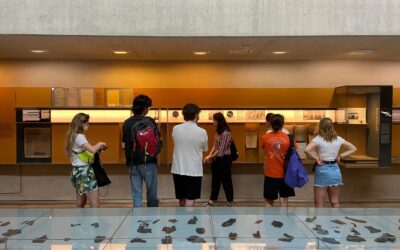
The Klinkerwerk is not a polished museum, and that is part of how it should be understood. The site now has an accessible open-air exhibition near the Lehnitz lock. An open-air exhibition covering about 700 square metres opened in December 2011. Check the memorial’s website for current access information before you go. Expect:
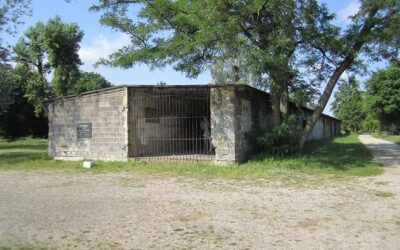
- חורבות וקווי מתאר. רוב המפעל נהרס בשנת 1945, כך שתראו שרידים שחוקים ואת סידור השטח ולא מבנים שלמים.
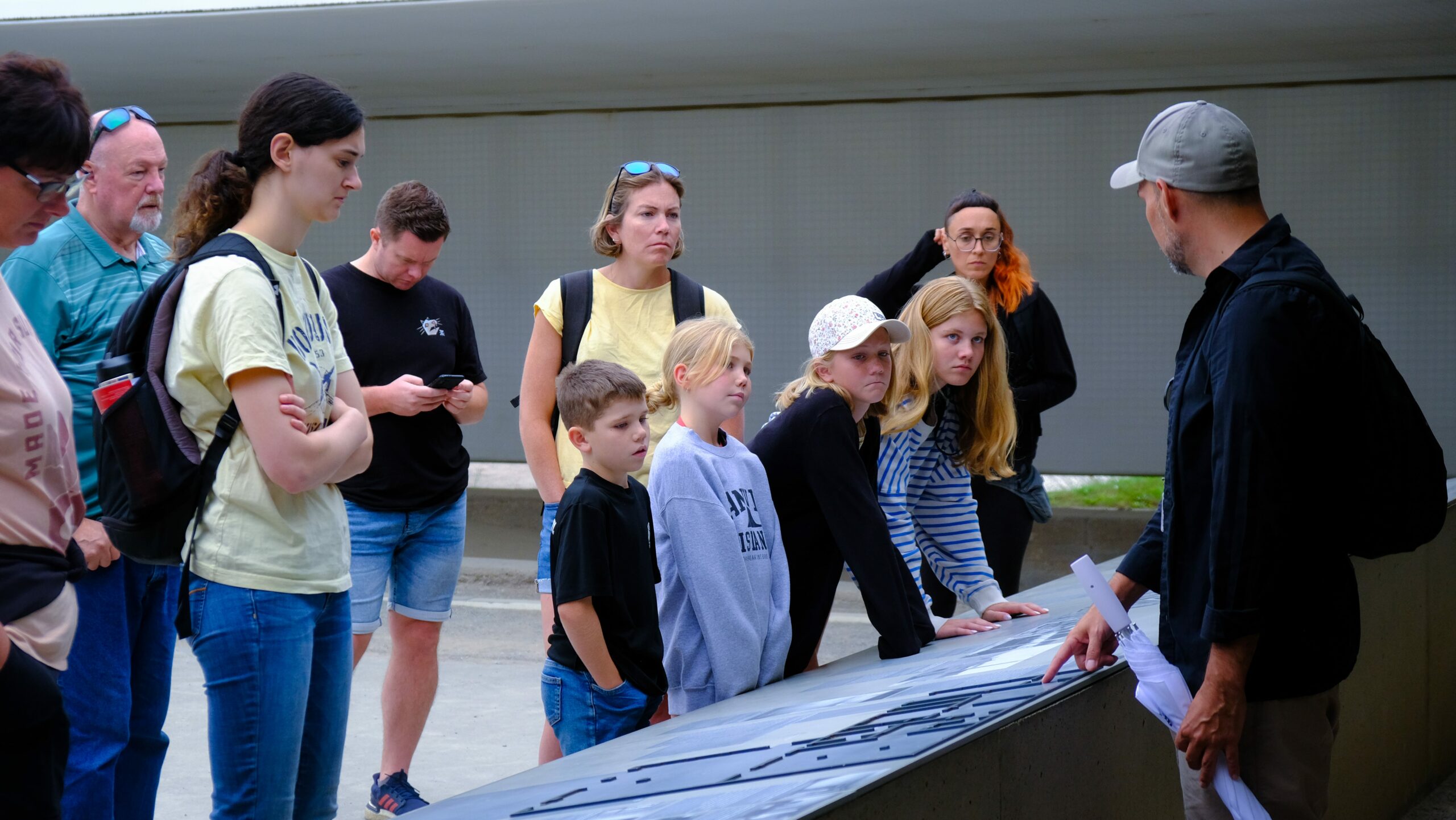
- Information boards and a model. The exhibition includes a 2 x 3 metre concrete relief, at a scale of 1:750, showing the largely destroyed works.
- אנדרטת הנמל. Dörte Eggert-Heerdegen and Kamel Louafi designed a memorial inaugurated on 20 April 2015 at the old quay. Its Corten steel walls rise from the far side of the quay wall, as if from the water.
- מקום קבורה. Treat the whole site as a grave.
You can reach it from Berlin עַל יְדֵי train to Oranienburg, then עַל יְדֵי bus, bike or on foot toward the Lehnitz lock on the B273. Allow time, since רוֹב visitors spend far less here than at the main memorial. Cycling and pushing bicycles are prohibited within the Sachsenhausen Memorial grounds, so leave your bike at the designated stands when visiting the main memorial. Allow time, since רוֹב visitors spend far less here than at the main memorial.
השאלה שכל מבקר שואל
אם תישארו שם מספיק זמן, מישהו ישאל איך אנשים רגילים יכלו לעשות זאת. היסטוריונים מתייחסים לדה-הומניזציה, להורדה איטית של הדירוג, ולשימוש בשפה ביורוקרטית שהסתירה את מעשה הרצח תחת ביטויים אדמיניסטרטיביים. הקלינקרוורק הוא דוגמה לכלכלת אכזריות הנשלטת על ידי פקידים, מהנדסים ומנהלים שראו באנשים חומר גלם.
שאלות נפוצות
- האם עבודת כפייה במחנות הייתה פרודוקטיבית, או סתם ענישה?
אותו הדבר חל: מפעל הלבנים נועד לעמוד בדרישות תוכניות הבנייה של המשטר, אך הגדלת התפוקה מעולם לא הייתה המטרה היחידה. למעשה, העבודה אורגנה לעתים קרובות במטרה להתיש ולהרוג את האסירים, כך שגם פרודוקטיביות וגם אכזריות היו חלק מאותה מערכת.
- מדוע חששו מהקלינקרוורק יותר מפרטי עבודה אחרים?
התנאים היו קשים יותר, הפיקוח אכזרי יותר, והזמן שעמד לרשותם קצר יותר. האסירים ידעו שעונש שם עלול להיות בלתי ניתן לשרוד.
- האם קלינקרוורק הוא חלק מאנדרטת זקסנהאוזן הראשית?
זהו אתר נפרד מחוץ למחנה הראשי, המנוהל כחלק מנוף ההנצחה. תכננו אותו כביקור בפני עצמו.
- האם הקלינקרוורק שימש למשהו מלבד לבנים?
כן. משנת 1942, הוא שימש לפירוק ומשלוח חומרים שנבזזו, והוא הוסב בחלקו לייצור נשק.
- מי היה המטרה בקלינקרוורק בשנת 1942?
Gay men were deliberately placed there and murdered in large numbers that summer, with estimates ranging from more than 100 to about 200 or more, an episode now commemorated annually.