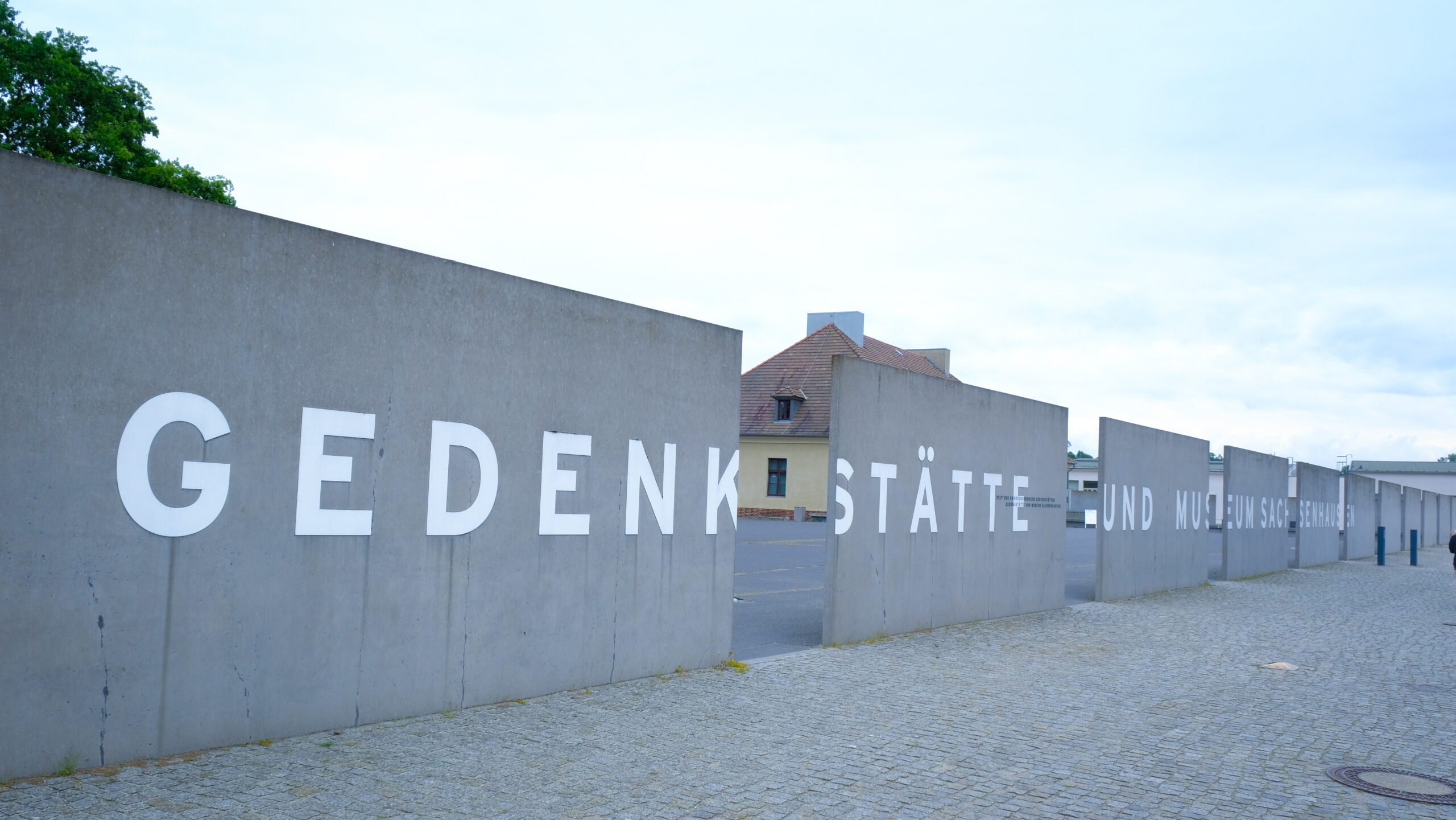
Concentration camps near Berlin were created during the time of Nazi Germany. These places became centers of great pain and loss. Many innocent people were taken there, kept as prisoners, and many never came back. To understand why these camps were made and what happened inside them, we need to look at the history step by step.
Historical Background of Camps Near Berlin
When Adolf Hitler and the Nazi Party came to power, they wanted full control over Germany. They believed in a cruel idea: only certain groups of people were “fit” to live in their society. Anyone who did not fit their rules or beliefs was seen as an “enemy.”
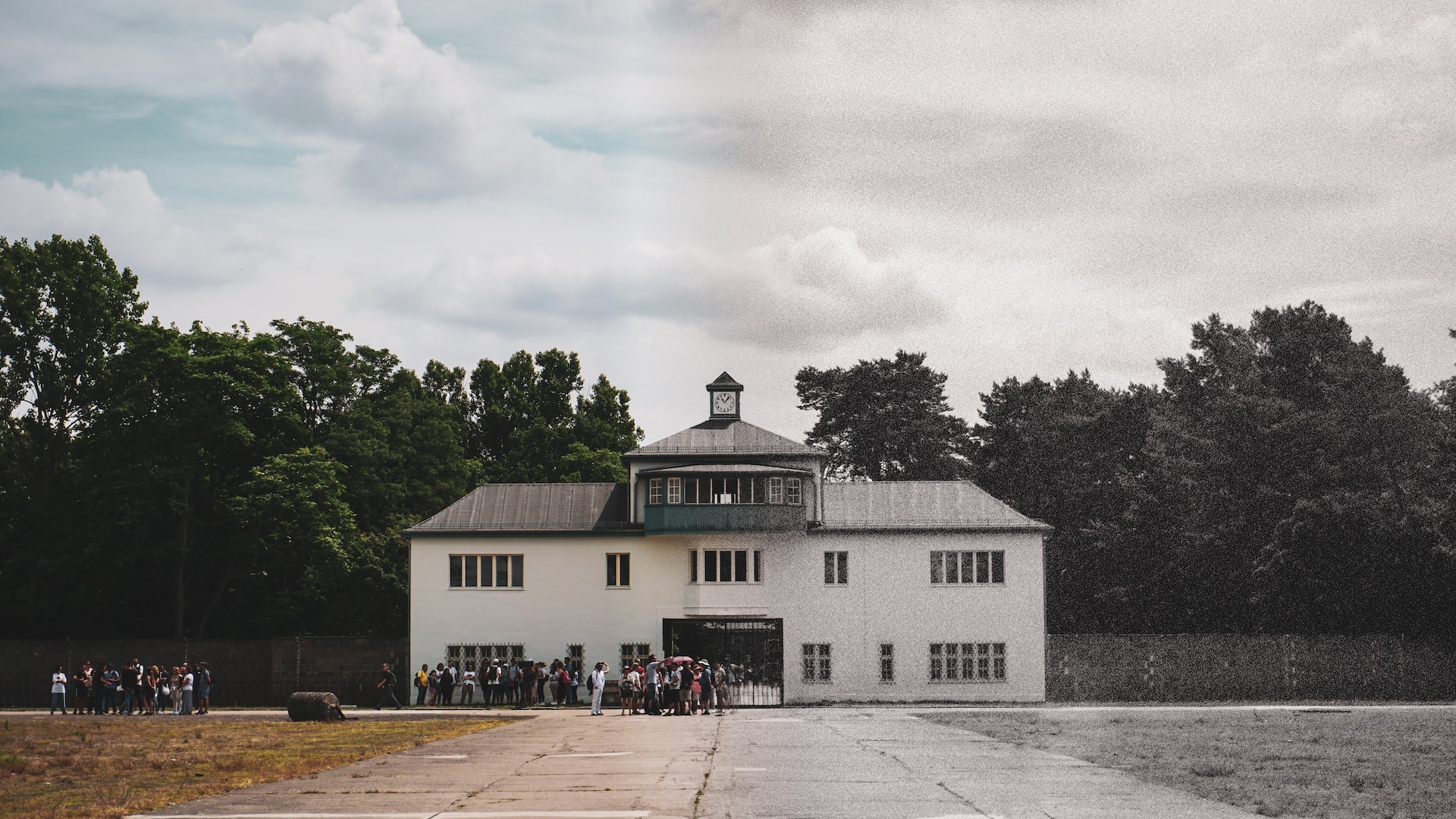
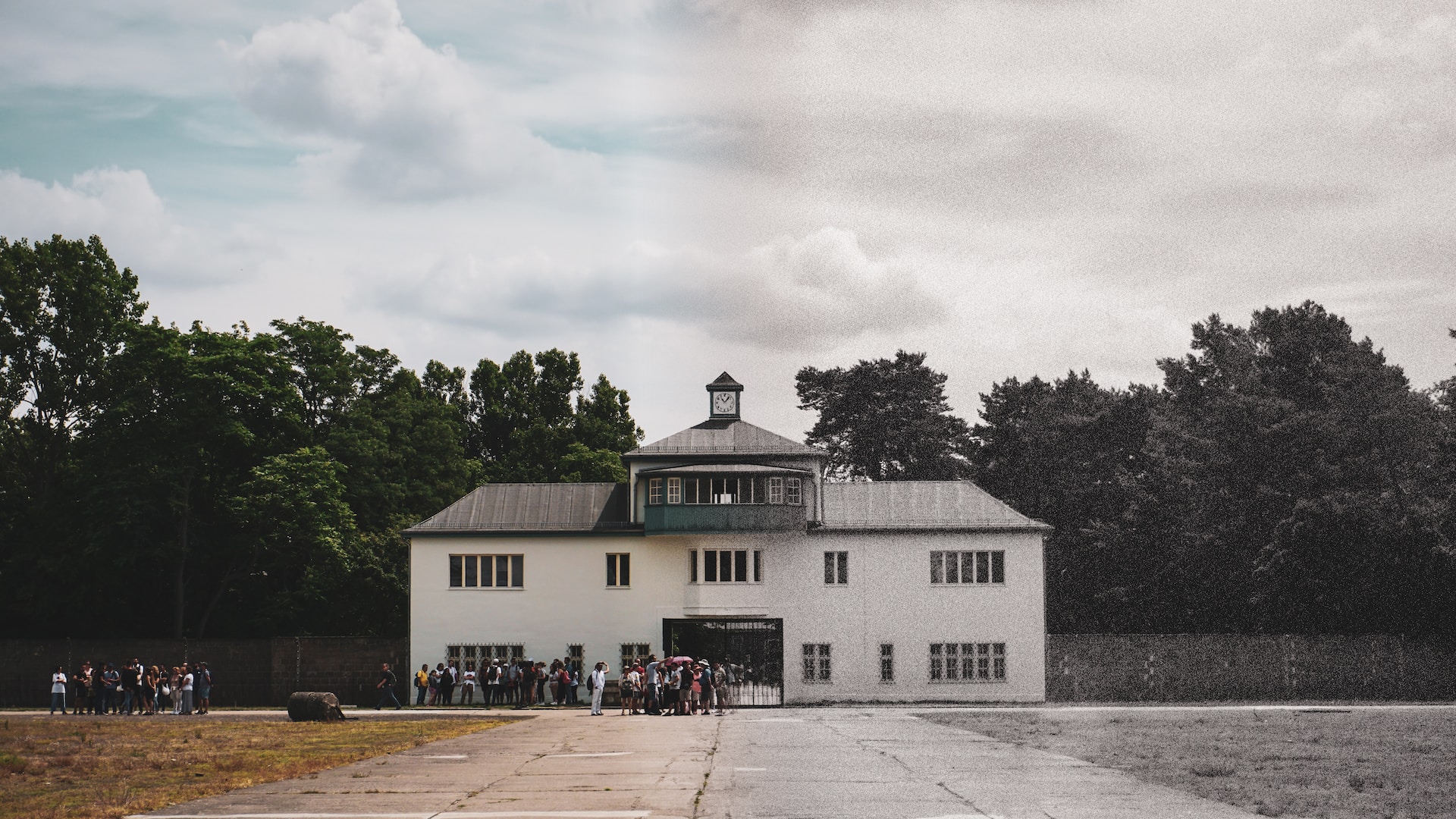
To control people and remove those they hated, the Nazis created concentration camps across Germany and in the regions they occupied. One of the most well-known camps near Berlin was Sachsenhausen, located in Oranienburg.
These camps were not built for normal prisons. They were built to create fear, break people, and in many cases, kill them.
Purpose Behind the Concentration Camps
The main purpose of the concentration camps near Berlin was to hold, punish, and remove people the Nazis targeted. These groups included:
Jews
Political opponents
Romani people
Disabled individuals
Homosexuals
Religious minorities
Anyone the Nazis believed did not “fit” their society
Some people were arrested because they were against the Nazi government. Others were taken only because of their identity or background. Among all victims, Jews suffered the most, because the Nazis planned a complete genocide against them.
Conditions and Atrocities Inside the Camps
Life inside the camps was extremely harsh. People were forced to live in crowded rooms without proper food, clothing, or medical care. Some of the main abuses included:
Forced hard labor from morning to night
Very little food, leading to extreme hunger
Beatings and torture
Cold, unsafe living spaces
Medical experiments on prisoners
Continuous fear and violence
Many camps also had gas chambers and crematoriums. These were used to kill large numbers of people quickly.
Although Auschwitz-Birkenau (in Poland) is the most famous for mass killings, camps near Berlin, including Sachsenhausen, also saw thousands of deaths due to starvation, disease, brutality, and executions.
Honoring the Victims and Preserving Their Memory
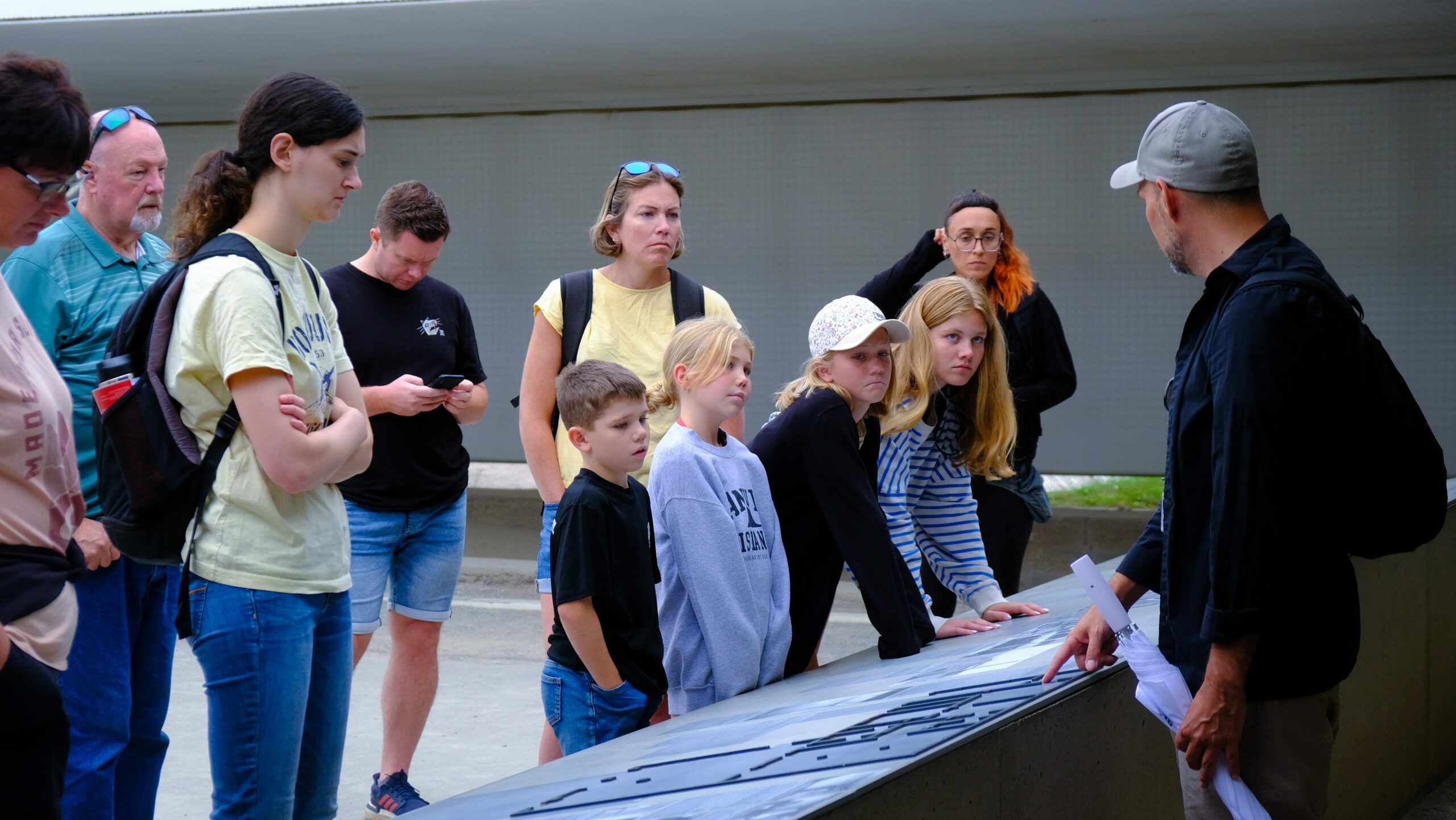
Today, places like the Sachsenhausen Concentration Camp Memorial near Berlin help people understand this dark part of history. Visitors can walk through the original grounds, see the buildings, and learn the real stories of the victims.
Remembering these tragic events is important because it teaches us:
How dangerous hatred and discrimination can become
How millions of lives were lost
Why the world must never repeat such horrors
These memorials help keep the memory alive so future generations learn the truth and feel the responsibility to prevent such cruelty.
Summary and Historical Importance
Concentration camps near Berlin were built to control, punish, and kill people the Nazis targeted during World War II. They became places of fear, suffering, and death for millions. Understanding this history helps us value human rights, respect others, and ensure that such tragedies are never repeated.