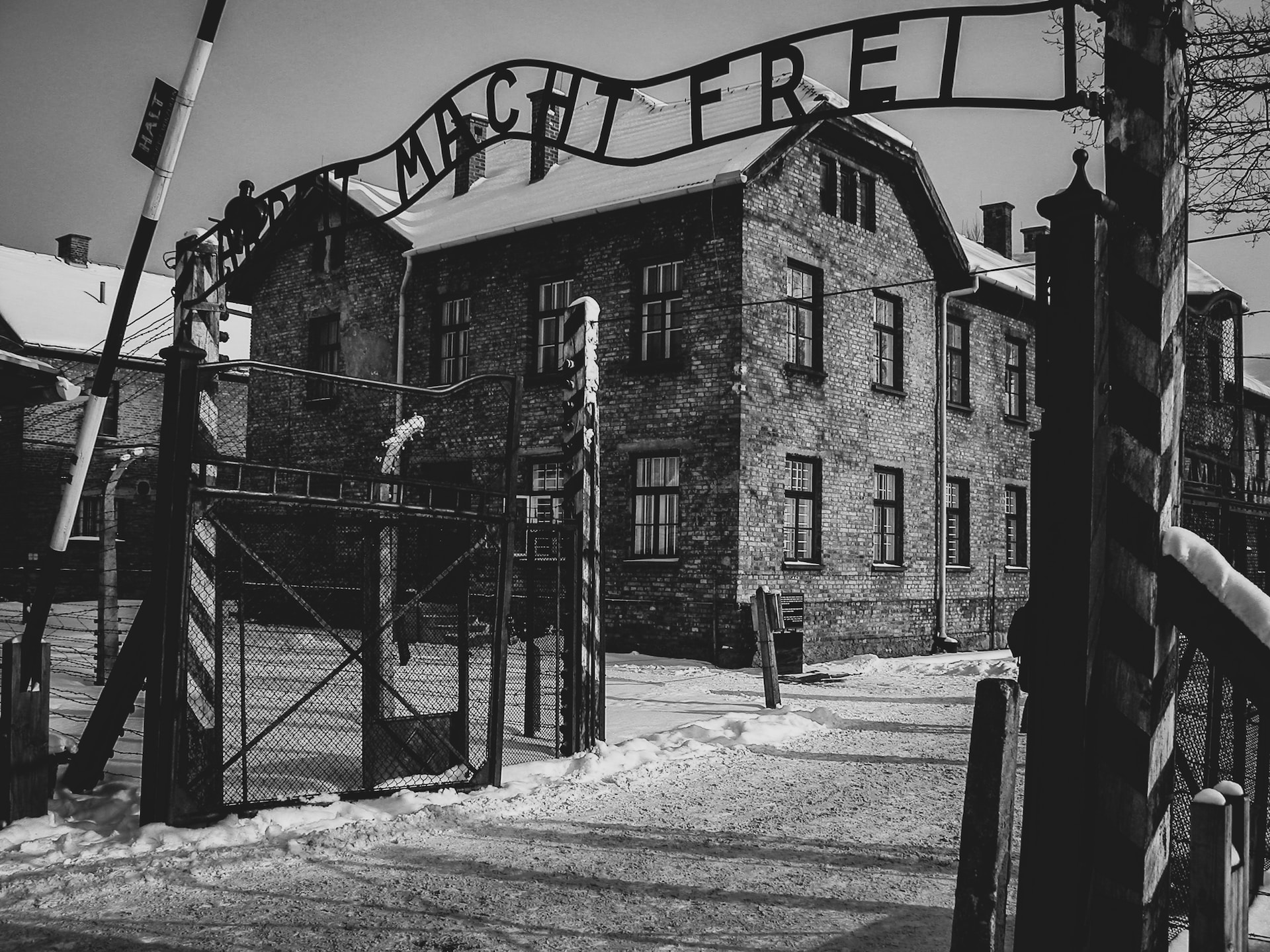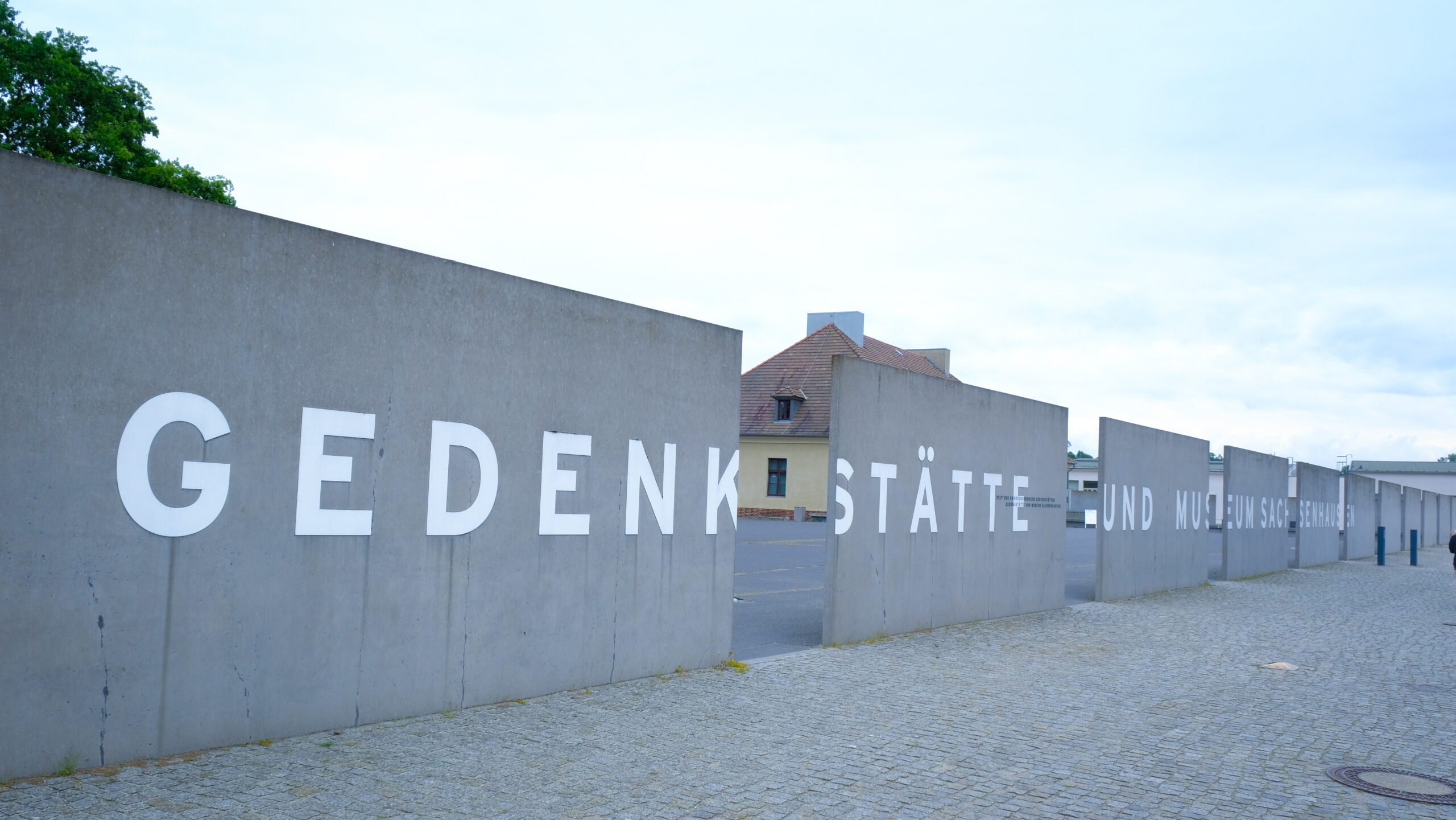
Why is Sachsenhausen an Important Memorial Site? Sachsenhausen, near Berlin, Germany, was a Nazi concentration camp founded in 1936. Today, it stands as a memorial to honor the victims who suffered and died there. Visitors can learn about the Holocaust, reflect on history, and understand why human rights matter. This site teaches us lessons about tolerance, empathy, and the importance of remembering the past.
Visiting Sachsenhausen is not only about seeing old buildings. It is about connecting with history, understanding the pain of millions, and ensuring such tragedies never happen again.
Commemorating the Victims at Sachsenhausen
As of the present, Sachsenhausen is a memorial to the victims of the concentration camp who died or perished within its compound. It reminds people of the evil that was done during the Holocaust and occupies an indispensable part in remembering. By visiting the memorial, we can be able to show concern for the victims and learn a lesson in order not to repeat it.
Memorials and Exhibits
The memorial at Sachsenhausen comprises various structures and exhibitions that provide visitors with a profound experience:
The Appellplatz: That roll call square where inmates were locked up for several hours standing made visitors have a feel of how bad it was to be a prisoner.
Museum and Documentation Center: Includes historical information, individual biographies, and displays about the lives of prisoners.
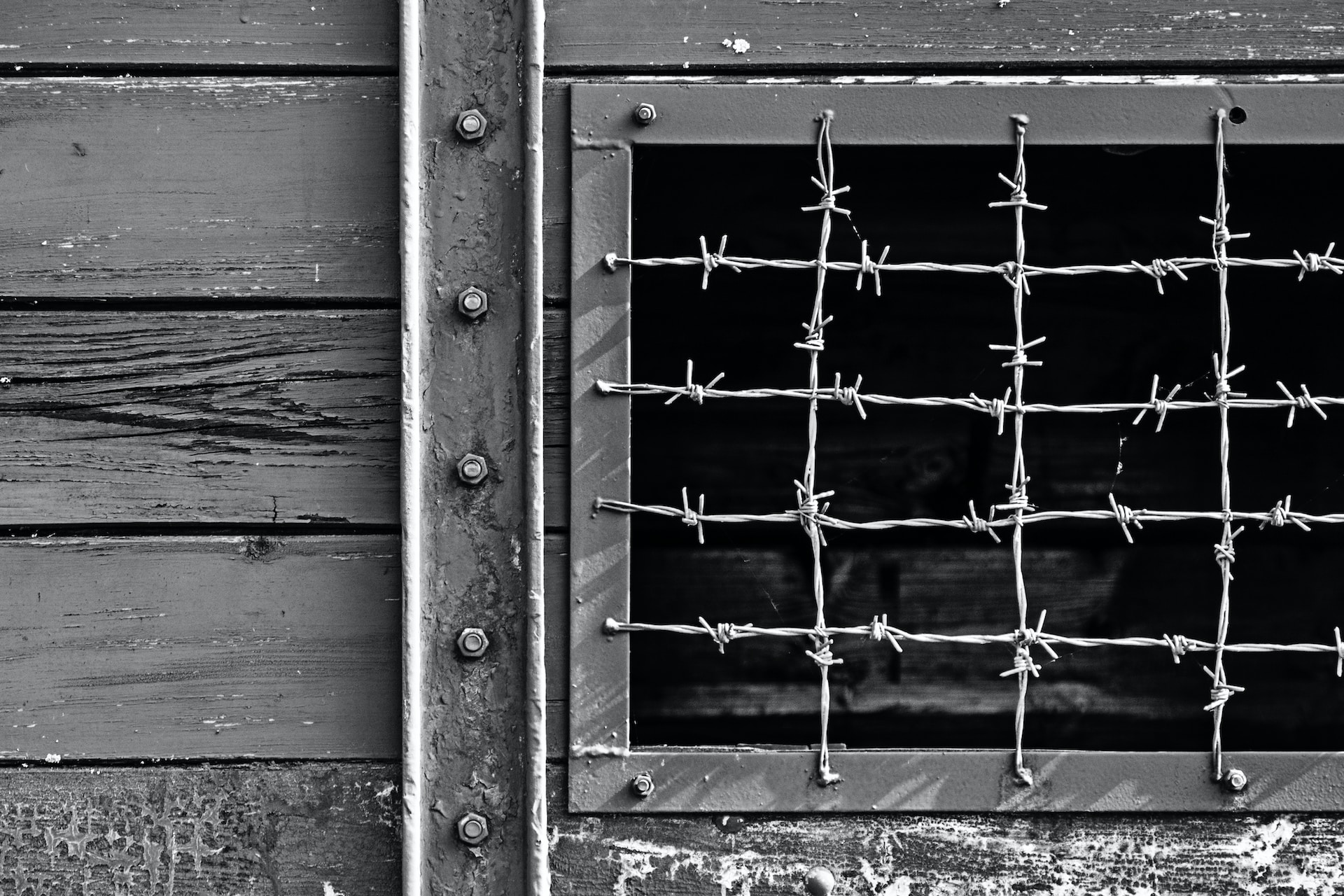
Prisoner Barracks: Paints an often-cited picture of the cramped and barbaric-like situation that prisoners used to live in.
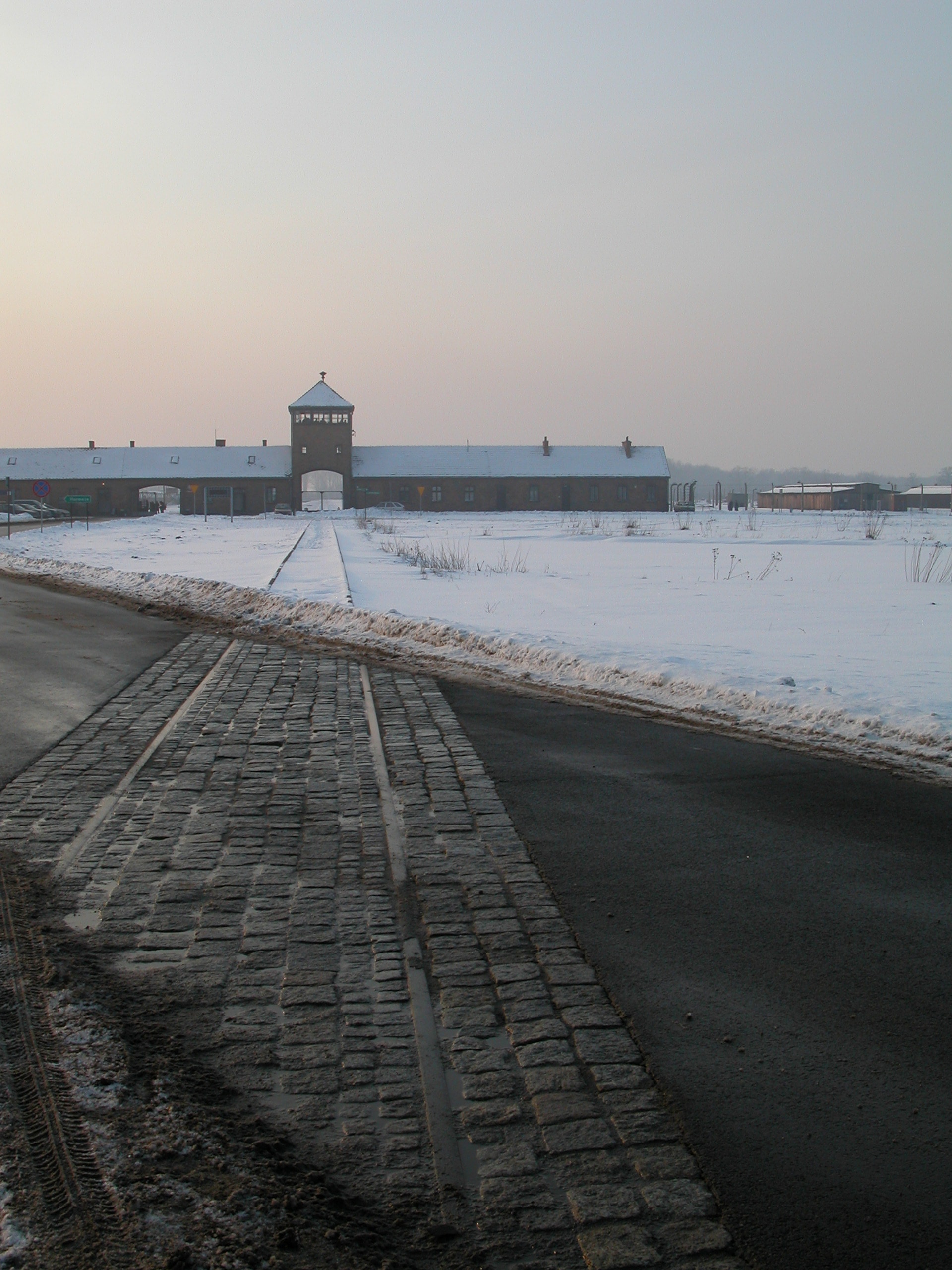
Tower A: A watch tower whereby visitors can appreciate the architectural design of the camp and maybe get an idea of the expanse of the entire camp.
Educational Value of Sachsenhausen
Visiting the Sachsenhausen memorial offers incredible educational value for both individuals and groups:
Understanding History
In this way, the place of memory also enables to conveyance of the general overview of the tragedies, to look at the main tactics and activities of the Nazi regime, as well as the ideology that existed within it. It assists us to come face to face with the casualties of history, making the viewer think about what precisely occurred in the period of the Second World War.
Tolerance and Human Rights Placement
Sachsenhausen is an effective means to encourage respect for human rights and prevent the formation of an intolerant society. Visitors are advised to curb hatred, discrimination, and indifference on well-informed outcomes as indicated at the camp through exposition of atrocities.
Upskilling Empathy for Practical Compassion
By making an emotional link to what happened during the holocaust when visiting concentration camps such as Sachsenhausen one can gain some forms of empathy and compassion. It enables its viewers to learn what millions of people went through and to change the world for the better.
Practical Tips for Visiting Sachsenhausen
If you plan to visit Sachsenhausen, here are some practical tips to enhance your experience:
Guided Tours
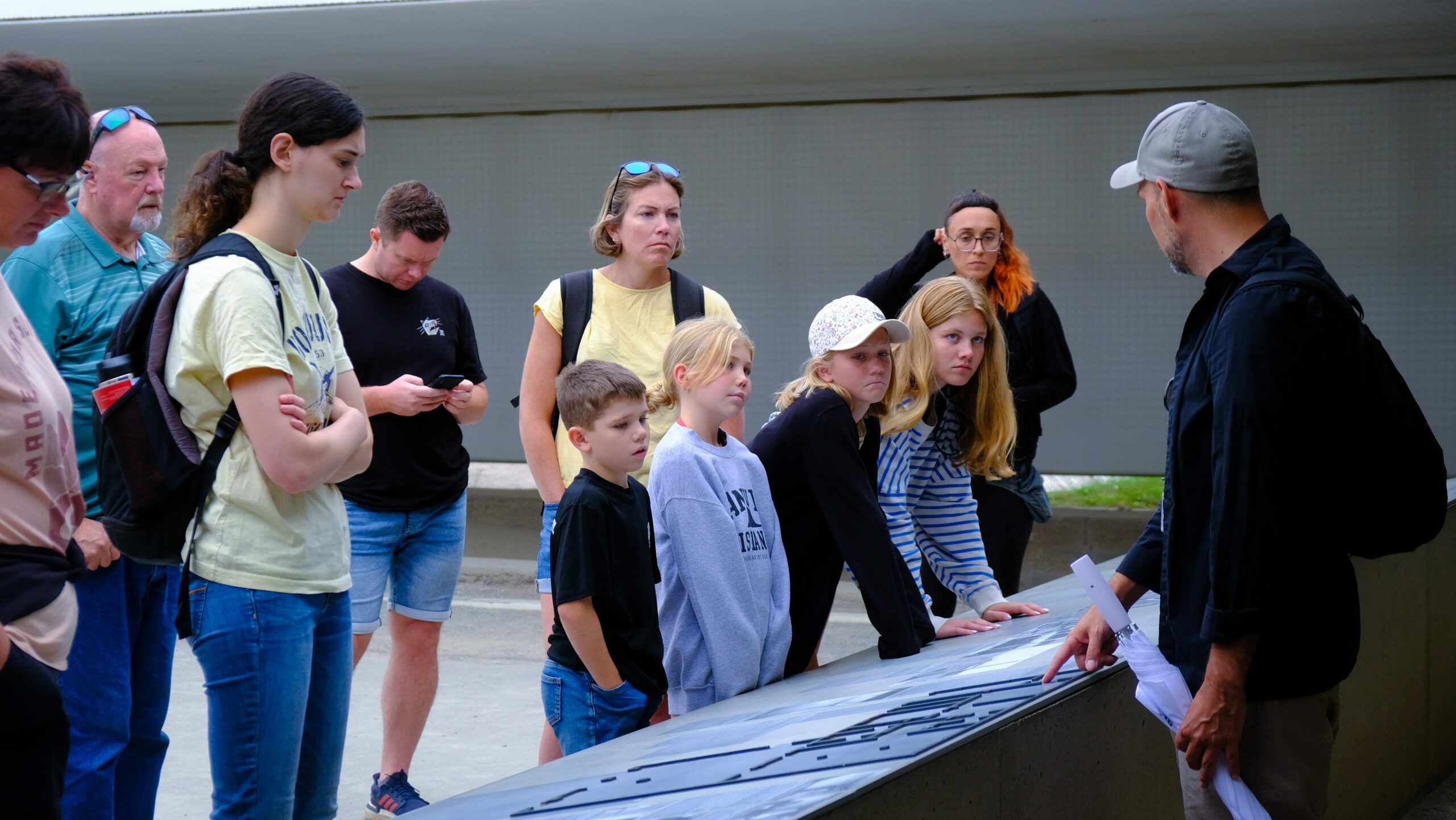
It is recommended that one take guided tours so as to understand more and appreciate the past of Sachsenhausen. Specialists, who accompany tourists, can explain many things, answer questions, and make sure that nothing special is overlooked.
Comfortable Attire
You should wear appropriate footwear where you plan to spend more than several hours of your time in the memorial site area on foot, and also be appropriately dressed for the weather, as you might spend a longer time in the memorial site.
Respectful Behavior
Just as it should be encountered in light of its sombre role as a death camp, please always bear in mind that Sachsenhausen is a place of remembrance. Acknowledge the fact and J refer to the victims/ the site and conduct yourself respectably and soberly.
Explaining the rationale for considering historical background, memorial places, educational prospects, and safety tips on visiting Sachsenhausen, we would reveal realistic notions about the Holocaust, and contribute to the memory of it. It is about time that we work towards making sure that such acts are not perpetrated again and making the world a better place, covering all discriminatory aspects.
FAQs About Sachsenhausen
How long should I spend there?
Plan 3–4 hours for a full visit. Guided tours are usually 2–3 hours.
Is it suitable for children?
Yes, with guidance. It is educational, but the content can be intense.
Can I take photos?
Yes, but always respectfully. Avoid disturbing other visitors.
Are guided tours necessary?
Not required, but highly recommended for a deeper understanding.
Final Thoughts
Why is Sachsenhausen an Important Memorial Site? Sachsenhausen teaches history, honors victims, and promotes empathy. Visiting helps people understand the past, reflect on human rights, and inspire positive change. By remembering the atrocities and learning from them, we can work toward a more compassionate and tolerant world.
Visiting Sachsenhausen is a journey of reflection, education, and emotional connection. Take a guided tour, walk respectfully through the memorial, and carry the lessons with you. Book now the Sachsenhausen Memorial and Museum Tour.