There are several former Nazi German concentration camps you can visit today while in Germany, including Bergen Belsen, Neugamme, Sachsenhausen, Ravensbrück, Dachau, Flossenbürg, and Buchenwald.
Nazi Camp Origins
Starting in March of 1933 Hitler’s regime established concentration camps to hold Jewish, Roma, and other groups of people that it regarded as undesirables.
Living conditions in these camps were generally terrible, prisoners in these camps suffered from overcrowding, poor hygiene, and lack of decent food and were therefore susceptible to die from disease, exposore, malnutrition and violence.
Through a network of concentration camps, the National Socialists could exercise power over persecuted individuals lives. In the begginning the camps held early opponents of the regime, mostly communists, members of labor unions, and socialists, but later many groups were sent to camps including Jews, Sinti and Roma, Jehova’s Witnesses, Homosexuals, Free Masons, and anyone considered “work shy,“ or “Asocial.“
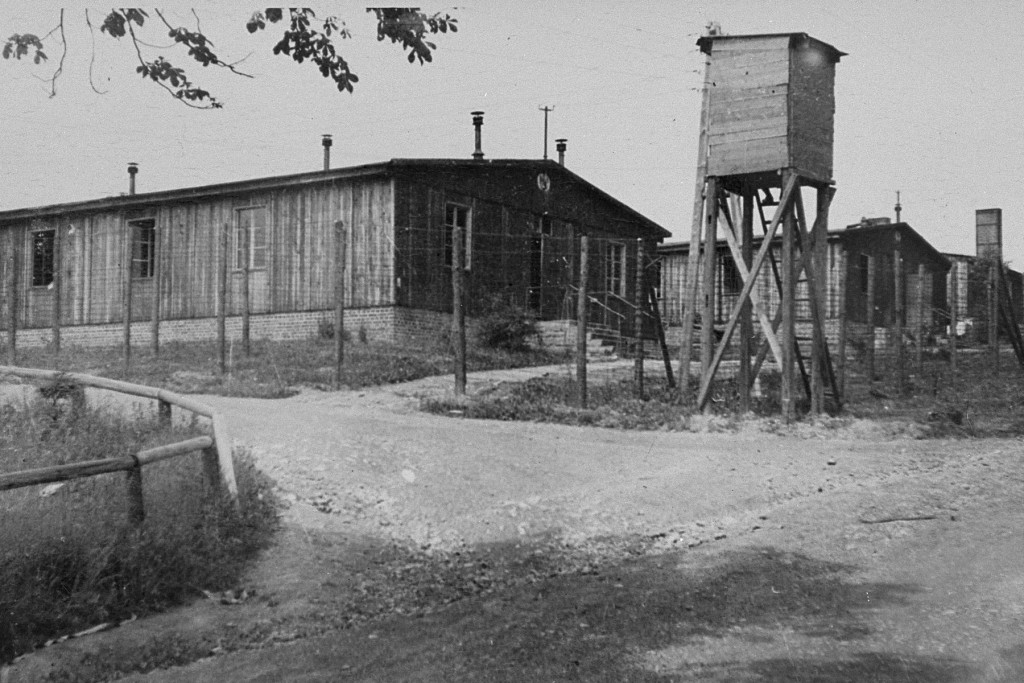
Bergen – Belsen
Bergen – Belsen was an extension of a war camp for prisoners and was later transformed into a death camp. In the initial stages it acted as transit camp for Prisoners of War, who were then transferred to other concentrations camps. But soon the camp started taking Jews and other persecuted prisoners from other nations as well. over 120,000 prisoners were marched through the camps gates and at least 40,000 prisoners perished there, including Anne Frank and her sister Margot. The camp can be visited today and it is situated about 75 kilometers north of Hannover, Germany.
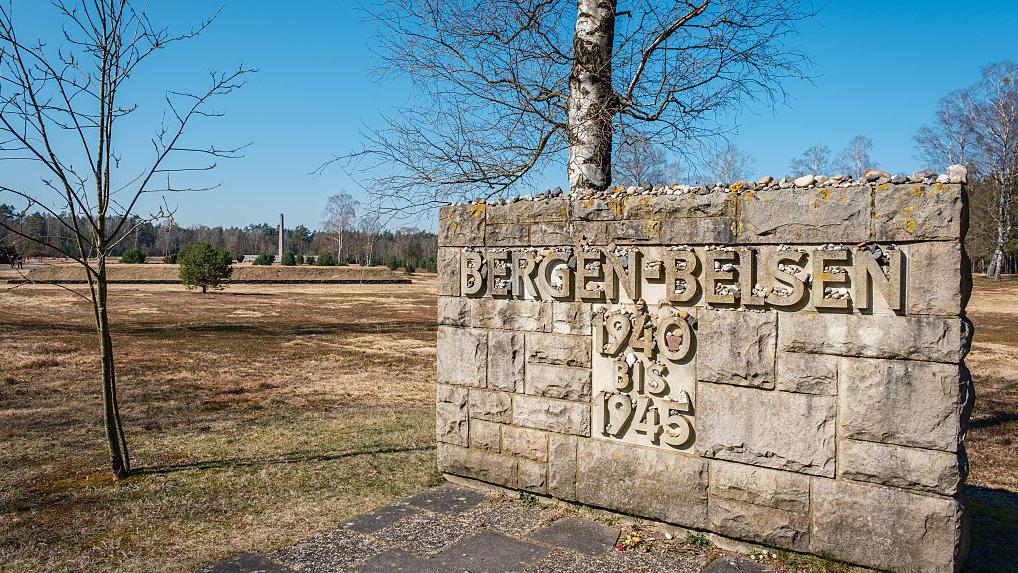
Buchenwald Concentration Camp
Buchenwald Concentration Camp is situated near Weimar, Germany. The camp opened in 1938 and was in operation until 1945. Over 200,000 prisoners were marched through the camps main gate, of which over 45,000 were killed there. The camp can be visited from Tuesday through Sunday 10:00 to 18:00. The memorial today offers tours for groups of 15 or more, several times a day, or you can pay 5€ to take an audio tour using one of their listening devices, or upload a buchenwald memorial app and explore the camp using your phone.
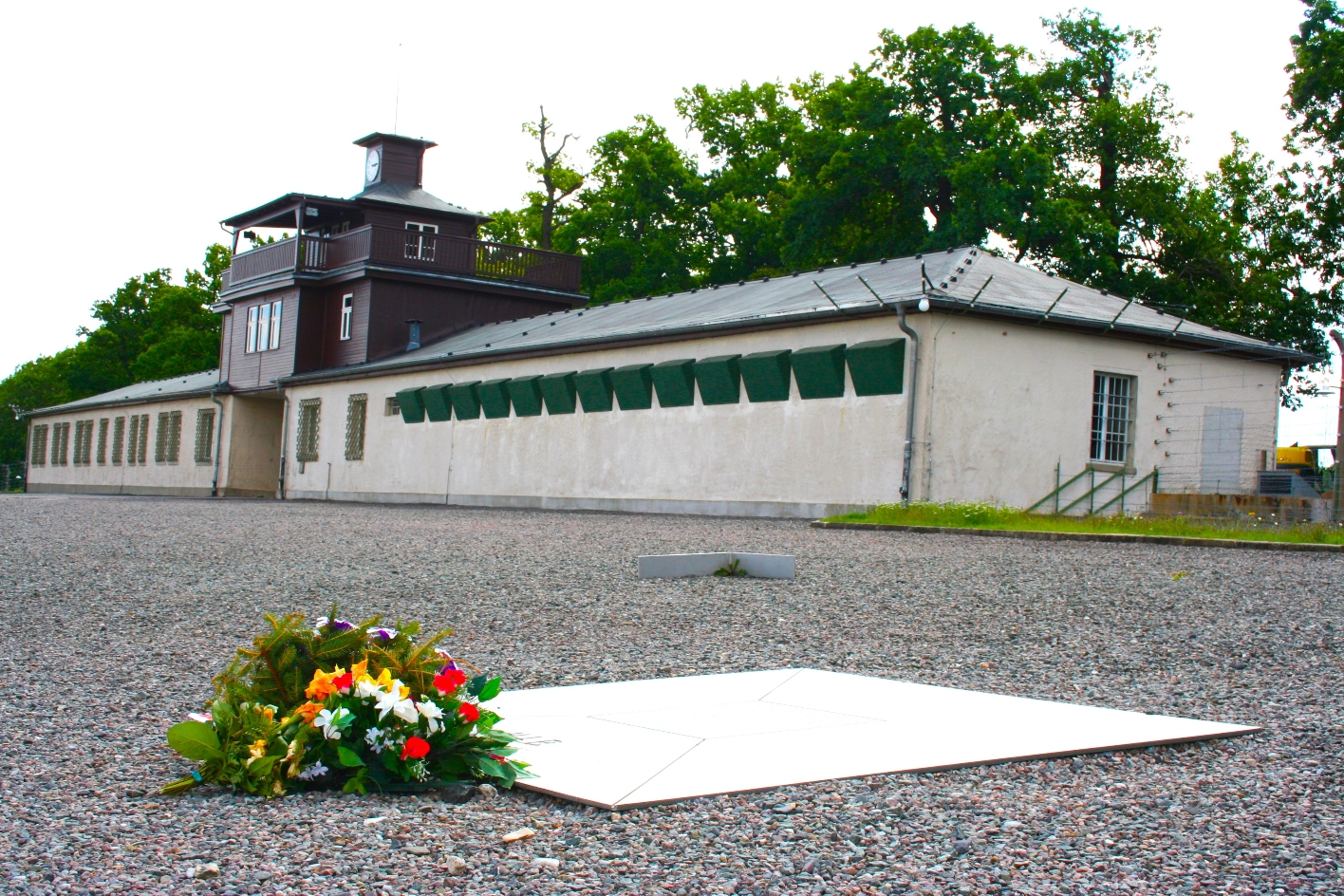
Dachau Concentration Camp
Dachau first opened on the 22nd of March 1933. It is estimated about 200,000 prisoners were marched through its gates, and at least 30,000 were killed at the camp.
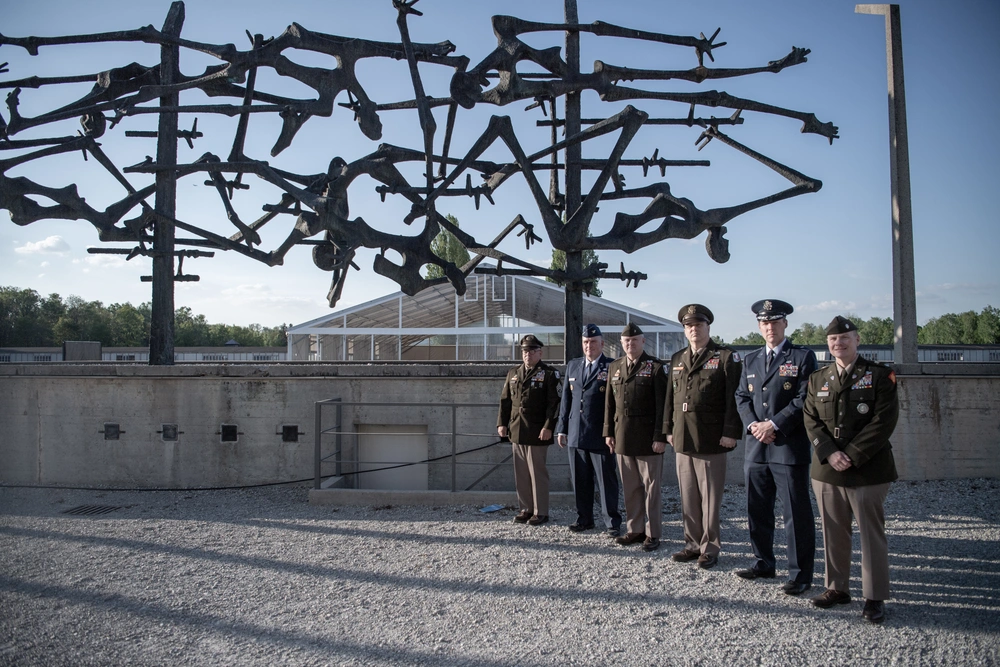
Today, tourists visit Dachau concentration camp daily and can take an audio tour, and learn more information about the camp’s history. The camp is ca. 30 minutes drive northwest of Munich. The camp can also be reached by public transport.
Flossenbürg Concentration Camp
In Bavaria near the Czechia border. The camp first opened in May 1938 and was in operation until April 1945.
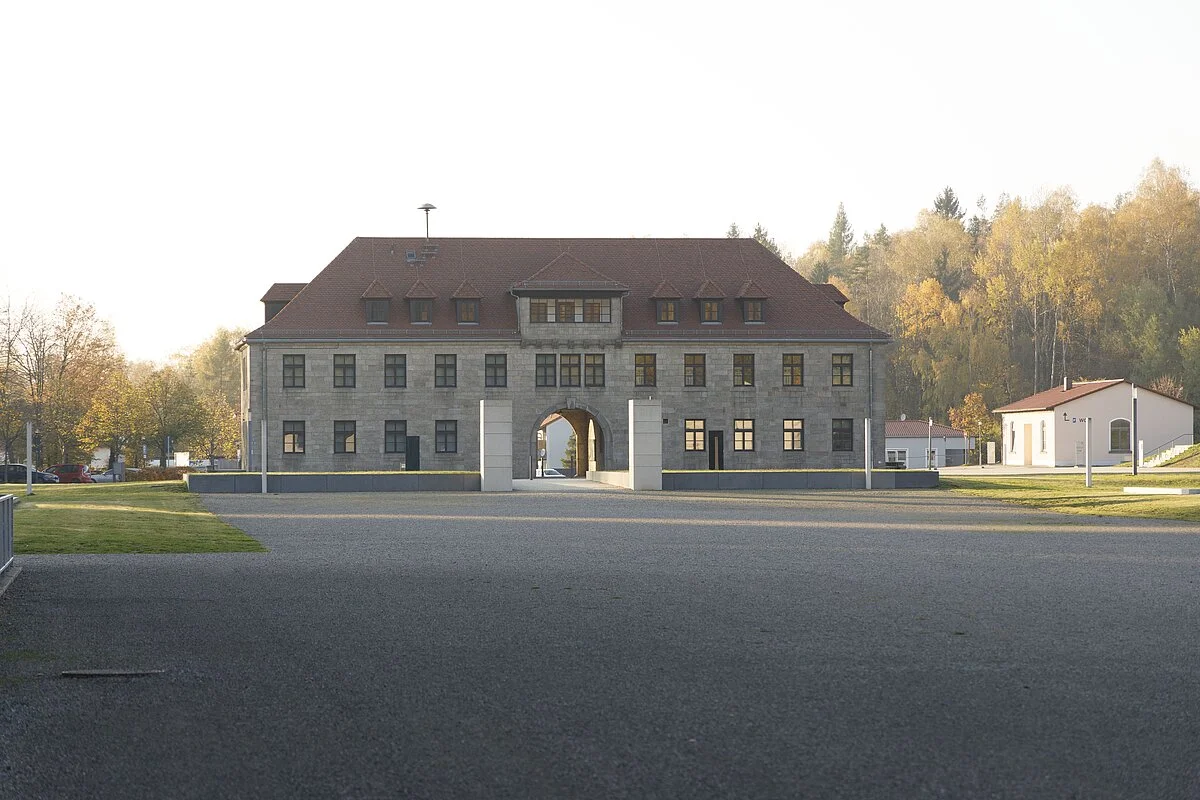
Around 80,000 prisoners marched through its gates and as many as 30,000 were killed there. Prisoners were used as slave laborers for the benefit of many companies and organizations including Messerschmitt and the SS owned and operated company German Earth and Stone Works/ Deutsche Erd und Steinwerke GmbH. Around 80,000 prisoners marched through its gates and as many as 30,000 were killed there.
Mittelbau – Dora
Mittelbau – Dora was a former concentration camp near Thuringia, Germany. It first opened in 1943 originally as a satellite camp of Buchenwald Concentration Camp. After the British bombed the German missile developement facility at Peenemünde (known for the infamous V-2 rocket) in 1943, bomb production needed to be moved elsewhere, and so weapon manufacturing machinery and personnel were transferred to Mittelbau – Dora. By 1944 Mittelbau had grown in prisoner population, and in importance, and so it was promoted to Main Camp status. Around 60,000 prisoners were sent to the camp and about 20,000 lost their lives there from exposure, fatigue, sickness, malnutrition, and violence.
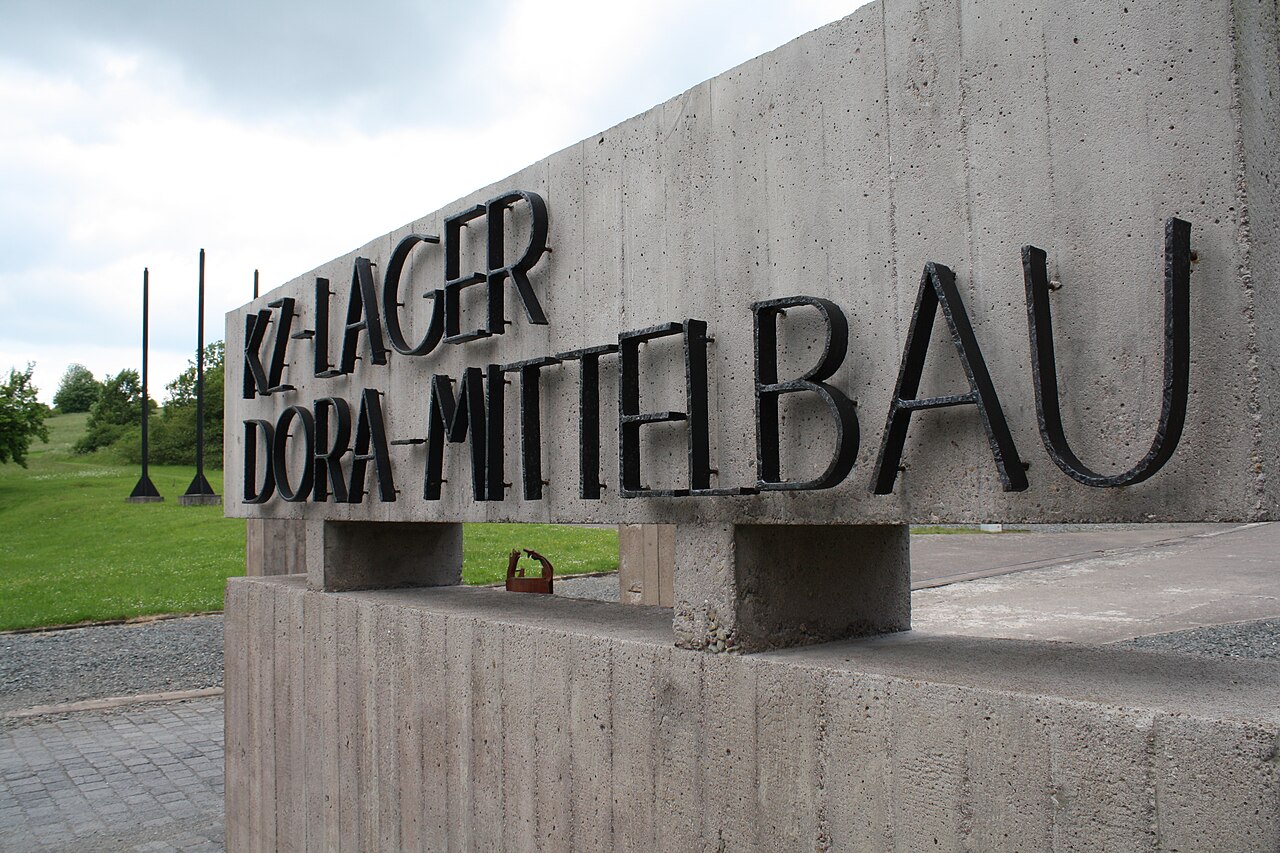
Today the camp is open to visitors. Visiting hours are from:
- Tuesday – Sunday 10:00 – 18:00 (March – October)
- Tuesday – Sunday 10:00 – 16:00 (November – February)
Neuegamme Concentration Camp
In 1938 Neuegamme was originally opened as a satellite camp of Sachsenhausen Concentration Camp. In 1940 the camp was transformed from satellite to a main concentration camp. Over 40,000 people were killed at the Neugamme Concentration Camp and at the satellite camps affiliated to it. The memorial is situated 26 kilometers southeast of Hamburg. The memorial offers guided tours today. There are also several exhibits throughout the camp and information is well documented if you choose to just explore the camp on your own.
Ravensbrück Concentration Camp
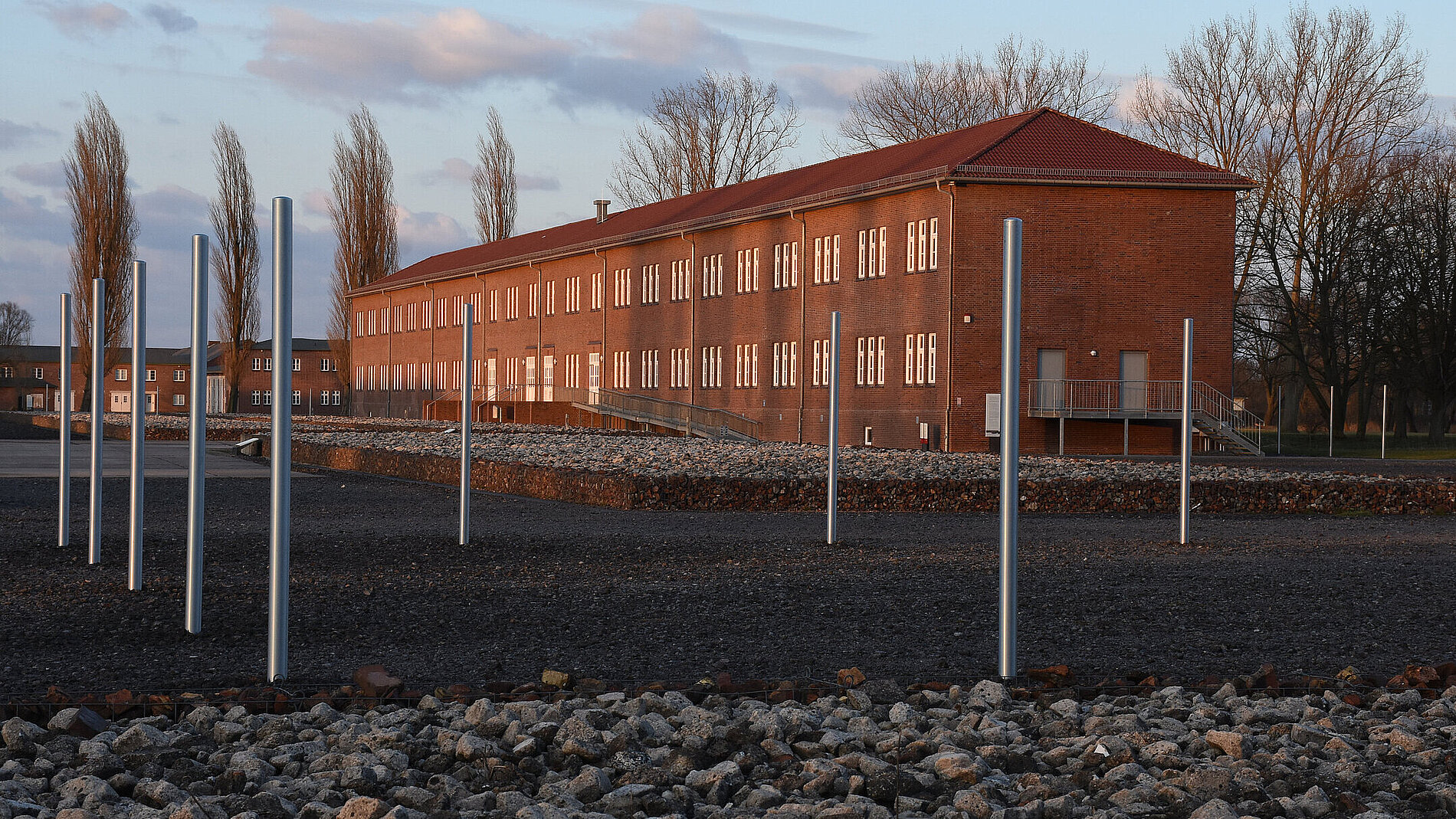
Ravensbrück Concentration Camp is about 80 kilometers north of Berlin in a town called Fürstenberg. The camp first opened in May of 1939. It was the only specifically female concentration camp in the nazi system. There was a small male section to the north of the main camp, and a small youth section to west of the main camp as well. Visitors today may learn that over 800 babies were born at the concentration camp, and starting in 1942, women from the camp were being used in brothels in 10 other concentration camps. Ravensbrück was liberated by the Soviet Army on April 30th, 1945. At least 40,000 women were killed at Ravensbrück. Guests today can pay to take a self guided tour scanning QR codes with your smart phone.
Sachsenhausen Concentration Camp
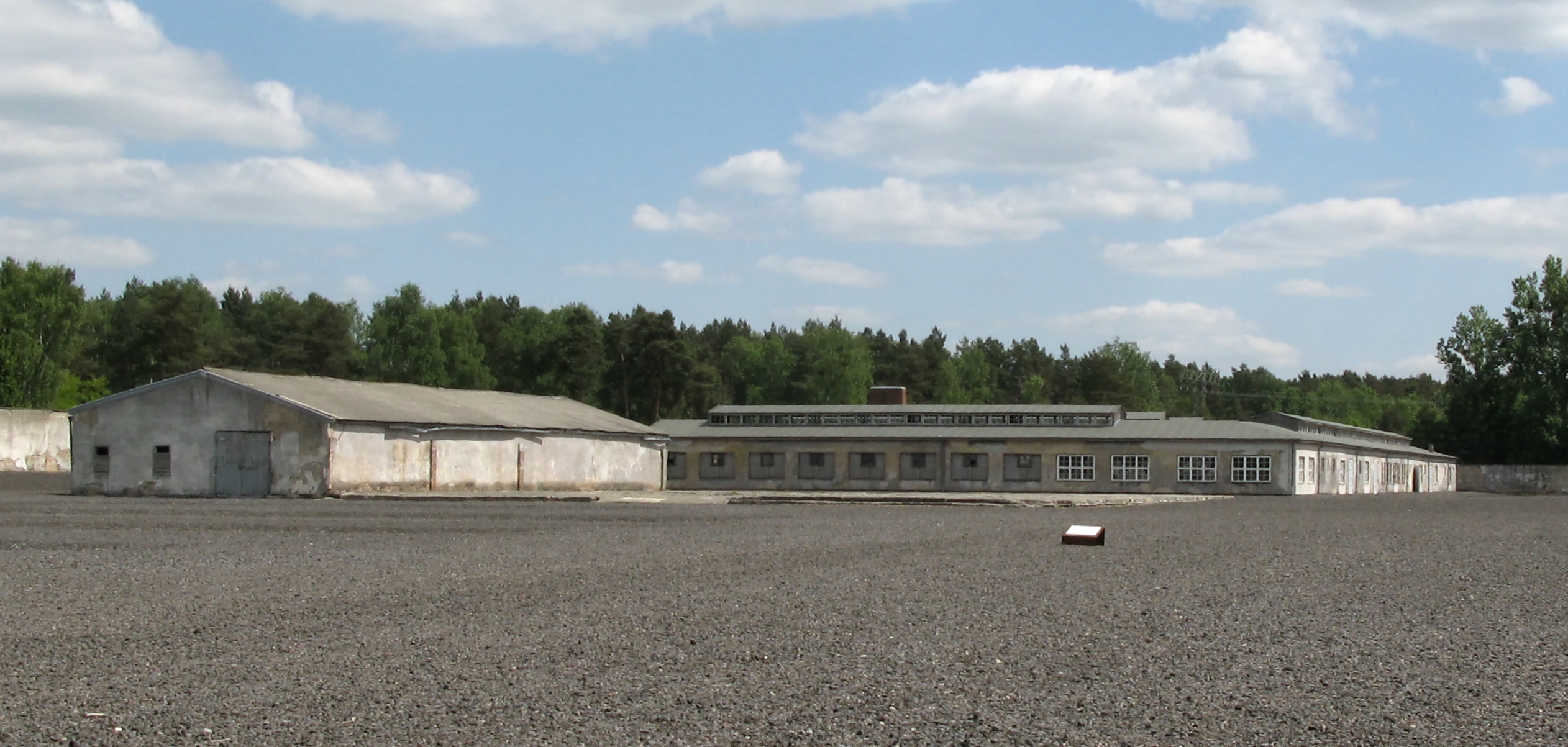
Situated 25 kilometers north of Berlin (the capital of Nazi Germany) Sachsenhausen was a very important camp. The I.C.C./Inspectorate of Concentration Camps building just outside the main camp was the head administrative building responsible for up to 32 main camps and about 1,000 satellite camps. Many decisions regarding prisoners daily lives were decided here, e.g. “how many calories to feed them“, and how some would be “exterminated through work.“ The Zyklon – B (prussic acid, used in gas chambers) was ordered from here. The I.B.M. subsidiary Dehomag Hollerith Punch Card machine was situated here. The machine helped greatly expedite access to information, like census records and other prisoner personal data. Also read What Was the Significance of Sachsenhausen Concentration Camp?
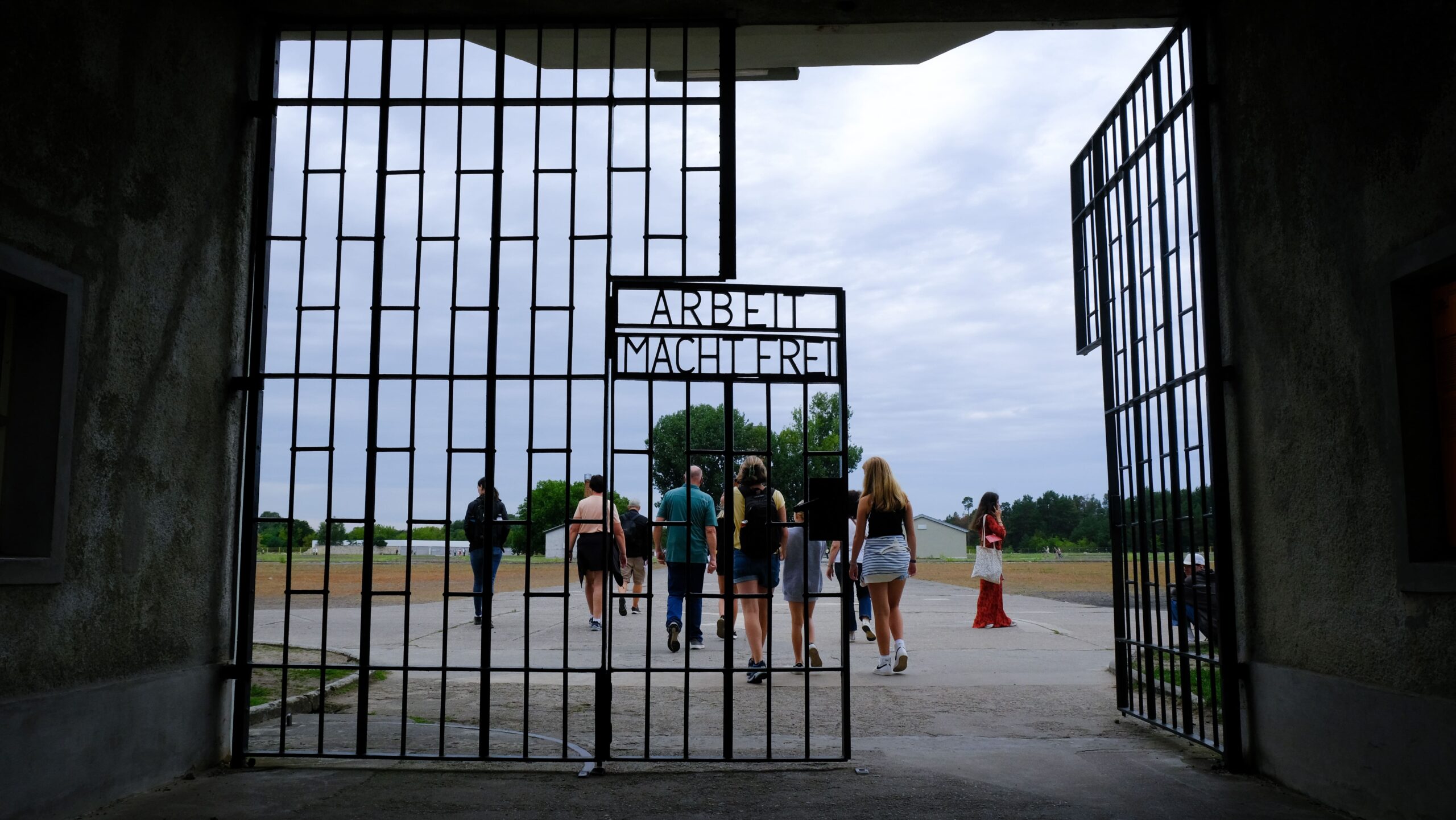
Sachsenhausen was in operation from July 1936 until the camp was liberated in April of 1945. Around 200,000 prisoners were marched through its gates and at least 30,000 were killed there. Shortly after the camp was liberated it was used by the N.K.V.D. (Soviet Secret Police) from August 1945 until January 1950, in that period another estimated 60,000 prisoners were marched through its gates and an estimated 12,000 perished there as a result of sickness, malnutrition, exposure and violence. There is also a 30 minute long movie about the camps history inside the former camp kitchen. There is also a library at the camp, but it is by appointment only.
Guests today can pay to follow a guided tour, or pay to take an audio guide at the memorial for 3.50€. The camp is open to visitors daily from 8:30 – 17:00.
Preparing Your Trip To A Concentration Camp
If you wish to visit a former camp memorial, It is important to remember that many people suffered and even lost their lives at the site, so it is important to try to behave in a respectful manner and try to follow the camps rules. If you see signs that say, “no photography permitted“ or designated areas that are closed off to pedestrians, please try to respect them. You should understand that these memorials are not suitable for small children, and some camps do set age limits. Also note that memorials close on public holidays.
Must read Falkensee Concentration Camp: History, Prisoners, Forced Labor & Memorial Site
Conclusion
A visit to one of these former concentration camps is an important opportunity to learn more about the past, but also as a warning, or reminder, so that we do not make the same mistakes ever again. So that those evils are never repeated against anyone.
Do you know “What Was the Concentration Camp at Potsdam“?
FAQ’s
What is the difference between a concentration camp and an extermination camp?
Concentration camps were detention centers set up by the Nazi regime to imprison political opponents, so called “undesirables,” and persecuted minorities. Prisoners often faced forced labor, starvation, violence, disease, and extremely harsh conditions. Extermination camps, also called death camps, were built specifically for mass murder, especially during the Holocaust. Later, some camps served both as labor camps and as sites of systematic killing.
The Dachau memorial, just outside Munich, is likely the most visited concentration camp site in Germany. Dachau Concentration Camp Memorial, near Munich, is among the most visited sites in Germany because of its history and easy access. Other popular memorials include Sachsenhausen, Buchenwald, and Bergen Belsen.
Are there concentration camps in Germany that you can visit?
Yes. Many former concentration camps in Germany are now memorial and educational sites. Visitors can see museums, exhibitions, memorial grounds, historical archives, and preserved camp buildings. Most memorials focus on education, remembrance, and raising historical awareness.
Are there any entrance fees for visiting concentration camp memorials?
Most concentration camp memorials in Germany offer free entry to the grounds and museums. However, there may be fees for audio guides, guided tours, special exhibitions, or parking at some sites. It is possible to visit concentration camps without a guided tour.
Yes. Most memorials are self guided and provide maps, information panels, exhibitions, and audio guides in several languages. Guided tours can offer more historical context and are often recommended for first time visitors.
How long should you spend at a concentration camp memorial?
A typical visit takes 2 to 5 hours, depending on the size of the memorial and the exhibits. Larger sites like Sachsenhausen or Dachau may require most of a day to see the museum exhibitions and memorial areas.
Are concentration camps good for children?
Many memorials warn that the content may not be suitable for very young children due to its graphic and emotional nature. Parents should check each memorial’s recommendations before visiting. Older teens and students often visit as part of educational programs
What should I wear when visiting a concentration camp memorial?
There is no official dress code, but respectful clothing is strongly recommended. Visitors should remember these are places of remembrance for those who suffered and died. Comfortable shoes are also advised, as many memorial grounds are large and involve a lot of walking.
Are you allowed to take pictures at concentration camp memorials?
Photography is allowed in many outdoor areas, but some museums, exhibitions, archives, or memorial rooms may not permit it. Visitors should always follow posted signs and respect restricted areas.
Where is the nearest concentration camp to Berlin?
Sachsenhausen Concentration Camp Memorial is about 35 kilometers north of Berlin and is one of the easiest camps to reach from the city by train or guided tour.
What is the nearest concentration camp to Munich?
The Dachau Concentration Camp Memorial is just outside Munich and can be reached in less than an hour by public transportation from the city center.
What is the meaning of concentration camp memorials today?
The memorials preserve the history of Nazi crimes, honor the victims, and educate future generations about the dangers of hatred, racism, antisemitism, dictatorship, and extremism. These places help ensure we never forget what happened during the Holocaust and World War II.
Are there guided tours in English?
Yes. Most major memorials in Germany offer English speaking guides, printed information, audio guides, and sometimes a mobile app for international visitors.
When is the best time of year to visit concentration camp memorials in Germany?
Concentration camp memorials are open all year. The best times to visit are usually spring and fall, when the weather is milder, and crowds are smaller. Winter visits can be especially moving, as the cold conveys the harsh conditions prisoners faced.
Can I visit more than one concentration camp on one trip?
Yes. Many Yes. Many tourists include memorials in Berlin, Munich, Hamburg, or central Germany as part of their historical trips. For example:ea: Sachsenhausen and Ravensbrück, Munich area: Dachau and Flossenbürg, Central Germany, Buchenwald and Mittelbau Dora
Are the concentration camp memorials accessible by public transport?
Most major memorials can be reached by train, bus, or regional public transportation from nearby cities. Dachau, Sachsenhausen, and Buchenwald are especially popular for day trips.
What emotional experience should visitors expect when they come?
Many visitors find concentration camp memorials to be deeply emotional and thought-provoking. Exhibits often feature survivor testimonies, photographs, preserved buildings, and victims’ personal belongings. Visitors should prepare for a serious and reflective experience.
Why did the Nazis construct the concentration camps?
The Nazi regime set up concentration camps to imprison political opponents and groups targeted for persecution because of their race, religion, ethnicity, disability, sexuality, or social status. Over time, the camp system expanded into a vast network of forced labor, terror, imprisonment, and mass murder across Europe.
In the former concentration camps, are there memorial ceremonies?
Yes. Many memorials hold annual remembrance events, Holocaust memorial ceremonies, educational programs, and exhibitions, especially around Holocaust Remembrance Day and liberation anniversaries.
Visitors to a concentration camp memorial can expect to learn several important things.
They will learn about the Holocaust, World War II history, Nazi ideology, human rights abuses, resistance movements, survivor stories, and the importance of protecting democracy and human dignity today with Berlin concentration camp experience.
Concentration Camps in Germany: Which Memorial Sites Can You Visit Near Berlin?
Berlin is a city where history is impossible to ignore. From the remains of the Berlin Wall to museums dedicated to World War II, nearly every neighborhood tells part of Germany’s complex past. Among the most significant historical sites are the former concentration camps that now serve as memorials and educational centers. Visiting these places is not about sightseeing in the traditional sense. Instead, it is an opportunity to understand one of history’s darkest chapters, reflect on the lives that were lost, and learn why remembrance remains so important.
If you’re researching concentration camps in Germany while planning a trip to Berlin, you’ll find several memorial sites within easy reach of the city. Some are ideal for a day trip, while others require more travel but offer equally meaningful experiences. Many travelers also recommend setting aside enough time to absorb the exhibits rather than rushing through them, as these memorials are emotionally demanding yet deeply educational.
If you want to dive deeper into Berlin history in person, check out our detailed Sachsenhausen Tour for an expert led memorial experience or explore our Berlin Private Group Walking Tours.

Whether you’re passionate about history or want a better understanding of the Holocaust and Nazi persecution, this guide explains which sites are worth visiting, what you’ll see there, and how to prepare for a respectful visit. If you’re planning your itinerary with Original Berlin Tours, adding one of these memorials alongside Berlin’s historical landmarks can provide valuable context about Germany’s twentieth-century history.
Why Visit Former Concentration Camps in Germany?
Former concentration camps are preserved as places of remembrance rather than tourist attractions. Museums, exhibitions, reconstructed buildings, survivor testimonies, and original artifacts help visitors understand how the Nazi regime imprisoned and persecuted millions of people.
A visit offers much more than historical facts. It encourages reflection on topics such as:
- Human rights and democracy
- The consequences of dictatorship
- Anti-Semitism and political persecution
- The importance of preserving historical memory
Many travelers who have visited these memorials note that photographs and documentaries cannot fully convey the atmosphere of standing at the sites where these events occurred. Walking through the original grounds often leaves a lasting impression that books alone cannot provide.
Sachsenhausen Memorial and Museum
Located in Oranienburg, about 35 kilometers north of central Berlin, Sachsenhausen is one of the most accessible and historically significant concentration camps in Germany for visitors staying in the capital.

Established in 1936, Sachsenhausen became one of the first concentration camps built under direct SS administration. It later served as a model for the design and operation of many other camps throughout Nazi Germany.
Thousands of political prisoners, Jewish people, Jehovah’s Witnesses, Roma and Sinti, homosexuals, resistance members, and prisoners of war were imprisoned here. Tens of thousands lost their lives due to forced labor, disease, starvation, medical experimentation, and execution.
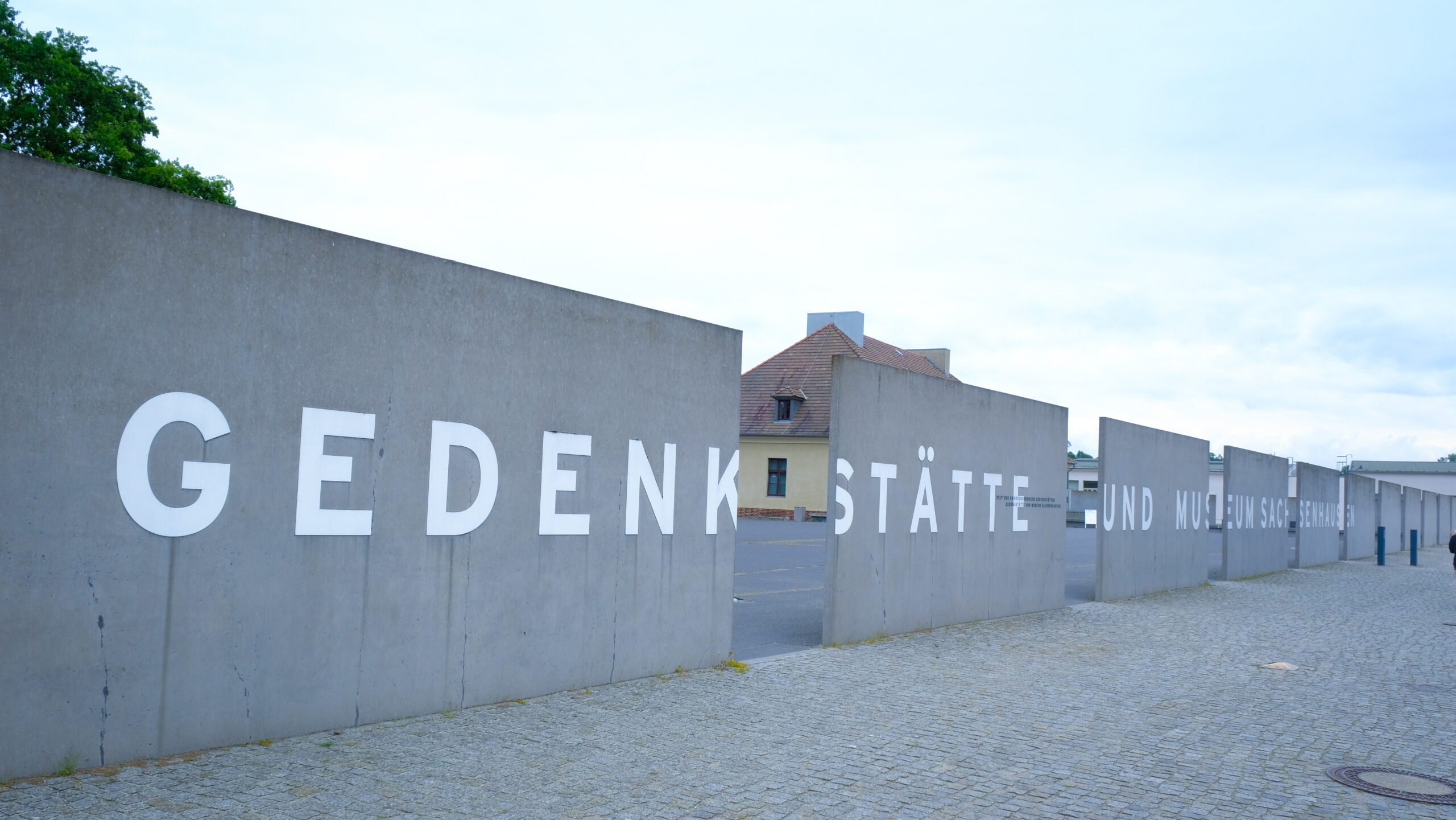
Today, Sachsenhausen has been transformed into a memorial and museum dedicated to education and remembrance.
What Can You See?
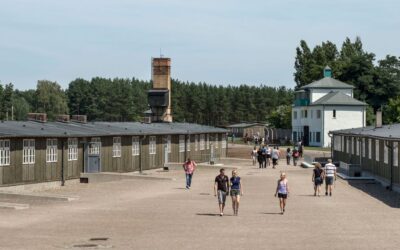
Visitors can spend several hours exploring the extensive grounds, including:
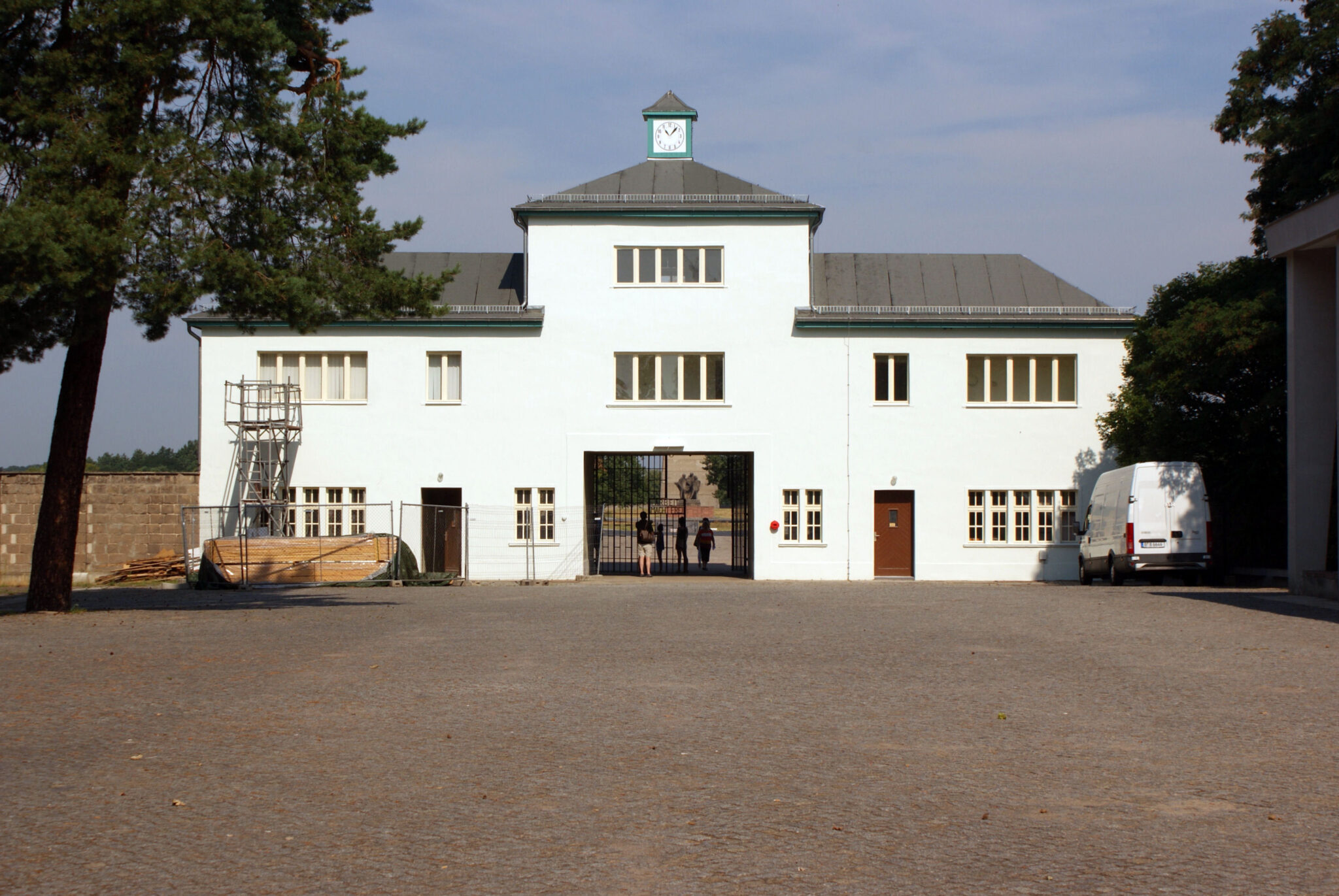
- The former entrance gate featuring the infamous “Arbeit Macht Frei” inscription
- Prison barracks and reconstructed accommodations
- The roll-call square
- Punishment cells
- The camp prison
- Execution facilities
- Medical experiment exhibits
- Permanent museum exhibitions
- Memorials dedicated to different victim groups
Unlike many historical museums, Sachsenhausen preserves large sections of the original site, allowing visitors better to understand the camp’s scale and daily operations.
Should You Take a Guided Tour?
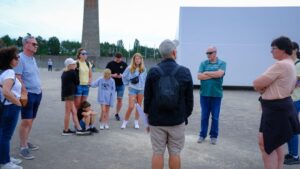
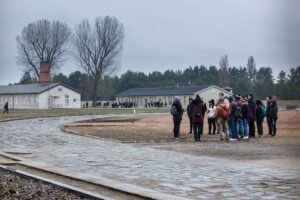
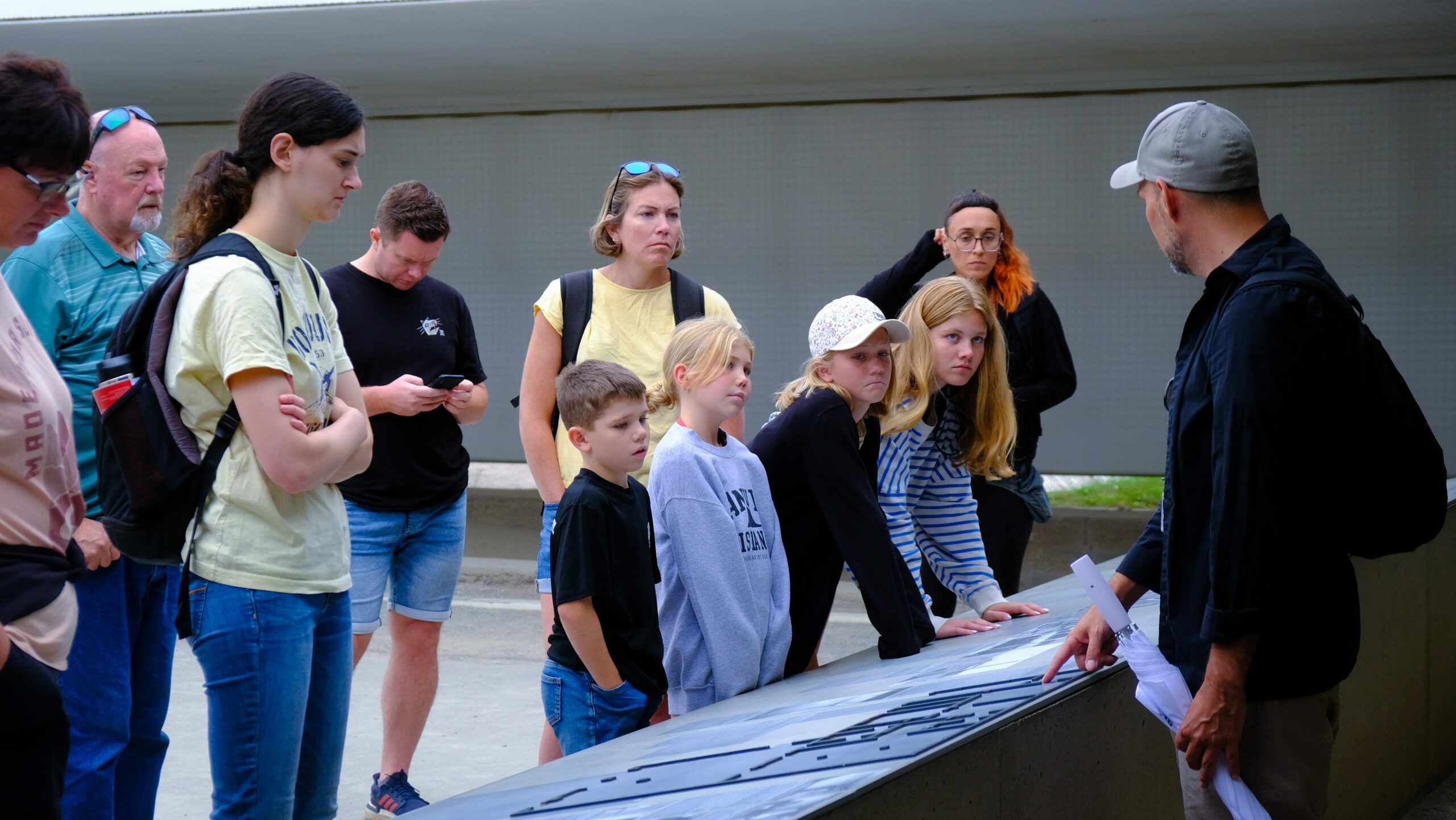
Many experienced travelers recommend joining a guided tour rather than visiting independently. Guides help explain the historical background, the purpose of individual buildings, and the experiences of prisoners, making the visit far more meaningful.
Several travel discussions also mention that without historical context, it’s easy to overlook important details throughout the memorial. A knowledgeable guide connects the physical site with the broader history of Nazi Germany and the Holocaust.
Ravensbrück Memorial
Around 90 kilometers north of Berlin lies Ravensbrück, the largest concentration camp created specifically for women.
Opened in 1939, Ravensbrück imprisoned over 130,000 women and children from dozens of occupied countries. Many were political prisoners, while others were imprisoned because of their ethnicity, religion, nationality, or resistance activities.

Conditions inside the camp were brutal. Forced labor, starvation, violence, and medical experiments caused immense suffering.
Today, Ravensbrück stands as one of Germany’s most important memorials dedicated to women’s experiences during the Holocaust.
Highlights of the Memorial
Visitors can explore:
- Original prison buildings
- Exhibition galleries
- Former camp grounds
- Memorial sculptures
- Lakeside remembrance areas
- Historical documents and photographs
The exhibitions place particular emphasis on individual stories, allowing visitors to understand the experiences of women from many different backgrounds rather than viewing history only through statistics.
Because Ravensbrück receives fewer visitors than Sachsenhausen, many people describe the atmosphere as especially quiet and reflective.
Buchenwald Memorial
Although it is farther from Berlin than Sachsenhausen or Ravensbrück, Buchenwald remains one of the most significant concentration camps in Germany and deserves consideration if you’re traveling across the country.

Located near Weimar, Buchenwald operated between 1937 and 1945 and imprisoned more than a quarter of a million people from across Europe.
The camp held:
- Political prisoners
- Jewish prisoners
- Roma and Sinti
- Soviet prisoners of war
- Homosexual prisoners
- Jehovah’s Witnesses
- Resistance fighters
The memorial today includes extensive museum exhibitions, preserved camp structures, documentation centers, and educational displays explaining how the Nazi concentration camp system expanded during World War II.
Many visitors appreciate that Buchenwald provides detailed historical explanations rather than relying solely on preserved buildings. The exhibits help connect personal stories with the wider events unfolding across Europe during the war.
How Does Sachsenhausen Compare with Dachau?
One common question among travelers planning Holocaust memorial visits is whether Sachsenhausen or Dachau is the better choice.
The answer depends largely on your itinerary.

If you’re staying in Berlin, Sachsenhausen is generally the most practical option. It is easily accessible by public transport and offers a comprehensive understanding of how the Nazi concentration camp system functioned.
Dachau, near Munich, was Germany’s first permanent concentration camp and carries enormous historical importance. However, visiting Dachau usually requires a separate trip to southern Germany.
Travelers who have visited both sites often point out that neither is “better.” Each memorial tells different stories and preserves different aspects of history. Rather than comparing them as attractions, it is more appropriate to consider which location best fits your travel plans while allowing enough time for thoughtful reflection.
One recurring recommendation from experienced visitors is not to combine a concentration camp memorial with a busy sightseeing schedule on the same day. These visits can be emotionally intense, and giving yourself time afterward to process what you’ve learned makes for a more meaningful experience.
Planning Your Visit to a Memorial Site
A visit to one of the concentration camps in Germany is unlike a typical day of sightseeing. These memorials are places of remembrance, education, and reflection, so it’s important to approach them respectfully.
Here are a few practical tips before you go:
Allow Plenty of Time
Many visitors underestimate how large these memorial sites are. Sachsenhausen, for example, has multiple exhibitions, preserved buildings, memorials, and outdoor areas. Plan to spend at least 3 to 5 hours if you want to understand the site’s history rather than just walk through it.
Dress Appropriately
These memorials are not tourist attractions. Comfortable clothing and practical footwear are recommended, but visitors should also dress respectfully, keeping in mind the significance of the location.
Consider an Audio Guide or Guided Tour
Whether you’re a history enthusiast or visiting for the first time, a guided experience provides valuable historical context. Memorial exhibitions include detailed information, but guides often explain the chronology of events, prisoner experiences, and the broader history of Nazi persecution in ways that are easier to follow.
If you’re already joining a historical city itinerary with Original Berlin Tours, pairing it with a guided visit to Sachsenhausen can provide a deeper understanding of Berlin’s wartime history.
What Makes Sachsenhausen the Best Choice Near Berlin?
While Germany has several important memorial sites, Sachsenhausen is often the first recommendation for visitors staying in Berlin.
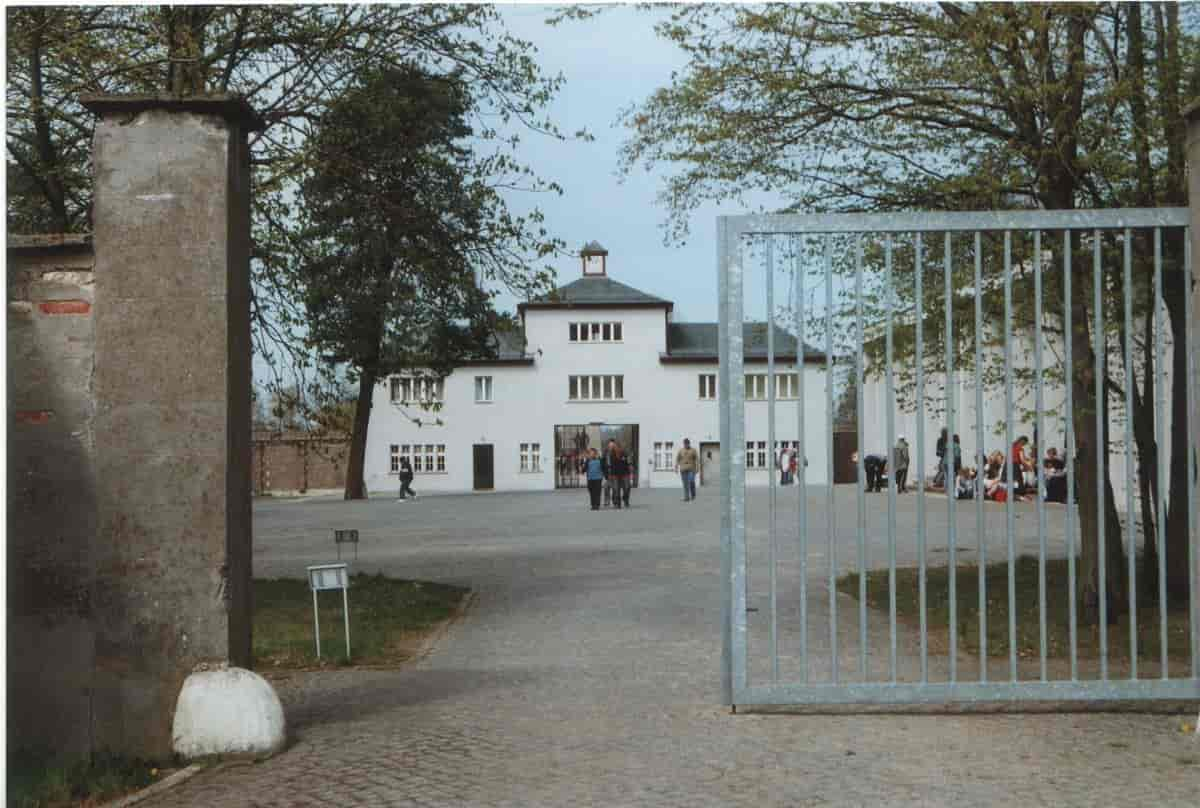
Some reasons include:
- Convenient public transport from central Berlin
- Extensive museum exhibitions
- Preserved historical structures
- Educational programs in multiple languages
- Comprehensive coverage of the Nazi camp system
- Accessibility for half-day or full-day visits
Many experienced travelers also mention that Sachsenhausen feels less rushed than some of Europe’s busiest memorial sites, allowing visitors to spend more time reading exhibits and reflecting on what they have learned.
Its proximity to Berlin also makes it an excellent option for travelers with limited time who still want to gain a meaningful understanding of Holocaust history.
Other Holocaust Memorial Sites Worth Knowing About

Although this guide focuses on locations accessible from Berlin, several other memorials across Germany are historically significant.
Dachau Memorial Site
Located near Munich, Dachau was established in 1933 as the first regular concentration camp operated by the Nazi regime. It later became a model for many subsequent camps.
Bergen-Belsen Memorial
Known as the place where Anne Frank and Margot Frank died, Bergen-Belsen serves as an important memorial dedicated to the victims who suffered from starvation, disease, and inhumane conditions during the final months of the war.
Neuengamme Memorial
Near Hamburg, Neuengamme documents the history of forced labor and the thousands of prisoners imprisoned there during World War II.
Each memorial offers a different historical perspective, making them valuable destinations for travelers interested in learning more about the Holocaust and Nazi Germany.
Why These Memorials Continue to Matter
Visiting former concentration camps is about remembering the victims and understanding how prejudice, propaganda, and authoritarian rule can lead to unimaginable consequences.
The museums and memorials preserve survivor testimonies, historical documents, photographs, and personal belongings that help future generations understand what happened. They also encourage visitors to think critically about human rights, tolerance, and the importance of democratic values.
Many travelers describe these visits as among the most impactful experiences of their time in Germany—not because they are enjoyable, but because they leave a lasting understanding of history that cannot be gained from textbooks alone.

Frequently Asked Questions
1. Which concentration camp is closest to Berlin?
Sachsenhausen Memorial in Oranienburg is the closest major former concentration camp to Berlin. It can be reached by public transportation in around an hour, making it the most convenient option for day trips.
2. Can you visit concentration camps in Germany for free?
Yes. Most concentration camp memorials in Germany, including Sachsenhausen and Ravensbrück, offer free admission. Some guided tours, audio guides, or special exhibitions may require a fee.
3. Is Sachsenhausen worth visiting?
Yes. Sachsenhausen is considered one of the most important historical memorials near Berlin because of its preserved buildings, extensive museum exhibitions, and educational programs that explain the Nazi concentration camp system.
4. Should I visit Sachsenhausen or Dachau?
If you’re visiting Berlin, Sachsenhausen is the more practical choice. If your trip includes Munich, Dachau is equally significant. Both memorials provide different historical perspectives and are valuable educational experiences.
5. How much time should I spend at Sachsenhausen?
Most visitors spend between three and five hours exploring the memorial, depending on whether they join a guided tour or visit independently.
6. Are guided tours recommended?
Yes. Guided tours provide historical context that helps visitors better understand the site’s layout, prisoner experiences, and the broader history of Nazi Germany.
7. Is visiting suitable for children?
The memorials contain disturbing historical content. Families should consider the child’s age and maturity before visiting, as many exhibitions include graphic photographs and difficult subject matter.
Conclusion
Visiting concentration camps in Germany is a profoundly moving experience that offers far more than historical knowledge. Memorials such as Sachsenhausen, Ravensbrück, and Buchenwald preserve the stories of those who suffered under Nazi persecution while reminding future generations of the importance of defending human rights and confronting intolerance.
Want to learn more? Read: The Complete Guide to Free Berlin Walking Tours & Sightseeing
For travelers staying in Berlin, Sachsenhausen is the most accessible and comprehensive memorial, making it an essential stop for anyone seeking a deeper understanding of World War II and the Holocaust. Combined with Berlin’s museums, memorials, and historical landmarks, it provides valuable context for one of the most significant periods in modern history.

If you’re planning a history-focused itinerary, Original Berlin Tours can help you experience Berlin’s historical landmarks while providing the background needed to better understand the city’s past before or after visiting one of these important memorial sites.
If you want to dive deeper into Berlin history in person, check out our detailed Sachsenhausen Tour for an expert led memorial experience or explore our Berlin Private Group Walking Tours.