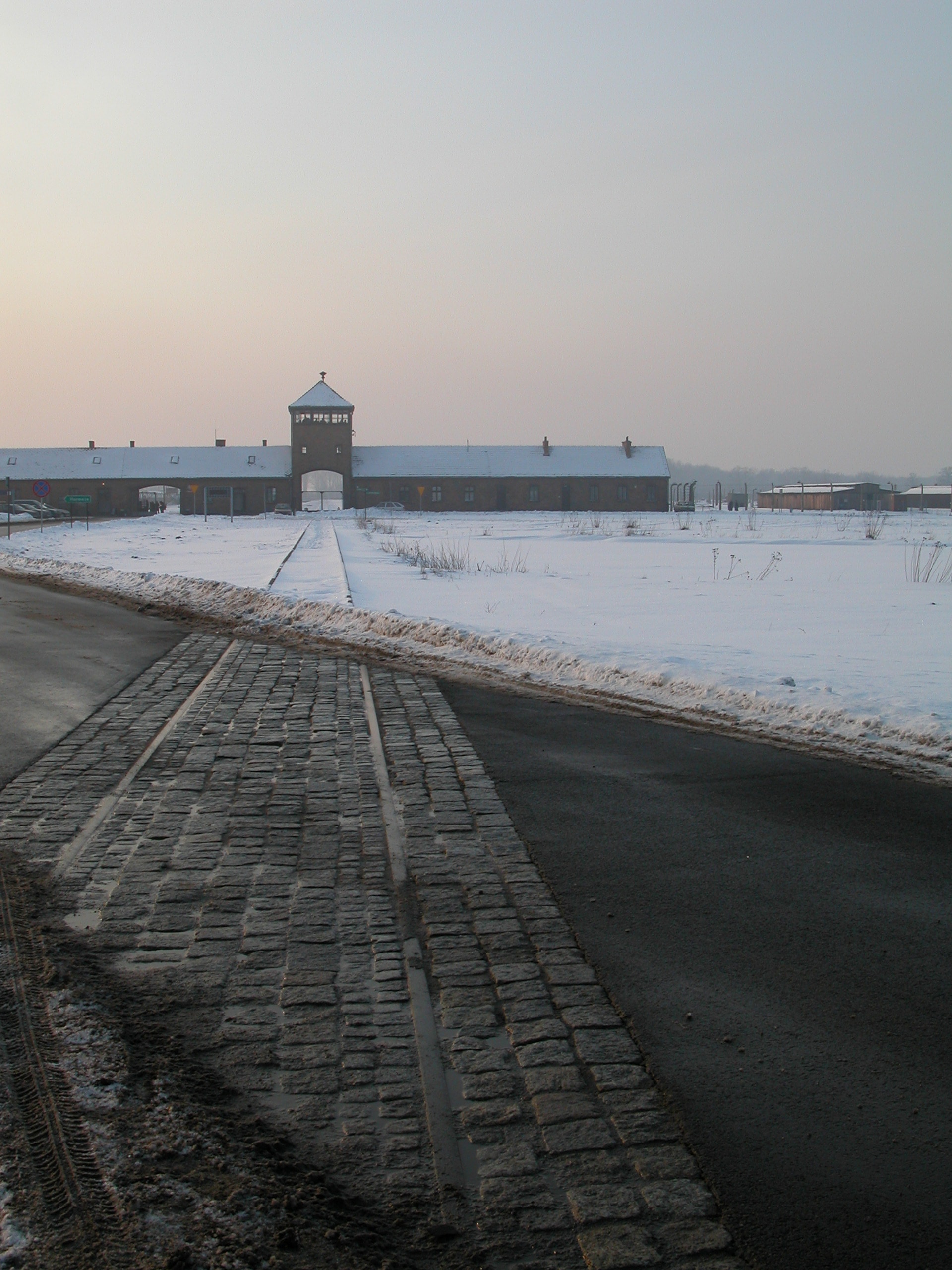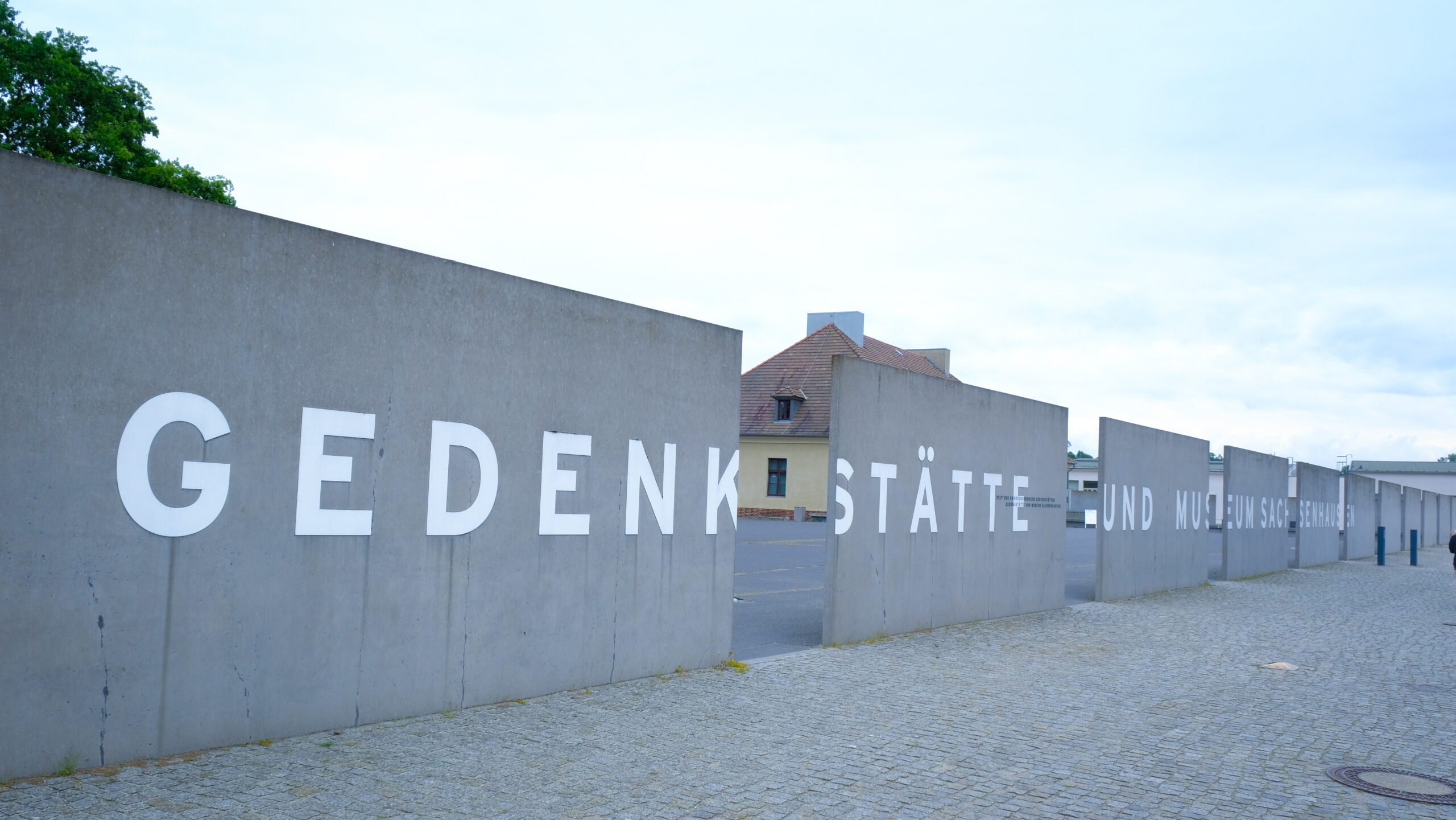
Concentration camps are one of the most painful images of one of the most terrible tragedies in mankind history. These were places for purposeful suffering of targeted people, who were systematically oppressed and exterminated. They were particularly based in several cities in Germany, including Berlin, the country’s capital. Concentration camps are among the horrible inventions the world ever witnessed due to the crimes they presented, their evolution in Berlin and their background will be explained in this article.
Origins of Concentration Camps in Berlin
However, in order to take a look at the history of concentration camps in Berlin, it is necessary to know where they came from. The concentration camps, or rather some of them, was set up by the German authorities at the beginning of the 1930s, a year or two after Hitler and the Nazi party came to power. Then, their main aim was to imprisonment and control activists and the members of opposition parties.
However as the power of Nazi Germany increased the size and malice of such camp stepped up in measure tenfold. They turned into concentration camp, centers for torture, forced labor, as well as centers for genocide. Countless numbers of inhabitants, Jews, the politically dissident, those of the intelligentsia, the Roma, homosexuals, those with minoritized sexual orientations, and the disabled all suffered at the hands of the Nazi purges.
Major Concentration Camps Around Berlin
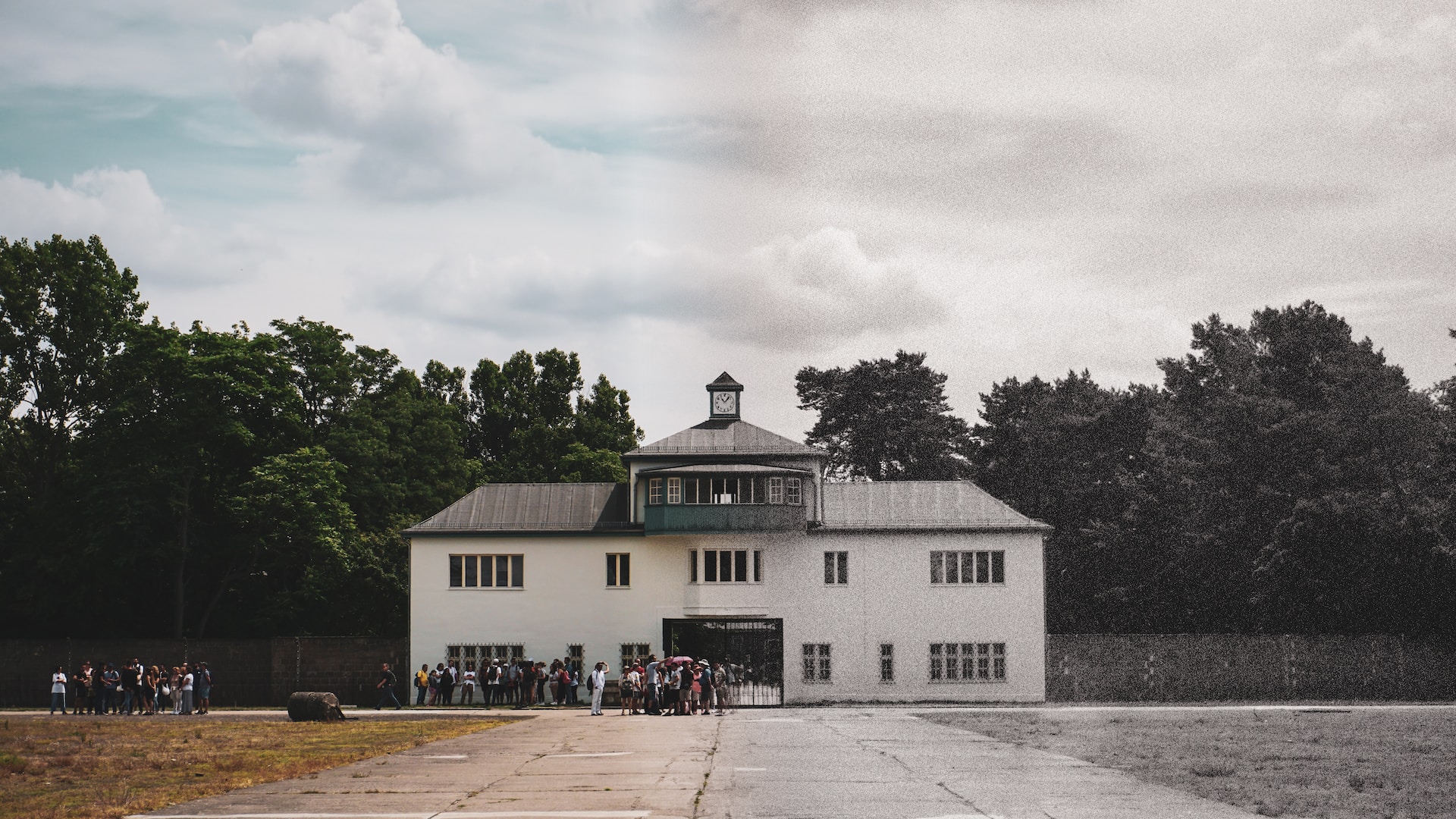
Of the many concentration camp opened in Germany and the annexed territories, Berlin is especially noteworthy. Sachsenhausen, was the concentration camp constructed by the Nazis and was located near the city to the north.
Sachsenhausen concentration camp was constructed in far 1936, and functioned up to the end of World War II in 1945. Meant for accommodating thousands of prisoners, it even served as an office for many other camps in the area. The torturous details of abuses that the Nazis subjected the inmates to are still evident today. They serve as a reminder to the world of the horror.
Another concentration camp close to Berlin was Ravensbrück in addition to that of Sachsenhausen. At first, it was designed for housing the female prisoners then it also became a place for testing on the prisoners, performing the unwanted surgeries on them. Many women and children began and perished in the camps.
Importance of Remembering Berlin’s Concentration Camps
The Berlin concentration camps are illuminating. They show the remnants of the cruel practices of the Holocaust. It is important to recall this period in human history to ensure that such horrific events do not happen again. Education and remembrance should act as ways of paying homage to the victims and fighting for a better way of treating fellow human beings.
Some of these concentration concentration camps has been developed into museums where people can discover more about the suffering of the victims, the spirit of those who fought against the Nazi regime and the value of human rights.
Visiting Berlin’s Concentration Camp Memorials: Guidelines
If you plan to visit a concentration camp memorial, here are a few tips to ensure a meaningful and respectful experience:
- This is true because the occasion is serious hence, always be quiet and courteous as the solemn occasion demands.
- Cloth well and appropriately for example, do not wear provocative clothing, especially when you are interviewing a victim or a survivor.
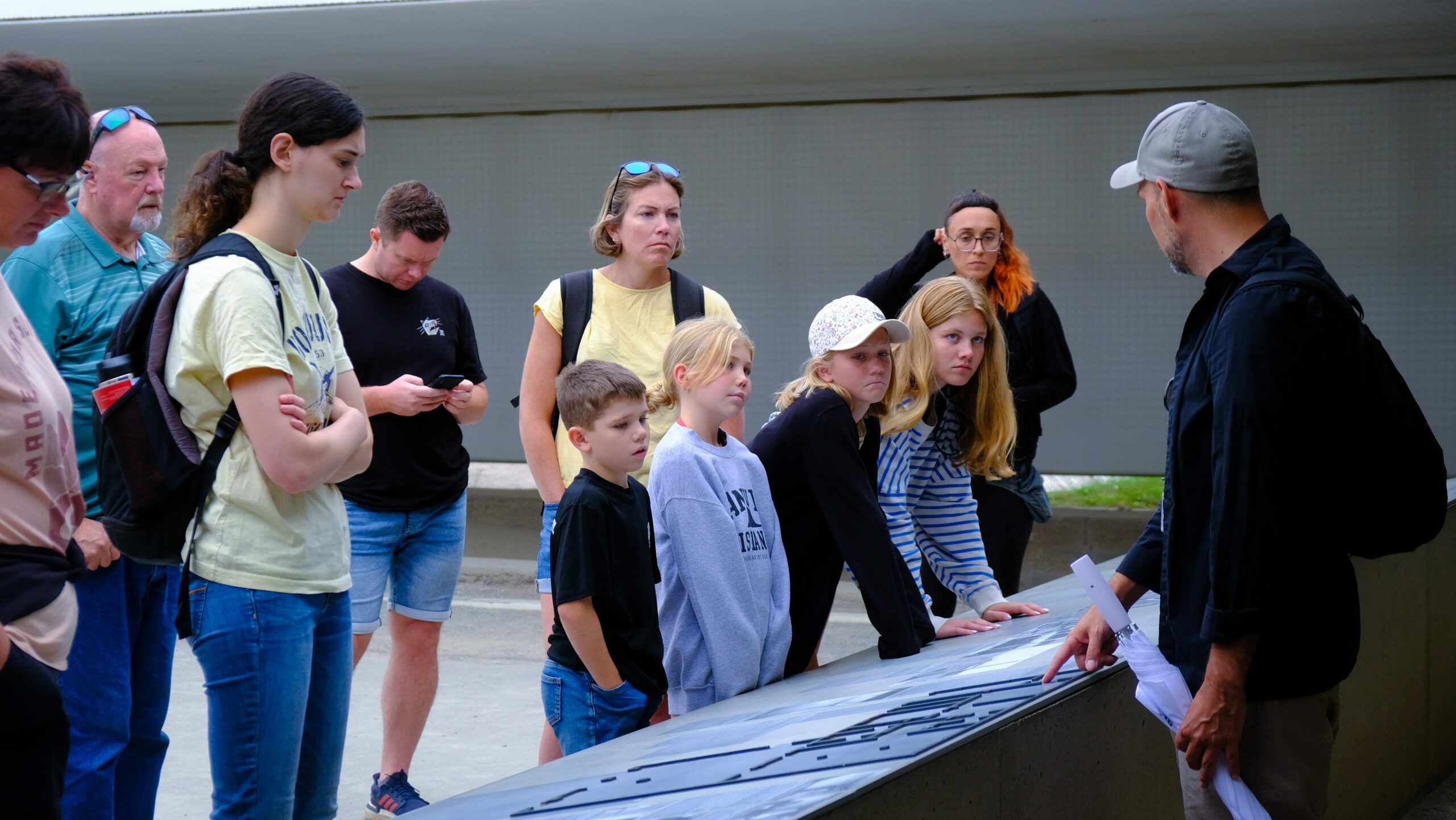
- These give you the actual facts if you decide to explore them through guided tours or audio guides.
- Make time for self-individual and personality analysis on the sad incidents that happened.
- Contribute your natural and financial resources to the protection, maintenance and upkeep of these memorial centers.
Thus, if followed it is possible to honor the dead and join the effort of memorializing the victims of the Holocaust.
Lessons from Berlin’s Concentration Camps
Ghettos in Berlin were remarkable places, which reflected the strength and the evil of the Nazis. The sights like Sachsenhausen and Ravensbrück can be explained by millions of people who lost their lives and the need to remember about what has happened. These are the horrible memories that remind us of our duty to prevent such tragedies. We must continue to fight for tolerance, justice, and compassion—today and in the future.
Read More Related Post:
What is Sachsenhausen and Why is it Important in Berlin, Germany?
Why should you consider taking a concentration camp tour from Berlin?