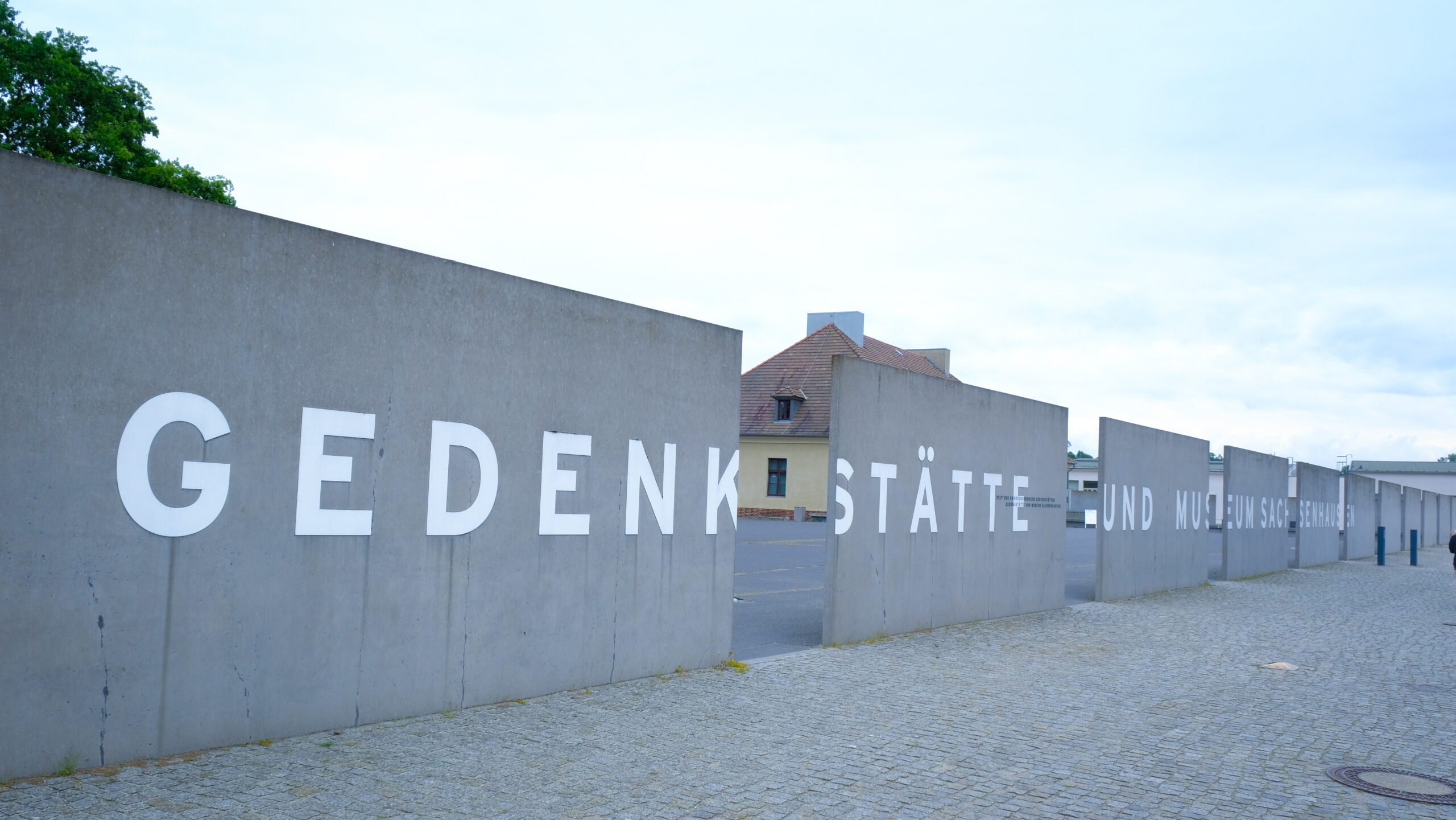
Visiting historical sites can be both educational and emotional, allowing us to reflect on the past and ensure that such atrocities are never repeated. Konzentrationslager, or concentration camps, played a significant role during World War II, and visiting them provides an opportunity to pay tribute to the victims and learn about this dark period in history. In this blog post, we will guide you through everything you need to know before visiting Konzentrationslager Berlin.
Historical Background of Konzentrationslager Berlin
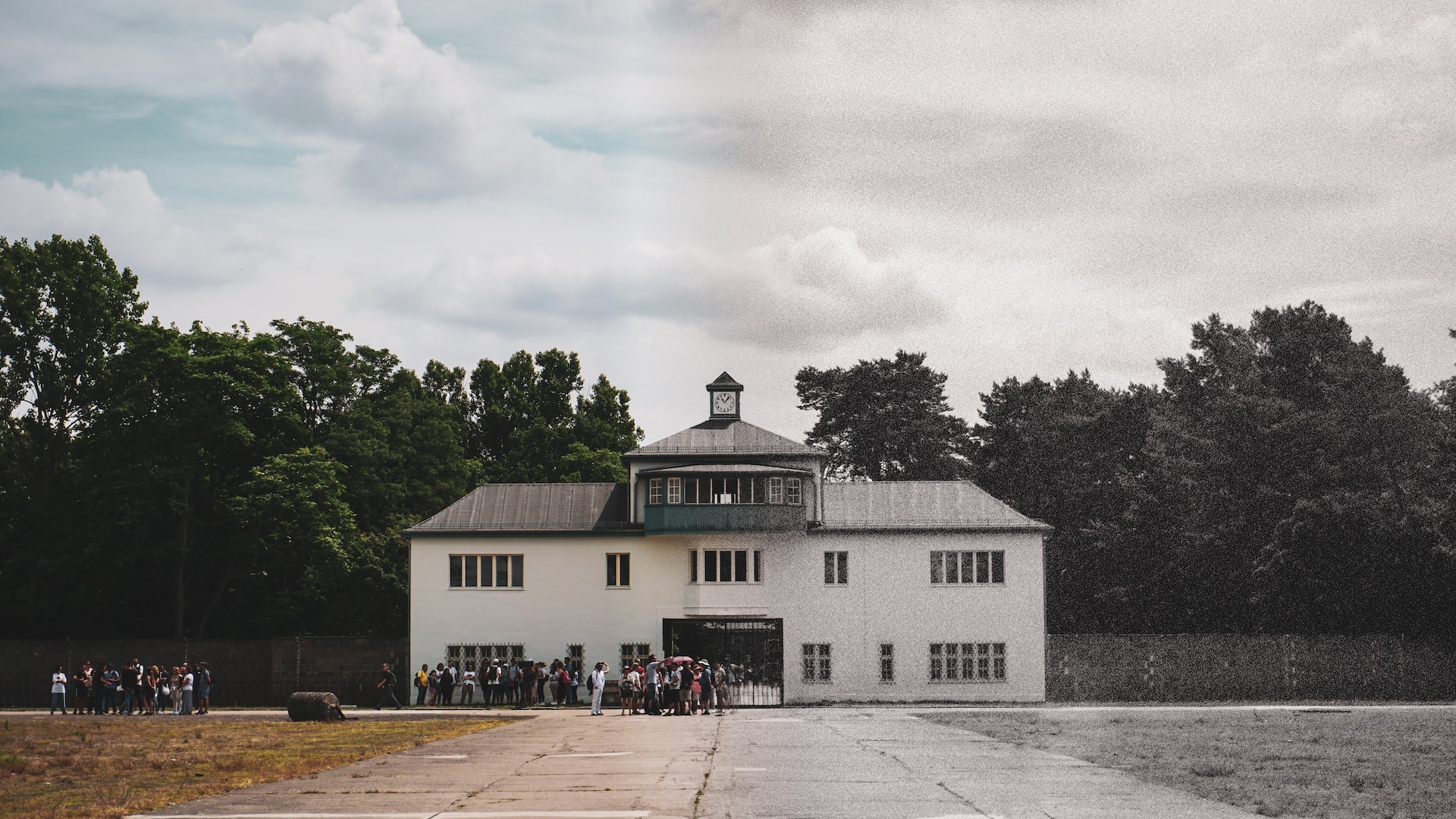
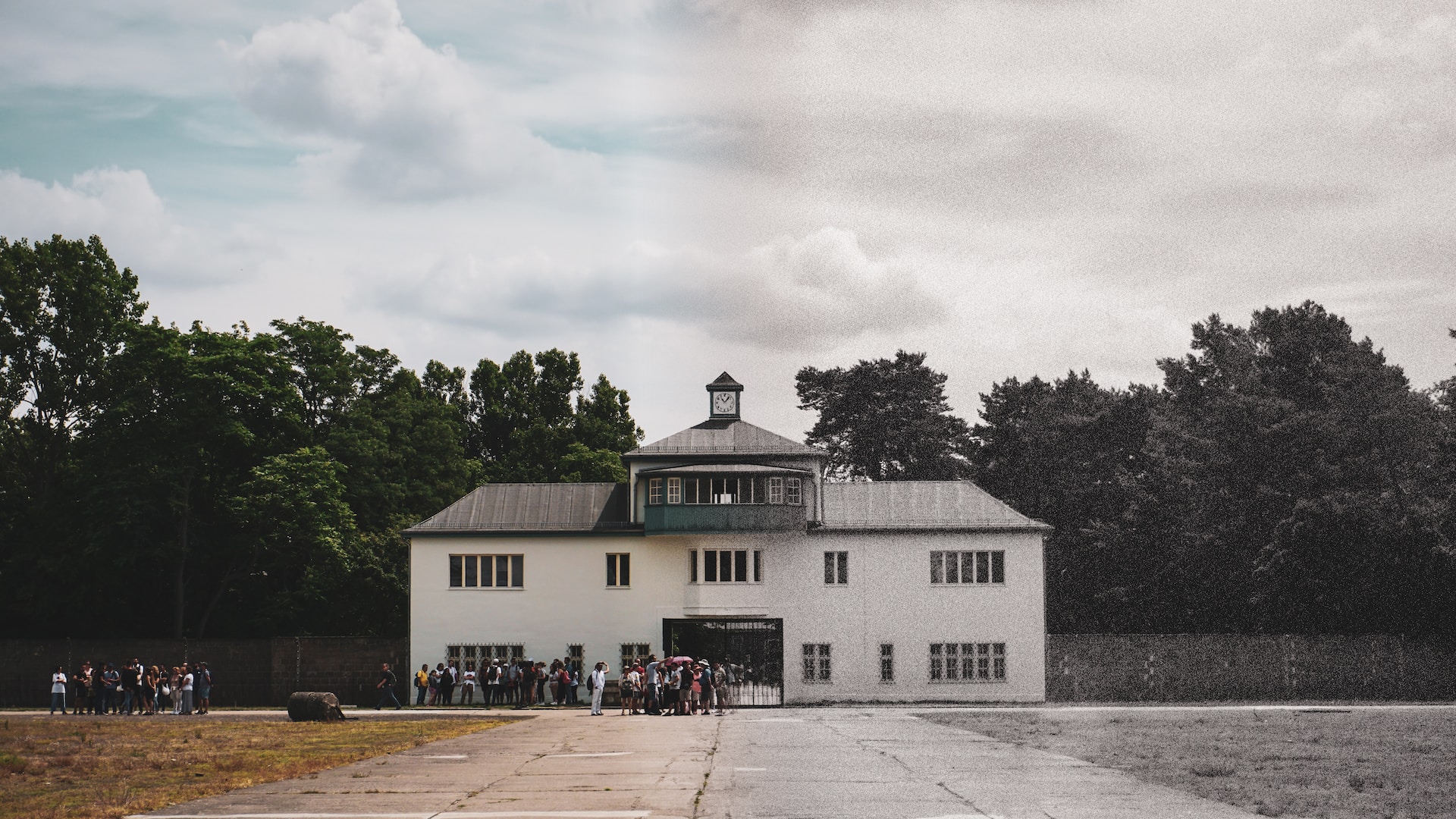
However, there is no way you can plan your visit or arrive prepared without prior historical background. Konzentrationslager Berlin was a complex of camps, in which victimes of the Nazi regime were exposed to labor camps and other forms of degradation. One of the leading concentration camp near berlin is Sachsenhausen and it is located 35 kilometers north of the city. It was in working from 1936 up to the time when it was liberated in 1945.
Visit Guidelines for Konzentrationslager Berlin
However, if you chose to visit Sachsenhausen there are certain things you need to put into consideration to make the best of it. Currently the camp has become a memorial area and museum which is important to understand the conditions of prisoners during such period.
Opening Hours and Admission
Sachsenhausen Concentration Camp Memorial is opened through the year although there might be differences in times of the year. It is preferable to verify when visiting or call the memorial center in advance. Attending these stories is usually an open affair, but visitors are encouraged to make donations to support preservation of the site.
Guided Tours
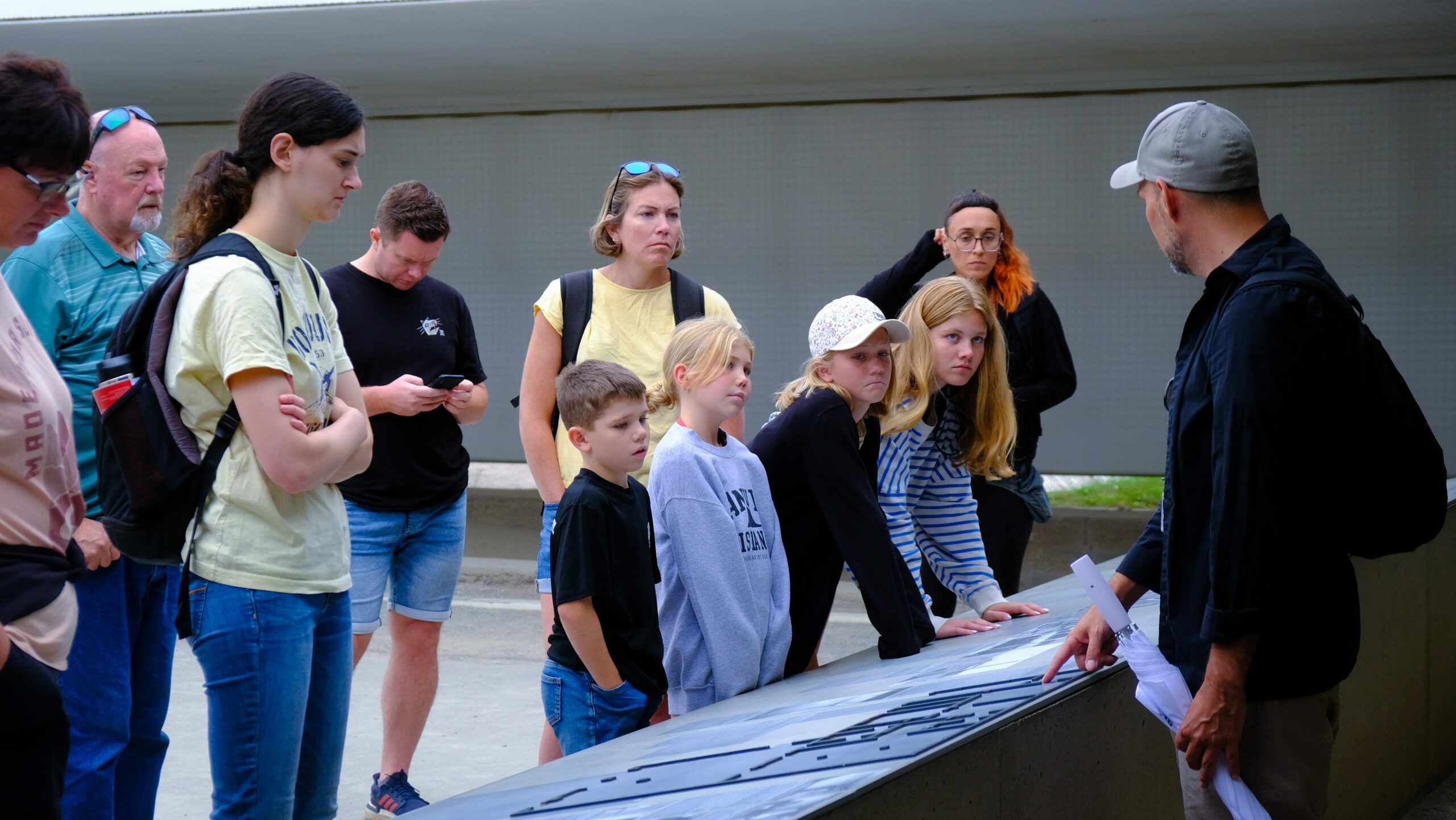
If you want to get more information about the camp and feel free to participate in the guided tour. Qualified tour guides will explain each area of the camp, providing historical information about the prisoners. They will also highlight the significance of major and minor structures.
What Expect to Encounter While Physical Present
First of all, when you get to the memorial, there will be a visitor center there with exhibition space, an audio guide point, and a book store. There are historical descriptions and concrete fates of the people who were tortured in the camp here. To make the most of your visit to the museum and outdoor exhibits, plan accordingly. Spending at least three hours is recommended.
Exploring the Camp’s Grounds
Here the area is comprehensively filled with various structures and landmarks which makes up the memorial. When walking around the camp, the remains of the buildings can still be seen: prisoners’ barracks, watchtowers and the sign ‘ Arbeit Macht Frei’ which is translated as ‘Work makes you free’. Every area is also marked with posters and signposts to explain to a layman the importance of the protected area.
Manners and Courtesy
Traveling to a concentration camp is deeply sad. There is a reason people are expected to stay silent and humble inside. Here are some guidelines to follow:
- It is against the rules to speak with a guide during a visit.
- Clothe accordingly since the atmosphere observed at the site had a tinge of gloom.
- There is no smoking, eating or drinking allowed in the memorial area.
- Capturing artistic shots is permitted though; please make sure to do so without obtrusiveness or intrusion.
- Do not place your hands on any of the artefacts unless the guide gives the green light to do so.
A proper understanding of the incident should follow this:
I remember that, at least once during my visit, I almost cried out of sheer overwhelming, just in a concentration camp. Which is why you have to take the time to digest what you were shown and think about the suffering that occurred there. It could help to go through details of discrimination and infringement of human rights and fight them.
The tour encourages visitors to see Konzentrationslager Berlin. By doing so, they help preserve historical sites. It ensures future generations learn important lessons from the Second World War. It’s not a visit and a leisure to go through; it is a responsibility to pay respect to the lost souls that were the victims.