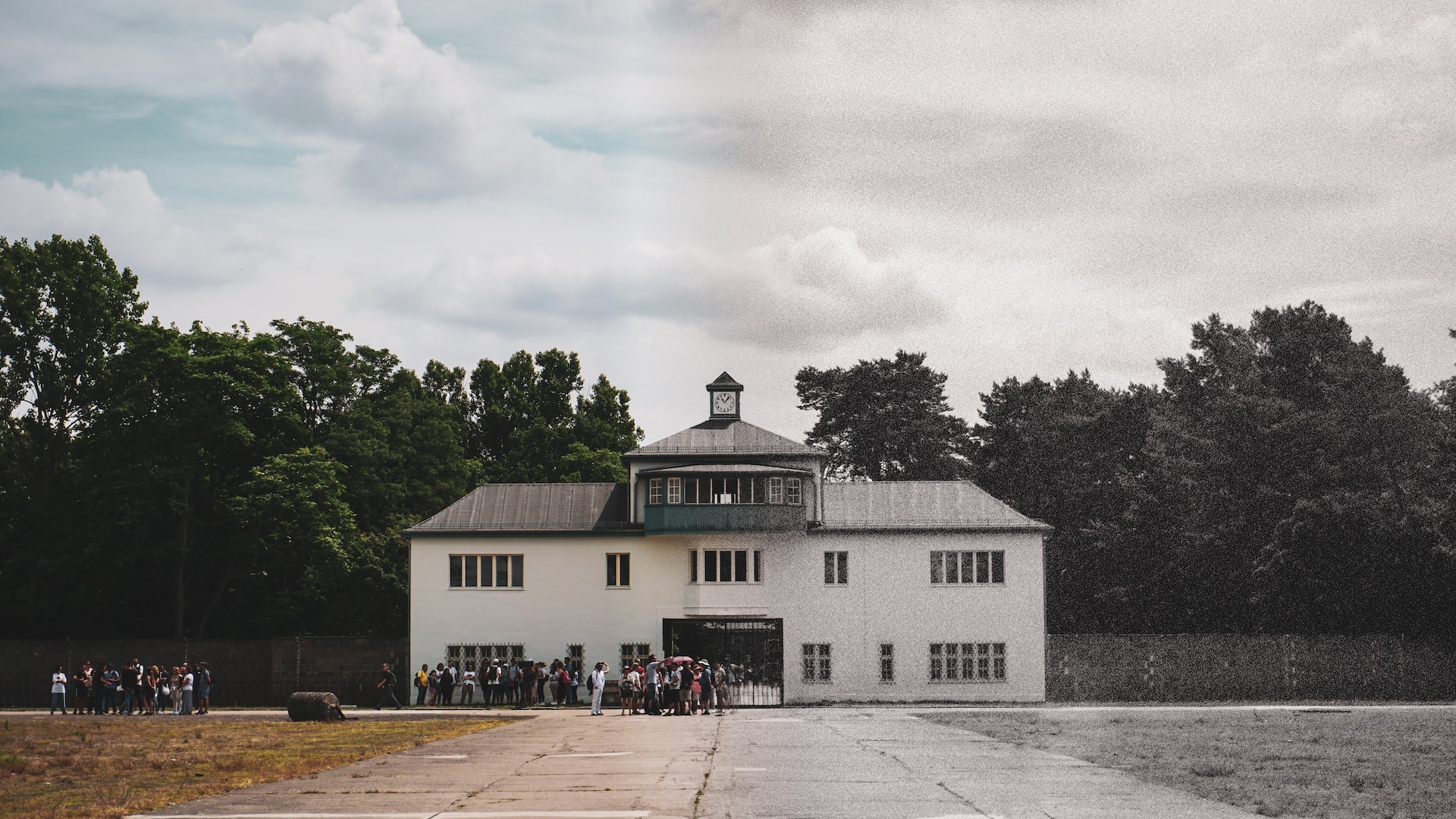
Taking a Sachsenhausen Tour in Berlin’s Memorial is not a normal trip. It is a visit to a place where many people suffered and died. It is a place filled with history, pain, and stories that must never be forgotten. When you walk through the camp, you learn what happened here, why it matters today, and why remembering the past keeps our future safe.
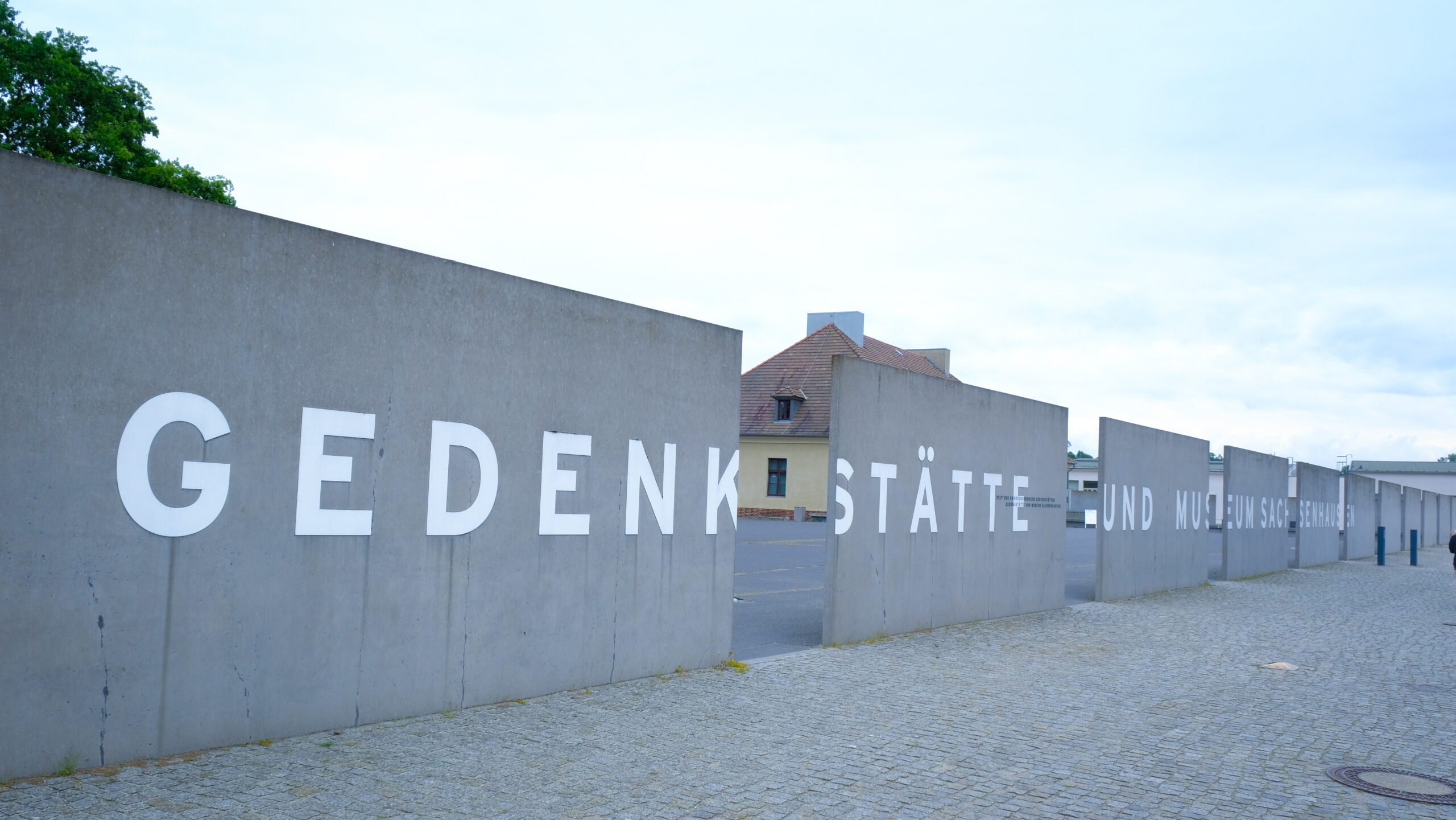
Sachsenhausen is a memorial and museum now. People from around the world come here to learn, reflect, and pay respect to the victims. In this guide, you will learn everything about the camp, what you will see, why it is important, and how to prepare for your visit.
Importance of Sachsenhausen Concentration Camp
The Sachsenhausen Concentration Camp was built by the Nazis in 1936 and was used to proclaim and copied by later concentration camps. From 1940 till its evacuation in 1945 this place was functioning as a labor camp, a training ground for the SS officers as well as a concentration camp for prisoners of different countries.
Thus, during the tour in Sachsenhausen you will be able to learn more about holocaust, persecution of the Nazis and the millions of people who have suffered. It is an opportunity to express condolences to the victims and at the same time use a reminder to the society to remain informed.
Taking a Guided Tour
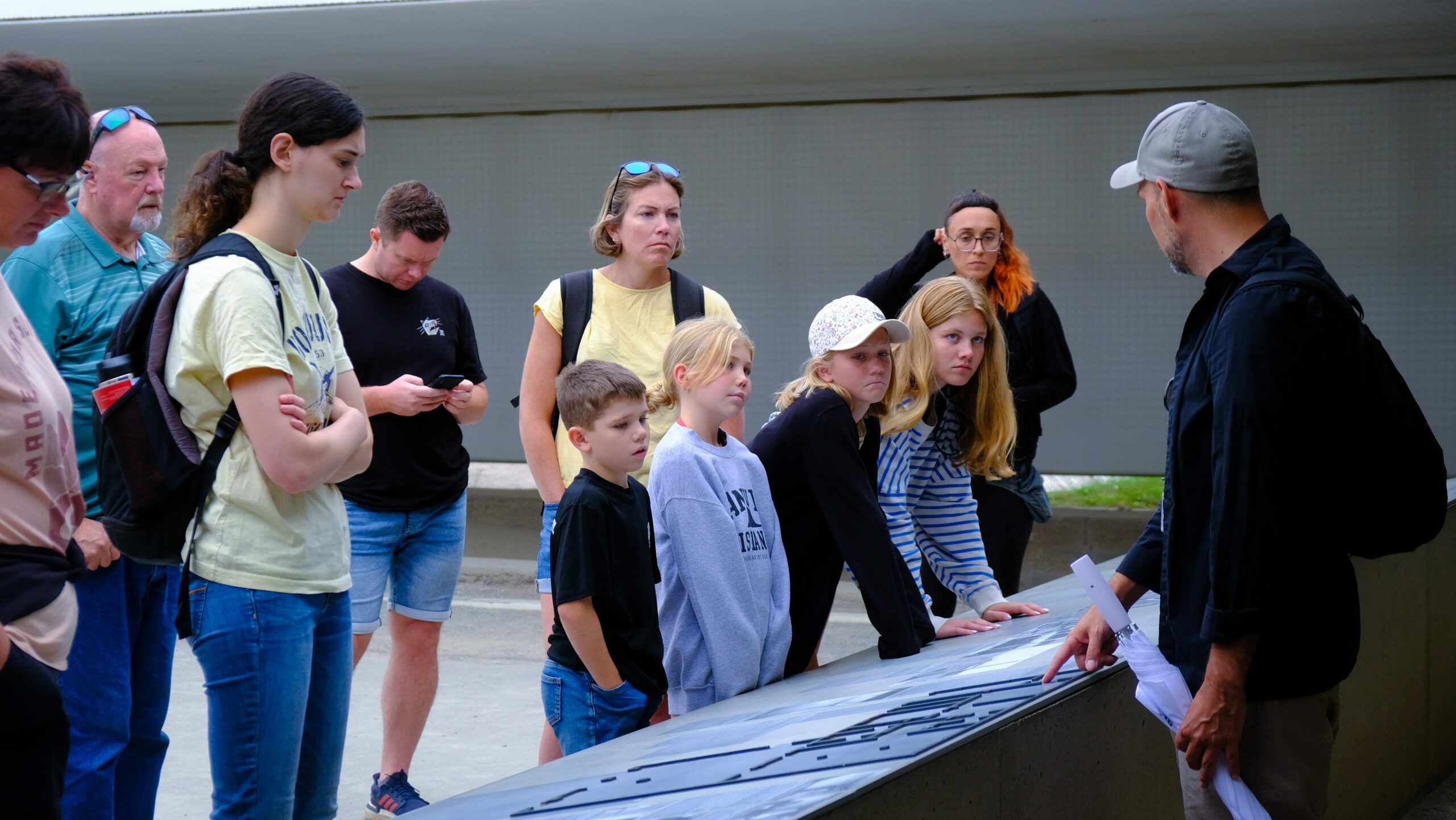
Of course, it will be possible to visit Sachsenhausen alone, but a guided tour is advised, particularly if you are a novice. Professional tour guides are Mileage with deeper insight and awareness of the history and background of the camp and helps you in explaining things and sometimes prevent you from missing out on the history.
You will have an opportunity to visit the prisoner’s barracks, the cells where inmates was punished, the place where execution was carried out, and the crematorium area. The guides at the camp will be also tell stories about their survival, explain what kind of life prisoners had and explain the hierarchy of suffering at the camp. It is a rather depressing experience that will have an enriching effect.
Learning from History
The foremost purpose of visiting Sachsenhausen is to gain historial knowledge. Therefore, comprehension of the Holocaust activities provides society with an understanding that those events cannot repeat. To this end, Sachsenhausen becomes a place of learning and reflection in order to shape the history for a new future.
Apparently, as you move through the camp, the original buildings are still there. Many of the structures have been preserved. Monuments honoring the victims also remain in place. I believe it is what helps us look at ourselves at a certain moment of our history and turn to tolerance and respect for the other.
Practical Tips for Visiting Sachsenhausen Memorial
1. Plan Sufficient Time
Give yourself at least half a day to explore Sachsenhausen thoroughly. The site is vast, and you’ll want to have enough time to absorb everything it has to offer without feeling rushed.
2. Wear Comfortable Shoes
The tour involves a lot of walking, so make sure to wear comfortable shoes. You’ll be walking on uneven terrain, so sturdy footwear is essential.
3. Dress Respectfully
Out of respect for the victims, dress appropriately by wearing modest and respectful clothing. Remember, Sachsenhausen is a place of remembrance and reflection.
4. Be Prepared for Emotional Impact
Visiting Sachsenhausen can be emotionally challenging. Prepare yourself mentally for the experience and be respectful of others’ reactions. Take breaks if needed and have supportive companions with you.
5. Follow the Rules
Sachsenhausen is a memorial site, and there are specific rules in place to ensure a respectful environment for all visitors. Follow the instructions regarding photography, noise, and behavior to maintain the solemnity of the place.
Final Thoughts: A Visit That Stays with You
A visit to the Sachsenhausen Concentration Camp Memorial in Berlin is a powerful and humbling experience. By taking a guided tour, you’ll gain valuable insights into the history of the Holocaust and the impact it had on countless lives. Remember to plan your visit with sufficient time, wear appropriate attire, and be prepared for the emotional impact. Through remembering and learning from history, we can strive for a future that values peace, justice, and compassion.