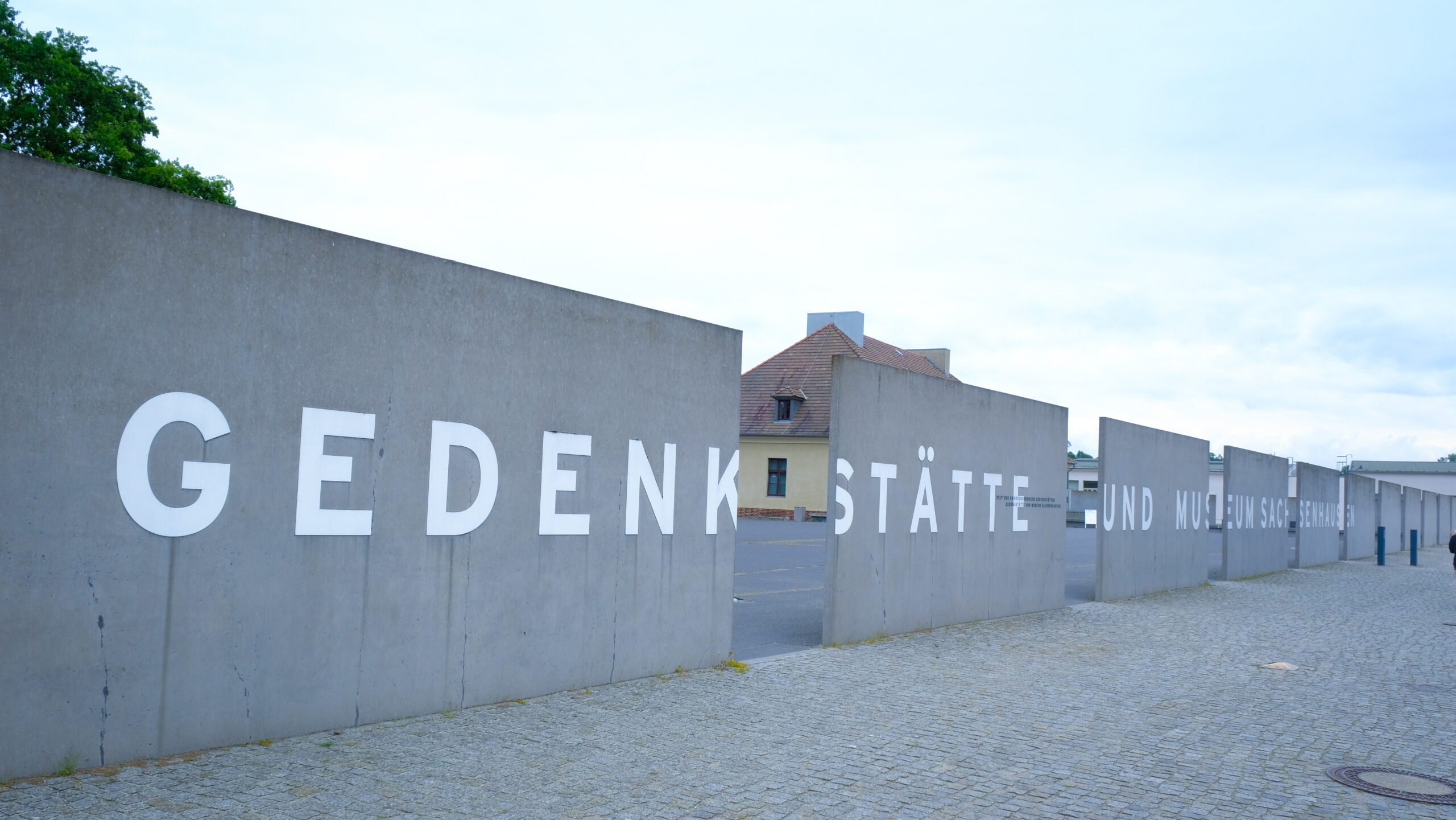
Why Should You Consider Taking a Sachsenhausen Tour? Visiting Germany means exploring not just its beautiful cities and landscapes, but also understanding its history. One of the most important and somber historical sites near Berlin is the Sachsenhausen Memorial and Museum. Formerly a concentration camp, Sachsenhausen offers a chance to learn about the past, reflect on the lives affected, and understand the human spirit during some of the darkest times in history.
Taking a Sachsenhausen tour is more than sightseeing—it’s a journey into history that helps visitors learn and remember. If you are planning your visit, this guide will tell you what to expect, how to prepare, and why this experience is meaningful.
Understanding Sachsenhausen: History & Background
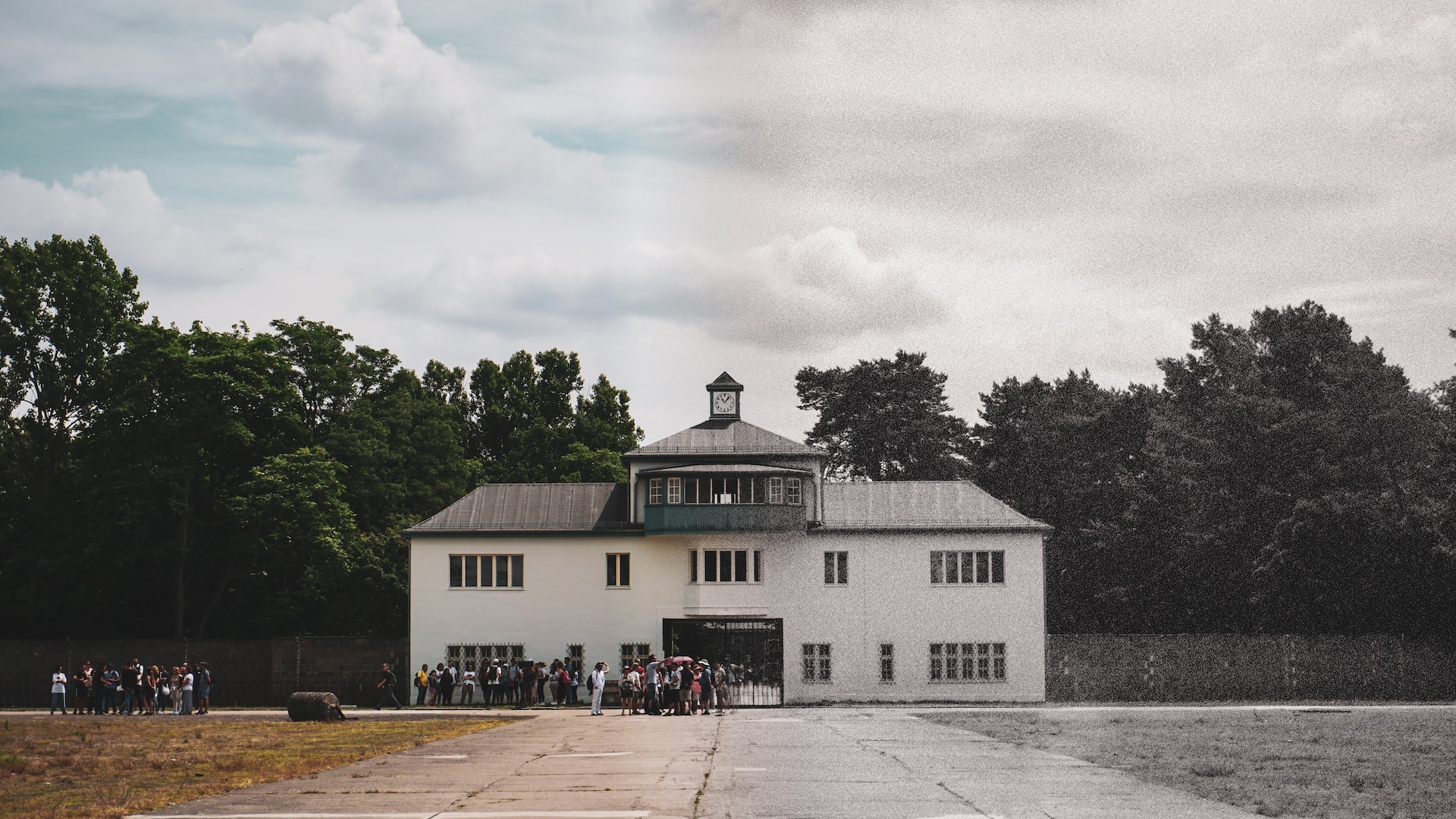
Sachsenhausen was built in Oranienburg, Germany, in 1936. It was one of the first modern concentration camps created by the Nazi regime. Initially, it served as a model for other camps and also as a training ground for SS officers. Over the years, it became a place of imprisonment and death for tens of thousands of people, including political prisoners, Jews, Jehovah’s Witnesses, homosexuals, and others who were considered enemies of the Nazi state.
The camp was designed for control and punishment. Prisoners were forced into harsh labor, endured poor living conditions, and were subjected to physical and psychological torture. Sachsenhausen was also a site where mass executions took place. Today, the camp is preserved as a memorial and museum to educate visitors and honor the victims.
What Happens on a Sachsenhausen Tour
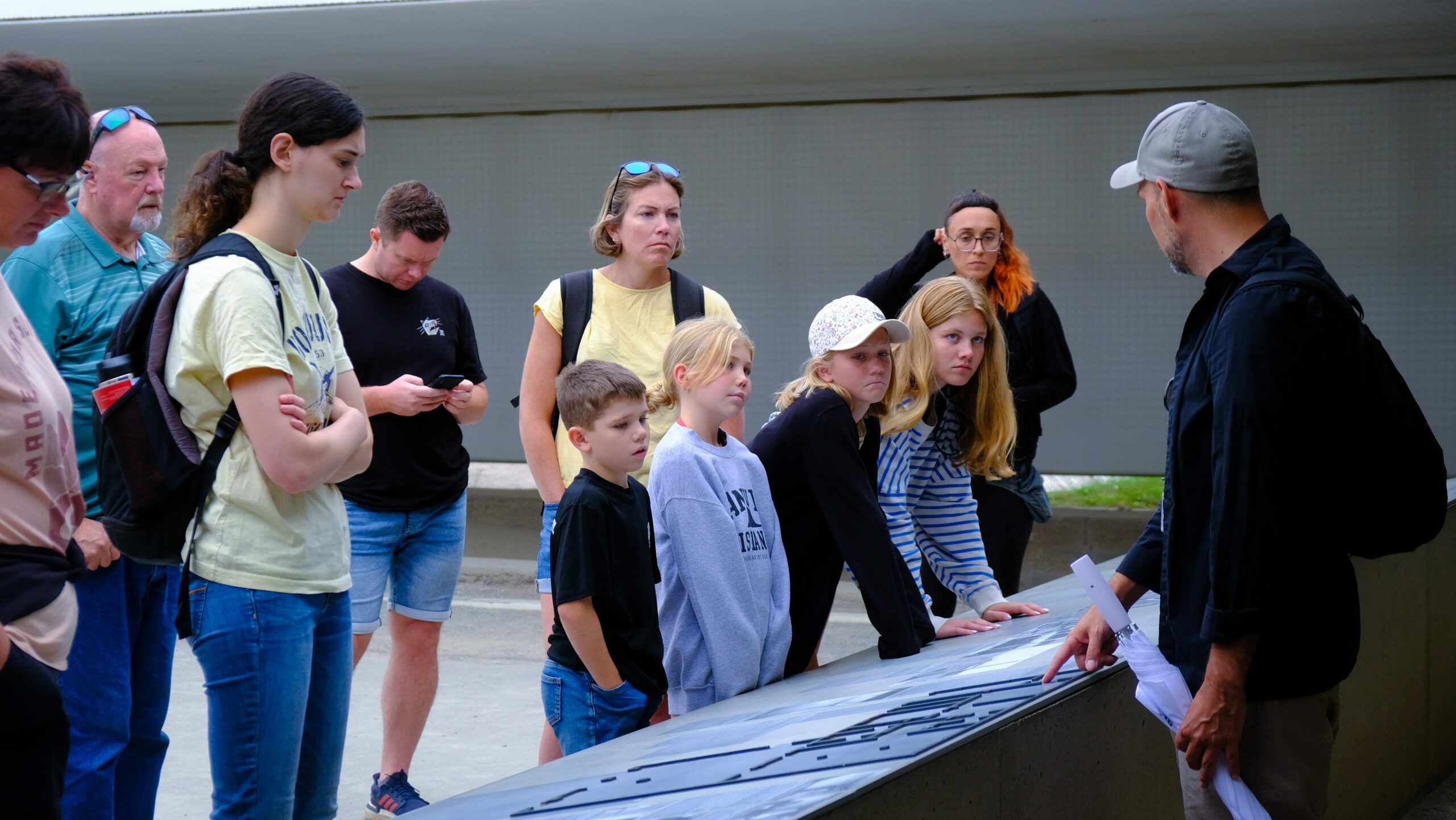
A guided Sachsenhausen tour usually takes 3 to 4 hours. Professional guides lead visitors through the camp, explaining its history and the personal stories of the people who suffered there. The tours are informative but can be emotionally intense, as they reveal the harsh realities of life in the camp.
Here’s what you will typically explore on the tour:
1. Entrance Gate and Appellplatz
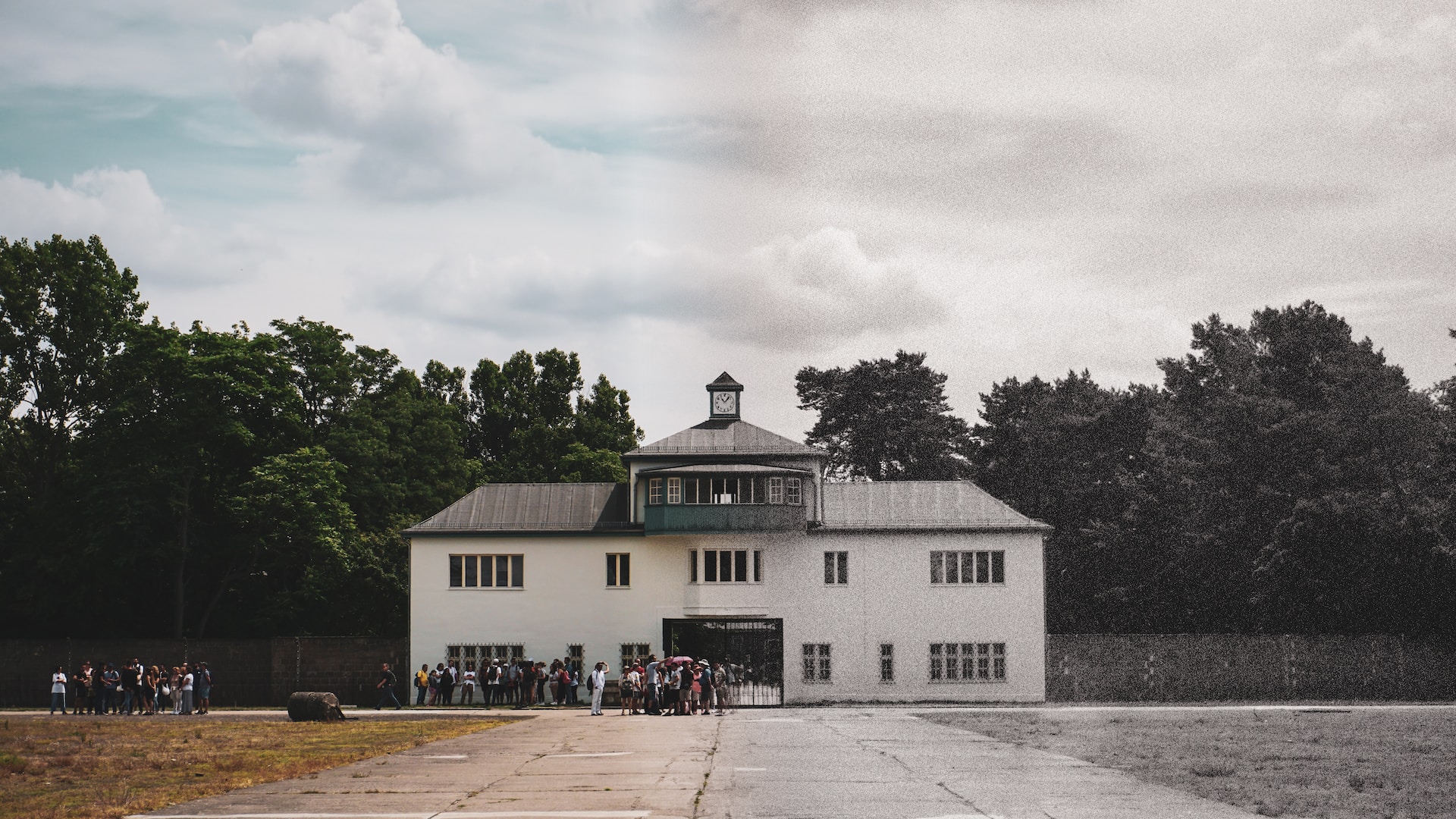
Your visit begins at the main entrance, where you will see the infamous sign: “Arbeit Macht Frei”, meaning “Work Liberates.” This gate is one of the most well-known symbols of the camp. You will also visit the Appellplatz or roll-call square. Prisoners were made to stand there for hours in all kinds of weather, often as a form of punishment and control.
2. Barracks: Housing and Living Quarters
The barracks area shows how prisoners lived in cramped, unsanitary conditions. Some barracks housed hundreds of prisoners in small spaces, making survival extremely difficult. Your guide will explain the daily life, struggles, and coping methods of the prisoners. You will also learn about rebellions and acts of resistance within the camp.
3. Prison Cells and Execution Chambers
Sachsenhausen had areas for punishment and execution. Tourists can see the punishment cells and learn about the harsh methods used by SS officers to control and torment prisoners. The execution trenches are also part of the tour, a grim reminder of the lives lost here.
4. Memorials and Exhibitions
Throughout the camp, there are memorials and exhibitions dedicated to the victims. These spaces provide historical context, display artifacts, and encourage reflection. Visitors can pause, read stories of the prisoners, and understand the impact of the camp on countless lives.
Practical Tips for Visiting Sachsenhausen
To make your visit more comfortable and meaningful, here are some helpful tips:
Wear appropriate clothing and shoes: Tours involve walking through the camp and sometimes uneven paths.
Bring water and snacks: You cannot carry these inside the memorial itself, but having them for before or after the tour is recommended.
Listen to the guide carefully: They provide essential historical information and insights. Don’t hesitate to ask questions.
Respect the site: Sachsenhausen is a place of memory. Avoid casual behavior, and be mindful of the surroundings.
Why a Sachsenhausen Tour is Important
Visiting Sachsenhausen is not just a historical tour; it is an educational and emotional experience. You will witness how people survived unimaginable suffering and how history shaped the world we live in today. Learning about the camp allows us to understand the consequences of hatred, prejudice, and violence.
By walking through Sachsenhausen, you participate in remembrance and reflection. It reminds us why it’s important to uphold human rights, fight against injustice, and ensure such atrocities never happen again.
FAQs About Sachsenhausen Tours
Q: How long is a typical tour?
A: Most tours last 3–4 hours, depending on the guide and group pace.
Q: Is it emotionally challenging?
A: Yes, many visitors find it intense. It’s okay to take breaks or step aside if needed.
Q: Are there guided tours in English?
A: Yes, many tours are available in English and other languages.
Q: Can children visit?
A: Children can visit, but parents should decide if the content is appropriate for them.
How to Prepare for the Visit
Research a little about Sachsenhausen before you go. This will help you understand the stories and history better.
Take a notebook or phone to note important points or reflections.
Allow yourself time after the tour to process your emotions. Sachsenhausen is not just a sightseeing place—it’s a place for remembrance.
Final Thoughts on Sachsenhausen Tour
A Sachsenhausen tour is a profound journey into history. It teaches lessons about human resilience, the consequences of hate, and the importance of memory. Every visitor leaves with a deeper understanding of history and a stronger appreciation for human rights.
Taking the time to visit and reflect on Sachsenhausen is a step toward learning from the past and building a better future. By understanding what happened here, we honor the victims and ensure that history is never forgotten.