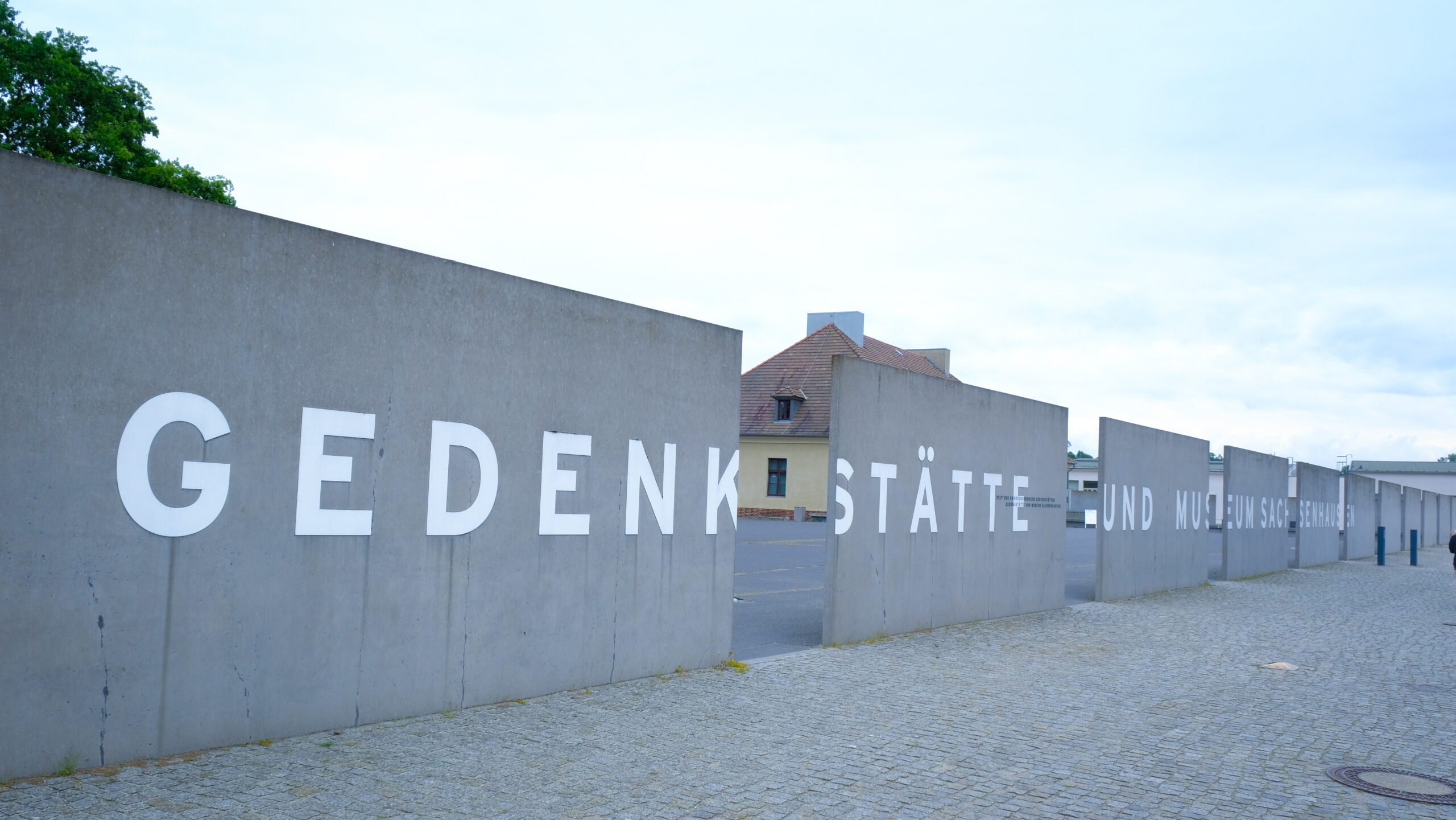
Visiting which concentration camps in Germany near Berlin are worth seeing is an important question for anyone interested in history. These camps were part of a dark chapter in World War II. Today, they serve as memorials. They remind us of the lives lost and the events that happened there. By visiting, you can learn and pay respect to the victims.
Germany has several concentration camps near Berlin that are open to visitors. Each site is unique and tells its own story. The main camps worth visiting are Sachsenhausen, Ravensbrück, Buchenwald, and Dachau. This guide will help you understand their history, what to see, and how to plan your visit.
Sachsenhausen Concentration Camp
Location: About 35 km north of Berlin
Established: 1936
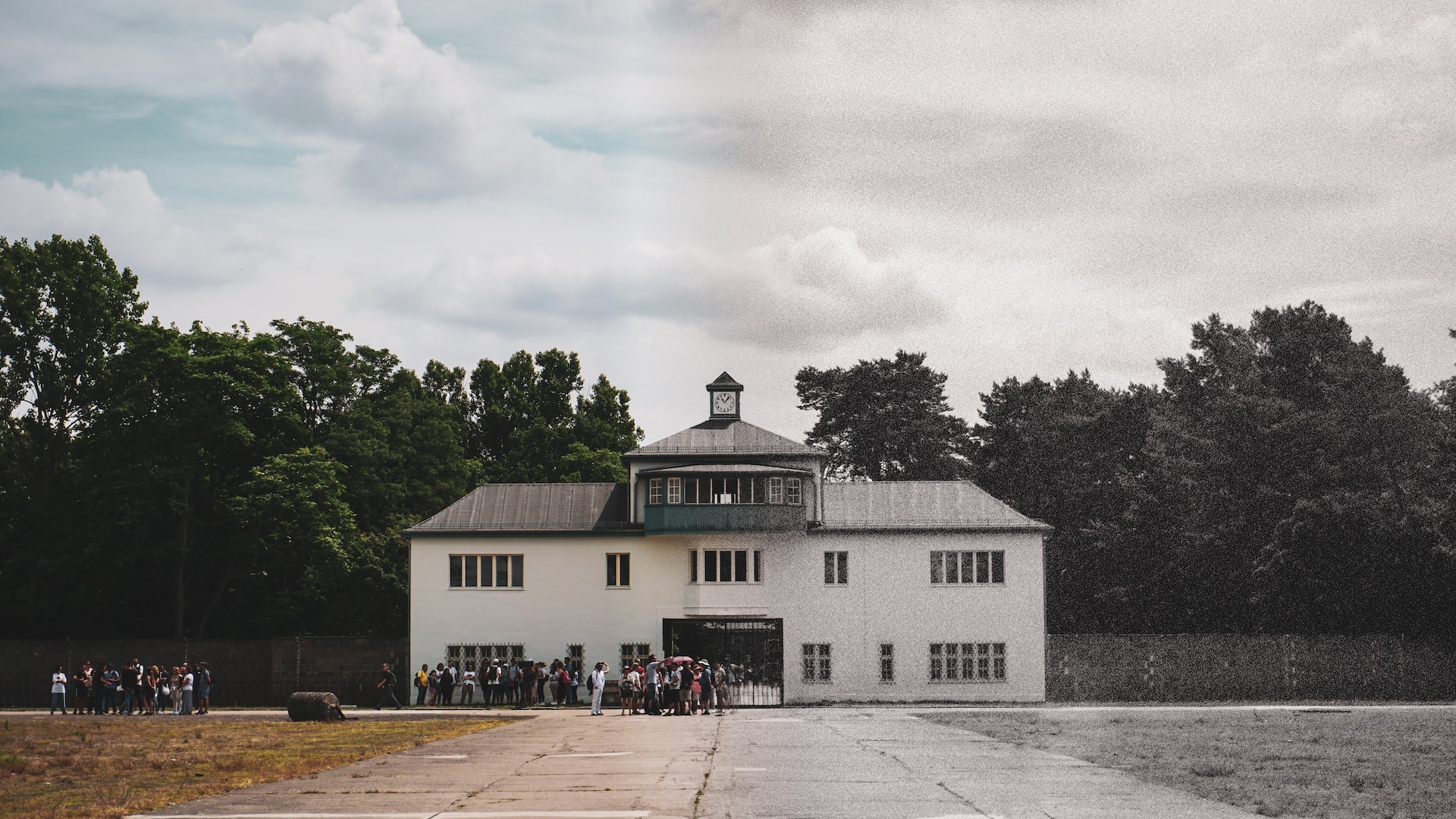
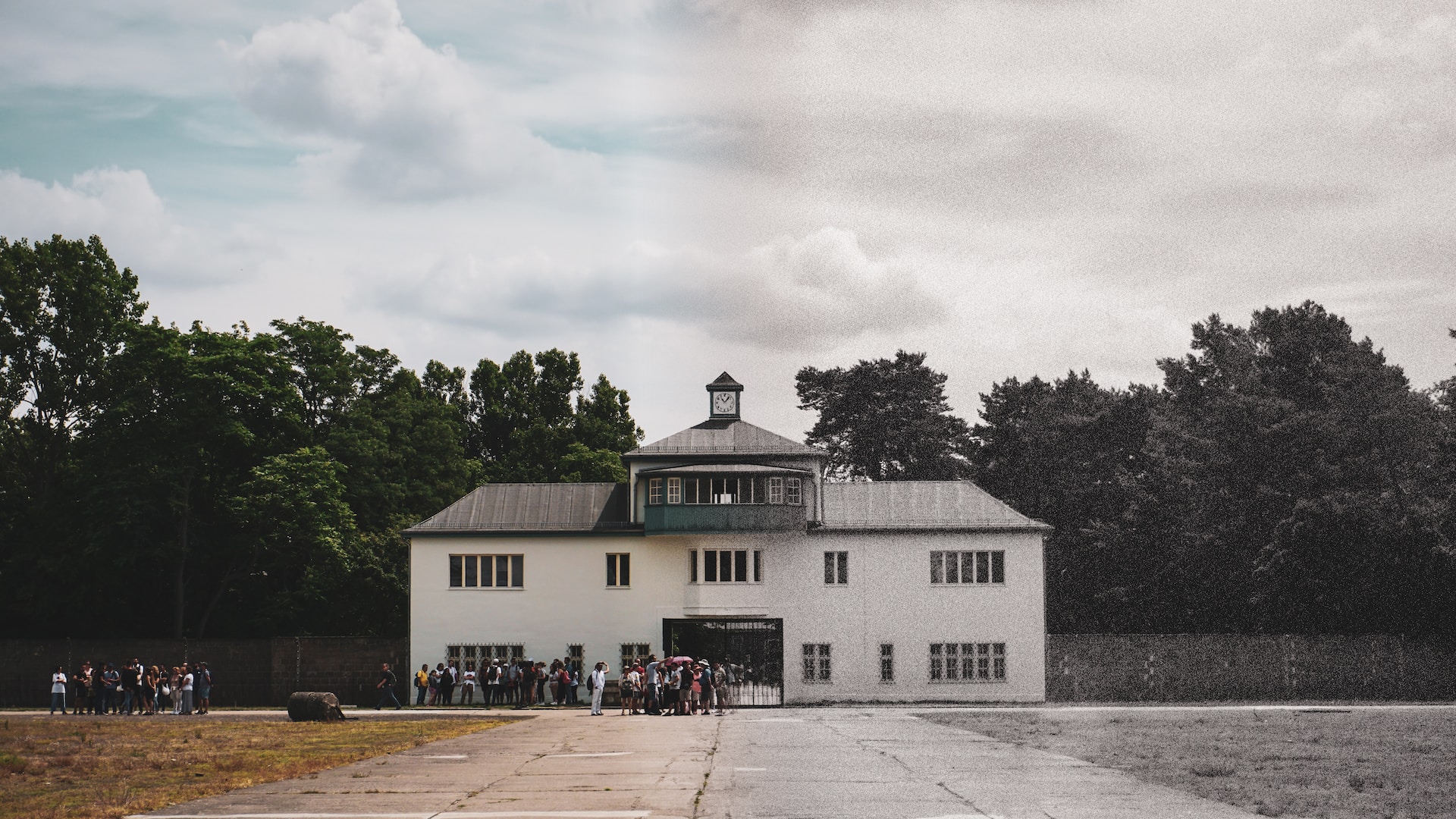
Sachsenhausen was one of the first concentration camps set up by the Nazis. It served as a model for other camps. Today, visitors can walk through the camp and see the original buildings.
What to See at Sachsenhausen
Prisoner Barracks: You can see how prisoners lived. The barracks are long, wooden buildings.
Commandant’s House: The house where the camp leaders worked. It shows how the administration operated.
Punishment Cells: Small cells where prisoners were kept for punishment. They are stark and shocking.
Museum Exhibits: The museum explains camp history, survivors’ stories, and the Nazi system.
Why Visit Sachsenhausen
Easy to reach from Berlin.
Full of history and original buildings.
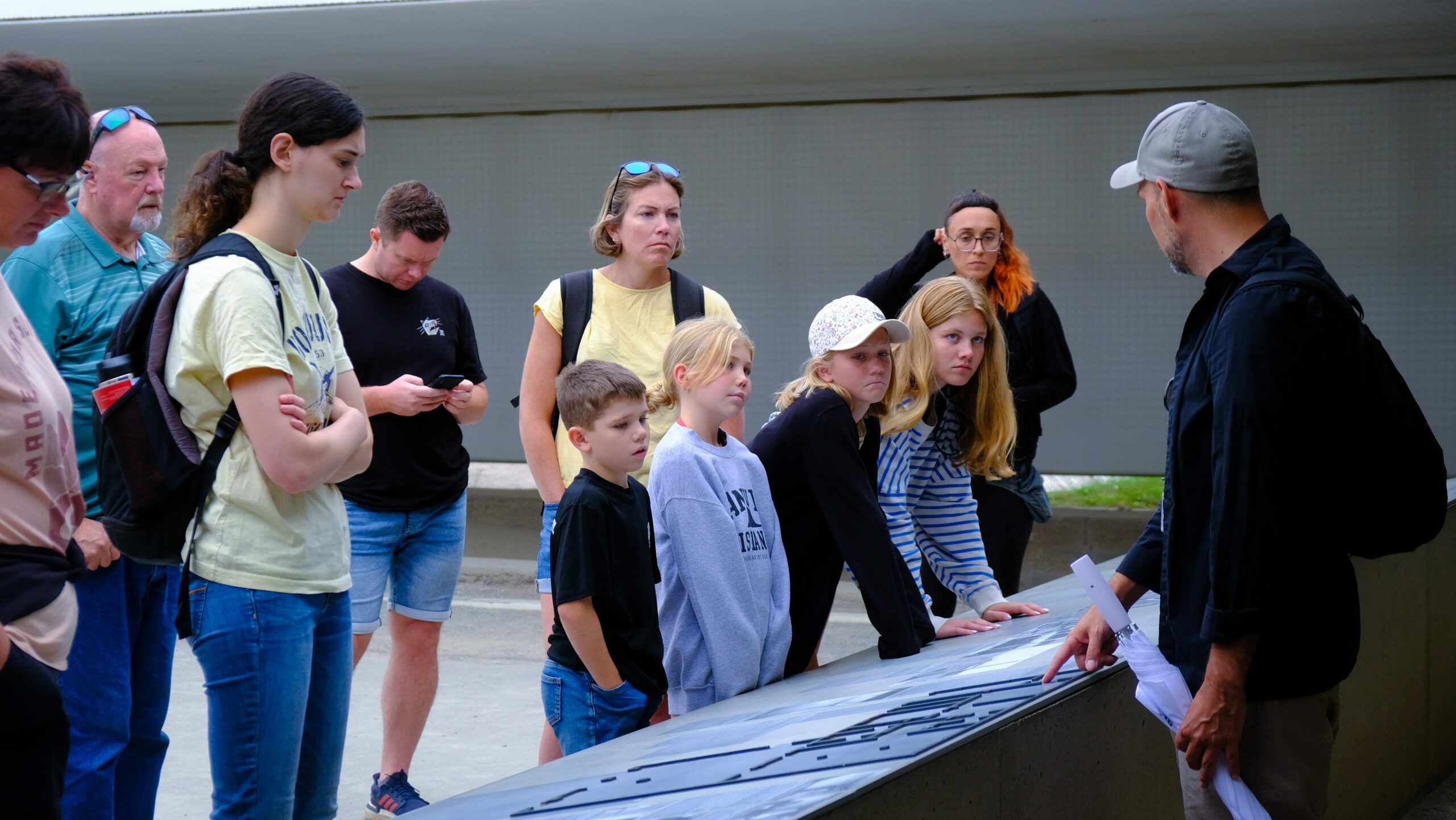
Offers guided tours and audio guides for more details.
Ravensbrück Concentration Camp
Location: About 70 miles north of Berlin
Established: 1939
Focus: Women prisoners
Ravensbrück was the main camp for female prisoners. It was large and many women were held there. Today, it is a memorial site with museum exhibits and reconstructed buildings.
What to See at Ravensbrück
Barracks and Crematorium: Shows the conditions and daily life.
Museum Exhibits: Stories of women prisoners, resistance, and survival.
Memorials: Dedicated to those who suffered and died.
Why Visit Ravensbrück
Highlights the experience of women during WWII.
Offers a deep, reflective experience.
Provides historical context often missing from other camps.
Buchenwald Concentration Camp
Location: About 280 km southwest of Berlin
Established: 1937
Buchenwald was one of the largest and longest-running camps. It held prisoners from many countries. Today, it is a memorial with rebuilt barracks and monuments.
What to See at Buchenwald
Memorials and Monuments: Pay respect to the victims.
Reconstructed Barracks: Shows living conditions.
Crematorium: Evidence of the atrocities committed.
Museum Exhibits: Artifacts, photographs, and survivor stories.
Why Visit Buchenwald
Offers a wide view of camp life during WWII.
Combines a memorial, a museum, and historical education.
Ideal for visitors who want a more extensive experience.
Dachau Concentration Camp
Location: About 530 km south of Berlin
Established: 1933
Dachau was the first concentration camp built in Germany. Initially, it was used to train SS staff for other camps. Today, it is a major memorial site.
What to See at Dachau
Prisoner Quarters: Shows where prisoners lived.
Gas Chambers and Bathhouse: Illustrates the camp’s operations.
Offices and Administrative Buildings: Explains camp management.
Exhibits: Detailed history, prisoner stories, and liberation events.
Why Visit Dachau
It’s historically significant as the first camp.
Offers a full picture of Nazi concentration camp operations.
Provides educational tours and reflective memorial spaces.
Summary: Which Camps to Visit
Sachsenhausen: Closest to Berlin, original buildings, easy access.
Ravensbrück: Women’s camp, reflective and educational.
Buchenwald: Large, extensive, and offers a detailed history.
Dachau: First camp, historically significant, comprehensive memorial.
Each camp is unique. Plan your visit depending on your time, interest, and what you want to learn. Visiting these sites with sensitivity honors the memory of those who suffered.
Planning Your Visit
Each of these concentration camps should be visited when there is ample time to make a visit to one camp and indulge in the historical value of the place or places, and or learn more and pay tribute to the victims of the Nazi regime. Ideally, one should allocate ½ a day per visit.
Moreover, it is required to visit the official websites of each of the concentration camps before visiting because various camps had different opening hours, tours, and some areas were restricted. Other camps may have to be pre-booked, especially during the early months of the year when most travelers begin to visit.
Final Thoughts
It is rather instructive to be able to tour the concentration camps near Berlin, and we are made to remember the victims of the holocaust as well as having to learn lessons for the future. Some of the dreadful locations that make Germany a silent museum include Sachsenhausen, Ravensbrück, Buchenwald, and Dachau. Thus, if one pays a visit to these camps, they will be able to comprehend the degree of the atrocities committed during World War II, and, thus, make sure that people will never forget it.
Sorry for going around in circles, but remember – these visits are to be made with sensitivity and respect alone. These sites symbolize the pain of so many people and their narratives should be distributed honestly and with dignity. Book Now Sachsenhausen Memorial And Museum Tour.