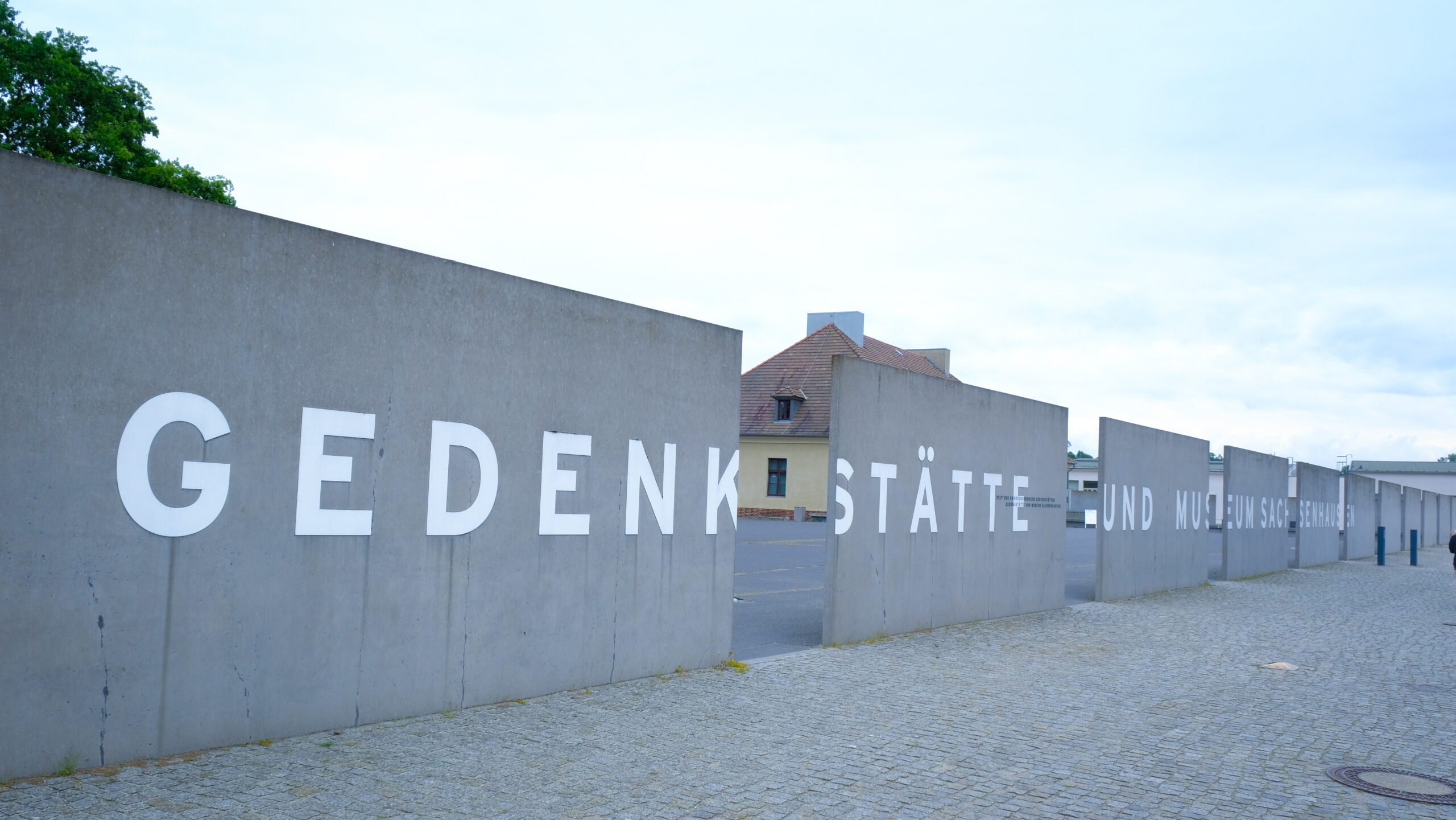
Berlin has a tragic history during the Holocaust. Visiting concentration camps and memorials helps us remember the victims and learn from the past. Many travelers want to know the nearest concentration camp in Berlin to plan a visit. In this blog, we will give you full information about Sachsenhausen, Ravensbrück, and important Holocaust memorials nearby. You will also get travel tips, historical facts, and guidance for a respectful visit.
1. Sachsenhausen Concentration Camp: Nearest Camp to Berlin
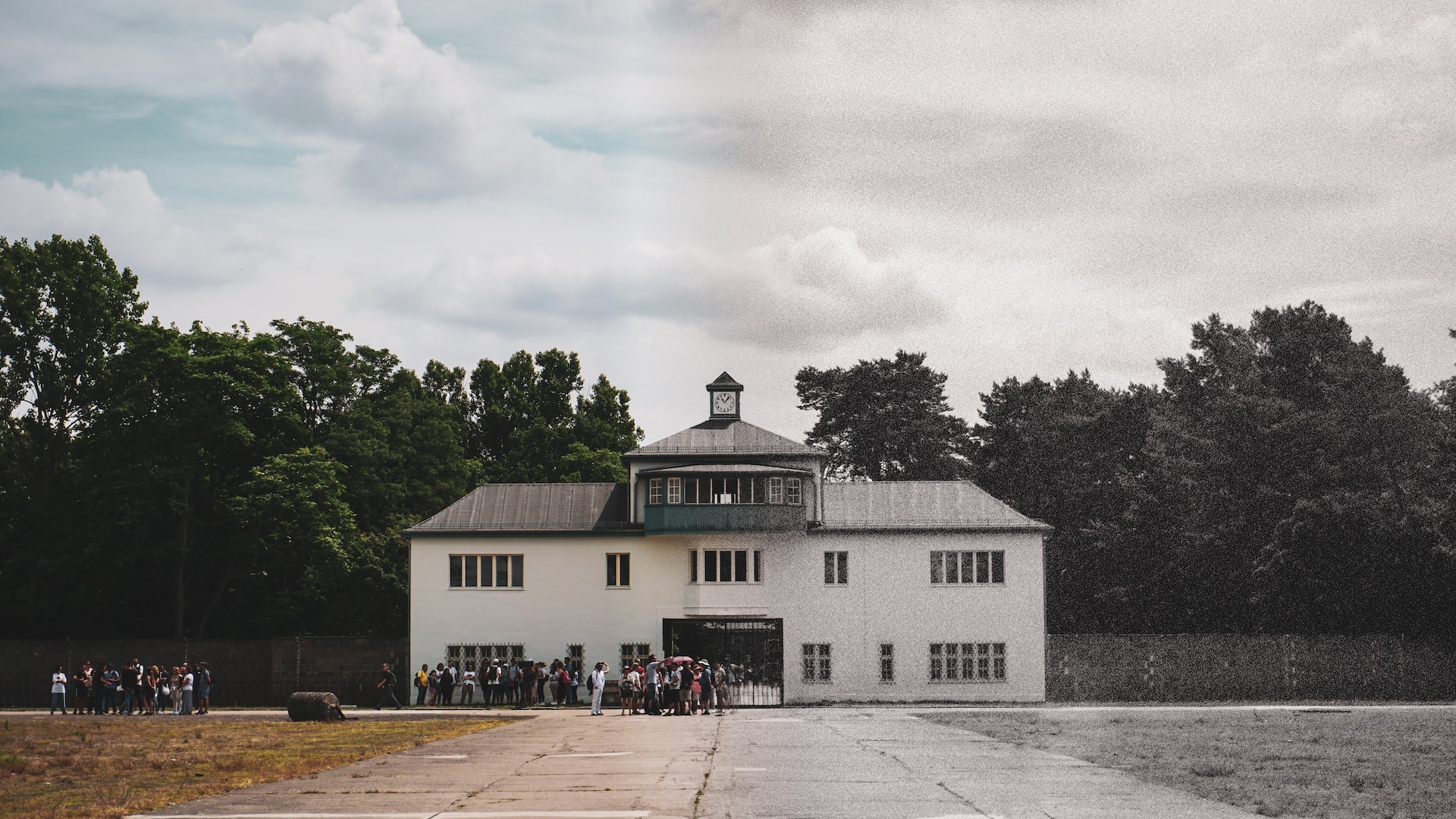
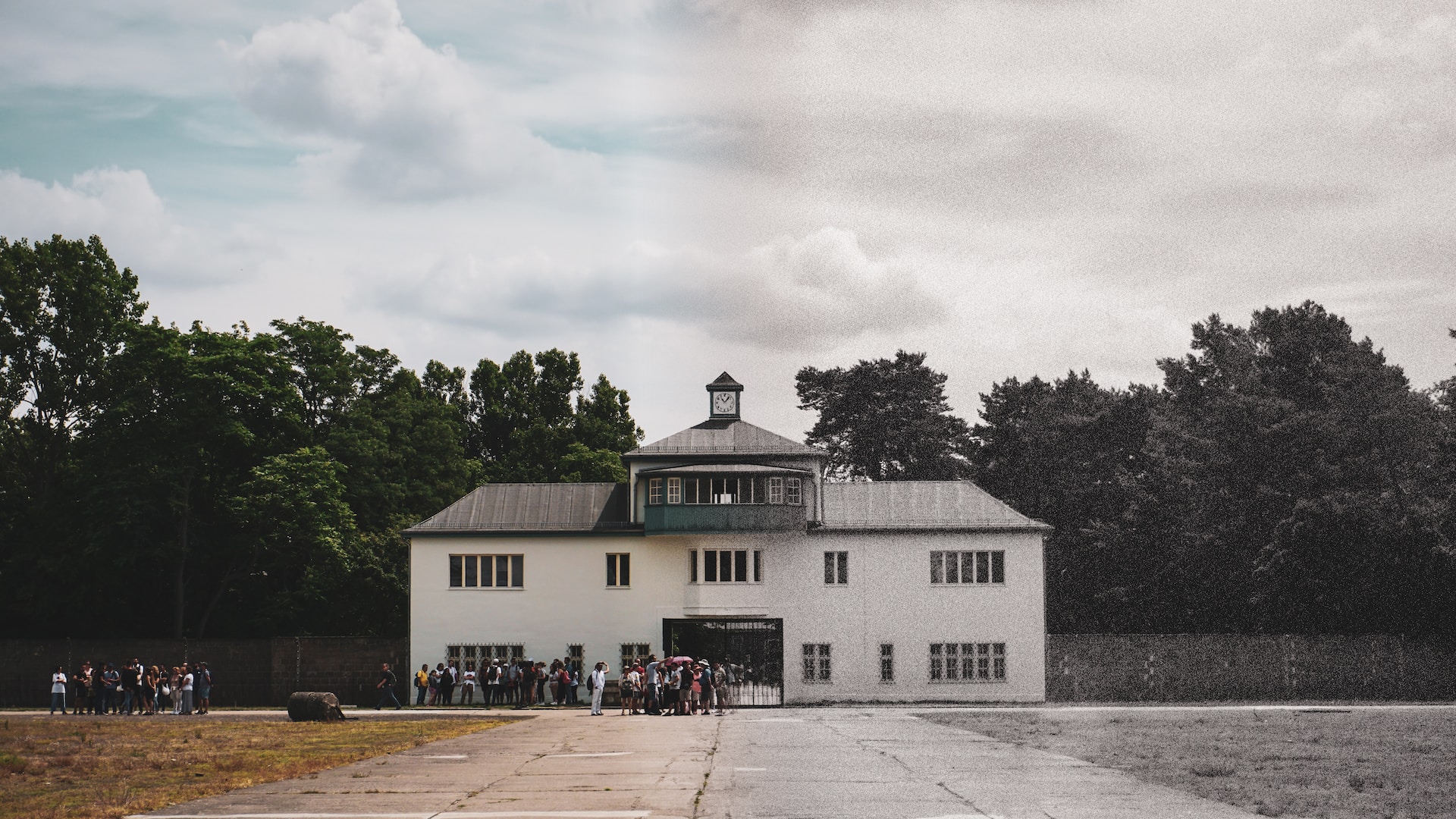
Sachsenhausen Concentration Camp is the closest major camp to Berlin. It is located in Oranienburg, about 35 kilometers north of the city center. The camp was built in 1936 and was used to hold political prisoners. Later, it became a training center for SS officers and a model for other concentration camps.
In its early years, prisoners were subjected to cruel experiments, including testing the effects of poison gas. Thousands of people suffered and died there. Today, Sachsenhausen is a memorial and museum. Visiting it helps people remember the horrors of World War II and the Holocaust.
How to Reach Sachsenhausen from Berlin
Sachsenhausen is easy to reach by public transport:
-
Take the S1 suburban train from Berlin Hauptbahnhof to Oranienburg.
-
From the train station, walk 20 minutes or take a local bus to the camp.
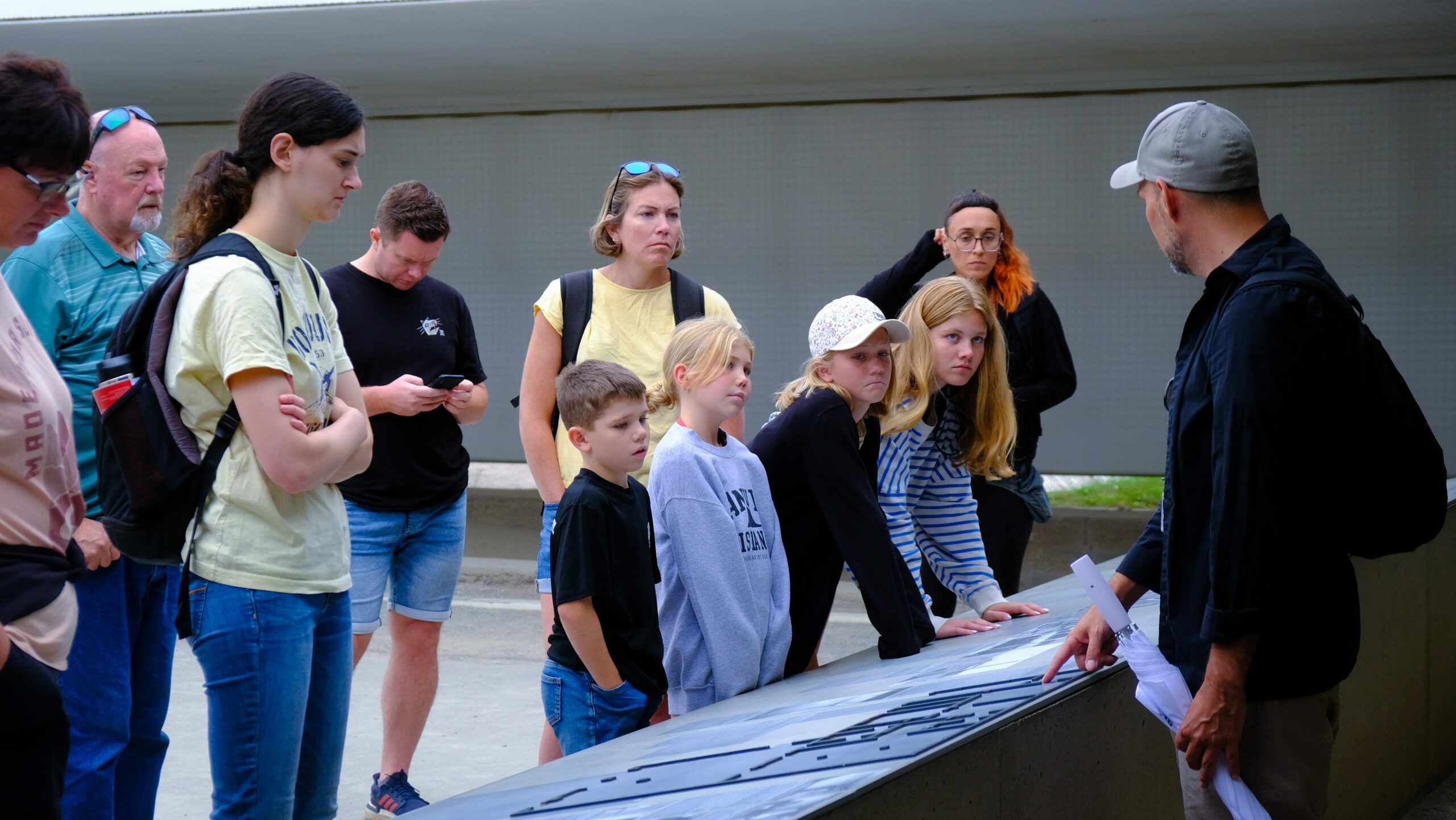
You can also join organized tours from Berlin. A guide will provide detailed information about the camp’s history and the stories of the prisoners.
Visiting Tips for Sachsenhausen
-
Spend at least 2–3 hours exploring the museum and grounds.
-
Wear comfortable shoes for walking.
-
Respect the memorial sites and photography rules.
-
Read the informational plaques to understand the history fully.
2. Ravensbrück Concentration Camp: How to Reach from Berlin
Ravensbrück is another significant camp near Berlin. It is about 90 kilometers north of the city. Ravensbrück was mainly built for female prisoners in 1939, but men and children were also held there. Tens of thousands of women suffered and died at this camp. Visiting Ravensbrück gives a clear picture of the extreme hardships faced by prisoners during the Holocaust.
How to Reach Ravensbrück from Berlin
To visit Ravensbrück:
-
Take a regional train from Berlin Hauptbahnhof to Fürstenberg/Havel.
-
From there, take a bus or taxi to Bensinersallee, where the camp is located.
-
The journey takes about 1.5 to 2 hours.
Visiting Tips for Ravensbrück
-
Consider a guided tour to understand the history better.
-
Bring water and snacks if you plan to spend a few hours.
-
Walk slowly through the grounds and reflect on the experiences of the victims.
-
Photography is allowed, but always act respectfully.
3. Memorial to the Murdered Jews of Europe Near Berlin
This memorial is not a concentration camp, but it is an important site for remembering Holocaust victims. It is near the Brandenburg Gate in central Berlin. The memorial has 2,711 concrete stelae arranged in a grid pattern. Walking through the memorial can be moving and emotional, helping visitors reflect on the scale of the Holocaust.
Visiting Tips
-
The memorial is free to visit and open all day.
-
Take the S-Bahn or U-Bahn to Brandenburger Tor station.
-
Walk quietly and respectfully through the stelae.
-
Spend time reading informational plaques.
-
Nearby attractions make it easy to combine your visit with sightseeing.
4. Wannsee Conference Memorial: Holocaust History Close to Berlin
The Wannsee Conference Memorial is about 20 kilometers southwest of Berlin’s city center. It is not a concentration camp, but it provides important context about the Holocaust. This is the site where Nazi officials planned the logistics of the mass killings of Jews.
Visitors can see the villa where the conference took place and exhibitions detailing the planning of the Holocaust. The memorial helps people understand how the genocide was organized and why it is crucial to remember history.
How to Reach the Wannsee Conference Memorial
-
Take the S7 train from Berlin city center to Wannsee station.
-
The memorial is a five-minute walk from the station.
-
Total travel time from central Berlin is about 30 minutes.
Visiting Tips
-
Allocate at least 1–2 hours for the visit.
-
Follow all signs and rules at the memorial.
-
Guided tours provide more detailed historical insights.
-
Combine with a visit to the nearby lakes or parks if you have extra time.
Conclusion: Honoring History at the Nearest Concentration Camps
Visiting concentration camps and Holocaust memorials near Berlin is challenging, but it is very important. It helps us honor the victims, learn about history, and reflect on human rights. Always treat these sites with respect, read informational plaques, and consider joining guided tours for a deeper understanding.
By visiting the nearest concentration camp in Berlin, such as Sachsenhausen or Ravensbrück, and memorials like the Memorial to the Murdered Jews of Europe and the Wannsee Conference Memorial, we ensure that the past is remembered. Future generations can learn compassion, tolerance, and respect for human rights through these visits.