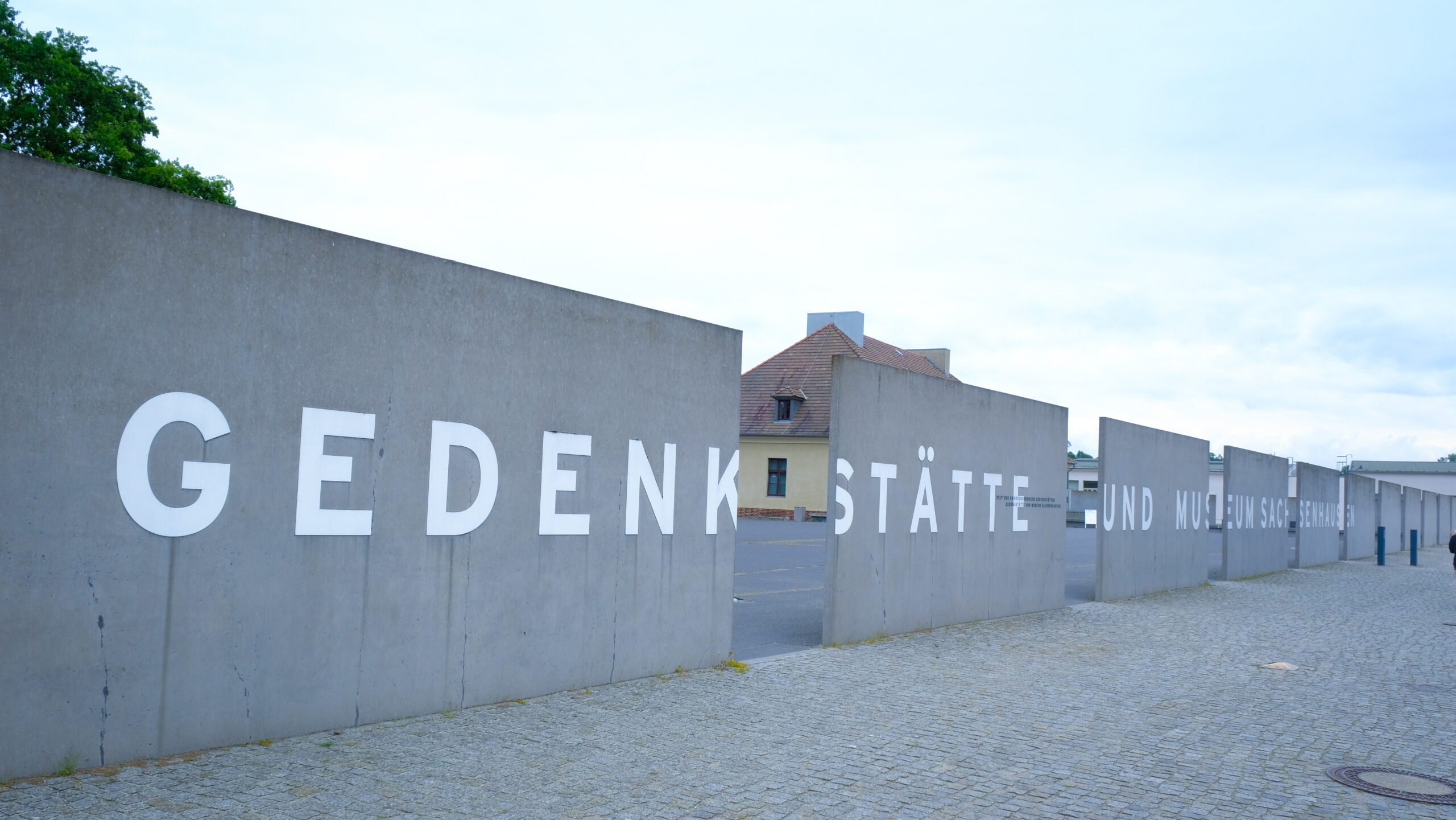
During World War II, the Nazis built many concentration camps in Germany and areas around Berlin. These camps were made to hold and kill millions of innocent people. Jews were the main target. But people with disabilities, homosexuals, Romani people, political opponents, and others were also imprisoned. Germany now has many memorials at these sites. Visiting them helps us remember the past and learn important lessons. In this post, we will explore some of the most important concentration camps outside Berlin.
Sachsenhausen: A Major Concentration Camp Outside Berlin
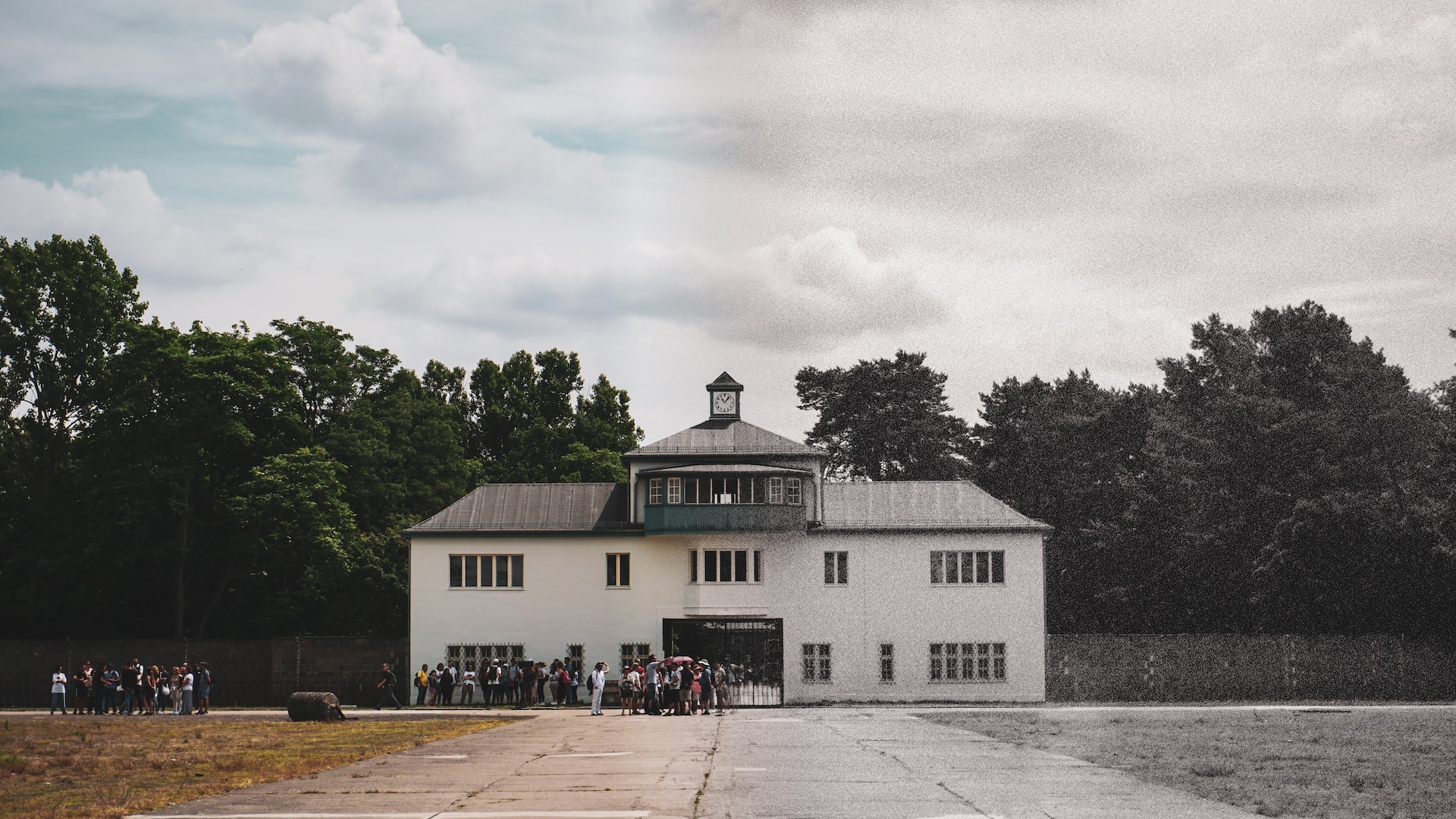
Sachsenhausen is about 35 km northeast of Berlin. It was one of the first big camps run by the Nazis. Initially, it housed political prisoners. Later, Jews, homosexual men, and others were also sent there.
Sachsenhausen became a model for other concentration camps. The SS officers trained here, and it was used to practice the methods of imprisonment and control.
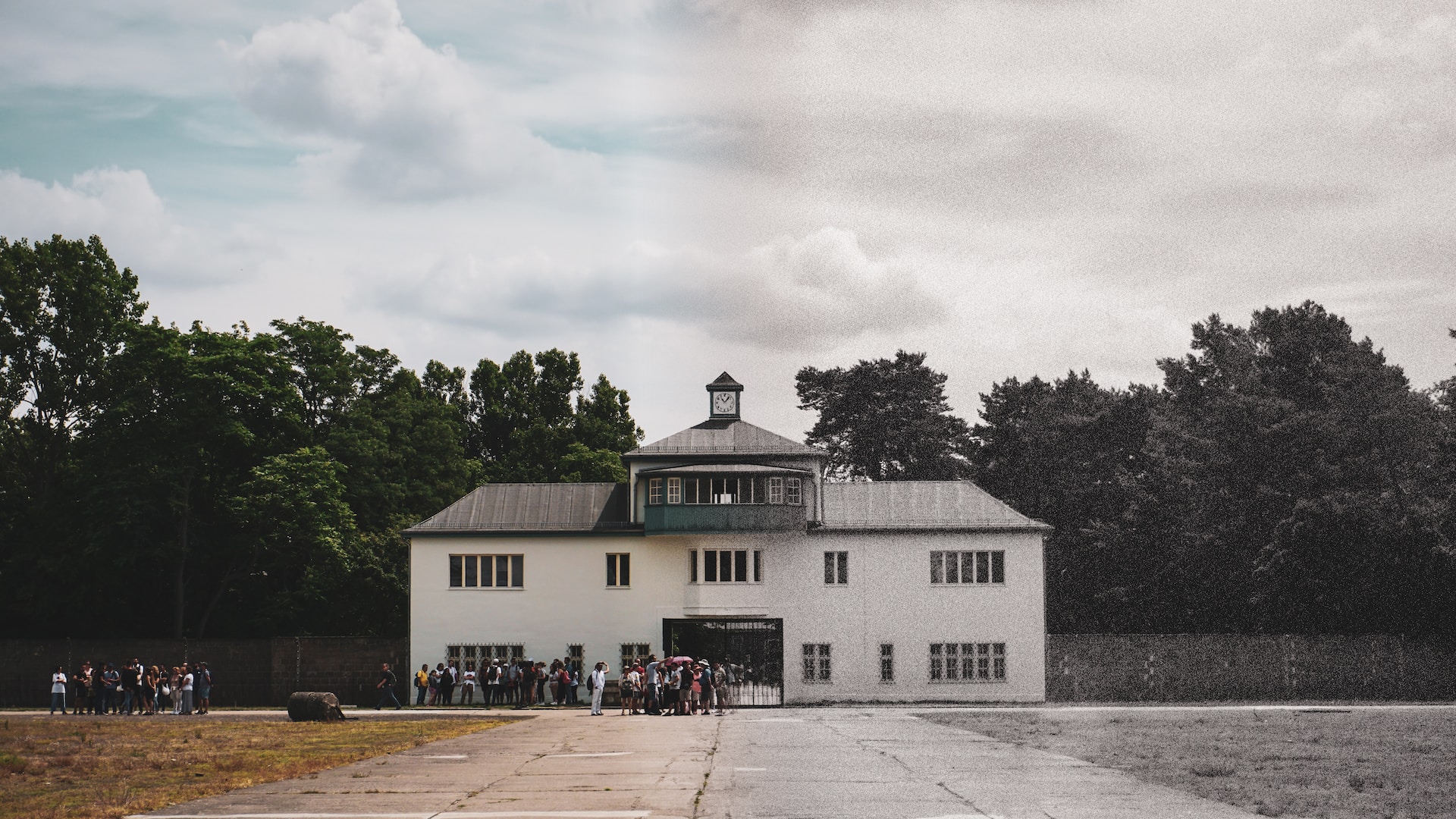
Today, you can visit Sachsenhausen. The main buildings are still there, including the entrance gate with the phrase “Arbeit Macht Frei” or “Work Sets You Free.” You can see the prisoners’ barracks, torture chambers, and the killing zone.
The museum at Sachsenhausen helps visitors understand the history. Walking through the camp is a powerful experience. It shows the suffering and cruelty of the past.
Ravensbrück Concentration Camp of the Second World War
Ravensbrück was the largest camp for women during World War II. It is about 90 km north of Berlin and 10 km south of the town of Fürstenberg.
This camp held women from many backgrounds: activists, resisters, Jews, Romani, and disabled women. Around 130,000 women passed through Ravensbrück during its six years of operation.
The camp museum tells the story of these women. It explains the hardships they faced and the cruel conditions of the camp. Visiting Ravensbrück is important to understand the impact of discrimination and violence.
Sobibor: Extermination Camp Outside Berlin
Sobibor, an extermination center three hundred and odd Kilometers southeast of Berlin, was one of the worst places of systematic killing during the holocaust. B sited in the present-day Poland, it was highly instrumental in the systematic extermination of the jews.
From 1942 to 1943, about 250,000 Jewish population were killed in Sobibor by gassing. The camp was therefore meant strictly for the killing of people and had few facilities for the purpose of detaining people for a long time. Now, people come visiting the Sobibor concentration camp to take a look at the special site, which is a reminder of how appalling the experience of the holocaust has been.
What can we know about these camps to learn from the history of these places?
Since there is no way of knowing when concentration camps will be used again, it is important to learn about them and their location outside Berlin. Through their visits, common people as well as I and you can pay tribute to the victims while at the same time striving to foster unity by learning tolerance.
Remembering the victims
We are able to keep in sight the victims of these camps when thinking about the unendurable torture that was inflicted on people who had been thrown into these camps. In acknowledging these stories, we honour their lives and stand against forgetting and disregarding them.
Education and awareness
A visit to the camps and their museums is a good chance to learn the history of the Holocaust and the outcomes of hatred, discriminatory actions and uncontrolled power. Education gives one a chance to comprehend the lessons of history and be against any form of violation of human rights now.
Challenging intolerance
That is why studying the Holocaust or the concentration camps helps us to identify the first signs of prejudice, discrimination, and oppression in society today. This awareness makes us stand against hatred and intolerance as well as engage ourselves in the fight for justice, equality, and human rights in every society.
Thus, the concentration centres outside Berlin, to mention only some of them, like Sachsenhausen, Ravensbrück and Sobibor, can be taken as the proof of the Holocaust tragedies. It is, of course, regretful that such a positive goal was occupied by a dark history of the camp, but it is essential to teach and raise children in accordance with such a past, not to repeat it.
Visiting Concentration Camps Outside Berlin
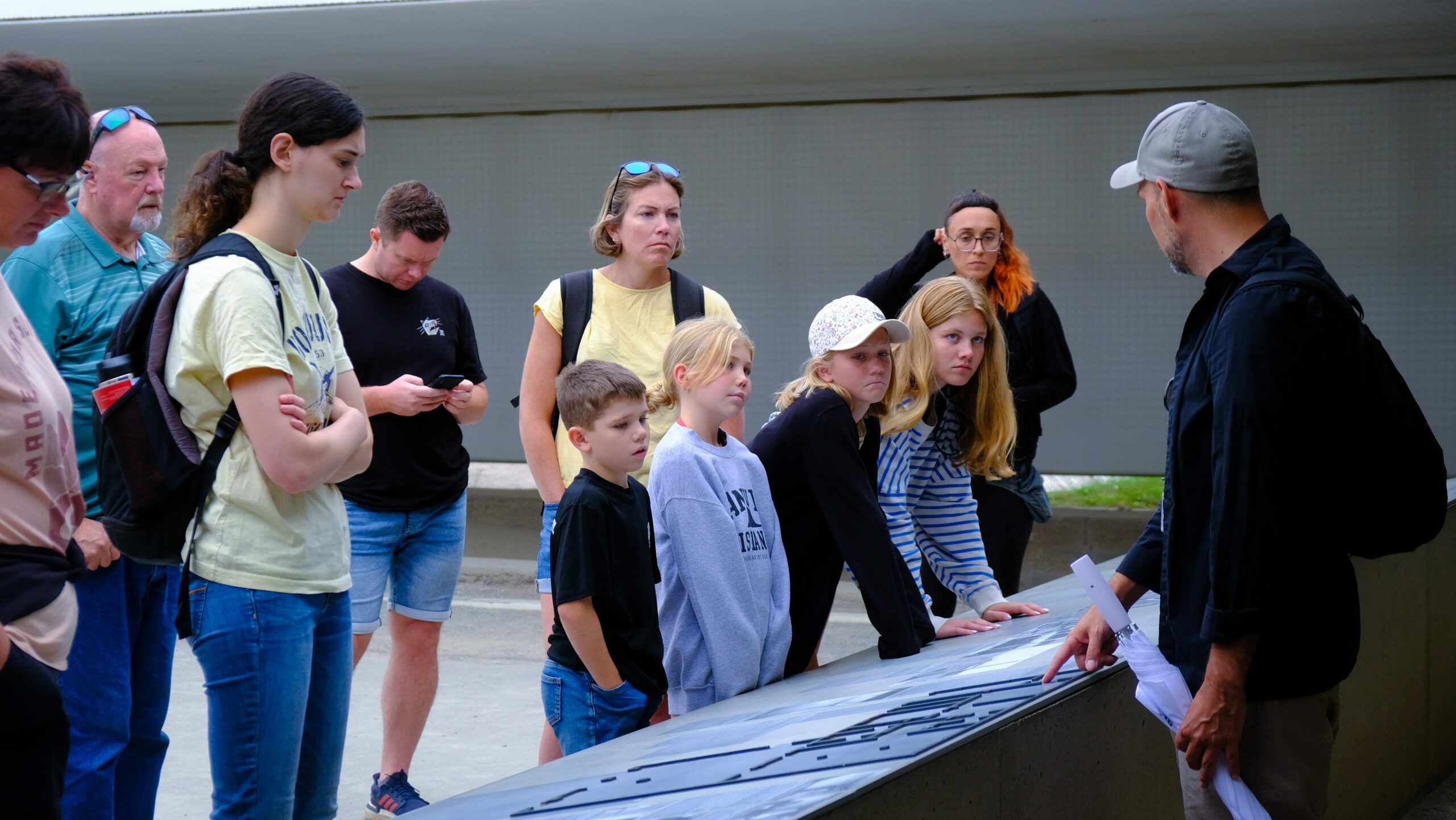
People today visit these camps to learn, reflect, and remember. Sachsenhausen, Ravensbrück, and Sobibor are among the key sites. Visitors can walk through the campgrounds, see the historical buildings, and experience the museums. Each visit is a reminder of the past and a lesson for the future.