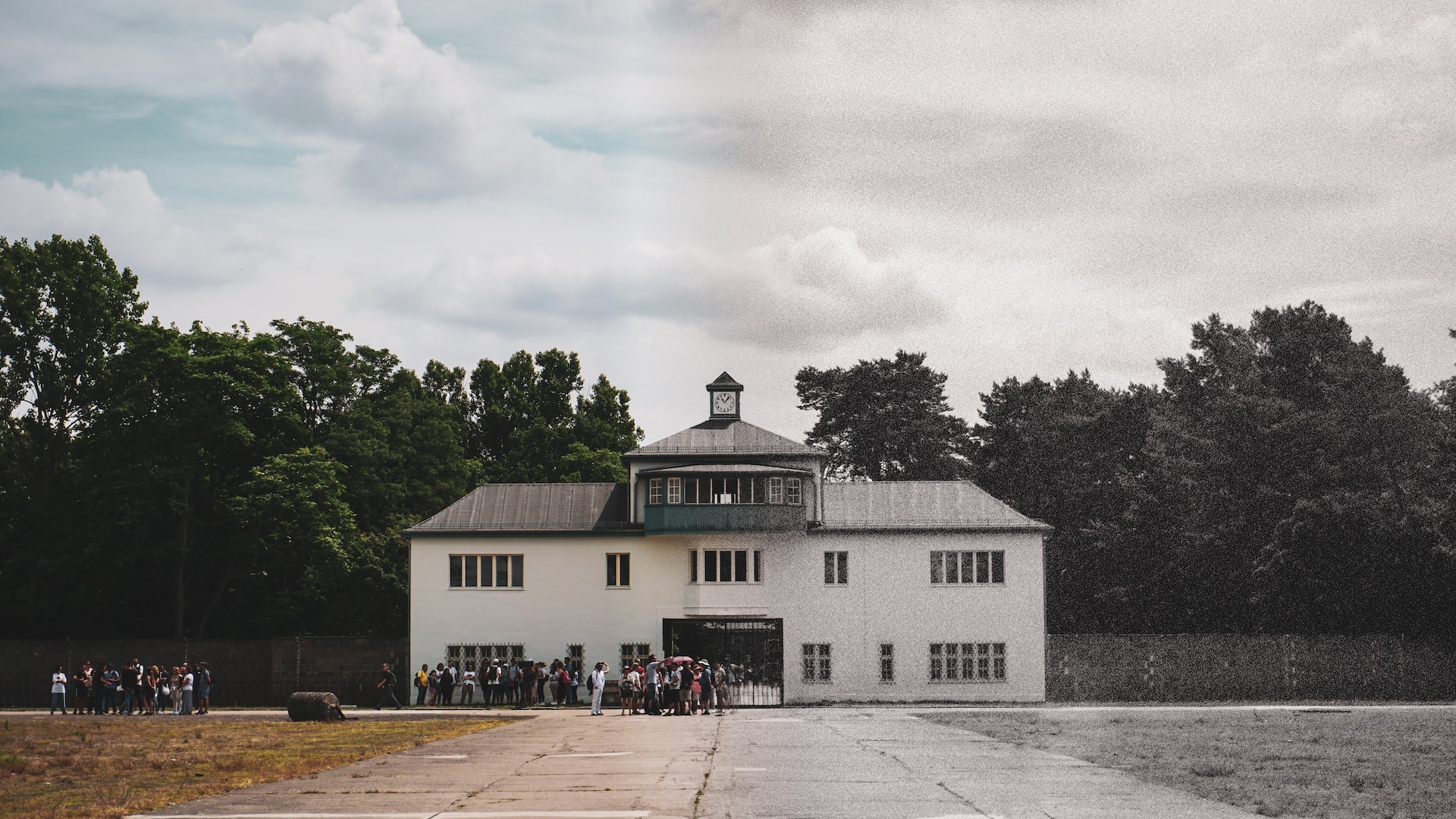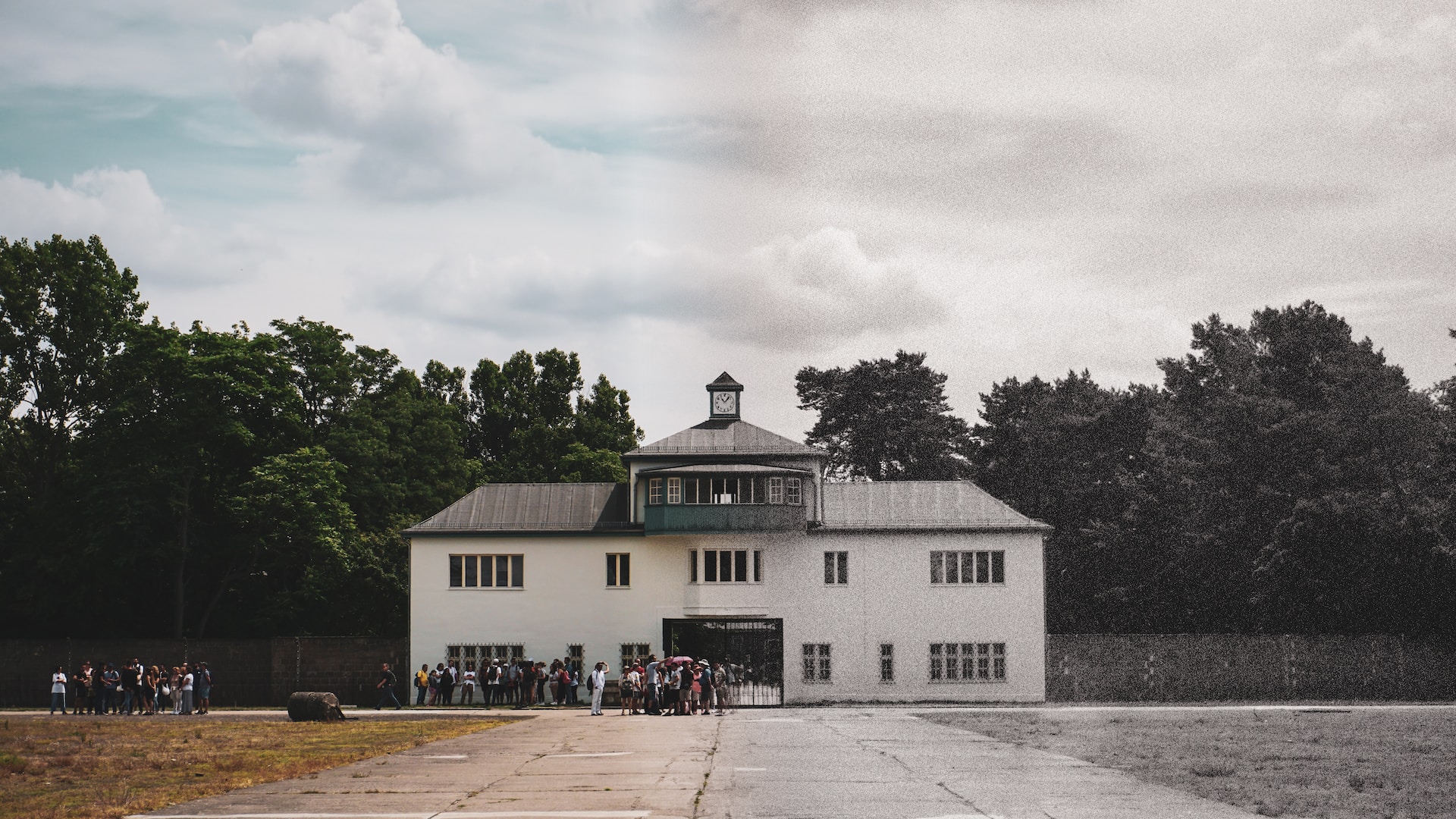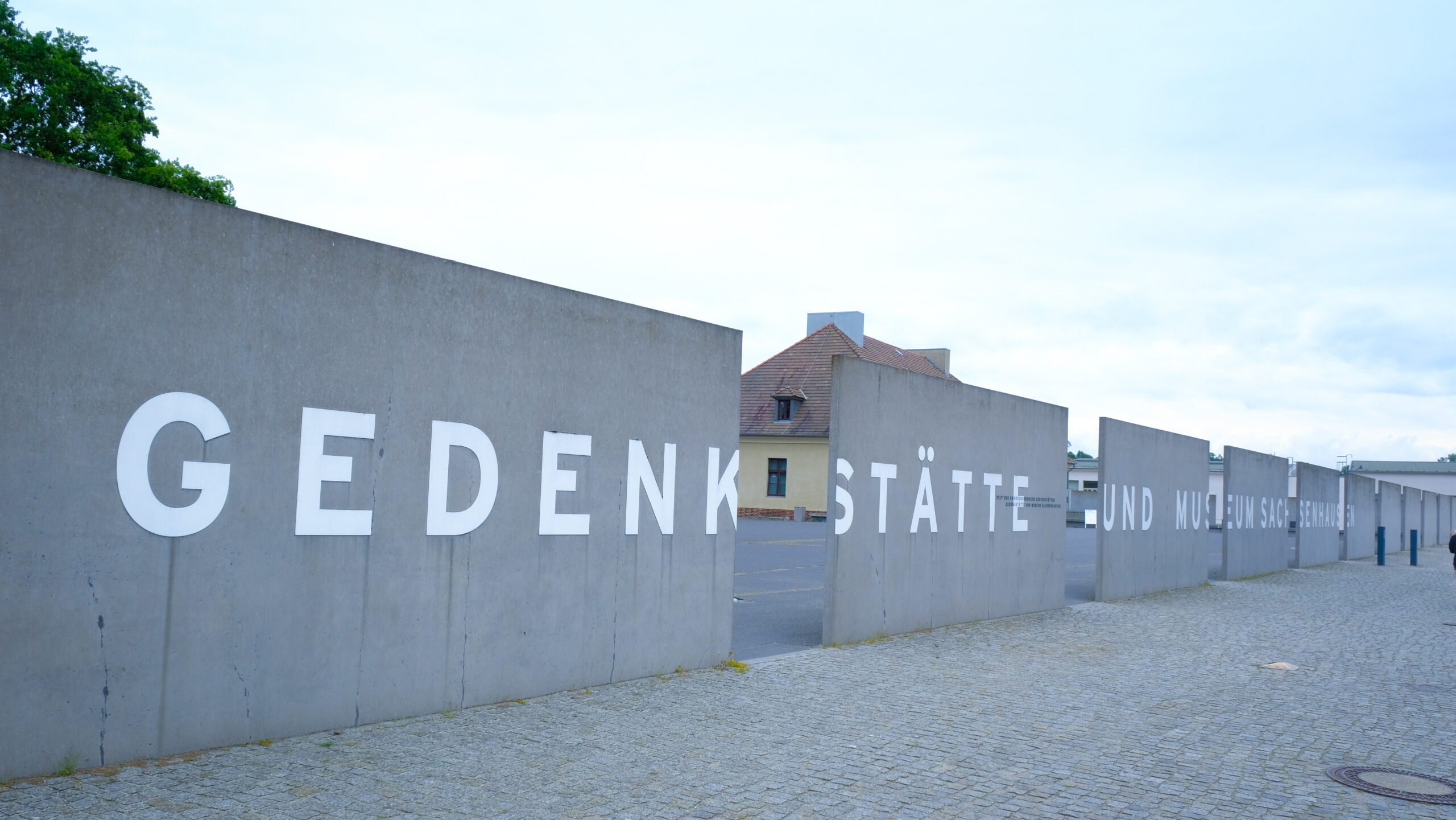
This is, therefore, a welcome to this comprehensive tour of the Sassenhausen Concentration Camp. This way, in this blog post, we will explore to the timeline and analysis of the lesson, including the historical, social, and personal importance and influence of this uncomfortable era. The following text provides an overview of the camp.
Overview of the Sassenhausen Concentration Camp
The Sassenhausen concentration camp was one of the many created by the Nazis during the Second World War, and officially called the Kamp Sassenheim.
World War II. It was acting mostly as a prison for political prisoners Jews and all tops of other categories of people that were discriminated by the Nazi regime. Standing near Sassenheim, a Dutch town, this camp was an important center of the Holocaust and It being a deliberate policy of the Nazi to exterminate millions of harmless human beings.
Historical Background and Nazi Era Context
To understand Sachsenhausen, we must look at the history of Nazi Germany. In the 1930s, Adolf Hitler and the Nazi Party rose to power. They promoted the idea of Aryan supremacy and openly hated Jewish people and other minorities.
This ideology led to the creation of concentration camps across Europe. The camps were initially meant to hold political dissidents, but they soon became places of forced labor, torture, and mass killing.
Purpose of the Concentration Camps
Originally, concentration camps like Sassenhausen were designed to hold political prisoners and dissidents. However, over time, they became instruments of genocide and mass extermination. They continued the horrors of the Holocaust and other human rights violations.
Sassenhausen also functioned as a transit camp, temporarily holding prisoners before they were sent to larger extermination camps, including Auschwitz-Birkenau.
Life Inside the Sassenhausen Concentration Camp
Conditions in the Sassenhausen Concentration Camp were severe, inhumane, and oppressive. Prisoners lacked basic necessities such as adequate food, clothing, water, and medical care. They were subjected to forced labor, constant abuse, torture, and, in some cases, medical experiments.
The camp’s environment stripped prisoners of their dignity and freedom. Daily life was dominated by harsh labor, fear, and the constant threat of punishment or death.
Significance in the Holocaust
Although less known than camps like Auschwitz or Dachau, Sassenhausen played a crucial role in the machinery of the Holocaust. Its transit function made it an essential part of the Nazis’ system of mass deportation and extermination.
Additionally, the Nazis exploited the intelligence and skills of Jewish prisoners. Some were forced to translate and record confidential information during diplomatic internment procedures. This intelligence was used to determine who to arrest or release and for broader propaganda and deception operations.
Legacy and Remembrance
Today, the Sassenhausen Concentration Camp is still being used to show that the society had a taste of the worst part of being ruled.
Holocaust. Tributes and exhibitions have been created to give a face and history to the victims of this harrowing period in history. It works as a reminder of needing to remember so that such are not meant to be repeated again in the future.
Visiting the Site
More detailed information about the Sassenhausen Concentration Camp’s history and consequences can be found for anyone who cares here.
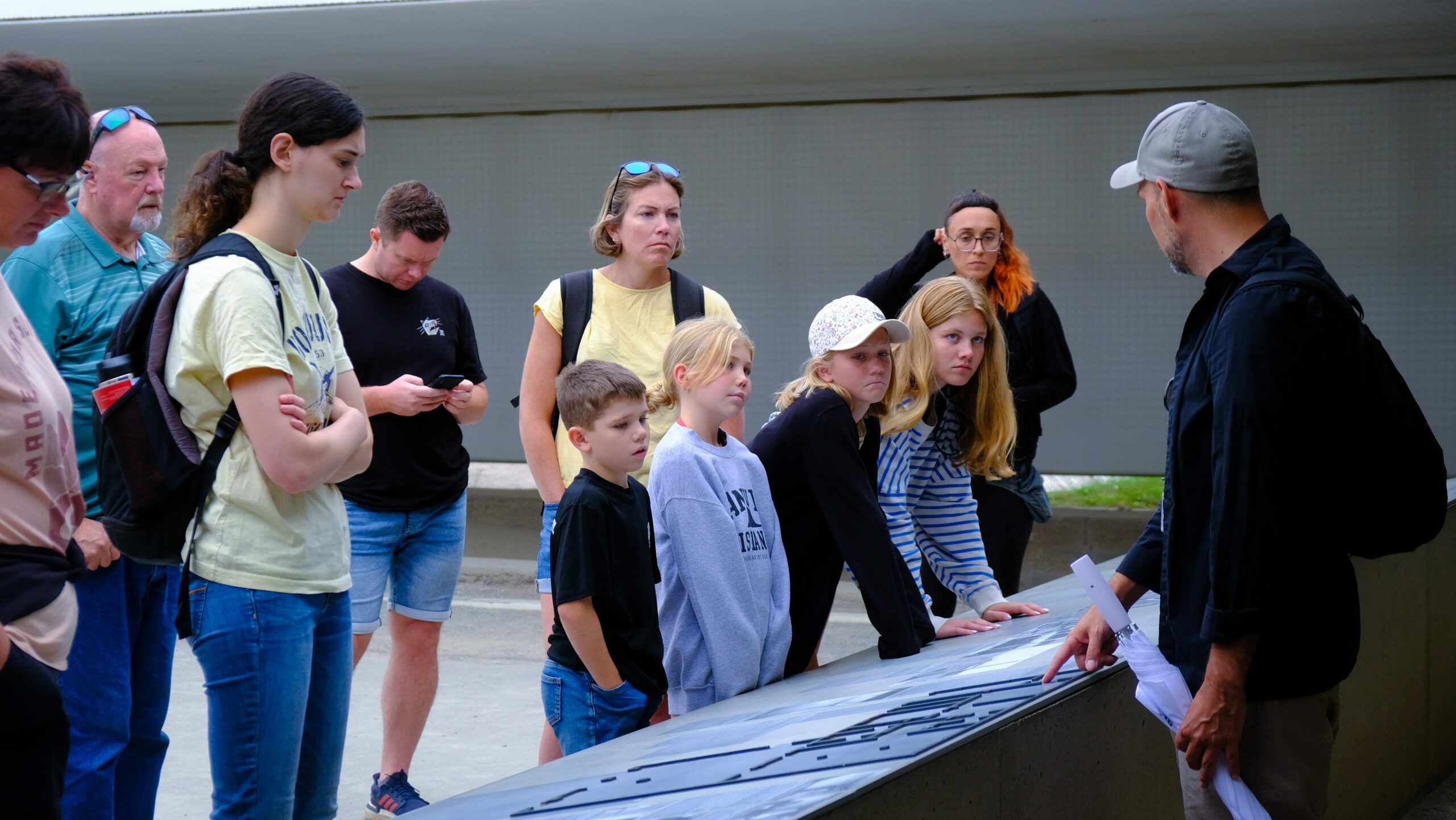
However a visit to the memorial site is highly recommended. The guided tours are highly informative, providing visitors with a full understanding of the camp’s history. They go beyond mere entertainment, allowing people to learn about the camp’s significance, understand its attractions in depth, and pay tribute to the victims.
Final Thoughts
The Sassenhausen Concentration Camp is connected to a vast and tragic part of history. The camp served as a transit center, sending prisoners to extermination camps, and also as a place where prisoners were forced to work for intelligence purposes. Remembering what happened in places like Sassenhausen can be difficult, but it is essential. By reflecting on these events, we help ensure that such atrocities never happen again and honor the memory of those who suffered.