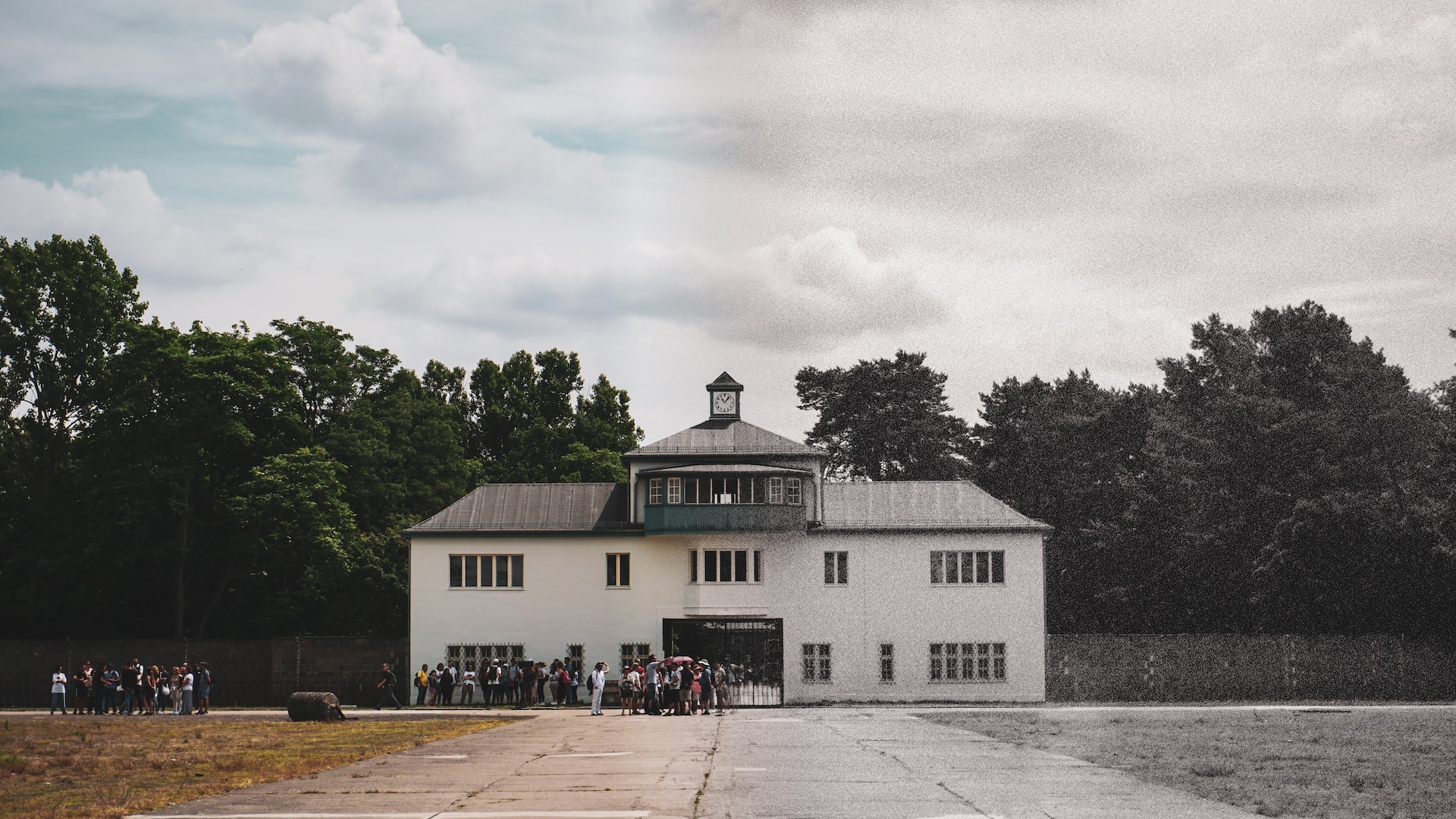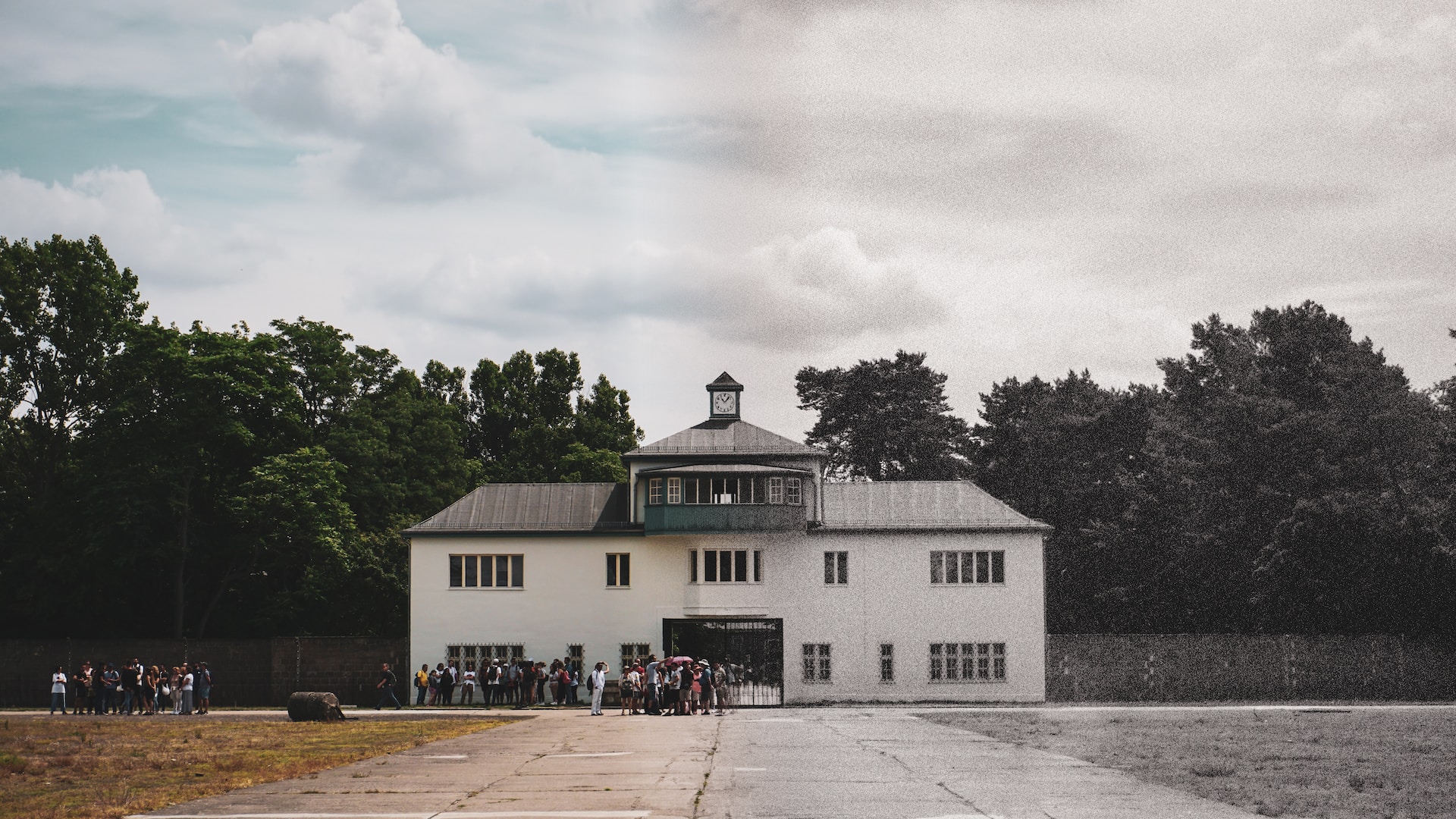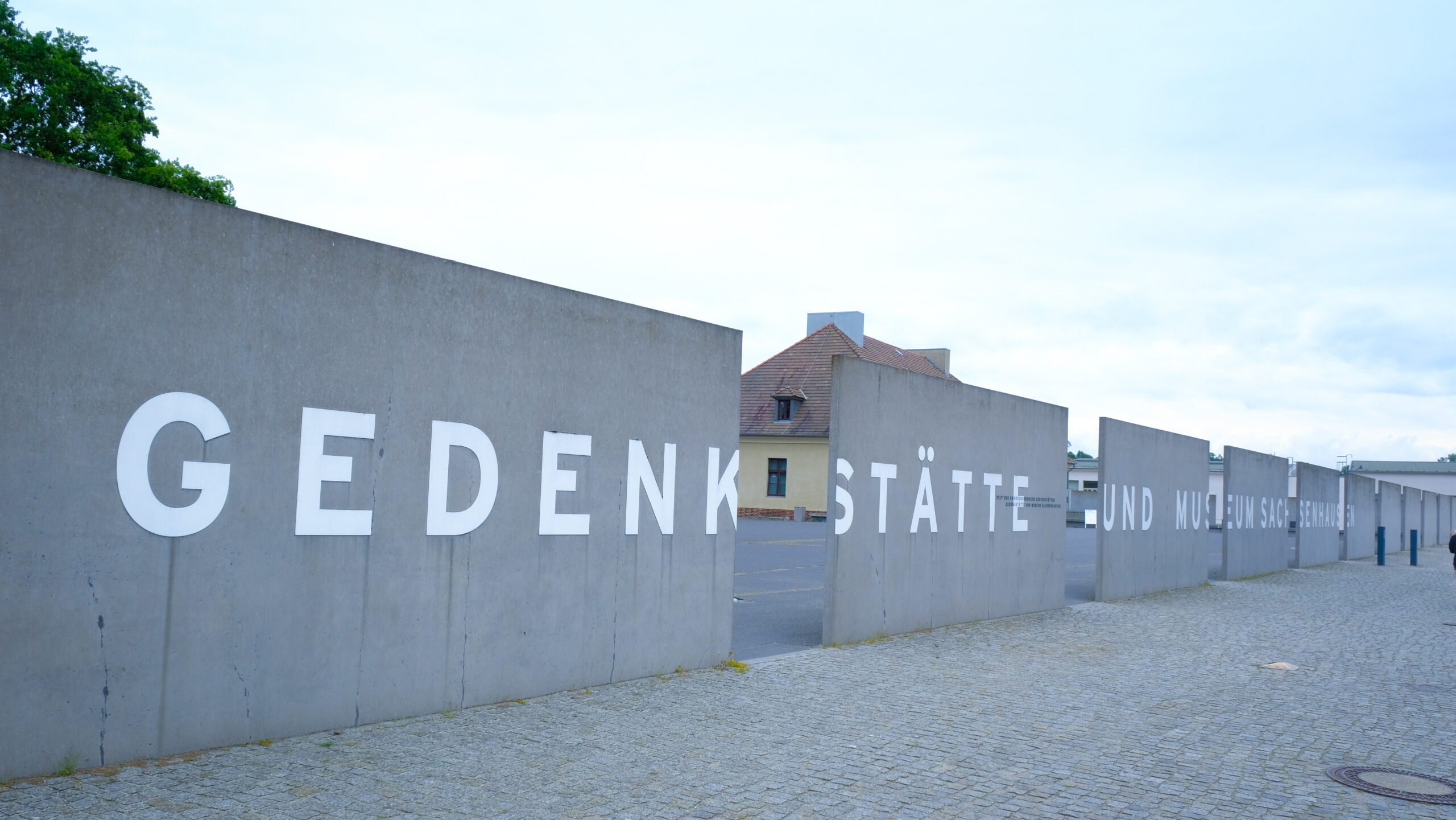
The significance of the Sachsenhausen Concentration Camp lies in its role as a symbol of Nazi cruelty and a model for other camps. It was built in 1936 in Oranienburg, Germany. The camp held thousands of prisoners, including political opponents, Jews, and others seen as enemies of the Nazi regime. Visitors today can learn about history, human suffering, and the lessons of tolerance and human rights. Sachsenhausen shows how far hatred and discrimination can go, and why remembering the past is important.
Origins & Purpose of Sachsenhausen
Sachsenhausen was created by the SS under Heinrich Himmler’s orders. It was one of the first Nazi concentration camps. The camp served as a model for other camps built later. Its main purpose was to hold political prisoners and anyone considered a threat to Nazi rule.
The Nazis used it to train SS guards. Additionally, they experimented with ways to control and punish prisoners. Moreover, the camp’s location near Berlin made it easy for the Nazis to manage. As a result, it became a center for fear, control, and suffering.
Design & Layout: A Model for Control
Sachsenhausen had a triangular design. The main entrance faced the prisoners. Guard towers were placed to watch all parts of the camp. This design allowed the SS to control prisoners easily.
Barracks were arranged in rows. Prisoners slept in crowded, harsh conditions. There were roll call areas where prisoners stood for hours. The crematorium was nearby, a constant reminder of the camp’s deadly purpose.
Prisoner Population & Life Inside
Life inside Sachsenhausen was very hard. Prisoners were beaten, starved, and forced to work. Many suffered from disease. Some were used for medical experiments.
The camp held people from different religions and political beliefs. For instance, Jews, Communists, Social Democrats, Jehovah’s Witnesses, homosexuals, and prisoners of war were all held there. Consequently, thousands of people died from hunger, disease, abuse, and execution.
Daily life was full of fear. Prisoners had no privacy and little hope. Guards used terror to keep control. Despite this, some prisoners showed courage and helped each other survive.
Forced Labor & Industrial Exploitation
Prisoners were forced to work in factories and nearby industries. They made bricks, worked in construction, and helped in war production. Some worked for companies like Siemens, Heinkel, and AEG.
Labor was very hard and dangerous. Many prisoners were injured or killed while working. The Nazis used forced labor to support their war efforts. Sachsenhausen became an example of how prisoners were exploited across Nazi Germany.
Execution Methods & Mass Murder
Sachsenhausen was not just a prison. It was a place where people were killed. The camp had shooting ranges and a gas chamber called Station Z. Prisoners were also sent to crematoriums after execution.
Mass murder was systematic. Specifically, people were selected for death based on Nazi ideology. Furthermore, the camp played a role in the Nazis’ “Final Solution” — the plan to exterminate Jews and other targeted groups.
Medical Experiments & Brutality
Firstly, doctors performed cruel experiments on prisoners. Moreover, they tested medicines, studied diseases, and intentionally caused harm. These experiments included, for example, starvation, freezing, and infections.
Prisoners suffered terrible pain, and consequently, many died. Moreover, these experiments demonstrated the extreme inhumanity of the camp system. As a result, Sachsenhausen became a model for medical abuse in other camps.
Liberation & Post-War Legacy
Sachsenhausen was liberated in April 1945 by Soviet forces. Thousands of survivors were freed. After the war, the Soviets used part of the camp as a special detention center.
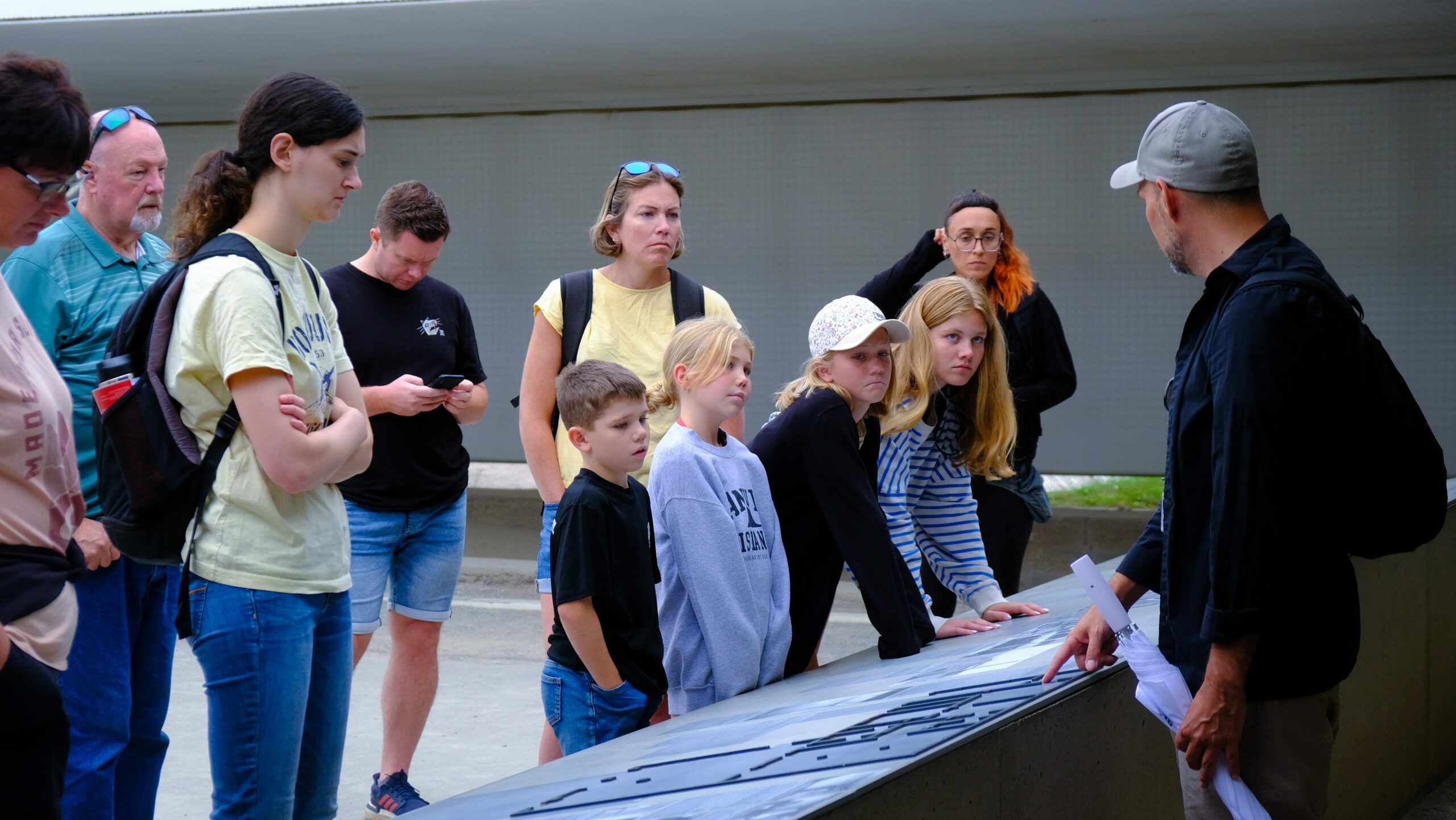
Today, Sachsenhausen serves as a memorial and museum. Here, visitors can see the barracks, watch towers, and the crematorium. Moreover, the camp preserves the memory of victims and teaches important lessons about human rights, tolerance, and justice.
Remembrance & Lessons for Humanity
The camp reminds us of the dangers of hate, discrimination, and unchecked power. Visiting Sachsenhausen is emotional but important. It encourages reflection and learning.
By educating ourselves about Sachsenhausen, we honor the victims. We remember the six million Jews and millions of others who died during the Holocaust. We learn why respect, tolerance, and compassion are essential for all humans. Sachsenhausen shows that cruelty can happen anywhere if people stay silent. Remembering history helps prevent such evil from happening again.
Final Thoughts
The significance of the Sachsenhausen Concentration Camp is clear. It was a site of extreme cruelty, a model for other camps, and a place where thousands suffered and died. Today, it stands as a reminder and a lesson. By visiting and learning about Sachsenhausen, we not only understand the past but also, consequently, are inspired to create a better and kinder world.
Firstly, remembering Sachsenhausen is not just about the past. Moreover, it reminds us of our responsibility today. Consequently, it teaches us to fight hate, value human rights, and promote understanding. Book Now for the Memorial And Museum Tour